Lexington’s Red Bank area has boomed with growth. Is it ‘too much, too fast’?
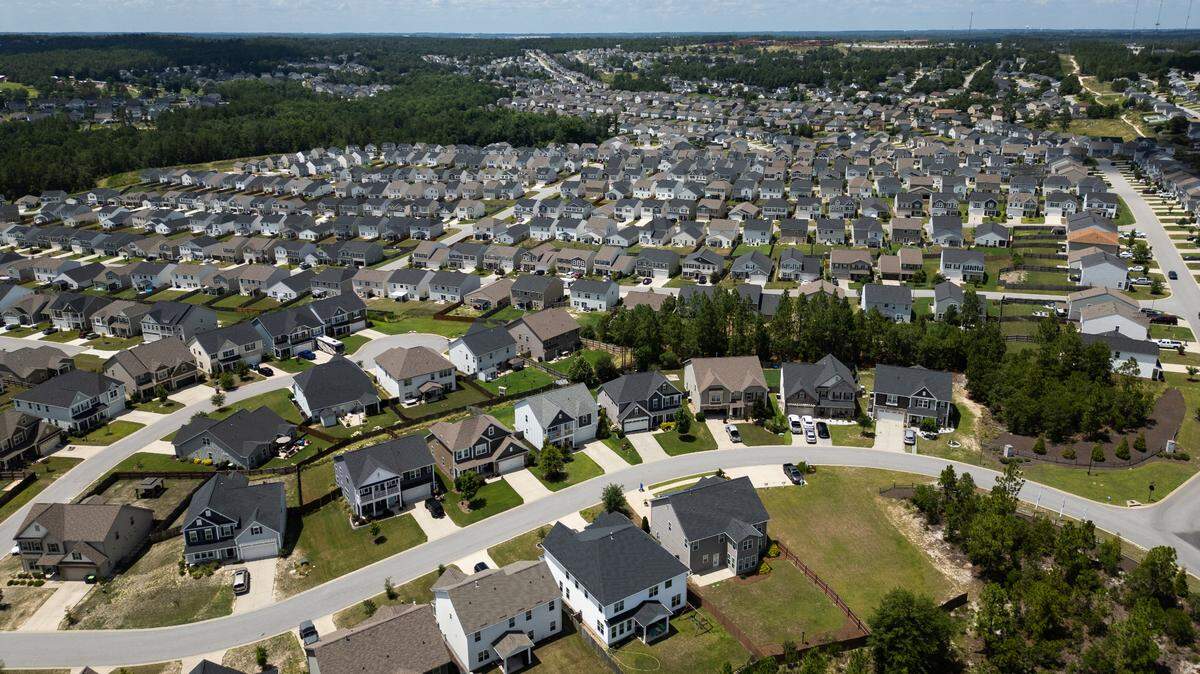
READ MORE
Communities in Transition
Several of Columbia’s surrounding neighborhoods are changing with development and businesses. Follow our Communities in Transition series as we explore how these areas are growing.
Expand All
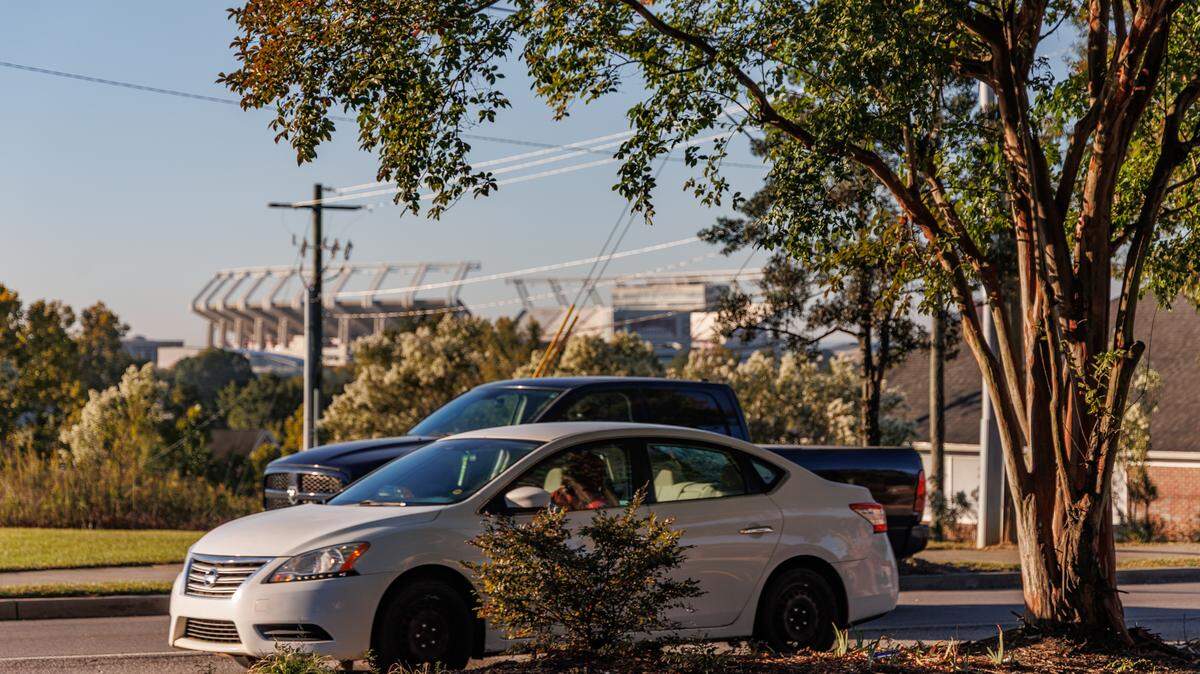
One of Columbia’s ‘best kept secrets.’ Can Rosewood sustain charm amid growth?
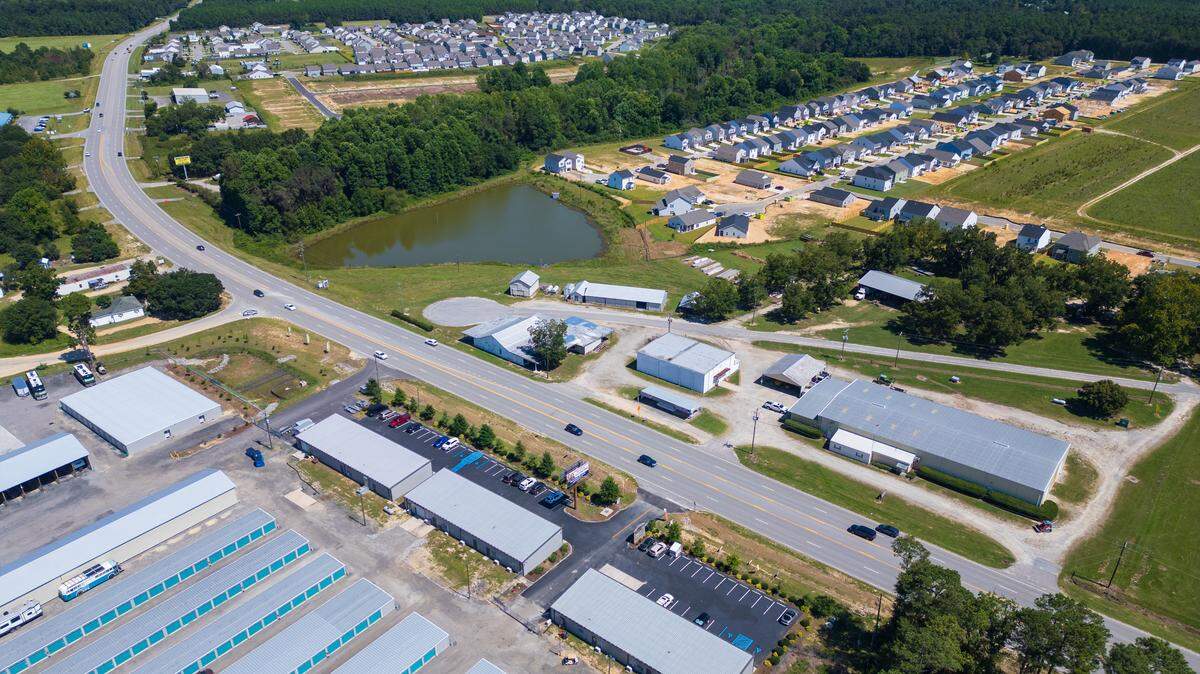
Gilbert, long on the Midlands’ edge, is the latest frontier of housing growth
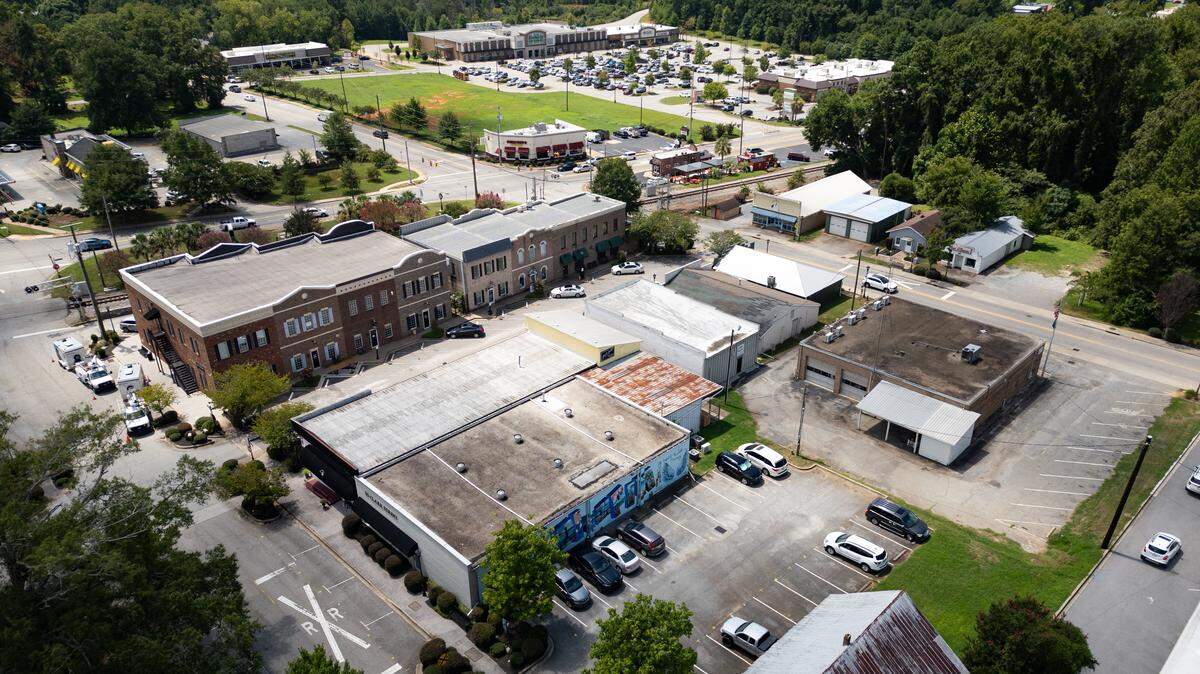
Officials in once rural Chapin say there’s only so much they can do about growth
Lexington’s Red Bank area has boomed with growth. Is it ‘too much, too fast’?
The sights and sounds of progress were readily apparent on a recent bright, hot summer morning in the Red Bank area of Lexington County.
Construction workers in helmets and bright shirts with tool belts dangling from their hips were perched on roofs in burgeoning subdivisions such as Ashton Lakes off YMCA Road, just a short drive from Red Bank Elementary, or at the Copper Crest neighborhood off Old Orangeburg Road. The kinds of places where hundreds of new homes filled — or soon to be filled — with families are lined up in neat, meticulously planned rows, like a modern version of the American suburban idyllic codified in early Steven Spielberg movies.
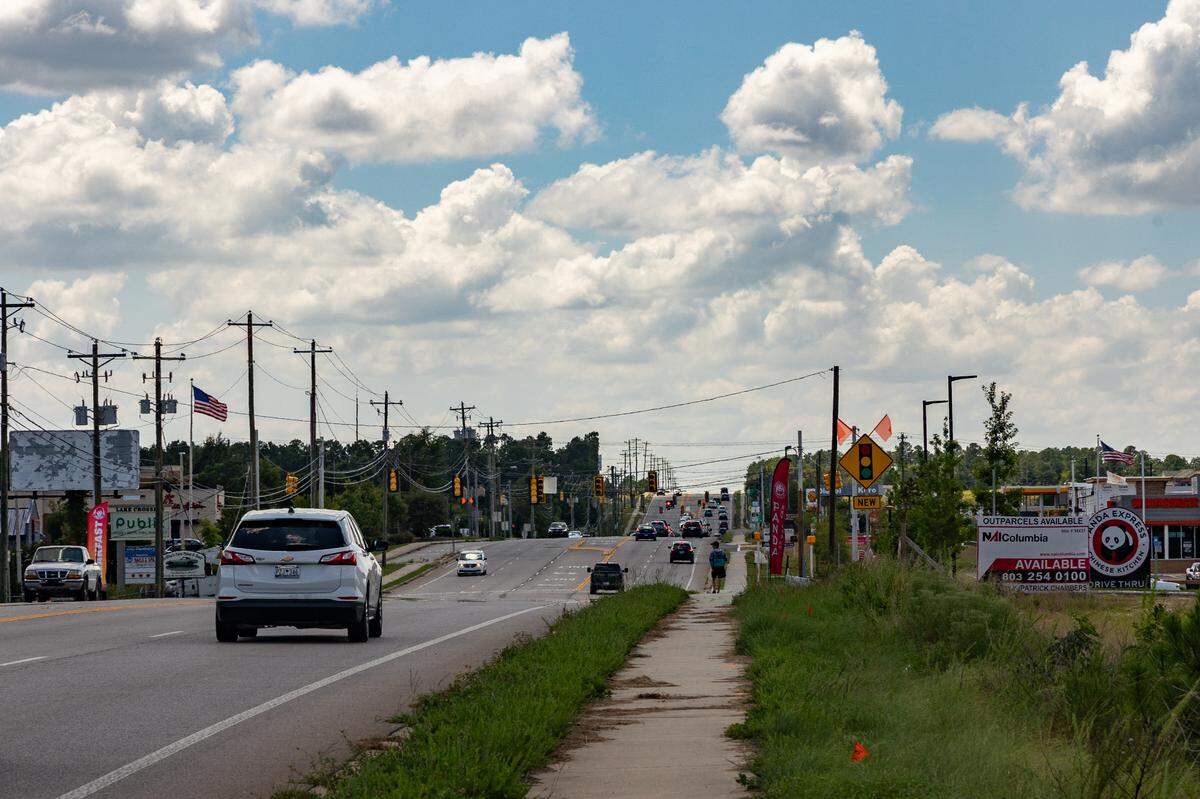
Crews were hard at work building a new Lowes Foods grocery store at Platt Springs Crossing, a sprawling, nearly 60-acre development that is rising from the dirt along Platt Springs Road not far from South Lake Drive. The $65 million mixed use development is perhaps the most visible avatar of the new Red Bank, bringing with it restaurants and retail, plus 142 planned new townhomes. Already, a host of national restaurants — Whataburger, Chipotle, Panda Express, etc. — have opened on the site, with more on the way.
And everywhere you look — from the corner of Platt Springs and Old Orangeburg roads to the corner of S. Lake Drive and Nazareth Road and beyond — residential developers have posted colorful signs pointing the way to new neighborhoods, drawing prospective buyers with promises of “move-in ready homes” and “townhomes from the low 200s.”
At Bluefield, the tony subdivision with hundreds of homes off S. Lake Drive across the road from the gleaming new South Lake Elementary School, signs at the entrance to the neighborhood beckon potential buyers by exclaiming “Lexington 1 Schools!” and teasing resort-style amenities such as a lazy river.
The whole scene has a boomtown feel to it, only Red Bank isn’t actually a town. Not in the legal, municipal sense. It’s in an unincorporated area of central Lexington County, mostly south of Interstate 20.
It is a “census-designated place,” one that has seen its population rise from about 6,000 in 1990 to about 11,000 today, though that number likely rises higher when you account for the areas surrounding and at the fringes of Red Bank. Lexington County, in general, has seen its population soar from 168,000 in 1990 to 313,000 today, per census stats.
There has been a steady sea change for Red Bank in the last two decades. Once a truly rural community dotted with forests, rolling fields, dirt roads, more modest single family homes and mobile homes — much of which can still be found there today, though the evolving aesthetic of the area is readily apparent — Red Bank is now a place where you’ll find four-lane highways, big box national retailers, numerous restaurants with varying cuisine and other hallmarks of growth straining against the way things used to be.
Red Bank is no longer the next frontier of Lexington County. It is a present representation of the strident and seemingly unstoppable growth of the county west of Columbia.
Gavin Smith has a unique perspective of Red Bank, having grown up in the area and graduated from White Knoll High School. While he has since moved into the town of Lexington — where he currently serves as a town councilman — Smith still has many family members and friends in and around Red Bank.
He says he can remember when the main roads through Red Bank were two lanes, and recalls that, when he was a sophomore in high school and the Walmart was built off S. Lake Drive in 2007 — a true harbinger that change was coming — he and other friends would hang out in the parking lot, a novel idea in what was at the time still a rural area.
“When I started high school, there was honestly nothing there,” Smith said. “There was a Zaxby’s, a couple of gas stations. The things like Publix and the Lowe’s [Home Improvement] and all of that came after.”
As he sees his native area continue to grow, Smith notes that his family members have enjoyed having new amenities in what was formerly a largely rural community.
“It’s exciting to see different things coming to fruition,” Smith notes. “I know my parents are thrilled that there’s a Publix over there and a Chick-fil-A and Planet Fitness is coming and Lowes Foods. They’re thrilled about that.”
‘Last little piece of paradise’
Former Republican state Sen. Katrina Shealy’s had a front row seat for the growth and development Red Bank has seen in recent decades. She’s lived in Red Bank for 38 years, she said, and her husband Jimmy has lived there all his life. They’ve got a house and some land on Wilson Street, just off busy S. Lake Drive, not far from Red Bank Creek.
It’s in an area that still conjures some of the formerly rural images of the Red Bank, nestled in a mostly residential area south of the commercial tangle near Interstate 20 and north of the busy retail thoroughfare anchored by Walmart, Rush’s restaurant and other businesses. Shealy is well known for keeping a number of beloved pet donkeys on her property, a quaint signal to the Red Bank of yesteryear.
“We’ve got the last little piece of paradise in Red Bank on Highway 6,” Shealy told The State in a recent conversation.
The former senator said she has watched the rocketing development in Red Bank in the last several years and offers that, in some ways, it feels like “too much, too fast.” She said traffic along S. Lake Drive, also known as Highway 6, continues to grow.
“Getting out on Highway 6 is horrible,” Shealy said. “But there used to not even be a grocery store, period, in Red Bank. We had to go to Lexington to [the former] Kroger, where the voting place is [on W. Main Street] now. ... Now we’ve got Lowe’s [Home Improvement] and we’ve got Walmart and I’m surprised we don’t have a Home Depot.
“Who would think that Red Bank would have a Publix and right across the street they are building a Lowes Foods store?”
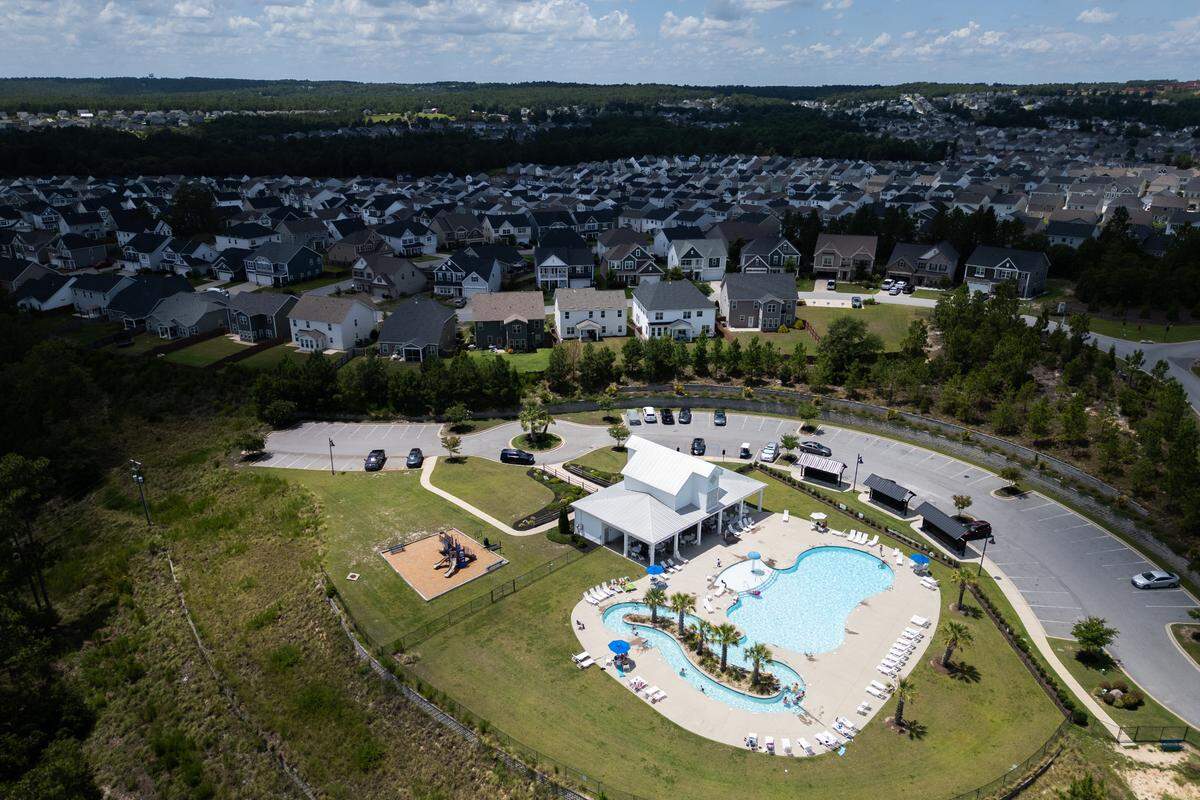
They say retail follows rooftops, and that certainly seems to be the case in Red Bank, where new neighborhoods and an influx of families has fueled the need for more restaurants, stores and services.
Perhaps the centerpiece of current retail growth in the area is the aforementioned Platt Springs Crossing development along Platt Springs Road near Old Orangeburg Road. Soon to be home to the new Lowes Foods supermarket, it already is home to a new Whataburger, a Chipotle, and a Panda Express. A Planet Fitness, a Tidal Wave Car Wash, a Harbor Freight tool store and a Big Blue Marble Academy are on the way, with more businesses set to be announced for the $65 million project.
NAI Columbia’s Ben Kelly, who is helping lead development on Platt Springs Crossing, noted that 142 townhomes also are planned for the site, and construction could get underway in coming months on those residences.
As for the continuing momentum of Platt Springs Crossing, Kelly said the calls for new retail in the development have been steady.
“The demand has far exceeded our expectations,” Kelly said, matter-of-factly.
Schools, roads and retail converge
Kevin Oliver has seen firsthand the changes that have come to Red Bank.
A general manager of Habitat for Humanity’s ReStore in West Columbia and a longtime freelance writer, Oliver and his wife Amy raised their children in Red Bank’s Regency Square neighborhood in a home that they purchased back in 2003. He notes they bought their place for about $86,000 back then, well below the prices in the $200,000-$400,000 range that many homes in the area now command in 2025.
The opening of White Knoll High School on Platt Springs Road back in 2000 was a key early signal for the area’s eventual growth, in Oliver’s estimation.
“White Knoll High School was really, I think, the first catalyst out there,” he said. “Once they put in a big high school like that, you know the developments are coming.”
Clifford Fisher was elected in 2024 to Lexington County Council in District 5, which encompasses Red Bank. Fisher has lived in the Red Bank area for decades, and noted his house was on a dirt road for years, though the road was eventually paved.
Fisher said, in his view, development in Red Bank was seemingly inevitable as water and sewer infrastructure grew through the years, and as the Lexington 1 district’s well-regarded schools continued to add new facilities, such as South Lake Elementary, which opened in 2024.
“That is a big draw,” Fisher said. “When you put in schools, water and sewer, then real estate is easy to develop. ... It all folds in together. When you have more houses you end up with a newer school, and of course you end up with more traffic and a different problem at the intersections and then businesses come.
“But it all links back to good real estate values here, and water, sewer and schools.”
With growth, of course, comes the headaches of traffic and the increasing desire for services in areas with scores of new residences. For instance, state Department of Transportation stats show that about 31,000 cars per day travel down S. Lake Drive just south of Interstate 20, near Red Bank Creek. That’s up from 27,000 cars per day that traveled the same stretch of road back in 2022.
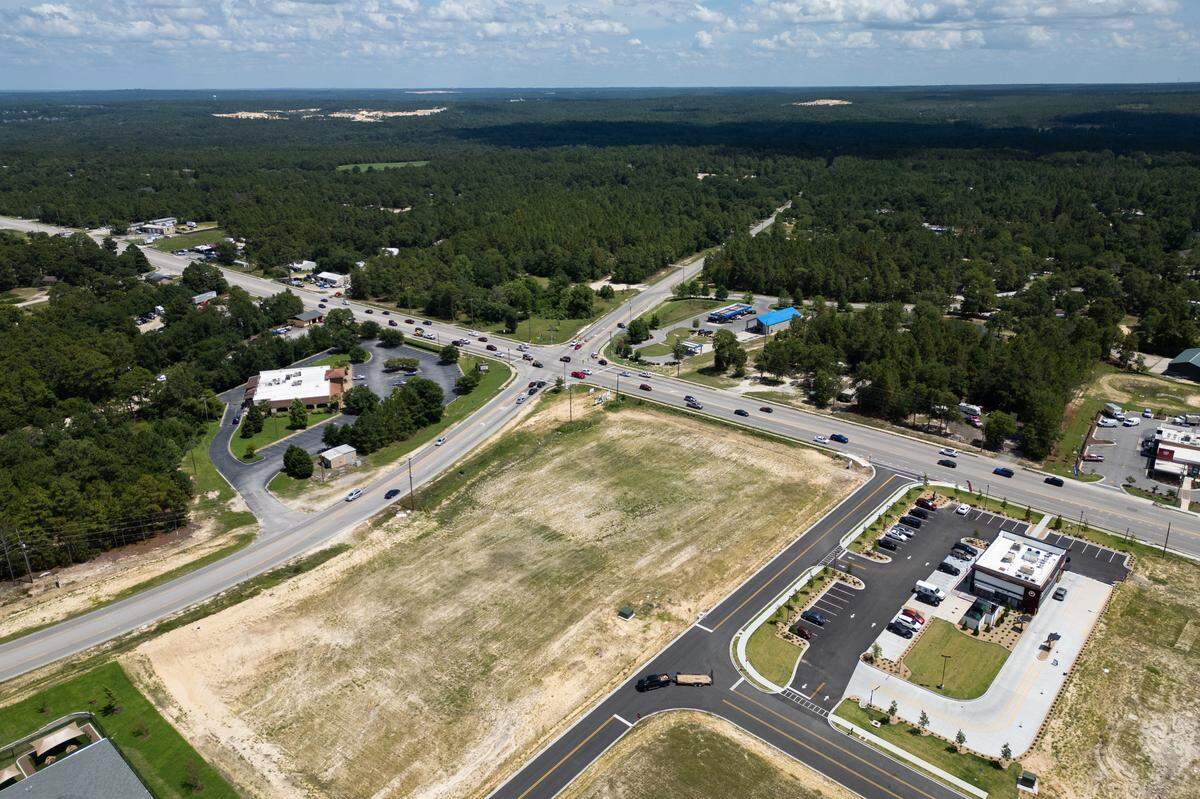
Oliver complained that cars back up at the red lights a lot more than they used to on his commute home from West Columbia. But beyond the increasing traffic headaches, he also wants to see more park space than is currently offered in the area.
“That’s something where I think a lot of areas are lacking, but Red Bank, especially,” Oliver said. “If we’re going to treat ourselves like a like the small town that we are, you know, where’s the where’s the public swimming pool, where’s the recreation, where are the other public park spaces?”
Also on Oliver’s “wish list” for the Red Bank area would be improved trash collection. As it stands, residents in unincorporated areas of Lexington County, like Red Bank, have the option to sign up to have their trash picked up by private collectors, something that has sparked complaints of uneven or unreliable service depending on how many households choose to sign up in different parts of the county.
Lexington County Council flirted with the idea of countywide garbage collection in late 2024, but ultimately chose to drop the proposal.
Smith, the Lexington Town Councilman and Red Bank native, said he feels the Red Bank area is at an important inflection point, and that responsible growth should be considered as the area continues to evolve.
“They’re at that point right now where they have growth, and I do think it’s still manageable out there,” Smith said. “But they’re going to start growing at a rate where they need to make sure that they have the infrastructure and the services to support that area before it gets out of hand.”
This story was originally published July 22, 2025 at 5:00 AM.