
Gilbert, long on the Midlands’ edge, is the latest frontier of housing growth
READ MORE
Communities in Transition
Several of Columbia’s surrounding neighborhoods are changing with development and businesses. Follow our Communities in Transition series as we explore how these areas are growing.
Expand All
One of Columbia’s ‘best kept secrets.’ Can Rosewood sustain charm amid growth?
Gilbert, long on the Midlands’ edge, is the latest frontier of housing growth
Officials in once rural Chapin say there’s only so much they can do about growth
Lexington’s Red Bank area has boomed with growth. Is it ‘too much, too fast’?
Except for the excitement of the Lexington County Peach Festival every summer, the 500 or so residents of Gilbert have long lived in one of the quieter sections of the Midlands. Fields of strawberries, corn and those celebrated peaches have long surrounded the backroads off Interstate 20, making it feel remote from the rest of the world.
But that’s slowly changing. Drive down Augusta Highway today and you’re just as likely to see signs advertising homes for sale at one of several housing developments springing up as the county’s housing supply spreads further and further west of Lexington.
On one stretch of the highway near Spring Hill Road, about three miles north of town, homes in the Winston Point neighborhood are under construction by Mungo Homes, across Spring Hill from the bones of new houses from Lennar at Taylor Hill, while on the other side of Augusta Highway, lots at Sease’s Pond are available from D.R. Horton.
That construction represents hundreds of new residents that will be coming to western Lexington County, but it also represents a major shift for longtime residents of what has up to now been the more rural side of the county.
“It’s not simply abusive to our side of the town, it’s overwhelming,” said Deborah Shealy Nye, a resident of Summit, Gilbert’s near neighbor that Nye jokingly calls a “bedroom community” to Gilbert. A lifelong resident of the area, Nye is fiercely defensive of the rural, small-town character of the west of Lexington County.
“We have no businesses, no stoplights, no nothing — and that’s the way we like it,” she said.
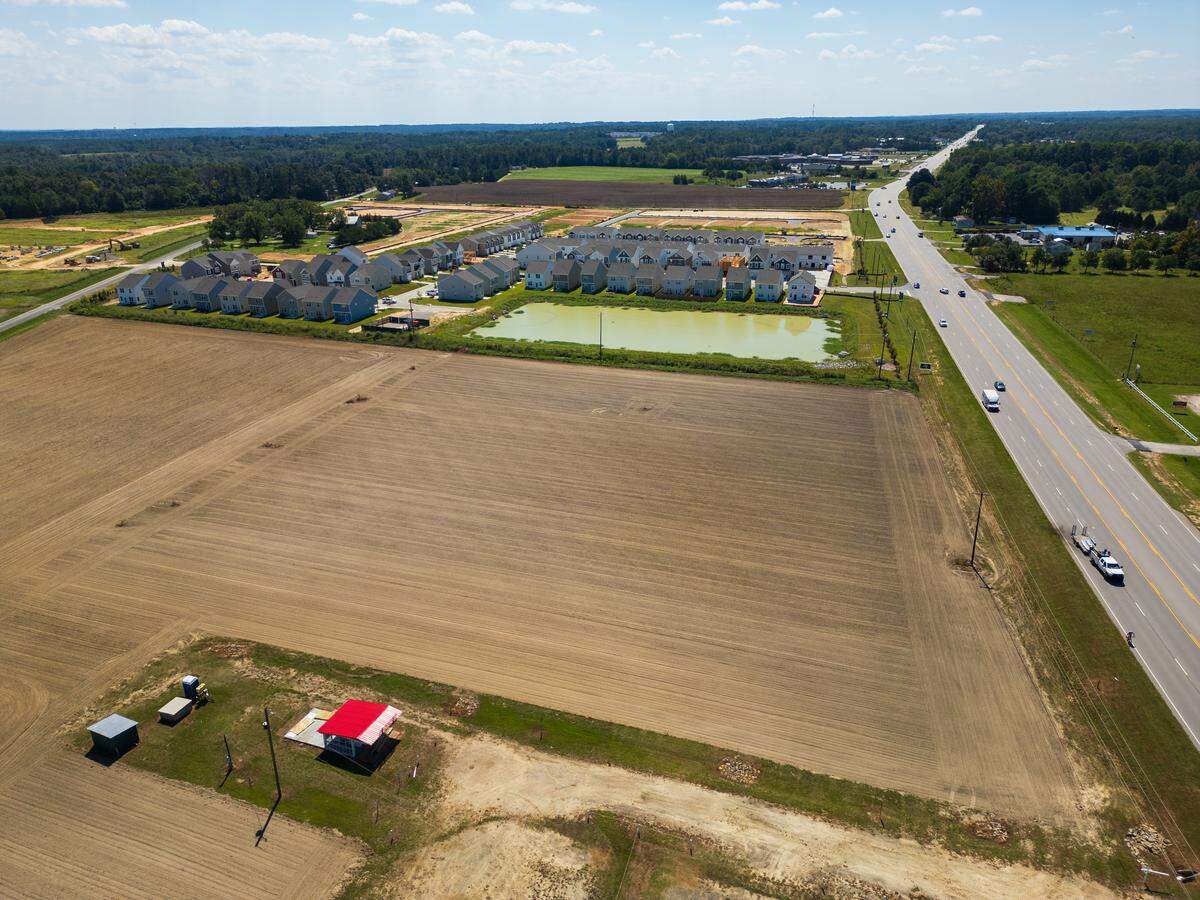
Influx of housing
But the sprawl of growth out from Lexington has changed the character of the community, Nye added, whether it’s in the form of traffic, increased litter on the side of the road, or the sight of a changing landscape.
“I drive No. 1 Highway to Lexington and it brings tears to my eyes to see no peach orchards or farming, just crackerbox housing that aren’t worth what they’re selling them for,” she said.
But those houses have been selling, to the point that hundreds of them are popping up along the main artery through the west of the county.
At Winston Point, local developer Mungo Homes is building 164 homes in phase one of its development, with plans for a total of 410 when all is said and done, the company said. House sizes will vary between 1,100 and 4,000 square feet, with plans for a pool and a cabana. The site is 16 minutes from Lexington, 15 minutes from Batesburg-Leesville and 40 minutes from Columbia.
“Gilbert is close proximity to Lexington, near growing commercial areas offering great shops and restaurants and highly sought-after schools in Lexington 1 district,” said Kim O’Quinn, a Mungo Homes spokeswoman.
Across the highway, Sease’s Pond offers one and two-story homes with “elevated features.”
“Nestled around a serene pond with a community dock, this neighborhood provides the perfect balance of tranquility and convenience,” the developer notes on its website. “Choose from homesites on the pond or those backing up to peaceful wooded areas for added privacy.”
Meanwhile, “Taylor Hill is a brand-new master-planned community offering single-family homes and townhomes in Gilbert, SC,” its website says.
Once this part of Lexington County was almost exclusively farmland, and while some of it still is, Nye says even many of her friends have ended up selling their old family plots to developers.
“A lot of these people that own this land, in my mind, have turned it over to their children, and they don’t have the respect for what it took to have that land, and they’re going for the big bucks,” she said.
A 2024 study found that 29,000 acres of farmland in Lexington County has been converted to non-agricultural uses.
“It’s not the same feeling anymore,” Nye said. “People moving here don’t have the community spirit. The respect is not there.”
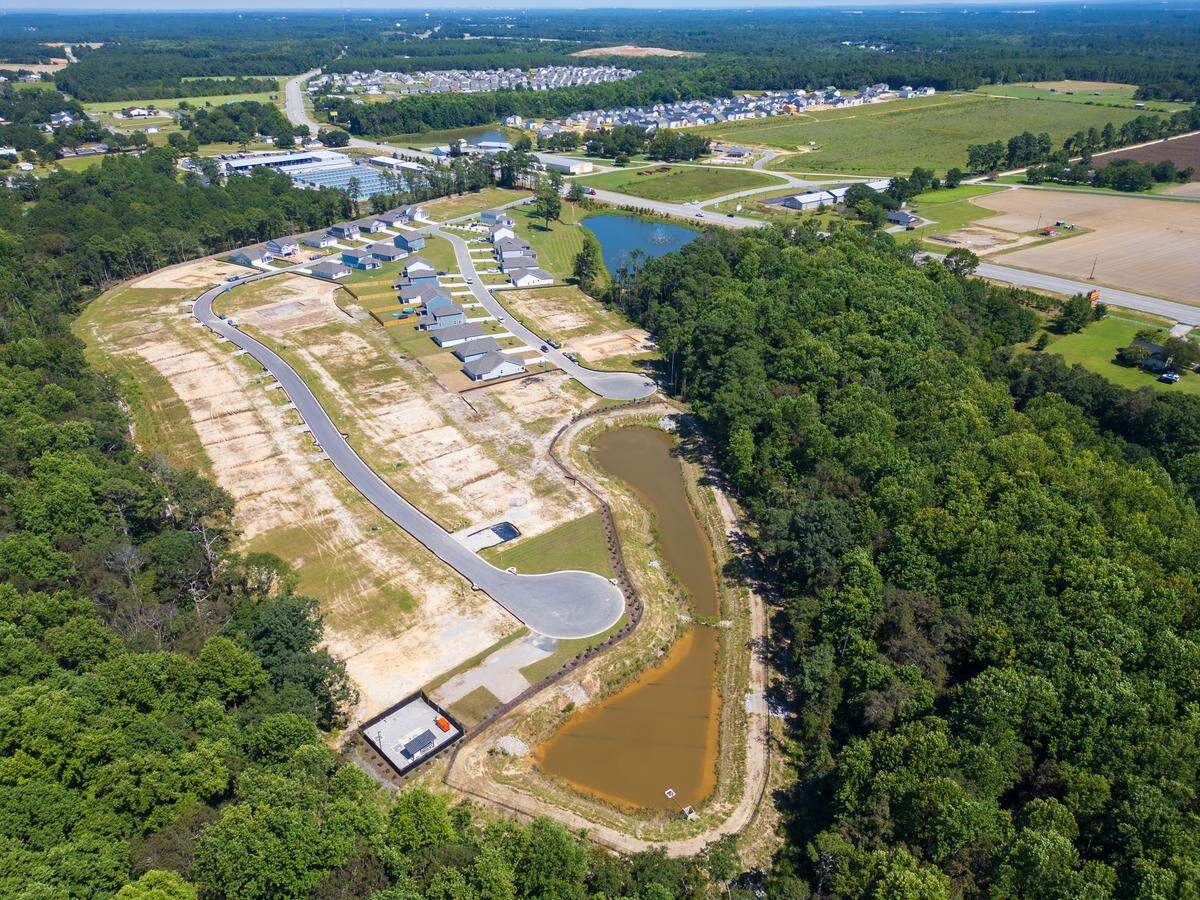
Stagnant inside the town limits
While most of the growth is going on outside the Gilbert town limits, Mayor John Reeder thinks his town would benefit from more of that growth moving slightly south into Gilbert itself. But he says Lexington County’s regulations make it easier to build in the unincorporated parts of the county, where builders can put four homes on an acre compared to Gilbert, where “you have to have an acre and a half to do anything,” the mayor said.
Even the mayor’s own son has had trouble building a new house in town because his chosen lot is only half an acre wide, Reeder added.
“We’re trying to get some things changed, but change is slow in a small town,” the mayor said. “That’s really slowed the growth in town up.”
In recent years, the town has struggled with providing services like a police department for its residents, scrapping plans to hire its own officers last year. Gilbert’s 2024-25 budget was $271,775.
Downtown Gilbert, such as it is, revolves around a collection of churches, a smoothie shop, and the heart of the community — its local elementary, middle and high schools.
At the same time, Reeder — a builder himself — blames the growth in the area for driving up housing costs to prices locals have never seen before.
“Houses that went for $250,000 a few years ago are going for $500,000 or $600,000 now. It’s crazy,” he said.
Lexington County Councilman Larry Brigham, another lifelong resident of the area, said he’s seen the landscape change first hand. He says he feels conflicted about the changes coming to the area, since he’s long known many of the families who are now profiting from selling their family farmland for development.
“Citizens love this rural lifestyle, and it breaks my heart to see farmland developed and land cleared that was wooded my whole life,” Brigham said. “It’s a tough balance to see that the landowner deserves to make a profit, and the citizens are heard in the protection of their area.”
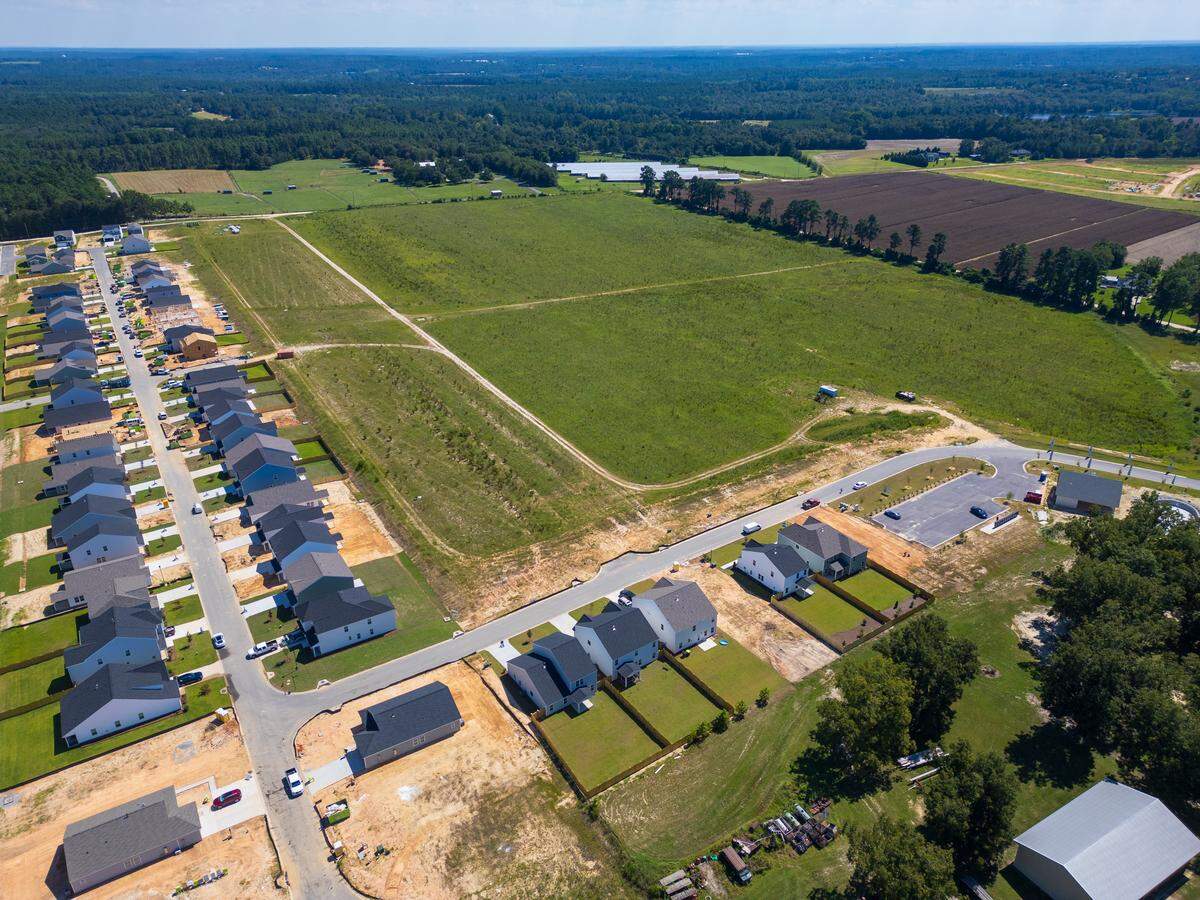
Accommodating growth
Nye said she understands why people are interested in moving to her small little town.
“We don’t have a lot of serious crime, laid-back, wide open spaces if you can get it, lot of woods, and we have a different attitude about discipling children,” Nye said. “That’s what’s driving it.”
The explosion has certainly impacted local services in the community. In 2018, the Lexington 1 school district saw enough new students in the area to justify the construction of a new elementary school. What is now Centerville Elementary was included in the district’s 2018 bond referendum and opened in 2020. It also allowed the district to combine Gilbert Primary School, which previously served pre-K students up to the second grade, into one school with Gilbert Elementary.
The new Centerville now serves more than 800 students and has 106 people on staff, while the combined Gilbert Elementary serves 834 students and has 120 employees.
Brigham remembers when Gilbert High School was a 1A school, the lowest classification based on the size of the student body. Last year, the High School League reclassified the Indians as a 4A school, and Brigham expects the school to be 5A, the highest classification, soon enough.
“When houses are built, children come with them,” Brigham said. “The schools are almost at capacity. We try to manage it to where it’s sustainable, so it’s not overwhelming.”
He said the push into the western part of the county is being driven by people, many of them from out of state, who want to escape crowded, traffic-clogged big city life, and have selected Lexington County as their refuge.
“They’re buying houses sight unseen, just looking on the internet and doing a virtual tour,” he said.
It’s the same process that has spurred growth in other parts of the county closer to Columbia or the interstates, but now new construction is stretching further and further out from those already developed pockets.
“It’s been a very methodical, slow progression,” Brigham said. “There are more houses to be constructed, and it will be several years longer before those are in the pipeline, just sitting and waiting to be approved for permits.”
The growth has led Lexington County Council to plan construction of a new west region service center, slated to open early next year just off U.S. 1 near Gilbert and Summit. The center will combine fire and EMS services with a sheriff’s department substation and a county magistrate’s office. The county hopes the new space will allow for faster responses to any residents’ needs in the growing region.
“I understand what people are saying,” Brigham said. “People are used to the rural life. I like to see a deer run through the woods, see natural pines, see acre-upon-acre of seasonal vegetables and not solar farms.”
This story was originally published September 17, 2025 at 5:00 AM.
.jpg)