What could be coming to Columbia’s South Main? It’s in USC’s master plan
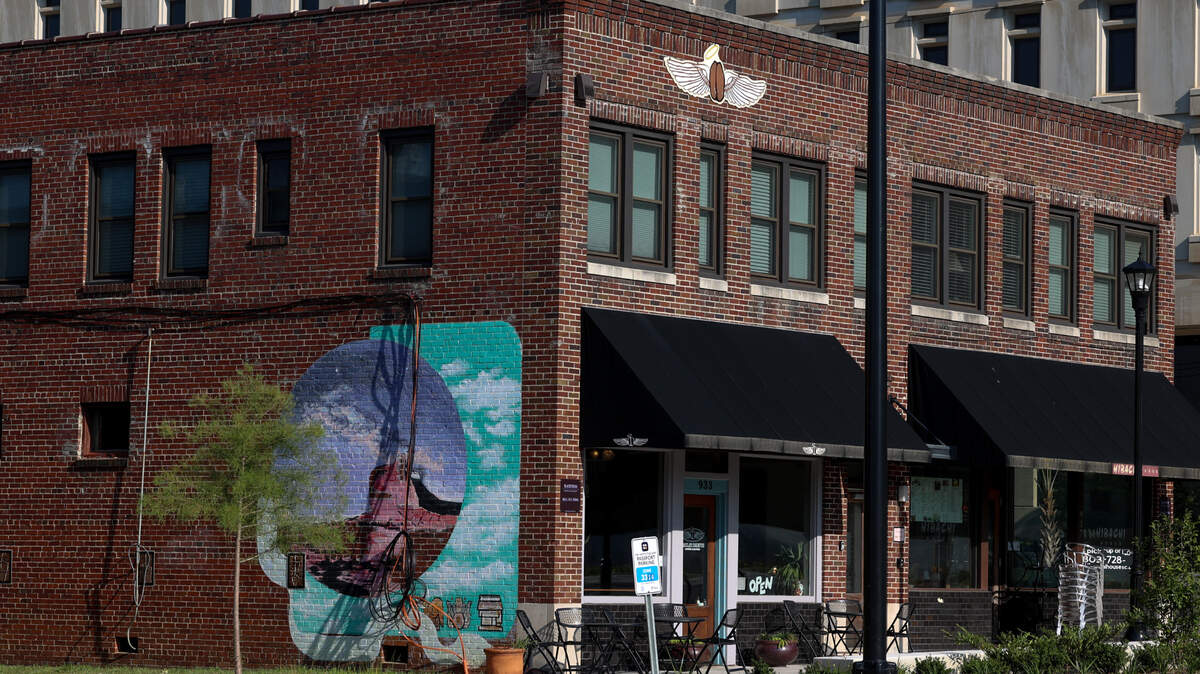
The University of South Carolina has ambitious plans in store for South Main Street, which lies a mere block west from the school’s campus. It’s all in the master plan.
After more than two of construction, Columbia’s South Main Street was revitalized with a $25 million investment by the state, county and the city, with help from USC. It converted the “ugly” corridor to a more people-friendly stretch, with two lanes of traffic, instead of five, and wider walkways, bicycle lanes and green space. That work concluded over the summer.
What’s next?
USC architect Derek Gruner said the university wants to turn the “blighted” area — one with swathes of concrete, parking lots and “nondescript” one-story buildings — into a vibrant, multi-use district that reflects the energy of North Main Street.
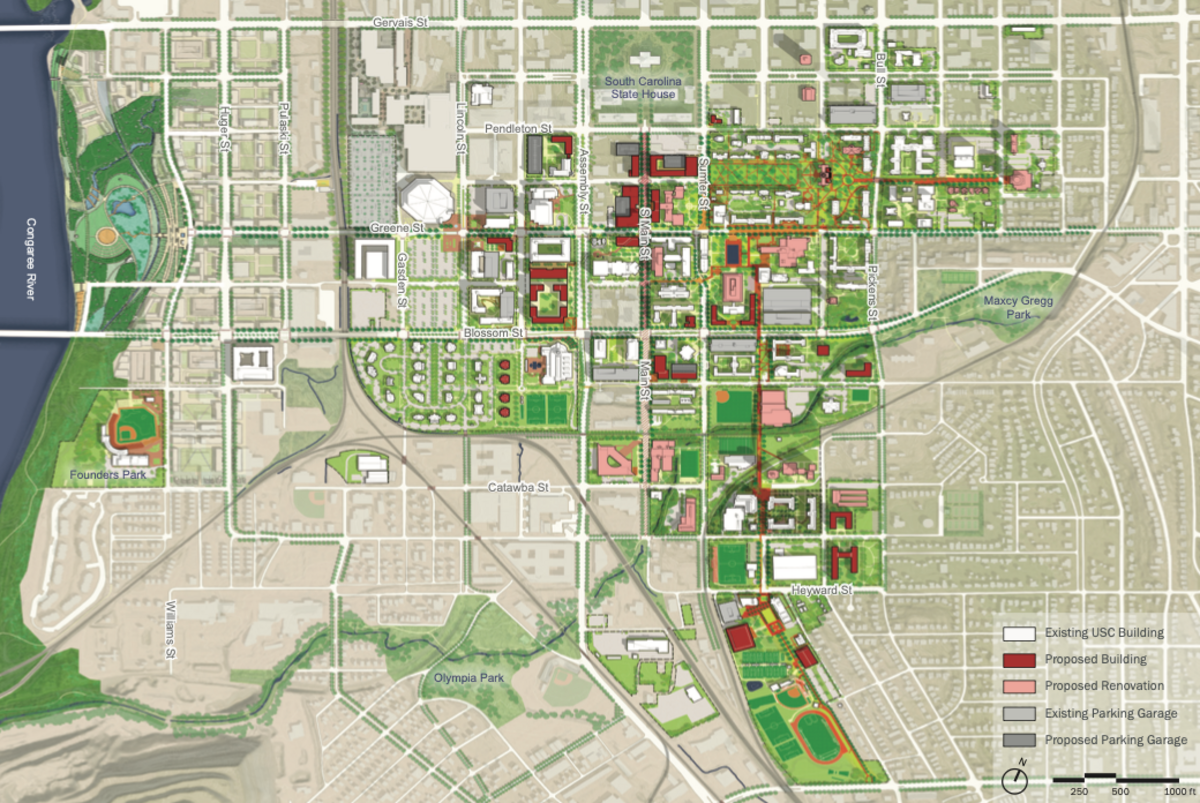
USC Next, the campus master plan with wish list of projects through 2034, proposes “further activation” of the downtown corridor. Plans include redeveloping several blocks, including overhauling existing academic buildings, constructing new student housing and potential for a hotel. And there are hopes for retail and restaurants.
“Who’s going to do it besides USC?” Gruner said. “We have to be the catalyst.”
What does the university own?
USC and its nonprofit real estate arm, the USC Foundation, own much of South Main Street real estate. It has for some time.
The properties were slowly bought over several decades, from the State House grounds on Pendleton Street to Whaley Street, according to Richland County records. Most purchases happened between the 1950s and the 1980s.
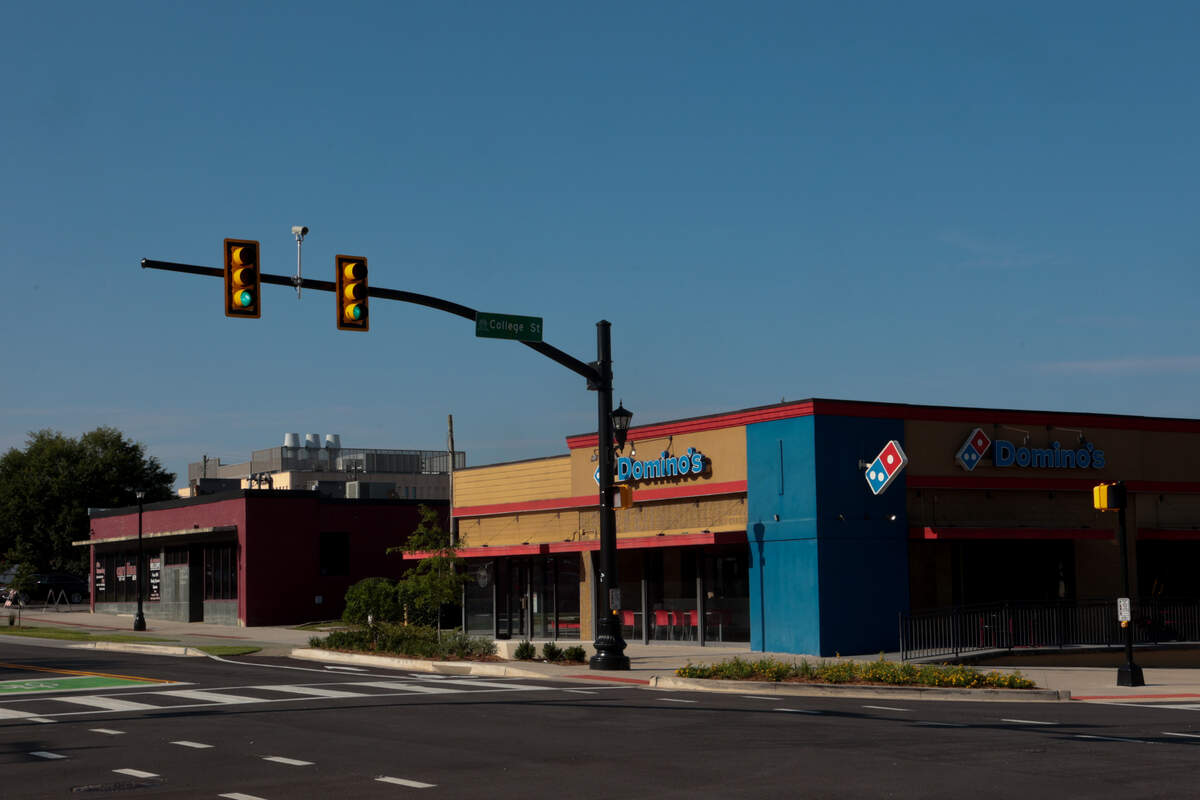
A more recent purchase is where the Domino’s Pizza on South Main Street, which recently closed and relocated to the USC foundation-owned student apartment complex, Gateway 737 on Gadsden Street. The prime piece of real estate was hotly contested more than a decade ago, when the university led a successful campaign to squash plans for a high-rise apartment, which the USC Alumni Association said would cast a “nasty shadow” on the Horseshoe.
USC bought the land a year later, and leased it to Domino’s for nearly a decade. Now, it’s available for redevelopment, USC Foundation president Jason Caskey said at a recent university board of trustees meeting.
And the university’s development foundation has recently ventured to buy up more land in the area.
Last year, the USC Development Foundation bought 900 Main Street, a small parcel that was once home to the storied Hunter-Gatherer Brewery & Alehouse, the city’s first microbrewery. The brewery closed in December 2024 and was later knocked down in June 2025. The foundation also acquired 1217 College Street, the site of popular campus coffee shop Cool Beans in late 2024.
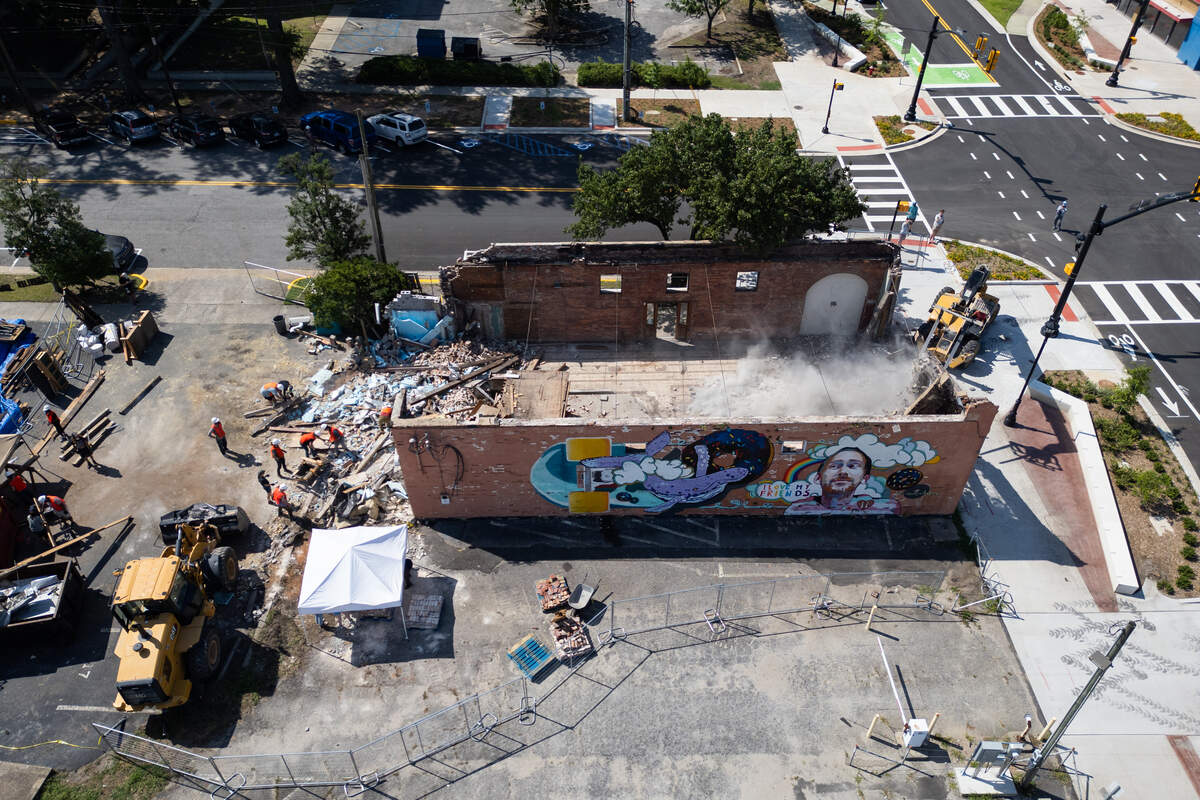
It solidified the university’s control of half of a city block, about two acres.
Foundation president Jason Caskey told the USC board of trustees in October that they were “small” but “important to the strategic direction of the university,” and is a potential site for future development.
“The university’s master plan is the roadmap for what we seek to do,” Caskey told the board.
Caskey said the foundation is working with property owners in the area to acquire more land.
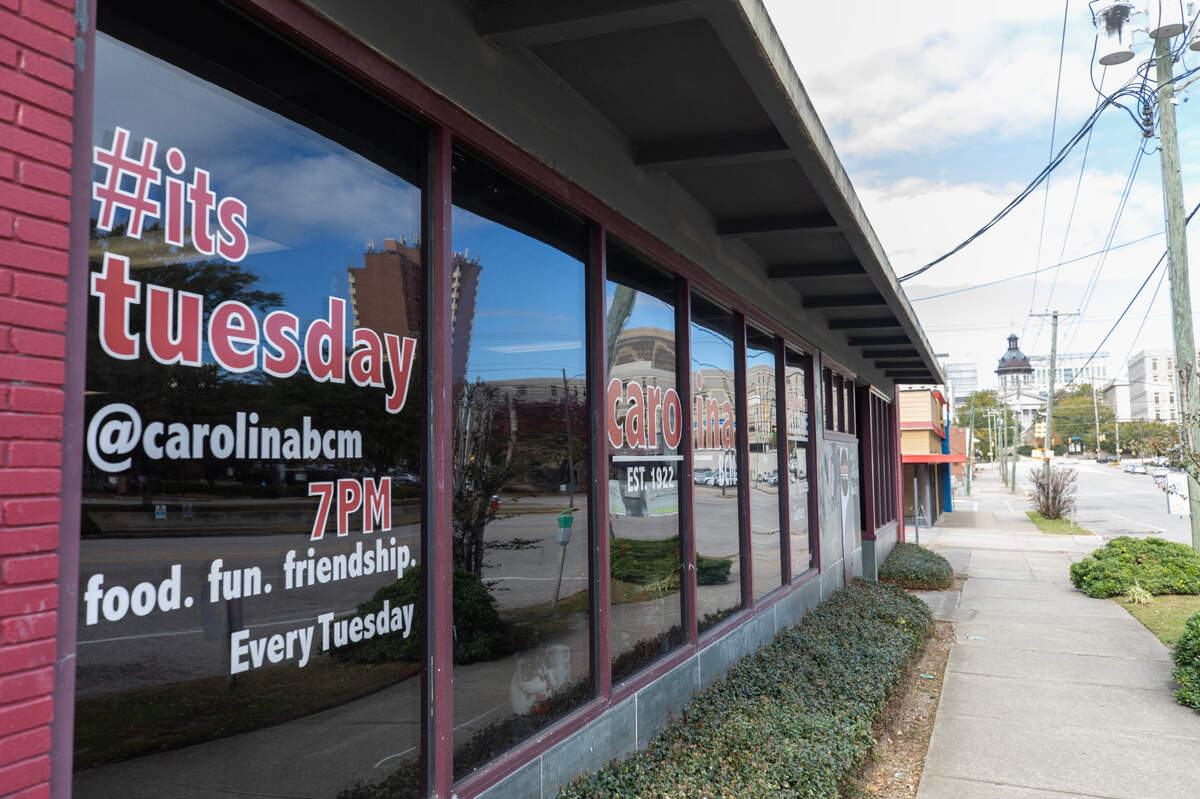
Another parcel that was identified as a key site for university development, for example, is the Baptist Collegiate Ministry at 817 Main Street. It is surrounded by university or foundation-owned land, with the Domino’s Pizza to the north and parking lots to the south. However, the South Carolina Baptist Convention has said it is not for sale.
The plan, block by block
Between Pendleton and College streets, USC proposed a hotel west of South Main Street and redevelopment of the James F. Byrnes Building to encompass half of a city block to the west.
Dependent on acquisition of the Baptist Collegiate Ministry, the university suggested a satellite location for a bookstore, retail dining and other student resources between College and Green streets, and a new addition to Wardlaw, which houses the College of Education.
The university proposed a new STEM building on the corner of Green and Main streets, with potential renovations for existing buildings.
The block between Blossom and Wheat streets, which is currently the site of two of the university’s energy facilities, as well a several academic and administrative buildings, could see facelift. The master plan suggests a 75,000 square-foot development with academic programs on upper floors, and “active” uses on the first floor. It would include housing and a parking structure.
The plan also recommends an extension of the street improvements seen closer to the State House, beyond Blossom Street, through USC’s engineering district.
Some of the plans are dependent on the university buying other plots of land.
“What Main Street offers is this opportunity for something we call ‘town and gown,’” Gruner said. “There’s a chance that we’ll create a district that the students can use, but people who work at the State House might come down and eat in a restaurant ... they might shop in the bookstore or buy clothing at one of the stores there.”
This story was originally published November 17, 2025 at 5:00 AM.