
Lexington County backtracks on how school capacity will affect new home builds
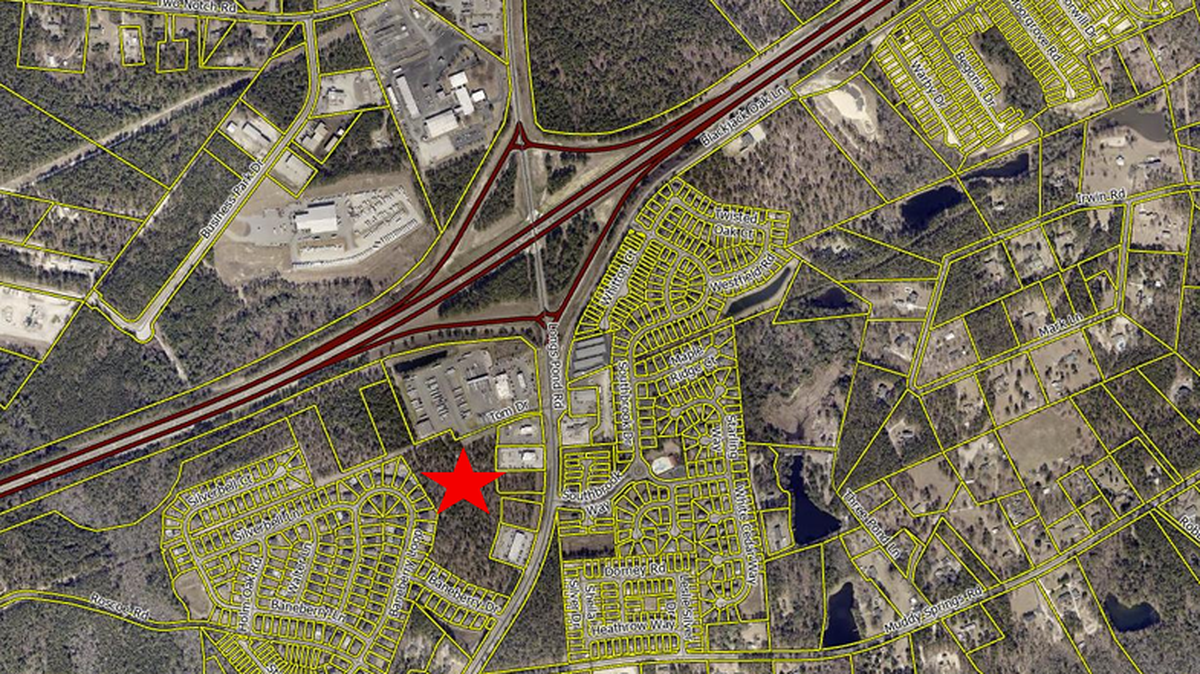
Lexington County is going back to using school attendance data when it decides on whether to approve new housing developments in the county, reversing a decision the county council took back in October.
Going forward, Lexington County will request the latest school attendance and capacity information from the county’s five school districts as part of its review process when developers seek approval for new multi-house developments in the fast-growing county.
The new requirement received preliminary approval at Tuesday’s Lexington County Council meeting.
“By law, they must report their five-year needs and capacity to the Department of Education every three years” as well as attendance numbers at set dates on the school calendar, Councilwoman Beth Carrigg said at Tuesday’s council meeting. “All this information is readily available, ask to send to us for each of the schools.”
The county Planning Commission will use those figures when evaluating new housing’s potential impact on crowding at neighboring schools and make a recommendation to the council, which has final say on approving new subdivisions in the county.
In 2024, Lexington County became the first county in the state to adopt concurrency standards for development that require sign off from various agencies that would need to provide services for residents of the new neighborhood, including local schools in the attendance area.
The idea is that public services won’t be negatively impacted by planned growth. At least one proposed 83-townhome development was previously rejected partly because of concerns about overcrowding at a Lexington 1 elementary school.
But while other services that weigh in on the approval process – like sheriff, fire, EMS – are county services, Lexington County does not oversee schools and can’t make decisions to add capacity to local school districts for more students. That made some council members concerned about the standard’s defensibility in a potential lawsuit, and the council voted to drop a questionnaire the county had sent to school districts about their facilities as part of the review process.
But Carrigg said Tuesday that an opinion from the attorney general’s office supported Lexington County’s concurrency standards. She proposed that if a new development would put a school at more than 95% capacity according to the available school data, that it would be grounds for a project to be rejected.
County Administrator Lynn Sturkie said he had spoken to superintendents in four of the five school districts who had agreed to share the same data they send the education department with the county.
But some council members still didn’t want to feel beholden to school district decisions.
“If, say, it’s at 95% capacity in a certain school, but another one is at 80%, then there’s capacity within that district” if the school board shifts the attendance lines, said Councilman Todd Cullum. “We’re going to let attendance lines dictate our zoning.”
“I understand it’s not popular” for school boards to have to change what school a family sends their children to. “But what’s that got to do with the county council?”
But Carrigg argued school districts likewise don’t have any other say in how the county makes its zoning decisions when new homes are being developed.
The council approved the new school plan by a 6-3 vote, with Carrigg, Larry Brigham, Todd Cockrell, Glen Conwell, Darrell Hudson and Charli Wessinger voting in favor. Cullum, Michael Bishop and Clifford Fisher voted against.
.jpg)