Lexington denies first homes under new review process. Will a lawsuit follow?
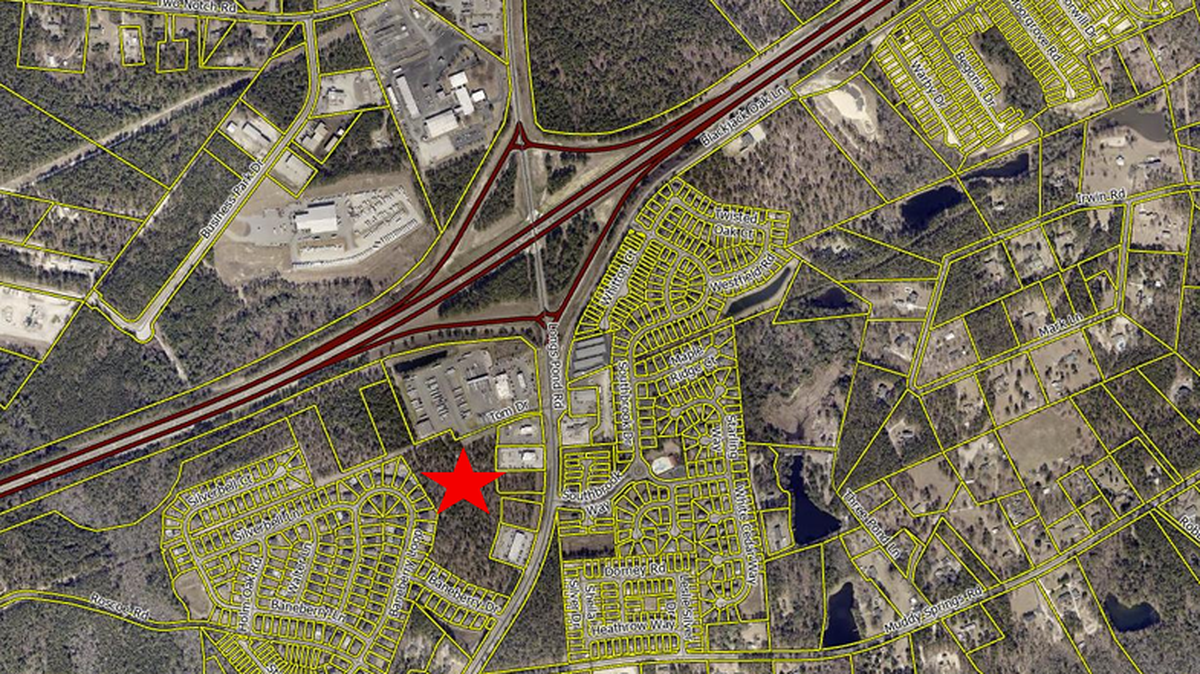
For the first time since it created a new process for proposed housing developments to go through, the Lexington County Council voted down a planned townhome project.
Developers for Avanti Townhomes wanted to put 83 townhome units on 22 acres southwest of the town of Lexington, near where Longs Pond Road crosses Interstate 20. But following concerns of overcrowding in a nearby elementary school and the county’s planning commission recommendation to deny the project, county council shot it down by a vote of 7-2 in a committee meeting Sept. 23.
The denial is the first time the county has decided to say no to a proposed development under concurrency review, a new process the council adopted last summer that requires various agencies like school districts and emergency services to outline the impact of a proposed development. The idea being that if the county has an understanding of how a development could impact roads, schools and emergency services, it could better plan for it.
But some Lexington officials are worried about the legal ramifications of denying the project under concurrency.
“Most attorneys would advise you to not put yourself in the position to where you know you’re going to get sued and spending taxpayer money to be sued, to find out if it’s legal or not,” County Councilman Todd Cockrell said, during the meeting.
It’s unclear if the developer for the project, 4D Engineering, intends to file a lawsuit as a result of the denial. The State reached out to the Lexington-based engineering firm for comment and was not immediately able to reach the developer. When called by a reporter after the meeting, Council Chair Todd Cullum said he was unsure if legal action would follow.
“That’s just something each property owner has to make their own decision on ... we’ve never had one denied so I don’t know what that process looks like,” Cullum told The State.
Other municipalities in the state have dealt with lawsuits from housing developers in the past — Kershaw County and the city of Camden’s planning commission were brought to court after the planning commission denied a developer’s project twice and the city of Cayce was dragged into a yearslong lawsuit after its board of zoning appeals denied a permit to put a home in one of its historic neighborhoods.
The only way the county will know it’s “operating appropriately” for residents and developers is “for it to be tested in a court of law,” County Councilwoman Beth Carrigg said at the meeting.
Cockrell expressed discomfort at the idea of using taxpayer dollars to purposely fight a potential lawsuit if the council decided to test its ordinance by denying a project, but ultimately voted to deny the project. The only two members to vote against denial were Councilman Clifford Fisher and Cullum.
Councilman Michael Bishop said he voted to deny the project because it was what the county’s planning commission had recommended.
“I’m going to struggle going against planning commission,” Bishop said, ahead of the vote. “That’s what we appoint them to do, this is the first time they’ve done it and I would not be able to go against my own planning commission.”
The move came after a tense debate that revolved around how the county should deal with the impact new developments are having on local school districts. In paperwork submitted to the county, Lexington 1 told the county that Deerfield Elementary, the school that would’ve served students living in the townhomes, would need to add up to three portable classrooms if the project was approved, at an estimated cost of $300,000 to $450,000.
Late last year, the school district received a demographics study that showed more than a third of the district’s schools are over capacity, despite overall district enrollment dipping. As some parts of the county grow faster than others and some parents pull their children out of the district, seemingly headed for charter schools, it’s made planning for the future complicated.
School district leaders told The State in July that they’re exploring every possible option for dealing with the capacity issues, with options like building new facilities or rezoning certain areas for different schools and funneling students from larger schools to smaller, more underutilized ones. But both come with complications — building a new school is expensive, but moving students to a different school can be unpopular.
“We are trying to be very mindful of the community financially … and emotionally. Change is hard. Being a mom, if I have a little third grader or even a high schooler and they find out they have to leave their school next year, that’s really hard,” Lexington 1 school board Chair Kathy Henson told The State previously.
At the committee meeting, the council approved another project set to bring 196 single family homes to 98 acres just east of Highway 6 and north of Victor Road near Gaston and was set to reconsider its earlier approval of the second phase of an existing project that would add 118 townhome units to the existing 61, but the motion to reconsider it failed.