From patients to addiction, ‘a mess’ plagued victims in fallout of SC pill mill closure
READ MORE
Pain Killer Beach
Twenty years ago in Myrtle Beach, authorities shuttered one of America’s first “pill mills.” No one knew the nation’s opioid crisis was just getting started.
Expand All
The dark history of the deadly SC opioid epidemic begins at a Myrtle Beach pain clinic
A pain clinic pill mill sparked an epidemic in SC. Where are the ‘Myrtle Beach eight’ now?
From patients to addiction, ‘a mess’ plagued victims in fallout of SC pill mill closure
From OxyContin to fentanyl, Myrtle Beach’s current drug epidemic is ‘larger than ever’
It seemed like just another car wreck. The kind everyone is bound to be in a few times in life.
Driving home from a day of running errands, Jennifer Altman slowed to a stop at a red light on Paper Mill Road when she suddenly felt a jolt from her car’s rear, and then again from the front.
The 22-year-old Surfside Beach mother of two figured her unplanned mid-day game of bumper cars was minor. Even when she discovered her car was totaled, it seemed a minor setback.
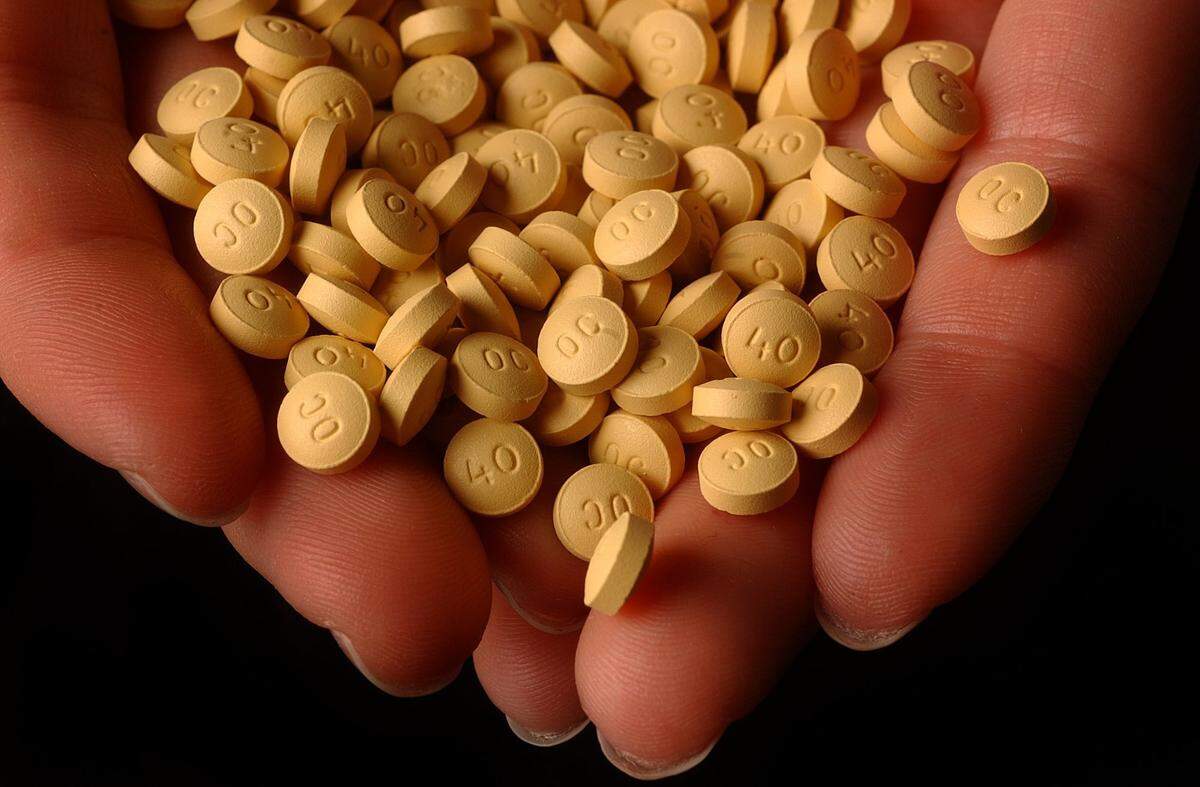
But the wreck proved to be a pivotal moment, setting her on a downward trajectory. Soon, she was tearing through her monthly paychecks in days. She was phoning strangers at all hours of the night. She was deceiving friends and family, devastated by an obsession she never saw coming. It was called OxyContin.
“It (was) like a big blur of running in circles, bad decisions, running around and lying, doing things I never thought I would do,” she said.
It all began after the 1999 car wreck. Altman figured she just needed some physical therapy to help with the resulting back pain.
When her physician prescribed her a low dose of OxyContin — one 10 mg pill twice per day — she started feeling normal for what seemed like the first time in her life.
Scoliosis, a sideways curvature of the spine, had caused her chronic pain for years.
“It was almost like (OxyContin) was what was missing in my brain,” Altman recalled.
Whenever she ran low, she’d return to her physician, relay that she still had some slight pain as she built up tolerance, and return to her pharmacist with a prescription for an increased dose of the powerful narcotic.
Altman was regularly taking four 80 mg OxyContin pills per day when she returned for her regularly scheduled doctor’s visit and saw police tape wrapped around the Myrtle Beach clinic. A sign on the door read, “To our patients — due to recent sanctions placed on us by the DEA, we are currently closed.”
Within weeks, she was purchasing OxyContin off the streets, spending hundreds of dollars per day and most of her time to feed an addiction she didn’t realize she had until it was too late.
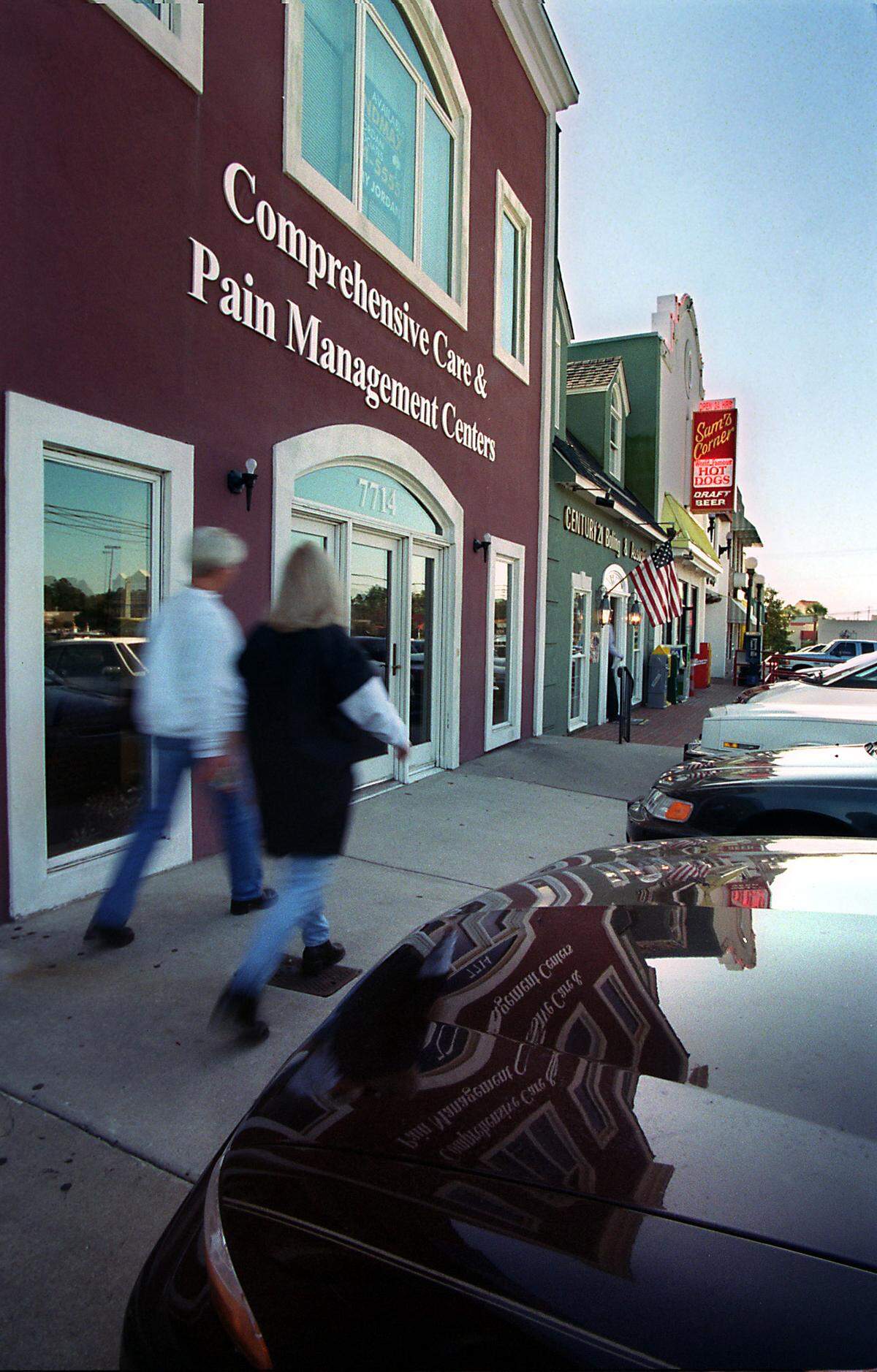
She was one of about 3,000 patients that passed through Comprehensive Care and Pain Management Center’s doors on North Kings Highway. Authorities shut down the Myrtle Beach clinic in June 2001 and federally charged eight of its physicians with overprescribing opioids.
Some of those patients were already addicted to OxyContin when they came to the clinic — as word spread quickly across South Carolina about this “pill mill.” But for others, like Altman, this is where it all began.
Myrtle Beach and surrounding communities have been grappling with the fallout ever since, as the pain-pill problem slowly turned into a heroin and fentanyl epidemic, directly leading to the overdose deaths of hundreds here and hundreds of thousands more nationwide.
‘A mess’
Horry County hospital emergency rooms and treatment centers saw an immediate spike in visitors seeking help for OxyContin addiction in the months following Comprehensive Care’s closure, The Sun News previously reported.
“(The aftermath) was a mess,” recalled Dr. Brian Adler, a Surfside Beach internist who specializes in addiction treatment. “This was really at a time when the whole opioid epidemic was just getting ramped up and just getting started.”
Adler, who said some of his patients are still suffering from an addiction initially fueled by Comprehensive Care, explained that he’s seen several different cycles in his medical career as it relates to general consensus on prescribing opiates.
During the 1980s and most of the 1990s, the standard of care called for doctors to prescribe very conservatively due to fear of addiction and overdoses, but then a shift occurred in the late 1990s regarding concerns that they were not appropriately treating people suffering from pain, Adler said.
“There was a big push by the pharmaceutical companies to prescribe (opioids) and a big push to try to convince prescribers they were very safe drugs with great potential to help treat pain with very little down side complications,” he said.
But the down side quickly became apparent in Myrtle Beach, where at least five overdose deaths were directly linked to narcotics prescribed at Comprehensive Care, according to wrongful death lawsuits.
‘Hooked real fast’
One of those who died was 31-year-old Richard Way.
A long time server at several high-end Myrtle Beach restaurants including Thoroughbreds Chophouse, Way seemed to make fast friends with everyone he met and loved listening to music by the Grateful Dead, his mother told The Sun News.
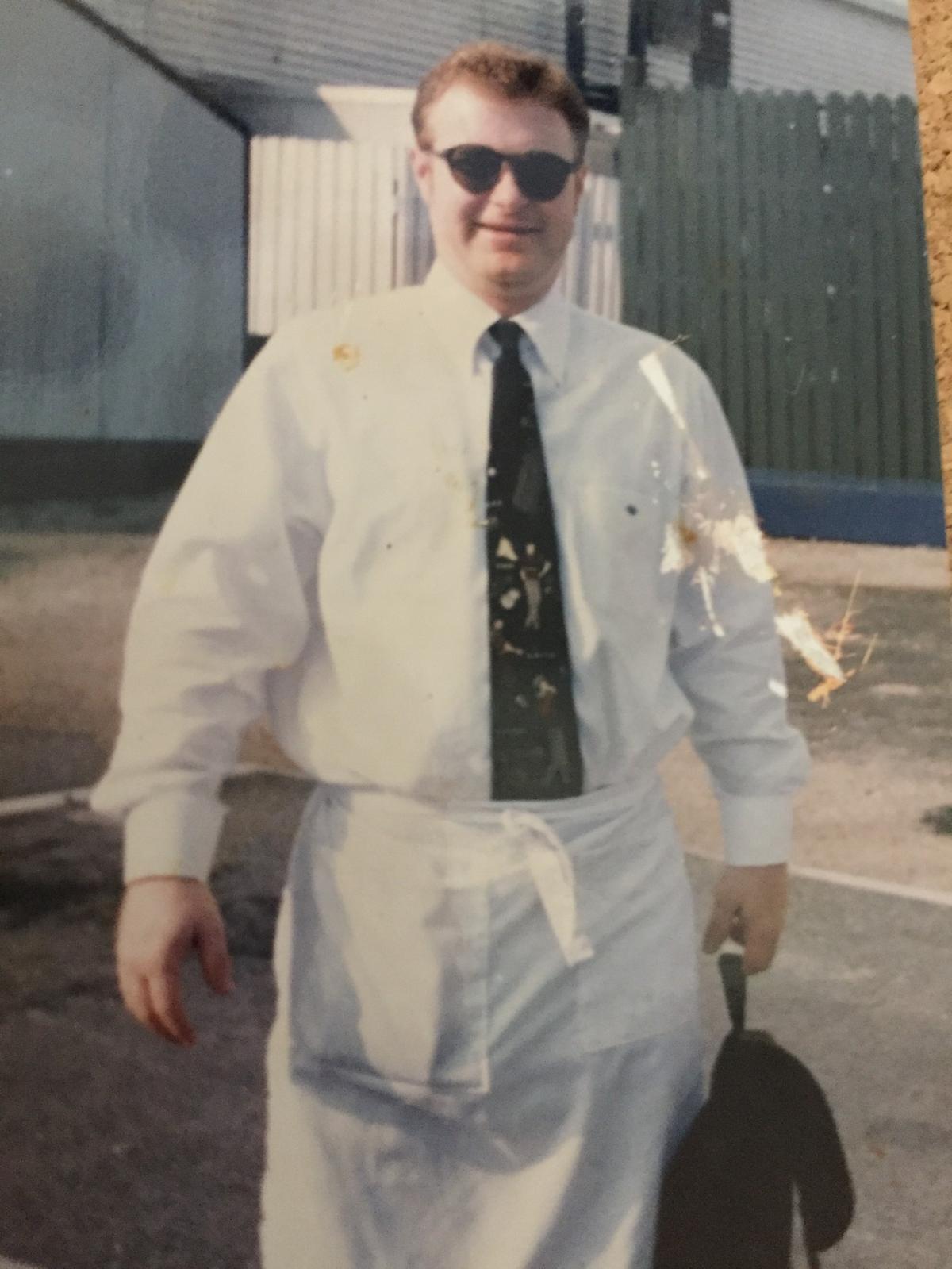
His family was aware he suffered from addiction, but when Sara Francis Way received the call about her son’s overdose on Dec. 13, 2000, she assumed it was alcohol.
“I didn’t even know he was going (to a pain clinic),” she said, only later finding out that he had been a patient at Comprehensive Care for about two months.
“He must’ve just gotten hooked real fast. I saw him that November for Thanksgiving, and (his brother and I) thought he was acting kinda silly, but I had no idea why. (His death) was very hard on me.”
People can generally build a physical dependency on an opioid after a couple weeks of active use, according to Johns Hopkins Medicine, though each individual is unique, and some studies have shown even a first dose can have a psychological effect.
Seven months later, the doctor who had prescribed Richard Way his narcotics, Dr. Benjamin Moore, committed suicide, facing 45 years in prison after pleading guilty to illegally prescribing opioids.
“What I felt was pity and sorrow for (Moore’s) mother,” Sara Francis Way recalled. “I knew her pain.”
Robert Edge, Horry County’s coroner for the past 30 years, said the worst part of the opioid epidemic has been the people left behind.
“The majority of (overdose victims) are pretty educated people; they (had) good lives they could live, families they left behind,” he said. “This pain medication gets a hold of you, and you let your desires get ahead of your logical thinking.”
Daily struggle of addiction
First came the nausea. Then the stomach aches and severe leg cramps. But those were nothing compared to the constant full body shakes and watery eyes, all magnified by the fact that she hadn’t been able to sleep in days.
“I just felt like I was dying,” Altman said, recalling her withdrawal symptoms when she first ran out of her prescribed OxyContin.
She and her then-husband owned a local bar, and she knew one of her regular customers had a connection. Three phone calls and about an hour later, she was paying $50 apiece for 80 mg pills.
“I thought we make good money and we’re well off and I’ll be fine,” Altman said. “I’ll just wean myself off was my thought. I’ll just take less than what I was taking and less the next day.”
“But it didn’t work that way.”
Stumbling to her medicine cabinet in the morning, she took her last remaining pill, which she strategically left untouched the night before, knowing she’d need it the next day to start her search for more.
The rest of the day was full of stress, bathroom phone calls, late night car rides and excuses, Altman recalled.
“You get a little bit of calm as soon as you purchase and then you use it up and start over,” she said, the exhaustion in her voice evident, even all these years later.
Altman would look for any excuse to use: it was too hot, too cold, or rainy; she was angry, mad or sad.
“I obviously wasn’t engaging with my family like I should,” she said. “I got divorced, got remarried, almost got divorced again.”
Finding treatment
Altman took the pregnancy test in her church’s bathroom — two colored lines signifying a positive result — returning to the pew with renewed optimism. But that feeling quickly faded.
“I was going to get clean,” she said, but of course she’d been telling herself that every day for years.
When her husband and friends confronted her during a planned intervention, Altman flew into a rage, driving to a nearby convenience store to hide the stash of OxyContin pills in her pocket.
But 48 hours later, after lengthy discussions with her mom and husband, she was ready to give treatment a try.
In 2003, Altman transitioned to methadone, another opiate that is often used under strict doctor supervision to help treat addiction.
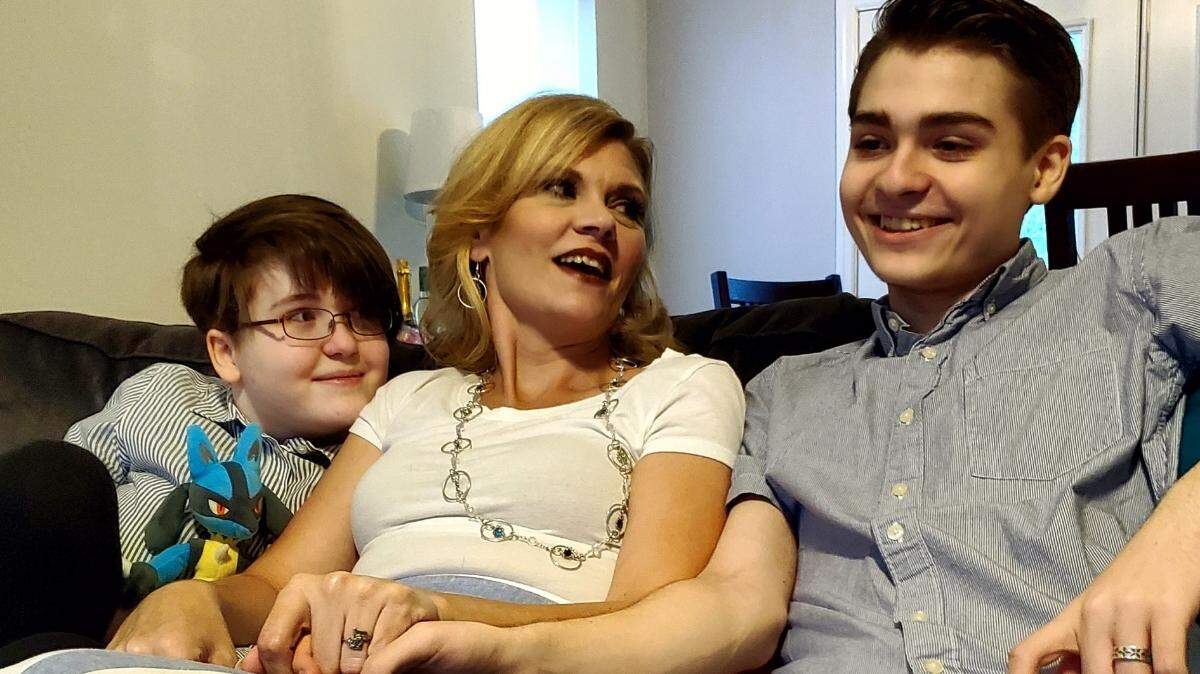
“I knew I had to make a change,” she told The Sun News in December 2003, just weeks after her son Oliver was born, perfectly healthy.
Oliver recently turned 18 and is about to start college, Altman said.
“It was definitely difficult, but when I was done, I was done,” she said. “That’s not the case for everybody.”
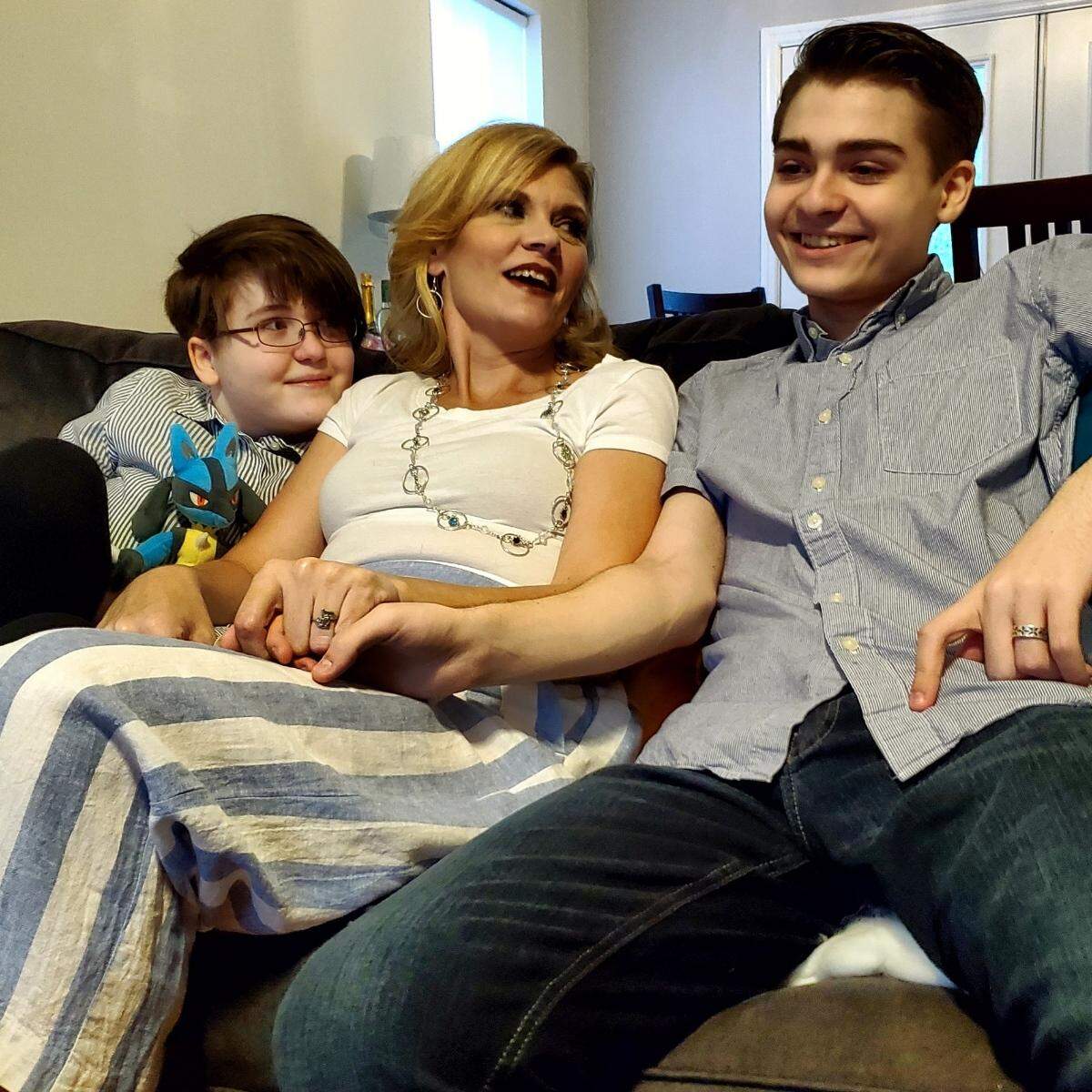
Altman was among hundreds of beneficiaries of a class action lawsuit filed by the clinic’s patients against Comprehensive Care, its physicians and Purdue Pharma, the maker of OxyContin.
She received enough money to pay for five years worth of treatment, though she remained on methadone for 12 years before transitioning to buprenorphine, another opioid used to treat addiction.
Purdue Pharma is currently in the final stages of a bankruptcy that would potentially leave billions of dollars to states and local governments to address the opioid epidemic while absolving the company of its owners from further civil and criminal liabilities.
Adler said he doubts much of that money will trickle down to the average person suffering from opioid use disorder.
Altman was disappointed to hear Purdue Pharma executives may escape criminal culpability, and noted that there’s plenty of blame to go around, including her former physicians.
“It’s basically synthetic heroin, and they just gave it to people,” she said.
Read next: From OxyContin to fentanyl, Myrtle Beach’s current drug epidemic is ‘larger than ever’
This story was originally published October 7, 2021 at 5:00 AM with the headline "From patients to addiction, ‘a mess’ plagued victims in fallout of SC pill mill closure."