From OxyContin to fentanyl, Myrtle Beach’s current drug epidemic is ‘larger than ever’
READ MORE
Pain Killer Beach
Twenty years ago in Myrtle Beach, authorities shuttered one of America’s first “pill mills.” No one knew the nation’s opioid crisis was just getting started.
Expand All
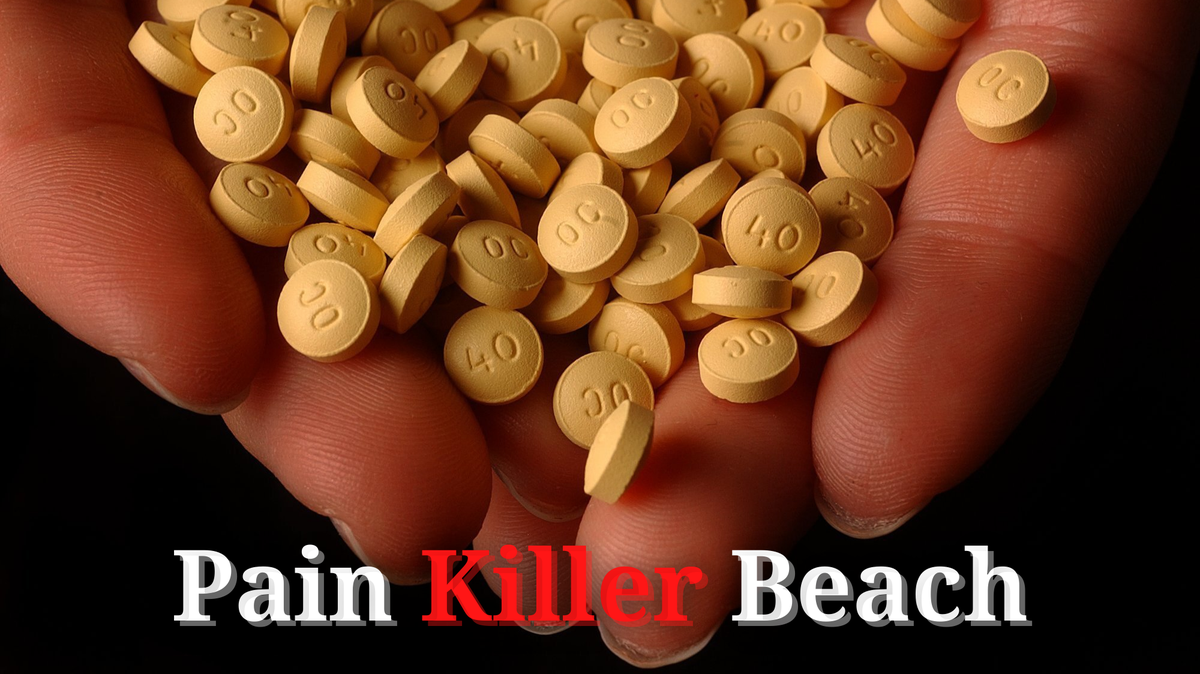
The dark history of the deadly SC opioid epidemic begins at a Myrtle Beach pain clinic
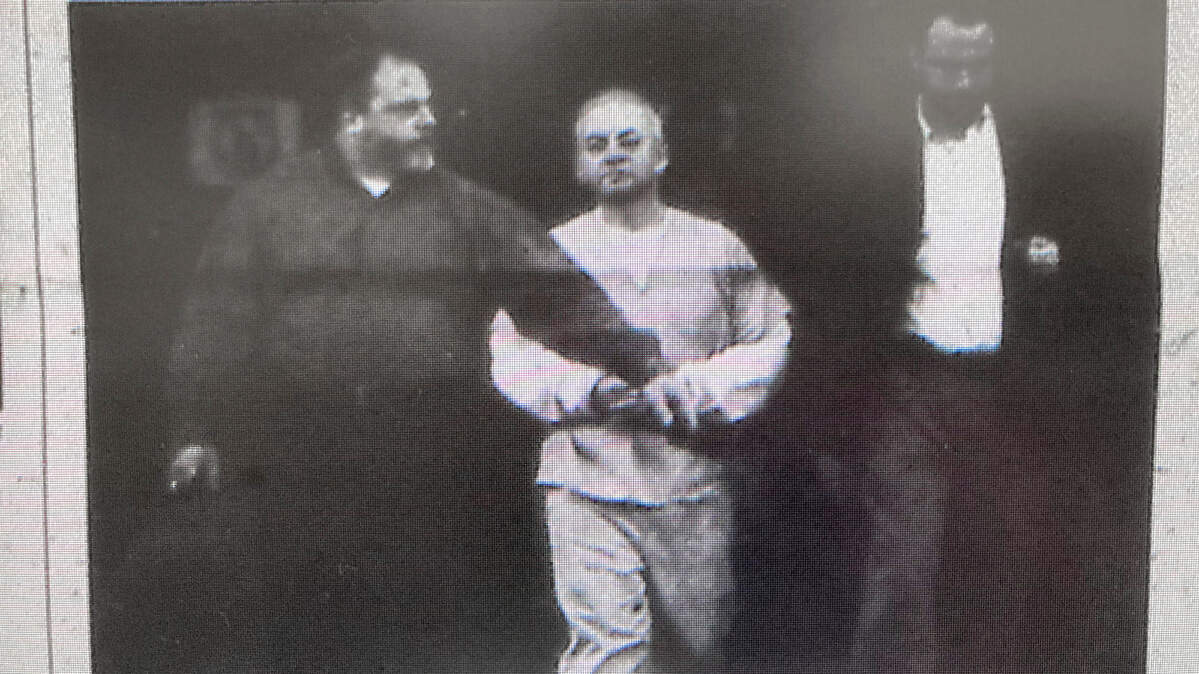
A pain clinic pill mill sparked an epidemic in SC. Where are the ‘Myrtle Beach eight’ now?
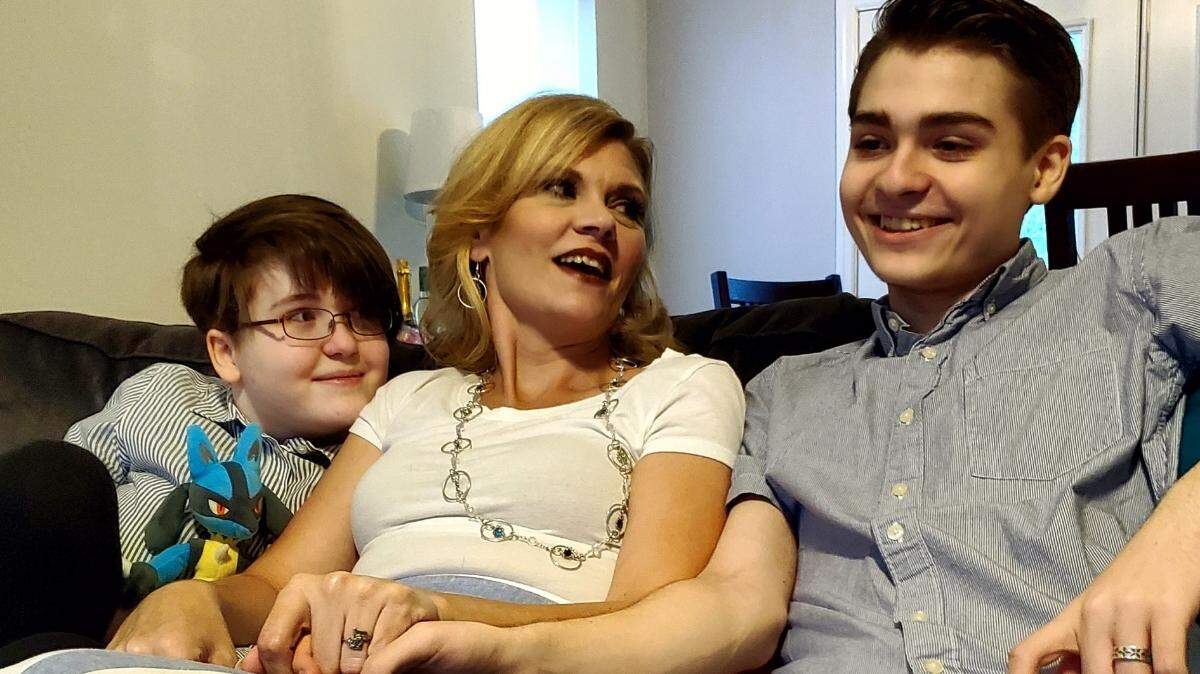
From patients to addiction, ‘a mess’ plagued victims in fallout of SC pill mill closure
From OxyContin to fentanyl, Myrtle Beach’s current drug epidemic is ‘larger than ever’
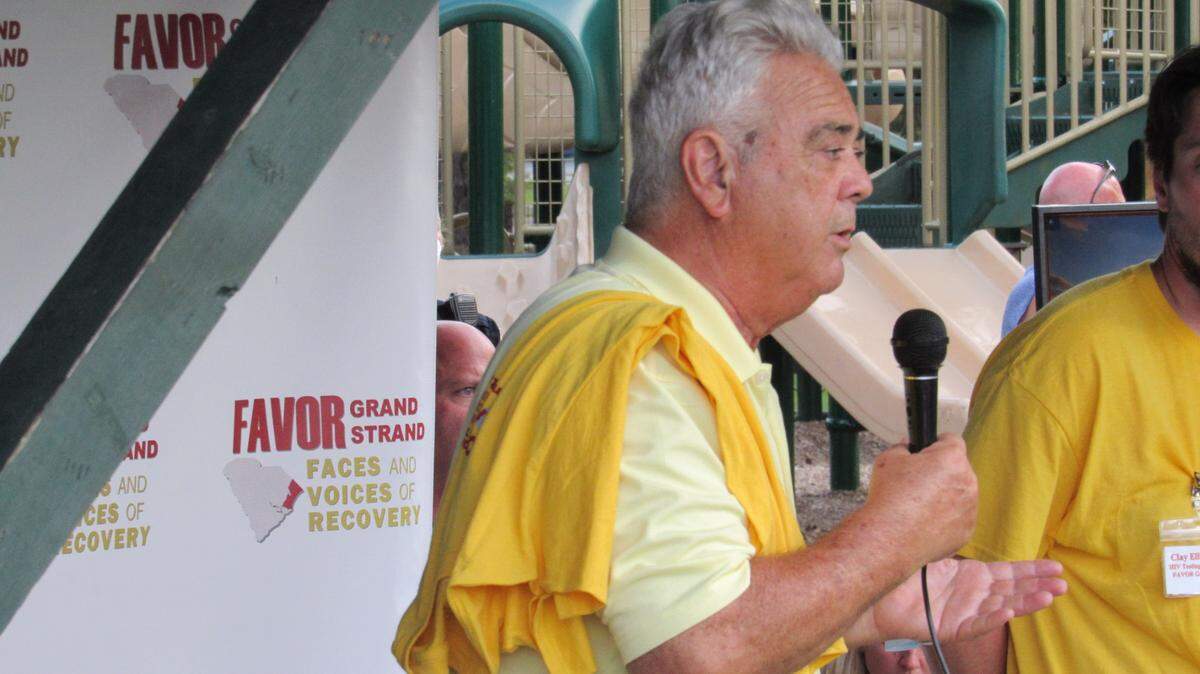
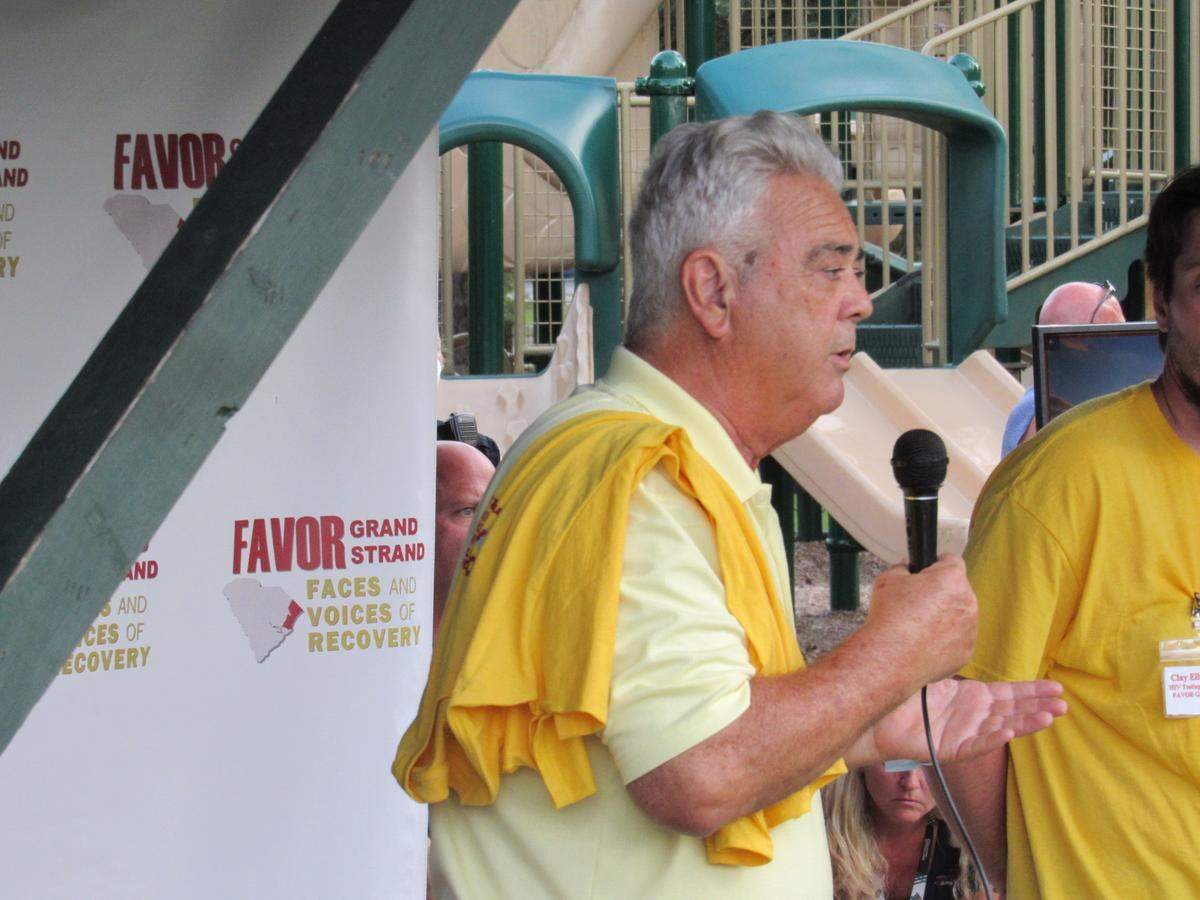
More than 1,600 purple ribbons dotted the Collins Park grass in Conway amid a small congregation of residents. Many wore yellow shirts with “Got Recovery?” written in red on the back.
A series of faces with a name and either “RIP” or “Revived” displayed on a nearby television screen to each picture’s left.
This group had gathered August 31 in observance of International Overdose Awareness Day, and each ribbon represented a South Carolina resident whose life was lost to a drug overdose during 2020.
Twenty years earlier and about 20 miles toward the coast, authorities shut down a notorious Myrtle Beach pain clinic, where doctors were accused of overprescribing narcotics. The immediate aftermath provided the Grand Strand its first peek at the devastation the widespread opioid addiction would have on the community — more than 10,200 overdose deaths in South Carolina since 2010, according to the U.S. Centers for Disease Control.
During the decades since, prescription protocols have become more stringent and treatment options have increased. But a shift toward cheaper, deadlier street drugs and an ongoing divide on the proper way to address the epidemic have led to an ever-worsening crisis with no resolution.
Immediate aftermath
Within a month of the June 2001 closure of Comprehensive Care and Pain Management Center on North Kings Highway, Horry County’s emergency rooms and treatment centers were full of their former patients, suffering primarily from OxyContin addiction, The Sun News previously reported.
Local emergency departments had regularly seen patients from the clinic suffering withdrawal symptoms when they ran out of their medication, but the closure rapidly exacerbated the issue, according to Dr. Brian Kelleher, Conway Hospital’s emergency department medical director at the time.
“These drugs were originally developed for patients with cancer and other painful conditions,” Kelleher told The Sun News in July 2001. “Now we see people on OxyContin for back and neck pain. If I had a magic wand to make one drug problem go away, I would make that go away. All of it pales in comparison to OxyContin when it comes to the impact in emergency rooms.”
At least five overdose deaths were directly linked to narcotics prescribed at Comprehensive Care, according to court filings, and OxyContin abuse caused or contributed to at least 97 overdose deaths during 2000 and 2001 in the Carolinas, a Charlotte Observer investigation found.
Eight Comprehensive Care physicians were federally charged for the roles, the largest ever U.S. bust involving doctors overprescribing opioids, according to William “Bill” Day, the former Assistant U.S. Attorney who led the prosecution.
“Pill mills” such as the Myrtle Beach clinic proved to be fairly common around the country, as the U.S. Drug Enforcement Agency arrested 108 physicians during 2002-2006, according to a 2007 Associated Press report.
As the doctor prosecutions increased, and the addictive nature of these narcotics became undeniable, the medical community has shifted toward an overly cautious approach with its prescribing habits generally, observed Dr. Brian Adler, a Myrtle Beach internist who specializes in addiction treatment.
“I think it’s necessary,” Adler said, noting bureaucratic intervention has also hamstrung physicians’ ability to prescribe large doses of opioids. “We still need to come somewhere in the middle, but the good part of it has been a requirement for physicians to be better educated on the long-term effects of narcotics. … There’s much greater awareness now.”
When the supply of doctor-prescribed narcotics was slashed, those suffering from addiction turned to cheaper, deadlier alternatives on the street, namely heroin and, more recently, fentanyl.
Treatment options
Adler lamented an absence of available treatment options in the early 2000s when Comprehensive Care closed, but noted that advances in medication-assisted treatment, specifically buprenorphine, have revolutionized the sphere of addiction medicine.
Buprenorphine, the primary ingredient in Suboxone, is itself an addictive opioid that is prescribed under doctor supervision to treat addiction, similar to methadone. Both options have faced pushback from within and outside the recovery communities.
Jennifer Altman, a former Comprehensive Care patient suffering from OxyContin addiction, had to travel from her home in Surfside Beach to Columbia and back every day in 2003 to get her daily dose of methadone.
She had previously traveled to Florida for a “rapid detox” program that cost $10,000, but she went back to using narcotics within two weeks of returning home.
“Coming home with no therapy, no follow up, no rehab, it just didn’t work,” Altman said. “There was just no time for my brain to heal.”
It was clear to those working at methadone clinics in Columbia and Charleston that Myrtle Beach needed a methadone clinic of its own.
“We’ve always had clients who drive down from Horry County,” Ed Johnson, program coordinator for the Charleston Center for drug and alcohol addiction told The Sun News. “But when (Comprehensive Care) went out of business, it was like somebody stepped on an anthill.”
But plans to locate the Center of Hope methadone clinic in Myrtle Beach near Fantasy Harbour drew widespread rebukes from residents and public officials, including then-S.C. Rep. Thad Viers.
“We don’t need this in Horry County,” Viers said in 2003. “We should support the resources we have for getting people off drugs. What we don’t need is another source of drugs.”
Even some local doctors expressed concern that methadone was simply trading one drug for another and not a real cure.
“No one should need opiates on a daily basis,” said Dr. James Graham, a Myrtle Beach physician who specializes in addiction treatment. “How can you say you have a normal life if you have to drive two hours every day to get methadone? It sounds like slavery.”
Proponents of the clinic argued that offering methadone was about harm reduction, helping to stabilize the lives of those suffering, and that’s what it did for Altman, who was pregnant when she first started treatment.
“They say [methadone] could lead to crime,” she said just weeks after her baby boy was born, healthy and not addicted to drugs. “But the real crime would have been if my baby hadn’t been born healthy.”
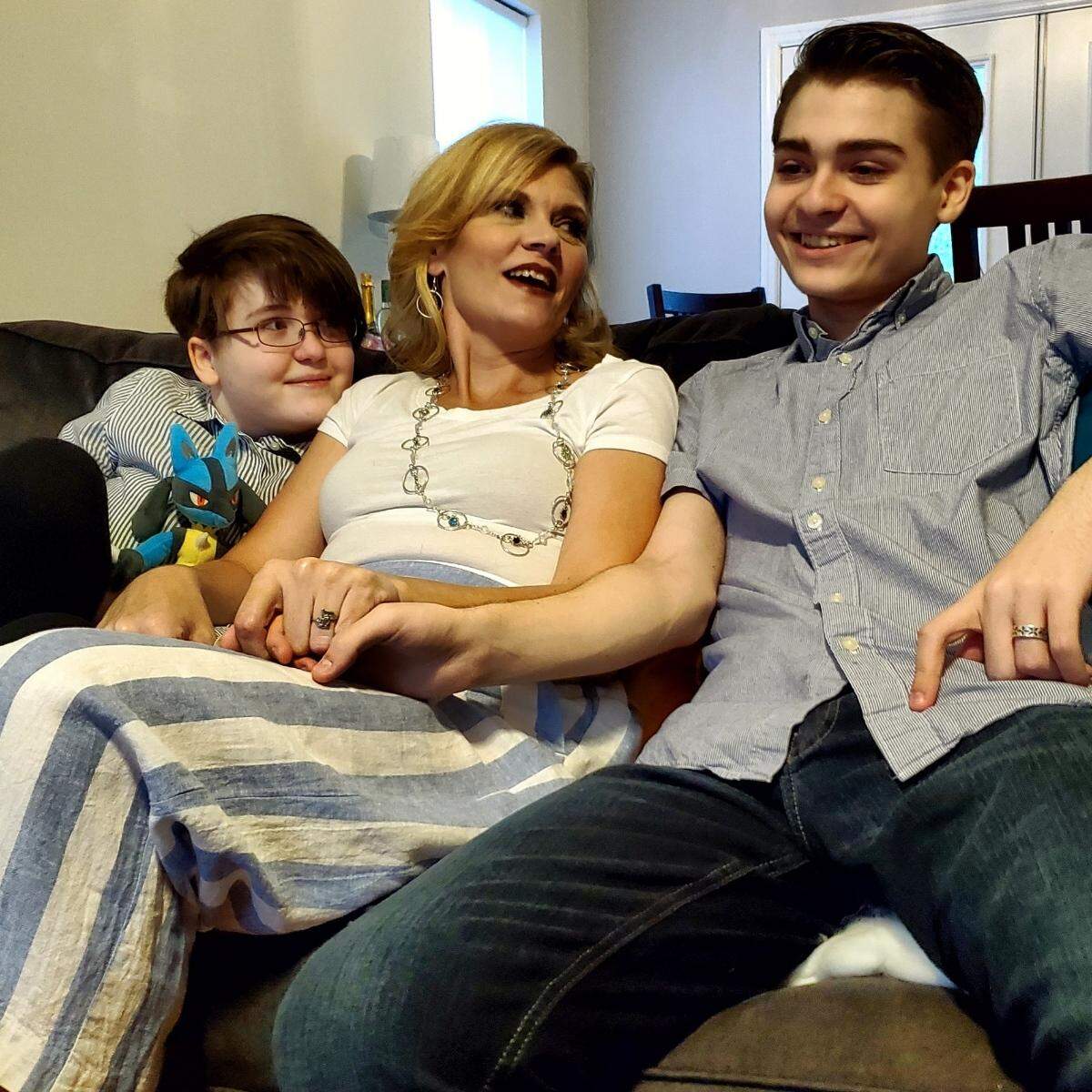
The Center of Hope did receive approval, and Altman continued using methadone for 12 years before transitioning to buprenorphine, and her son is about to turn 18 and begin college.
“People ask me all the time how it makes me feel, but I don’t feel anything,” she said. “I just don’t feel bad. I don’t get sick going through withdrawals and I don’t crave drugs.”
Lack of progress
Federal officials have been pushing medication-assisted treatment, primarily buprenorphine, in recent years as the evidence-based treatment for opioid addiction, distributing millions of dollars to states to increase the drug’s availability, a 2018 Sun News investigation found.
But the stigma of trading one drug for another remains prevalent, limiting its availability and deterring those who could benefit from trying it.
“I have a very high success rate for people that are motivated,” said Adler. “I think the story is more how far we haven’t come because the problem now is larger than ever. …There’s still a lot of resistance, even among the medical community, in treating these people with the need.”
Adler is one of about 40 buprenorphine providers in the Myrtle Beach area, according to the federal Substance Abuse and Mental Health Services Administration.
Horry County has consistently led the state in drug overdose deaths in recent years, totaling more than 500 during 2016-2019, and local officials have warned that isolation caused by the ongoing coronavirus pandemic has caused those numbers to spike further.
Robert Edge, the county’s coroner for the past 30 years, expressed frustration with the lack of progress in stemming the tide, despite discussions and forums constantly being held to propose solutions.
“These things are in place, but the numbers are still growing,” he said, pointing to wider availability of Narcan, an opioid overdose reversal drug, as the one clear improvement.
“It’s going to be a hard task and it’s going to be hard to win, if you can ever win it.”
This story was originally published October 7, 2021 at 5:00 AM with the headline "From OxyContin to fentanyl, Myrtle Beach’s current drug epidemic is ‘larger than ever’."