Wealthy SC landowners fight to protect beach houses from rising seas
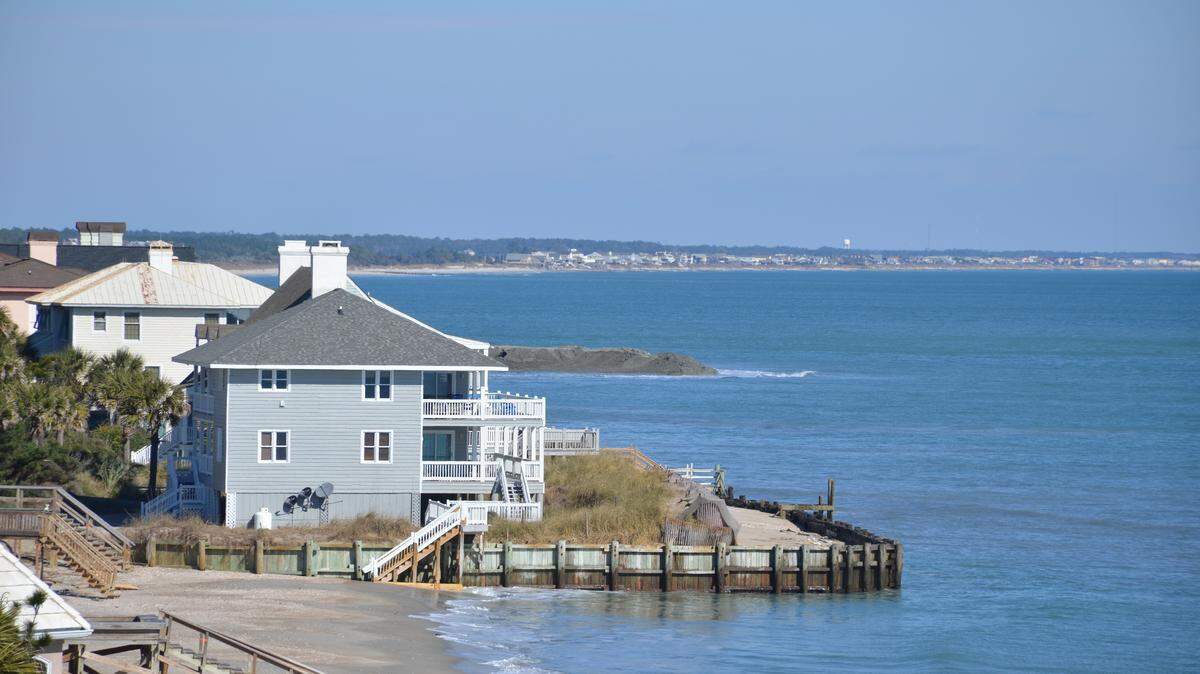
Two high-profile legal disputes that could determine the state’s future role in protecting South Carolina beaches have reached the S.C. Court of Appeals, which could decide whether affluent property owners can keep seawalls and sandbags that critics say were installed in violation of long-standing coastal management law.
The cases, involving property owners in Charleston and Georgetown counties, have drawn attention because their outcomes could determine how aggressively the state is able to act to enforce the law that was intended to protect the shore from development that worsens beach erosion.
They also could have a domino effect, encouraging other property owners to challenge the state’s 1988 beachfront management act, which was written to protect beaches for the public, an environmental lawyer said.
If the court rules in favor of the property owners “we have a bigger problem,’’ said Leslie Lenhardt, an attorney for environmentalists who opposed the installation of the seawall and sandbags. “That is that any other property owner who starts to feel anxious about their own beachfront property will do the same thing.’’
“You’re poking holes in the protection of the beachfront management act.’’
South Carolina’s 1988 beach law attempted to limit development from encroaching on the beach. A major feature is the ban on new seawalls on beaches, a restriction that has held for 38 years. Seawalls and sandbags protect oceanfront houses, hotels and condominiums by repelling waves, but they also can accelerate erosion of the public beach.
The Charleston and Georgetown property owners say they’re only trying to shield oceanfront land from the sea. South Carolina’s battles over seawalls and sand bags are some of the most notable issues in a simmering disagreement over how tightly to regulate the coast as climate change causes sea levels to rise.
Some scientists and conservationists say the state should move away from allowing seawalls, buildings and other development close to the public beach. But property rights advocates say those who own property each contribute tens of thousands of dollars in taxes and should be allowed to recoup their investments.
Isle of Palms brouhaha
The case that has drawn the most recent attention involves Rom Reddy, an outspoken property rights advocate who is seeking to keep a seawall that state officials say was built illegally, is eroding the seashore and needs to be removed. A judge has ordered it removed.
In late January, Reddy challenged a lower court ruling in the Court of Appeals, an effort that should surprise nobody who has followed the case. Reddy, arguing that the government has overstepped its authority, has previously vowed to appeal his case.
“Our rights come from God, and they survive only when we have the courage to defend them,’’ Reddy has told The State.
In a text Wednesday, he said the wall is holding up well. Despite state assertions that the seawall is contributing to erosion, he contends it is not having a particular effect on beach erosion. One nearby property owner says the seawall has helped save her property, Reddy’s text said.
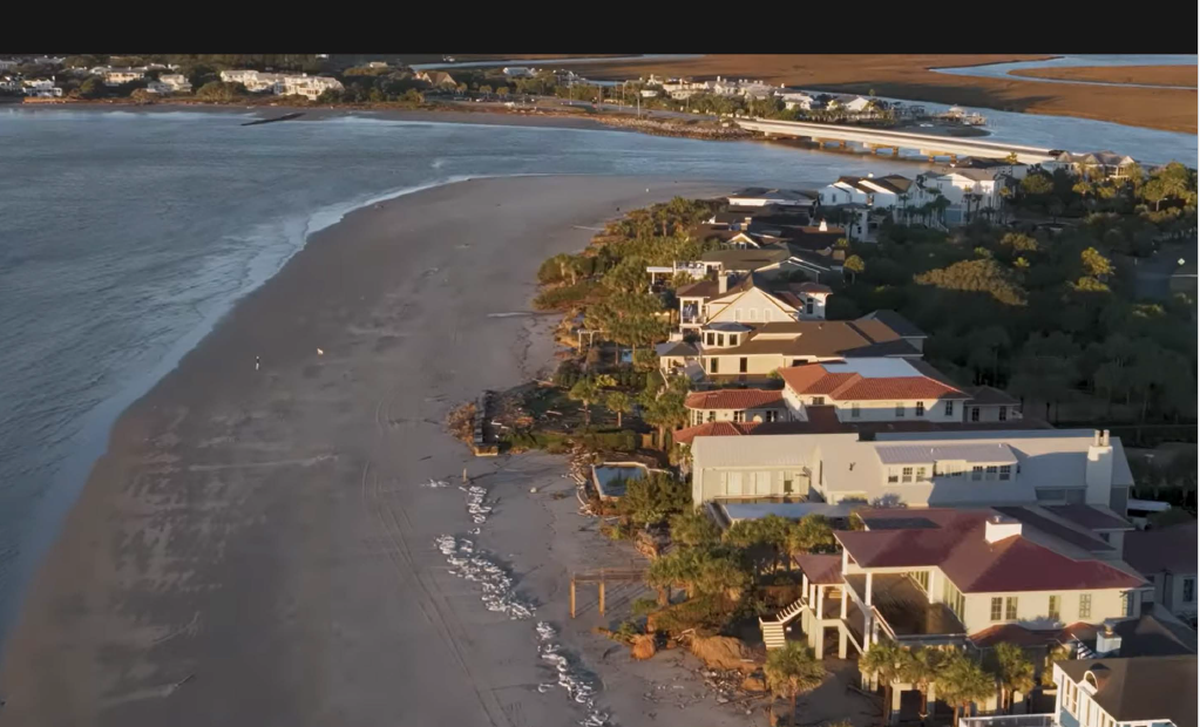
The S.C. Department of Environmental Services has previously fined him $289,000 and ordered him to remove the seawall that state regulators said was built on jurisdictional beach. Reddy argues that the seawall was not in an area of beach where the state has jurisdiction.
Reddy said the state’s coastal management agency and the Coastal Conservation League have “come up with a new basis for claiming jurisdiction on private property.’’ State officials say they are applying the law as intended, but Reddy said the state’s interpretation would “give the agency unlimited varying and subjective jurisdiction on private property after even a single weather event.’’
He appealed the administrative law judge’s ruling to remove the wall. The lower court tossed out the fine, effectively saying it was heavy-handed.
The outcome of the case could curtail South Carolina’s ability to enforce the state’s 1988 beachfront management law, most notably a section that bans new seawalls from being built on the shore, environmentalists say.
Reddy’s appeal, filed Jan. 28, does not include a detailed argument. But documents laying out his arguments to keep the seawall are expected to be filed later this month, along with arguments by environmentalists supporting the state’s effort to remove the wall.
Reddy, a supporter of President Donald Trump, has launched a political action committee to help candidates who favor limited government and less regulation. He represented himself during an administrative trial in May, but has since retained attorneys for the Court of Appeals legal work. He is a retired businessman who owns several Lowcountry weekly newspapers.
Bags on Debordieu
Meanwhile, the Georgetown County case, which was argued in the appeals court Wednesday, is a dispute over the use of huge sandbags to protect expensive beach houses on one of South Carolina’s most erosion-prone stretches of developed seashore.
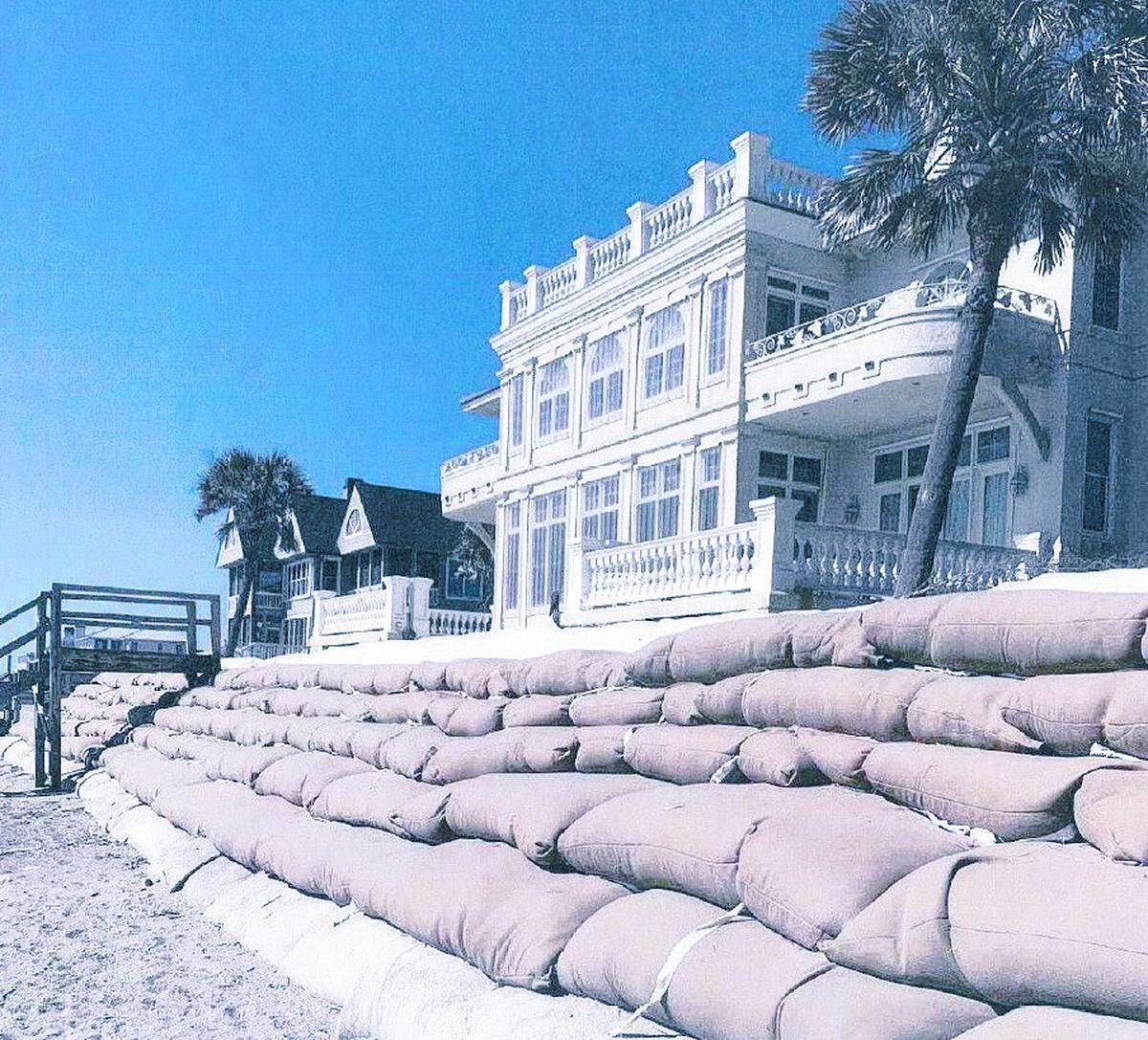
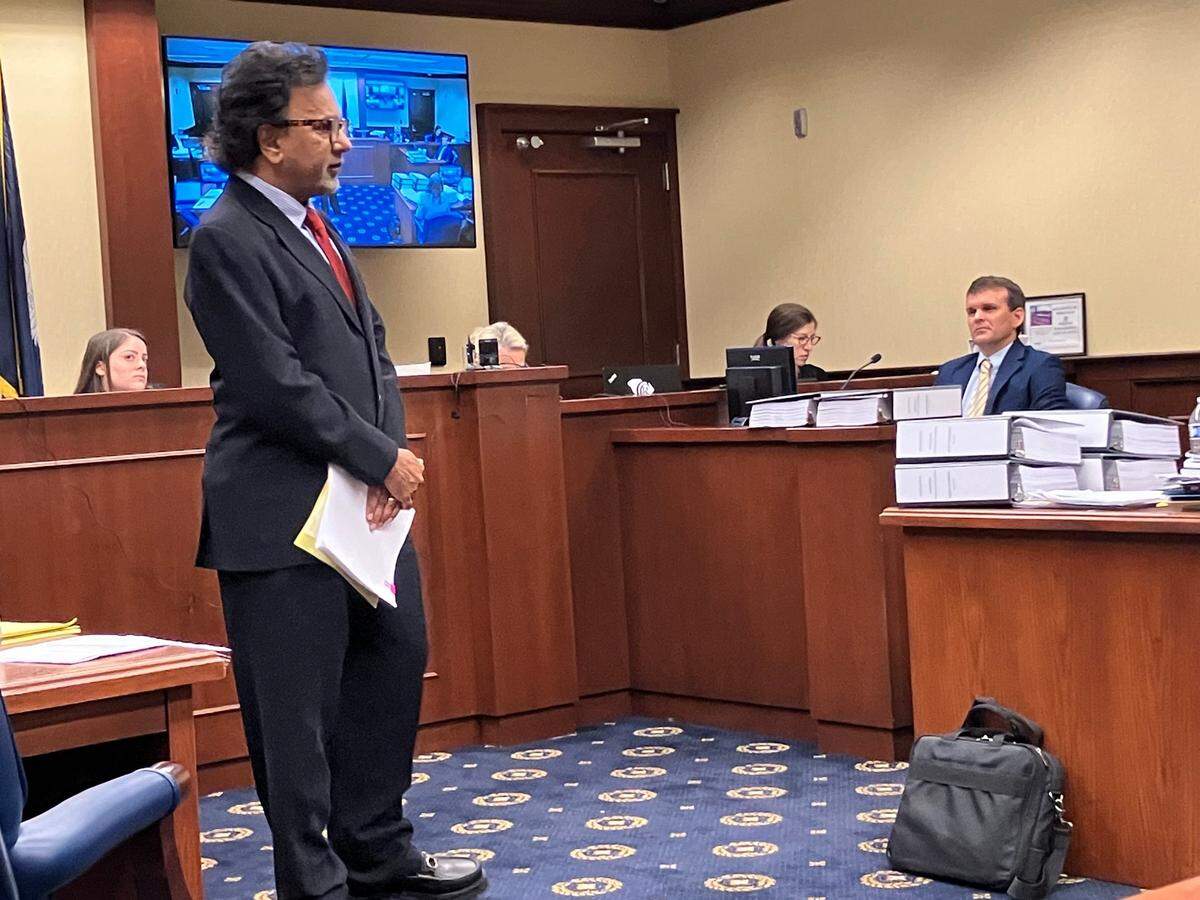
The arguments Wednesday involved highly technical points over a college professor’s role in helping property owners. The professor, Paul Gayes of Coastal Carolina University, has launched a study of how the giant sandbags will hold up at Debordieu, a gated community south of Myrtle Beach. His efforts were part of the reason the former state Department of Health and Environmental Control board allowed the property owners to keep the sand bags.
But the Coastal Conservation League has questioned the study, saying it’s obvious how sandbags work and Gayes’ research should not be used to help the property owners keep the sand bags.
Attorneys for the Coastal Conservation League told the court the state improperly authorized the use of the big sand bags, which are not supposed to be permanent, by saying they are being kept there as a science experiment. It’s also illegal to cover them up with sand, as has been done, a lawyer said.
“There’s no dispute that covering sandbags with sand is in violation’’ of state rules, Lenhardt said.
State Sen. Stephen Goldfinch, a Georgetown County lawyer and Republican candidate for Attorney General, argued in favor of the Debordieu property owners at Wednesday’s hearing in Columbia. Goldfinch, who has received campaign contributions from the property owners, has been outspoken as both a lawyer and an elected official about what he sees as a misapplication of coastal management law by state environmental regulators. He has co-counsel on the Debordieu case.
Property owners at Debordieu who have installed sandbags include well-heeled business people, who do not live in the homes year-round. Many bought their homes long after erosion problems were widely known at Debordieu, The State has previously reported.