Lurking creature — with more than 200 legs — found as new species in Thailand

The tiny island of Ko Phayam in the Andaman Sea off the coast of Thailand is home to picturesque beaches and cashew plantations.
Just a few miles across, the island is a tourist stop along the country’s west coast.
It’s also home to a new species.
Researchers on the island in 2022 looked around the bases of trees when they saw a creature lurking beneath the leaves, according to a study published June 6 in the peer-reviewed journal Zoological Science.
Brown millipedes were “found crawling and hiding underneath leaf litter of coconut trees, jackfruit trees and other native vegetation,” researchers said.
The animals belonged to the genus Thyropygus, but a DNA analysis showed they were a species never seen before, according to the study.
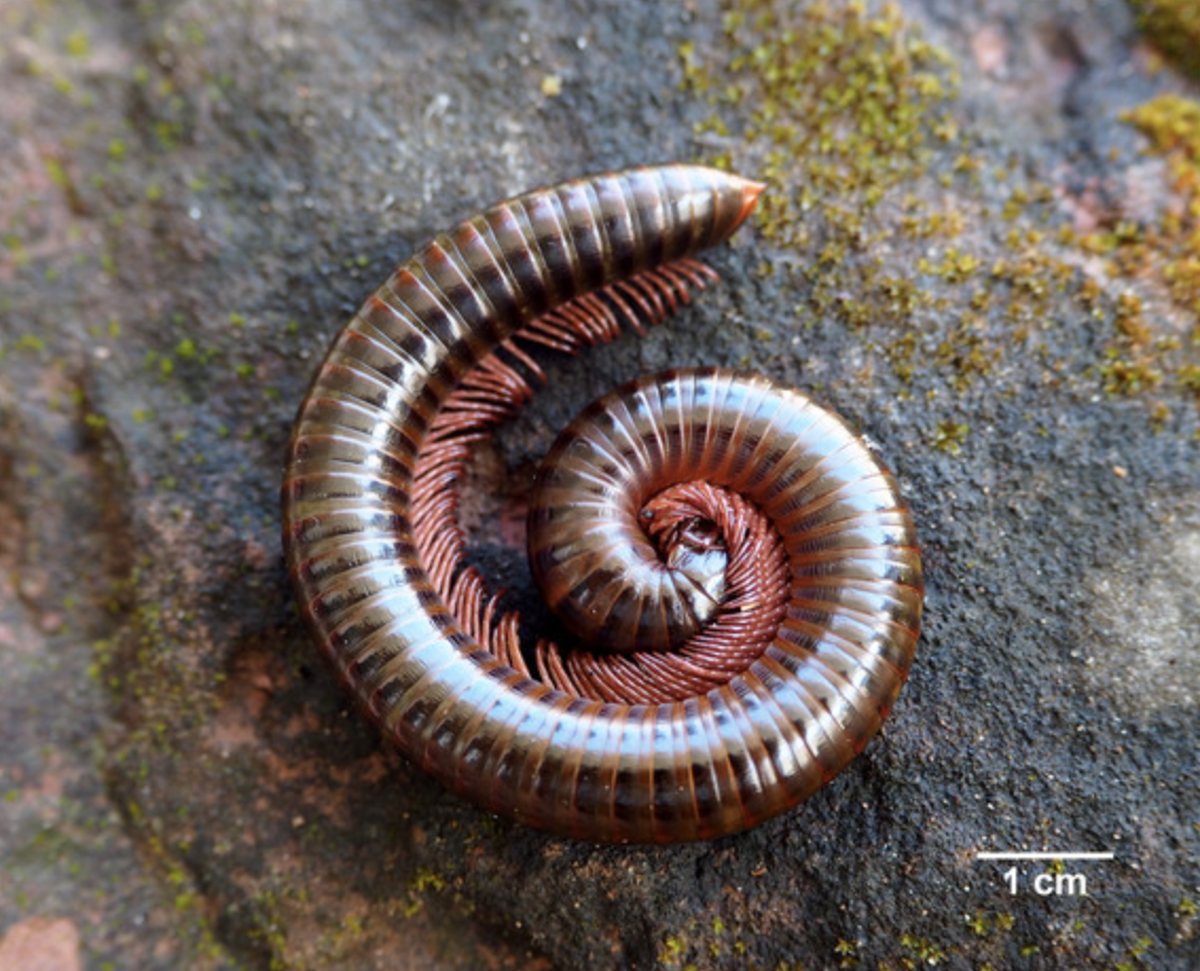
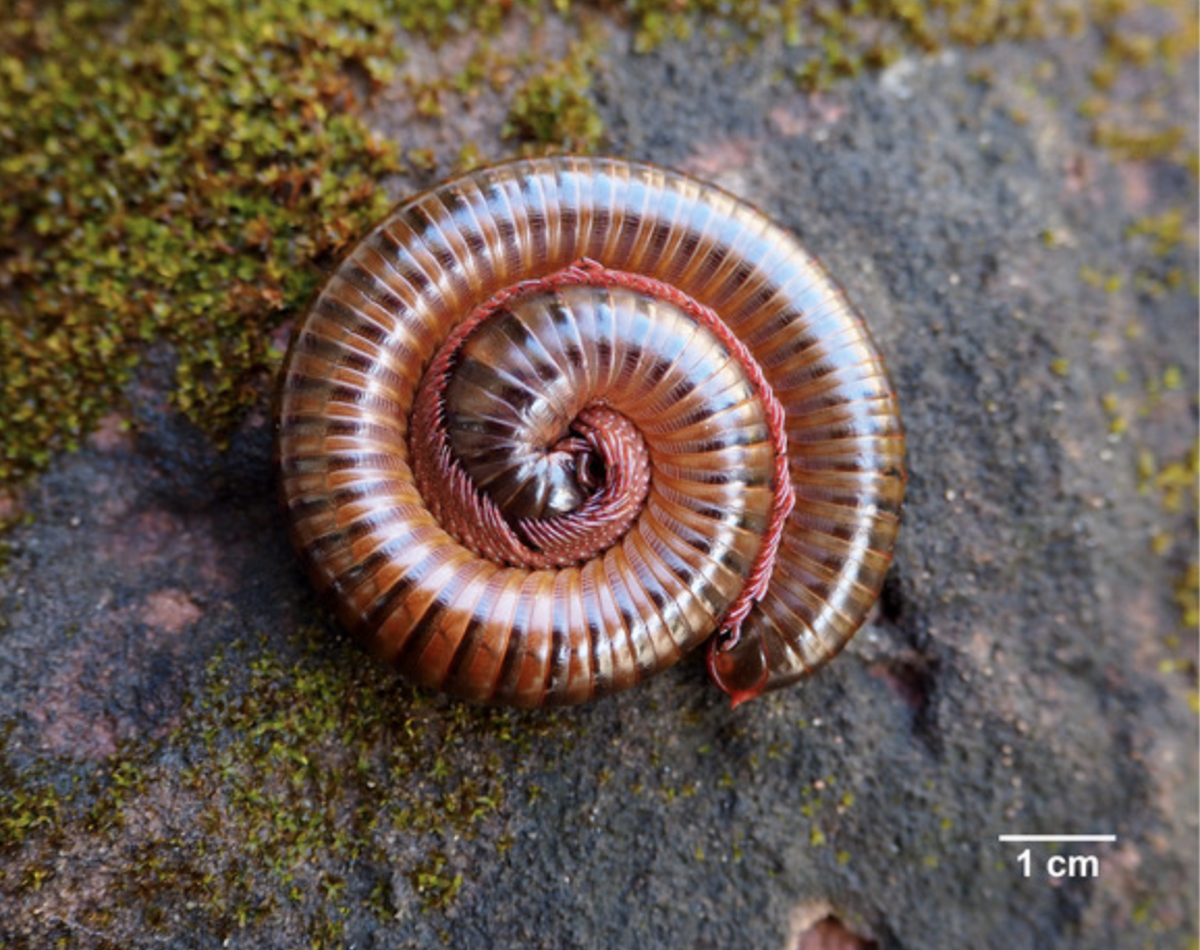
Thyropygus payamense, or the Payam (Phayam) Island millipede, is between 4.7 and 5.5 inches long, depending on the sex, researchers said.
Their bodies are made from about 60 podous rings, or body segments that nestle together and allow the millipede to move and curl into a spiral shape, according to the study.
Each podous ring is attached to four legs, meaning the animals have about 240 legs down the length of their bodies.
“Overall color of living animal (is) dark brown,” researchers said. The antennae, legs and other small appendages are “reddish brown.”
The species is differentiated from known millipedes by a “small, slender pointed spine” on the base of a feature of the leg, which isn’t found on other members of the genus, according to the study.
“The millipede genus Thyrophygus, (first described by) Pocock (in) 1894, is widely distributed across Thailand and Southeast Asia and currently comprises 67 recognized species, 46 of which are exclusively found in Thailand,” researchers said.
Millipedes are not insects, but rather more closely related to animals like lobster, shrimp and crayfish, according to the National Wildlife Federation. The name “millipede” directly translates to “a thousand feet,” but no species has been found with quite that many.
Millipedes consume organic matter and break down dead plant material that is then returned to the soil, bringing nutrients back into the landscape similar to worms, the National Wildlife Federation said.
Ko Payam (Phayam Island) is off the western coast of Thailand, just south of the southern tip of Myanmar.
The research team includes Piyatida Pimvichai, Henrik Enghoff, Karin Breugelmans, Brigette Segers and Thierry Backeljau.
This story was originally published June 11, 2025 at 1:18 PM with the headline "Lurking creature — with more than 200 legs — found as new species in Thailand."