‘Hidden earmark’ audit finds law isn’t followed by organizations, SC agencies
READ MORE
Hidden Earmarks
How millions in your state tax dollars are secretly spent each year.
Expand All
Dozens of organizations that received tens of millions of dollars in state appropriations did not follow the law by showing that funds were correctly spent, according to an audit from the South Carolina State Inspector General’s Office.
The vast majority of state agencies, which dispersed those taxpayer funds, have no way of knowing whether money was misspent, the audit found.
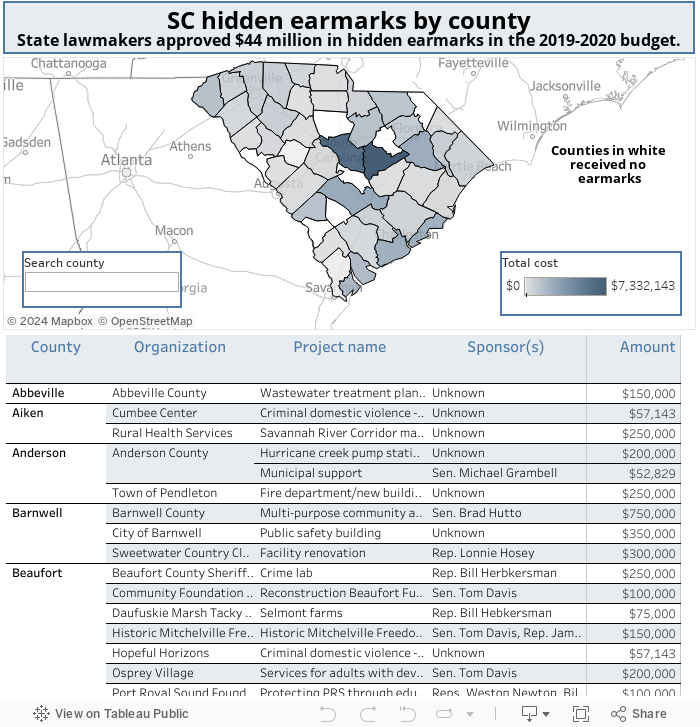
The five-page report, sent to lawmakers Friday, focused on whether organizations complied with the law when agencies doled out $43 million in “hidden earmarks” — funds generally bundled into state department budgets with vague titles such as “sports marketing” and “medical contracts” and then disbursed to nonprofits and local governments.
The State Media Co. last year reported how various lawmakers used the hidden earmark process to send millions toward their pet projects, raising a host of ethical questions. In September, the newspaper discovered more funding being steered through the process and revealed how much of it went to districts of lawmakers who had a strong say in the budgeting process or had close ties to groups receiving funds.
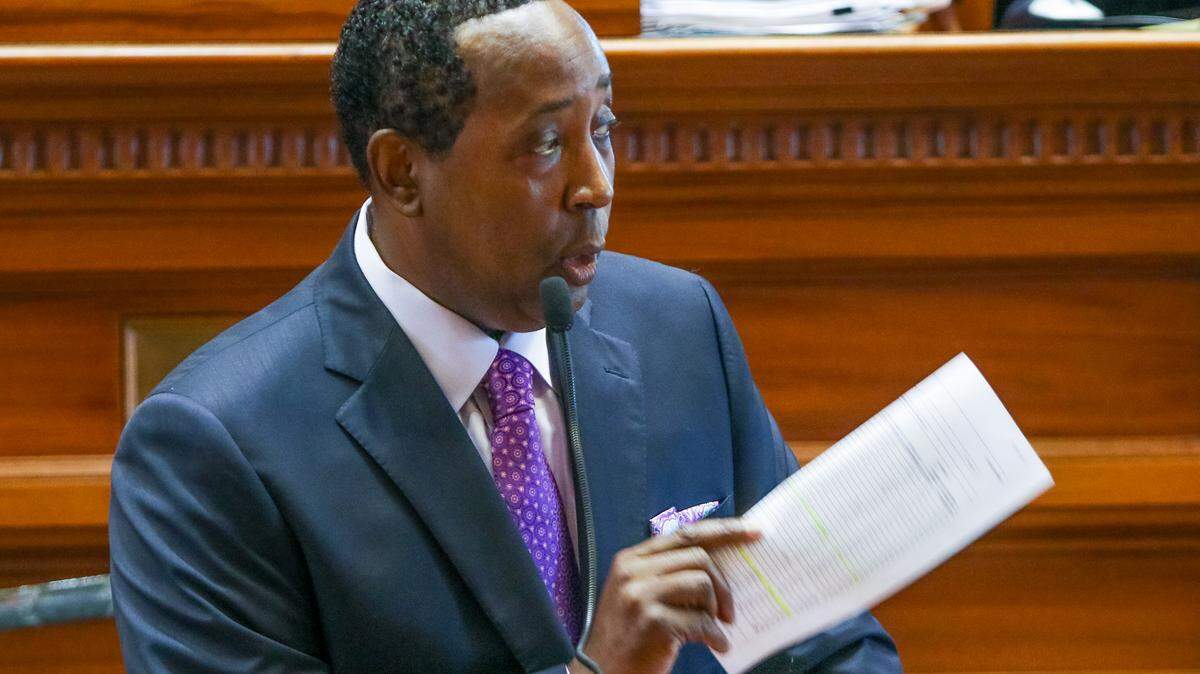
The Inspector General’s Office investigation came at the request of state Sen. Dick Harpootlian, D-Richland, following the newspaper’s reporting. Harpootlian said Monday that “taxpayers ought to be furious” with the findings.
“I’ve gotta tell you, his findings exceed any of my worst fears,” he said. “This money, tens of millions of dollars, are secretly appropriated and secretly distributed and no one is minding the store.”
The audit, however, didn’t look at the legislative process in which lawmakers select earmark recipients or how non-governmental organizations spend money, both of which have come under heavy scrutiny in recent months, following The State’s reporting.
The review also did not allege any wrongdoing against any executive branch agency or employee throughout the audit, S.C. Inspector General Brian Lamkin said. Rather, he added, the receiving organizations are to blame for the lack of accountability.
“They have no enforcement over those organizations,” Lamkin said. “(The agencies are) a pass-through.”
By law, recipients of hidden earmarks are required to provide accounting to state agencies showing how the funds will be spent, a description of their goals and recent financial statements before spending any of the money. The groups must later provide reports showing how that money was spent and how its success was measured. State agencies are then required to send those reports to the chairs of the Senate Finance Committee and House Ways and Means Committee, which have a strong say in crafting each year’s budget.
But in the majority of cases, that didn’t happen.
When looking at the 16 agencies which handed down funds over two fiscal year periods, which run from July 1 to June 30, only 43 of the 160 receiving organizations reported their expenditures to agencies as required, the audit said. In the 2018-19 fiscal year, the first of the two years reviewed, no organization provided a report to any of the seven Cabinet agencies which dispersed funds. Cabinet agency leaders are appointed by Gov. Henry McMaster. The second year, only 13 organization reported to Cabinet agencies. There were 30 reports submitted to non-Cabinet agencies over the two years.
“The failure by 73% of the recipient organizations to provide a year-end expenditure report and the (executive branch) agencies’ inability to enforce the submission of this report undermined the strength of this accountability framework,” Lamkin wrote.
The earmarked funds are placed in the state budget at individual lawmakers’ request and flow to organizations building new tennis facilities and renovating performing arts spaces, among a host of other projects in recent years, The State Media Co. has reported. Out of the hundreds of projects funded, the investigation found that 27 different organizations received earmarks over the two years, totaling $15.7 million. There were 14 organizations who received multiple earmarks during the same year from multiple agencies for nearly $11.2 million.
Senate Finance Chairman Hugh Leatherman, R-Florence, one of the key crafters of the state budget, said he has not seen the audit report and could not comment until he read it. He said he is willing to look at any necessary changes to hidden earmarks overall to ensure taxpayer money is used properly.
“I want transparency, there’s no question about that,” Leatherman said.
Harpootlian, who has been critical of Leatherman’s role and use of the hidden earmark system, said he hopes the findings result in meaningful change to ensure more accountability. He recently asked fellow lawmakers to halt all hidden earmarks spending, a plea which was shut down.
After The State’s reporting, Senate Majority Leader Shane Massey, R-Edgefield, proposed a rule change that would allow for more transparency in the hidden earmark process, such as having lawmakers list their name as a sponsor when asking for money for the groups, as well as explaining the costs and needs of each project. It is expected to be discussed in January when the Senate adopts its rules.
This story was originally published December 14, 2020 at 5:26 PM.