Freedom Caucus’ deep cuts to state spending plan rejected as SC House OKs $14.6B budget
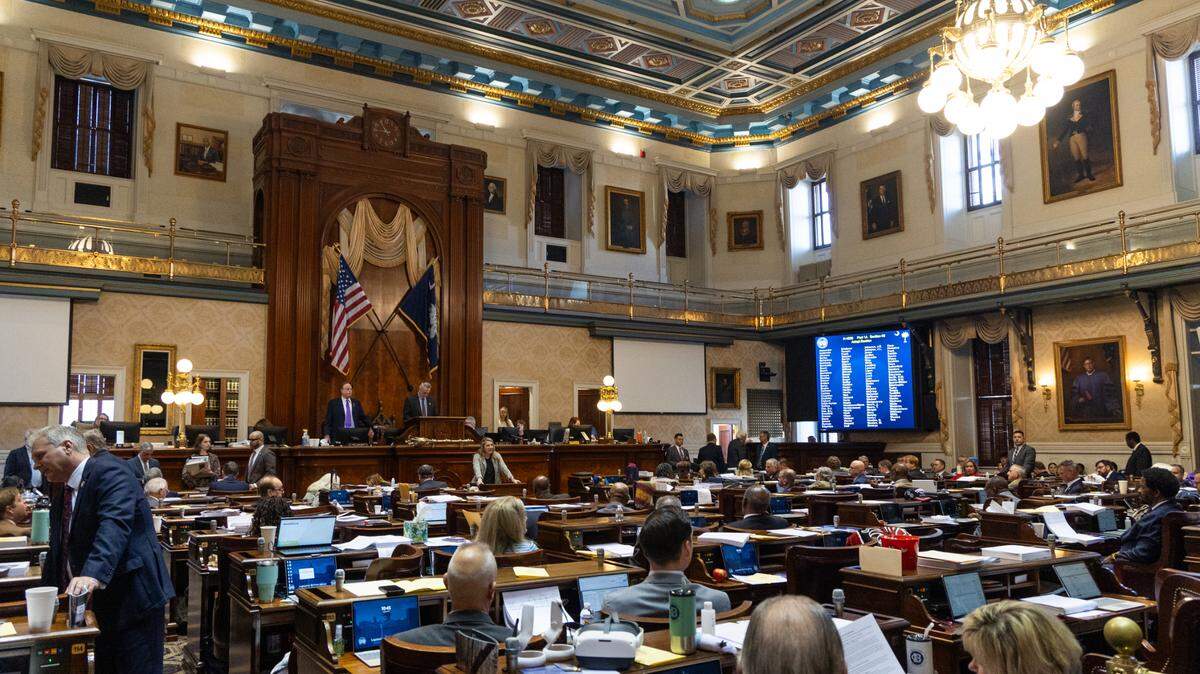
Despite efforts from a vocal group to reduce government spending, the S.C. House approved a $14.6 billion spending plan to accelerate the state’s planned income tax cut to 6% from 6.2%.
But that planned cut wasn’t enough for the hard-line conservative House Freedom Caucus who pushed for a larger income tax reduction to 5% by reducing spending by $1 billion. But the amendments the Freedom Caucus offered only totaled up to about $100 million in reductions.
Most of the debate on Monday and Tuesday included back-and-forth accusations, pushes to replicate efforts from the Trump administration to reduce the size and scope of government.
The House ultimately passed the budget in a 99-13 vote and gave it a formal third reading shortly after midnight.
The spending plan now goes to the Senate for its consideration, which is scheduled to debate the budget next month.
The House spending plan includes $66.5 million for state employees, covers most of the expected increase in the state health plan premiums, and increases the starting teacher salary in the state to $48,500.
The S.C. Department of Transportation would get $200 million spend on bridges, $50 million for DOT for costs associated from Hurricane Helene, and the Department of Commerce would get $81 million to help with site preparation and development through Locate SC, $53.2 million more a year to freeze college tuition rates for in-state students, $150 million toward a facility to address brain health, $60 million additional annual money Medicaid, $38 million to replenish the state’s disaster relief and resilience fund following Hurricane Helene, and $25 million to address high hazard dams in the state.
But the debate wasn’t about whether the state is spending enough money on priorities, but rather if it’s spending too much.
“We want to enact the Trump agenda in South Carolina,” said state Rep. Jordan Pace, R-Berkeley, and leader of the House Freedom Caucus. “So not only is that lowering taxes and lowering spending and shrinking the size of government, it’s also putting priorities first.”
A cut to the income tax rate
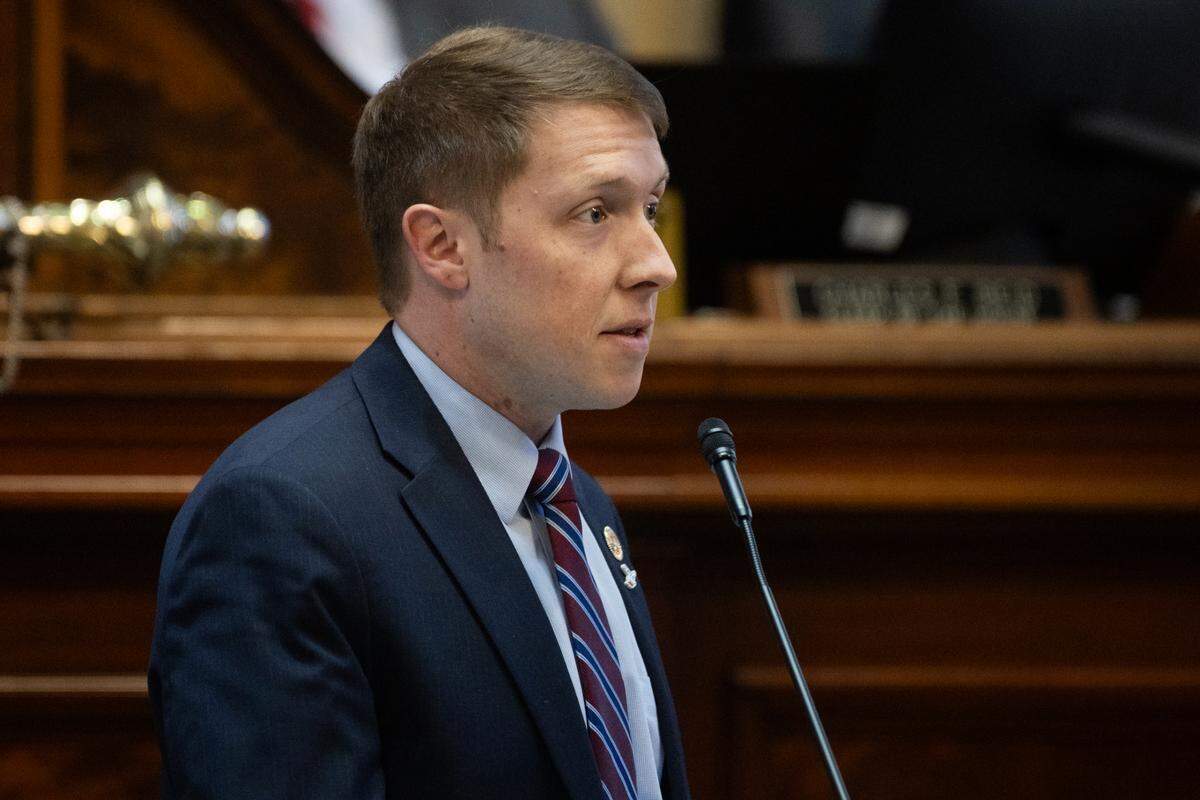
Under the approved plan, the state’s highest income tax rate would drop to 6% from 6.2% as part of an acceleration of state’s planned income tax cut. It costs about $200 million.
Prior to the debate, some members even wanted a larger cut to the income tax rate calling for it to be brought down to zero, rather than the 5% proposed by the Freedom Caucus. It’s a move which would require replacing or cutting $9 billion from the state’s budget.
“When you are running a system as complicated as the the government of the state of South Carolina, making giant sea-change decisions without really thinking through the consequences is a mistake,” House Ways and Means Chairman Bruce Bannister said advocating for making the change over time in incremental steps.
“You really ought to understand all the ramifications of taking a $9 billion hit to the budget and saying, ‘Hey, let’s just let the chips fall where they may by taking $9 billion out.’ And I would say that jeopardizes your opportunity to fund the core functions of government. And what you’re really saying is, ‘I have no plan,’” Bannister said.
However, budget writers from both the House and Senate are working on a tax cut proposal meant at widening the base of people who pay income tax to the state. Currently 44% of tax filers don’t pay any income tax. Adding more people to tax roles, which would be a tax increase for some, could help lower the overall rate.
But the move could require starting state income tax filings from a person’s adjusted gross income instead of the lower federal taxable income.
Bannister said a plan could be introduced after the House budget is passed but before the Senate budget is debated.
An effort to replicate DOGE
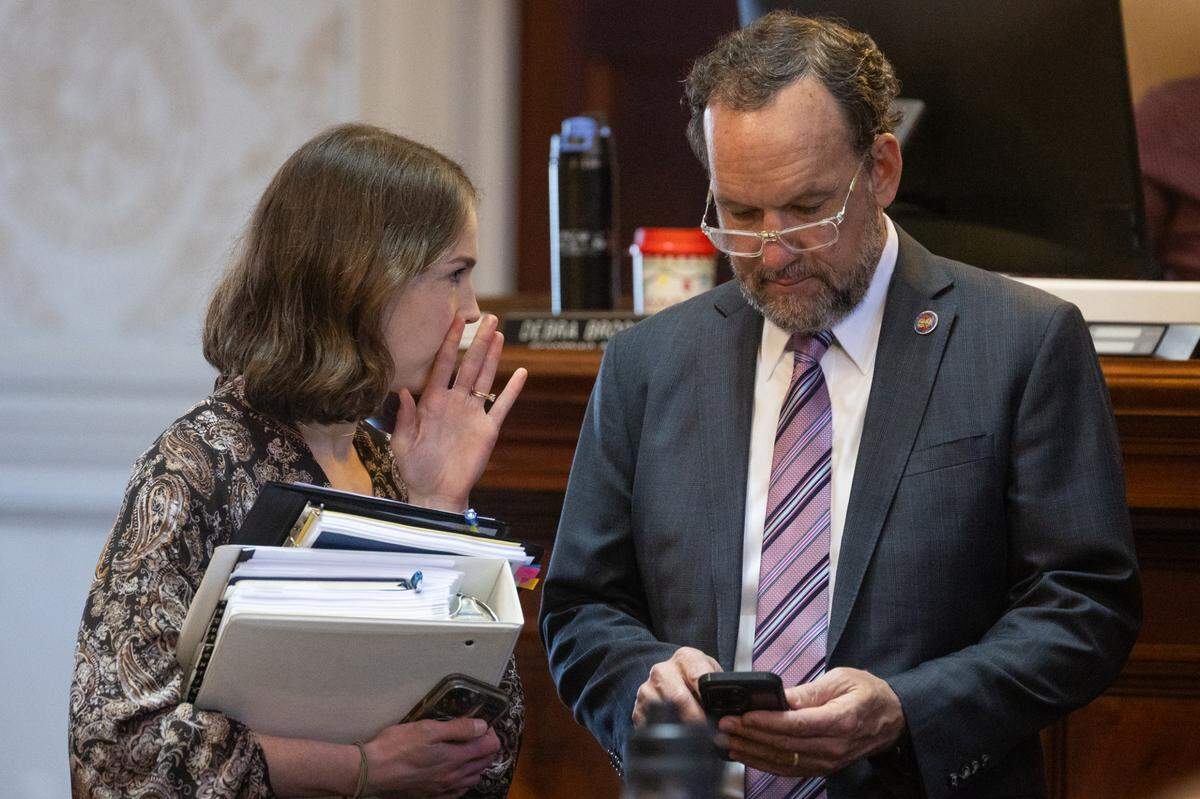
Members of the Freedom caucus tried to cut $1 billion from the budget including defunding the state Arts Commission, reducing money for the Department of Parks, Recreation and Tourism and eliminating money set aside to freeze tuition for in-state students at the state’s public universities.
But, as in years past, Freedom Caucus amendments in the budget did not gain any traction, but Pace said the effort they pushed was not futile.
“If they don’t pass, then the secondary is to make people aware of what’s going on in this process,” Pace said Monday before the budget debate began.
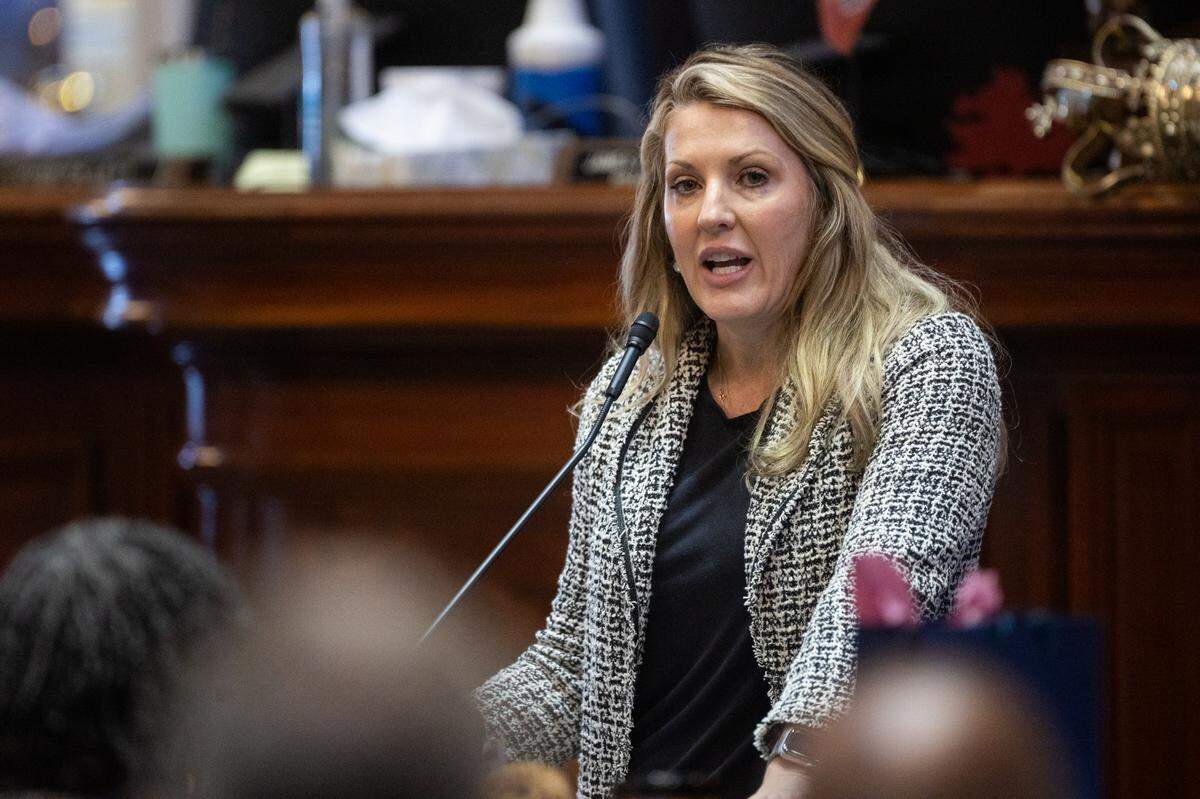
State Rep. April Cromer, R-Anderson, a member of the Freedom Caucus, spoke about how lawmakers should follow the lead of DOGE, an effort by Elon Musk to find places the federal government should cut spending.
”DOGE is very popular,” Cromer said.
A Trafalgar poll released Tuesday showed that DOGE had 75.1% favorability among likely S.C. Republican voters who dominate the state. A Winthrop University poll showed Musk had 67% favorability among self-identified Republicans.
Cromer was even more blunt about the spending plan.
“Can you say no to the budget? I can, because it’s chock full of crap,” Cromer said.
The comment led to an impassioned response by House Majority Leader Davey Hiott, R-Pickens, which received a standing ovation from the chamber.
“Law enforcement is not crap to me. Our school teachers are not crap to me. Our disabled and special needs kids are not crap to me,” Hiott said.
This story was originally published March 12, 2025 at 5:30 AM.