GOP has super majority in both SC chambers. How well did they use it in 2025?

The 2025 session was the first year Republicans held supermajorities in both chambers allowing the GOP to push through almost any legislation it wanted, if the caucuses stuck together without Democratic support and over Democratic objections.
Voters sent Republican supermajorities to both chambers in November’s elections, which led to opportunities to further carry out conservative priorities similar to those on the national stage, such as DOGE initiatives or eliminating against diversity, equity and inclusion programs.
But as the session ended for the year, only roughly 90 bills passed by both chambers, with 81 ratified so far. At the same point in previous sessions, that is at the end of the first year of a two-year session, more than 100 bills were adopted by both chambers.
However, lawmakers had the shortest possible session this year because it started the latest possible day in January and ended the earliest possible day in May. Sessions running from the second Tuesday in January and ending the second Thursday in May.
Lawmakers also lost a week in January because of weather.
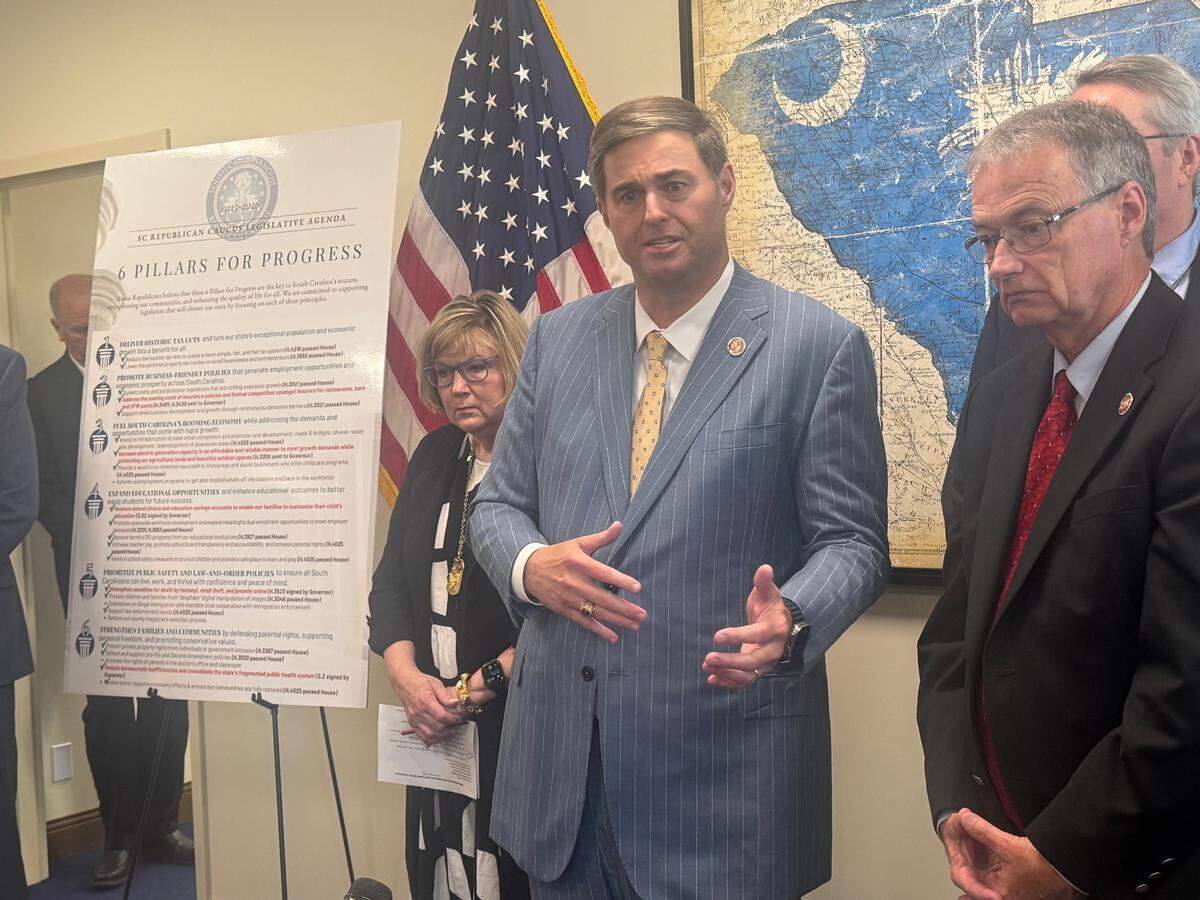
At the House GOP end-of-session news conference, House leadership showed off its priority list with green check marks next to almost every bullet point.
“You don’t measure your success on the number of bills pass. You measure your success on the substance of the bills that pass and we really concentrated on big ticket items,” House Speaker Murrell Smith said. “I think you’ve seen that this caucus over the past few years are concerned about making sure that we do things that benefit South Carolina and that we do big items that take a lot of time.”
Lawmakers sent to the governor measures dealing with the state’s growing energy needs, liquor liability reform and school choice.
Several other top priorities didn’t cross the finish line.
House budget writers spent weeks working on an income tax reform proposal, only to get push back on their first public plan that would have initially led to a tax increase for about 60% of filers before a reduction for most filers over time. That sent them back to the drawing board to rework the proposal.
The Republican House finally passed the tax reform plan the last week of session, leaving it for the Senate to consider next year, but it did so over the opposition of 46 lawmakers that included a list of hard-line conservative Freedom Caucus members and Democrats.
“It is not of interest to me how the Freedom Caucus votes. They only want to tear this place down. Democrats want to see it done right. If our interests align for more than two minutes, it is odd and I almost apologize for it, with the exception of Democrats, simply believe there’s a better tax system than to keep digging in the taxpayers pockets when you can do a voluntary tax in terms of gaming, gaming, and you can do an additional tax in terms of medical marijuana,” House Minority Leader Todd Rutherford, of Richland County, said.

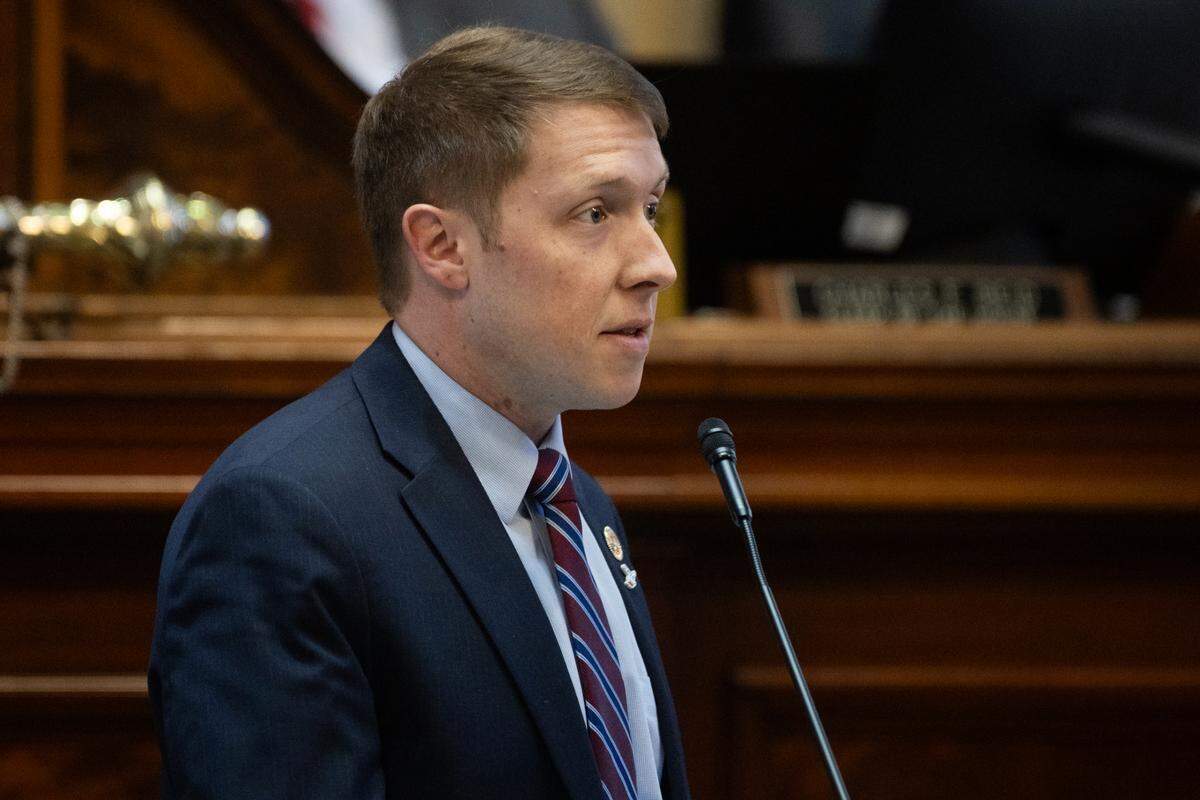
State Rep. Jordan Pace, R-Berkeley, who leads the hard-line conservative Freedom Caucus, said not enough conservative priorities were taken up, pointing to not closing primary elections, further abortion restrictions and immigration enforcement didn’t move or see committee hearings.
“Ultimately its leadership is responsible for that,” Pace said. “A lot of people, not just people in my caucus, but a lot across the board, have tried to make pretty strong efforts to get things moving on these issues. But we’re not in charge of scheduling committees.”
The House did pass an anti-diversity equity and inclusion bill. The legislation would bar discrimination already illegal from taking place in the state. Any program that is legally allowed to operate would be unaffected. It serves as a chilling effect on initiatives meant to encourage diversity and inclusion. Businesses that have state contracts, however, would have to certify they are not violating federal law.
Anti-DEI legislation has been a priority of national Republicans. The bill passed the House in April, but has not yet moved in the Senate. It’s still available for the Senate to take up next year.
The Senate spent four weeks on the floor debating tort reform. That chamber also spent time on whether the treasurer should stay in office.
Senate Majority Leader Shane Massey, R-Edgefield, says the number of total bills agreed to by both chambers shouldn’t speak to the upper chamber’s level of productivity.
“I don’t think we should judge productivity by the number of bills we pass,” Massey said. “In many cases, many of us would think that the fewer bills we pass, the more productive we are.”

“But there are certain things that we have to get done, and we addressed those things, but I would hope that we don’t judge productivity by just the number of things that that get passed, because some of those things don’t need to be passed,” Massey added.
With the new GOP supermajority in the Senate, one issue that did not come up was further restricting abortion access. A ban at conception could not pass in previous years because the chamber had enough Democrats to block it with a handful of Republicans.
During the 2024 election cycle, the chambers three female Republican senators were ousted in the primaries after their stance against the state’s six-week abortion ban, which went into effect in August 2023. Republicans also flipped four seats during the general election.
While it was anticipated more restrictive measures on abortion would surface this session, Massey said there wasn’t enough support among the Senate Republican caucus.
Even though the House has previously has passed a ban at conception, House leadership repeatedly said the Senate needed to start the process because that’s where the change in numbers were and had previously been the stumbling block.
Not voting on a stricter abortion ban led to ire and aggressive campaign tactics by the Students for Life Action, national organization of young adults against abortion and led to a mass resignation from the conservative Family Caucus.
The Republican supermajorities were able to get a school choice bill through to allow families to use taxpayer money at private kindergarten through 12th grade schools. The new law is meant to revive the private school portion of the state’s school choice program that was struck down by the state Supreme Court.
“We obviously had a setback with the Supreme Court. They gave us language or told us there were problems that we need to resolve. And we got that resolved and passed that which is another huge win,” Smith said.
This story was originally published May 12, 2025 at 5:00 AM.