
Would proposed property tax relief add to SC’s population ‘growing pains’?
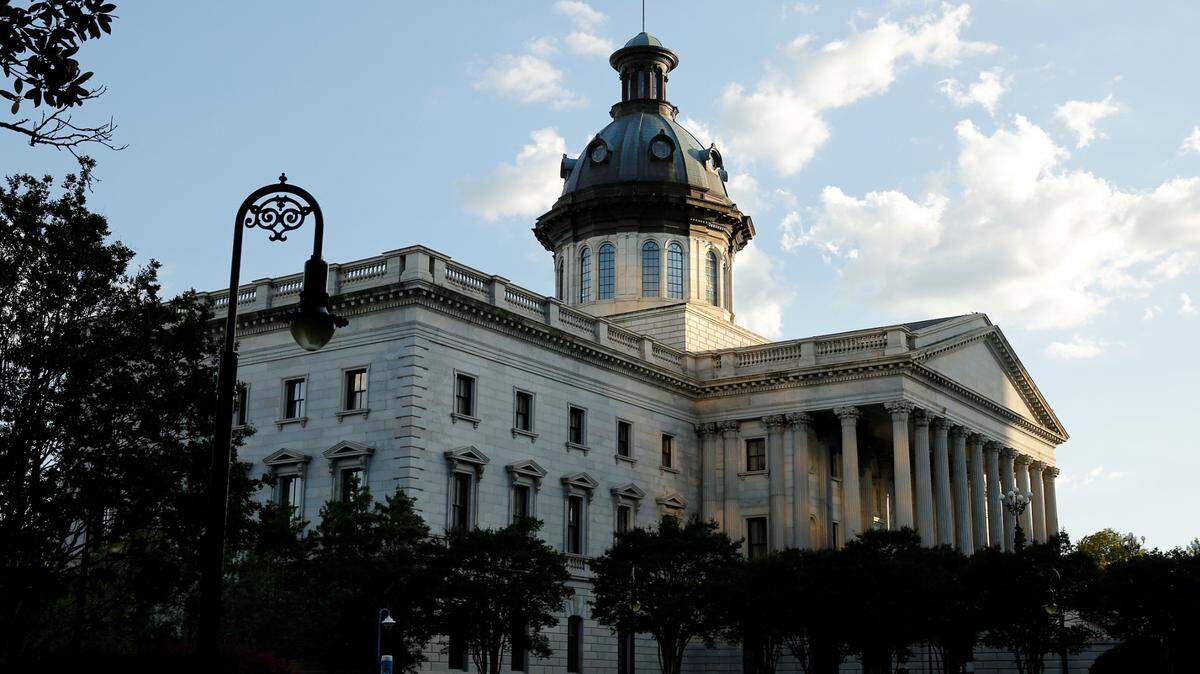
As South Carolina grows more than any other state in the country, lawmakers worry expanding property tax relief for seniors could exacerbate issues related to a growing aging population.
There isn’t one reason people are moving into the state, but cost of living, climate and economic opportunities can generally be a factor for individuals retiring in South Carolina, said Revenue and Fiscal Affairs Office executive director Frank Rainwater in an interview.
“There’s a variety of factors, personal decisions people make on what it is that they want to do their lives,” Rainwater said.
State senators were concerned raising the homestead exemption from $50,000 would exacerbate population growth issues in South Carolina, particularly among aging populations, during discussions on a bill Jan. 13. Sen. Greg Hembree, R-Horry, said growth was becoming “out-of-control” statewide. South Carolina’s population climbed 1.5% between July 2024 and July 2025, the highest growth rate in the country, according to U.S. Census data.
But because of the many reasons behind where someone decides to retire, a homestead exemption policy change will likely not directly lead to more people moving to the state, said College of Charleston economics professor Frank Hefner. The higher exemption could be a small factor in someone’s decision, but people may consider weather, family and other affordability factors, said Joey Von Nessen, a research economist at the University of South Carolina.
“I’m not too sure you’re going to get a flood of people from Detroit all of a sudden, or Columbus, Ohio, saying, ‘Oh, wow, they’ve increased the homestead exemption. Let’s move there,’ unless they’re already considering it,” Hefner said.
Under a current version of the bill, recipients of the $150,000 exemption have to be South Carolina residents for at least five years. Residents who already receive the exemption will be grandfathered in. The change is meant to give people who already invested in South Carolina the benefit, rather than newcomers who never paid taxes in the state, Hembree said during a full Finance Committee meeting. Retirement age people moved to Hembree’s home county, Horry, at high rates, according to state data from 2023.
“The people that are here are the ones that are making those long term investments in our communities,” Hembree said Jan. 20.
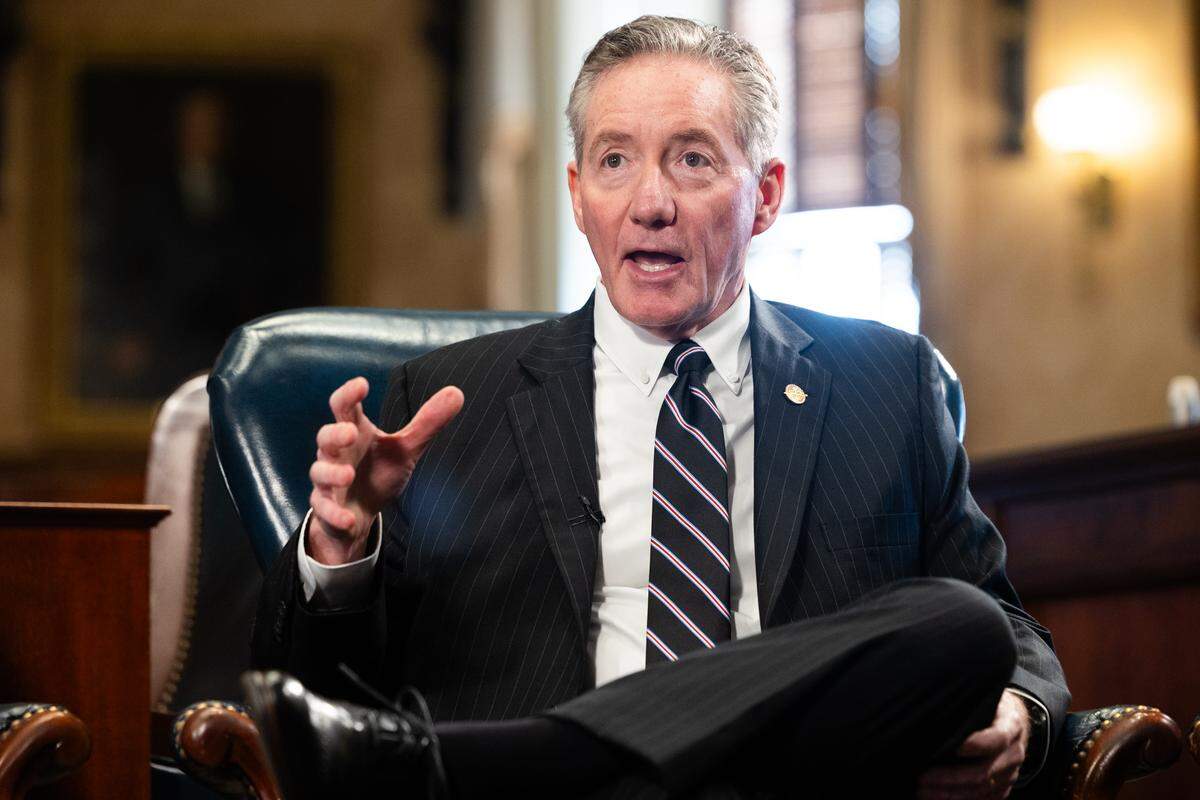
But other Southeastern states are also competing for economic opportunities and people, Rainwater said. Therefore, surrounding states may change their homestead exemption to attract more people, if South Carolina reforms its tax policy, he said. North Carolina has a $25,000 or 50% of taxable value of a residence homestead exemption for seniors.
South Carolina’s property tax relief plan, which passed to the Senate floor, is backed by high-ranking senators, including Senate Finance Committee chair Harvey Peeler, R-Cherokee, Senate President Thomas Alexander, R-Oconee, and Majority Leader Shane Massey, R-Edgefield. The plan is a part of the General Assembly’s broader attempt to cut taxes, which includes an income tax reform plan.
Under the current proposal, participants still have to be 65 or older, but the exemption goes from $50,000 to $150,000. It’s expected to cost the state $258.5 million a year, but that cost will likely rise in the future, Senate Finance staff said.
Is SC growing?
The state’s tax policy, including raising the homestead exemption, shouldn’t exacerbate issues associated with South Carolina’s projected “growth spurts,” said Sen. Danny Verdin, R-Laurens, Jan. 13.
“I’m thinking about all those sore joints when we were teenagers,” Verdin said. “We had to get there, but we got there sorely.”
A growth spurt is expected in South Carolina, regardless of any tax policy change. More than 1.2 million people are expected to move to South Carolina by 2040, according to estimates from the state’s Revenue and Fiscal Affairs Office. Growth in the state’s population is expected to be driven by migration, as birth rates match death rates in South Carolina, Rainwater said. The state’s more rural counties have seen declining population rates, however.
The share of people 65 and older in the state is also rising, with more than 21% of the population expected to fall in that age range by 2030, according to a 2024 report from the office. That would be a 14% hike over three decades.
Between 2020 and 2040, the population of residents 65 and older is expected to rise 30% or more in 20 counties.
The state’s fiscal research office uses existing birth, death and migration rates to estimate growth, so it doesn’t incorporate factors like policy changes, natural disasters or economic development that could impact South Carolina’s population in the future.
Growth can present a variety of challenges for the state and local governments, Hefner and Rainwater said. They’ll have to ensure infrastructure and resources, like roads or police departments, meet population needs. Aging populations may also need more hospitals and nursing homes, which governments may have to attract the working population to staff, Rainwater said.
“The question then is, do we need policy to attract more or will it happen anyway?” Hefner said.
Von Nessen said affordable housing has been a growing issue as more people move into the state. While a higher homestead exemption could help, growing the housing stock in South Carolina would aid the most with affordability, Von Nessen said.
“There are a number of ways you can potentially look at housing affordability on the margin, through different tax policies or other types of initiatives,” Von Nessen said. “...The major driver of housing affordability challenges across the country, not just in South Carolina, but including South Carolina, is the lack of supply.”
Population growth is an issue on the minds of lawmakers and Gov. Henry McMaster this year. McMaster proposed conducting a long-term study into population growth, and its effects, in South Carolina in his version of the budget this year. Earlier this month, Massey told reporters lawmakers would have to put guardrails on growth.
“I think none of us is opposed to growth,” Massey said. “But you want to make sure the growth is coming the right way, and that it is put in the right spots so that it doesn’t overwhelm and destroy the things that South Carolinians enjoy.”