
The State endorsement: Our recommendation on the Richland County 1% transportation sales tax
READ MORE
SC election endorsements
Editorial Board recommendations for the Nov. 5 election
Expand All
On Nov. 5, for the third time in 14 years, Richland County voters are being asked to approve a 1% transportation sales tax increase to pay for road and infrastructure improvements and to subsidize The COMET’s bus network. Voters narrowly rejected such a tax in 2010 then approved one nearly as narrowly in 2012, creating a revenue stream that taps residents and visitors alike.
That funding source was capped at $1 billion, a limit county officials now expect to hit in two years. They want voters to extend the tax for 25 years or until it raises another $4.5 billion. They identified $8 billion in needed projects last year but won’t prioritize the work until after the vote.
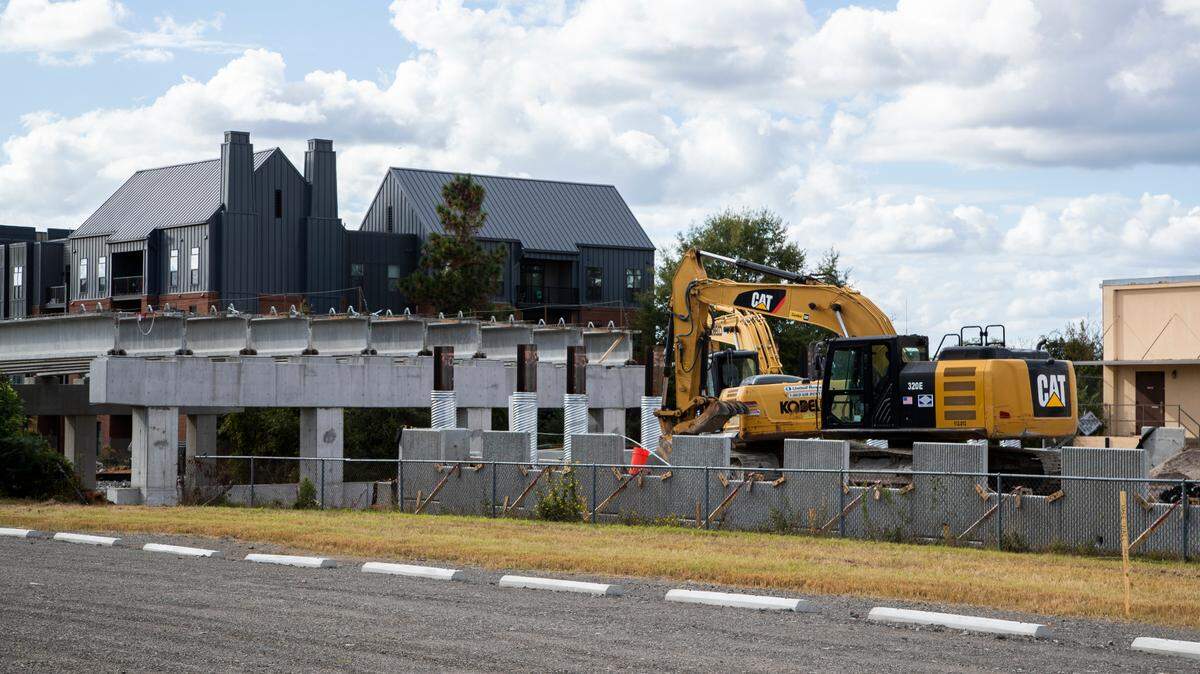
Ride along Richland County’s roads, and the arguments for and against the tax are inescapable. Signs urging voters to “keep our penny — vote yes” dot the patchwork of roads, some with cracks and potholes, some thrumming periodically with buses taking people to jobs or appointments. Some buses are empty, a tale as old as the heavily subsidized transit system.
So what are voters to do? The State Editorial Board recommends a “no” vote — because there are too few safeguards to ensure the money would be wisely spent, there is no prioritized project list to know where the money would go, and residents should be skeptical about how the county would spend the money given its history of mismanaging transportation tax revenue and the toothlessness of a watchdog committee that has long been seen as having too little power.
The county’s record of misspending is recorded in painful detail in a state Department of Revenue report and a state Supreme Court ruling. Given this, we find the insufficient oversight infuriating and the decision to wait until after the election to prioritize projects insulting.
The state Supreme Court criticized “dubious” spending in 2018 and temporarily halted it. A 2019 report by the Department of Revenue found that the county spent some of the sales tax revenue not on roads but on coffee, computers, cars and public relations services. It said taxpayers sometimes paid for the same services more than once in ways that totaled nearly $20 million. In all, the state found tens of millions of dollars was misspent between 2013 and 2018.
No less maddening, entire communities did not see equitable work countywide. A 2020 analysis by The State showed nearly $1 out of every $6 the county planned to spend from the tax on roadway projects directly benefited the University of South Carolina and its sports facilities.
This time around, the county addressed the criticism of the disproportionate benefit to downtown and USC by guaranteeing at least $20 million in tax revenue would be spent on community investment projects in each of 11 county council districts. But again where’s the prioritized list?
Our recommendation is to view a “no” vote not as a vote against road improvements or mass transit but a vote against hollow promises and for better planning. A “no” vote would allow county officials more time to devise a plan with a prioritized project list and better guardrails and to return to voters with a level of detail that would make all of us feel better about taxing ourselves. If the current transportation tax can last for two more years, that leaves ample time.
Some Richland County voters may be ready if not eager to vote “yes” to improve the roads, infrastructure and buses that so many of us ride on so often. Calling it a penny tax — and a tax “extension” instead of an “increase” — may make it more palatable to them, but taxes would go down without this and it’s a penny tax on each dollar spent on taxable goods and services. Over its lifetime, it will add up to thousands or tens of thousands of dollars for people and families.
County officials are seeking $4.5 billion in tax revenue — some from visitors but much of it from residents — by saying “Trust us.” Because they already mismanaged a portion of that sum from the same pot before, they need to “show us” how they would spend and safeguard new money. They haven’t. The State Editorial Board recommends a “no” vote on the sales tax increase and its accompanying bond measure.
BEHIND THE STORY
MOREHow we do our endorsements
Members of McClatchy’s South Carolina Editorial Board conducted interviews and research of candidates and made endorsements in many local, county, state and federal elections on the Nov. 5, 2024 ballot. We based our endorsements on this reporting and fact-checking — and on each candidate’s achievements, background, character, demeanor and experience.
The state and federal endorsements were made by South Carolina Opinion Editor Matthew T. Hall, letters editor Allison Askins and regular columnist Matt Wylie, a Republican strategist and analyst, in consultation with Brian Tolley, president and editor of The State, The Island Packet and The Beaufort Gazette, and The Sun News. Hall and Askins made the local and county endorsements in consultation with Tolley.
If you have questions or comments about our endorsements, please email Hall at mhall@thestate.com.
This story was originally published October 21, 2024 at 5:00 AM.
.JPG)
.png)