
Columbia should limit short-term rentals before it’s too late | Opinion
Two years into it, Columbia’s policy of managing short-term rentals has resulted in a wild west for investors and growing concerns for people living near them. Unlike some other South Carolina cities, Columbia opted to put no limits on how many or where they can locate in 2023.
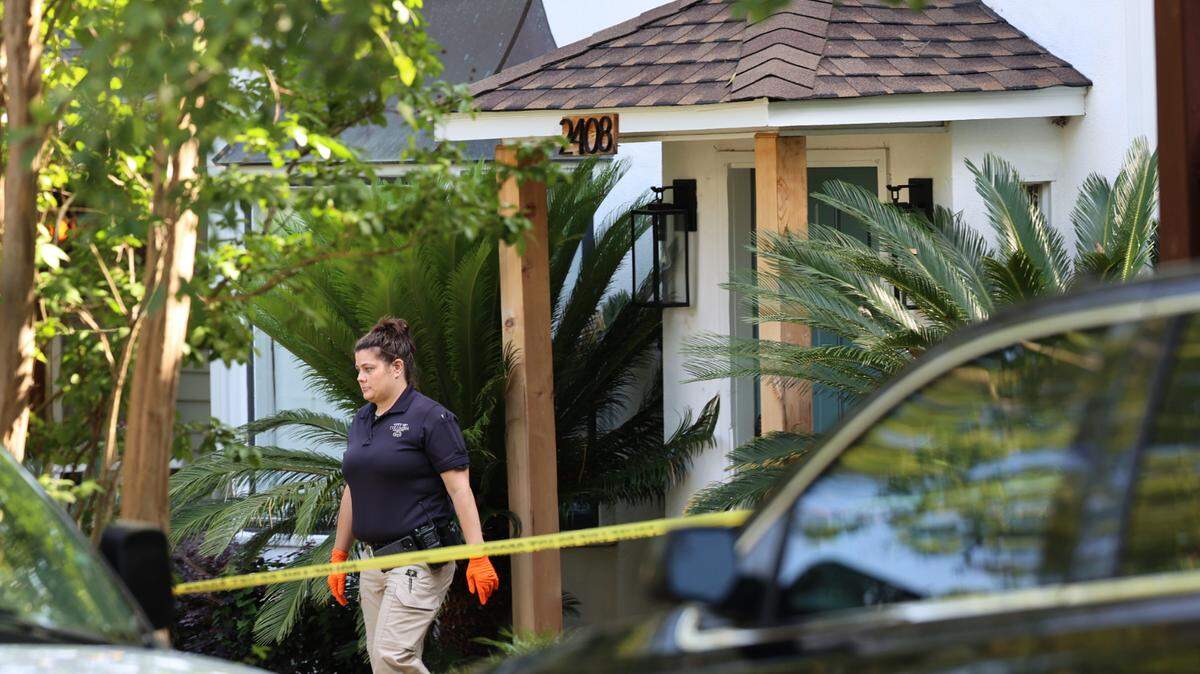
Unfortunately, it took a June shooting at an Elmwood Park short-term rental leading to one death, several wounded people and a worried neighborhood for the City Council to decide to revisit its first ordinance and regulate a total of 595 rentals, 149 of which are operating illegally.
So what is the city proposing to do?
More regulations and a few more staff to patrol hundreds of “hotel rooms” spread across the city.
Here’s the problem with the regulatory model: Without limits on the number of short-term rentals and restrictions on where they can be located, the approach just doesn’t work.
Other cities in South Carolina have successfully combined limits with good enforcement of licensing. Take a look at Charleston, Greenville, Spartanburg and Rock Hill, for example.
In Columbia, people across our city have been working together to ask the Council to stop the spread of short-term rentals in residential zones like other successful South Carolina cities.
The data firm AirDNA listed Columbia in the top 25 U.S. cities for short-term rental investment in 2025, so if our council doesn’t help, we know growth will continue. The more growth we have, the harder short-term rentals will be to regulate and the politically harder they will be to limit.
No one on the Council has said they are good for neighborhoods, bring in substantial revenue, boost tourism or prevent crime. They say only that people like them and that no one on Council wants to stop the growth in residential zones.
Yet the people living with these commercial accommodations in their midst know that neighborhoods are being disrupted with nuisances and even crime. They bring anxiety, with new visitors and stranger danger. They disrupt the real estate market for families and longer term residents who cannot afford the prices that investors are willing to pay to run a “mini-hotel.”
So why don’t City Council members get it?
They say they plan to rely on more regulations and a few more staff to protect the neighborhoods, but regulations still require neighbors to report violations: to get up at 2 a.m. and report noise, to call when they hear gunshots, to put up with garbage and illegal parking.
You can see that all of these “regulations” are enforced only after an infraction occurs, which means neighborhoods must be the eyes on the street or rely on a handful of designated code enforcement officers to patrol the 600 sites dispersed throughout the city.
Here’s one example. The new regulations would require the maximum occupancy limit to apply 24 hours a day and be determined by the total number of people in the home at any given time, not the total number of people staying overnight.
The rule would be only the licensed capacity could be on the premises at all times, but who’s counting? If 10 people check in legally then two hours later, five more show up and four depart, that’s one over capacity. If eight more people come, then the rental is nine over the limit.
Who is going to stand by the door with the tally counter?
None of these regulations protect neighborhoods from nuisances, the anxiety of stranger danger, disruption of property values and even displacement or from crime until after it occurs.
We welcome new efforts but also need the Council to restrict additional short-term rentals from neighborhoods. The Council voted 6 to 1 on Aug. 5 to enact new regulations and they are a good start, but we need more before a second vote on them Aug. 19.
Only Councilman Peter Brown voted against the new regulations and guess what?
He has the fewest rentals in his district.
Districts 1, 2 and 3 each have more than 100 registered short-term rentals and more than 150 when unregistered ones are included. Brown’s Council District 4 has a total of 50.
We hope the City Council will come to recognize that we cannot address housing affordability, displacement and residential property values with regulations. The City Council must act to prohibit growth of this commercial use in residential zones.
Robbie Birnie and Norman Bailey live in Columbia. Birnie is vice president of the Elmwood Park Neighborhood Association. Bailey is a longtime resident of the Rosewood neighborhood.
Got another view on this subject? Send opinion editor Matthew T. Hall your own 650-word essay at mhall@thestate.com.
This story was originally published August 13, 2025 at 5:00 AM.