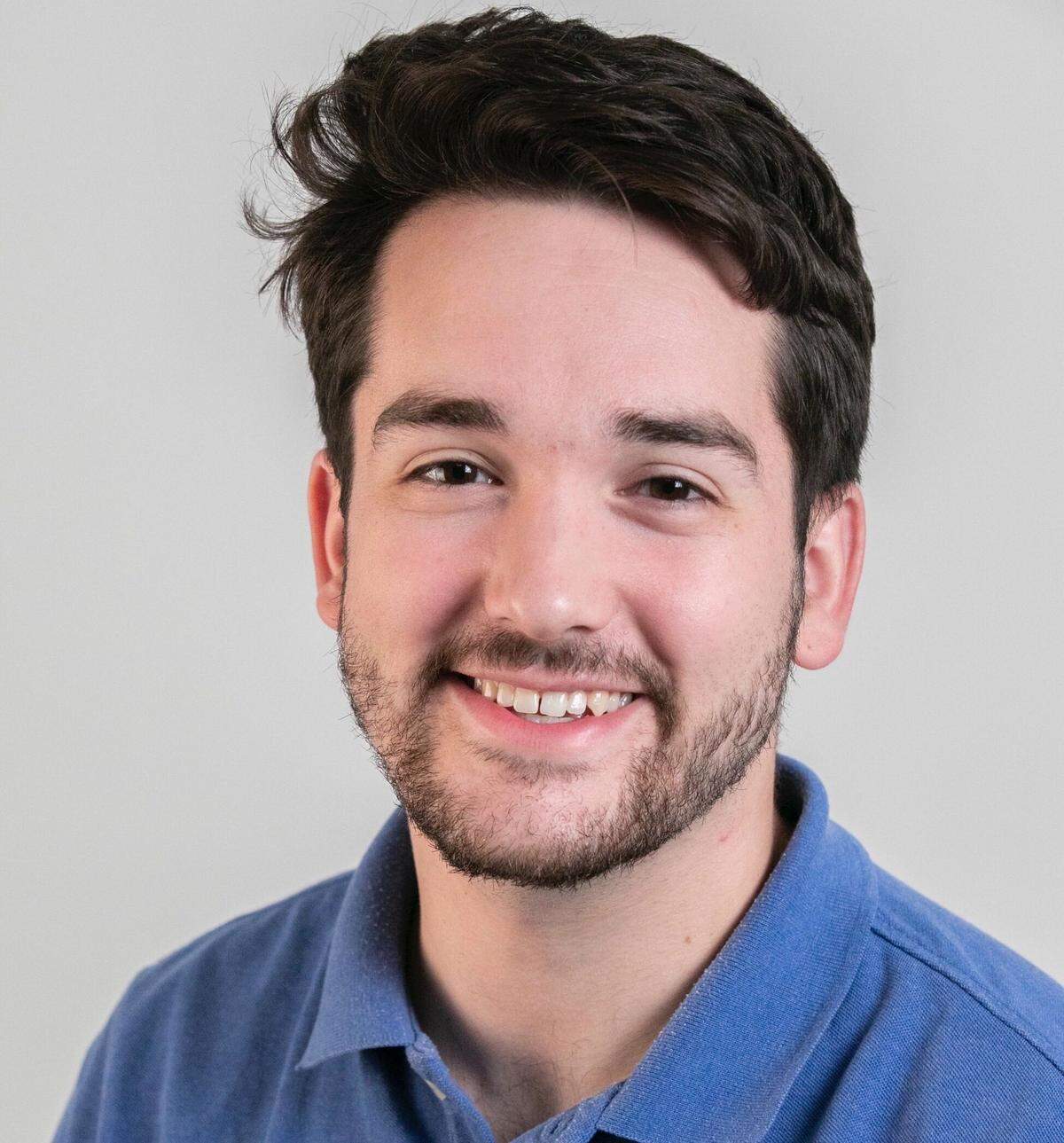
Lawrence Nathaniel grew up homeless. Now he’s a public face of Black Lives Matter in SC
READ MORE
Here are the people behind the push for social justice in South Carolina
During the first half of 2020, people across the United States launched a historic push to end systemic racism and advocate for a more equitable society. In Columbia and across South Carolina, thousands from all walks of life rallied, marched, chanted and demanded change to broken systems that disproportionately affect minorities and people of color. The State talked with several young community leaders who are behind various movements seeking to create lasting change. Learn more about them here.
Expand All
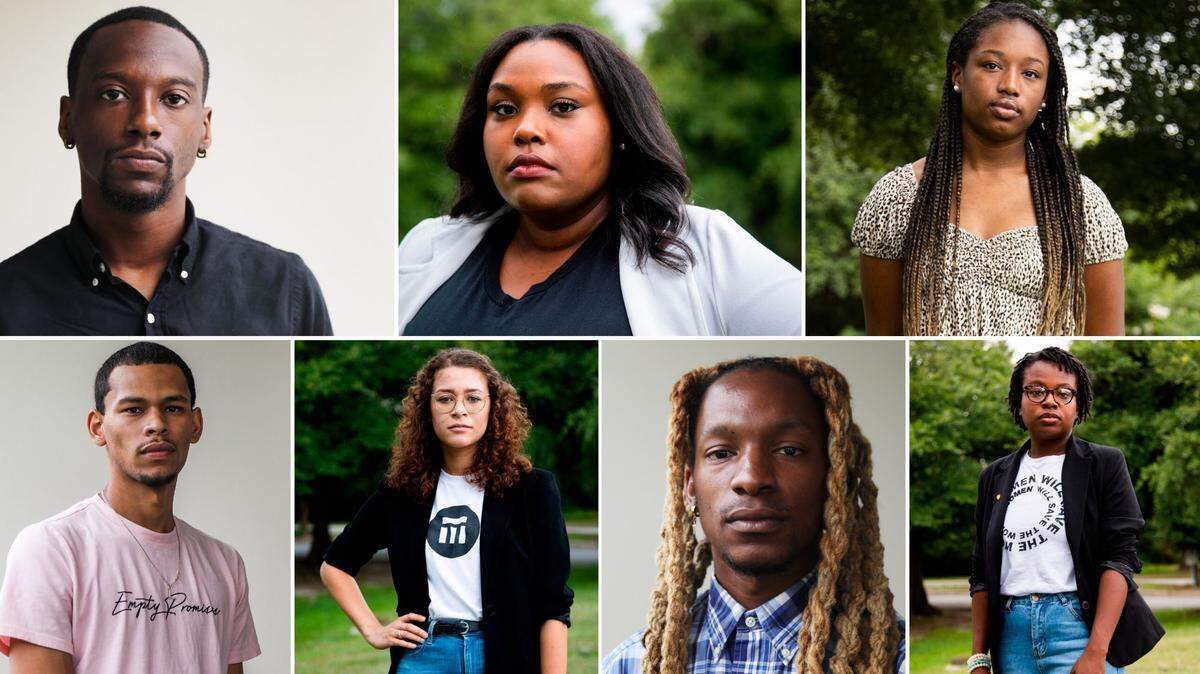
Who’s leading the movement for racial equality in SC — and what drives them?
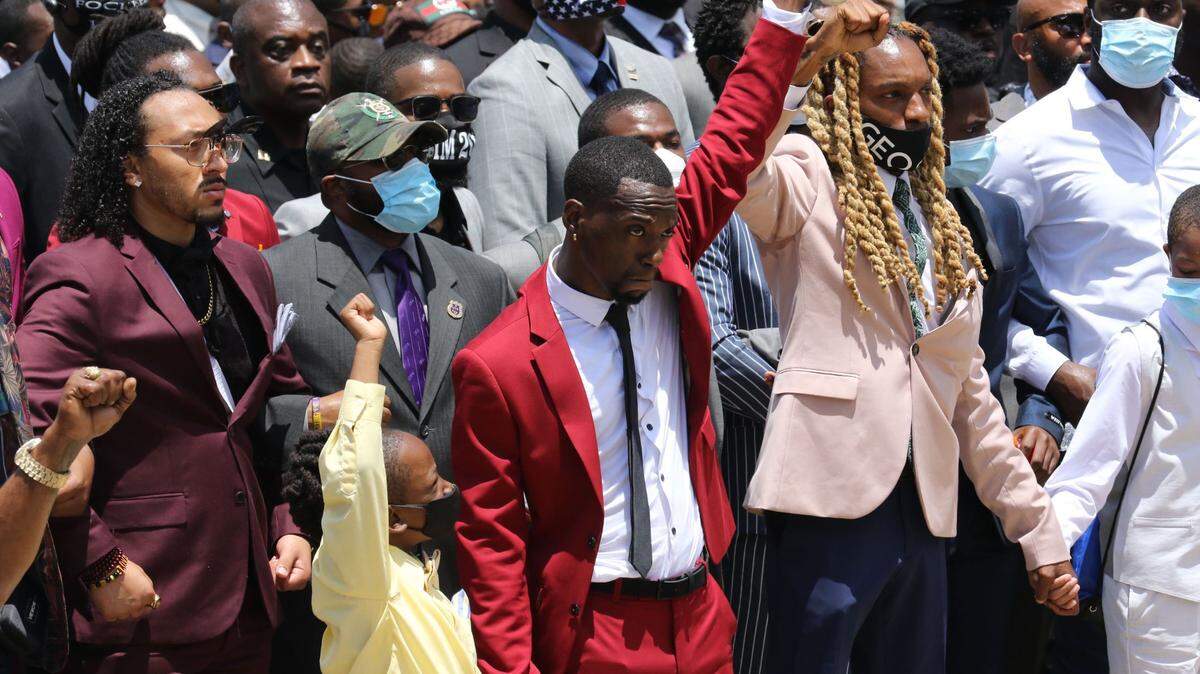
From ‘dismay and agony’ to hope, organizers of Million Man March want to keep going
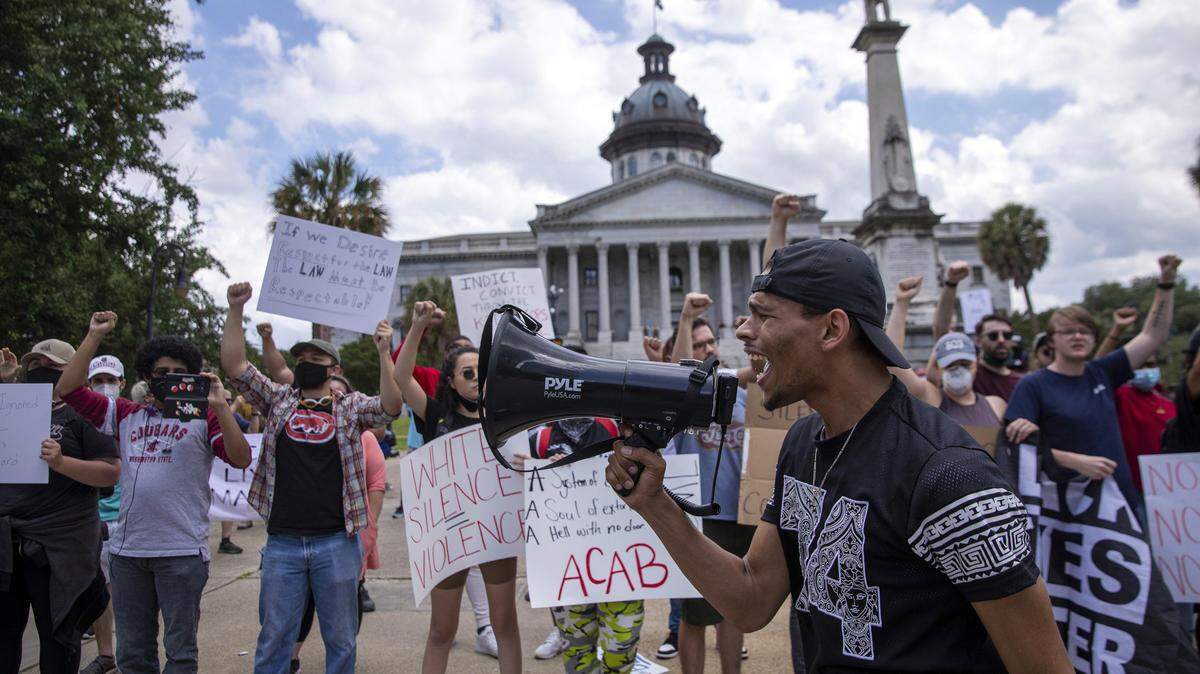
Lawrence Nathaniel grew up homeless. Now he’s a public face of Black Lives Matter in SC
She felt young people’s voices were missing from protests — so she got to work
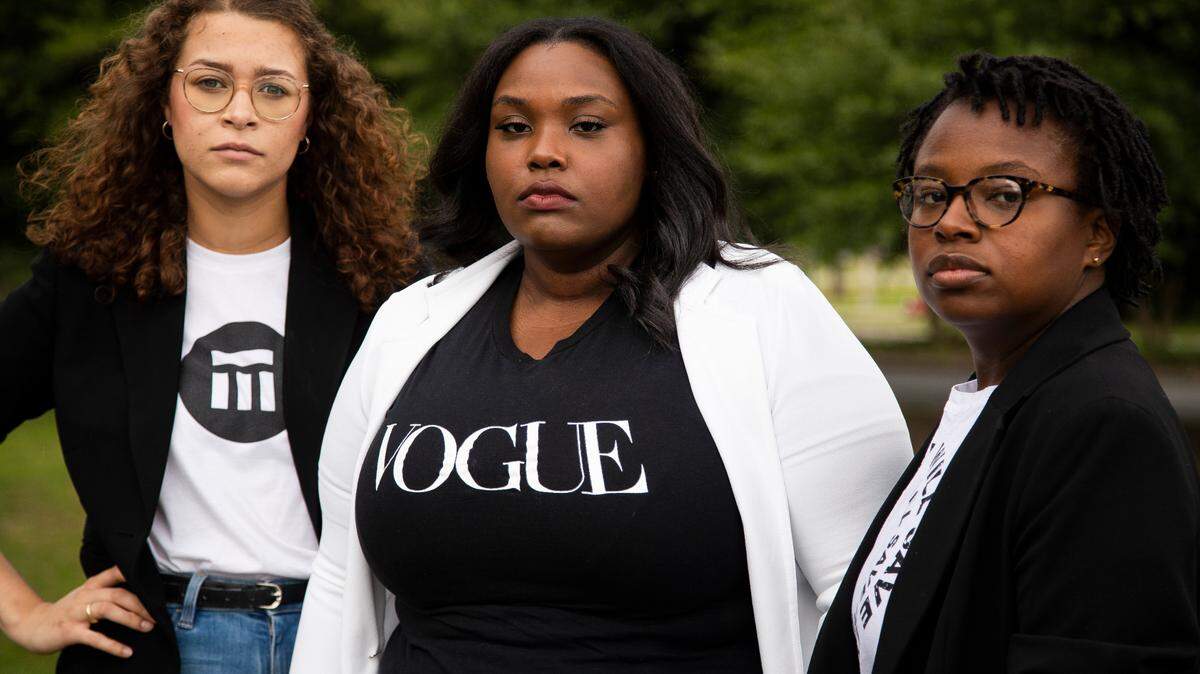
Empower SC’s leaders want to ‘break supremacy’s back’ right here, right now
Over the past several months, cities and towns across America have experienced a historic push for an end to systemic racism. Protests that started against race-based police brutality in the wake of the death of George Floyd in Minneapolis have grown into a broader movement.
In Columbia and across South Carolina, thousands from all walks of life have rallied, marched, chanted and demanded change.
The people leading this movement in the Palmetto State are young, ambitious and, in some cases, engaging in social activism for the first time. The State met with several of them to get a better understanding of who they are, how they got involved at this moment in history — and what they believe comes next.
At the forefront of many of the protests in Columbia in the past few months has been a tall, thin Black and Latino young man, a self-described “I-95 baby.”
That’s how Lawrence Nathaniel, 26, captures the essence of his childhood — he was born in Brooklyn, New York, he said, but spent years going up and down the Interstate 95 and 77 corridors with his mother, five siblings, an aunt and her children. They slept in their van, at homeless shelters, in hotels and trailers, he remembers. They bounced from Fayetteville, North Carolina, to Bamberg to Columbia to Orangeburg to Charlotte.
As he entered high school, Lawrence had a passion for graphic design and weather. But he struggled in Orangeburg.
“I was thrown into a school district with oversized classrooms ... and teachers who had to deal with the stress, and I was a bad kid, like really, really bad,” Nathaniel said.
More interested in playing around with designs on the computer, he recalled, he would make flyers for non-existent events — and then pass them out.
Absences from class led to suspensions, and he eventually dropped out completely. In 2012, he was 17 years old and occasionally sleeping on an uncle’s couch in Charlotte, essentially homeless, he said.
That’s when the Democratic National Convention came to town.
“(I) started volunteering at the convention and then happened to be in the area where I wasn’t supposed to be at,” Nathaniel said. “But what got me was when (South Carolina politician and viral star) Edith Childs popped up on the screen at the convention. And it was that story that made me cry, and then that moment that Michelle (Obama) walked out on stage and then (President) Obama walked out on stage. I said, ‘That’s who I want to be. That’s what I want to be like.’”
Volunteering for Obama’s re-election campaign, Nathaniel tapped into a new passion for activism, even as he continued to struggle with homelessness, he said. When the election was over, he was back to sleeping in parks and shelters. By then, he had made his way back to Columbia.
“Being homeless myself, by myself and as a young teen, I created a sense of understanding of what community was about,” Lawrence said.
Along the way, there were experiences of racial tension and injustice — when he was 14 and living in Columbia, Lawrence said, he was surrounded by police officers with drawn guns because they said he matched the description of a man who had broken into someone’s house. In Orangeburg, he felt teachers gave up on him once they found out he was from a certain part of town.
All of it has shaped the community activist. And by his own admission, he has made “a whole lot of mistakes” — Some Black Lives Matter protesters have taken issue with Lawrence’s history of organizing bungled protests or creating social justice groups that dissolved without much of an explanation, according to articles posted by Daily Kos and the progressive publications CV Independent and San Diego Free Press.
Lawrence also created controversy in recent weeks when he defended comments made by actor and TV host Nick Cannon that many condemned as anti-Semitic. He later apologized for that defense and said he spoke out of ignorance, vowing to educate himself on more issues and stay silent on certain topics while still advocating for change.
“I have a big vision of what I want to see change in South Carolina, and I mean, really big,” Nathaniel said. “I want to get rid of the old status quo and just do it. That’s what I want to do, is just get it done and do it without having to jump through so many hoops and loops. And doing that caused me to make mistakes, but it also caused me to fix those mistakes, so that way when I just go out and do it, those mistakes won’t happen.”
***
In May, Lawrence was coming off his own Congressional campaign for South Carolina’s Second District in which he withdrew before the Democratic primary, as well as some work on Tom Steyer’s presidential campaign.
Still processing the shootings of Ahmaud Arbery in Georgia and Breonna Taylor in Louisville, he saw the video of George Floyd with a Minneapolis police officer kneeling on his neck.
“I thought it was an old video,” Lawrence said. “And then everyone started making a fuss about it ... and then you constantly see it and you get mad, and then nothing is getting done within the police department, and then you start to see the things that’s going on in your community.”
That inspired him to organize I Can’t Breathe SC, which he later re-branded as Black Lives Matter South Carolina, applying to become an official chapter of the global movement.
The organization’s first event was a peaceful protest at the State House on Saturday, May 30. The event drew thousands of people but was marred when some protesters marched to the Columbia Police Department and clashed with law enforcement in violent skirmishes that included property damage and several dozen arrests.
Lawrence said it was never the organizers’ intent to go to the Police Department — instead, people at the back of the crowd at the rally started heading that way, he said.
“And us, we were on stage like, ‘Yo, we got to get in front of them, because if they start something, then ...’, so we’re like holding the line,” Lawrence said.
More clashes with police occurred Sunday, May 31 — protesters, including Nathaniel, say police initiated the conflict by attacking a peaceful protest. Since then, however, peaceful protests have been a regular occurrence at the State House, including one Nathaniel led from the Governor’s Mansion to present a list of demands for changes to the criminal justice system in S.C. to state Rep. and House Minority Leader Todd Rutherford.
“(May 30) pretty much woke everyone up, and that Saturday, it woke up the Million Man March organizers,” Lawrence said. “It woke up sleeping activists … it woke everyone up. It woke them up to the point where we’re now seeing systematic changes, not only in our state but around the country, where our politicians are meeting us at the steps of the State House to hear our demands from the people.”
In Lawrence’s mind, what separates this moment from previous protests, such as the ones in 2015 in Columbia that resulted in the Confederate flag being removed the State House grounds, is who is organizing it. Young activists, some of whom were teenagers or preteens when the deaths of Trayvon Martin and Michael Brown rocked the nation, are now stepping up into leading roles.
And those young people are stepping up before traditional faith and political leaders do and coming from far different backgrounds, Lawrence said.
“There are drug dealers and gang members right now, they’re standing up and now becoming activists, because they understand the mission,” Lawrence said. “And they know that they are leaders in their community and they can pull people out to say, ‘Hey, I want to change it.’ They just have to change the mission of their organization from violence into advocacy for issues.”
This story was originally published July 22, 2020 at 5:00 AM.