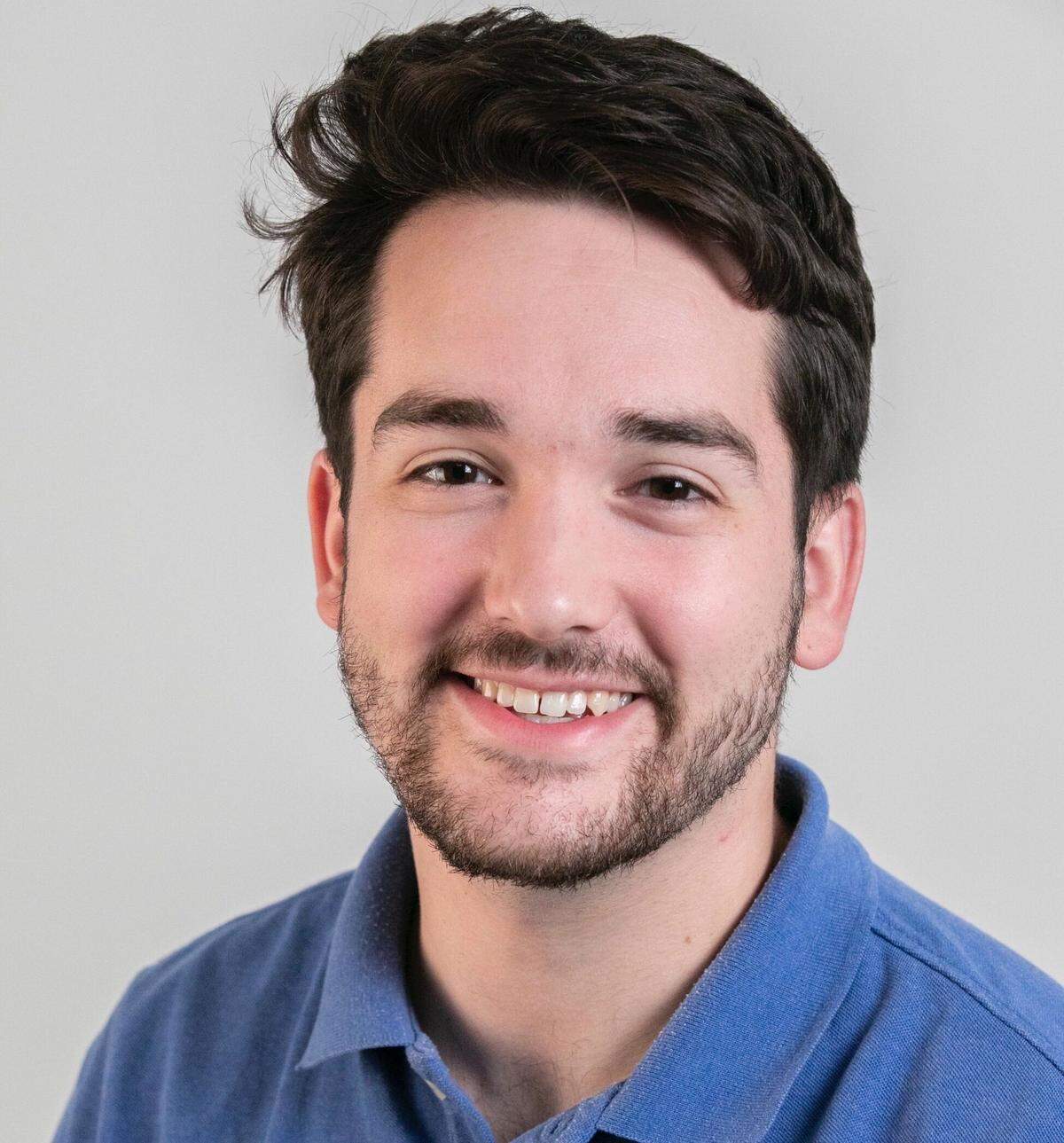
She felt young people’s voices were missing from protests — so she got to work
READ MORE
Here are the people behind the push for social justice in South Carolina
During the first half of 2020, people across the United States launched a historic push to end systemic racism and advocate for a more equitable society. In Columbia and across South Carolina, thousands from all walks of life rallied, marched, chanted and demanded change to broken systems that disproportionately affect minorities and people of color. The State talked with several young community leaders who are behind various movements seeking to create lasting change. Learn more about them here.
Expand All
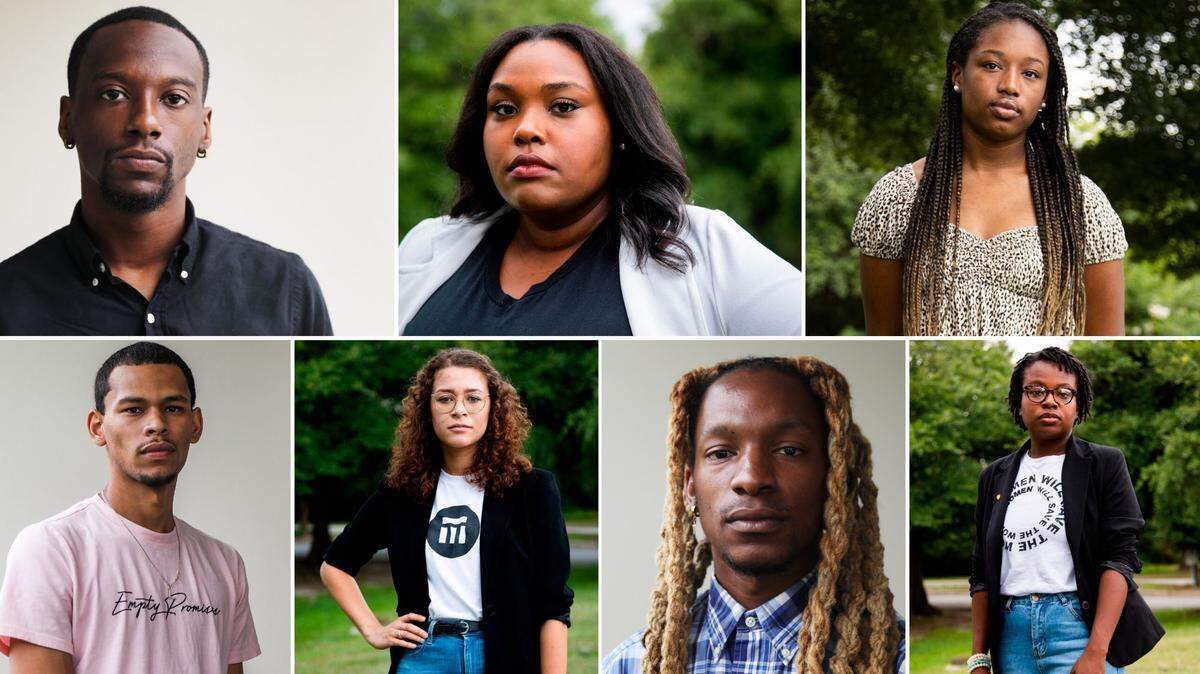
Who’s leading the movement for racial equality in SC — and what drives them?
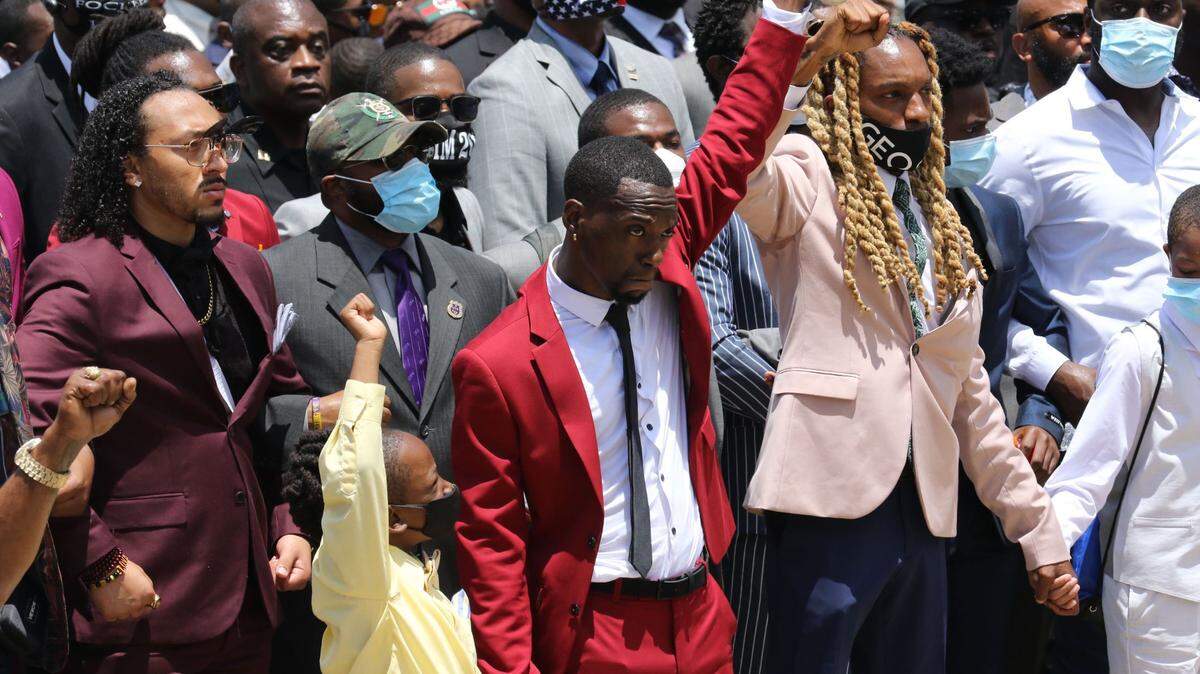
From ‘dismay and agony’ to hope, organizers of Million Man March want to keep going
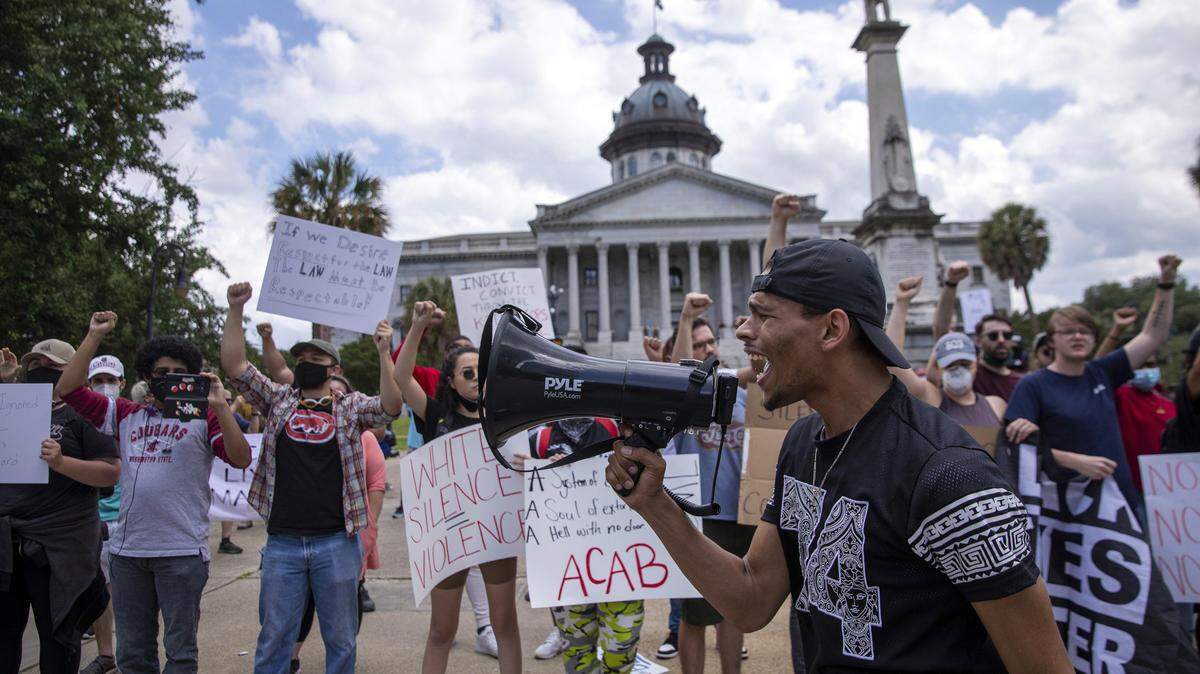
Lawrence Nathaniel grew up homeless. Now he’s a public face of Black Lives Matter in SC
She felt young people’s voices were missing from protests — so she got to work
Empower SC’s leaders want to ‘break supremacy’s back’ right here, right now
Over the past several months, cities and towns across America have experienced a historic push for an end to systemic racism. Protests that started against race-based police brutality in the wake of the death of George Floyd in Minneapolis have grown into a broader movement.
In Columbia and across South Carolina, thousands from all walks of life have rallied, marched, chanted and demanded change.
The people leading this movement in the Palmetto State are young, ambitious and, in some cases, engaging in social activism for the first time. The State met with several of them to get a better understanding of who they are, how they got involved at this moment in history — and what they believe comes next.
When Trayvon Martin, a Black teenager, was shot and killed by George Zimmerman in February 2012, Camryn Philson was 7 years old.
She was aware of what was going on — Martin’s death sparked protests and outrage across the country — but she couldn’t fully process it all. As she grew up in Columbia, her family talked with her about the precautions she might have to take in interactions with the police. But knowing that wasn’t quite the same.
Now, Philson is 15. She’s grown up amid numerous deaths of Black people in incidents with police that have sparked media coverage and protests, as well as the Black Lives Matter movement. And as protests and demonstrations currently sweep across the country in the wake of George Floyd’s death in Minneapolis, she doesn’t want herself and her peers to be left out of the conversation.
“We face injustice sometimes in our schools and in our everyday life,” Philson said. “But people don’t really know about that, because you mostly know about the big ones, because we don’t really have a voice. … Most of the activists you hear about, they’re like mid 20s, early 30s, early 40s. You don’t really hear anybody from our generation.”
That desire to have young people heard led Philson to organize. With her cousin, Leo Jones, setting up the Million Man March for downtown Columbia, Philson decided to join forces and create her own Million Teen March to run at the same time.
Several thousand gathered for the event on June 14, many dressed in formal attire.
“Seeing everybody there gathered together at first was kind of emotional, because it’s like, ‘Wow, this big thing and everybody showed up,’” Philsion said. “It was like, the turnout of it. We all came together for this one cause and this one march, so that was kind of emotional.”
Philson gave a quick speech emphasizing the peaceful nature of the march, but for the most part, the day was a celebration, she said.
“I met new friends there. It was like, yeah, we were there for a march, but we’re still one big family of people, so it was more like a gathering because there was food trucks and stuff there,” Philson said. “So it was like, we have a light in this darkness. Like yeah, we’re there to march, but we can still find the better part of it.”
***
Before the coronavirus pandemic hit and closed schools across the state, Philson would notice every day at A.C. Flora High School how race seemed to play a role, from lunches to classrooms to even backpacks.
“You see the white kids, they’ll have like North Face (backpacks), and then the black kids do not really have the North Face type of brands,” Philson said.
Philson is one of the few Black students with a North Face backpack, she said — which played a role in a painful experience she had.
Walking out of the cafeteria one day and heading towards the gymnasium for a Fellowship of Christian Athletes meeting, Philson was wearing her backpack, an A.C. Flora sweatshirt and sweatpants, she remembers.
“It was a group of white boys behind me, and someone said n----,” Philson said. “I don’t think they realized they were behind me, because I think I had on a hood, so you couldn’t really see me. … and I snapped my head around so fast, and it’s like they think you can’t hear them or they think because they’re alone you won’t hear them.”
The moment struck Philson, she said, as indicative of a problem — some non-Black students feel comfortable using the N-word if they think they won’t get called out for it.
“Obviously you and your friends say it if you feel safe enough to say it around them, but not when you’re with a person of color,” Philson said.
There have been other incidents, she said — she had to correct a friend who used the slur while lip-syncing along to a video. She heard it at another friend’s Bar Mitzvah. And in this past year at A.C. Flora, her freshman year, she said she was around five incidents involving the N-word.
And while she was too young to fully comprehend and process what happened to Trayvon Martin, she’s old enough now that when Ahmaud Arbery, a Black man in Georgia, was shot and killed while reportedly out jogging, it hit her differently.
“After Ahmaud Arbery, I was on the phone with my friend ... and it was like eight o’clock at night and he wanted to go on a run,” Philson said. “And he lives in more of a white neighborhood, and I was like, ‘Are you sure that’s a good idea right now?’”
As she and her friends start to reach the age when they can get their driver’s permits and licenses, Philson worries. Being teenagers, they’re more likely to speed. But what happens if they get pulled over? She talks about that possibility with her Black friends, going over what to do if the situation were to turn tense or dangerous.
“I know not all cops are bad, but what if it’s like ... that one cop? And I know sometimes (my friends) can overreact, and I was just like, I have to go through it with them. I’m like, ‘Just calm down. If it’s a situation, put your hands on the dashboard, all that.’”
***
Philson said she started organizing because she didn’t want her generation’s voice to be left out of this historic moment. But what does victory for this movement mean to those who haven’t even graduated high school?
“I want equal rights to mean something,” Philson said. “I mean, I want it to the point where you don’t get stares just because of how you look in one certain place. You won’t have to deal with one word being used at you, and you don’t have to have a fear of police officers just because of all these incidents that are happening.”
Philson wants to go into law when she gets older, she said. But staring down years of high school, college and law school ahead of her, she wonders why trainees usually only spend several months in police academies.
“Police need more training to understand,” Philson said. “I feel like they abuse their power sometimes and that’s why all these incidents are happening. And I really just want it to the point where like, if I have kids in like 20 years, they don’t have to have these fears, and they don’t have to have these problems, because they’re more trained now.”
This story was originally published July 22, 2020 at 5:00 AM.