Empower SC’s leaders want to ‘break supremacy’s back’ right here, right now
READ MORE
Here are the people behind the push for social justice in South Carolina
During the first half of 2020, people across the United States launched a historic push to end systemic racism and advocate for a more equitable society. In Columbia and across South Carolina, thousands from all walks of life rallied, marched, chanted and demanded change to broken systems that disproportionately affect minorities and people of color. The State talked with several young community leaders who are behind various movements seeking to create lasting change. Learn more about them here.
Expand All
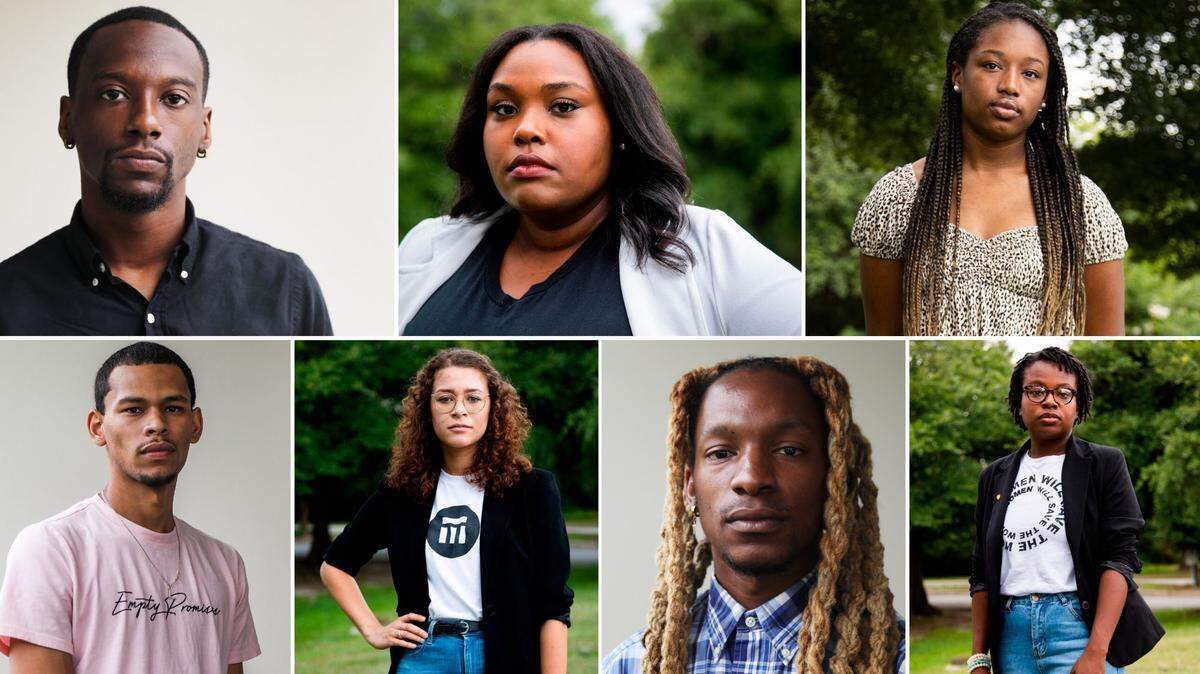
Who’s leading the movement for racial equality in SC — and what drives them?
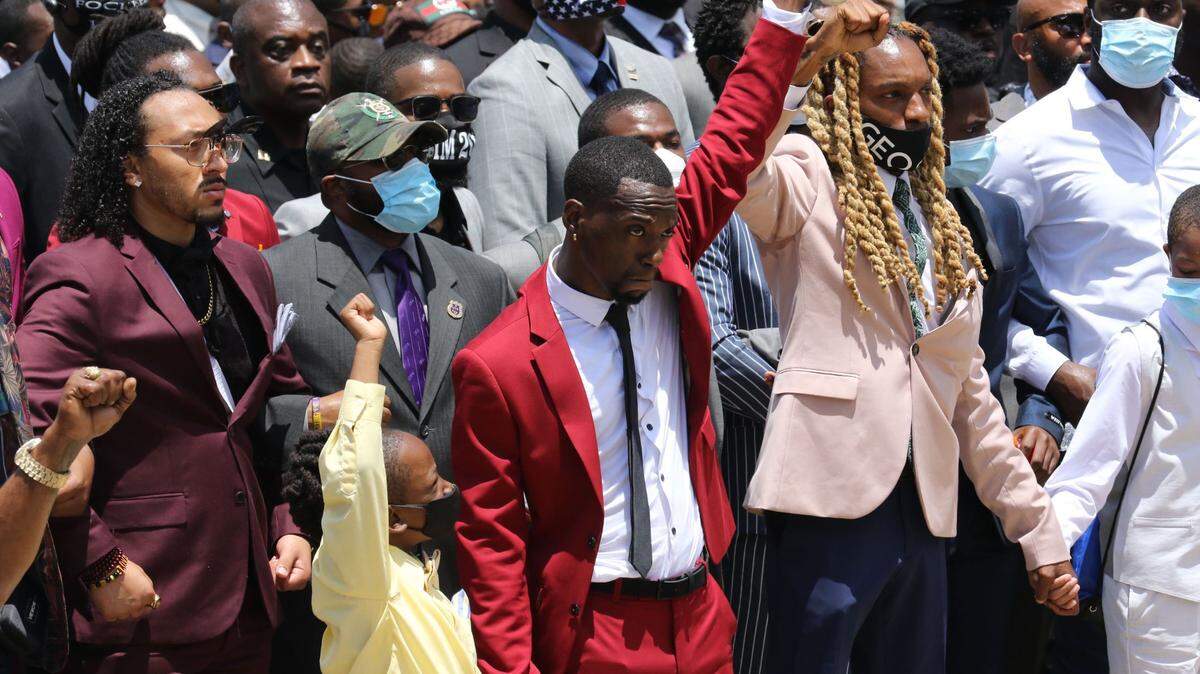
From ‘dismay and agony’ to hope, organizers of Million Man March want to keep going
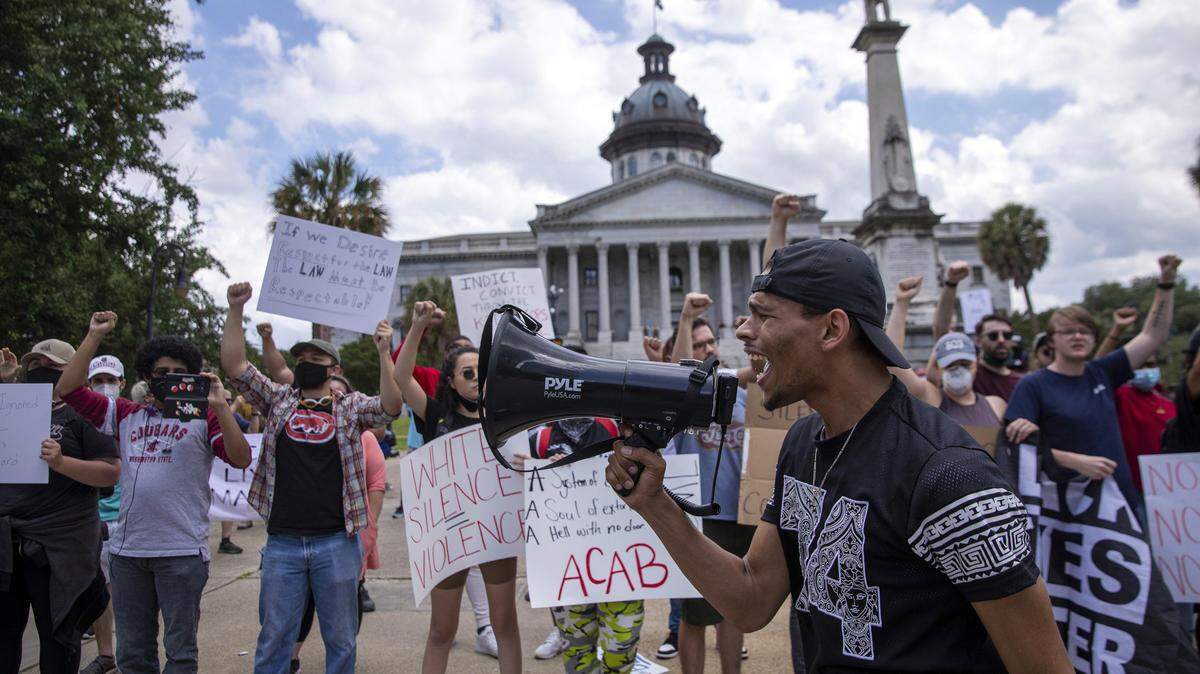
Lawrence Nathaniel grew up homeless. Now he’s a public face of Black Lives Matter in SC
She felt young people’s voices were missing from protests — so she got to work
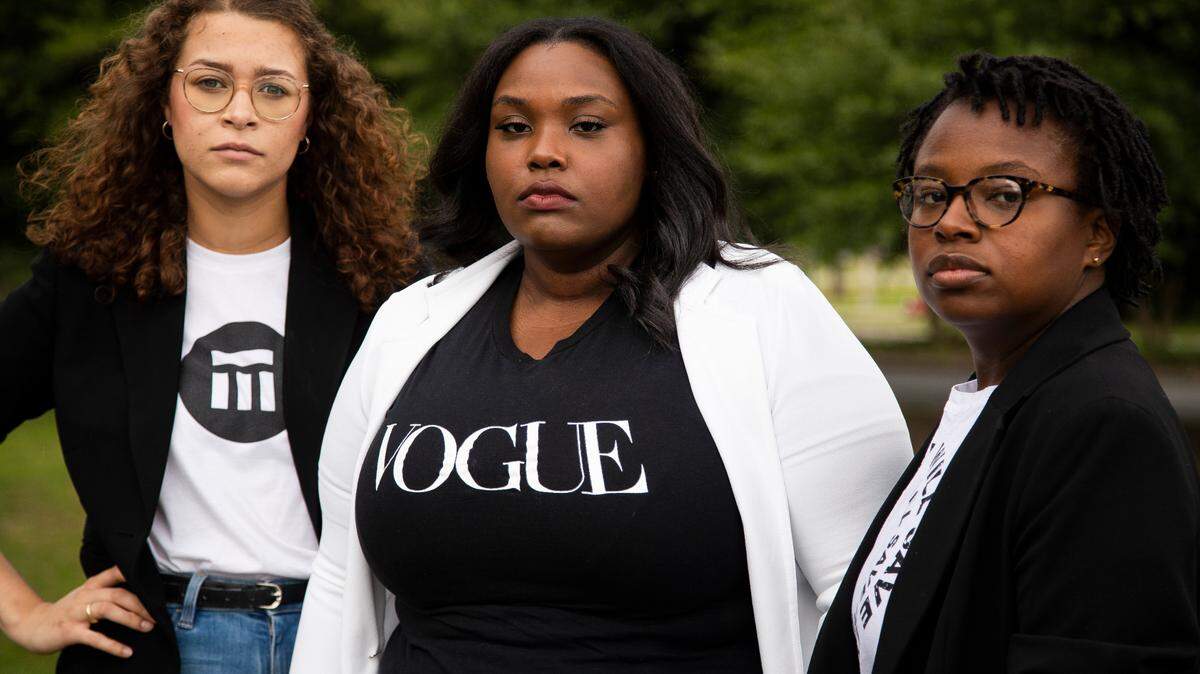
Empower SC’s leaders want to ‘break supremacy’s back’ right here, right now
Over the past several months, cities and towns across America have experienced a historic push for an end to systemic racism. Protests that started against race-based police brutality in the wake of the death of George Floyd in Minneapolis have grown into a broader movement.
In Columbia and across South Carolina, thousands from all walks of life have rallied, marched, chanted and demanded change.
The people leading this movement in the Palmetto State are young, ambitious and, in some cases, engaging in social activism for the first time. The State met with several of them to get a better understanding of who they are, how they got involved at this moment in history — and what they believe comes next.
When Rye Martinez was learning about the civil rights movement in school, she remembers a thought she had about Martin Luther King Jr., Malcolm X and other leaders of the time.
“I was like, they’re old! They’re old!” she recalled.
Now, the 28-year-old mother of two has a different view.
“Racism is old, and it’s worn out. That’s what it is,” she said. “They’re not old, I’m not old. The problems that America has, they’re old. It’s time to renew some of these policies, renew this system, renew the laws.”
And Columbia could play a key role in that massive renewal, Martinez believes. It’s why she, alongside Demetris Hill and Jazmyne McCrae, started Empower SC, a new activist group, in the wake of nationwide protests against racial injustice and inequality.
The group, which emerged from the I Can’t Breathe SC organization that organized some of the first protests in Columbia, is focused on “policy, policy, policy,” Martinez, the group’s executive director, has said. And in that way, the founders see themselves as successors to the civil rights leaders of years ago.
“We literally just picked up the baton from … Martin and Malcolm,” Hill, 30, said.
“We are on the last leg. This is not the beginning, this is the last leg. We intend to end this here. Now, will it end tomorrow? No, of course not, but it’s going to end with us. We’re going to start the reckoning of policy change.”
Beyond the most famous leaders, Martinez, Hill and McCrae also cited a number of Black women as inspirations, including Rosa Parks, Angela Davis and Columbia’s own Sarah Mae Flemming, who successfully challenged the city’s segregated bus system.
“I love Malcolm, I love Martin, but I’m a woman,” McCrae, the group’s chief operations officer, said. “And I want to recognize it as such, and I want to bring Black women at the front of this revolution, because it’s not just a movement for me. It’s actually a revolution, we’re trying to uproot the system. We’re trying to break supremacy’s back, and we’re trying to end it.”
***
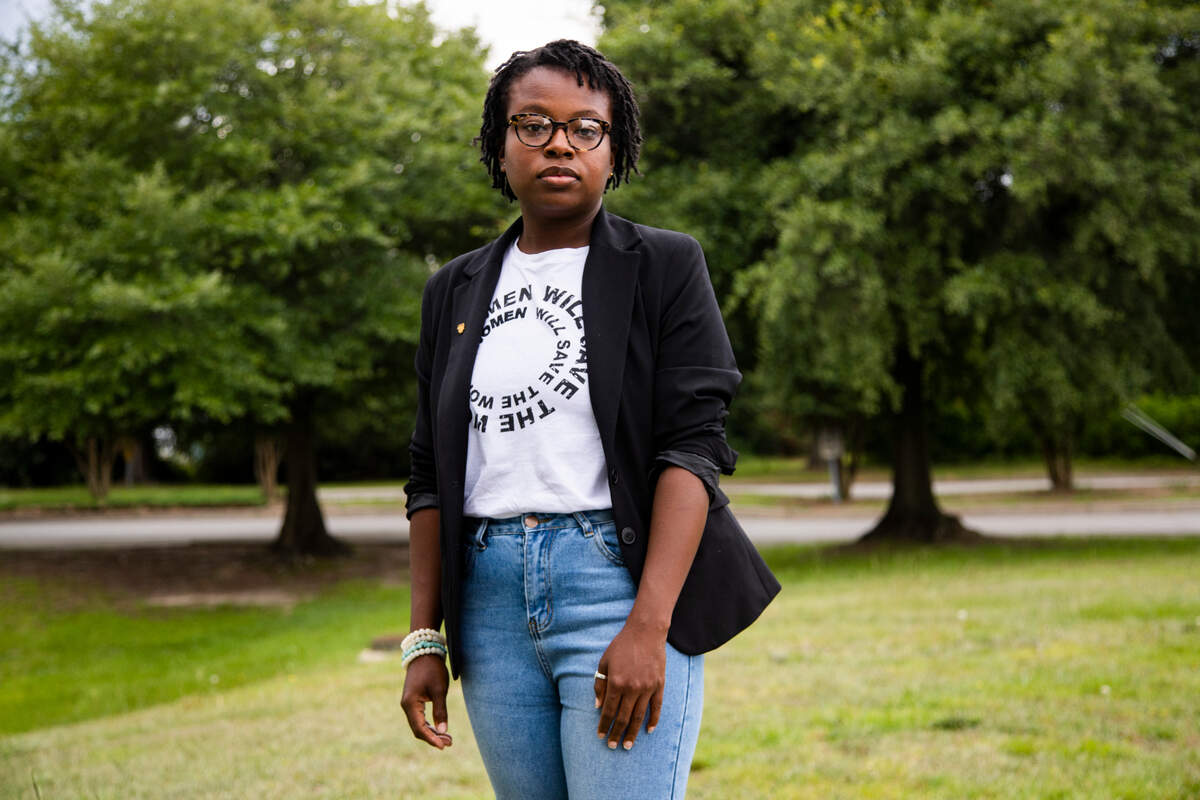
Growing up in the “chicken town” of Batesburg-Leesville, Hill was 10 or 11, walking with her cousins to the store when a car stopped and the driver told them not to go any farther down the road they were on, she remembers.
“(There) was an urgency of, ‘Please don’t go down that way,’ and we didn’t know what was going on. And my older cousin was like, ‘Oh, we don’t know those people,’ but we were like, ‘No, let’s just go straight ahead to the store,’” Hill said.
Later, Hill said, she would come to understand there were roads in her hometown where members of “certain organizations” lived, and it was safer to avoid them altogether.
“Just experiencing that as being that young and following your older cousins, I had no idea my life was in danger,” Hill said. “Who’s to say if that car didn’t go by and we walked further down the road, what could have occurred?”
***
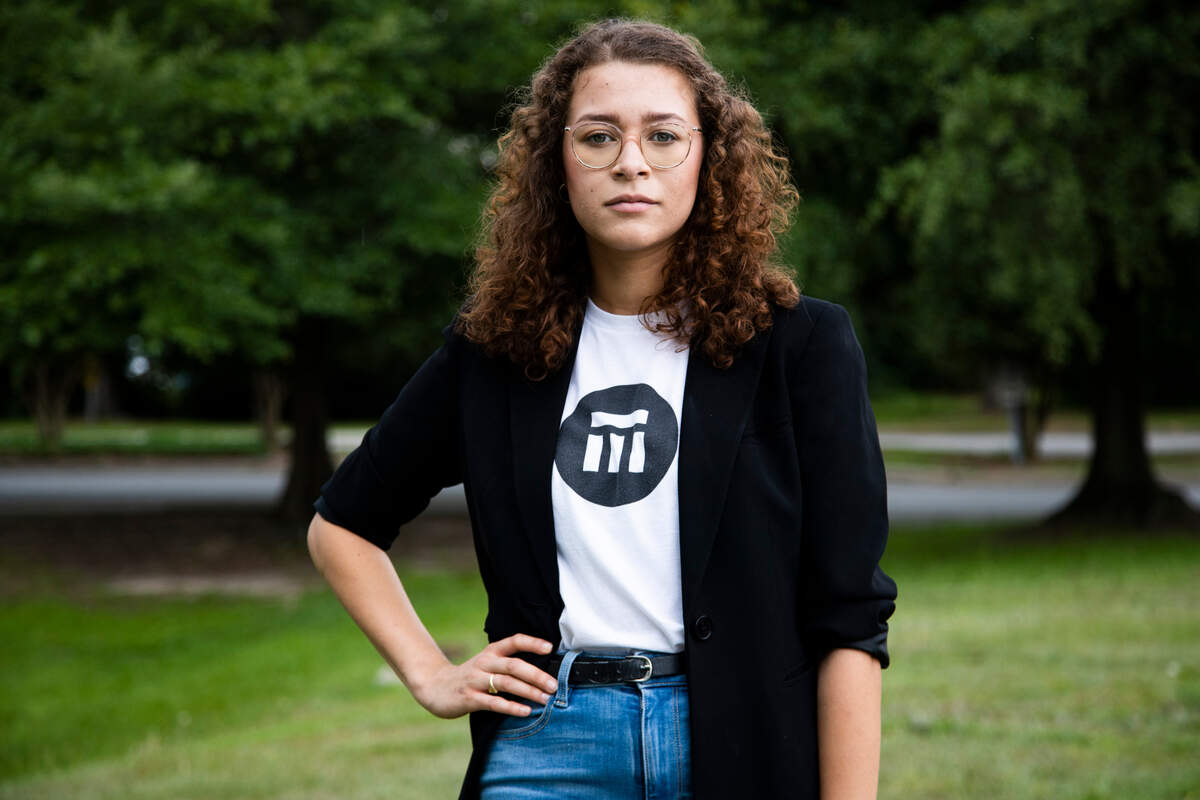
Far from Batesburg-Leesville, McCrae grew up in Brooklyn, New York, the daughter of a Black father and white mother. At 7 or 8 years old, she was walking with her father to her grandmother’s.
“I remember hearing someone say, ‘Hey, stop,’” McCrae said. “It was a policeman who thought that my father had stolen me and that I was kidnapped. So, immediately, they start the classic routine of saying, you know, let me get your ID. They threw him against a building, and I am 7 years old, screaming, ‘This is my father.’ And that is the first time I realized my skin was different than my father’s skin.”
That incident, under the controversial “stop and frisk” policy that sparked lawsuits in New York City, was a formative moment for McCrae that sparked an interest in social justice.
McCrae wound up graduating from the University of South Carolina with a bachelor’s degree and is currently in graduate school for education, where she’s passionate about social justice issues in the classroom, she said.
***
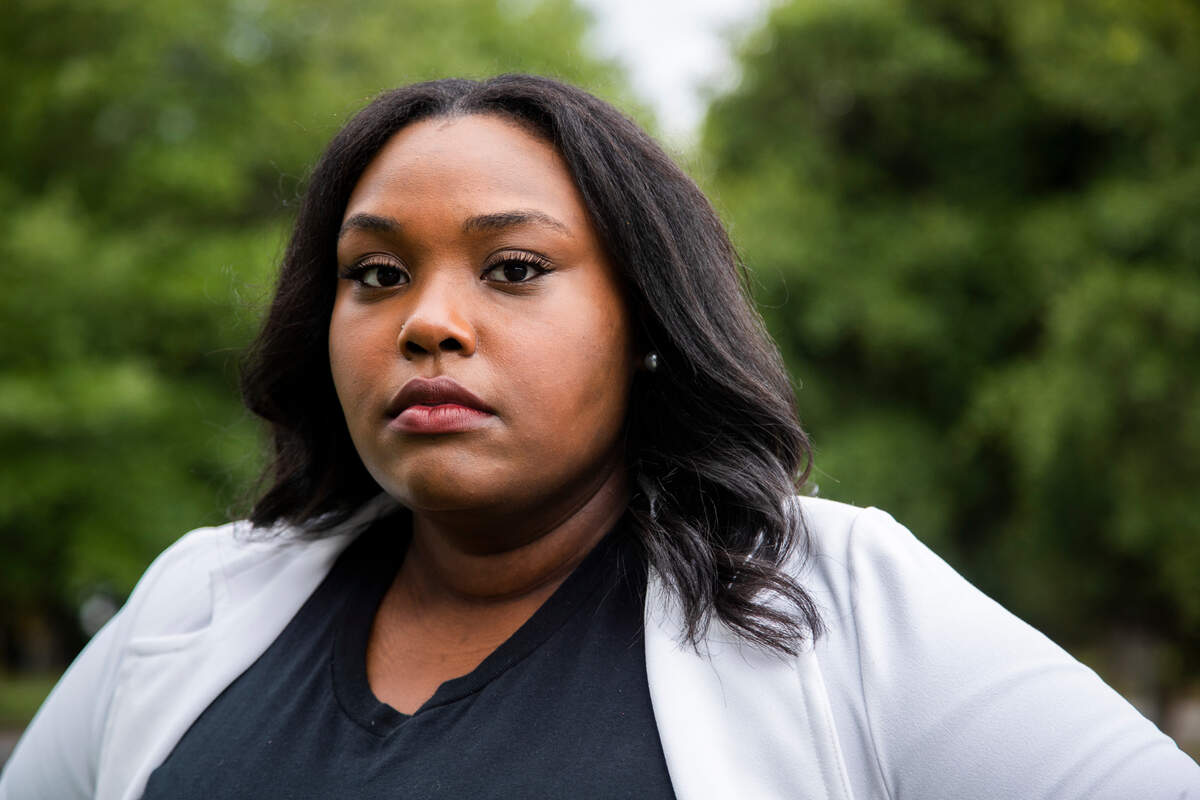
Meanwhile, Martinez grew up in Columbia and is now pursuing a degree in criminal justice, a field of study often associated with law enforcement. She’s in it, though, to get to know the laws she’s trying to change, she said.
“Criminal justice, what that’s gonna do is give me that background info on what I’m fighting for,” Martinez said. “Education is key. I can have the experience, I could have lived it. But the education is gonna take me to that next level, to get where I want to be, to make sure that this change does happen.”
Growing up in housing authority projects, on food stamps and Medicaid, she said she feels that she’s “lived this fight” for equality throughout her entire existence.
Many of the earliest examples of racial injustice she experienced started in school. In particular, there was a “traumatizing” incident in which she said a school resource officer threw her to the ground in the cafeteria.
“I was attacked by my school resource officer, and I was told that I was wrong,” Martinez said.
“And she wrote the police report, and ... she said I walked up and I hit her. I’m sure the school knew it was wrong, there’s cameras in the school.
“(But) my mom’s not gonna challenge it; I’m a child, I wasn’t gonna challenge it, and I was arrested as a child in middle school.”
***
When the first protests surrounding the deaths of George Floyd and Breonna Taylor took place in Columbia in late May, the three women were drawn to them.
Hill had experience in activism but always as part of a smaller community, such as her church. McCrae studied and spoke about social justice but wanted to get involved on the ground. Martinez felt a familiar tiredness watching the video of a police officer kneel on Floyd’s neck, but she also felt the need to speak for her community.
Together, they’ve met with Columbia City Council and Mayor Steve Benjamin to push for policy changes, such as the banning of chokeholds and increased funding for community programs.
“We don’t want to make it seem like we’re anti-cop,” Martinez said. “We’re not anti-cop, we’re just taking a stance for what’s right.”
A key component of their push for change is South Carolina’s education system. McCrae cited the “minimally adequate” standard established by the state Supreme Court as an example of how the quality in education in the Palmetto State can vary wildly based on the color of your skin.
“Black boys and girls were not allowed and not sanctioned education for so long. South Carolina dragged its feet until 1970 to start educating black children in the same schools as white children,” McCrae said. “When you have generations who suffer from a minimally adequate education, everyone suffers, the whole state suffers, because you don’t have the same knowledge, you don’t have the same resources or advocacy that a white school would.”
In particular, Martinez said, she would take school resource officers out of school and invest in more guidance counselors, social workers and teachers.
“We’re going to get that change, and we’re going to start that right here in Columbia,” Martinez said. “We’re going to start that change in Columbia, we’re going to work our way around to every city in South Carolina, and South Carolina is going to be the example for the rest of the world.”
It’s an ambitious goal — one that Hill believes they can rise to meet.
“We’re making a change and we’re trying hard, but we’re not really trying hard, you haven’t really seen our best work yet,” Hill said. “And that’s yet to come. Like, we have so much more to offer. And just to think that the minimum that we have done has been so exuberant, I can’t even imagine what our best is going to look like.”
This story was originally published July 22, 2020 at 5:00 AM.