
From ‘dismay and agony’ to hope, organizers of Million Man March want to keep going
READ MORE
Here are the people behind the push for social justice in South Carolina
During the first half of 2020, people across the United States launched a historic push to end systemic racism and advocate for a more equitable society. In Columbia and across South Carolina, thousands from all walks of life rallied, marched, chanted and demanded change to broken systems that disproportionately affect minorities and people of color. The State talked with several young community leaders who are behind various movements seeking to create lasting change. Learn more about them here.
Expand All
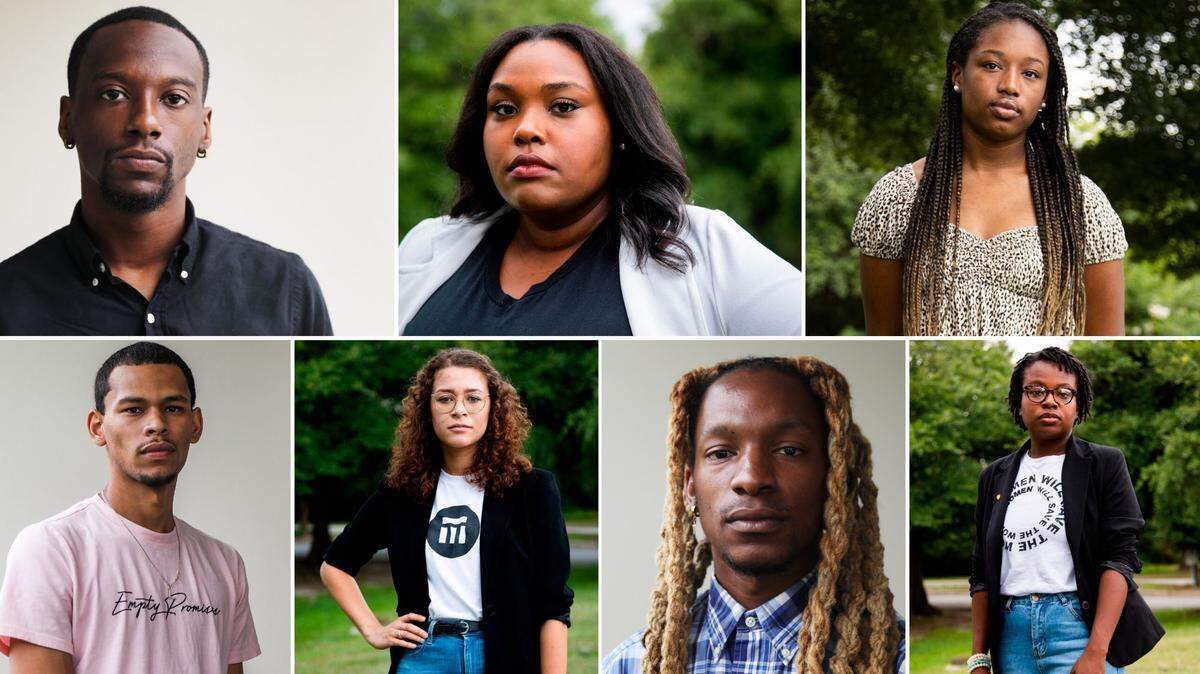
Who’s leading the movement for racial equality in SC — and what drives them?
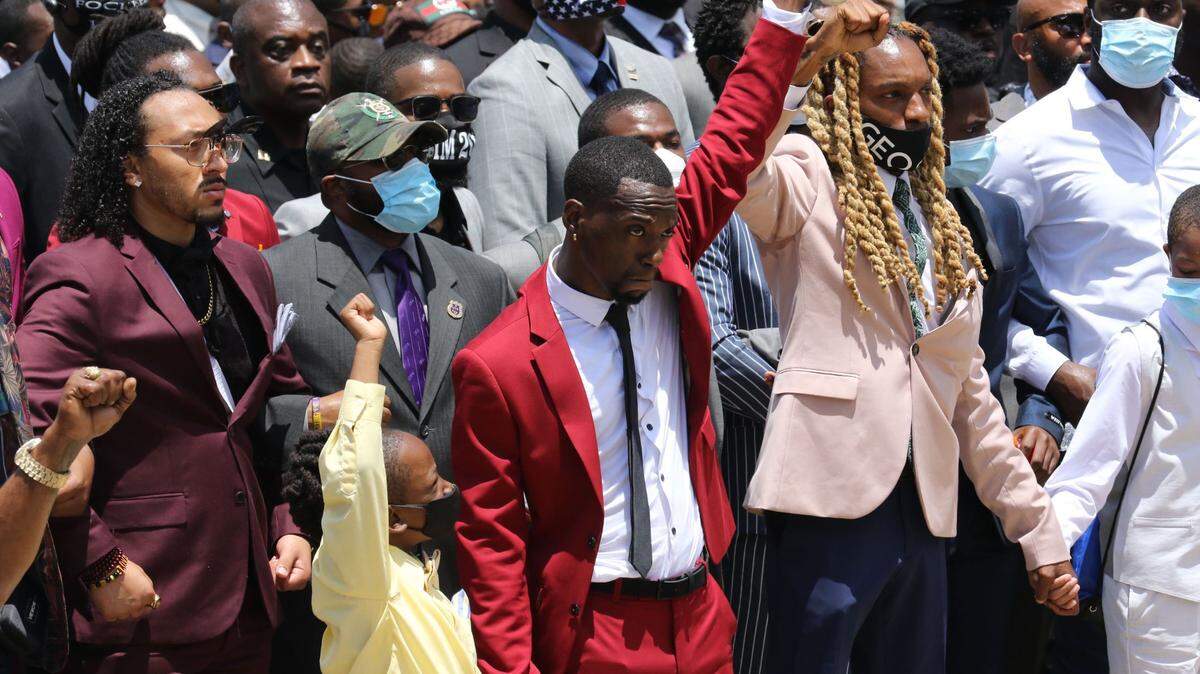
From ‘dismay and agony’ to hope, organizers of Million Man March want to keep going
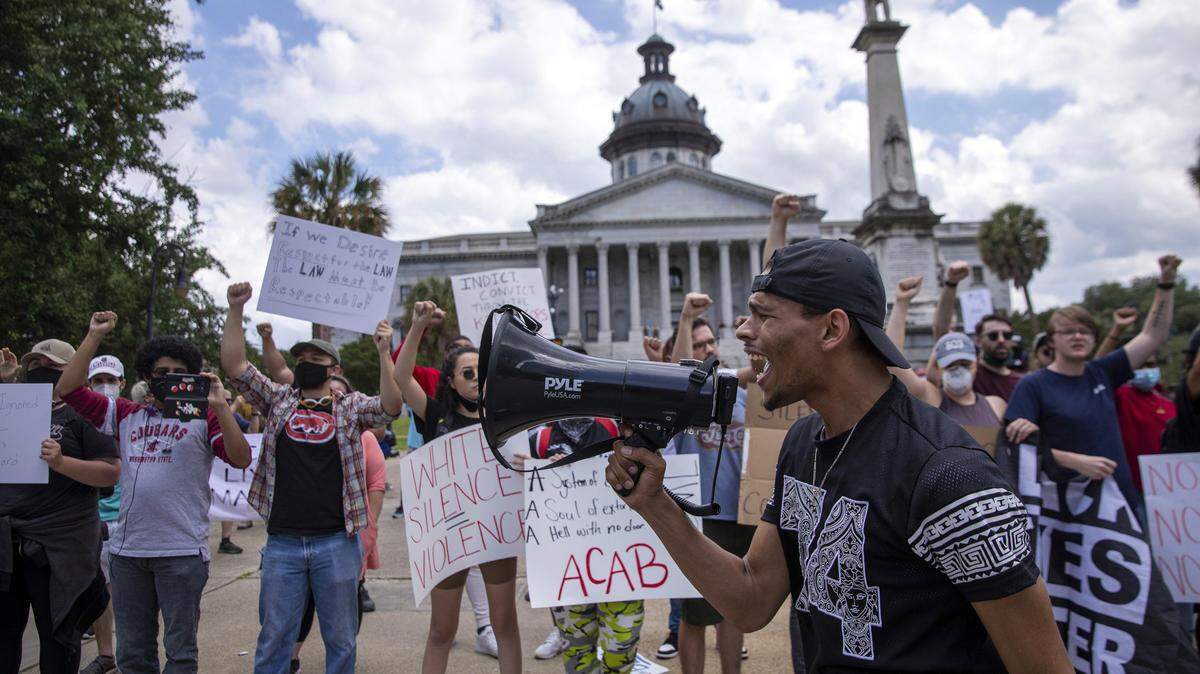
Lawrence Nathaniel grew up homeless. Now he’s a public face of Black Lives Matter in SC
She felt young people’s voices were missing from protests — so she got to work
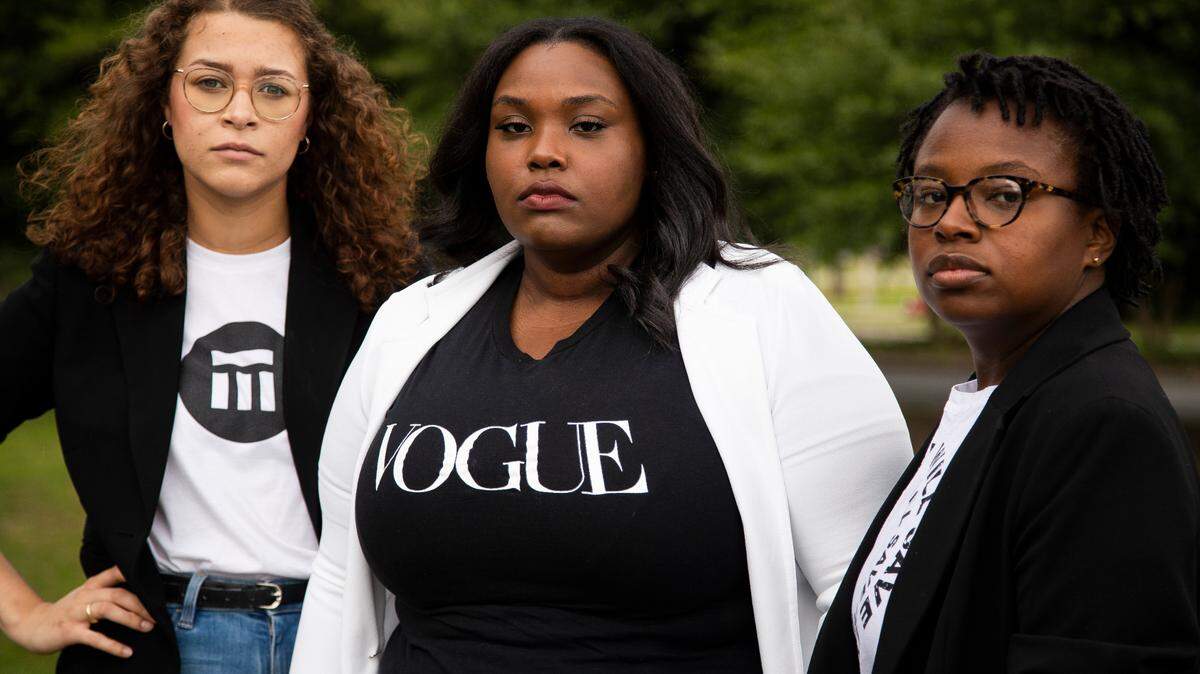
Empower SC’s leaders want to ‘break supremacy’s back’ right here, right now
Over the past several months, cities and towns across America have experienced a historic push for an end to systemic racism. Protests that started against race-based police brutality in the wake of the death of George Floyd in Minneapolis have grown into a broader movement.
In Columbia and across South Carolina, thousands from across all walks of life have rallied, marched, chanted and demanded change.
The people leading this movement in the Palmetto State are young, ambitious and, in some cases, engaging in social activism for the first time. The State met with several of them to get a better understanding of who they are, how they got involved at this moment in history — and what they believe comes next.
Leo Jones wasn’t scheduled to speak. The 27-year-old business owner and activist was one of several thousand who attended the May 30 protest on the steps of the S.C. State House, but he wasn’t an organizer. He had a lot on his mind, though, and with the microphone being passed around, he decided he had to say something.
“I felt as though a lot of media and a lot of the older generation, they didn’t give us the credit that I feel like we deserve. A lot of things like this happen, and the first thing they want to say is that we have to do better amongst our community. And they say things like Black on Black crime ... Black on Black crime is just a narrative. Because if Black on Black crime exists, Asian on Asian crime exists, white on white crime exists, and why isn’t that a term? It’s not, it’s not a term at all. So those were some of the things I was hearing, and it disturbed me a lot. So I wanted to speak for my generation,” Jones said.
Jones, a videographer and photographer who works on marketing campaigns with local businesses, said his piece and started getting positive feedback on social media, he said.
But that night, coverage of the peaceful protest at the State House was overshadowed by violence that broke out when some protesters marched to the Columbia Police Department headquarters and clashed with law enforcement.
Sterling Jackson, who later joined Jones and his R.o.a.n. (Rise of A Nation) organization, told The State that what happened after the peaceful protest — police cars torched, businesses’ storefronts smashed and looted — wound up working against the protesters’ goals.
“We didn’t get the reaction that I felt like we needed. Instead, people were locked up, people were hurt. They didn’t want to hear us,” Jackson said. “We weren’t able to necessarily get our voices heard.”
After speaking to The State for this story, Jackson himself became one of more than 80 people arrested in connection to the events of May 30 — police say body camera footage showed him throwing a water bottle at officers at Columbia PD headquarters. He was charged with instigating a riot and aggravated breach of peace. He told The State he could not speak about the incident on advice from his lawyers.
On that late May night, though, Jones saw the peaceful message from earlier in the day get overwhelmed by the violence. He was frustrated, he said, and in “very, very low spirits.”
***
Born and raised in Columbia, Jones attended A.C. Flora High School, then the University of South Carolina-Aiken.
In the summer of 2013, he was around 20 years old and back in town during a break from school. Jones said he and a dozen or so others were gathered in a parking lot in Five Points “having a good time,” when police showed up and immediately instructed everyone in the group to get on the ground.
“Me being the person I was, I’ve always been an outspoken individual,” Jones said. “So everyone got on the ground, and I told the cop, I said, ‘I’m not getting on the ground because I didn’t do anything. Tell me what I did, then I’ll get on the ground. By the time I finished my sentence, I was on the ground, knee in my back, handcuffed.”
It was the first time he had trouble with the police, Jones said.
There were other incidents that followed, he said, incidents that reinforced in his mind that because of his skin color, “it don’t really matter what you do or what you accomplish, you’re still being perceived as this person,” he said.
***
Jackson didn’t personally know George Floyd. But watching the viral video of a white police officer kneeling on Floyd’s neck for nearly nine minutes while he pleaded for help and eventually fell silent, Jackson didn’t need to know him.
“I’m connected to him because I’m a fellow African American, I am Black, and I don’t need to wait until it hits home, or until there’s someone else that I know personally to feel the dismay and the agony that his family feels,” Jackson said.
The length of time, the video without any cuts or missing context — all of it hit Jackson in a different way. He had grown up in Columbia but moved away for years before returning in the past six months. Then he saw a social media post from Jones about organizing a specific kind of demonstration, and he decided to help and “use my voice and my platform for something greater than myself.”
***
Two weeks after the May 30 protest and violence, hundreds of people once more gathered, many dressed in their Sunday best. They marched from Martin Luther King Park in Five Points to the State House, playing music and inspirational speeches. Police officers joined in, and speakers led chants and prayers and urged people to register to vote.
Columbia’s Million Man March, inspired by a march of the same name in Washington, D.C., almost 25 years ago, was the fruit of Jones’ idea for another demonstration. There was no violence, no clashes with police — just a “narrative of our Black excellence” on display, as one speaker put it.
For Jones, helping to organize and then take it all in was a cathartic experience.
“I felt like the world stood still,” Jones said. “It was smiles with people of all ethnicities. I saw kids chasing each other, playing with each other. And I said to myself, ‘Today, we’re happy, so we can think clearly.’”
***
The plan, Jones says, is for the Million Man March to be the beginning of something. He and his team have started organizing their next event, a brunch, centered on the same ideas of “voter registration, prison reform (and) economic growth.”
“We’re just gonna have fun doing it,” Jones said. “That’s it, because if we can bring people together with love, then we can really get them to what we think, enhance their selves and live to their highest pinnacle.”
That’s not to discount the emotions like disgust, anger and sadness that many felt watching the video of Floyd, Jones and Jackson said. But balancing that, there must be hope, they said.
“You have to be optimistic to the point where you can actually see this happening,” Jones said of progress. “If Martin Luther King or Malcolm X weren’t optimistic, they never would have got up to the podium and spoke, if they felt like ‘Oh, this will never change. What’s the point of me going up to speak? I just did a speech today, but I just got beat up by bullies. What’s the point of me continuing?’”
But both remained committed. “So that’s where I’m at with it.”
This story was originally published July 22, 2020 at 5:00 AM.