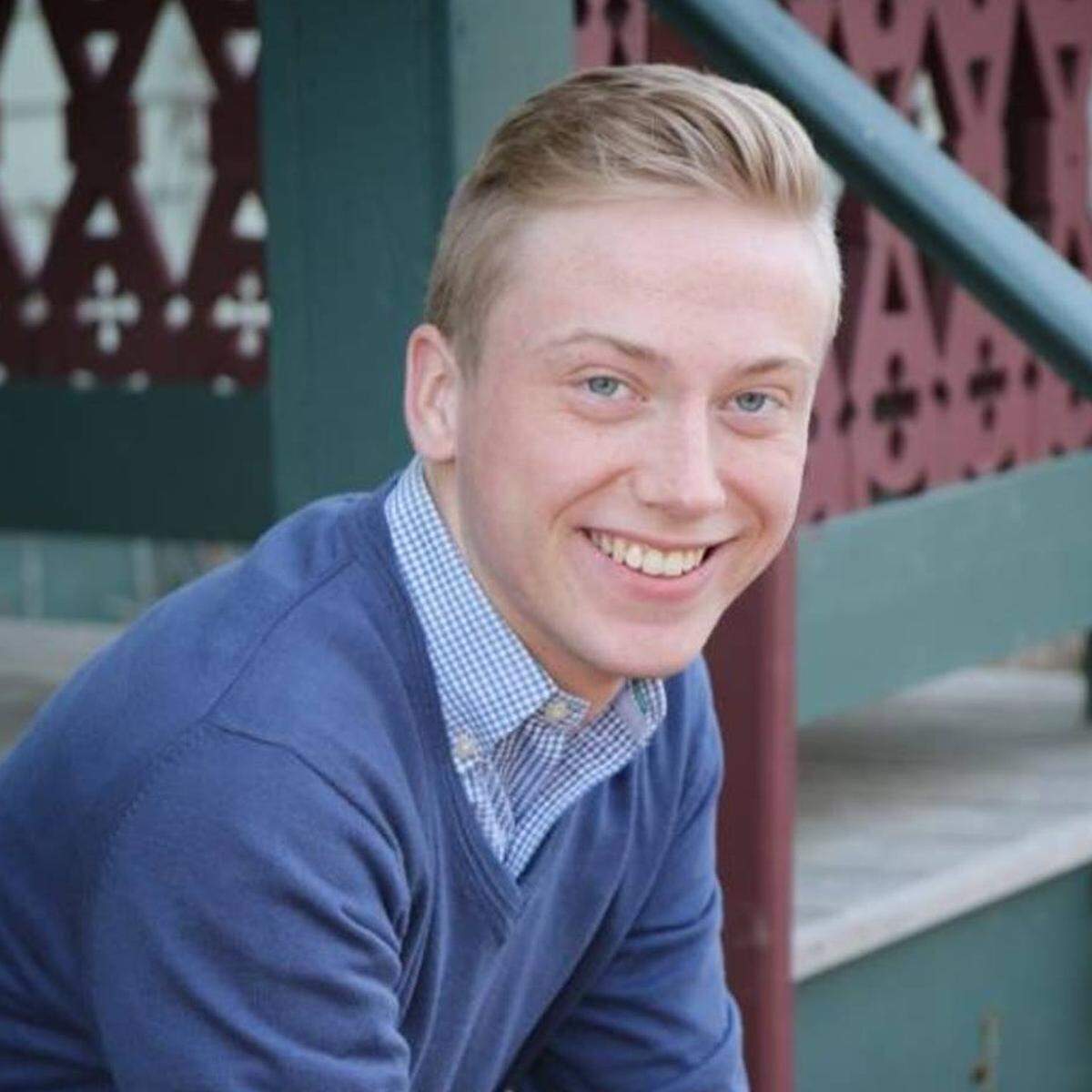
Paul Murdaugh’s BAC was 3 times higher than legal limit in crash, toxicologist says
READ MORE
2019 Boat Crash Coverage
The crash of a Murdaugh family boat in 2019 killed 19-year-old Mallory Beach and started a chain of events that would remain in the news two years later. Here are the stories from that crash.
Expand All
This story first published July 27, 2021.
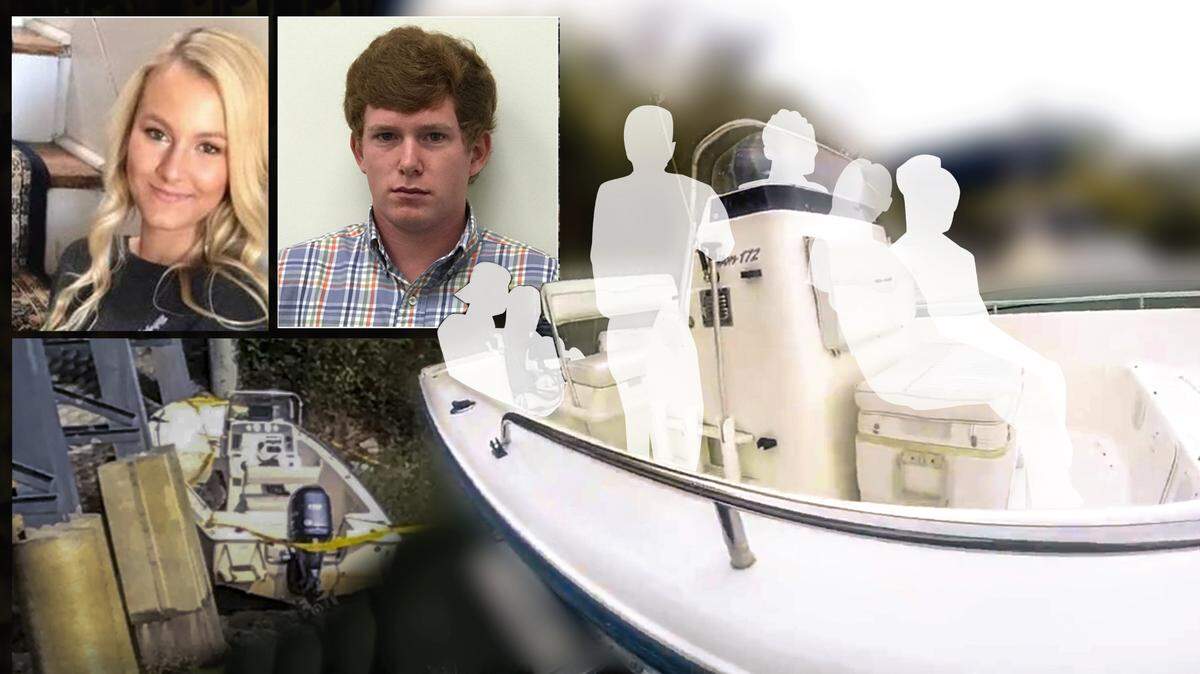
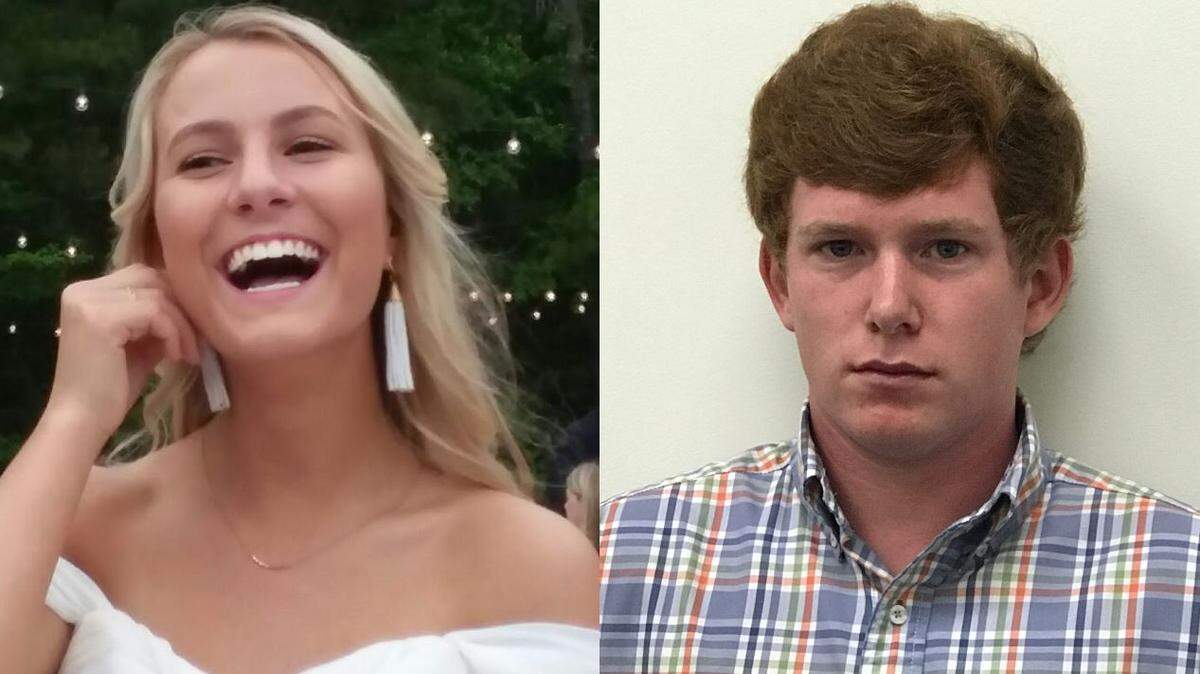
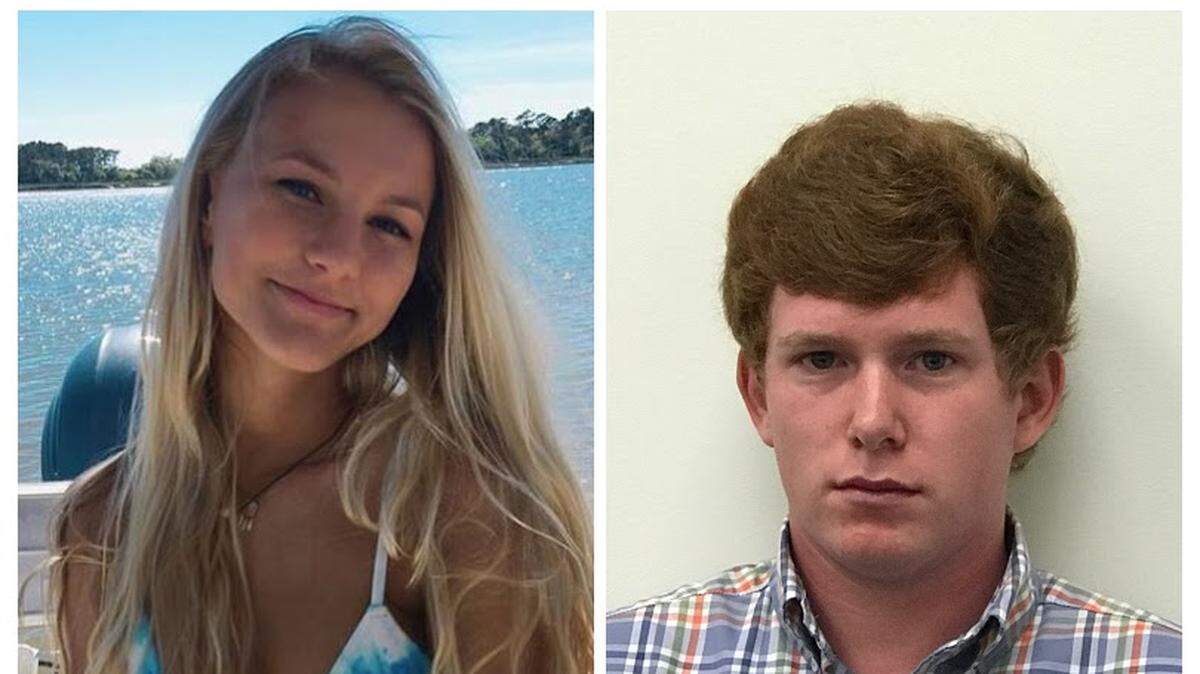
Paul Murdaugh, the man charged with driving the boat that crashed and killed 19-year-old Mallory Beach in 2019, had a blood-alcohol concentration more than three times the legal limit at the time of the crash, according to a toxicologist’s analysis of Murdaugh’s hospital blood sample.
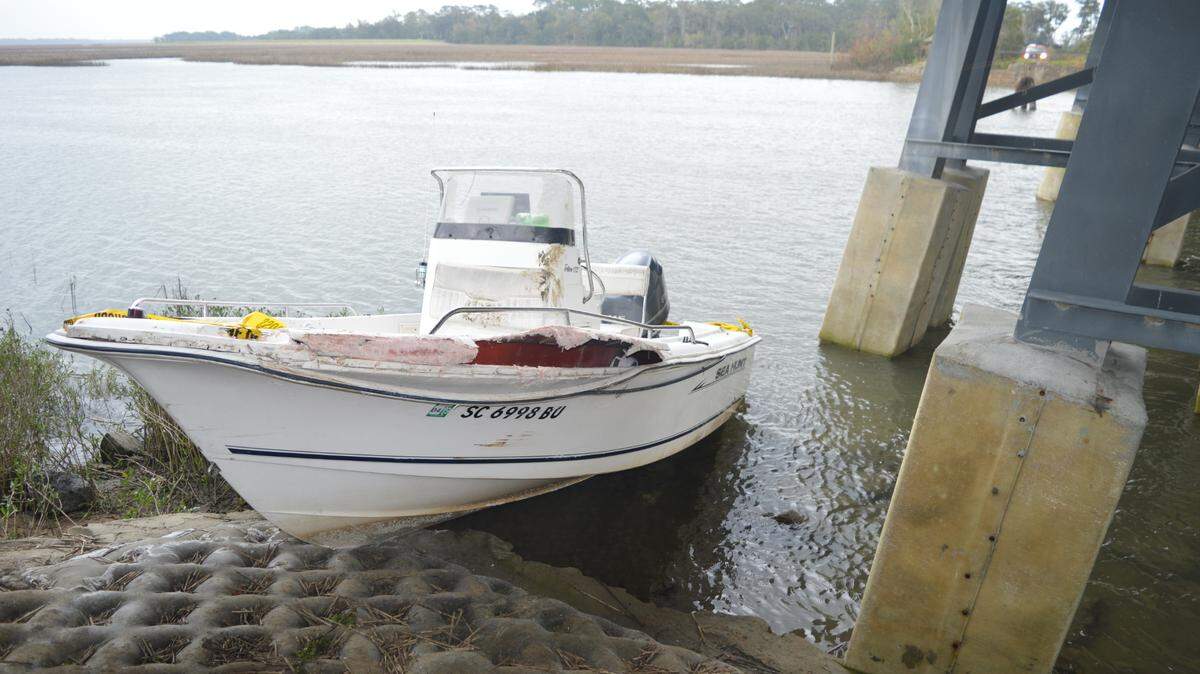
Police officers who responded to the scene of the crash the morning of Feb. 24, 2019 did not offer Murdaugh a sobriety test, a move the public roundly criticized — and one cited in a recent court filing as an example of law enforcement’s “failure” to conduct an appropriate investigation.
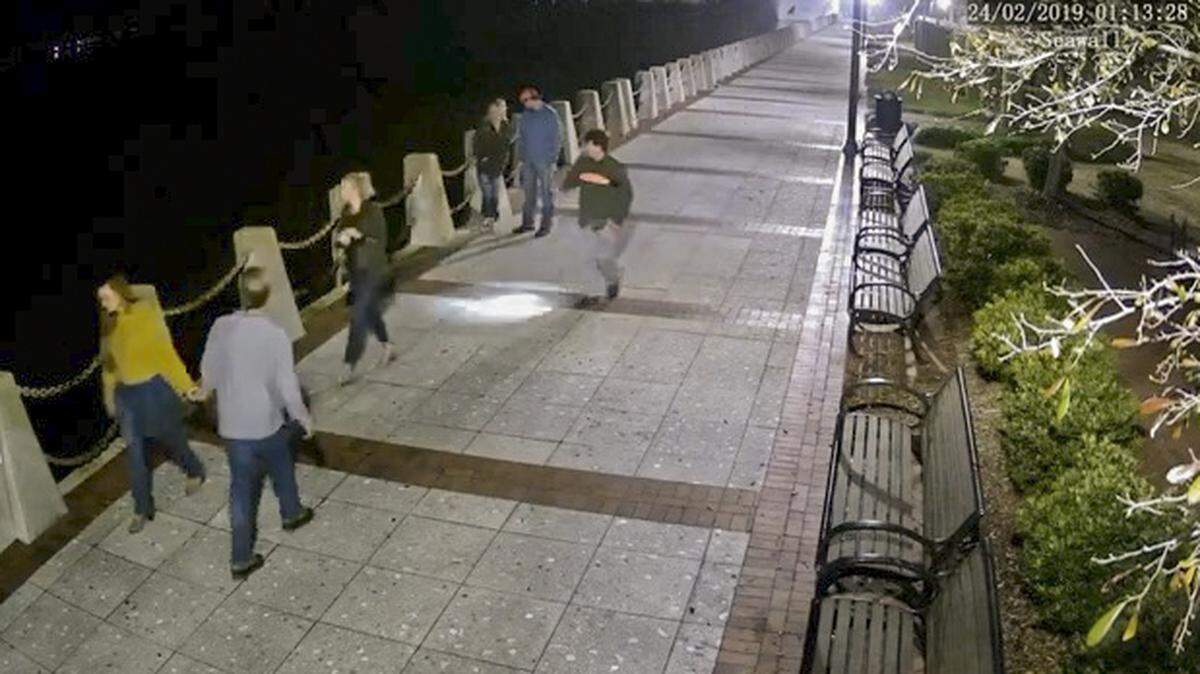
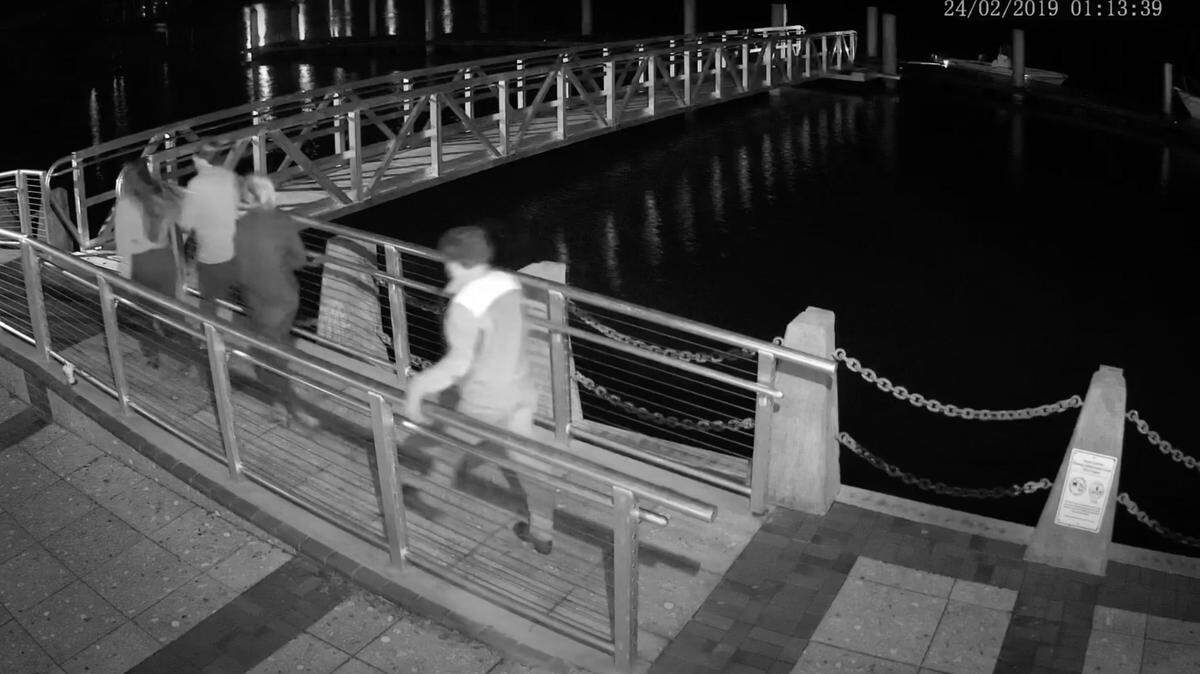
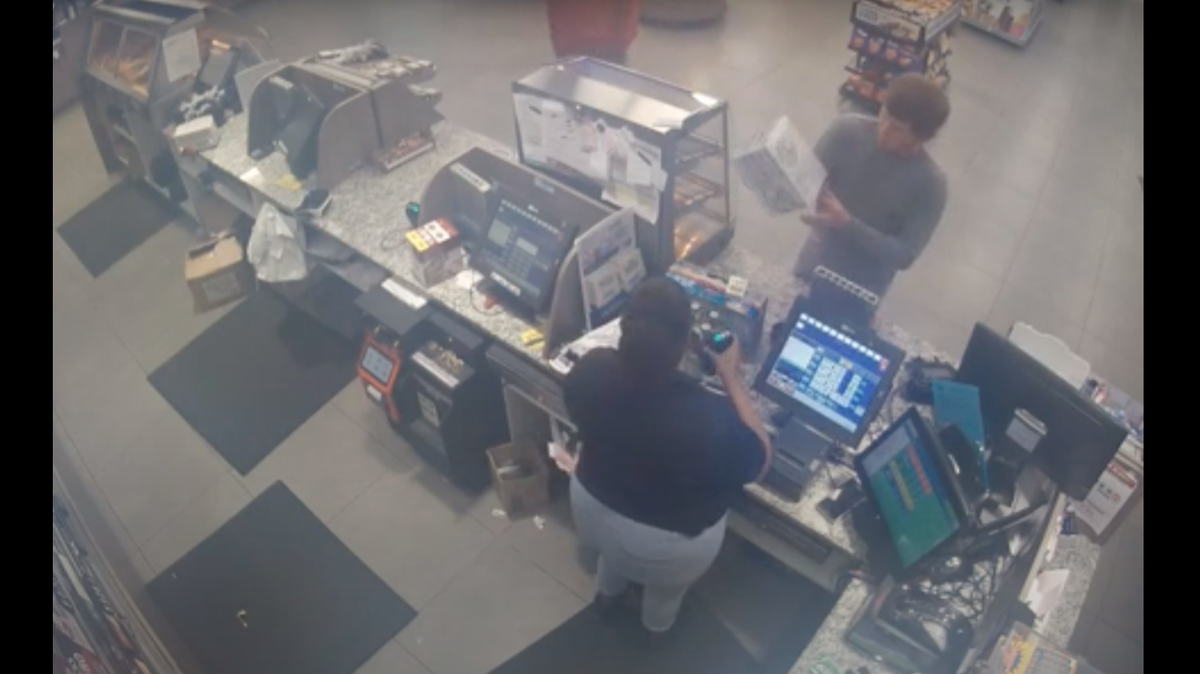
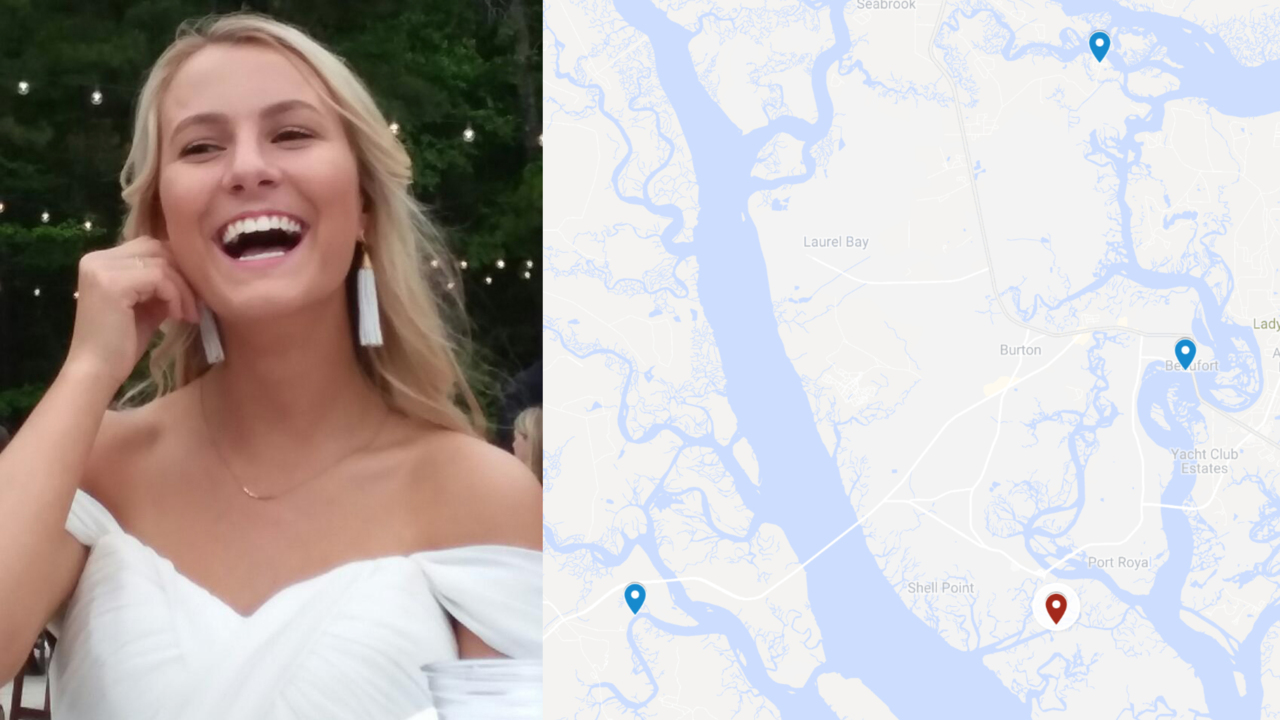
Hospital workers took a sample of Murdaugh’s blood at 4 a.m., an hour and 40 minutes after the crash and roughly three hours after surveillance footage showed Murdaugh taking shots at a Beaufort waterfront bar. The results, provided to The Island Packet by the S.C. Department of Natural Resources, show Murdaugh’s blood had an ethanol level of 286.1 mg/dL in serum.
That means Murdaugh’s BAC would have been about 0.24 — three times the legal limit to operate a motor vehicle in South Carolina (0.08), according to Richard Stripp, a New York-based forensic toxicologist contacted by a reporter Tuesday. It would have been even higher — between 0.25 and 0.27 — at 2:20 a.m., the time of the crash, Stripp said.
The blood sample confirms that Murdaugh would have been visibly drunk at the time of the crash and in the hospital, a description that hospital workers, police investigators and other boat passengers noted in post-crash statements.
Murdaugh was “significantly intoxicated,” Stripp said. His reaction time, vision and motor skills would have been impaired, he said.
“All of which would be contributing to the accident,” he said.
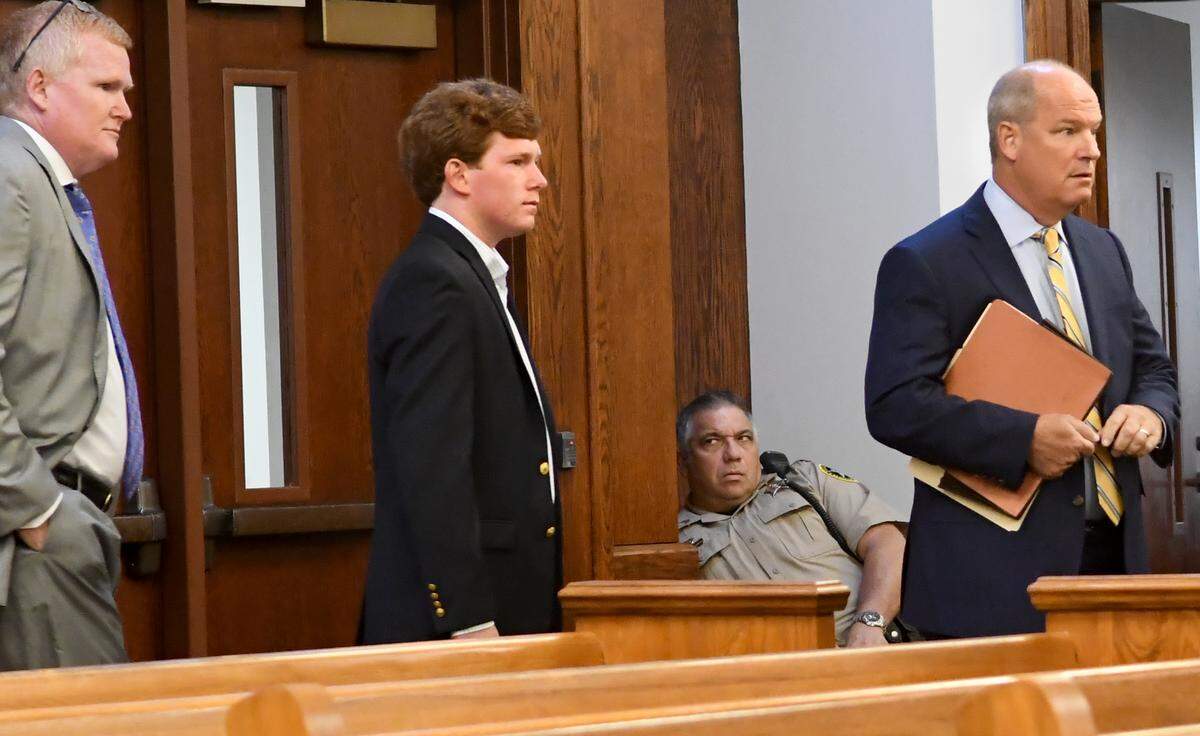
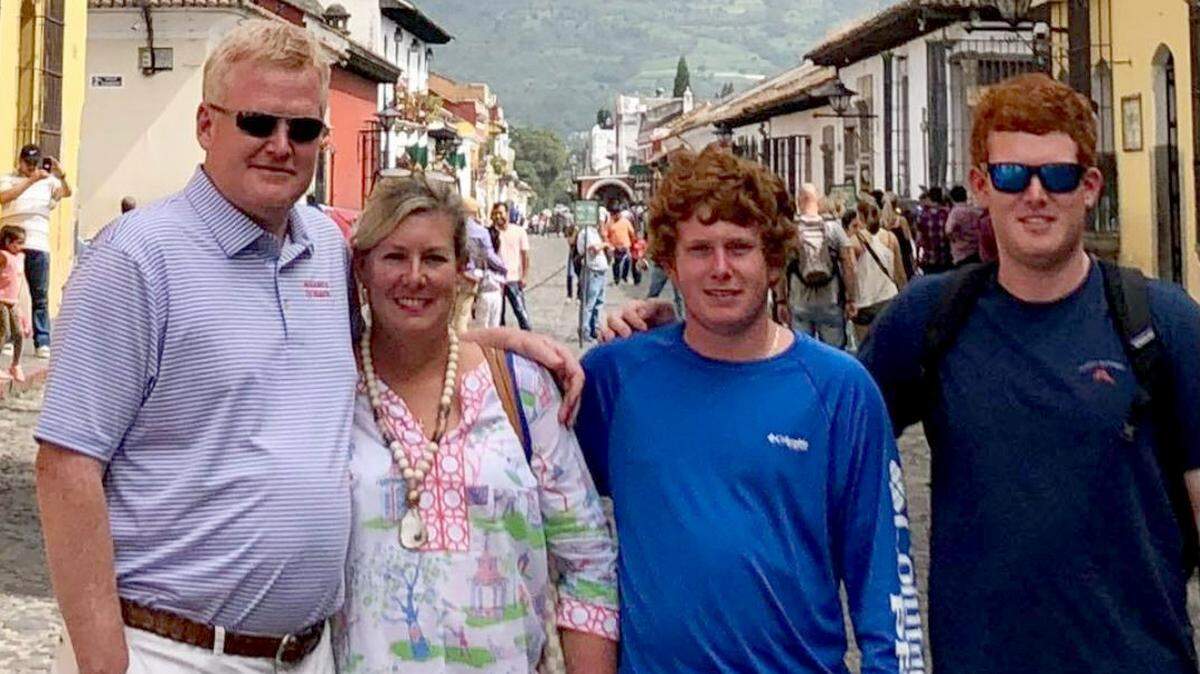
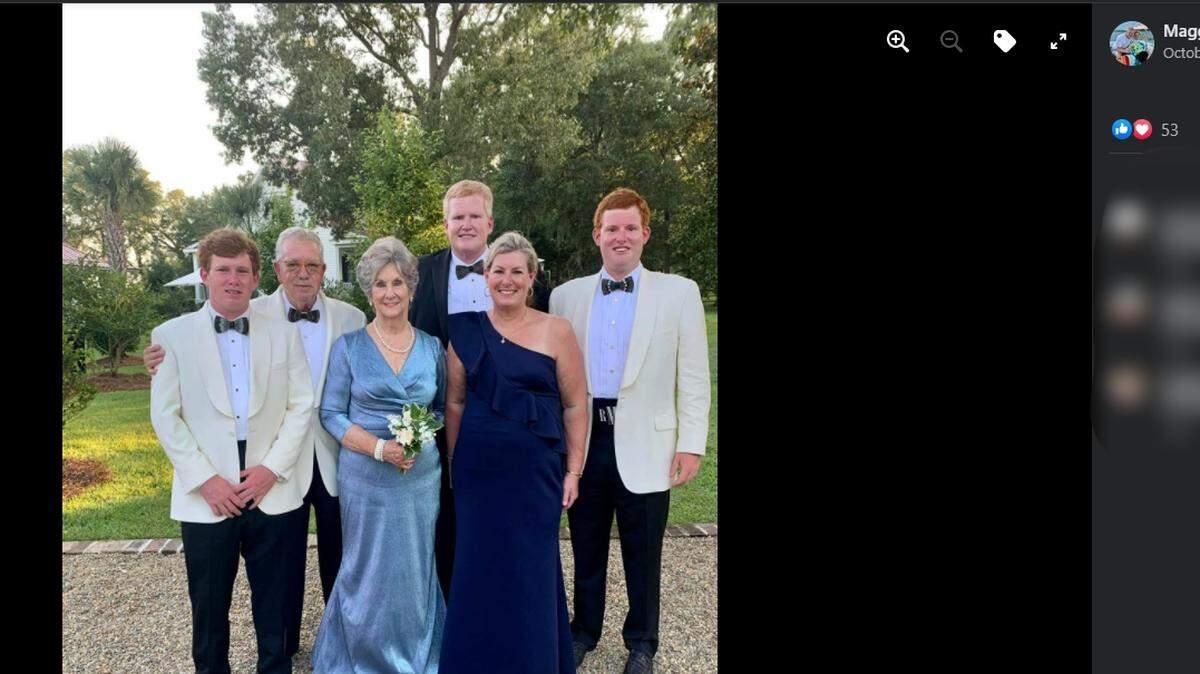
The high-profile crash that killed Beach, and led to Murdaugh’s indictment on three felony charges of boating under the influence, has renewed scrutiny in the seven weeks since Murdaugh and his mother were found shot to death on their sprawling estate in Colleton County. Rumors have continued to swirl since the murders as police have been silent on motives and suspects.
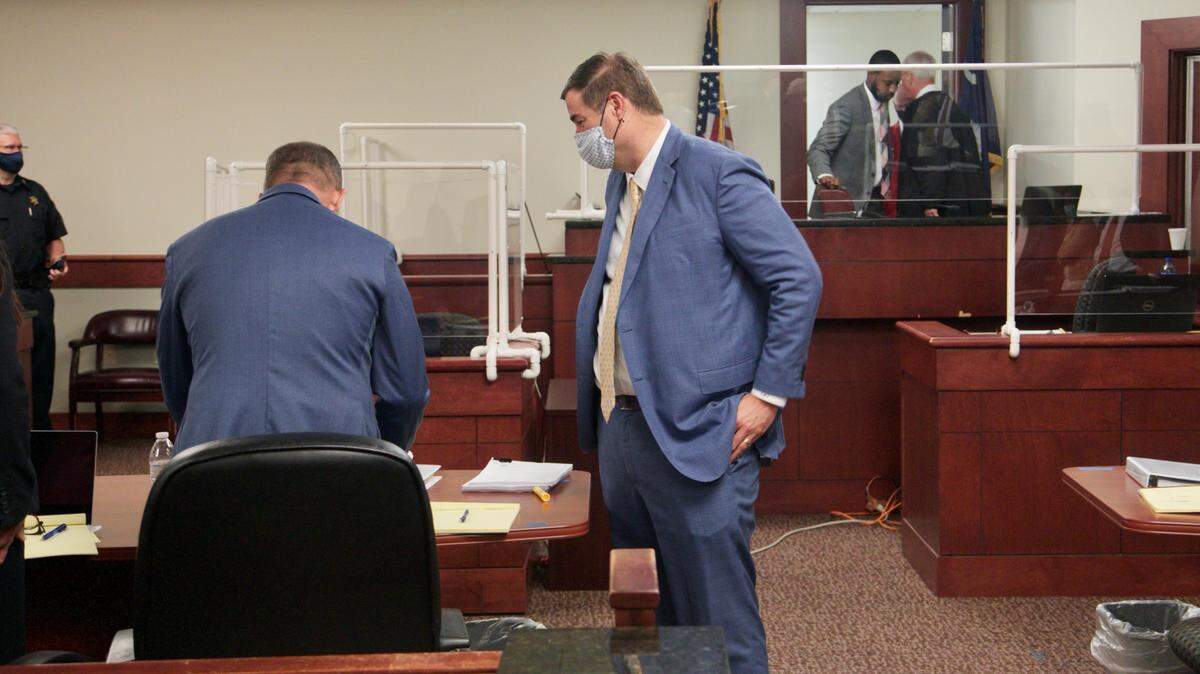
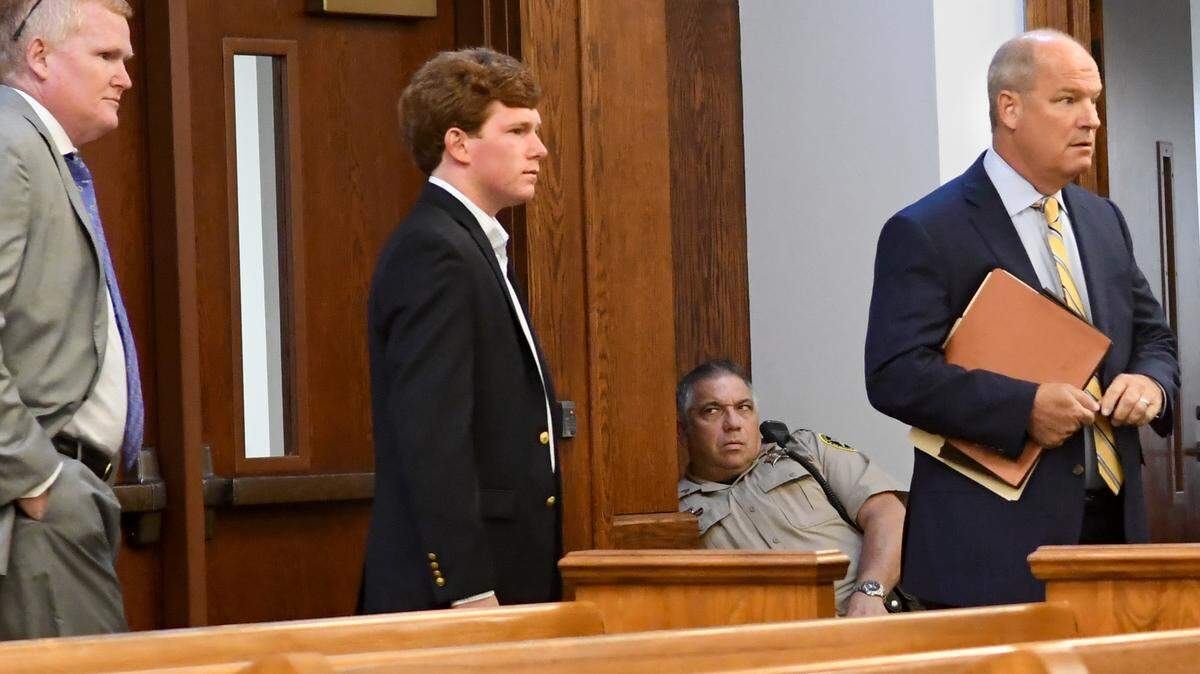
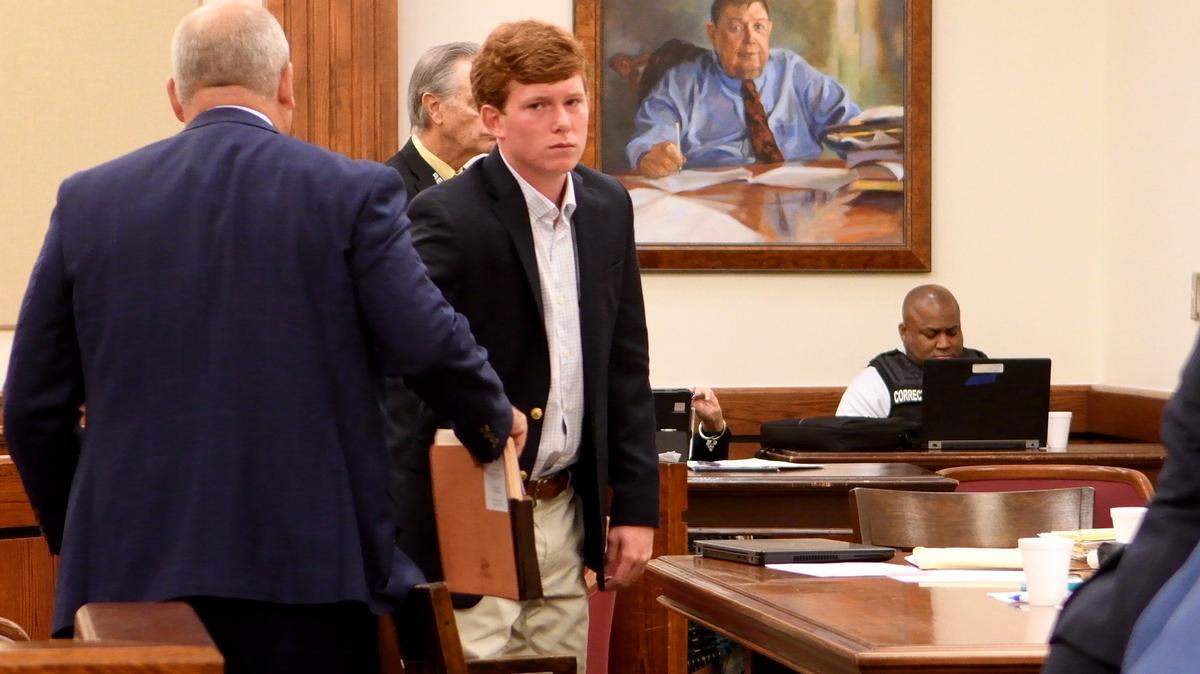
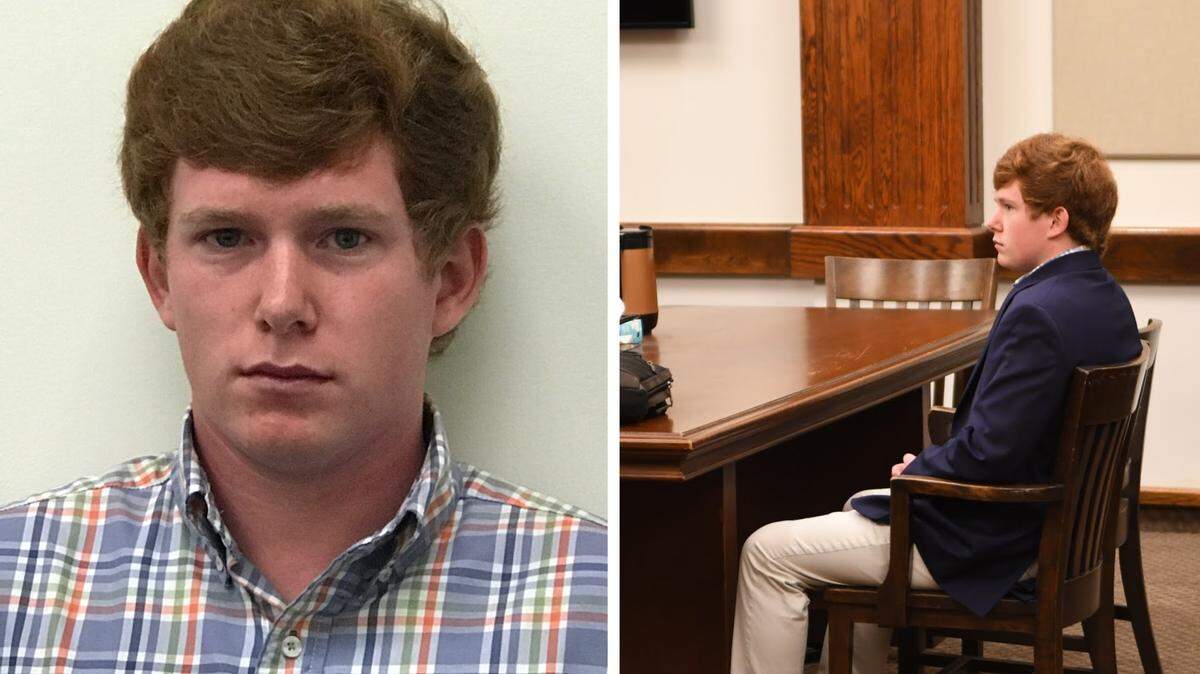
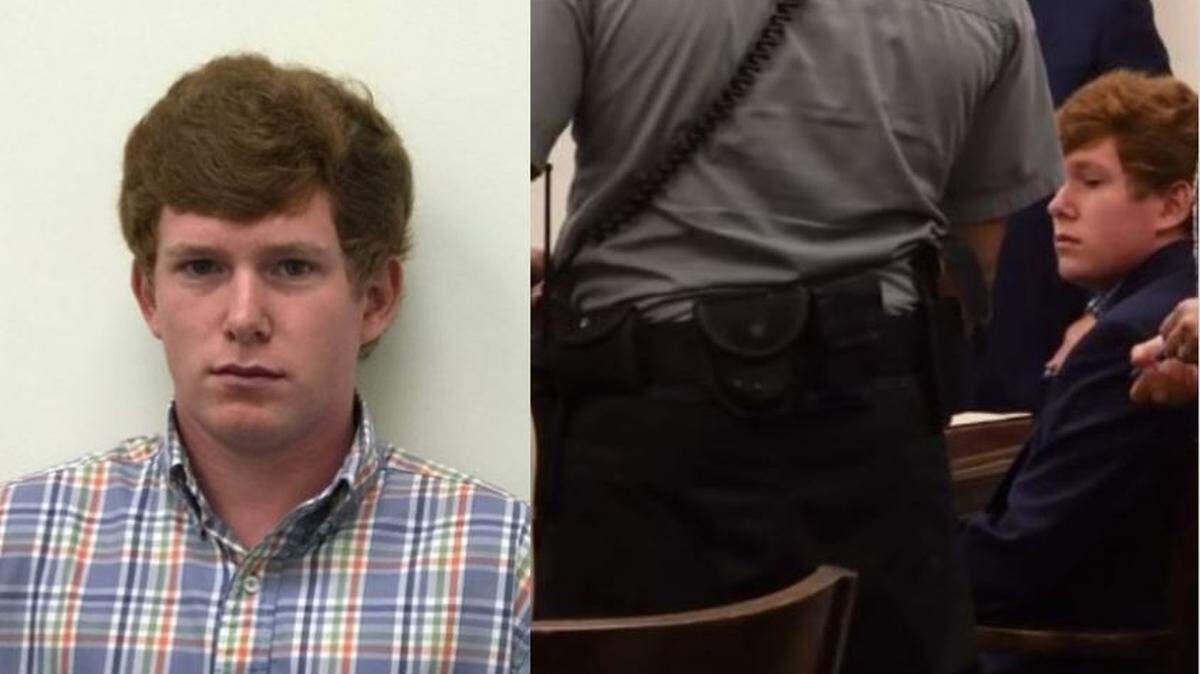
Many criticized the way police and the courts handled the boat crash case, and said Murdaugh received special treatment because of his prominent family, three generations of whom have been state prosecutors. He was never handcuffed at his bond hearing. His jail mugshot, taken in the courthouse hallway with an iPhone 7 Plus, depicted Murdaugh in a collared shirt — not an orange jumpsuit.
And even though Murdaugh faced felony BUI charges, the state did not restrict him from drinking alcohol or driving a boat. Prosecutors did not ask the court to consider as evidence in his bond hearing a 2017 citation Murdaugh received for possession of alcohol by a minor, according to previous reporting.
No sobriety test
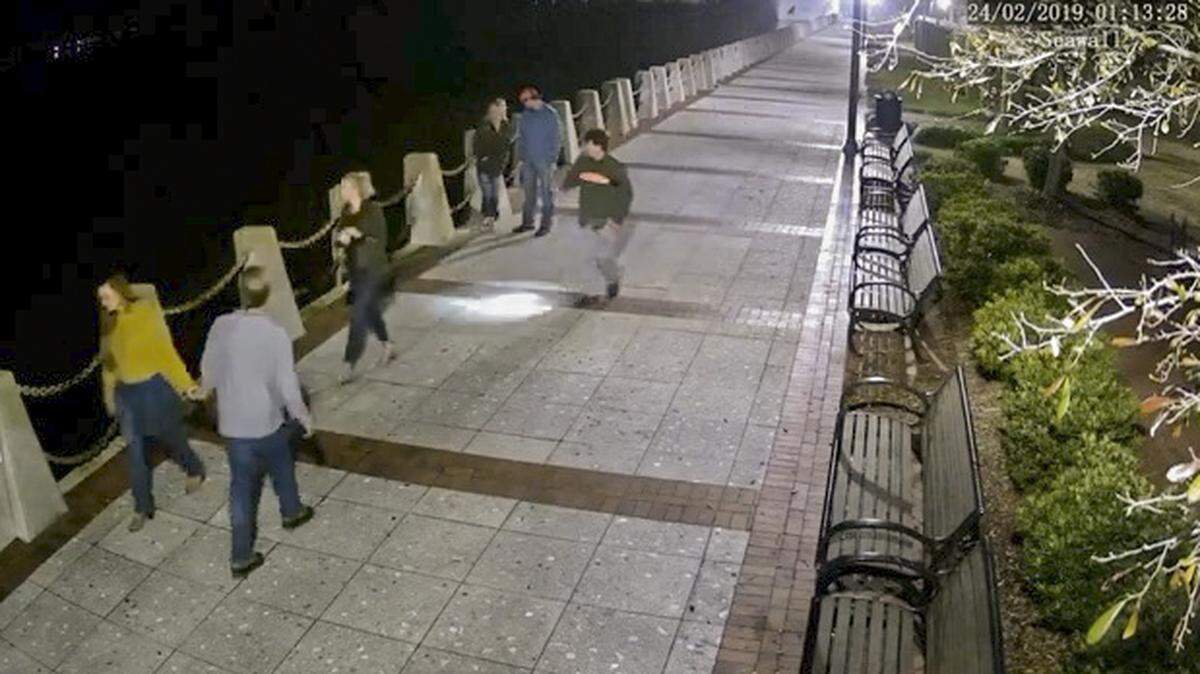
One month after Paul and Maggie Murdaugh were found June 7 shot to death, lawyers for Connor Cook, one of the six on the boat when it crashed in 2019, filed a civil petition claiming that police failed to properly investigate the boat crash.
Cook, according to the petition, believes law enforcement may know about efforts to hamper the crash investigation and shift blame from Murdaugh to Cook.
Key evidence from the investigation is missing, according to the petition.
Attached to the petition are sworn statements from five officers who investigated the crash that outline inconsistencies, decisions and inaction, whether intentional or by oversight, that appear contrary to investigative protocol.
The depositions also show that law enforcement officials struggled to determine who was driving the boat when it crashed. The officers testified that passengers gave conflicting statements about whether Murdaugh or Cook was driving.
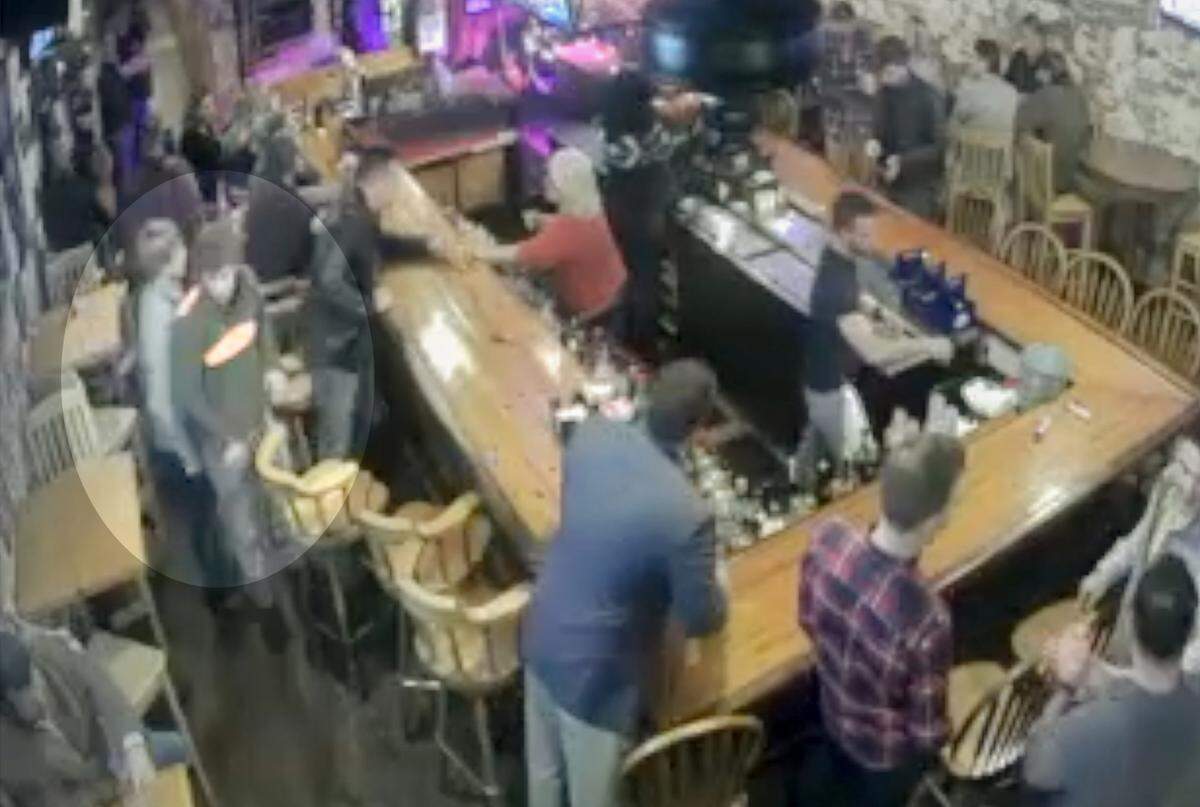
Among the irregularities in the depositions:
▪ Conflicting statements about why Murdaugh was not given a sobriety test;
▪ A key interview with a witness was marked as recorded, despite the officer later saying he didn’t record it;
▪ No officer took as evidence a phone Murdaugh dropped at the scene;
▪ An officer said he did not take photos while the boat was swabbed for DNA.
Understanding BAC
Murdaugh’s blood serum test drawn at the hospital is not an exact equivalent with BAC, according to SCDNR spokesperson David Lucas.
Other media outlets have reported that Murdaugh’s BAC was more than 0.28 in the hospital. These reports appear to be based on an incorrect conversion of the blood sample.
The raw number released by SCDNR — 286.1 mg/dL in serum — would have been analyzed by a toxicologist to determine BAC before Murdaugh’s criminal trial. A prosecutor would have used that analysis in trial to convince a jury of Murdaugh’s guilt — a trial that will no longer happen.
An official analysis will not be performed because of Murdaugh’s death, said S.C. Attorney General’s Office spokesperson Robert Kittle. The state will likely drop the charges against Murdaugh this week, he said.
Called Tuesday, Stripp, the forensic toxicologist, converted the hospital’s serum sample to a “whole blood” number. The whole blood number takes into account the blood’s cellular components and is about 10% to 20% lower than the serum number, he said.
Stripp determined that Murdaugh’s BAC would have been about 0.24 at 4 a.m., when hospital workers drew his blood at the hospital. Analyzing the alcohol that would have been absorbed by the time Murdaugh got to the hospital, Stripp estimated that his BAC would have been between 0.25 and 0.27 at the time of the boat crash.
This story was originally published July 27, 2021 at 3:04 PM with the headline "Paul Murdaugh’s BAC was 3 times higher than legal limit in crash, toxicologist says."