Tax cut or fire trucks? Simmering issue helped SC start year without new budget
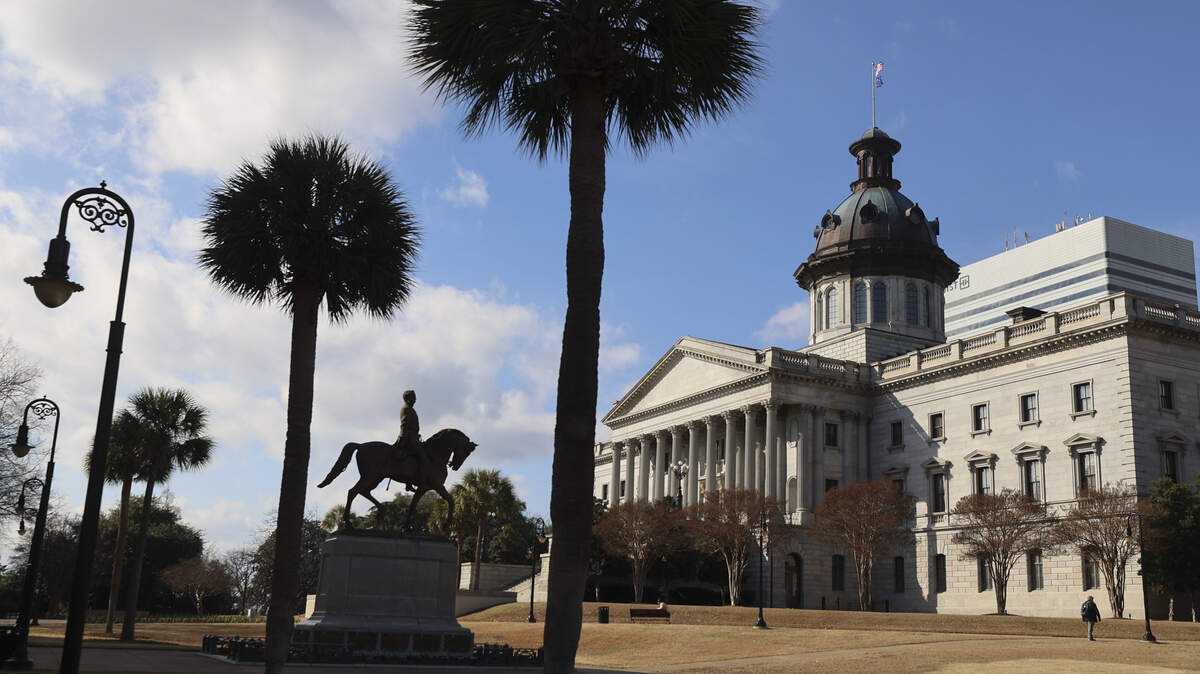
For the first time since 2020, South Carolina’s state government will operate under a continuing resolution for a period longer than a few days.
Delays in negotiations caused by the redistricting debate and the primary and runoff elections has held back discussions on and exposed a yearslong issue between the House and the Senate write on how their spending proposals. With a continuing resolution in effect, and the budget negotiators will meet again set at July 14, one simmering grievance on when earmarks are included in a spending plan has been aired.
A budget conference committee composed of three House members and three senators is tasked with settling on a deal on how state government will spend money through June 30, 2027. Their negotiations come as the Senate pushes for a property tax cut for seniors and how much money should be spent on lawmakers’ community investment projects, commonly referred to as earmarks.
However, senators on the committee are griping about a practice the House has carried out in the last several years. Passing a second version of its budget that includes lawmaker directed projects, commonly referred to as earmarks.
When the House does its first pass through the budget, lawmaker directed spending in their home districts, referred to as earmarks, are not included. The budget is sent to the Senate, which approves its own version of a spending plan and includes earmarks and sends the spending plan back to the House.
However, when the House approves its second version, which sets up the budget for the conference committee negotiations, the chamber includes its lawmaker projects. In the process, the House also lists the Senate earmarks in the second version of the budget and lowers the amount to $1 for each project.
That allows budget negotiators to pick a number between what the Senate wanted to give an earmark and $1. Because the House earmark wasn’t addressed in the Senate budget, each of those projects become an all or nothing proposition.
This practice started to show up during the 2021-22 budget process after the state operated under a continuing resolution during the 2020-21 fiscal year because of the COVID-19 pandemic.
When budget negotiators convened in recent years, they had more money to work with than when the chambers wrote their versions of the spending plan because of revised revenue estimates from the Board of Economic Advisors that project more money coming into state coffers. The additional money allowed them to pay for most of the differences between the two chambers.
Senators say they are only able to evaluate the House projects during conference committee and not in a budget process.
Among the $130 million in lawmaker projects proposed by the Senate are $500,000 for fire stations in Richland County requested by state Sen. Tameika Isaac Devine, $1 million for a real-time crime center in Greenville requested by state Sens. Jason Elliott and Ross Turner, $1 million for stormwater and drainage infrastructure in the Isle of Palms requested by state Sen. Chip Campsen, and $1.2 million to restore the Century Theatre in Conway requested by state Sen. Luke Rankin.
The House’s proposed $315 million in lawmaker projects includes $2 million for a fire state in Horry County requested by state Rep. Val Guest, $1 million for a downtown master plan in Fort Mill requested by state Rep. David Martin, $1 million for the Calks Ferry Interchange in Lexington County requested by state Rep. Paula Rawl Calhoon, and $350,000 for a renovation of the Colcock-Teel House in Bluffton requested by state Reps. Bill Herbkersman and Weston Newton.
“They may be meritorious projects, they may be, but it may be that in weighing the two, a tax cut or this project, I’m going to side in most cases toward putting money back in people’s pockets, and the Senate is pretty firm on that,” state Sen. Tom Davis told reporters Tuesday.

Senators want a change in the process
Senators said the process for writing the budget has broken down.
“It used to be that House 1 was a budget that we could look at and then meaningfully make some adjustments to and make some amendments to, and in recent years it’s become just simply a pro forma document to start the process, and the real work doesn’t happen until House 2 is passed,” Davis said. “That doesn’t give the Senate really a chance to meaningfully comment outside of a conference committee.”
Senate Minority Leader Brad Hutto said a process change needs to happen, that changes when House members provide their earmarks or gives conference committee members more flexibility in how much a project receives.
“If we could do that right now, if we had that flexibility, we might be able to trim some things rather than eliminate them, or the option is fully fund them,” Hutto said.
“The whole budget process has always been a process of compromise. Compromise is easier if you can go between the top and the bottom, it’s harder if you’ve got to take only the top or only the bottom, and so we’re looking for some process that will allow us to get there,” Hutto added.
House Ways and Means Chairman Bruce Bannister declined to comment on the senators complaints on how the earmarks are included by the House and Senate and the process of how they’re attached.
Brief descriptions of the House earmarks, the lawmakers requesting the money and how much each project receives are posted on the Ways and Means website. The Senate’s earmark list and sponsors, which were made available to lawmakers and media in paper copies, is not posted on the Senate Finance Committee website. The projects are listed on the Senate’s summary control document that indicates how lawmakers proposed to spend new available money.
“But they had a chance to ask us about them. They did have a chance when we passed the Senate version before they passed H2,” Hutto said. “We would have had a chance if they were in H1, when we had them in our version.”
How much to spend in earmarks is a sticking point because the Senate also wants to push for a property tax cut, that would cost about $247 million.
For now, budget staffers will work on other parts of the budget that doesn’t have to do with earmarks and expanding the senior homestead exemption as an effort to provide property tax relief.
Those issues include whether to make money available to pay for Scout Motors site preparation overruns, whether to put money in the budget to settle the lawsuit involving Captain Sam’s Spit, how much to spend on Medicare and Medicaid, and how much to give county transportation committees, among other issues.
“I think there’s agreement on the general policies about funding government, how to move forward. There are disagreements in the margins of how we do that, and we’re working through those, which I think we’ll be able to do fairly, not easily, but fairly efficiently, between now and the 14th,” Bannister said.
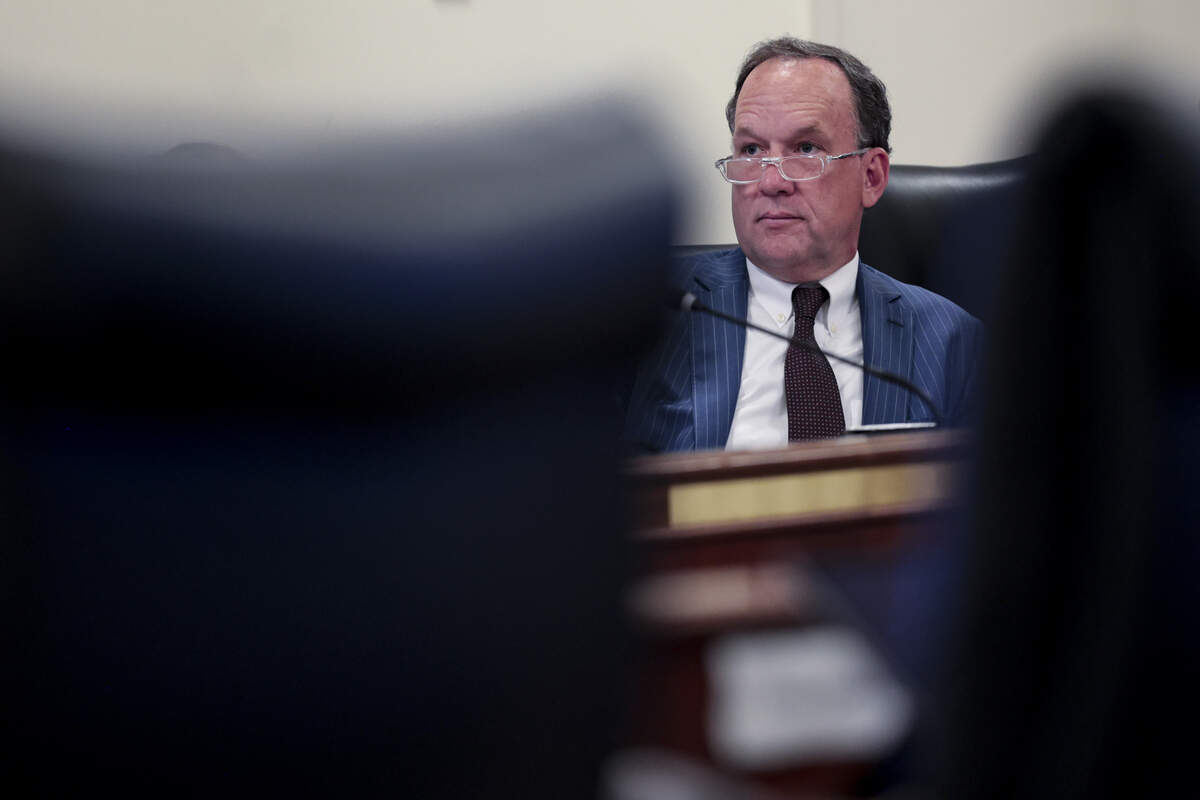
A question remains on how lawmakers pay for a proposed property tax cut. Should lawmakers reduce the amount of money they set aside each year to pay of debts incurred by the state? Should surplus sales tax money generated as part of Act 388 used to reimburse local governments for lost property tax revenue, be used to help expand the homestead exemption.
“The Senate thinks the earmarks are too high, the Senate believes that there ought to be a substantial property tax cut,” Davis said.
Hutto said an option for the debate is whether they don’t allocate every dollar available to them and instead hold some of it back in anticipation of tackling property tax relief next year.
“We hope in two weeks we’ll be in a better position to make that call, because we’ll have more concrete idea of how much money is going to be in the agency budgets, how much money is not being spent in the agency budget, and we’ll always have the option of not spending that money, it just goes forward to the next year,” Hutto said.
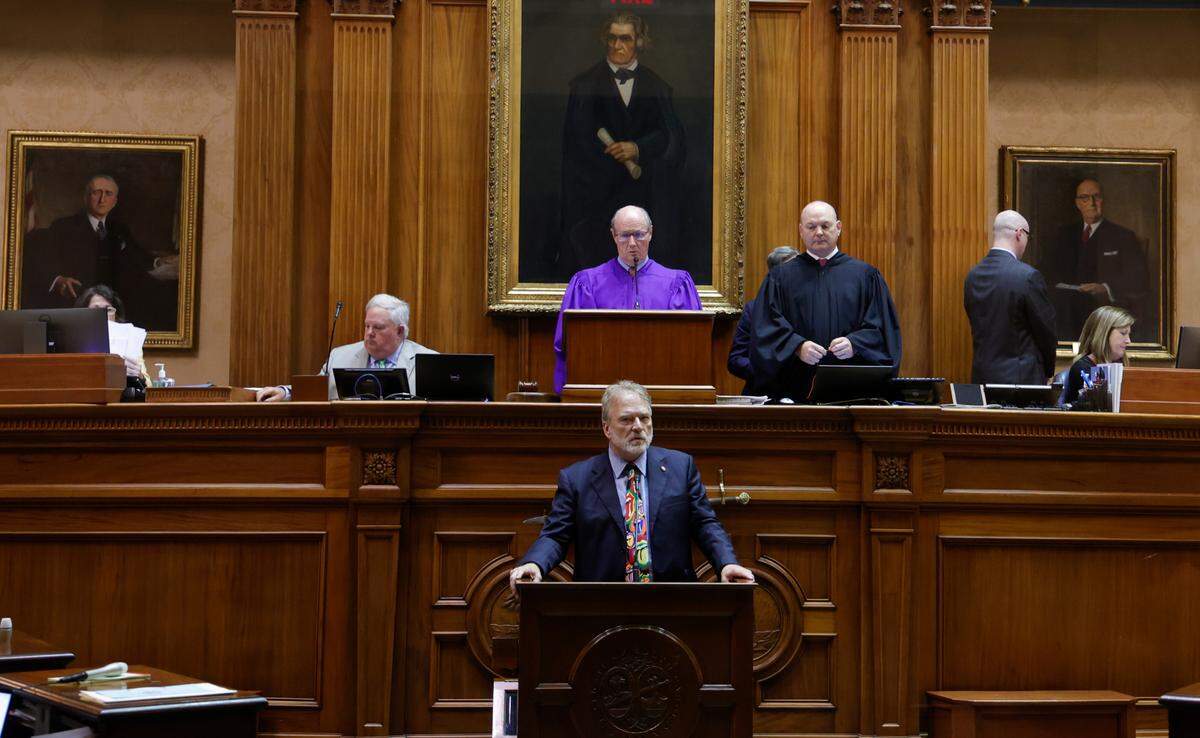
A property tax cut path this year
The House also has yet to debate the property tax legislation and would need to go through committee hearings before bringing it to the floor for a vote.
But because the General Assembly adjourned May 14 without a sine die agreement, and the governor has called back lawmakers allowing them to finish the work on the budget, the House could take up the property tax bill.
The House could take up the legislation this year, but it would require getting enough members back to Columbia at a time they weren’t expecting to be in the state capital.
Bannister was optimistic a deal on how much to spend and what to spend it on could be done July 14.
“We’re still in the discussion phases of what that’ll look like, so just we’ll have it worked out by the 14th,” Bannister said.