SC budgets over $150M a year to pay back debt. Most is spent elsewhere, later
As budget negotiators try to come to an agreement on a spending plan for South Carolina, one of the key differences in the proposed budgets is how much to set aside to pay back state debts.
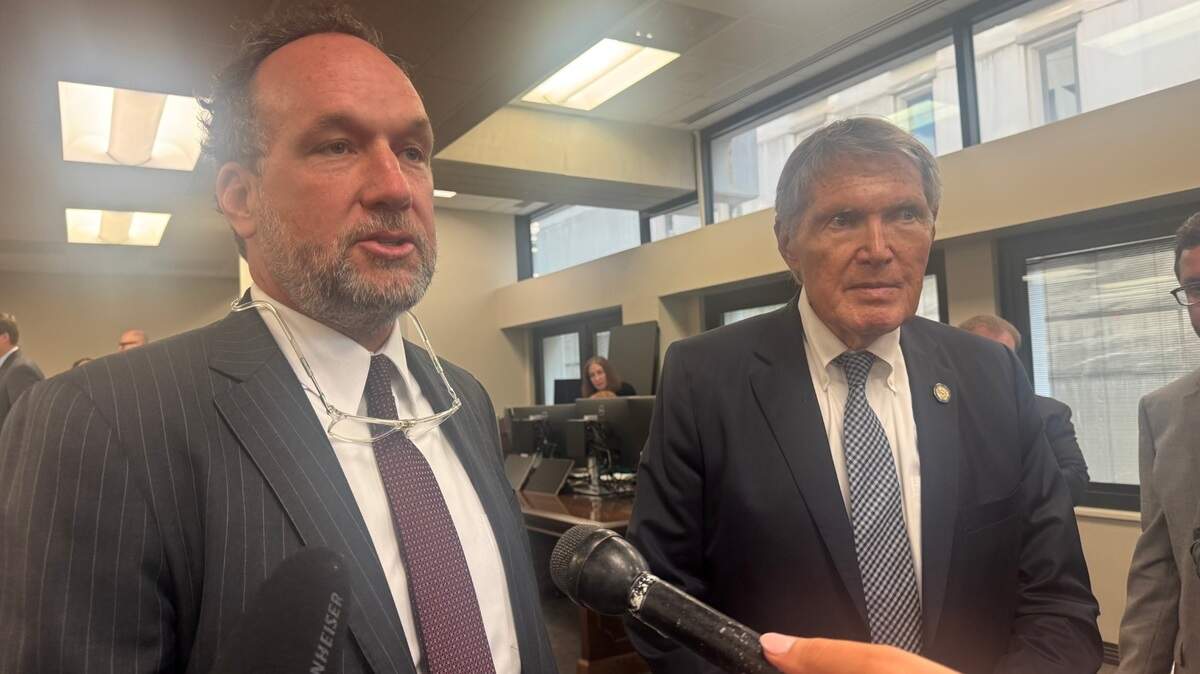
The House has proposed a $15.54 billion spending plan. The Senate has a $15.26 billion budget. A six-member conference committee has been trying to reconcile the $279 million difference in the proposed spending plans.
The main sticking points have been whether to include a $247.7 million property tax cut for seniors and how much to spend in lawmakers directed earmarks. The Senate has proposed $130 million in senator-sponsored projects. The House proposed $315 million in member-requested projects.
Conference committee members, who plan to meet July 14, agree there isn’t enough money to pay for a property tax cut bill and all the earmarks. Without a budget in place for the fiscal year that began July 1, the state is operating under a continuing resolution, which keeps spending levels the same as the previous year.
Accounting for the tax cuts requires reductions in spending or relying on the state’s growth to make sure the state could afford to forgo revenue.
Part of the Senate’s spending plan relies on redirecting the amount set aside every year to pay back debt.
In 2022, the state set aside $191 million to pay back debt. The Senate Finance Committee proposed reducing that amount by $100 million, a move that ultimately wasn’t taken. That year, Senate Finance Chairman Harvey Peeler’s first year running the committee, lawmakers approved an income tax cut as well as a $1 billion income tax rebate.
The following year, the Senate wanted to reduce the annual debt service line by $110 million. The same year lawmakers sent $102 million to Clemson to start construction of a veterinary school, which is named for Peeler. Lawmakers did reduce the debt service line by $37.7 million a year.
In the 2024-25 budget, lawmakers reduced the debt service line by $10 million, after the Senate pushed for a $95 million reduction.
In the 2025-26 year, the House got its way when the General Assembly opted to increase the debt service line by $10 million, when the Senate wanted it cut by $95 million.
Now for this year’s budget, the Senate wants to reduce the debt service line by $117 million from the $153.9 million level it was at last year.
The Senate wants to put that $117 million into the recurring dollar pot. Removing the money permanently from the debt service line could help pay for other costs and help pay for tax cuts.
Revenue to state grows, precluding need to borrow
Because the economy has done so well in South Carolina and continues to grow leading to an increase in revenues, the need to approve a bond bill and borrow money has not come up recently in the General Assembly.
The last time the state issued a non-economic development bond was around the turn of the millennium for school buildings. Those bonds have since been paid back.
The House fears reducing the debt service line could reduce the state’s ability to borrow money and how much the state could borrow.
If the General Assembly decided to shift more money away from debt service, but in the future needed to adopt a bond bill, it could always put the money back on the line in the annual budgets, Senate budget writers say.
But the state hasn’t used the full debt service line in the general fund budget for several years.
For 2026-27, only $21 million in debt service payments are required out of the general fund. For 2027-28, debt payments are estimated to cost $23 million, according to the State Treasurer’s Office.
Any unused debt service money goes into a pot of one-time money for the legislature to pay for one-time expenses in the following year, lawmakers’ community investment projects commonly referred to as earmarks or one-time expenses by state agencies. It could also go to the Department of Commerce for economic development deals.
“That’s the whole point of one-time money is you have the opportunity to make an investment on something that would ... fix some issue,” House Ways and Means Chairman Bruce Bannister said.
He pushed back on a notion that it could be a slush fund.
“I think it’s an unfair characterization to say, ‘Ooh, that’s a slush fund,’ especially given that a slush fund is something that’s secret. It isn’t transparent on the line for everybody to see what the money was spent for,” Bannister said. “This isn’t some hidden pot that we allocate without the public knowing exactly where the money goes.”
The House for the last several years has sought to protect the debt service line.
Having the large debt service line allows flexibility in budget negotiations by the conference committee. It also helps if and when the state needs to build large facilities that require borrowing and could be paid for over time, like if it needed to build a new prison, respond to a financial crisis or natural disaster, or have a large economic development opportunity.
“We don’t have the debt right now, but we may in the future, and we cannot just throw every General Assembly under the bus from now and in the future, giving away their ability to pay a debt if we needed to incur one,” Bannister said.
With an income tax cut already in place, House members have been reluctant to commit to cutting so much revenue in one year, preferring to work on a property tax cut next year.
“There are lots of ways that we can do responsible tax cuts with the money that’s available, without taking all of our debt service line and allocating it to something that would make it unavailable for every future General Assembly,” Bannister said.
South Carolina lawmakers have increased how much money the state sets aside into reserves in case of an economic downturn and to meet budget shortfalls. But days of needing to make budget cuts have not happened in recent years.
“South Carolina has been blessed with economic growth, is blessed with unprecedented amounts of revenue coming into our general fund, and I think whenever that’s the case … it’s incumbent upon us, whenever we can, to put money back in people’s pockets,” said state Sen. Tom Davis, R-Beaufort, who is a member of the conference committee.
This story was originally published July 10, 2026 at 12:01 PM.