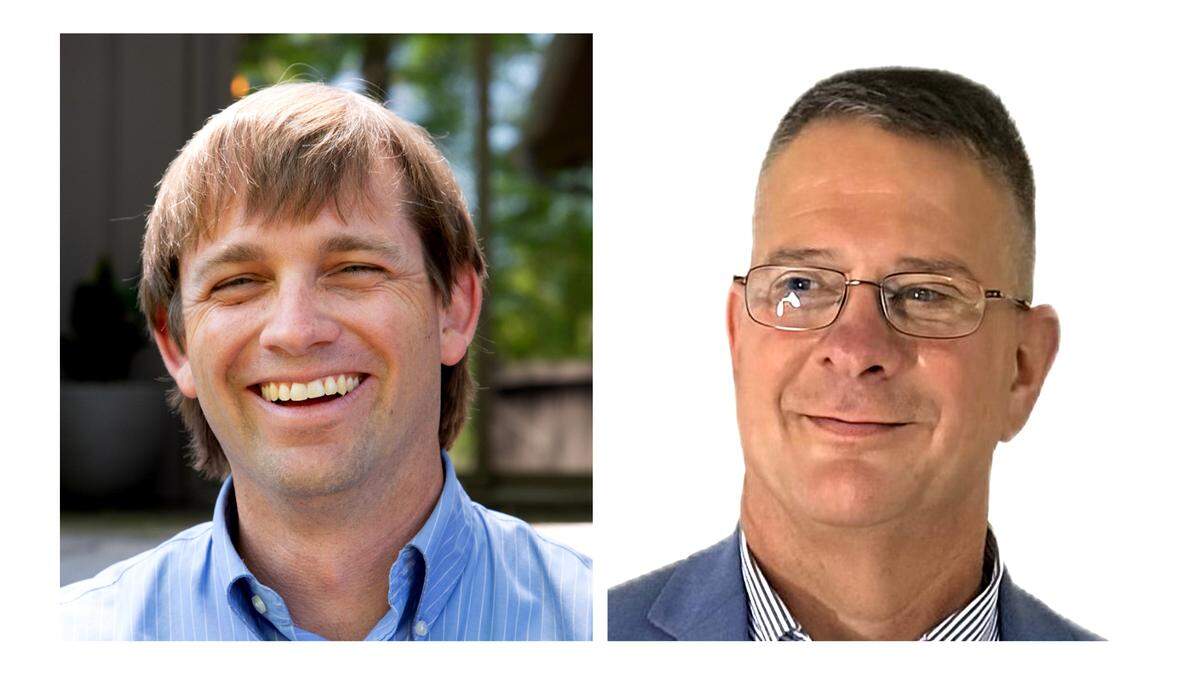
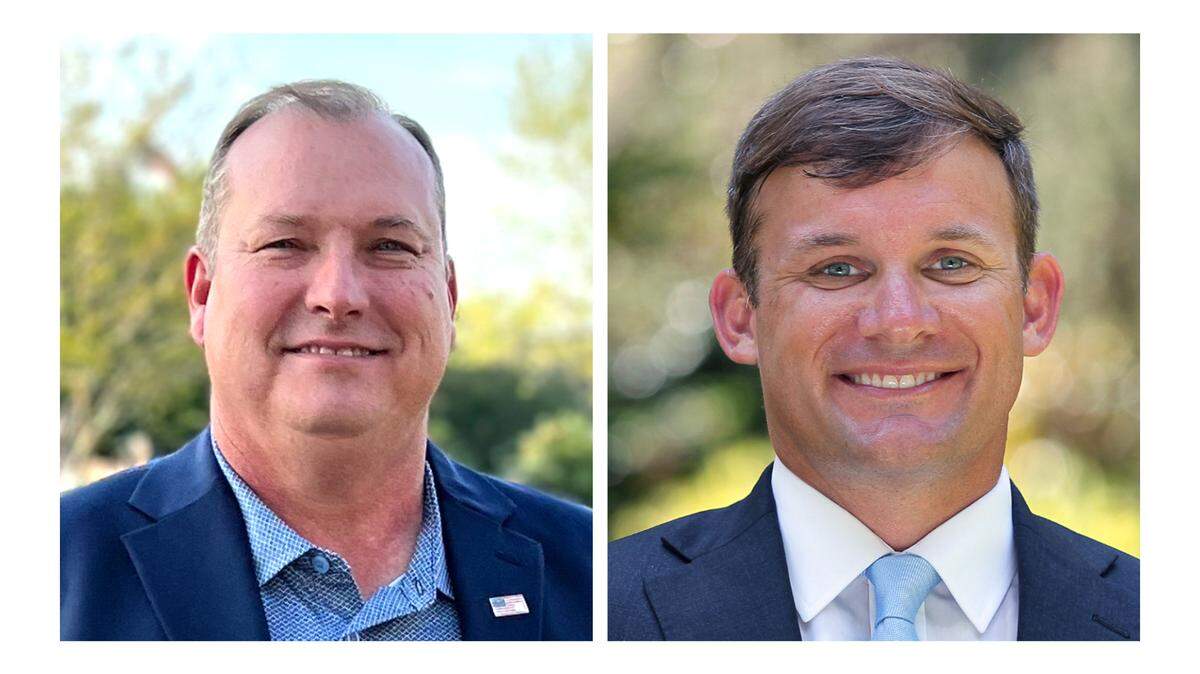
Read our full Q&As with SC Senate District 26 candidates Jason Guerry, Russell Ott
READ MORE
Candidate Q&As
Opinion team interviews for the Nov. 5, 2024 general election
Expand All
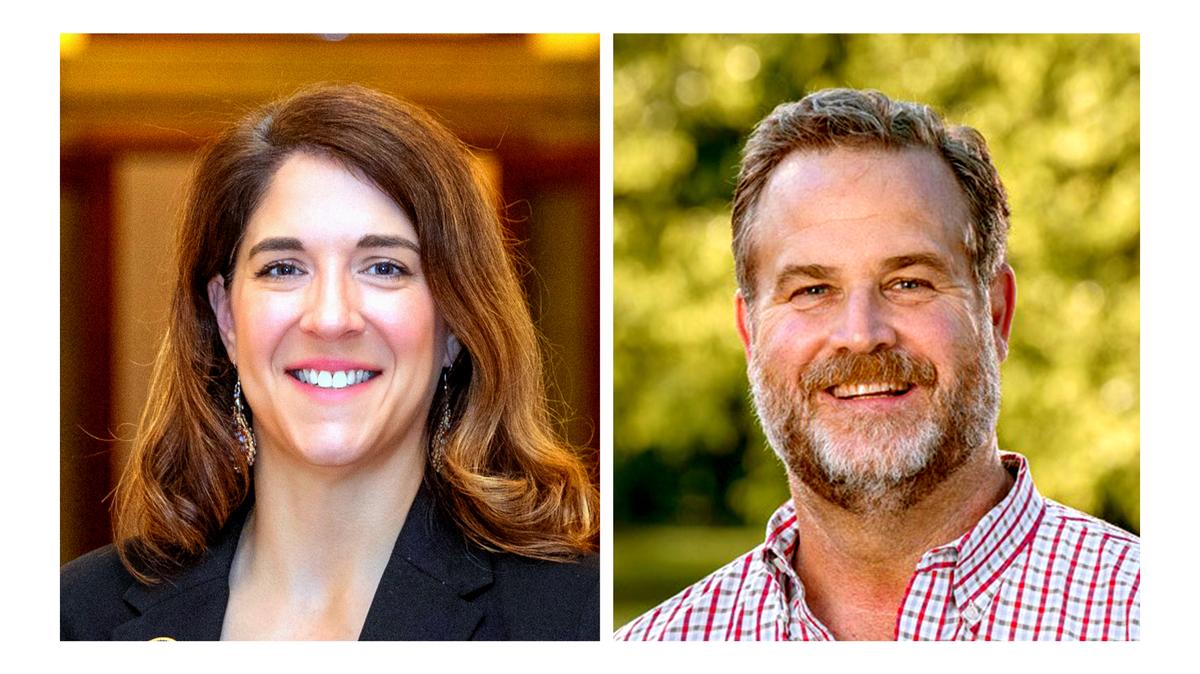
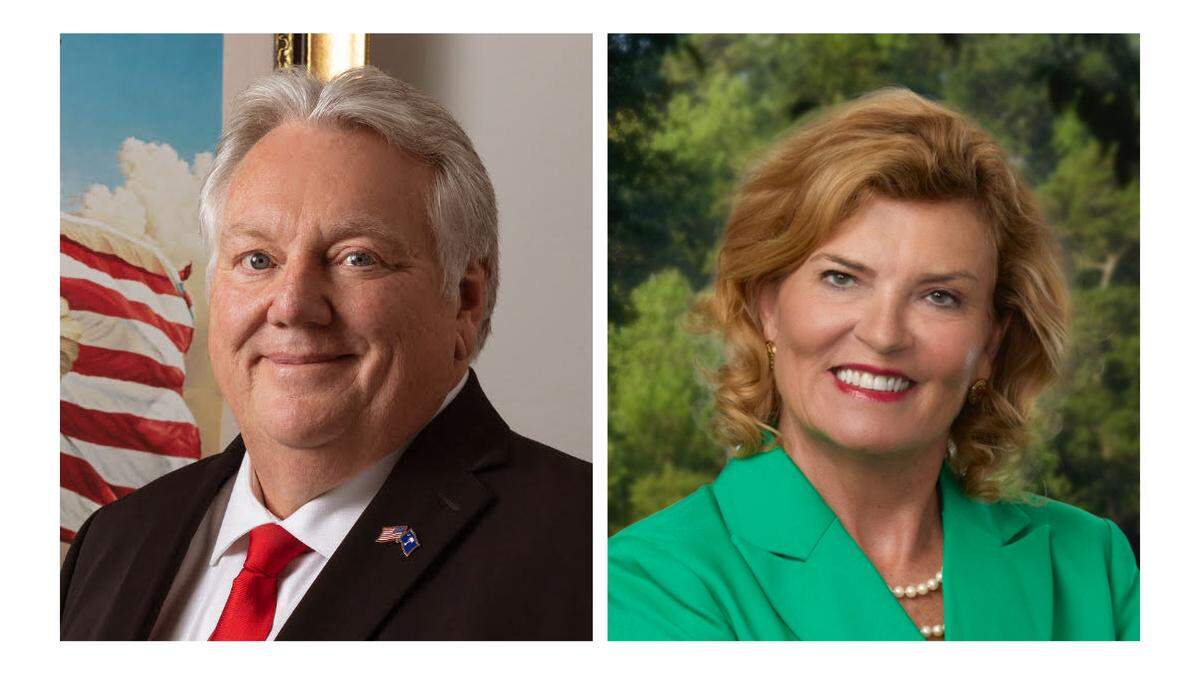
McClatchy’s South Carolina opinion team interviewed both candidates in the Nov. 5 state Senate District 26 election between Republican Jason Guerry and Democratic state Rep. Russell Ott. Our full Q&As are below.
The candidates are running for a four-year term to represent parts of Lexington, Richland and Calhoun counties. Both were emailed six questions and given 250 words for each answer as part of our endorsement process. We are publishing interviews edited for accuracy, clarity and style before we publish our endorsement so readers can assess the candidates on their own. Expect all of our endorsements the week of Oct. 20.
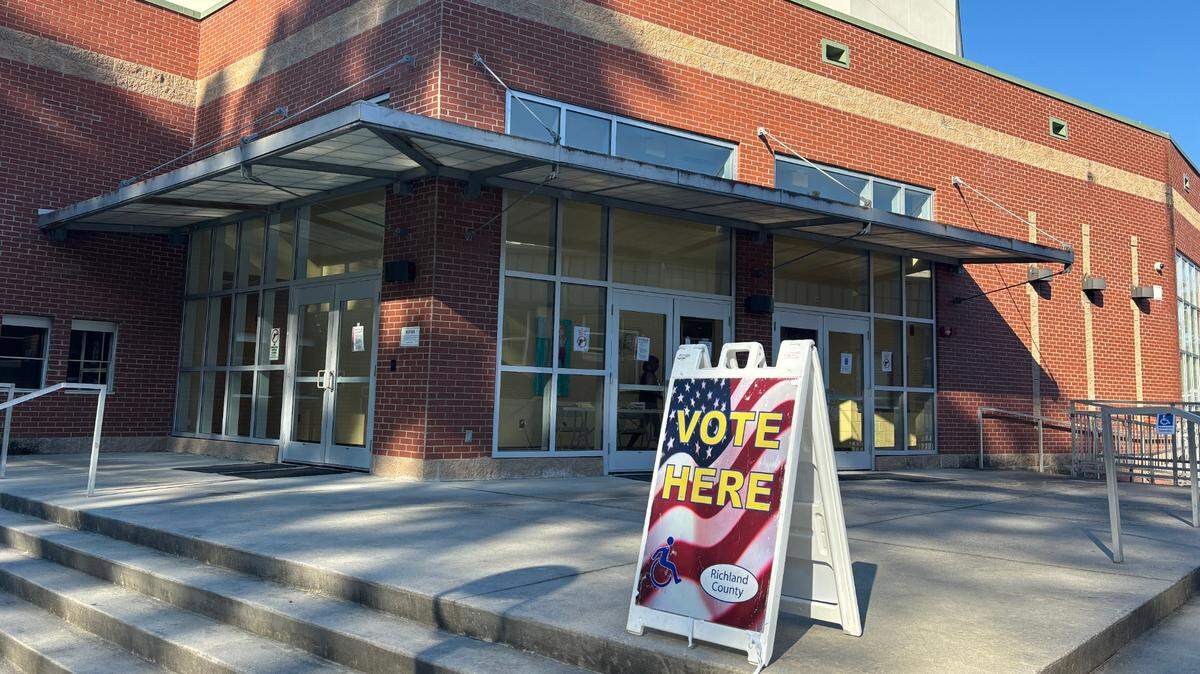
Early voting begins Oct. 21, and you can find a location here. Find your polling place, sample ballot and state Senate district here. See a map of all the districts here. If this public service helps, please consider supporting our journalism here.
Your subscriptions and support make this massive undertaking possible, so thank you for reading our work. If you have questions about our interviews or eventual endorsements, please email me.
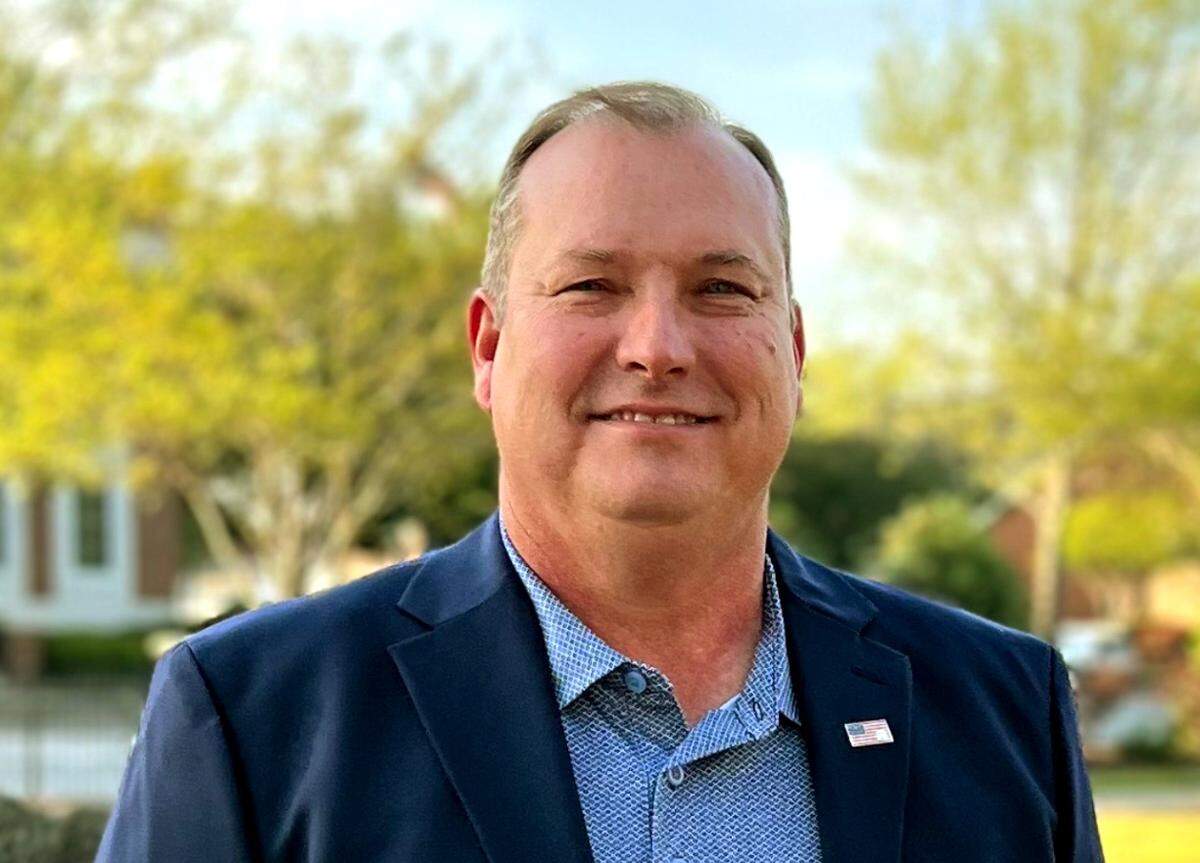
Jason Guerry
Q: What are your top three priorities and why?
A: My top three priorities are:
Promoting skilled trade education. Not all people have the means or plan to attend a four-year college/university. Learning a skilled trade will allow those who want an alternative career path to still be a productive member of society who provides a service that we all use in our daily lives. These trades like carpentry or plumbing often require hands-on training, apprenticeships or vocational education programs rather than traditional academic pathways.
Making true road improvements that aim to improve safety, efficiency and infrastructure as a whole. This will include widening roads to accommodate increased traffic flow, adding or upgrading traffic signals, signs and road markings, and installing streetlights for improved visibility at night. It will also include implementing traffic calming measures such as roundabouts, repairing potholes and cracks to ensure smoother driving surfaces, and constructing or upgrading bridges and overpasses for safer crossings. These improvements aim to create more efficient, safer and sustainable road networks for our communities, travelers and future economic development.
Addressing mental health issues. Mental health can have many complex issues that intersect in various ways and means. It’s important to note that the majority of people with mental health issues are not violent. Factors such as substance abuse, history of trauma, post-traumatic stress disorder, and being a victim of crime can all play a significant role in mental health. Acknowledging, training people to address and providing facilities that can treat mental health issues is key.
Q: What two immediate changes would you try to make to state spending?
A: The top two state expenses are education and health care. These are two items that at this time we can’t cut spending on. Getting people to work and on private health-care policy could reduce Medicaid payouts over time. We will have to look at other state spending practices to reduce spending immediately. Investing in infrastructure is crucial for economic growth and the state’s overall development. Economic growth will bring in more industry and high-paying jobs, which will have a positive impact on the state’s bottom line. There are many fees collected at the county level for the state that are not being invested back into these communities. These funds could be reallocated for major infrastructure improvements to entice manufacturing companies to South Carolina. We must stop wasteful spending on state agencies that have overlapping functions to reduce the overhead cost. One example could be to combine the State Transport Police and Highway Patrol. North Carolina combined these two agencies years ago with cost savings of millions per year for the taxpayers.
Q: How would you assess and meet the state’s future energy needs?
A: Future power generation is likely to be shaped by several key trends and technologies aimed at addressing sustainability, efficiency and reliability concerns. Some potential developments include: Renewable energy: increased adoption of renewable energy sources such as solar, wind, and hydro will lower the cost of producing energy for all South Carolina residents. Energy storage: Advancements in energy storage technologies, such as batteries and pumped hydro storage, will address intermittency issues associated with renewables and enable better integration into our aging grid system. Smart grids: Implementation of smart grid technologies will lead to more efficient, resilient and decentralized power distribution, including advanced metering, real-time monitoring and demand-response systems. Microgrids: Deployment of microgrid systems will enhance energy resilience and provide localized power generation and distribution, particularly in remote areas. Microgrids will help with the larger populated areas like Columbia, West Columbia, Cayce, Seven Oaks and Lexington. These are just a few things we can look at doing to avoid the 2030 power shortage we are expecting. If we don’t start to be proactive, we will definitely pay for it in the future with brownouts and higher utility prices.
Q: How would you address population growth and housing supply and demand?
A: Addressing population growth, housing supply and demand requires a multi-faceted approach. Strategies could include promoting sustainable urban planning, incentivizing affordable housing development, investing in infrastructure and implementing policies to encourage balanced population distribution across the state. Additionally, fostering economic opportunities in rural areas could alleviate pressure on the urban housing markets. The housing supply can be addressed in many different ways. Incentives for builders to go into older neighborhoods to revamp and update is one. We need to partner with our developers and home builders to help with demands and pricing. We need to look at all options when it comes to affordable homes. With the higher cost of homes and with current interest rates, starter homes are almost obsolete. I have two boys who recently graduated from The Citadel and struggled to find homes in the area that they could afford. Some may say that this is more of a local government issue than a state problem. With that being said, I think that your legislative delegation should work with counties to help find solutions.
Q: What more should the state do to improve public education?
A: South Carolina could implement policies to attract and retain high-quality teachers. It could allocate more resources to schools in low-income areas, invest in early childhood education programs and provide support for students with diverse needs. Additionally, strengthening partnerships between schools, families and communities can create a more supportive and rewarding education environment. Parent involvement is key to increasing children’s test scores and activity in school programs. We as a state can’t just keep throwing money at the problem and expect to see a change. A good starting point would be to look at programs that are failing and determine why they are failing. What is working in one part of the state might not be right for all students. We have a diverse state with a lot of areas that need a more creative learning approach. This is a case of one shoe that doesn’t fit all, and there isn’t a universal fix to public education. We don’t need to be afraid to look at what the top 10 states in the country are doing with education and study their best practices. In my experience, it doesn’t hurt to look at what the other guys are doing. We need to listen to the teachers in the classrooms. They are the front-line soldiers in education.
Q: Why should voters choose you over your opponents in this election? (385 words)
A: I bring a fresh perspective and unwavering dedication to creating positive change. I am not a professional politician, and I am committed to transparency and accountability. I bring new energy and innovative ideas to the table. As a state senator, I will be dedicated to fostering open communication, engaging with constituents and implementing policies that reflect the needs of our diverse population. I am committed to amplifying the voices of all residents of District 26 and ensuring that their concerns are addressed. This will be one of my top priorities.
We need to prioritize road construction and infrastructure in Lexington and Richland counties and underfunded fire and rescue services in Calhoun County. We need to address mental health in our state. We need to end corporate welfare. My opponent voted to give an out-of-state billionaire $90 million of taxpayer money to construct an interchange for his football team’s new practice facility. The billionaire pulled out of the deal and left the taxpayers of our state holding the bag.
As a state senator, I will work to end government waste and ensure that taxpayer dollars are spent wisely. I will also work to promote skilled trade education and to make sure that our technical schools and colleges have what they need.
I have a deep understanding of the issues that matter most to the people I aim to serve. A successful senator must be able to listen, empathize and collaborate effectively. I am truly passionate about championing our community’s needs.
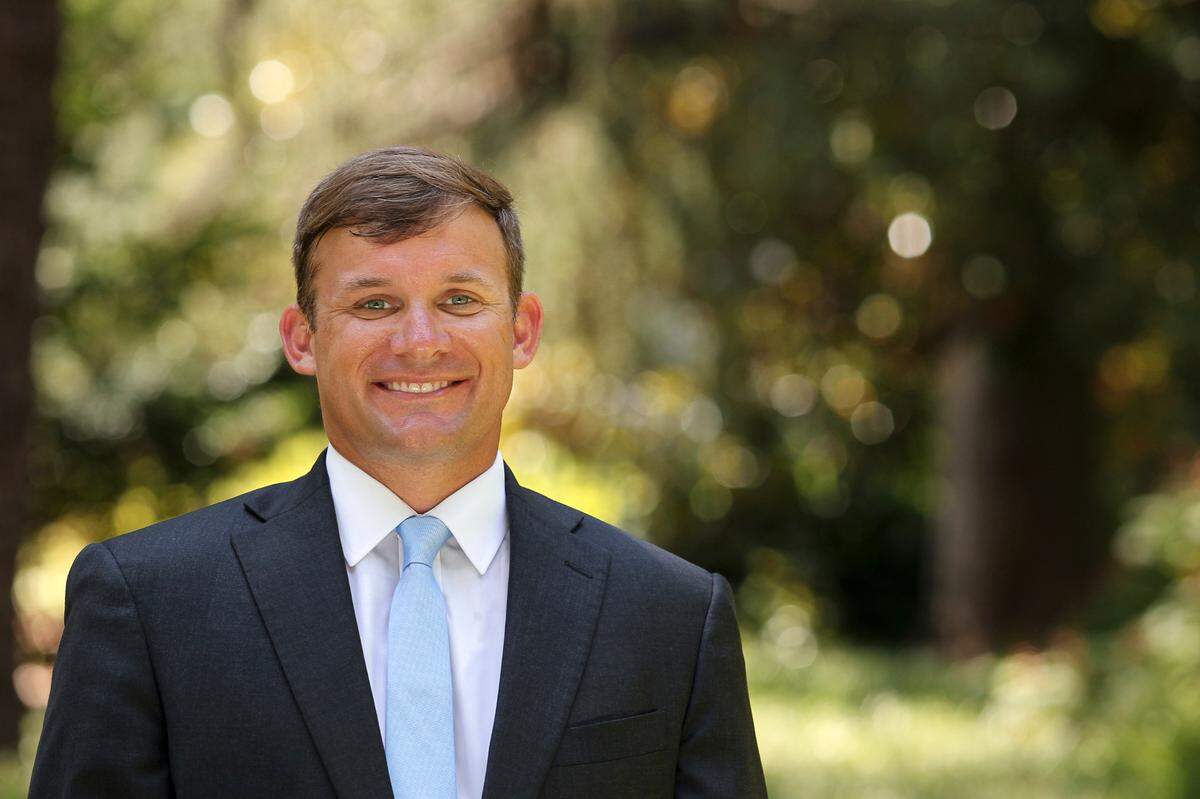
State Rep. Russell Ott
Q: What are your top three priorities and why?
A: Public education will always be my top priority. We must improve the quality of public education, regardless of where a student lives. By improving our public schools, we can solve many of the problems facing our state – from poverty to poor health outcomes to crime. We don’t accomplish that by taking public dollars and sending them to private schools. It’s past time the General Assembly gets serious about improving public education. I often wonder where we would be had we dedicated the time spent on vouchers to improving our public schools. We can’t go back, but we can start now.
Health care. We should have expanded Medicaid 10 years ago. The vast majority of people this would help are folks who are working – oftentimes working multiple jobs – but don’t make enough to afford to purchase insurance and don’t qualify for Medicaid. We must make health care more affordable and accessible to all South Carolinians, particularly in the rural areas of our state.
Planning for the growth of South Carolina by ensuring expanding access to affordable and reliable electricity, repairing our roads, protecting our natural resources and providing clean water and available wastewater in high-need areas. This should be a priority not not just when we want to attract new businesses, but to serve the residents who live here. Ultimately, we need a long-term vision of what we want South Carolina to look like. We should ensure that we have opportunities for employment in all parts of our state, not just the most affluent areas.
Q: What two immediate changes would you try to make to state spending?
A: We must increase accountability and oversight. There’s no excuse for state government miscounting $3.5 billion or misplacing $1.8 billion in our tax dollars. We must take steps to ensure that this never happens again, regardless of who is state treasurer or comptroller general.
I want to find alternative sources of revenue. More revenue means we can provide more funding to vital public services, like education, and it means we can lower the tax burden placed on South Carolina families.
There are a few ways to do this. We can increase revenue by increasing freedom, by legalizing sports betting or medical marijuana – both of which are already legal in most states. We can also do this by collecting more revenue by doing things like cracking down on online retailers who operate in our state without paying sales tax.
Q: How would you assess and meet the state’s future energy needs?
A: During my time in the House, I’ve worked extensively on the state’s future energy needs. I’ve been on the frontlines since V.C. Summer, when I was put on the House
Ratepayer Protection Committee. When looking at these issues, my approach has always been to apply three lenses: affordability, reliability, and – to the greatest extent possible – renewability. I believe there is a way to find a balance here – to provide affordable electricity today, while working to include renewable resources in the future.
Q: How would you address population growth and housing supply and demand?
A: It takes long-term planning. Right now, we have a lot of people moving here, many of whom are retirees. This population growth poses challenges for our infrastructure, like roads and bridges, our health care system, our housing market, and more.
As our population grows, so does the demand for housing. I support responsible efforts to build more housing units. Having unaffordable housing hurts working families and it leads to more people becoming homeless, which is a problem that our leaders have ignored for far too long.
Q: What more should the state do to improve public education?
A: We can start by ending the assault on public education and our teachers. Let’s make sure that schools in every part of our state have the resources they need. Act 388 has led to funding shortages in many school districts, especially in rural areas. In recent years, we’ve made some significant investments to address these disparities, but we haven’t done enough.
I believe that public money belongs in public schools, and that is why I oppose private school vouchers. We can’t afford to take away money from public schools, and we shouldn’t send it to private schools, which aren’t held to the same standards.
Finally, let’s respect our teachers and treat them like the professionals they are. We are facing an historic statewide teacher shortage. Having too many vacancies leads to higher class sizes, which leads to worse educational outcomes. We should pay teachers what they deserve and give them the support they need to do their jobs effectively.
Q: Why should voters choose you over your opponent in this election?
A: We live in one of the most unique districts in South Carolina. It runs from the fields of Calhoun County to the suburban neighborhoods of Lexington County to the high rises of downtown Columbia. It’s important our next senator be a voice for everyone, to truly represent this large and diverse district. I have worked hard during my time in the South Carolina House to be someone who will listen to folks on all sides of an issue and to cast a vote that I truly believe will improve the lives of all South Carolinians. The unprecedented growth we have experienced in recent years means our state is changing everyday. I have the experience it will take to stand up for our Midlands district – to make sure we don’t get left behind places like Charleston and Greenville. My opponent has refused to take a stand on the tough issues, while I have a proven record of fighting government corruption, standing up for workers and small business, working to lower the cost of electricity, supporting our rural communities and finding ways to unite people on both sides of the aisle to move our state forward.
This story was originally published October 7, 2024 at 6:00 AM.