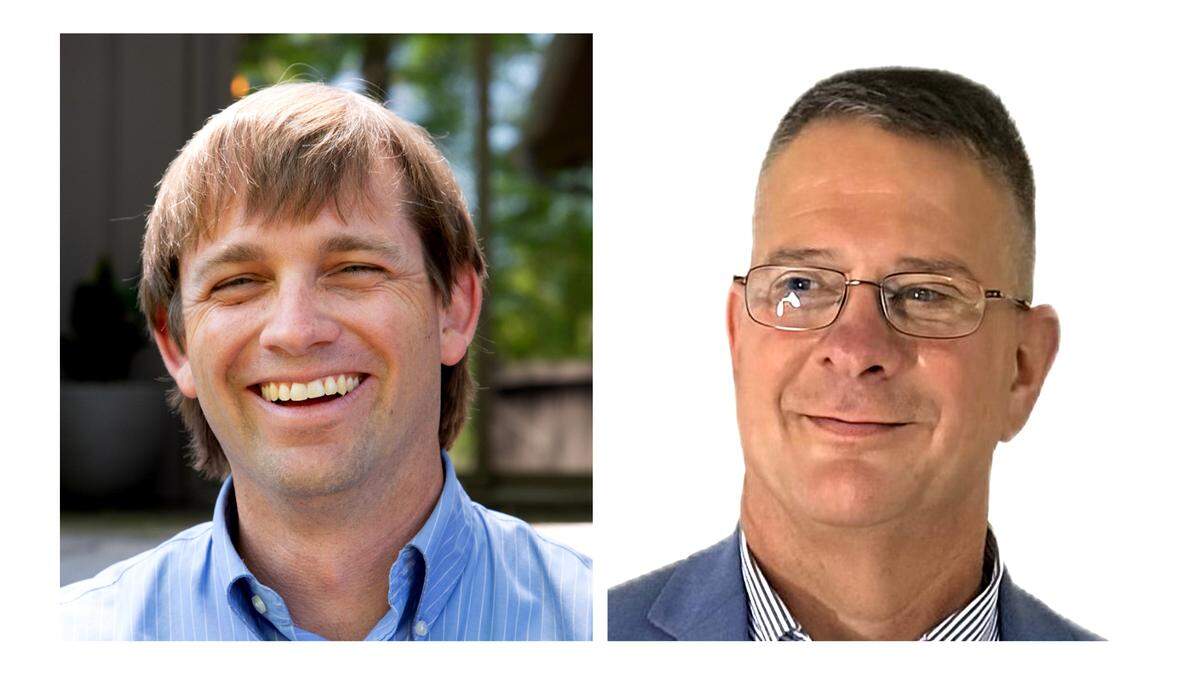
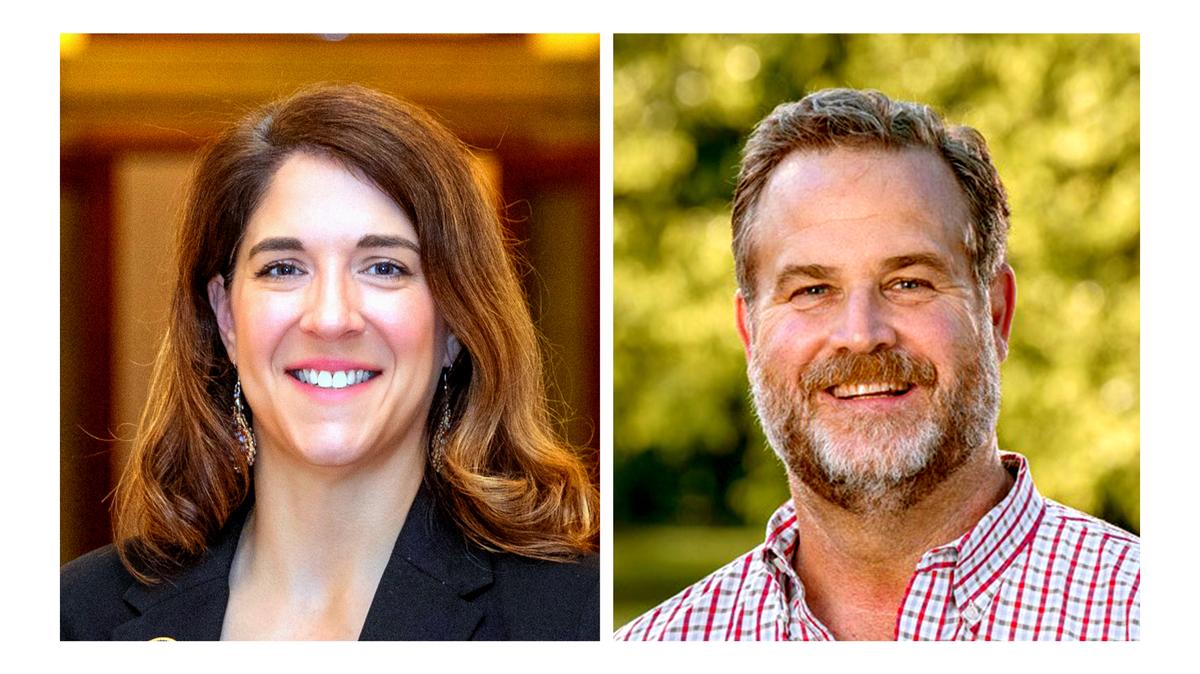
Read our full Q&As with SC state House District 75 candidates Heather Bauer, Kirkman Finlay
READ MORE
Candidate Q&As
Opinion team interviews for the Nov. 5, 2024 general election
Expand All
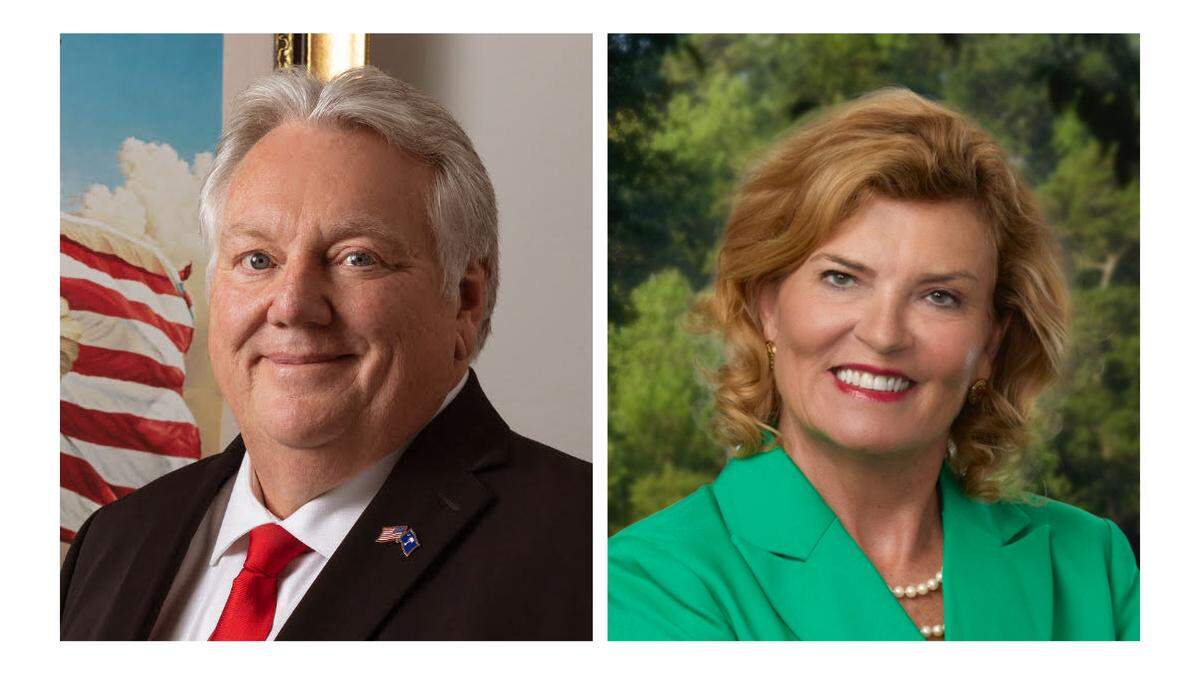
McClatchy’s South Carolina opinion team interviewed both candidates in the Nov. 5 state House of Representatives District 75 election between Democratic Rep. Heather Bauer and Republican former Rep. Kirkman Finlay III. Our full Q&As are below.
The candidates are running for a two-year term to represent part of Richland County. Both were emailed six questions and given 250 words for each answer as part of our endorsement process. We are publishing interviews edited for accuracy, clarity and style before we publish our endorsement so readers can assess the candidates on their own. Expect all of our endorsements the week of Oct. 20.
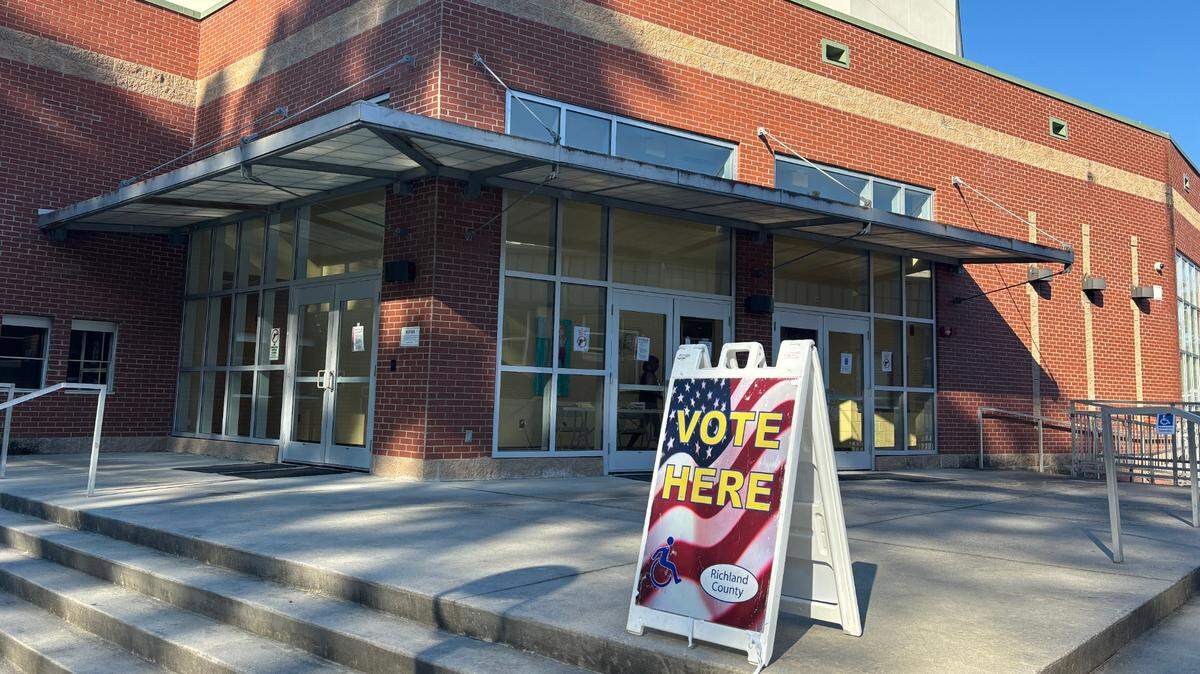
Early voting begins Oct. 21, and you can find a location here. Find your polling place, sample ballot and state house district here. See a map of all the districts here. If this public service helps, please consider supporting our journalism here.
Your subscriptions and support make this massive undertaking possible, so thank you for reading our work. If you have questions about our interviews or endorsements, please email me.
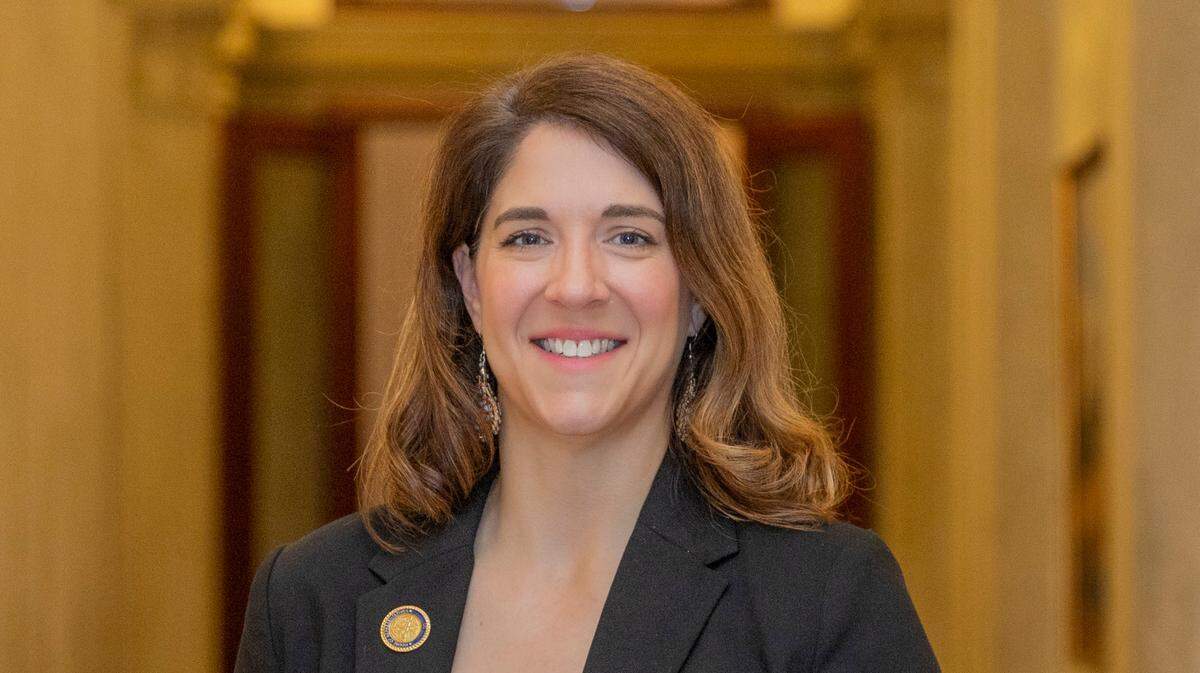
Incumbent state Rep. Heather Bauer
Q: What are your top three priorities and why?
A:
Job creation. Columbia is overdue for the investment and growth that Charleston and Greenville have celebrated. Over the last two years, I’ve taken steps that I believe will grow our economy. Consider two examples: First, the blighted Columbia Mall on Forest Drive is being demolished and will be redeveloped into an important commercial hub. My Richland County colleagues and I secured funding in the budget for this long-overdue project. Second, I was proud to work with Republican colleagues to create the first South Carolina trade commission ever with the Republic of Ireland to help open Irish markets to South Carolina products. If reelected, I will continue to pursue growth-minded opportunities like these.
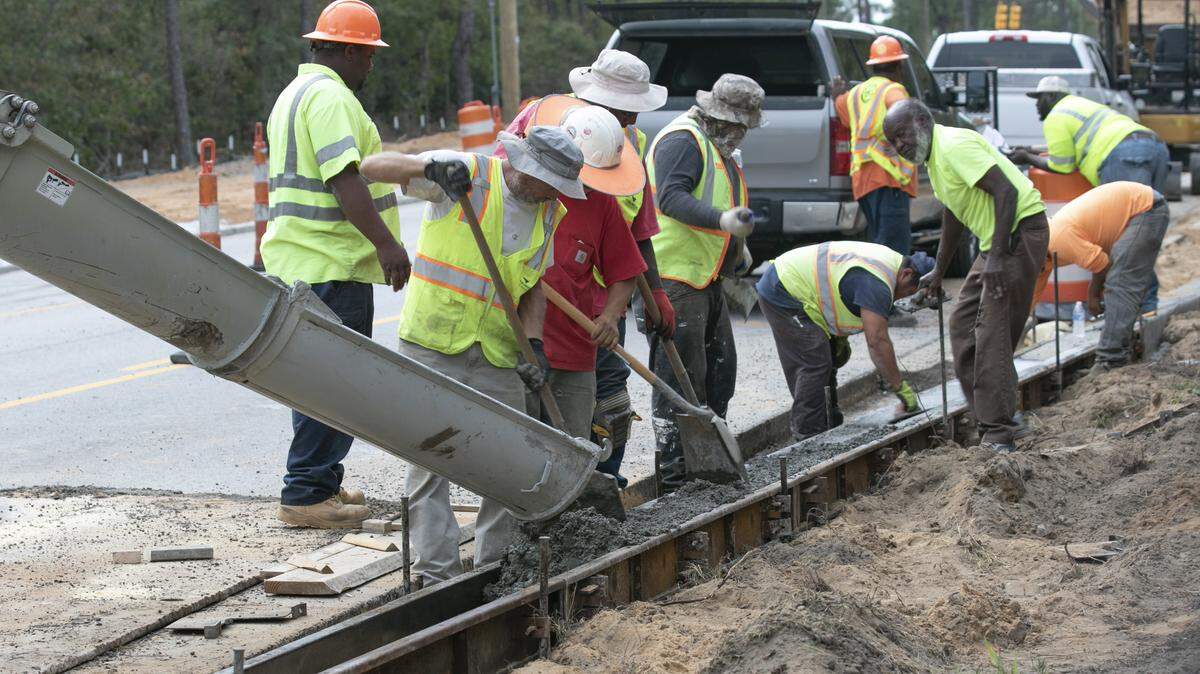
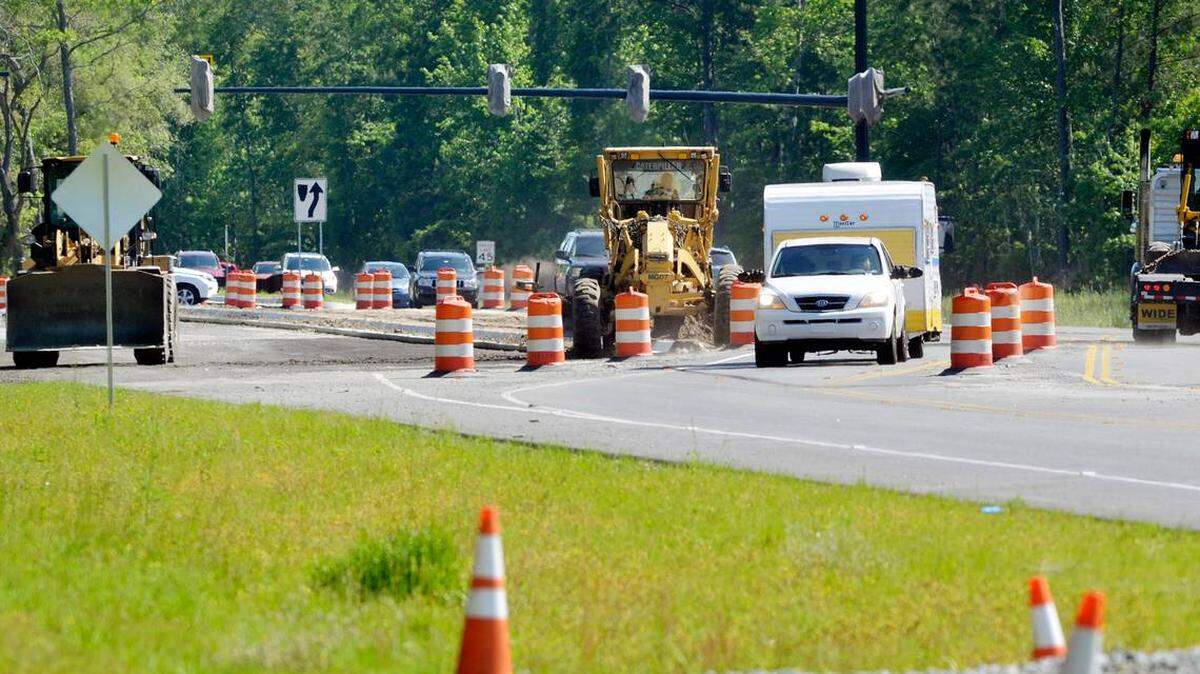
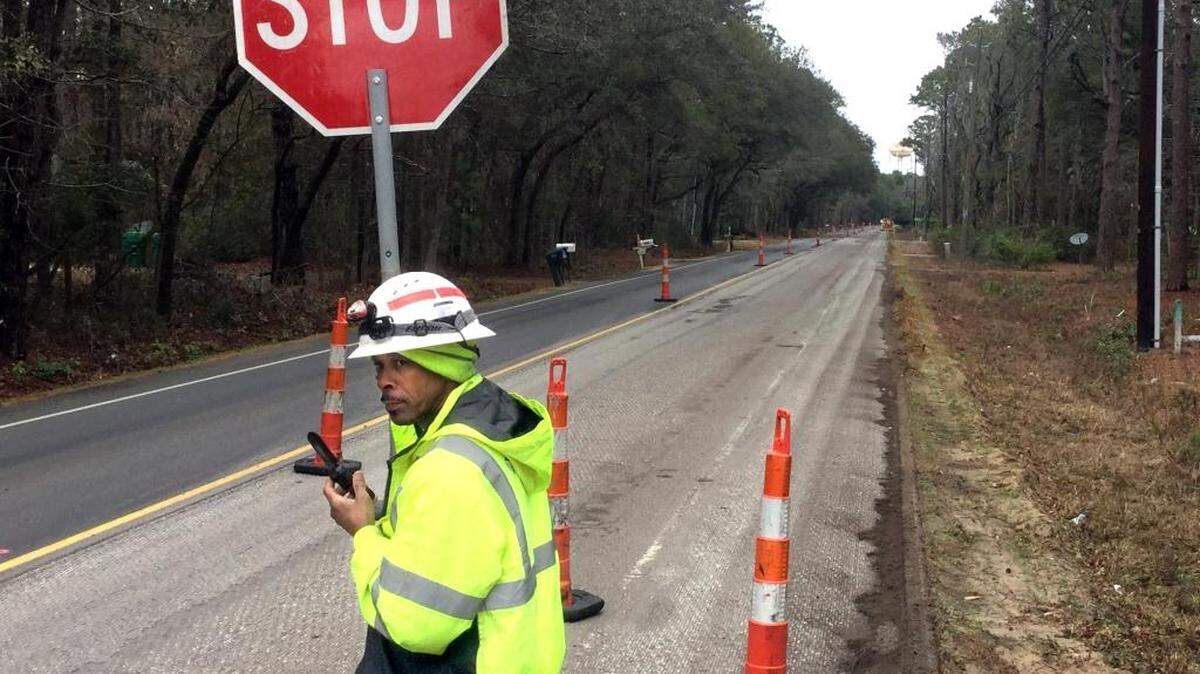
Infrastructure improvements in the district. I have been working with neighbors, SCDOT, Richland County, Columbia and Forest Acres to identify specific projects in the district to improve our infrastructure. Through a series of community meetings, we have identified and solved needs ranging from road repair and sidewalk construction to stop signs and landscaping needs. These projects make roads in the district safer and demonstrate that all levels of government can respond to constituent needs. This will remain a top priority.
Restoring the right of women to choose an abortion. Republicans such as Kirkman Finlay believe the government should decide whether and when a woman gives birth. The abortion ban passed in 2022 effectively eliminates a woman’s right to choose and has imposed cruel hardships on women seeking basic health care. I would restore these freedoms and repeal this law.
Q: What two immediate changes would you try to make to state spending?
A:
I support greater budget transparency for earmarks resulting in grant money going to nonprofit organizations. Some of these groups do wonderful work, but there is also abuse and a lack of transparency. For example, when my opponent served in the House, he directed more than $325,000 in budget earmarks to a shadowy nonprofit founded by his family members and run by a friend and aide. Gov. Henry McMaster’s executive order requiring agencies to report these funds is a good first step, but we need greater disclosure on the legislative side as well.
I would cut the state treasurer’s salary to $1 until the current treasurer resigns from his office. The treasurer is responsible for the safe and secure investment of state money. However, the current treasurer, Curtis Loftis, cannot account for $1.8 billion on the state’s books. The Senate Finance Committee is investigating the matter, but Mr. Loftis has responded to that probe with acrimony and finger pointing. He needs to go. In 2022, another dysfunctional constitutional officer, the state comptroller, lost track of $3.5 billion. A bipartisan group of lawmakers was able to force him to resign by passing my amendment to reduce his salary to $1. I support using budget changes to hold the treasurer accountable as well.
Q: How would you assess and meet the state’s future energy needs?
A: Our state is growing, so we will need additional energy to support that growth. Some of these gains can and should be met by increased efficiency and renewable energy. Efficiency is particularly important because investing in efficiency, such as better insulation and windows, saves consumers money on their power bills. While I also strongly support wind and solar, traditional forms of electricity generation will remain necessary to ensure a reliable supply when the sun isn’t shining and the wind isn’t blowing. I am open to nuclear and gas as preferable to the dirty coal plants that provide too much of our state’s energy.
However, as we pursue new forms of power generation, I will oppose schemes such as the gas plant bill that I helped kill last year. That bill was a blank check to Dominion Energy to build the plant on the backs of ratepayers. South Carolina families would pay increased power bills so a foreign power utility could raise billions of dollars to build the plant, build pipelines, condemn and seize private land, and build speculative industrial sites. It was shockingly similar to the Base Load Review Act fiasco that destroyed SCE&G and saddled ratepayers with a nuclear plant that never got built. I’m proud to have helped kill the gas plant bill, H.5118, and will oppose similar bills.
Q: How would you address population growth and housing supply and demand?
A: Population growth can strengthen our economy and create wealth if we provide adequate infrastructure and housing.The need for greater infrastructure spending in Richland County is the reason I am supporting the penny tax referendum this fall. We really don’t have a choice — if we don’t upgrade our roads and bridges now, we won’t be able to meet the needs of employers like Scout Motors and the industries that will want to relocate to be in proximity to the new plant.
Concerning housing, we face similar challenges. I would like to see tax incentives for builders building owner-occupied housing for middle income families. I am also focused on looking for ways to cut red tape and make it easier to build. When it comes to housing, we need to change our mindset and look for reasons to say “yes.” The only way to make home ownership more affordable is to build more homes.
Q: What more should the state do to improve public education?
A: Right now, I am focused on our school district, Richland One. According to South Carolina’s annual report card, only 1 in 2 Richland One graduates are career ready; just 1 in 4 are college ready. Five of our seven high schools are below average or worse. These numbers are unacceptable. We are leaving behind a generation of children in our community.
District leadership is not focused on the most important issues. Last year, this mismanagement became painfully obvious when teachers were abruptly reassigned mid-year because the district failed to recruit enough teachers before the school year began. This chaos hurt children and teachers and prompted me to speak up and get involved. Meanwhile, Richland One began building a $31 million building without the prerequisite legal approvals. Now the project is stalled, and the district is being sued by neighbors claiming the project is flooding their neighborhood. I called for an investigation by the South Carolina Office of the Inspector General, which revealed that Richland One had broken the law.
In Columbia, I believe our biggest challenge with public education is getting Richland One working again. We have the money we need, but instead of spending tens of millions of dollars on new buildings, Richland One needs to get back to the basics — teacher staffing, building repairs, and results. I intend to continue to use my influence as a lawmaker to push for local reforms.
Q: Why should voters choose you over your opponent in this election?
A: Kirkman Finlay still hasn’t come clean over his six votes to ban abortion. The bill he supported (H.5399) had no exceptions for viability or fetal abnormality, so women with non-viable pregnancies would have to continue to carry and eventually give birth to their deceased babies. The bill included no exception related to the age of a child, so a pregnant child as young as 10 would be forced to become a mother. There was a 12-week exception for rape and incest, but only if a doctor reported it to law enforcement. It’s an extreme law and South Carolina women are suffering because of the extreme views held by Finlay and others like him.
I don’t believe Finlay expected to be challenged over his extreme views, because after he voted to strip South Carolina women of their rights, he “walked” on the final vote. Walking on a tough vote was a common Finlay tactic throughout the 10 years he served in the House. During his tenure, Finlay missed 1,450 votes — more than 21 percent of all votes in the House. In 2022, when I ran, I promised I would show up and vote, especially when it’s hard. I’ve kept my word — I missed only 29 of 1,540 votes in my two years in office.
I’ve also worked across the aisle to get things done. I’m fighting for your rights and to make government work. And I’m holding members of both parties accountable. If given a chance, I’d be honored to continue this work for two more years.
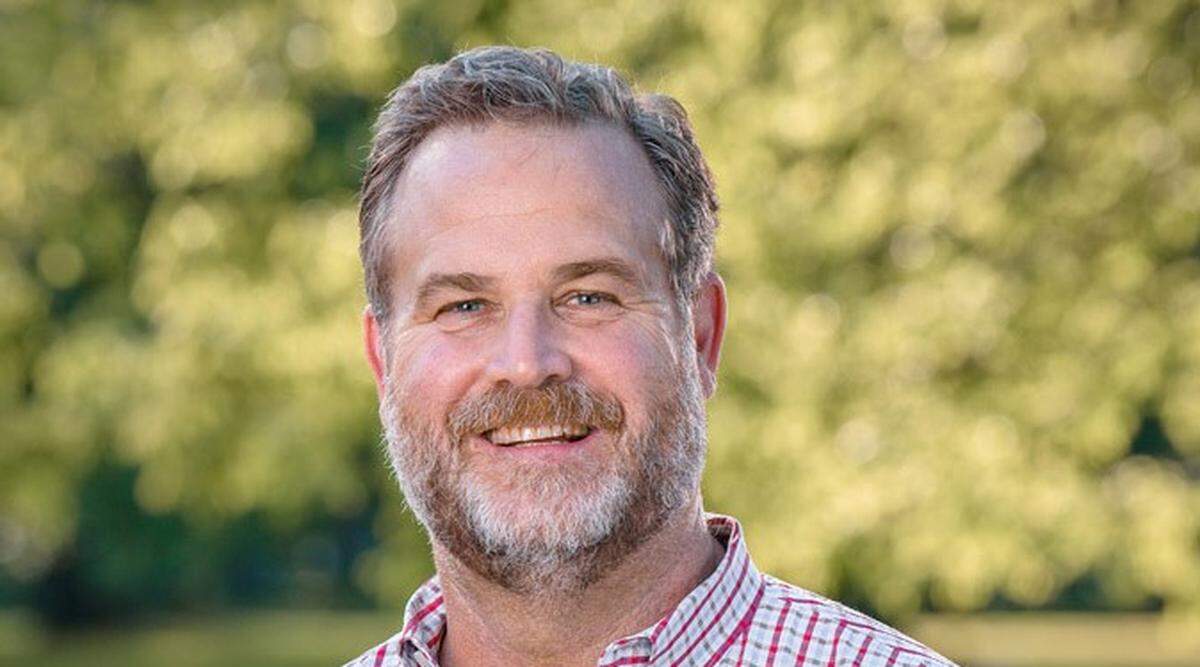
Former Rep. Kirkman Finlay III
Q: What are your top three priorities and why?
A:
1. Economy and inflation
My top priority is the economy. Inflation is hitting families and seniors hard, and we need real solutions. As a businessman, I know what it takes to create jobs and grow the economy. By reducing regulations, improving workforce development and investing in essential infrastructure, we can boost growth and ease the burden on working families. While my opponent wrongly claims to have cut property taxes, I will honestly pass real tax relief that helps spur our economy into greater prosperity for all.
2. Restoring trust and accountability
It seems like every day we see another story of government misinformation, scandal or failure featuring another lying politician. We deserve better than failing government and hyperbolic claims. Our public servants have a duty to be honest and to hold government accountable. We must ensure that taxpayer dollars are spent responsibly and efficiently and not spent to enrich the already rich and powerful. I’m committed to getting our spending under control, ensuring taxpayer dollars are used efficiently, and restoring honesty and transparency in government.
3. Community safety and common sense
We need to return to common sense and civil discourse. We must move away from dangerous and extreme agendas that oppose penalties for drug traffickers, support defunding law enforcement, allow biological men in girl’s bathrooms and promote giving drugs that cause irreversible harm to children. It’s time for normal policies that protect our communities and ensure sanity prevails in our laws.
Q: What two immediate changes would you try to make to state spending?
A: I will stand against a system that taxes hard-working families to fill the pockets of corporate billionaires. That’s why I opposed handouts like the failed Panthers deal, rewarding the rich while leaving taxpayers empty-handed. In contrast, my opponent supports corporate welfare, including a staggering $400 million giveaway to a foreign corporation. The government should create conditions that promote jobs and opportunity, not favor massive corporations at the expense of struggling families and small businesses.
I propose two immediate changes: implementing zero-based budgeting and conducting thorough audits of government expenditures. These steps will restore trust in our state government and ensure taxpayer dollars are spent wisely.
Zero-based budgeting would require every budget item to be justified from the ground up, eliminating unnecessary spending and prioritizing essential services. This approach promotes responsible stewardship of public resources by ensuring funds are allocated efficiently and transparently. Additionally, unused funds should be allowed to carry over to the next budget, preventing overfunding of projects and encouraging fiscal responsibility.
Conducting comprehensive audits is crucial to uncover waste and inefficiencies.The relatively recent discovery of $1.8 billion in unaccounted funds highlights the urgent need for better oversight. In 2023, I called for an audit to identify areas where taxpayer dollars are being mismanaged and to ensure such discrepancies are corrected.
We deserve transparency and accountability in how our money is used. I have a proven record of delivering on that promise.
Q: How would you assess and meet the state’s future energy needs?
A: South Carolina is growing rapidly, and without proactive energy planning, we’ll face blackouts, shortages and high utility bills like in California. Meeting future energy needs requires a balanced, comprehensive approach that ensures sustainability, reliability and affordability. We need more energy of every type.
I support a strategic combination of renewable energy adoption, diverse sourcing, energy efficiency measures, grid modernization and technological innovation. I am deeply committed to clean energy and personally use solar power on my farm. However, this doesn’t mean we should take other energy sources like natural gas off the table. My opponent opposes expanding natural gas while simultaneously co-sponsoring legislation that creates more red tape for solar energy. I don’t advocate for anti-energy policies as we see in California that could lead to economic downtown and human suffering. Such policies have already led to blackouts and economic challenges there.
I advocate for a holistic assessment of our current energy infrastructure, involving stakeholders from government, industry and environmental organizations to ensure a well-rounded strategy. Proactive investment in renewable energy, if done correctly, can stimulate economic growth and create jobs. Energy efficiency measures are also crucial for reducing demand and lowering costs, making energy more accessible for all South Carolinians. Diversifying our energy sources and investing in storage solutions are vital to ensure our energy needs are met reliably and affordably. We must encourage innovation and research to develop emerging technologies that offer additional solutions.
Q: How would you address population growth and housing supply and demand?
A: To address population growth and the housing shortage, we need a comprehensive approach that prioritizes the needs of everyday citizens, not just wealthy developers. First, we must invest in critical infrastructure like roads, utilities and transportation to support housing expansion. While in the legislature, I fought to ensure funding was allocated based on need, not politics. Columbia has been overlooked for too long, and it takes someone with strong relationships with party leadership to ensure our city isn’t left behind.
Second, we need to roll back local mandates and excessive regulations that are inflating housing costs. During this inflation crisis, it’s crucial to implement a moratorium on rules that drive up prices, making it harder for residents to afford homes. These policies often end up taking from those who are struggling the most, only to benefit wealthy developers who can navigate the system. By streamlining regulations, we can encourage the construction of affordable housing and relieve pressure on the market.
We should also incentivize the private sector to take part in affordable housing initiatives and promote innovative solutions like tiny homes and accessory dwelling units. With my background in development, I know that smart policies can spur the economy and increase the housing supply without burdening those living paycheck to paycheck. We can ensure all South Carolinians have access to safe, affordable housing without sacrificing our community’s needs or taxing the poor to benefit the rich.
Q: What more should the state do to improve public education?
A: Too many of our graduates are not college- or career-ready. We need to overhaul South Carolina’s education system, focusing on workforce readiness and access to higher education. By integrating career and technical education into the K-12 curriculum, we can better prepare students for success.
Quality teachers are the heart of good education, yet our schools are losing them to burnout and red tape. When serving as representative for House District 75, I voted to raise teacher pay and supported education reform aimed at improving workforce development and career readiness and reducing paperwork and oversized classes. Sadly, COVID-19 hit, derailing efforts. After I left office, these desperately needed reforms were seemingly forgotten.
We must expand options for families. Introducing choice, from tax credits to open enrollment, empowers parents and creates competition that drives improvement. Every child is unique, and a one-size-fits-all system leaves too many behind. My opponent voted against these options, trapping families in a failing system.
Finally, too much money is wasted before it reaches the classroom. Teachers shouldn’t have to pay for basic supplies. The funds are there but mismanaged. We need to ensure taxpayer dollars go directly to improving student learning, not maintaining a broken system. My approach puts parents and teachers first to make schools stronger and more effective.
Q: Why should voters choose you over your opponent in this election?
A: Voters have a clear choice in this election: commonsense policies or radical politics.
Crime: My opponent did not support penalties for fentanyl trafficking or South Carolina immigration enforcement. I stand firmly for law enforcement, oppose defunding the police and voted to ban sanctuary cities.
Education: Heather Bauer opposed every measure that empowered parents, including parental notification, transparency and attending the public school of your choice, trapping families in failing schools. I believe parents, not politicians, should make educational decisions.
Radical ideologies: Bauer supports the dangerous, radical gender agenda, even voting to allow harmful, irreversible drugs to be pushed on children to change their sex using tax dollars. On the other hand, I voted for the Save Women’s Sports Act to keep biological boys out of girls’ sports. As a father of three girls, protecting our girls is my top priority. I won’t harm children to push a radical agenda.
Economic spending: Bauer voted to hand over $400 million in corporate welfare to wealthy elites while misleading the public about tax cuts. Meanwhile, small businesses — the backbone of our economy — get nothing. Government should help all businesses thrive, not play favorites by picking winners and losers.
Bottom Line: Bauer is dangerously radical, obsessed with a single issue, and more focused on opposing Donald Trump than serving Columbia. I stand for commonsense solutions that protect families and support our city.
This story was originally published October 7, 2024 at 6:00 AM.