Read our full Q&As with SC Senate District 35 candidates Jeffrey Graham, Mike Jones

READ MORE
Candidate Q&As
Opinion team interviews for the Nov. 5, 2024 general election
Expand All
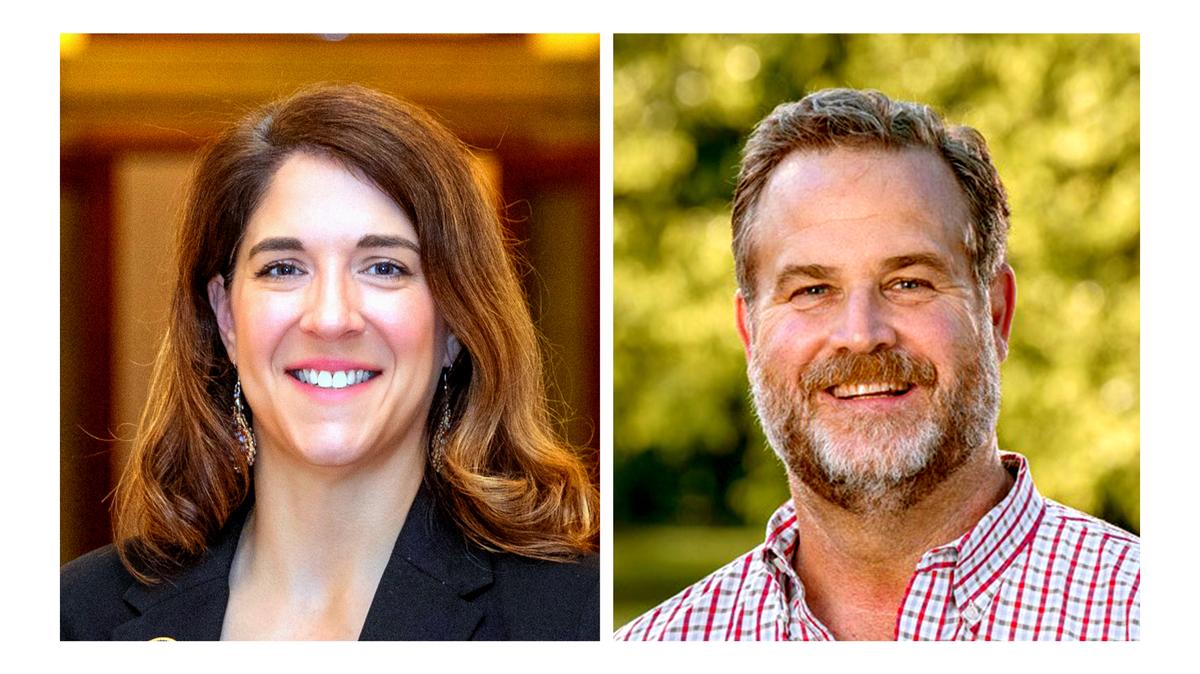
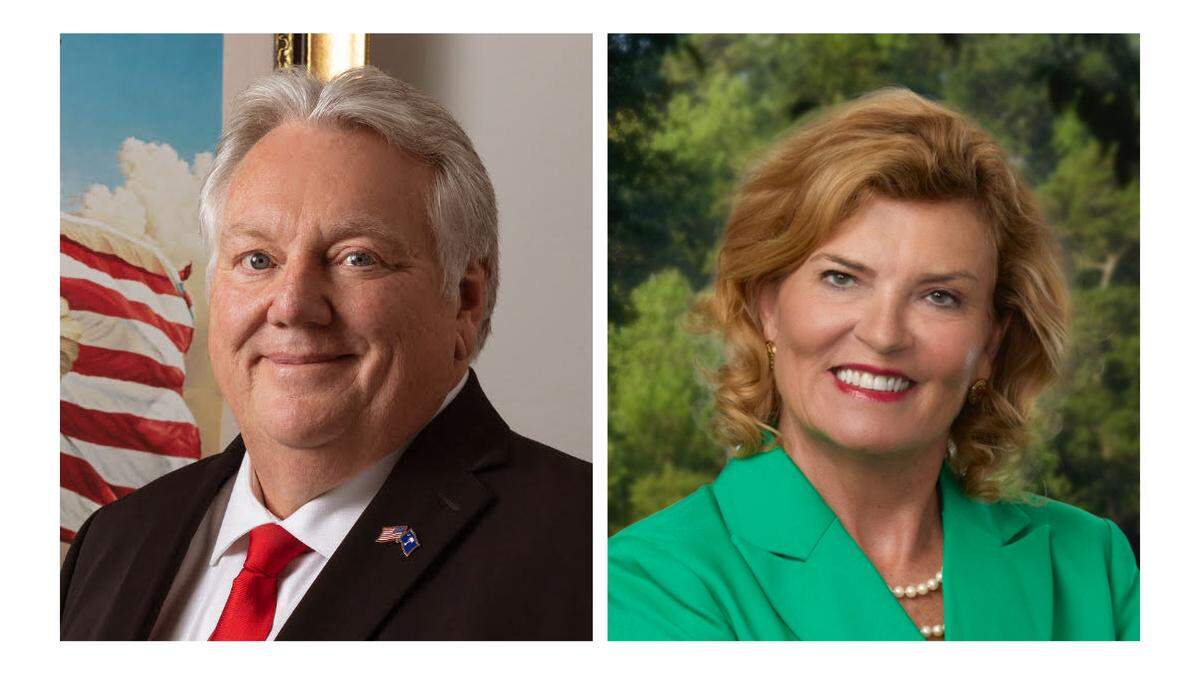
McClatchy’s South Carolina opinion team interviewed both candidates in the Nov. 5 state Senate District 35 election between Democrat Jeffrey Graham and Republican Mike Jones. Our full Q&As are below.
The candidates are running for a four-year term to represent parts of Kershaw, Lee, Richland and Sumter counties. Both were emailed six questions and given 250 words for each answer as part of our endorsement process. We are publishing interviews edited for accuracy, clarity and style before we publish our endorsement so readers can assess the candidates on their own. Expect all of our endorsements the week of Oct. 20.
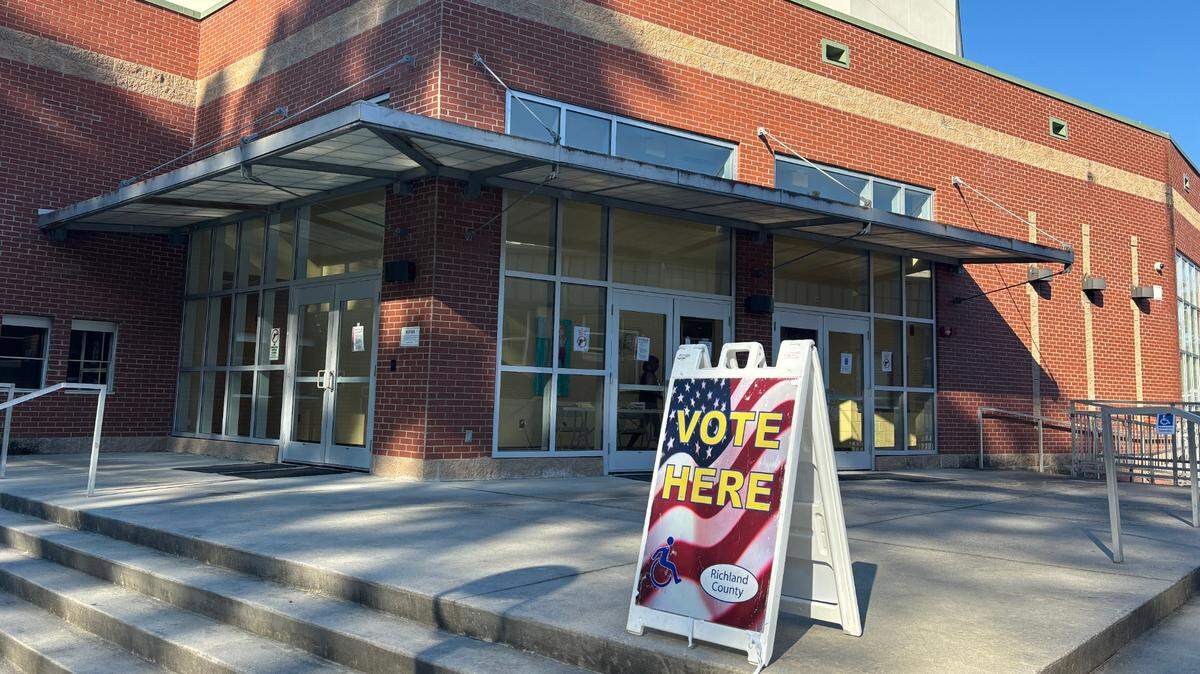
Early voting begins Oct. 21, and you can find a location here. Find your polling place, sample ballot and state Senate district here. See a map of all the districts here. If this public service helps, please consider supporting our journalism here.
Your subscriptions and support make this massive undertaking possible, so thank you for reading our work. If you have questions about our interviews or eventual endorsements, please email me.

Jeffrey Graham
Q: What are your top three priorities and why?
A: As the former mayor of a small town, I recognize that infrastructure and economic development must be priorities for Sumter, Lee, Richland and Kershaw counties. The addition of advanced manufacturing and other industrial jobs that require a skilled workforce keeps our overall tax base low and provides essential opportunities for young adults to return to or stay in our communities, and reduces the need to commute long distances. None of it works, however, if our roads, bridges and public utilities are in disrepair.
Improving education in South Carolina is crucial. By enhancing our curriculum to include more career and technical education, fostering partnerships with local businesses for internships and apprenticeships, and providing access to advanced technology and resources, we can equip students with skills and knowledge needed for today’s job market. Investing in teacher training and support will also ensure that educators can deliver high-quality instruction that meets the demands of modern industries. By prioritizing these improvements, we can create a robust educational system that boosts student achievement and drives economic growth and prosperity across the state.
Protecting women’s medical freedom in South Carolina is fundamental to ensuring equality and justice for all. This includes advocating for comprehensive health-care access, enforcing equal pay and supporting policies that prevent gender-based violence and discrimination. By implementing strong legal protections and fostering an inclusive environment, we can empower women to fully participate in all aspects of society, from the workplace to the political arena, promoting a more equitable and thriving state for everyone.
Q: What two immediate changes would you try to make to state spending?
A: Serving on the Santee-Lynches Regional Council of Governments as a current Camden City Council member, I have learned that South Carolina does not maximize its federal funding. Maximizing this funding mechanism is crucial for the state’s growth and development. By strategically matching state tax dollars, we can leverage additional federal resources to enhance public services, infrastructure and community programs. This approach amplifies the impact of our investments. Prioritizing the alignment of state and federal funds is a smart and effective way to support our state’s progress and prosperity. We are leaving money on the table.
Ensuring that all funds are allocated correctly and spent according to the state budget is crucial for maintaining transparency, accountability and fiscal responsibility. Rigorous oversight mechanisms, including regular audits and comprehensive reporting, help to guarantee that taxpayer dollars are used effectively and efficiently. By closely monitoring expenditures and adhering to budgetary allocations, we can prevent mismanagement and fraud, and be assured that resources are directed towards their intended purposes, such as education, health care and infrastructure. This diligent financial stewardship fosters public trust and ensures that state funds are used to maximize benefits for all South Carolinians.
Q: How would you assess and meet the state’s future energy needs?
A: Our state’s availability of power is in dire straits, and the problem rests solely at the feet of those that failed in developing the V.C. Summer nuclear facility and the lack of political leadership to develop alternative solutions in the aftermath of that failure. I’m a proponent of renewable energy and we need to find creative ways to couple solar energy with battery storage systems. BUT we cannot mothball another existing facility in the state until we have developed a comprehensive pathway forward. Without a strategic plan, rolling blackouts and lost economic development opportunities are right around the corner.
Q: How would you address population growth and housing supply and demand?
A: South Carolina was the No. 1 state for inbound migration from other parts of the U.S. last year, but it’s been in the top 10 for a decade. Therefore, rapid population growth is not a new phenomenon. Unfortunately, too many politicians have buried their heads in the sand about how to address the growing demand on government services and infrastructure. Communities need ambitious, comprehensive plans, on both a local and regional level, that set solid strategies for growth but are flexible enough that they can accommodate accelerated time frames and necessary adjustments, as needed. Moreover, some of the components are long-term solutions, and we can’t allow haphazard changes based on two- and four-year election cycles.
Reviewing and adjusting outdated land use requirements in South Carolina is essential for fostering sustainable development and addressing the evolving needs of our communities. Modernizing these regulations will help balance growth with environmental preservation, ensuring that development projects are both economically beneficial and ecologically responsible. By incorporating contemporary planning practices and community input, we can create more efficient land use policies that support affordable housing, enhance public spaces and protect natural resources. This proactive approach will promote smart growth, improve quality of life and ensure that our land use strategies align with the long-term goals of our state. Leveraging public-private partnerships in South Carolina will foster a diverse range of housing options and revitalize underutilized areas. By collaborating with private developers, community organizations and local government, we can unlock opportunities for mixed-use developments and affordable housing.
Q: What more should the state do to improve public education?
A: Increasing state funding to raise teacher pay in rural school districts is essential for addressing educational disparities and attracting high-quality educators to these areas. By offering competitive salaries and incentives, we can ensure that rural schools are staffed with talented, dedicated teachers who are committed to student success. This investment not only helps to improve educational outcomes but also strengthens communities by fostering a supportive and enriching learning environment. Prioritizing teacher pay in rural districts demonstrates our commitment to providing equitable education for all students, regardless of their location.
Continuing to increase state funding for the construction and maintenance of rural schools is vital for ensuring that all students have access to safe, modern and well-equipped learning environments. Adequate funding allows for the renovation of outdated facilities, the construction of new buildings to accommodate growing student populations, and the ongoing upkeep necessary to maintain high standards. By investing in the infrastructure of rural schools, we can provide students with the resources they need to succeed academically and create a positive atmosphere that is conducive to learning.
I am committed to fully funding all state school funding formulas to ensure that every student in our state receives a high-quality education. By allocating the necessary resources, we can address disparities between districts, support essential programs, and provide schools with the tools they need to thrive. Fully funding these formulas demonstrates our dedication to educational equity and excellence, allowing every child, regardless of their background or location, to access the opportunities they deserve.
Q: Why should voters choose you over your opponent in this election?
A: Experience in state and local government matters when it comes to the Legislature. I have been involved for some time now in balancing budgets, resolving policy issues and helping constituents find answers to problems. There is a learning curve to becoming an effective elected representative of your community, and I can hit the ground running from day one to ensure that Sumter, Richland, Lee and Kershaw counties have a productive voice in the Legislature.

Mike Jones
Q: What are your top three priorities and why?
A: My top three priorities are improving infrastructure, supporting parental choice in education and easing the tax burden on individuals and small businesses. These priorities reflect my commitment to creating a prosperous and inclusive society.
First, improving infrastructure is critical for economic growth and quality of life. Upgrading roads, bridges and public transportation will not only enhance safety but also boost local economies by facilitating trade and travel. Modern infrastructure attracts businesses and creates jobs, thereby fostering a robust economy.
Second, I advocate for parental choice in education to empower families and enhance educational outcomes. Parents should have the freedom to choose the best educational path for their children, whether it be public, charter, private schooling or homeschooling. This freedom fosters a competitive environment that encourages schools to innovate and improve. Parental choice ensures that education meets diverse needs, respects family values and maximizes each child’s potential by allowing parents to select the learning environment best suited to their child’s unique abilities and interests.
Finally, easing the tax burden on individuals and small businesses is essential for economic vitality. High taxes can stifle innovation and entrepreneurship, making it difficult for small businesses to thrive. By reducing tax burdens, we empower individuals to save and invest, and we enable small businesses to expand and create jobs. This approach promotes economic growth and provides more opportunities for everyone to succeed.
Q: What two immediate changes would you try to make to state spending?
A: Two immediate changes I would try to make are ensuring proper allocation of funding and enhancing government efficiency.
First, it is imperative to guarantee that state funds are directed toward their intended purposes. Misallocated or wasted funds hinder progress and erode public trust. By auditing expenditures and increasing transparency, we can prevent misuse and ensure that resources effectively address critical needs such as education, health care and infrastructure. Accurate and efficient allocation of funds maximizes the impact of every taxpayer dollar, delivering essential services more effectively and improving the quality of life for our citizens.
Second, making government operations more efficient involves reducing bureaucratic red tape and consolidating agencies. Streamlining processes eliminates unnecessary delays and costs, making it easier for citizens and businesses to interact with the government. Consolidating agencies that perform overlapping functions reduces redundancies, saves money, and improves service delivery. Simplifying regulatory requirements and cutting down on paperwork allows businesses to operate more freely and efficiently, encouraging growth and innovation.
By ensuring funds are used effectively, cutting taxes and optimizing government operations, we create a more efficient, responsive and economically vibrant state that better serves the citizens of South Carolina and its businesses.
Q: How would you assess and meet the state’s future energy needs?
A: Meeting our state’s future energy needs requires a multifaceted approach. It’s the fastest-growing state in the nation, and we must work with our energy partners to ensure South Carolina’s energy grid is stable for generations to come. According to experts, nuclear power is the most reliable energy source because of its ability to produce maximum power for 92% of the year. In 2022, nuclear energy produced 55%, natural gas produced 24%, coal-fired power plants produced 14%, and renewable resources, including solar power, hydroelectric power, and biomass consisting of wood waste and landfill gas produced 7% of the state’s total power generation.
First, increasing domestic energy production is essential for energy independence and economic stability. By investing in the development and revitalization of our current energy sources, we reduce our reliance on volatile foreign energy markets. This enhances national security and provides a stable supply of energy, shielding us from geopolitical disruptions. Expanding domestic energy production creates jobs, stimulates local economies and keeps energy prices more predictable and affordable for consumers and businesses alike. These strategies will reduce dependence on foreign energy, enhance energy security and support a sustainable and resilient energy infrastructure.
Second, we must continue to integrate traditional energy sources with renewable energy options. This diversified approach ensures our energy supply remains resilient and adaptable to changing circumstances, including market dynamics and environmental challenges. Investing in advanced technologies and infrastructure for energy storage and distribution enhances the reliability of renewable energy, making it a viable complement to traditional sources.
Q: How would you address population growth and housing supply and demand?
A: Addressing population growth and housing supply requires strategic infrastructure investments and comprehensive urban planning to ensure sustainable development and maintain quality of life.
First, investing in infrastructure improvements is essential to accommodate a growing population. Upgraded transportation systems, including roads, public transit and pedestrian pathways, are vital for reducing congestion and improving connectivity. Modern utilities, such as water and sewage systems, ensure reliable services and environmental sustainability. Enhanced infrastructure supports economic development by attracting businesses and creating jobs, while also making communities more livable and resilient.
Second, it is crucial to ensure that new housing developments are accompanied by adequate services, including schools, health-care facilities and recreational areas. Integrating these amenities into housing plans fosters well-rounded communities that meet residents’ needs.
School options must be accessible and of high quality to provide educational opportunities for children and attract families. Comprehensive health-care facilities, including hospitals and clinics, are essential for maintaining public health and addressing the needs of a diverse and growing population. Parks and recreational spaces promote physical and mental well-being, offering spaces for exercise, social interaction and leisure.
Moreover, coordinated urban planning ensures that services keep pace with housing development. This involves engaging with local communities and stakeholders to understand their needs and preferences and incorporating sustainable practices in planning and construction. Mixed-use developments that combine residential, commercial and recreational spaces create vibrant communities where residents can live, work and play within close proximity.
Q: What more should the state do to improve public education?
A: Improving education is a top priority. This includes defunding top-heavy districts, supporting teachers and ensuring classrooms are safe and conducive to learning.
First, defunding top-heavy districts involves reallocating resources from bloated administrative structures to direct classroom support. Many school districts spend excessively on administrative costs, diverting funds away from students and teachers. By streamlining administration and reducing bureaucratic overhead, more resources can be channeled directly into educational programs, classroom materials and student support services.
Second, supporting teachers is crucial for enhancing educational outcomes. Teachers are at the frontline of education and need robust support to perform effectively. This includes competitive salaries, professional development opportunities and access to quality teaching materials. By advocating for policies that improve teacher compensation and provide ongoing training, we can attract and retain talented educators. Additionally, reducing unnecessary regulatory burdens on teachers allows them to focus more on teaching and less on paperwork.
Lastly, making classrooms a safe place to learn is fundamental. This means implementing measures that address both physical and emotional safety. Schools should have clear, effective policies to prevent bullying, harassment and violence. Additionally, investing in school infrastructure to enhance safety measures, such as secure entrances and updated emergency protocols, is essential. Equally important is fostering a supportive and inclusive school environment where every student feels valued and respected. This includes promoting mental health resources and creating a culture of respect and empathy within schools.
We can significantly enhance the quality of education, preparing students for successful futures while respecting taxpayer contributions.
Q: Why should voters choose you over your opponent in this election?
A: Our government is steadily headed in the wrong direction, and it’s time we step up and elect candidates with proven leadership into the Senate. I am the candidate who will take a stand for our district and the issues we face.
This has been my home since birth, born in Sumter and raised in Kershaw County. I have served our state in many capacities. I am not a stranger to the problems we face in this district. I have worked in every county in District 35 during my career. I am a veteran of 36 years and retired as a lieutenant colonel from the South Carolina Army National Guard. I was a military police officer, and I understand the importance of law and order. I am a small business owner locally and I understand what we deal with as far as regulations and red tape. I have the education and experience it takes to lead in the Senate. I have worked with the Department of Transportation (DOT) during natural disasters, which gives me a good understanding of what it takes to rebuild and improve infrastructure growth.
I volunteer at church and in the community and will not turn my back on the citizens of District 35 once I’m in office. I will continue to be engaged in Sumter, Kershaw, Richland and Lee counties and will serve you in Senate District 35.
View my full platform at senatormikejones.com and see more information on Facebook at: Mike Jones SC Senate Seat 35.
This story was originally published October 7, 2024 at 6:00 AM.