Women in politics: How SC state Sen. Katrina Shealy went from an ‘island unto myself’ to voted off it
READ MORE
Women in politics
South Carolina set a record with six “sister senators.” Now it has two. Columnist Matthew T. Hall asked why.
Expand All
At its peak in the 1980s and 1990s, South Carolina had three women in the state Senate. It then had one or two until it had zero from 2009-2012, according to a database kept by the Center for American Women and Politics. Then Lexington elected Katrina Shealy to end that trend in 2012.
“I was like an island unto myself,” Shealy, a Republican, recalled last week. When Democrat Margie Bright Matthews became the second female state senator two years later, Shealy was thrilled: “Women like to talk in the bathroom. I was just glad that somebody knew where it was.”
In January, South Carolina set a record by electing a sixth woman to its state Senate. But an independent’s decision not to seek re-election, the defeat of two Republicans in GOP primaries and the ouster of Shealy in a GOP runoff election has left South Carolina with just two again.
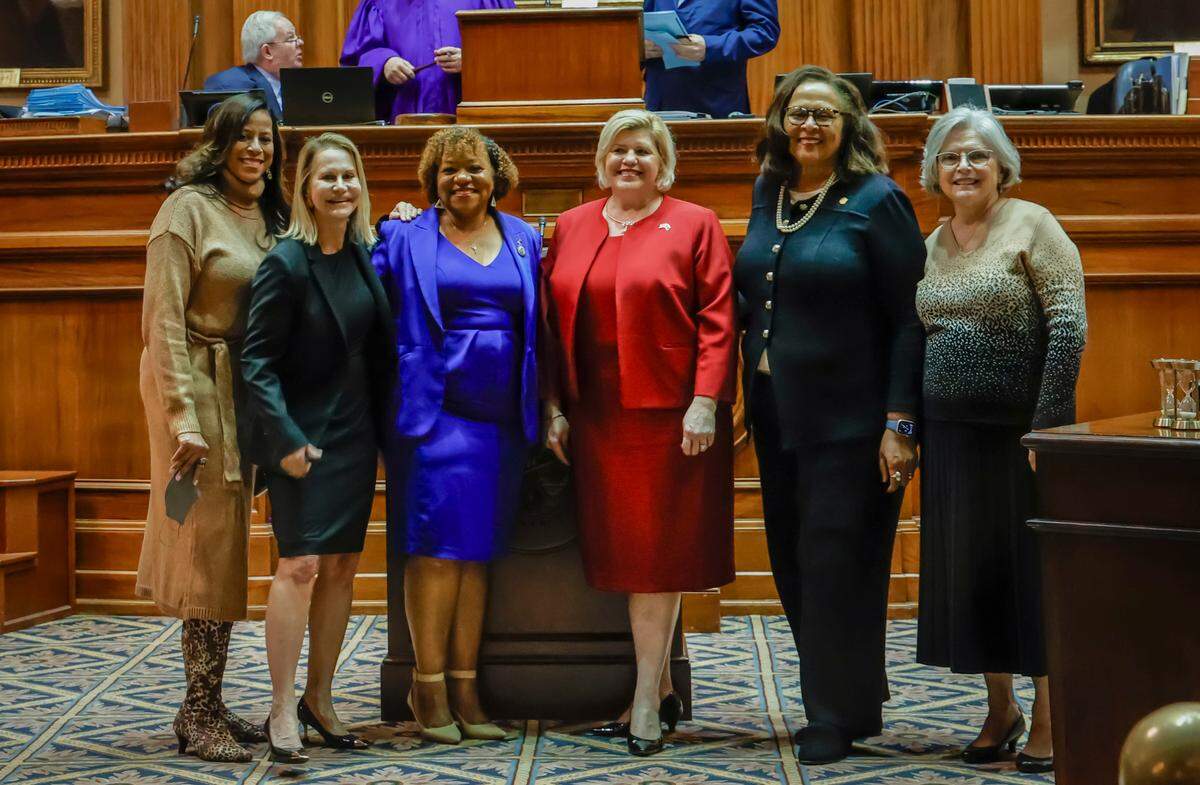
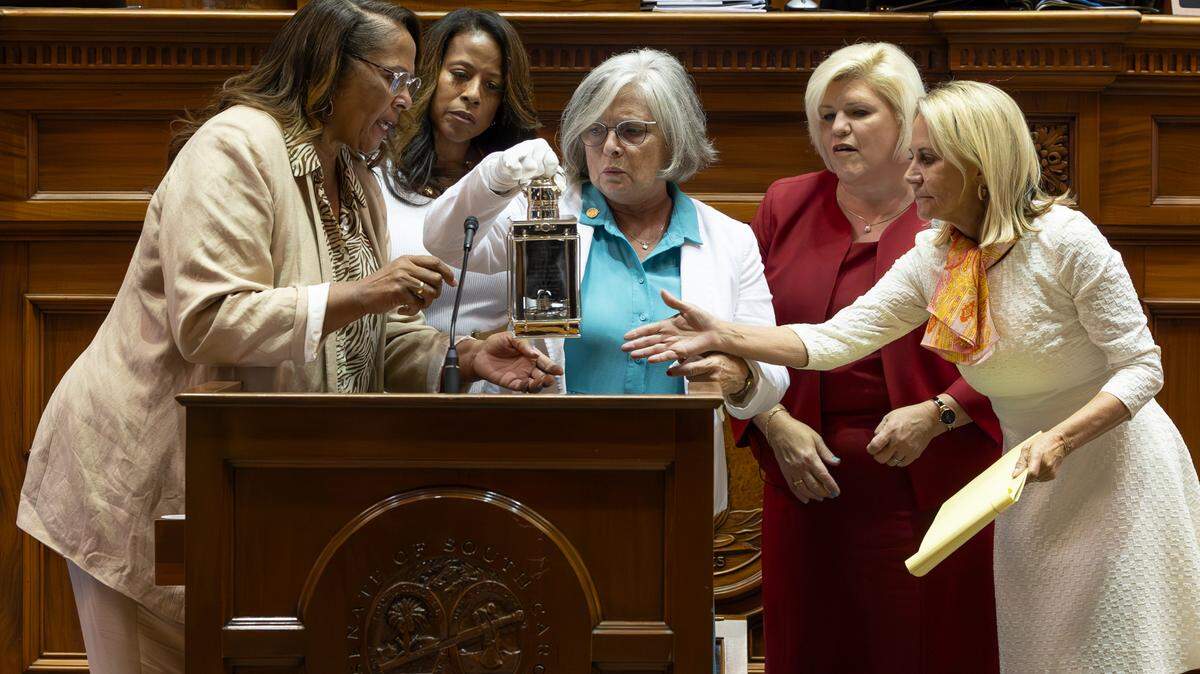
No other state has fewer female state senators, or a lower percentage of them. None are close. One reason is that all five female state senators in office last year united to thwart a near-total abortion ban in South Carolina. For their toughness, they won the John F. Kennedy Profile in Courage Award. For their trouble, the three Republican women were voted out of office in June.
In defeating Shealy, Carlisle Kennedy framed his campaign around issues like infrastructure, government reform, public trust and traffic. But he also dismissed Shealy’s Kennedy award by saying, “The recent Republicans who have gotten that award are Mitt Romney and Liz Cheney. That’s the company she chooses to be in. She went up to Boston to party and celebrate that.”
At the time, Shealy said Kennedy would have gone there to accept a high-profile award as well. Now, his criticism seems civil compared to others she said called her a “baby killer” at church or slashed one of her car tires in March or shot a pellet through a window at her home in April.
“We knew when we voted the way we did we were putting ourselves on the line,” Shealy said. “But we all voted our convictions.
“No one was out there to make a name for themselves. People say, ‘They wanted to be in the news.’ No one went in thinking our picture was going to be on the cover of The New York Times. I don’t care what anybody says. They can say that ‘til the end of time, but that’s not something that people who are from South Carolina care about.
“Did we do interviews? Yes, because we wanted people to hear the story in hopes it would change people’s minds, that people in South Carolina would hear the story and it would draw more attention to what we were standing up to.”
Voter turnout in the June runoff was not even 6%, making Shealy susceptible to vilification on the emotional, complex issue of whether lawmakers or women and their doctors should make abortion decisions, something polls in recent years have shown divides South Carolinians.
Until her defeat, Shealy’s priorities over three terms in the state Senate were children, families, women, the elderly, veterans and people with disabilities. Actually, her priorities didn’t change with her departure. It just means she’ll have to seek out new ways to help people in need.
Last week, she looked back and looked ahead and said she is worried but hopeful the new state Senate and the entire General Assembly will “take care of the people they’re supposed to.”
“Maybe they are going to do great things,” she said. “I’m going to be optimistic and say they are going to look after the people of South Carolina. My optimism is there, but I worry about the people who are choosing the people of South Carolina.”
She said it’s sad that there are so few women in politics in general and in the state Senate especially, but added that it’s not surprising, either. She said women, particularly in the South, “feel an obligation to be qualified to run and they don’t feel like they will get the support of men.”
Just this week, the Lexington County Republican Party unanimously censured Shealy for endorsing a Democratic female candidate in a Nov. 5 state Senate race over a male candidate who had voted to strip exceptions for rape and incest from the state’s abortion ban.
In January, a report co-published by ProPublica and The 19th on disproportionate female representation in state legislatures, especially in the Southeast, noted that the South Carolina Statehouse has a dozen monuments to men but only one celebrating female South Carolinians specifically. It honors Confederate women “reared by the men of their state,” per its inscription.
There have been gains for women in politics in recent years and again this year.
For the first time ever, South Carolina will have two women, both Republicans, among its nine seats in Congress when incoming Rep. Sheri Biggs joins Rep. Nancy Mace, who was reelected. The nation will have a record 13 women governors, up from 12 two years ago. And three states — California, Arizona and Nevada — will have a state Senate with a female majority in a nation with one. But while women in New Mexico will have the largest female legislative majority in U.S. history, female state senators will still hold a minority of seats there — 16 out of 42.
Shealy said that when she knocked on doors in her first campaign, many people asked her who would care for her children or husband if she won, or why she wouldn’t just run for school board.
Now she hopes her public service opens new doors for her, for women and for the people she sought to help.
“We’re going to see what happens in the Senate and if they take care of the people they are supposed to,” she said. “Hopefully they don’t mess things up too much. Listen to Mama Shealy, who isn’t there anymore. Maybe they’ll do the right thing. I hope the people who are in elected office will truly take it seriously and not make a mockery of the positions they have. It is a serious job. It’s not a circus. It’s a serious job.”
This story was originally published November 21, 2024 at 6:00 AM.