
'If someone flees, we chase.' These SC police tactics put innocent bystanders in danger
Many S.C. law enforcement agencies are relying on vague or subjective high-speed chase policies, legitimizing dangerous pursuits.
Even when it appears a policy has been violated, police chiefs and sheriffs defend the chases as necessary, and their officers are rarely punished.
Meanwhile, people are dying — even innocent bystanders not involved in the chases.
South Carolina ranks eighth in the nation for people killed as a result of police pursuits per capita, according to an analysis of data from the National Highway Traffic Safety Administration. On average, one person has died every month in the past 10 years, according to records from 2006 to 2016, the most recent data available.
The vast majority of chases are initiated over traffic violations and other nonviolent crimes, according to a review by The State newspaper of high-speed chases reported by media outlets in the past decade. National experts say police should chase only after people suspected of violent crimes, such as murder, robbery or rape.
Many of the pursuit policies of S.C. law enforcement agencies advise officers to consider the seriousness of the suspected offense before giving chase — without explicitly stating which offenses justify a pursuit. Officers must also consider a number of other variables too, including the time of day, weather and traffic conditions.
In Richland County, it is straightforward. The sheriff's department policy reads, “In no case shall vehicular pursuit be used in instances of a non-jailable offense.”
But a number of pursuits have been initiated in the past decade over moving traffic violations such as speeding or failing to use a turn signal.
Richland County Sheriff Leon Lott defends his department's chases.
“The person escalates it to a jailable offense once they’ve refused to stop (for blue lights)," he said.
That interpretation legitimizes all high-speed chases, said David Thomas, a 20-year veteran of police departments in Florida and Michigan. He is now a senior research fellow with the Police Foundation, an organization dedicated to helping improve police agencies across the country.
“When administrators interpret policies one way and they’re actually written to mean something else,” Thomas said, “it gives carte blanche to violate the policy they have written and prepared.”
One chase that seemingly violated policy happened in June 2014. A Richland County deputy attempted to stop Derrick Sumter, who was speeding on a motorcycle. Sumter refused to stop and the deputy chased after him until he lost control and crashed into a mailbox. Sumter was carrying a gun without a permit.

Lott defends these types of chases, saying the suspects escalate the situation with their actions. But experts argue it could have ended much worse.
The Kershaw County Sheriff's Department's policy justifies pursuit when the necessity of catching a suspect outweighs the risks.
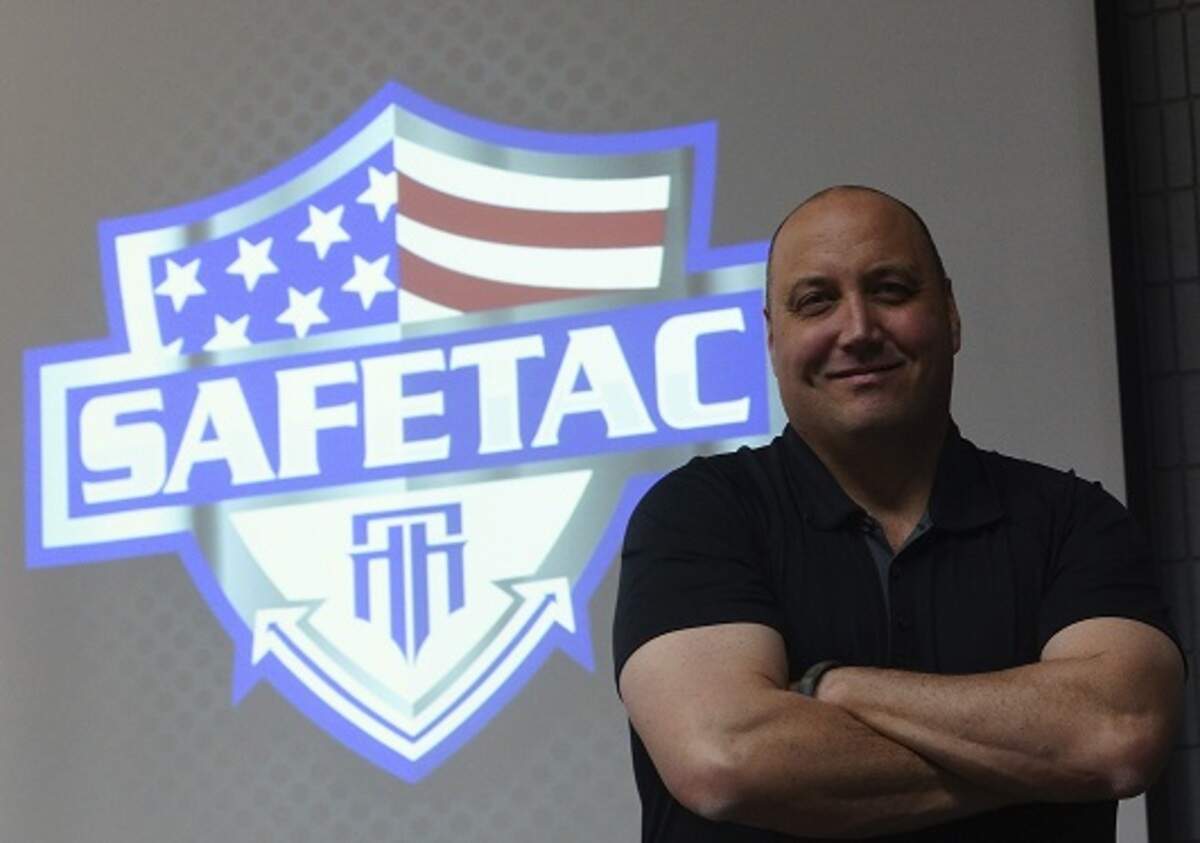
“That is such a fake statement,” said Tulsa, Oklahoma, Police Maj. Travis Yates, who runs SAFETAC, a national pursuit-training academy. “That is too subjective to place on police officers who are in the heat of the moment.”
Kershaw County Sheriff Jim Matthews said it's clear: "If someone flees, we chase ... We don't know what's in their mind. We don't know what they've done to make them run."
In June 2014, Kershaw County deputies tried to pull over Darius D’Andre Pollard for speeding on I-20 but he sped off, reaching speeds of 110 miles per hour and passing vehicles by using the emergency lane and the median.
Pollard, who was on probation at the time of the chase, eventually lost control of his car, causing a pickup truck to crash into an 18-wheeler. Three children — ages 3, 2 and an infant — were in Pollard’s car and unseen by deputies.
Matthews justified the chase because the speeder was posing a danger to those around him, especially when he fled.
“We always get blamed for the chase. ‘Police chase results in four deaths,’” Matthews said, imitating a news headline. “No, it was a fleeing person who caused the four deaths. It wasn’t the police chase.”

Lexington County tells its deputies to consider the seriousness of the original offense and its relationship to community safety, without explicitly stating which offenses justify a pursuit.
In September 2017, Lexington County deputies pulled over Terrance Kelvon Johnson for driving without his lights. Johnson stopped and allegedly gave the deputy a false name before taking off, leading deputies on a 20-mile chase reaching speeds of 100 miles per hour. It ended when Johnson fled on foot. He was carrying an ounce of marijuana and $4,000 cash.
At the time of the chase, deputies knew only that Johnson was speeding and gave a false name. Experts say that isn't worth the risk.
Lexington County Sheriff Jay Koon did not comment on this specific incident, but said it's difficult to write policies that are black and white. He prefers guidelines.
"There are several reasons to engage in pursuit, and those differ case-by-case based on a number of factors such as traffic, weather, road conditions and the speed of travel, among others," Koon said in a statement. "Our deputies are trained to always weigh the potential risk to the public versus apprehending the suspect."
Many agencies require officers to report those factors to a supervisor as a chase begins, and chases are often terminated because of safety concerns, according to several local sheriffs.
In reality, there is at least one high-speed chase every day in the Midlands, Lott said. The media and public just might never hear about them.
Police officers are rarely disciplined for high-speed chases that don't follow the rules, said Geoff Alpert, a University of South Carolina criminal justice professor who studies high-speed pursuits and has helped departments write their policies. For example, just one Kershaw County deputy has been punished for initiating a chase in the past seven years.
The only high-profile instance in the state happened in 2014 when the York police chief was suspended for three days for exercising "poor judgment" by failing to terminate a high-speed chase after officers violated policy.
High-speed chase policies are written so vaguely that it's hard to make that determination. Meanwhile, law enforcement agencies are settling lawsuits and dealing with verdicts in the plaintiff's favor over the same chases they said followed policy, Alpert said..
"It's very easy for a department’s internal affairs to say, 'Well, the guy was running, he must have done something wrong,'" he said. "But that doesn't hold up under the bright light of a courtroom."
The decision to engage in a high-speed pursuit also depends on the community. Is a suspect fleeing through city streets, or are they zipping through rural highways?
The Columbia Police Department restricts high-speed chases to violent crime only, and doesn't initiate chases very often, according to The State newspaper's analysis.
Meanwhile, the Charleston Police Department has among the most restrictive pursuit policies in the state. It requires officers to have a reasonable suspicion that a person has committed — or is about to commit — murder, manslaughter, rape, kidnapping, robbery or aggravated assault, prior to engaging in a pursuit.
Progressive law enforcement agencies around the country are adopting similar policies, experts say.
Yates, the head of a national pursuit training academy, said a statewide standard in South Carolina is needed because too many people are dying over minor offenses.
“What level of wrong is worth someone dying for?”
This story was originally published May 23, 2018 at 2:56 PM with the headline "'If someone flees, we chase.' These SC police tactics put innocent bystanders in danger."