Jamal Sutherland’s death in Charleston County jail was homicide, family attorneys say
READ MORE
Jamal Sutherland
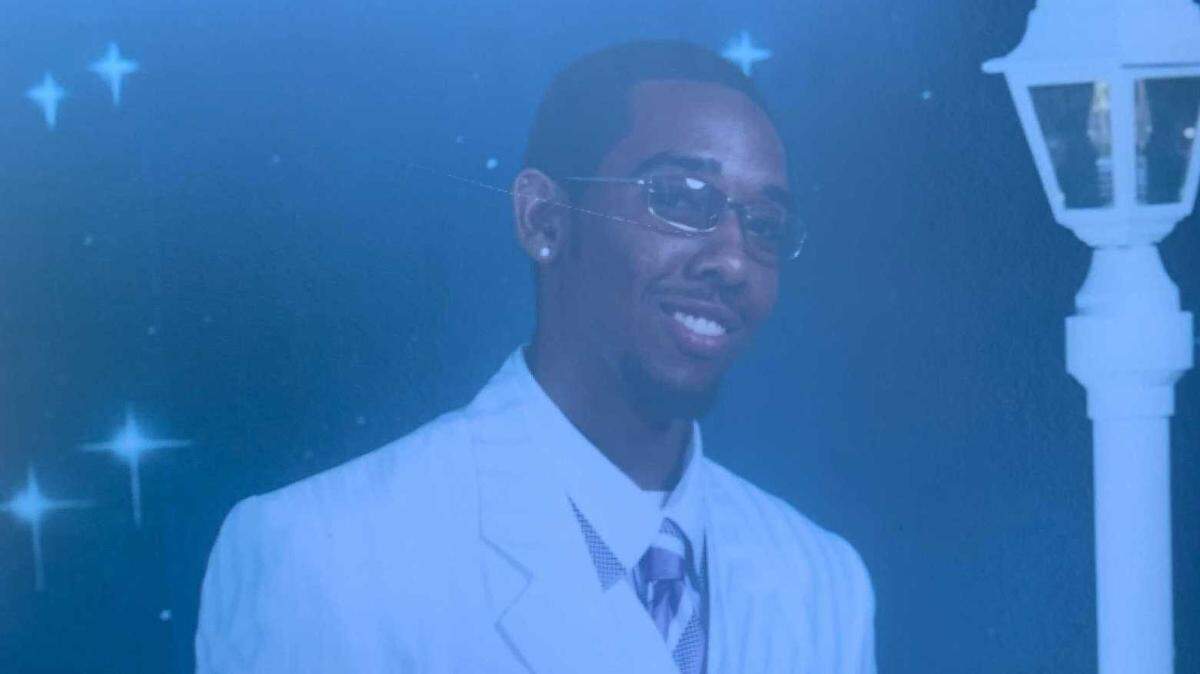
Jamal Sutherland, a Black man with a history of mental illness, died at the Charleston County Jail on Jan. 5. After graphic footage showing his death was released by the Charleston County Sheriff’s Office, many questions around the investigation remain.
Expand All
The death certificate for Jamal Sutherland, a Black man with a history of mental illness who died inside a Charleston County jail, now says what his family said they knew all along: It was homicide.
His first death certificate said Sutherland’s manner of death was “undetermined.”
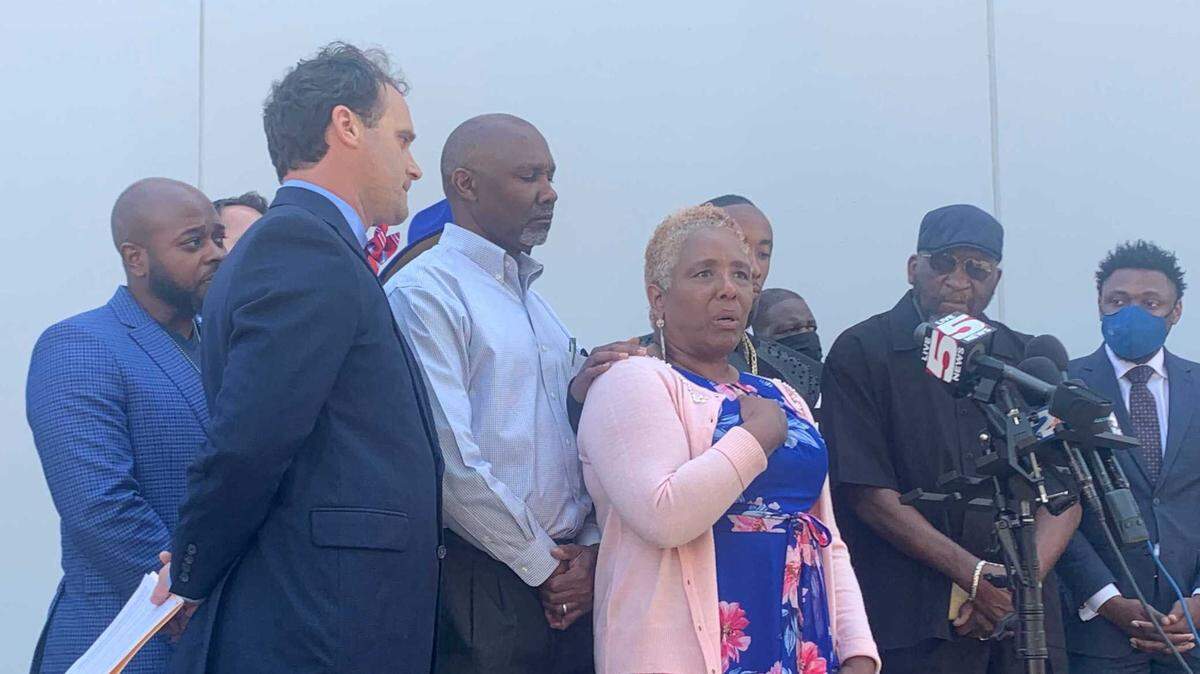
The change to homicide was confirmed Tuesday afternoon by the law offices of Mark Peper and Gary Christmas, Charleston attorneys who are representing Sutherland’s parents.
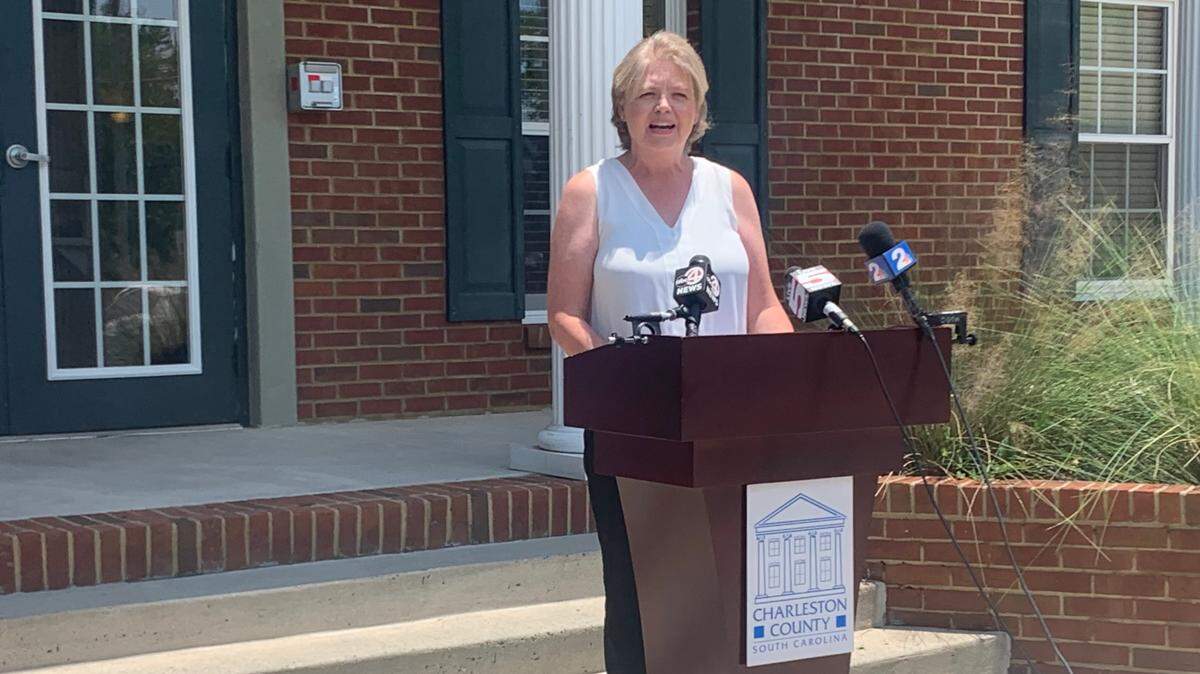
“The Sutherland family has been informed by our elected Coroner, Bobbi Jo O’Neal, that following additional testing, she has determined that Jamal’s manner of death is best deemed to be homicide,” a statement from the attorneys said.
“As a result, an Amended Death Certificate dated June 8, 2021 has been issued. The family reached this same conclusion immediately upon seeing the video of his death, thus they are pleased with the amended finding and remain steadfast in their pursuit of justice for Jamal.”
A request for comment from the Charleston County Coroner’s Office was not immediately returned.
The change in Sutherland’s cause of death comes months after Sutherland died on Jan. 5 shortly after deputies tried to forcibly remove the 31-year-old from his jail cell for a bond hearing.
Sutherland was booked into the county jail on Jan. 4 after an alleged fight at Palmetto Lowcountry Behavioral Health Center, a mental health facility where Sutherland was receiving care for schizophrenia and bipolar disorder. He was arrested by North Charleston police.
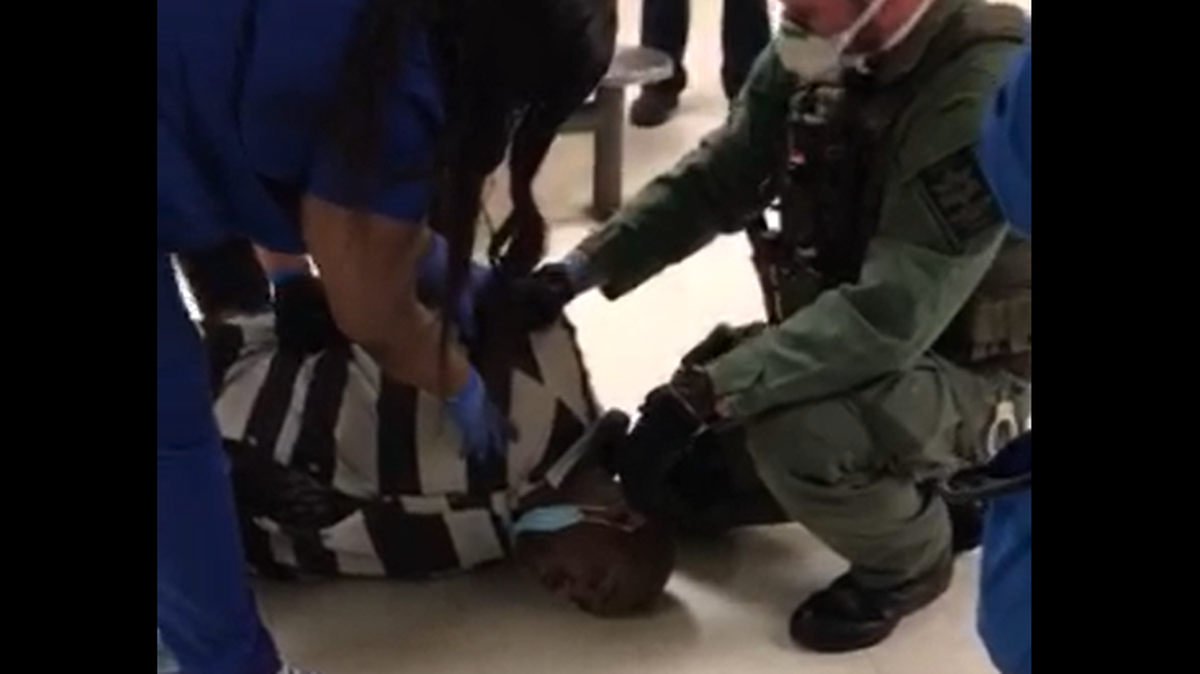
During Sutherland’s encounter with the two Charleston County jail officers on the morning of Jan. 5, jail footage shows he was sprayed twice with a chemical irritant and shocked repeatedly with a stun gun.
Sutherland wailed in pain as he lay face down on the floor, at one point screaming for 34 seconds straight.
As Sutherland lay on the floor with deputies on top of him, their knees pressed into his back, he can be heard saying, “I can’t breathe.”
The deputies involved in the incident were detention deputy Brian Houle and detention Sgt. Lindsay Fickett. Both Fickett and Houle were fired on May 17.
Houle told a medic that Sutherland had been shocked with a Taser “probably six to eight times, at least.”
Hours of footage documenting Sutherland’s time — and eventual death — inside the Al Cannon Detention Center were released last month by Charleston County Sheriff Kristin Graziano.
For months, officials have said little about what happened, but protesters and activists have demanded answers and justice.
Pathologist Dr. J.C. Upshaw Downs originally determined that Sutherland’s cause of death was “undetermined” and said the Goose Creek man died “as a result of excited state with pharmacotherapeutic effect during subdual process.”
The same pathologist also said his review of the extrication process did not reveal any “unusual or excessive interactions or areas of direct concern.” The coroner released a statement on May 13, saying Sutherland’s manner of death remained “undetermined.”
“An investigation into the death of Mr. Sutherland remains open and is still active,” O’Neal said at the time.
Other agencies taking a closer look at Sutherland’s death include the State Law Enforcement Division and 9th Circuit Solicitor Scarlett Wilson.
Wilson has promised she will make a decision about whether to press criminal charges against the two deputies involved in Sutherland’s death by the end of June.
However, in a statement Tuesday afternoon, she stressed that the S.C. Department of Health and Environmental Control’s death certification is not evidence and is not typically part of the solicitor’s case.
“Determining the cause, rather than medical manner, of death is critical in prosecuting someone for the death of another,” Wilson said.
Wilson also affirmed she was seeking a second opinion about how Sutherland died inside the Charleston County jail. Dr. Kim Collins, a board certified forensic pathologist in Charleston, will be performing the review, Wilson said.
When Wilson first saw the video footage of Sutherland’s death, she said she had expected the coroner’s pathologist to rule it a homicide.
“While I was surprised that Dr. Downs did not deem the manner of death a ‘homicide,’ neither his ruling as to the manner of death, nor the Coroner’s, is of great value in a criminal investigation or prosecution,” Wilson said. “The word ‘homicide’ is not equal to or synonymous with any crime in South Carolina.”
Wilson is also seeking expert opinion and advice about use of force in a detention setting. She said she expects “a thorough analysis and expert opinion” regarding the use of force against Sutherland in the near future.
This story was originally published June 15, 2021 at 3:39 PM.