Months after Jamal Sutherland’s death, how has the Charleston County jail changed?
READ MORE
Jamal Sutherland
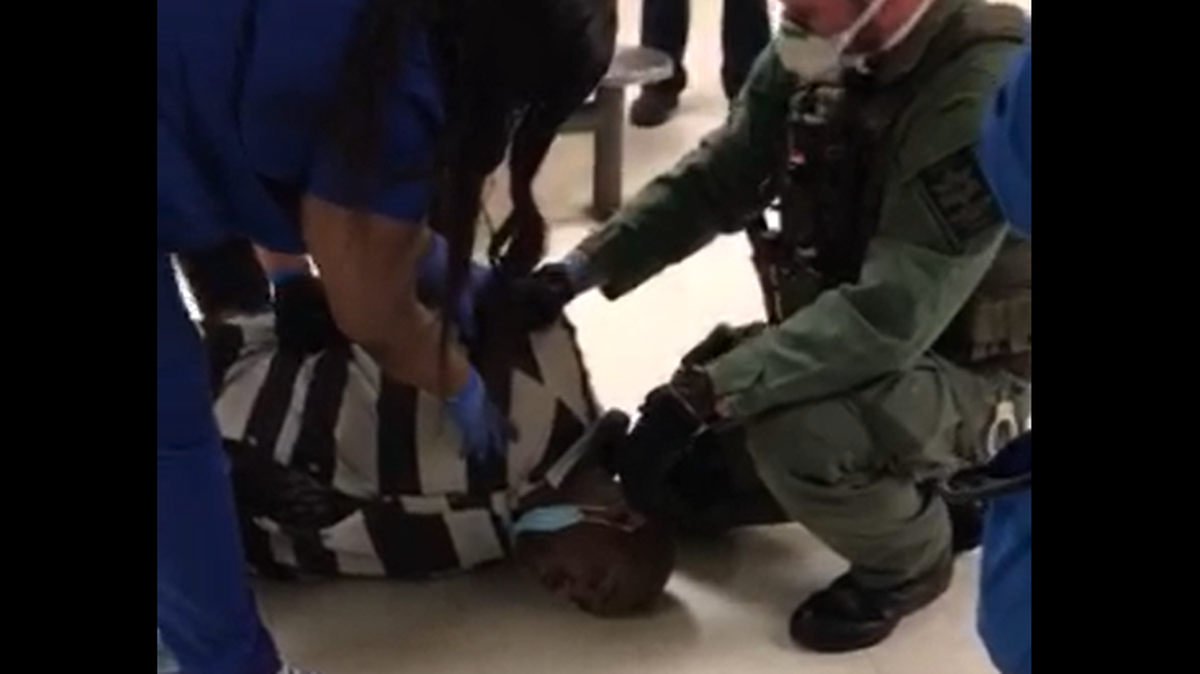
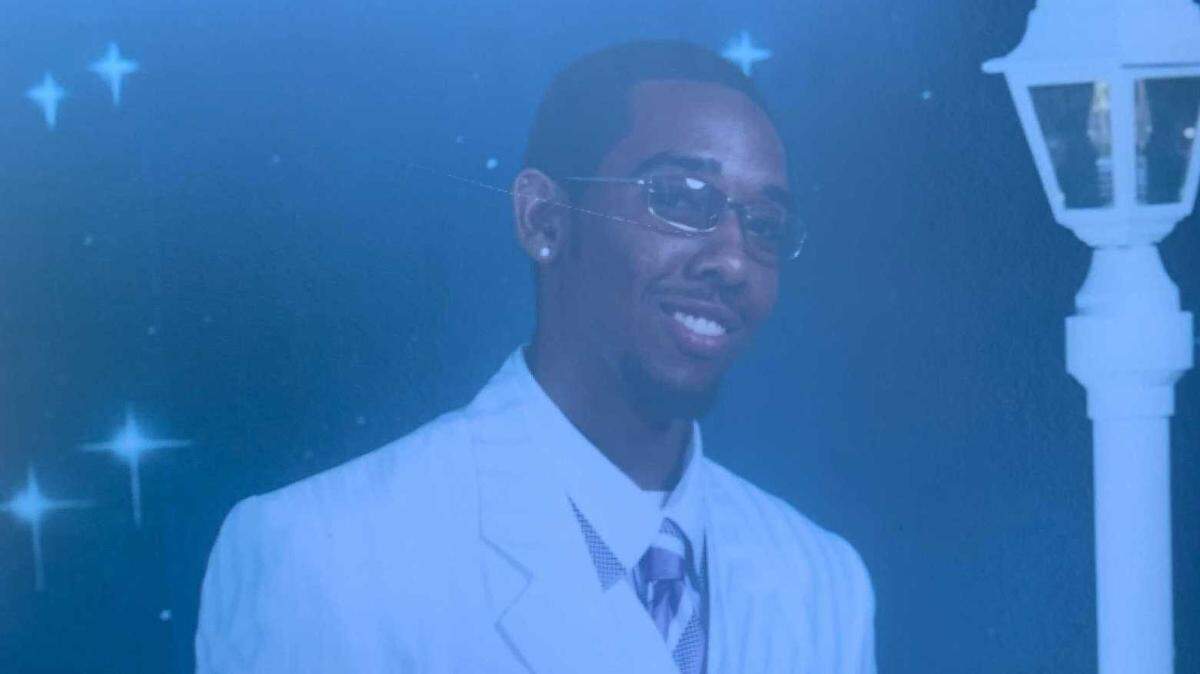
Jamal Sutherland, a Black man with a history of mental illness, died at the Charleston County Jail on Jan. 5. After graphic footage showing his death was released by the Charleston County Sheriff’s Office, many questions around the investigation remain.
Expand All
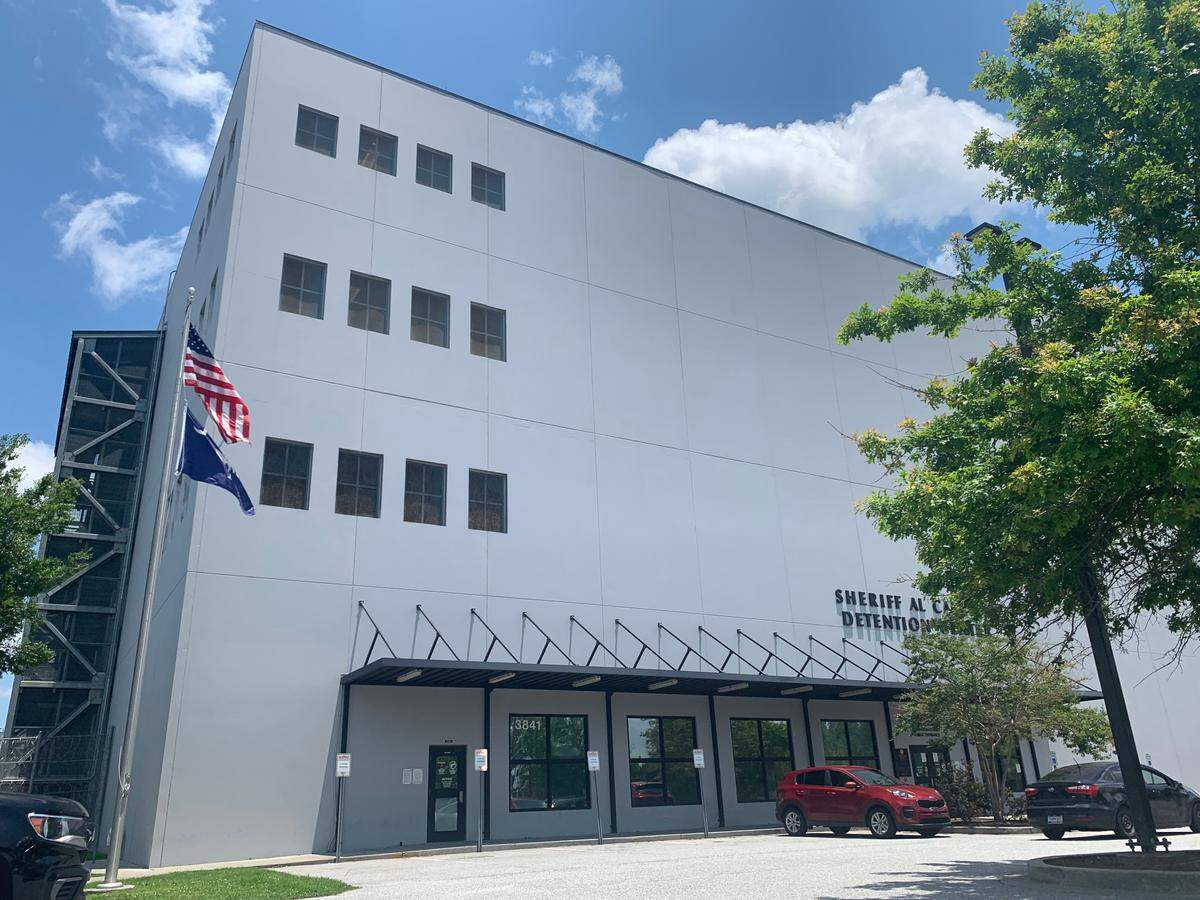
On the first weekend in June, nearly five months after Jamal Sutherland died inside the Charleston County jail, another person was having a mental health crisis at the Al Cannon Detention Center.
Like Sutherland, the inmate was upset and, at times, struggled to calm down when facing orders from law enforcement. This time, instead of deploying pepper spray or Tasers, jail deputies did something different.
A captain called a team of mental health professionals at the Charleston Dorchester Mental Health Center and asked them to come to the jail and talk with the person in distress.
It worked, said Maj. Michael Halley, who is in charge of resident processing and security at the jail.
“That was the first time that we’ve ever done it for anything other than a release,” said Halley, who has worked at the Al Cannon Detention Center for 25 years.
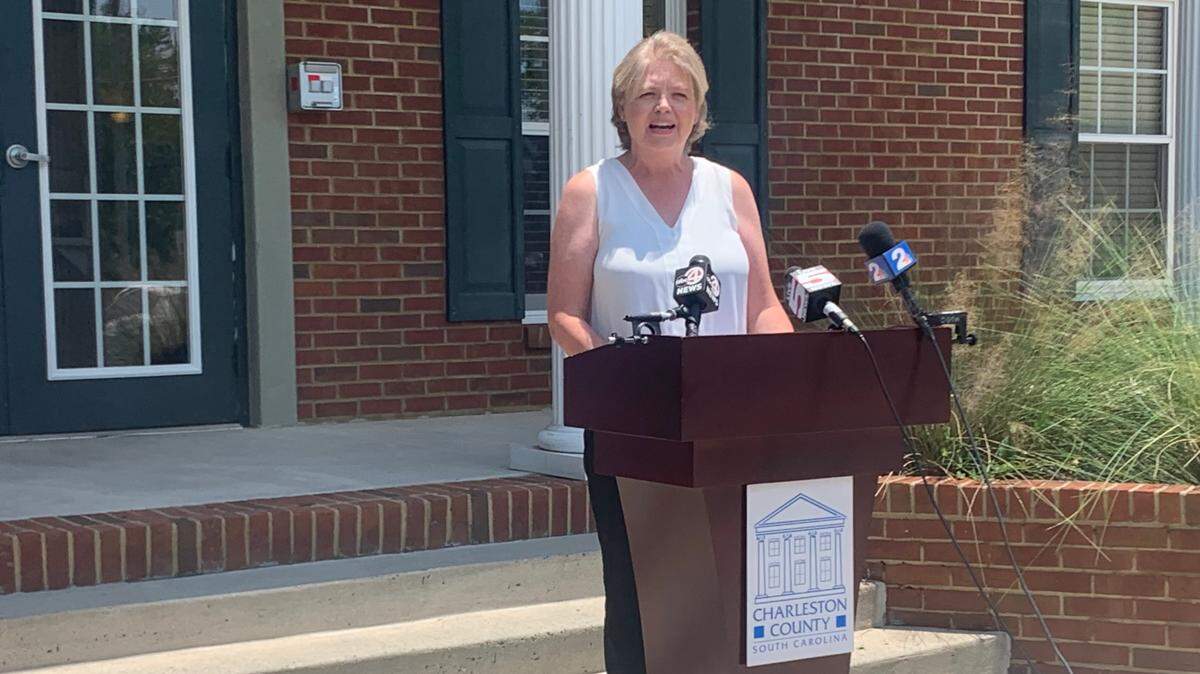
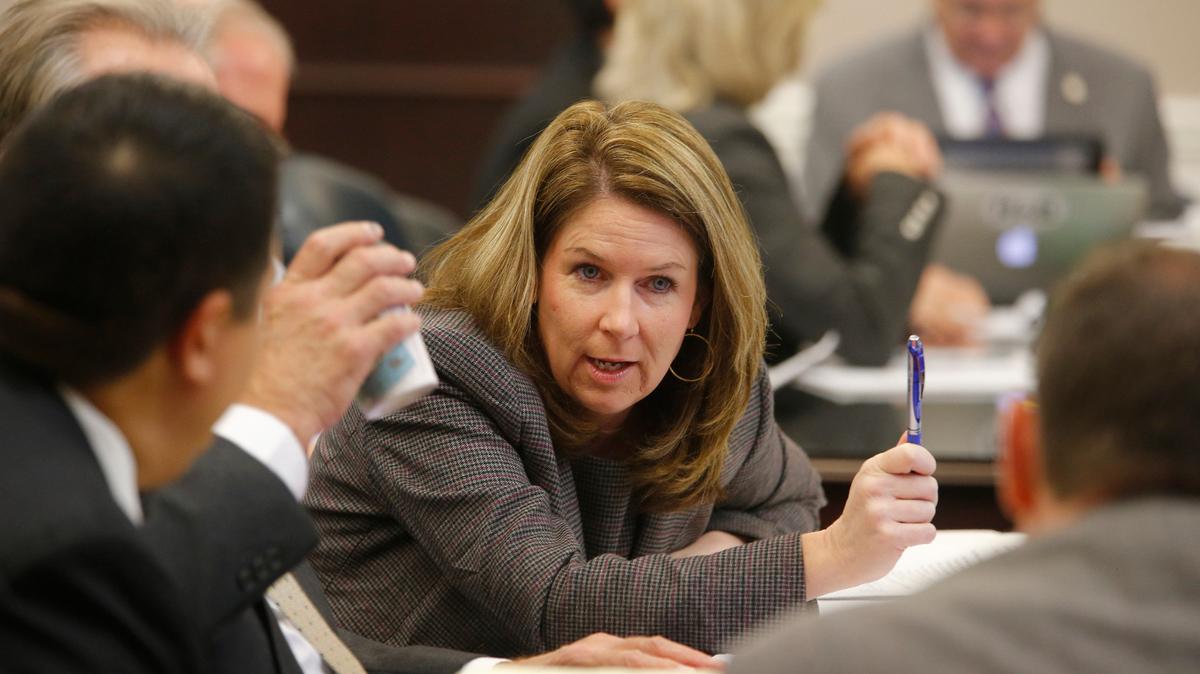
Charleston County Sheriff Kristin Graziano nodded in agreement and promised it won’t be the last time her deputies respond in that way.
In an extensive interview with The State newspaper in June at the sheriff’s office, Graziano and Halley outlined how policies are changing inside the South Carolina jail since Sutherland, a 31-year-old Black man with a history of mental illness, died there after two deputies tried to forcibly remove him from his cell.
Duty to intervene
Some reforms are subtle and reflect a cultural shift within the law enforcement agency since Graziano took office. For example, under her leadership, inmates are now called residents. Other changes reflect a bigger push to rethink how police can best help the community they serve, especially people facing a mental health crisis.
“The Sutherland case gave us an opportunity, I think, to be better, and to be better at what we do when dealing with people with mental health,” Graziano said. “But it’s also an opportunity to be better for our employees (and) to get them the training that they need.”
Graziano said the first change she implemented was a “duty to intervene” policy, which compels officers to step in when they see another officer using physical force inappropriately.
“I’m not waiting for the George Floyd Act,” Graziano said, referring to the national police reform legislation, the details of which are still being hammered out in Washington by Republican Sen. Tim Scott of South Carolina and two Democrats, Sen. Cory Booker of New Jersey and California Rep. Karen Bass.
“We have the responsibility now to act. And I take full responsibility for what we can do,” Graziano said of her agency’s response to Sutherland’s Jan. 5 jail death. “Having taken that responsibility, now the question is what are we going to do with this? How do we become better as a result so that this never happens to any other person?”
Answering her own questions, Graziano said, “That’s what we’re doing now.”
No more forced bond hearings
When Sutherland died, he was being taken out of his cell to go to a bond hearing he did not legally have to attend.
However, the jail had its own directive that required deputies to make inmates appear before a judge for bond hearings.
Since Sutherland’s death, the jail has changed its policy, Halley and Graziano said.
“An inmate can refuse a bond hearing, but that wasn’t the choice that the officers had,” Graziano said in explaining why Detention Sgt. Lindsay Fickett and Detention Deputy Brian Houle tried to remove Sutherland from his cell that morning.
Under South Carolina law, a bond hearing is required to occur within 24 hours of an arrest. However, it does not state who must attend it.
“They thought they were marrying state law, but really an inmate can refuse a bond hearing. But that wasn’t the choice that the officers had because it was a directive from their chief,” Graziano said of the policy.
Halley said deputies can now walk to an inmate with an iPad tablet that records the inmate’s bond court refusal, which is then shared with a judge.
There is no more need, he said, to remove an inmate from their cell so that they can waive their right to a bond hearing.
Calling the experts
On any given day, a team of five clinicians from the state’s mental health department work inside the Charleston County jail, where they assess new inmates and help current jail residents if they are experiencing a mental health crisis.
However, the jail also has access to another mental health resource that deputies will be utilizing in a greater capacity moving forward to try to divert people from the jail, Graziano said.
Law enforcement can call a mobile crisis team of mental health professionals at the Charleston Dorchester Mental Health Center.
It is available 24 hours a day, seven days a week, 365 days a year, according to its executive director, Jennifer Roberts.
In 2020, Roberts said, Charleston-area law enforcement called that crisis line 265 times to get assistance with mental health patients or people needing treatment.
Law enforcement also dropped off 97 people for assessments at the Charleston Dorchester Mental Health Center last year, and 70 of those people were diverted from jail.
In the past, Halley said the jail only reached out to the mental health crisis team when releasing inmates who had expressed suicidal ideations. Now, the jail is contacting the crisis line in other instances, like when officers are having trouble with a person in the middle of a mental health crisis.
“It’s about doing what makes sense,” Halley said.
Sometimes, Graziano said, that means refusing people in mental distress when other agencies bring them to the jail. If they have been written a citation or ticket, Graziano said, and a person is in clear mental distress, officers will call the mental crisis number to try to get the person services rather than a jail cell.
More de-escalation training
Five months after Sutherland’s death, Graziano said she is still horrified by the video of his final moments.
She was especially bothered by how her officers responded and how they failed to de-escalate the situation when pepper spray did not work. Graizano called it a missed opportunity to de-escalate.
“It bothered me that we just rushed it, “ she said. “But that’s what they were trained to do.”
Recognizing that, Graziano said she is committed to getting more of her deputies Crisis Intervention Training. Also known as CIT, the training helps law enforcement deal more effectively with people who have mental illness.
It’s heavy on role-playing scenarios, but officers also hear from real people with mental illness who share their experiences with law enforcement, including what would have helped them in a crisis.
The challenge for law enforcement, according to Bill Lindsey, the executive director at the National Alliance on Mental Health of South Carolina, has always been the time commitment. The 40-hour course, which is free, means pulling an officer off their regular policing duties for at least a week. That can be a hard sell for law enforcement agencies that are already struggling with recruiting and retaining officers.
Since 2017, Halley said, 53 people who work at the Charleston County jail have undergone crisis intervention training, but it is unknown how many of those 53 still work at the jail and in what capacity.
Halley also could not say whether Houle and Fickett were CIT-trained. He said their files could not be accessed due to ongoing investigations.
Graziano, who has gone through the training at least twice, said it changed the way she approached her job. More importantly, she said it has helped prevent situations involving people with mental illness from turning deadly.
For instance, when Graziano worked on the SWAT team, she was called out to a scene where she found a man wielding a flamethrower and threatening to burn his mother’s house down.
Before the training, she said, an instinct would have been to shoot him. Instead, deputies turned a hose on him when the fire department arrived.
In another instance, she encountered a man wielding a knife in downtown Charleston when she was off-duty. She recognized that something was off with the man, saying his eyes seemed “wild.” But she remembered her crisis intervention training: To keep his attention on her, to make good eye contact, to keep a low voice and try to talk to him.
“If I had not had that tool, I would have resorted to the tool that I knew,” she said.
Her officers, she said, need better tools, and she’s committed to making that training available to her officers in shifts.