Prosecutor says she will not make decision on Charleston jail death charges this week
READ MORE
Jamal Sutherland
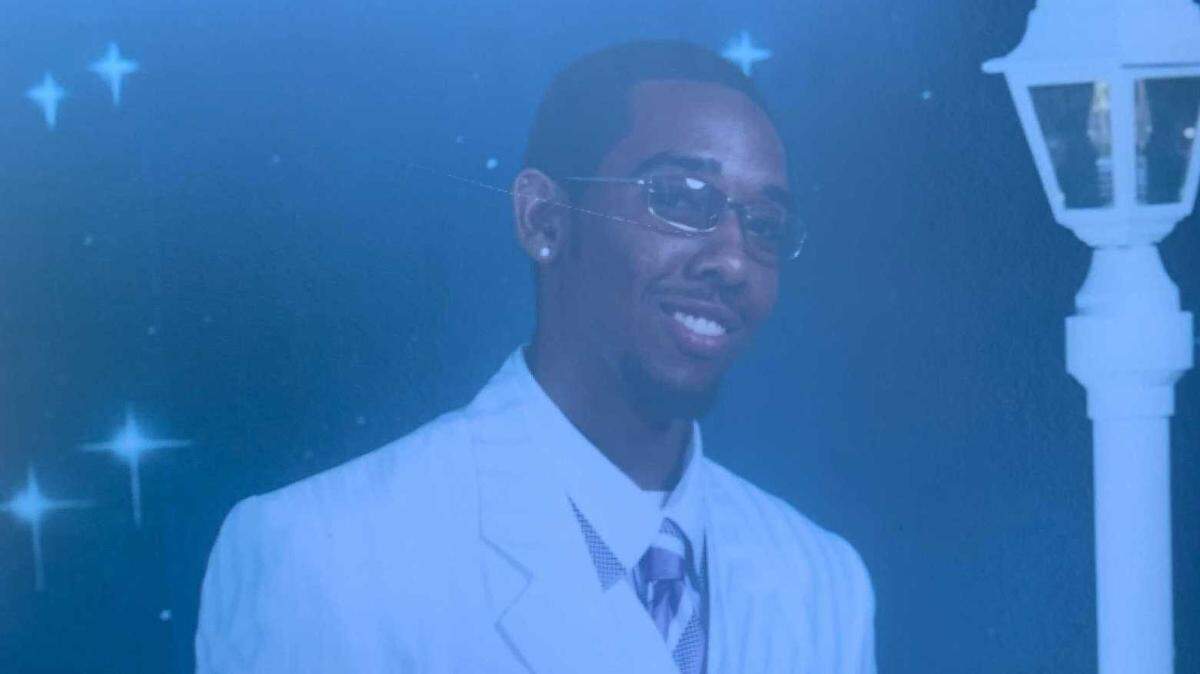
Jamal Sutherland, a Black man with a history of mental illness, died at the Charleston County Jail on Jan. 5. After graphic footage showing his death was released by the Charleston County Sheriff’s Office, many questions around the investigation remain.
Expand All
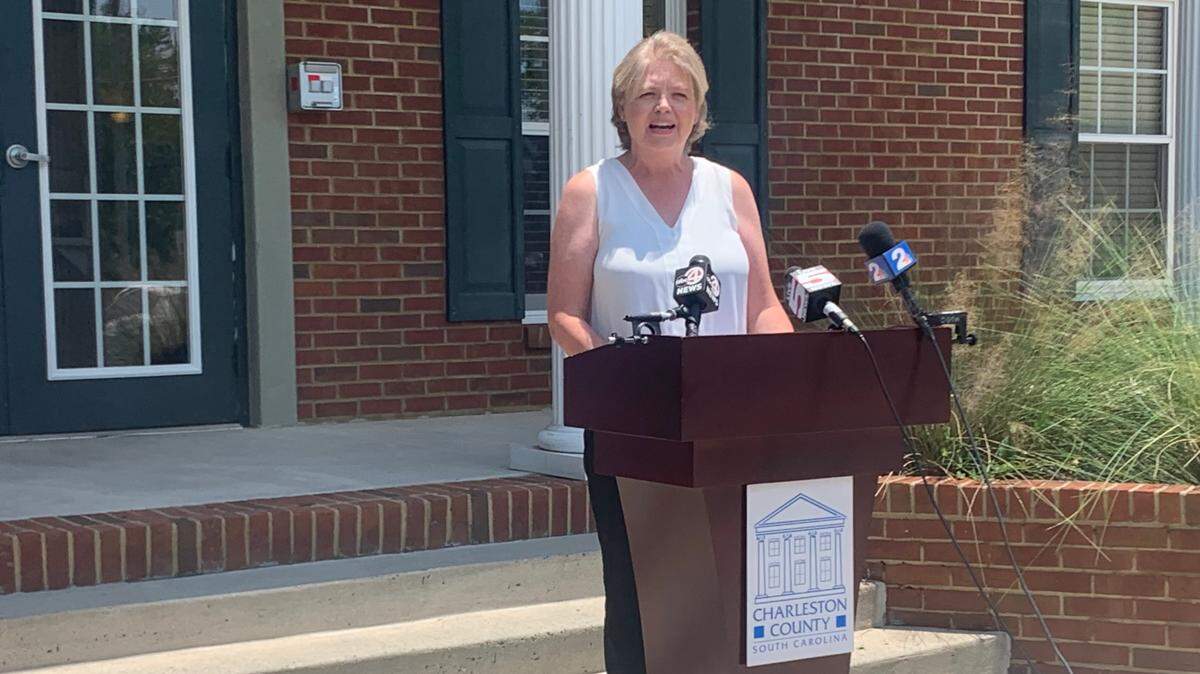
Citing new evidence and a need for more forensic testing, 9th Circuit Solicitor Scarlett Wilson said she needs more time deciding whether to press criminal charges against the jail deputies who repeatedly fired their Tasers at Jamal Sutherland, a mentally ill Black man, shortly before he died inside the Al Cannon Detention Center.
The announcement, shared Tuesday in a written statement, negates previous declarations that Wilson would make a decision about criminal charges by the end of June.
“Because these outstanding items are necessary for our experts’ reviews, and our experts’ opinions are critical in my analysis, I will not make a prosecutorial decision this week,” Wilson said. “Both the community and the Sutherland family deserve a thorough investigation and that is exactly what we are providing.”
Sutherland, 31, died on the morning of Jan. 5 after two Charleston County sheriff’s deputies forcibly removed him from his cell for a scheduled bond hearing. The deputies involved in the incident were detention deputy Brian Houle and detention Sgt. Lindsay Fickett.
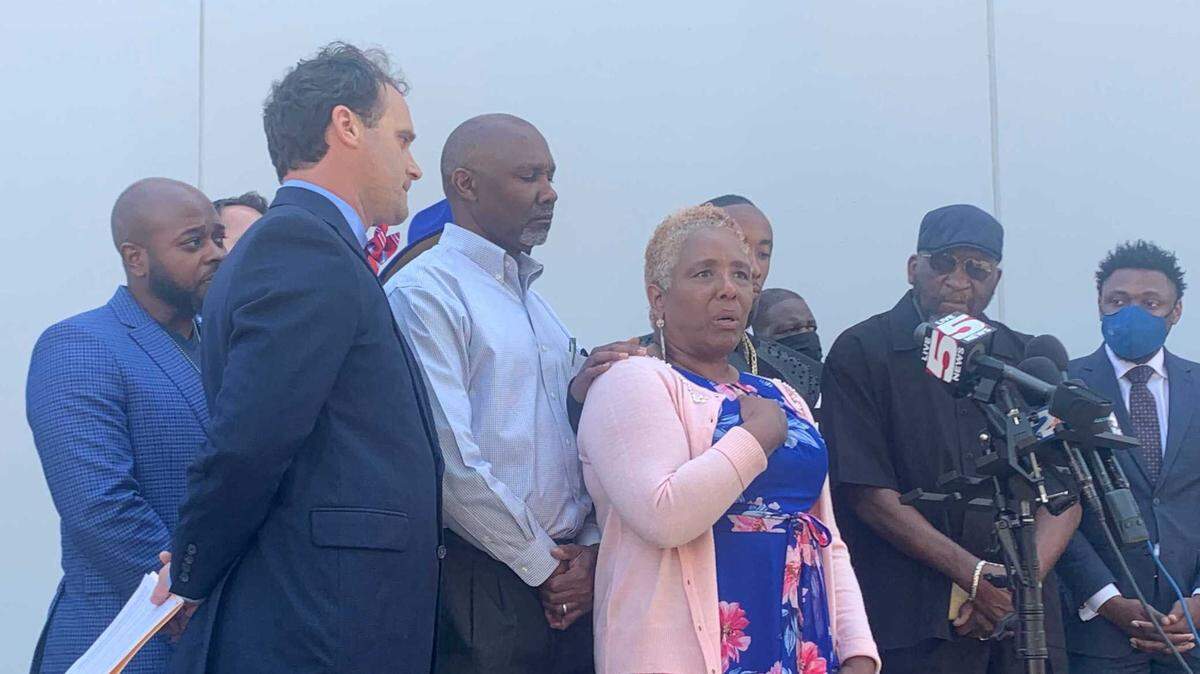
The Sutherland family, in an interview with The State newspaper last week, said they were frustrated by the amount of time it is taking for Wilson to make a decision.
Sutherland’s mother and father, Amy and James Sutherland, said they want to see officers charged.
“Justice is supposed to be blind,” James Sutherland said. “But they need to take the blindfold off Lady Justice so she can see what’s going on.”
A report from the Charleston County Coroner’s Office initially ruled Sutherland’s death as “undetermined” and said he died “as a result of excited state with pharmacotherapeutic effect during subdual process.”
It was later decided that the manner of death was, instead, “homicide.” That decision does not carry a legal conclusion.
Charleston County Coroner Bobbi Jo O’Neal said when a death is not natural, homicide is one of the permissible classifications of death. The others are accident, suicide and undetermined.
O’Neal said Sutherland likely died of a cardiac event. More specifically, she said it appears Sutherland died of an abnormal heart rhythm, also known as a fatal dysrhythmia.
In a June 16 press conference, O’Neal said three factors contributed to Sutherland’s death: Changes in Sutherland’s baseline medication, the jail’s subdual process and an “excited state,” which was listed as Sutherland’s initial cause of death.
For months, details surrounding Sutherland’s death were unknown. But in May, Charleston County Sheriff Kristin Graziano shared graphic footage showing what happened. The release of dozens of videos came after months of mounting public pressure calling for their release.
For a person to be held criminally responsible for another person’s death, Wilson has said, the state must prove that unlawful conduct was the proximate, or direct, cause of death.
Last month, Wilson said she was seeking outside opinions from pathologist Dr. Kimberly Collins, along with seeking expert opinion and advice about use of force in a detention setting.
In her statement Tuesday, Wilson said she has since retained and consulted with Dr. Laura Labay, a board certified forensic toxicologist, to help Collins in her review.
“In addition, within the last week, we obtained additional evidence and conducted additional interviews that are relevant to our use of force expert’s review,” Wilson said, declining to share specifics.
Sutherland was booked into the jail on Jan. 4 after an alleged fight at Palmetto Lowcountry Behavioral Health Center, a mental health facility where Sutherland was receiving care for schizophrenia and bipolar disorder. He was arrested by North Charleston Police.
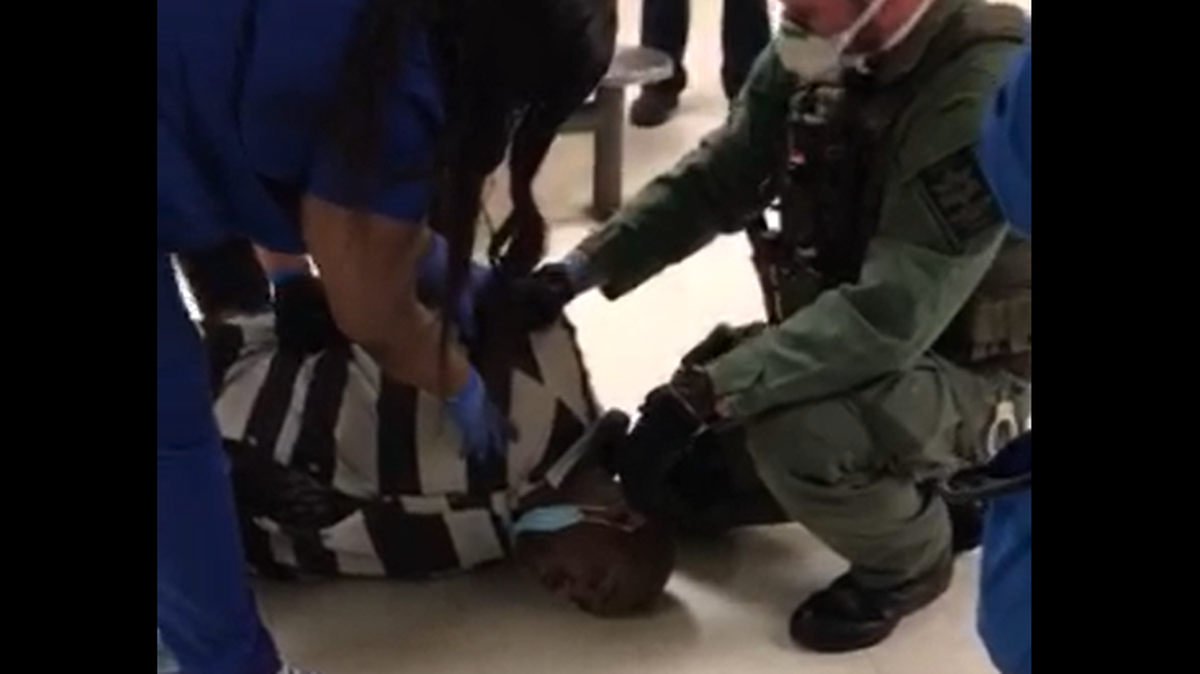
During Sutherland’s encounter with the two jail officers on Jan. 5, footage shows he was sprayed twice with a chemical irritant and shocked repeatedly with a stun gun. Sutherland wailed in pain as he lay face down on the floor, at one point screaming for 34 seconds straight.
As Sutherland lay on the floor with deputies on top of him, their knees pressed into his back, Sutherland at one point can be heard saying, “I can’t breathe.”
As medics tend to Sutherland, Houle can be heard telling medical staff members, “He got Tased about probably six to eight times at least.”
“Oh my god,” a member of the medical staff responded.
“He kept fighting us through,” Houle said in the video.
According to information provided by the sheriff’s office after the Jan. 5 death, Houle was employed with the agency since July 2016. Fickett, who could be seen kneeling on Sutherland’s back in video footage, had worked for the sheriff’s office since March 2011.
Facing questions about their employment during a May 14 press conference, Graziano said Houle and Fickett had been placed on paid administrative leave for 30 days after Sutherland’s death.
The deputies then returned to work in desk jobs where they had no contact with the jail population, Graziano said at the time.
They were fired by Charleston County Sheriff Kristin Graziano on May 17.
This story was originally published June 29, 2021 at 3:57 PM.