DHEC warns against unproven COVID treatments, but denies restricting doctors’ use of them
READ MORE
COVID-19 spikes again in South Carolina
Here’s the latest on the omicron variant surge, COVID-19 guidance and more in South Carolina.
Expand All
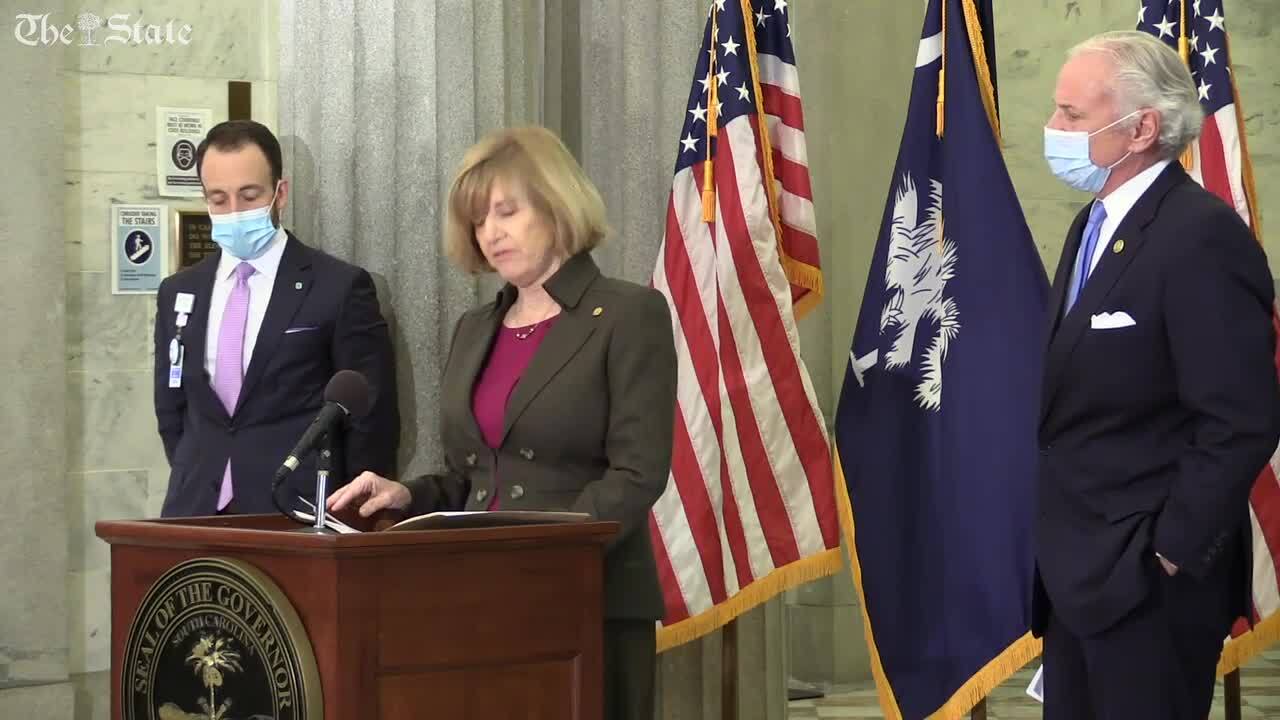
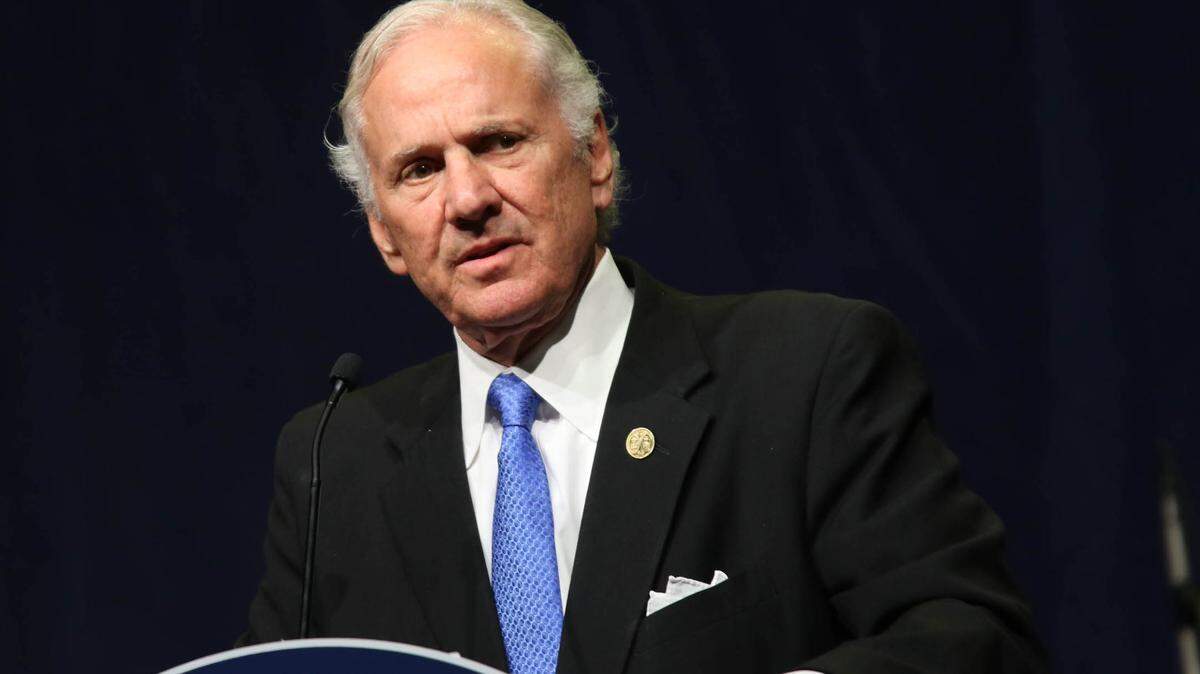
South Carolina’s health Director Edward Simmer shot down reports that his agency was blocking doctors who push therapeutic treatments for COVID-19 requested in large numbers by vaccine skeptics but not considered effective against the virus.
Simmer said Wednesday the Department of Health and Environmental Control was not preventing physicians from prescribing ivermectin and hydroxychloroquine, both unproven COVID-19 treatments. Nor is his agency sanctioning doctors that do so, even if it advises against the practice and promotes vaccination as the safest and most effective means of preventing COVID-19 infection.
“We don’t punish physicians or patients for clinical decisions. Nor do we determine what are acceptable uses of available medications,” Simmer said during a five-hour Senate Medical Affairs hearing where physicians testified about COVID-19 treatments. “But what we do offer is the best evidence we possibly can, the best scientific evidence regarding what is effective, both prevention and treatment, for COVID.”
He said DHEC bases its COVID-19 treatment recommendations on peer-reviewed medical research published in reputable journals and guidance from federal health agencies and professional medical societies, such as the American Academy of Pediatrics.
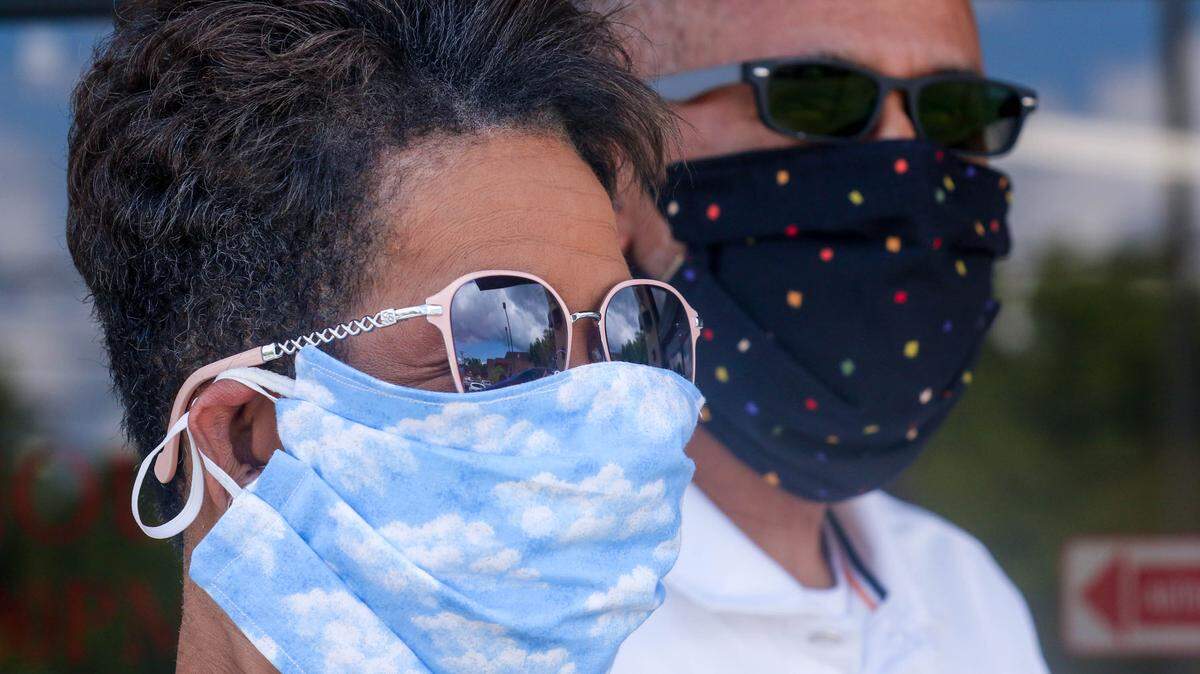
The agency continues to urge vaccinations and masking as the best ways to stop the spread of the virus, but also recognizes the therapeutic efficacy of monoclonal antibodies, among other treatments, in certain circumstances, Simmer said.
DHEC accused of prohibiting other treatments
Simmer’s statements came a week after lawmakers and constituents, many of them vaccine skeptics, testified before a Senate panel that they’d been unable to obtain the unproven therapeutics because state and federal health officials had restricted their access.
During last week’s hearing, Rep. Stewart Jones, R-Laurens, testified that local doctors should be allowed to prescribe treatments like ivermectin and hydroxychloroquine, which have become popular among those who shun COVID-19 vaccination. He accused DHEC and the U.S. Centers for Disease Control and Prevention of preventing doctors from treating patients as they saw fit and of dismissing clinical data that showed the drugs were working.
“I want us to ensure, as a Legislature, that people have a right to try in South Carolina,” Jones said. “That they’re able to go to their doctor without obstruction, without a barrier and get these treatments as they choose, as their doctor chooses.”
While the vast majority of medical professionals nationally and in South Carolina do not prescribe or promote unauthorized COVID treatments, many of the doctors who testified at Wednesday’s panel were highly supportive of ivermectin and hydroxychloroquine, cited numerous studies purportedly supporting their use against COVID-19 and said they had achieved great success with the drugs.
One Upstate doctor, Robert Jackson, suggested without evidence that COVID-19 would disappear if everyone took ivermectin and compared the scorn being leveled at physicians who promote the drug to the demonization doctors in support of handwashing faced in the 19th century.
A number of Republican lawmakers on the Senate panel invited and responded favorably to the public comments supportive of ivermectin and hydroxychloroquine, including Sen. Tom Corbin, R-Greenville, who called Jackson an “extremely brave individual” for testifying despite the possible backlash he might face from the medical community.
After Simmer testified that ivermectin was not considered an evidence-based treatment, Corbin cut him off and asked what more evidence he needed before recognizing the drug’s efficacy against COVID-19.
The director, a psychiatrist by training, responded that research touted by proponents of the drug was not well done, and that while some studies had found modest beneficial effects, others had found it ineffective at treating COVID.
He said he looked forward to reviewing the results of two ongoing studies of ivermectin’s efficacy in treating the coronavirus and committed to reporting those results once they’re available, regardless of the findings.
“I think the best answer we have right now is we don’t know for sure,” Simmer said of the anti-parasitic’s ability to treat COVID-19. “The current evidence does not support its use.”
Anne Cook, an internal medicine physician and president of South Carolina’s Board of Medical Examiners, said the board had not received any complaints about doctors regarding their care of coronavirus patients and had not warned or sanctioned any physicians over their prescription of unauthorized COVID-19 treatments.
“We don’t go out looking for trouble,” she said.
Cook said the board had issued guidance early in the pandemic advising physicians against prescribing hydroxychloroquine and the antibiotic azithromycin to non-patients after finding many doctors were writing prescriptions for family members and other people they were not otherwise treating, but that the board’s advisory has since expired.
She said she doesn’t begrudge doctors who prescribe ivermectin to treat COVID-19, but does have a problem with patients who refuse vaccination while demanding prescriptions for unproven drugs they incorrectly believe are more effective.
“If I told you we had a drug that 70% of the time would prevent COVID, and almost always prevent death from COVID unless you had other underlying conditions, I think we’d jump all over that, wouldn’t we?” Cook said. “That’s what the vaccine is.”
Since most patients recover from COVID-19 without treatment, it’s easy for people who would have improved without any medical intervention to attribute their recovery to any number of unproven therapeutic options, she said.
“I can tell them, ‘Here, take this chocolate bar,’ and give those 100 people a chocolate bar, and 85 of them are going to think that chocolate bar made their COVID better,” Cook said.
DHEC recommends monoclonal antibodies
While DHEC does not restrict drugs like ivermectin or hydroxychloroquine, it discourages — or at least does not promote — their use while recommending other more proven therapies, Simmer said.
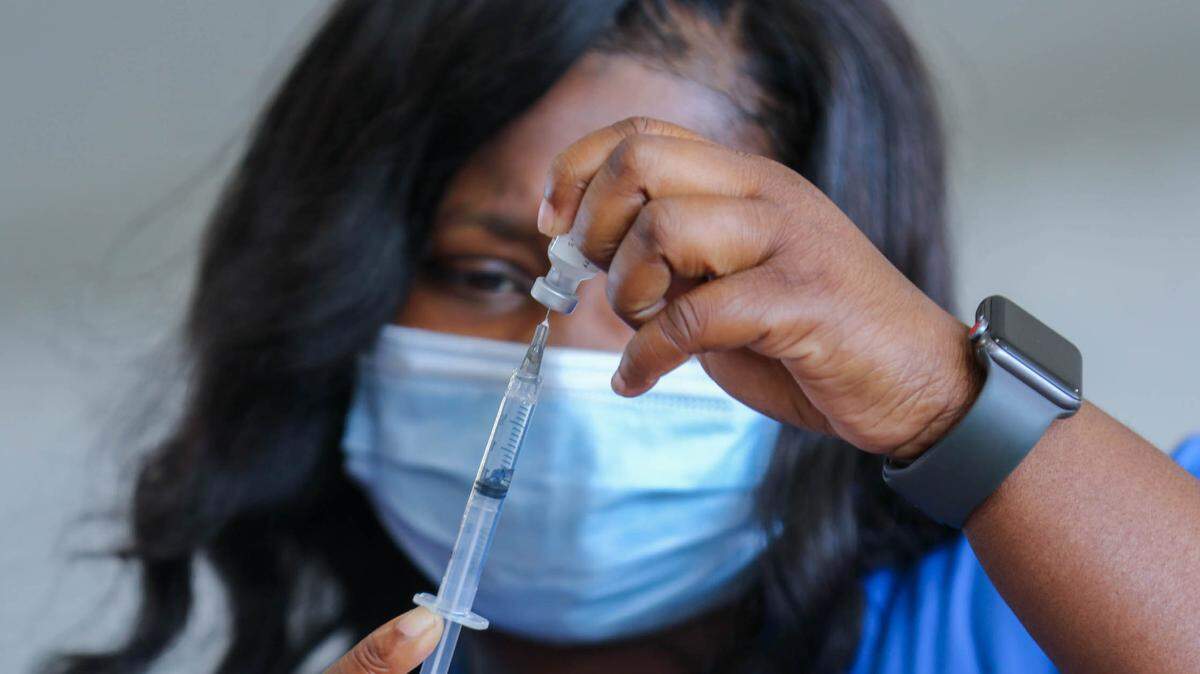
The agency recommends the use of monoclonal antibodies for treating COVID-19 patients with mild to moderate illness who are at risk of developing severe illness and supports the use of the antiviral medication remdesivir for hospitalized COVID patients, he said.
Both therapies have been authorized for use against COVID-19 by the U.S. Food and Drug Administration.
On the other hand, DHEC recently issued a statement warning about the dangers of using ivermectin and hydroxychloroquine to treat COVID-19. Neither drug is currently federally approved for use to treat coronavirus patients. The FDA granted hydroxychloroquine emergency use authorization early in the pandemic, but revoked its authorization a few months later after further testing determined its risks outweigh its benefits.
Simmer testified that while there was some early suggestion that hydroxychloroquine — a drug approved to treat autoimmune diseases and malaria that former President Donald Trump has promoted vociferously — might be useful in treating COVID-19, later research found it had been harmful to some patients.
The FDA has cautioned against the use of hydroxychloroquine to treat COVID-19 outside of a hospital or clinical study setting. An FDA review of safety issues surrounding the use of the drug to treat hospitalized COVID-19 patients turned up reports of “serious heart rhythm problems and other safety issues, including blood and lymph system disorders, kidney injuries, and liver problems and failure.”
Ivermectin, a drug used to treat parasitic worms in humans and animals that has more recently become a popular home COVID-19 remedy, is not necessarily dangerous if taken in human-approved quantities, Simmer said. But, he added, it has not proven effective against the coronavirus either.
People who take large doses of ivermectin or doses intended for large animals can suffer nausea, vomiting, diarrhea, low blood pressure, dizziness, seizures, coma and even death, according to DHEC.
As of Monday, seven South Carolina residents had called the Palmetto Poison Center this month after taking ivermectin, a notable spike from the previous two months, its director said.
Since July, the prescription of outpatient ivermectin has increased 24-fold from its pre-pandemic baseline, according to the CDC.
This story was originally published September 23, 2021 at 5:00 AM.









%20(5).jpeg)