SC parents lost hope in probe of son’s death. Would a top SLED agent bring justice?
READ MORE
Losing Brooks: Did an accident kill their baby boy 10 years ago? His parents believe it was homicide
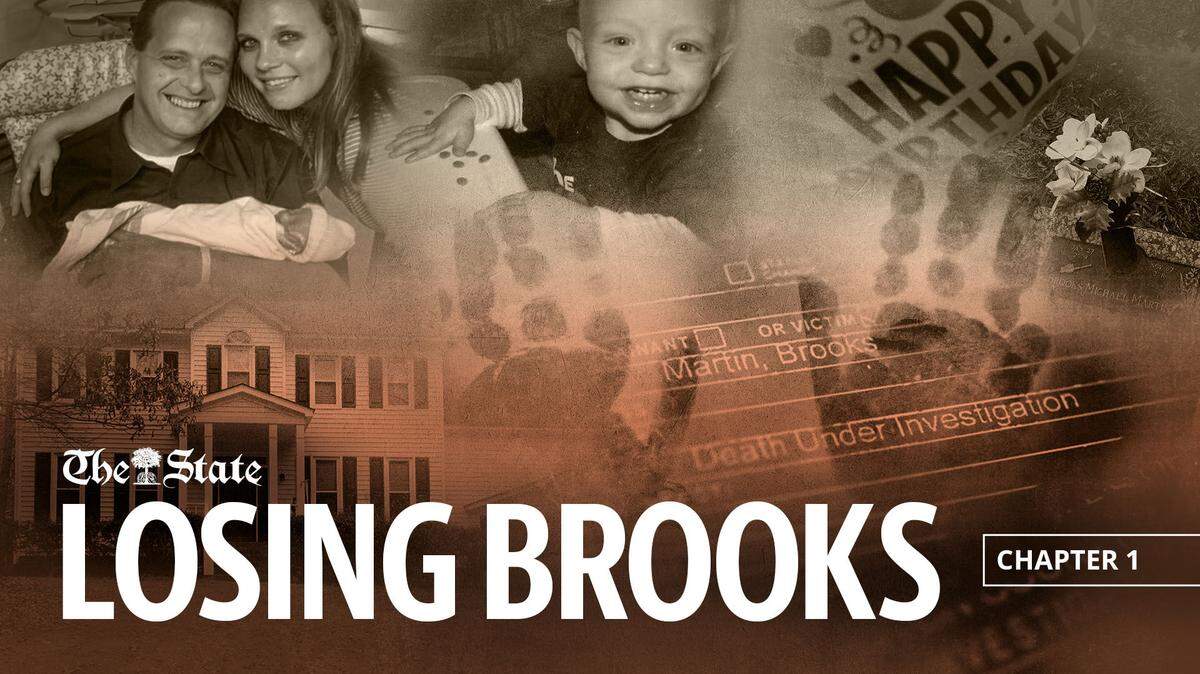
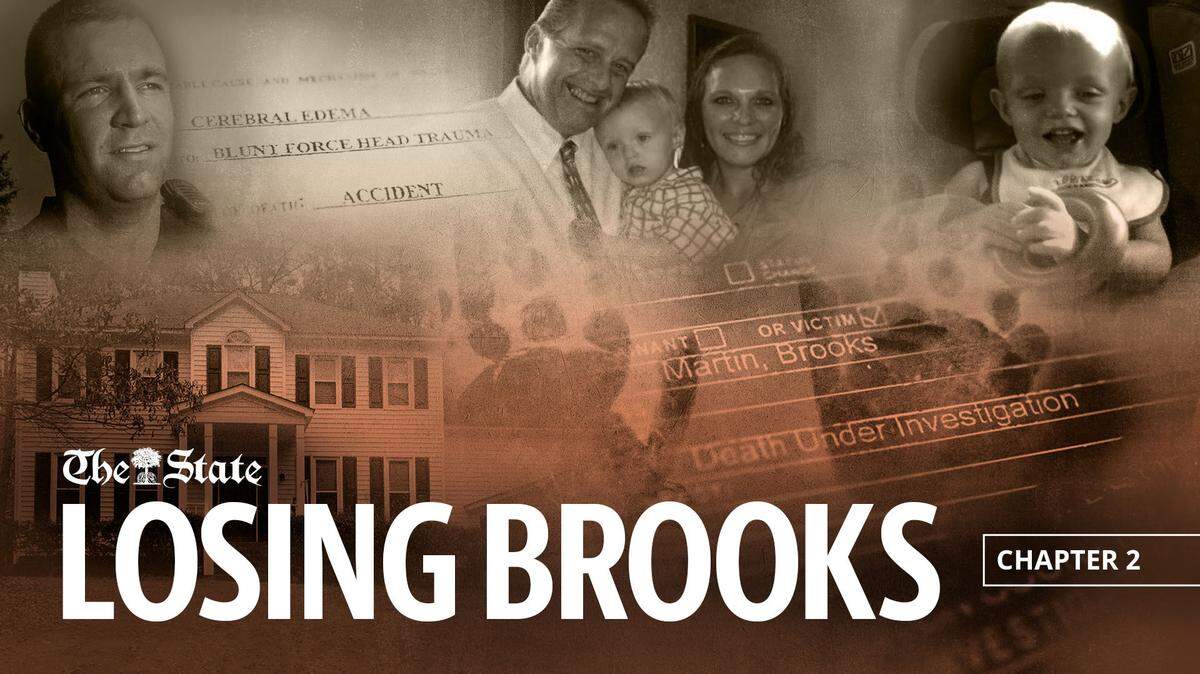
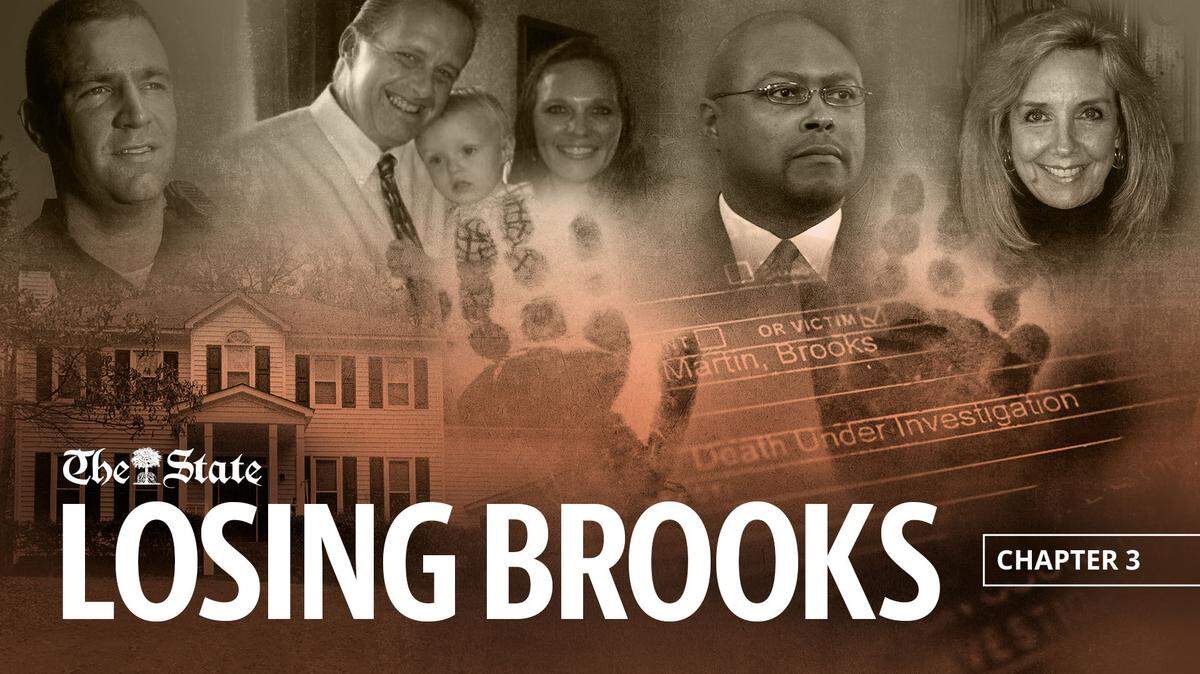
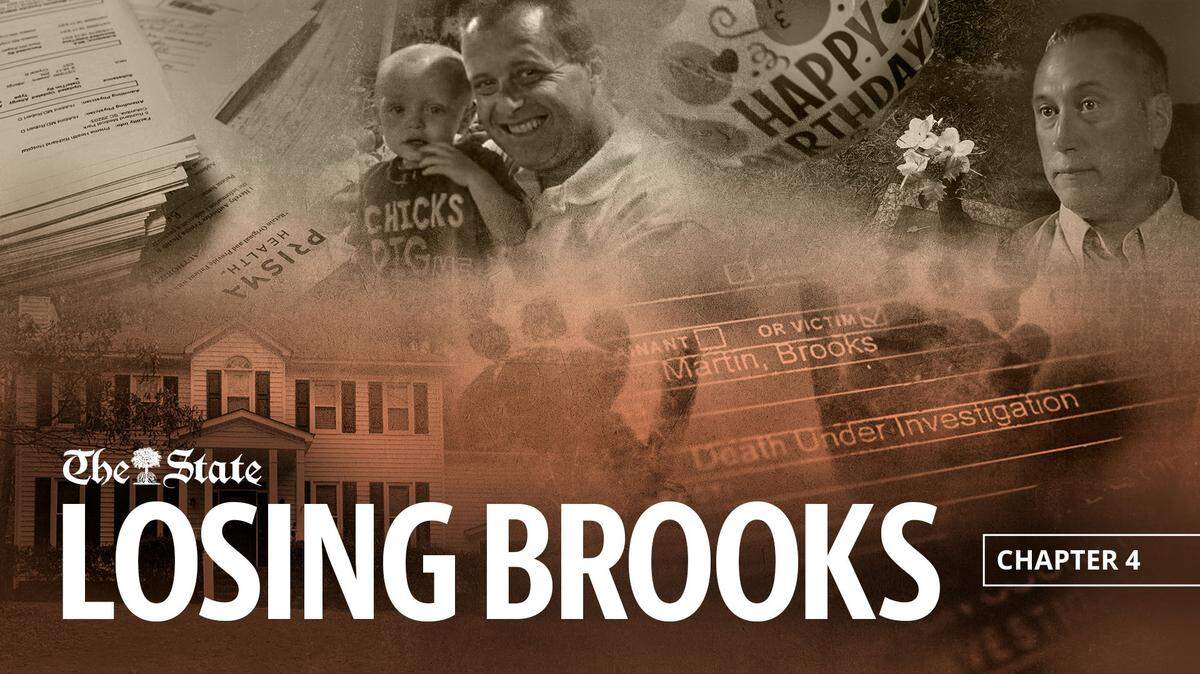
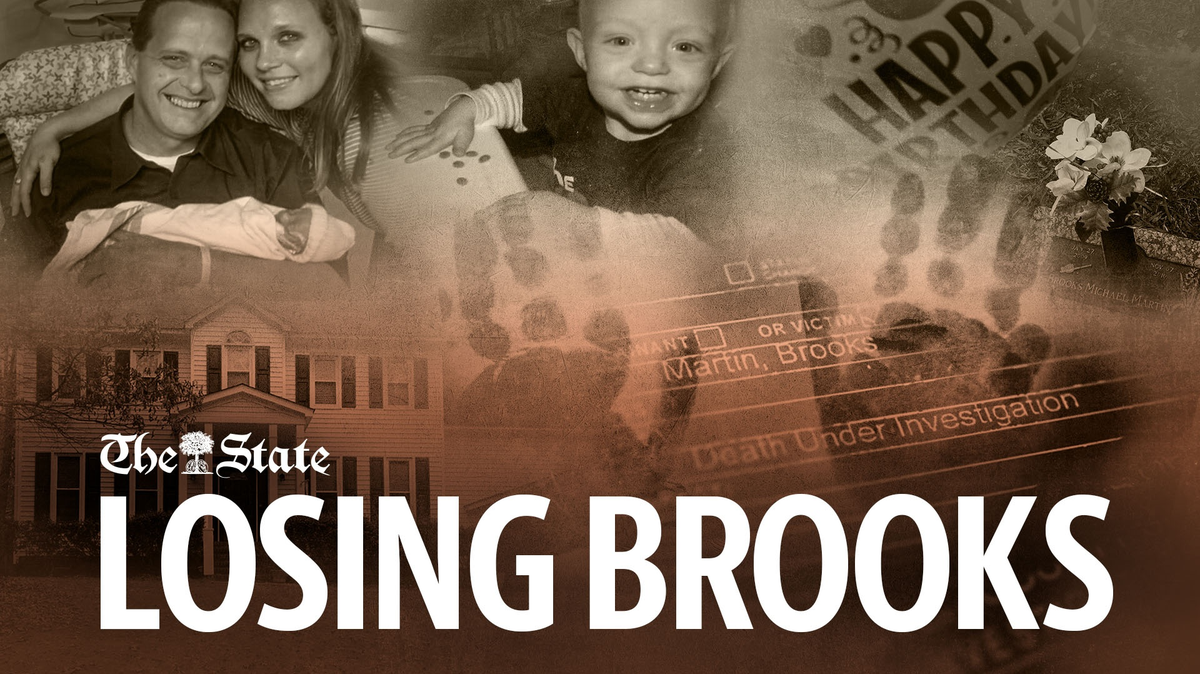
In November 2010, Amy and Tim Martin lost their 21-month-old son after an incident at a home day care in Lexington County, South Carolina. The homeowner says that the baby fell down the stairs but a doctor told the Martins that the baby’s injuries were intentional. After two police investigations, Brooks’ parents are left with more questions than answers.
Expand All
Brooks Martin, a 21-month-old, died of a head injury he got at a home day care. Doctors and nurses thought he may have been abused and called in the Lexington County Sheriff’s Department to investigate. Its investigation ended when a pathologist ruled Brooks’ death an accident. But Brooks’ parents and a state police agent questioned the ruling.
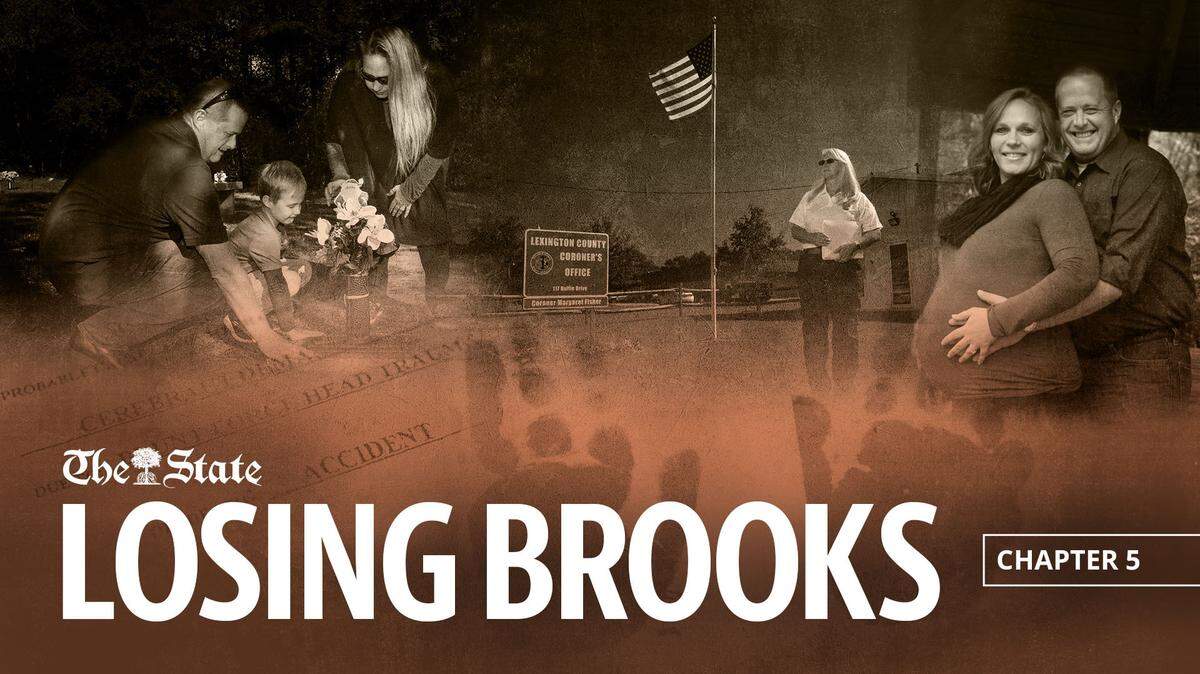
Cold had spread over the entire state on January 27, 2011 as the family of Amy and Tim Martin came together at the graveside of their son, Brooks.
They were celebrating his second birthday.
They tied balloons to the vase attached to the granite stone and bronze plaque that was carved with Brooks’ name.
As Tim stared down at the plaque, he still didn’t have a definite answer to a question racing in his mind.
How did his son die?
Almost three months had passed since Brooks, the Martins’ 21-month-old son, died from severe head trauma he sustained while at the home day care of Judy and Michael Creech. A pathologist and the Lexington County Sheriff’s Department ruled Brooks’ death an accident.
But gnawing inconsistencies in Brooks’ death wouldn’t leave Tim’s mind.
Nurses had called Lexington deputies to investigate the injury. But why, if it was an accident? Tim asked himself. Brooks’ attending physician had said Brooks suffered “non-accidental trauma.” Certain brain and eye damage appeared to have come from intentional abuse, the doctor had told them. A fall down the stairs while at the home day care — the reason given for the child’s injuries — would not have been the only factor in Brooks’ death, the child’s hospital attendants had said. All of these observations had been relayed to police investigating the incident.
Michael Creech, the person who was caring for Brooks at the day care, had told Lexington County investigators that he was in another room when he heard a noise that sounded like Brooks falling down the stairs.
Tim no longer believed that story. He wanted Michael Creech arrested.
The South Carolina Law Enforcement Division’s investigation into his son’s death — the second police investigation into this case — stalled in the preliminary stage for reasons the Martins did not know.
After leaving balloons on his son’s grave, Tim was tired of waiting and wanted answers.
Every day for two weeks, he called SLED’s headquarters to find out if an investigator was working on Brooks’ case. His child was dead and no authorities seemed to care.
Tim would leave a message with SLED in the morning and if he didn’t get a call back by the afternoon, he called again to hear the same unsatisfying series of rings and the pre-recorded voicemail.
When someone did pick up the line, he was given little information, leaving him with the feeling that SLED was brushing him off as a traumatized father at best or, at worst, a delusional one.
Because of a state law requiring SLED to be informed of all questionable child fatalities, the police agency started a file on Brooks’ death.
The Martins had some contact with a SLED agent but the interactions seemed procedural. Nonetheless, the Martins were under the impression that SLED would look for new information and fill in any gaps in Lexington County’s investigation of their son’s death.
After days of calling and leaving messages to no avail, Tim left a new message one February morning.
“I said, ‘The next call you get is going to be from your lobby and you’re gonna have to come out and deal with me,’” Tim said.
The head of SLED’s Special Victims Unit called him back.
HIDDEN
Agent Patsy Lightle was one of the most respected child fatality investigators in South Carolina.
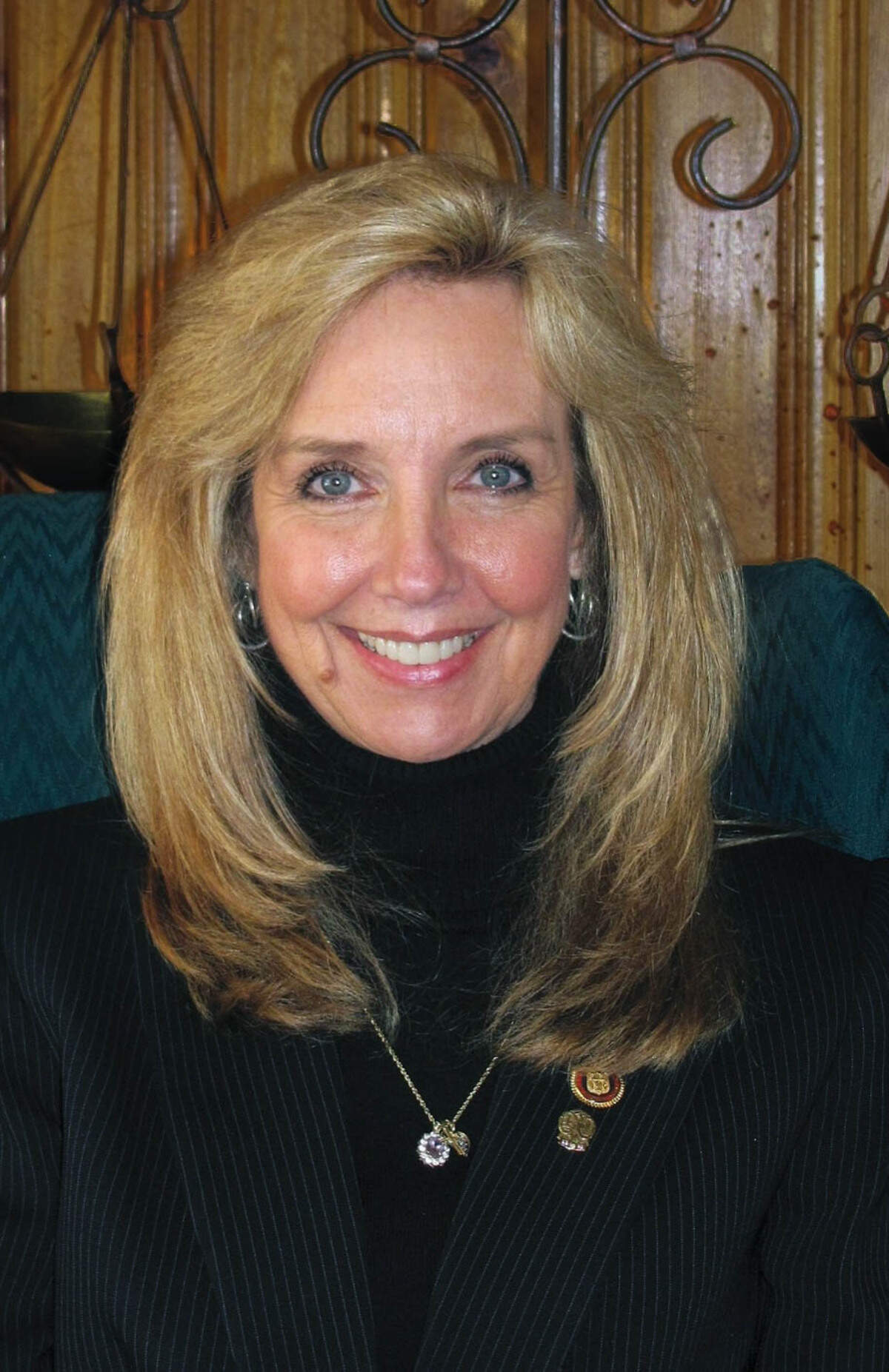
Reggie Lloyd, the director of SLED from 2008 to 2011, said Lightle was “passionate” about her work and “was going to investigate to the end.”
“She really spent a lot of time understanding and learning the science” of investigating children’s deaths, Lloyd said.
Lightle never went into a child death investigation assuming it was criminal, Lloyd said. But she “understands that not every case is an accident.”
The same instinct coursed through Tim. He didn’t believe his son’s death was an accident and he wanted to know all the evidence that proved it. He wanted to know everything he could about his child’s final moments.
Tim and Amy needed someone to fight for their son like they would, to defend the child as if he was still alive and to show his life mattered.
“There’s something unfinished here,” Tim remembered telling Lightle when they first spoke. “I don’t know what to tell you to look for but there’s something there.”
Agent Lightle looked for that something for three months.
Lightle had been quietly involved with Brooks’ case since nearly the start.
The day after Brooks’ injury, doctors at the children’s hospital where Brooks was treated had told a forensic pediatrician about Brooks’ injury, according to medical records.
The forensic pediatrician called Agent Lightle and asked her to look into the investigation of Brooks’ death, Lightle said.
Lightle told a deputy coroner that she had gotten information that indicated a witness “may not have told exactly how the incident happened,” according to the coroner’s report, which did not identify the witness.
As head of SLED’s SVU, Lightle delegated Brooks’ investigation to another agent who did little with the case for months, according to the Martins.
The delay reinforced Tim’s perception that the police were apathetic about his son’s death, deepening his anger.
After reaching out to Tim, Lightle started leading the investigation. Her involvement with Brooks’ case eased Tim’s disillusionment.
In March 2011, Debra Moore got a call from Lightle at her office at the 11th Circuit Solicitor’s Office in Lexington County.
Lightle explained the investigation into Brooks Martin’s death and what she had found. She wanted to know if Moore would prosecute the case.
Moore was willing to take on what would be a tough trial — she had handled difficult cases before, some with even less physical evidence than Brooks’.
“I never thought the case was weak,” Moore said. “She (Lightle) considered what the defense would come up with and she’d already come up with the answers through her investigation.”
With Lightle and Moore, the Martins had a powerful duo willing to dig deeper into Brooks’ death and to take the case to court as a homicide by child abuse case.
The evidence would be critical.
But what exactly Lightle uncovered remains hidden.
SLED denied The State newspaper’s Freedom of Information Act request in 2019 for the Brooks Martin files, citing a state law that makes certain child death records exempt from public records statutes.
This state law prohibits parents like the Martins from getting investigative records pertaining to their child’s death, creating a painful void in the Martins’ quest for closure.
The law, which in 1992 created SLED’s child fatality unit and established a committee to review suspicious child deaths, also keeps information about these deaths out of public view. Authorities say the point is to protect sensitive information. But some child advocates say too much secrecy harms children and creates an accountability vacuum.
SLED declined The State’s requests to speak with agency attorneys about its interpretation of the law, and why the records were being kept from Brooks’ next of kin.
Because the file is closed, details the Martins learned — and other details in this story — have come from other credible sources The State found in the course of its reporting. The State also obtained Lexington County Sheriff’s Department records from the Brooks Martin investigation.
Although the Martins don’t know why SLED’s investigation was delayed, it’s clear that Lightle went back to Brooks’ doctors and spoke with them.
Moore remembered the evidence in Lightle’s investigative file being mostly medical and relating to the nature of Brooks’ injuries and what could have caused such damage to a child’s head.
Brooks was reported to have had a “fall down carpeted stairs” in an investigative document that was written after Lightle’s probe. The doctors who wrote the report concluded that the profound injuries that led to Brooks’ death were not consistent with such a fall.
The bleeding in Brooks’ eyes, medically termed retinal hemorrhaging, was a key indicator of an abusive incident, Moore said.
“That’s the crux of the case: the medical evidence didn’t match the story,” Moore said.
Tim and Amy met with Lightle at SLED’s headquarters on Broad River Road.
Two file boxes sat on a desk containing Lightle’s findings in Brooks’ death, Tim remembered. Lightle showed them two pictures.
One picture showed cans of paint in a room of the Creeches’ house, Tim and Moore said. Lightle asked if they remembered the smell of wet paint on the day of Brooks’ injuries. They said they didn’t.
On April 11, about a month after Lightle began her investigation, a pathologist amended Brooks Martin’s autopsy report, changing the manner of death from “accident” to “pending investigation.”
A MEETING OF POLICE
The conference room of SLED headquarters looked like a large high school auditorium with a table in the middle.
If anyone walked by the room’s closed door that afternoon in April 2011, they may have heard SLED Director Reggie Lloyd calling an upper ranking Lexington County sheriff’s deputy a “motherf-----,” Moore remembered.
Lightle and Lloyd met with Lexington County Sheriff’s Department Detective Marty Longshore, who’d investigated Brooks’ death, head of major crimes unit Scottie Frier and other top brass at the department. Moore and another official with the 11th Circuit Solicitor’s Office also attended.
They met to hash out how to move forward with the Brooks Martin case.
Lloyd’s ire and choice words were elicited by the sheriff’s department wanting credit for an arrest after closing its investigation and initially opposing SLED’s involvement, according to Lloyd.
The department risked losing face.
That type of confrontation was too petty for Lloyd’s patience, he said.
“If we went forward, we would have to say they (Lexington County Sheriff’s Department) screwed up,” he said.
Lloyd couldn’t figure out why the sheriff’s department deputies were against Lightle’s investigation.
“I was convinced that Patsy [Lightle] was right,” Lloyd said. “They weren’t refuting the evidence she had. It was just they were generally obstinate to pursuing anything.”
Others who were at the meeting would not speak to The State. Former Lexington Sheriff Jimmy Metts wasn’t present but took notes on his deputies’ reports to him about the meeting.
He said his Lexington County investigators and SLED fundamentally disagreed on how to interpret the facts.
In the hospital, Michael Creech had said police should take him to jail — “This is all my fault,” and, “Brooks wouldn’t be here if it weren’t for me,” he said, according to a witness statement from police reports.
SLED took those remarks as a confession, but sheriff’s deputies saw it as Creech expressing regret, Metts said.
“He was saying, ‘I wish I was more vigilant watching the child,’” Metts said.
After all, Creech had called 911, gotten an ambulance, gone to the hospital.
“He did all he could,” Metts said. “He was upset like anyone would be.”
But the medical evidence was difficult for the Lexington County deputies to argue against, Moore said.
Lightle was considered one of the state’s top experts in child death investigations and if she believed a case was worth pursuing in court, her opinion held weight, according to Lloyd and Moore.
“She did an exhaustive investigation,” Moore said. “She would ride a horse to its death. And that’s exactly what she did.”
Lloyd and Lightle went back and forth with the Lexington Sheriff’s Department officials about whether an arrest should be made.
Moore described the meeting as one of the most intense she’d been in as a prosecutor.
The meeting became so heated that Lloyd and Assistant Sheriff Keith Kirchner had to work out the details in a separate room, alone.
When the meeting concluded, Lightle had the go-ahead she wanted. She went to a magistrate and got an arrest warrant for Michael Creech.
On April 16, 2011, SLED agents arrested Creech at a restaurant where he worked, Moore said.
SLED charged Creech with homicide by child abuse. He faced 20 years to life in prison if convicted at the trial the Martins desperately wanted.
Deputies jailed Creech in Lexington County Detention Center.
After months of agonizing suspicions, Tim had received his first fragment of vindication.
Moore was ready to fight for Brooks in court and Lightle proved a tenacious fact-seeker — she saw Brooks as more than a name on a case file, Tim said.
“Patsy kept going. She didn’t stand down,” Tim said. “She was the only one who did her job.”
At Creech’s bond hearing a week later, Amy held a picture of Brooks as she and Tim spoke about their son.

Michael Creech had supporters, the Martins remembered. The pastor from his church showed up to speak to Creech’s character as well as others.
A judge denied Creech bond.
For Tim and Amy, the arrest and charge seemed to be steps toward justice for their son.
But almost as soon as the path opened, it began to close.
Click here for Chapter 4 of Losing Brooks.
This story was originally published October 22, 2020 at 5:00 AM.