Is Columbia complacent? Is growth leaving some behind? City’s future weighs on candidates
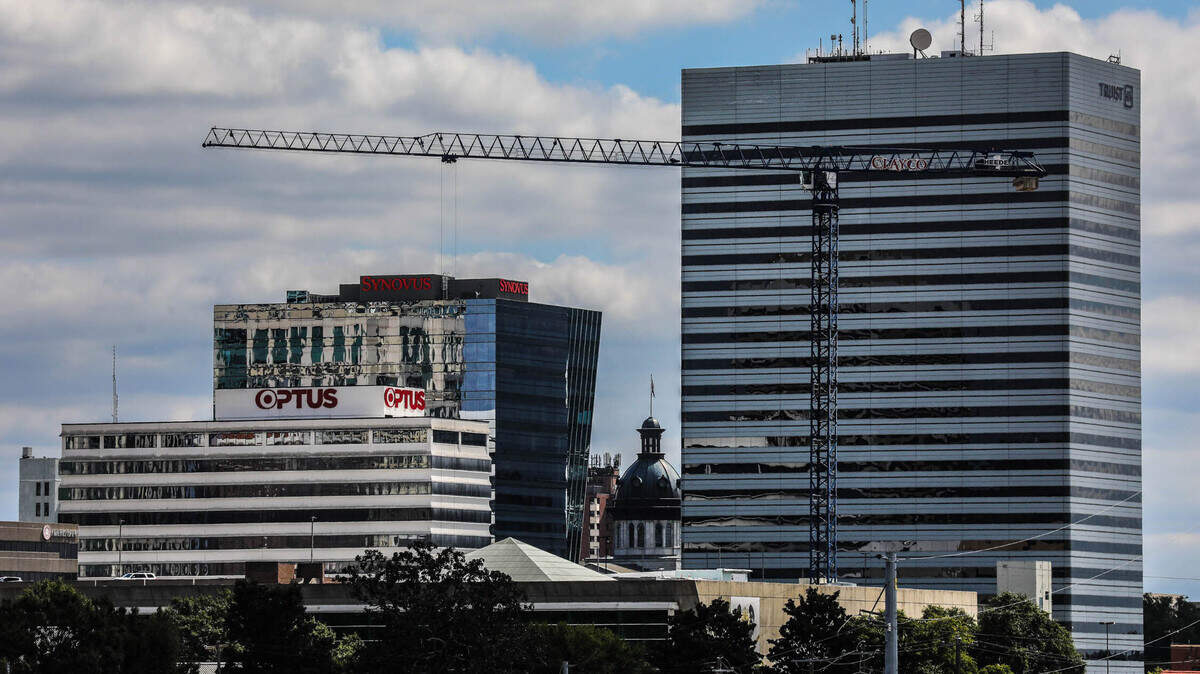
Columbia and the Midlands are in the midst of a growth spurt. New companies are taking root. New housing is coming online. And downtown Columbia continues to get busier and busier.
But the capital city isn’t growing as fast as other major South Carolina cities. Columbia’s population grew 6% between 2010 and 2020, while Charleston’s grew by more than 25% and Greenville’s went up 21%.
At the same time, Columbia’s neighborhoods have at times struggled with the way the city is growing and worry for the future of their communities.
Here’s what the candidates for the at-large Columbia City Council seat up for election had to say about development, downtown and how to protect the city’s neighborhoods.
Downtown development
One of the main reasons Jesse Bullard, vice president of Southern Way Catering, decided to run for City Council was because of the sense of complacency he felt about the city’s growth.
“You’ve heard people say that the best thing about Columbia is its proximity to the mountains and to the ocean, therefore making us a suitcase town and creating that low self-esteem culture,” Bullard said.
He’s seen the recent growth, however, and he wanted to be a part of it. Bullard previously served on the city’s Hospitality Tax Commission, and he’s stayed plugged into conversations about how to address the city’s property tax base when so many properties are tax-exempt because of government or religious affiliation.
Bullard stressed that he doesn’t want to see Columbia dramatically change, but he does think the city should continue to grow and leverage some under-utilized assets such as the three-rivers system.
“For a long time Columbia has used the excuse that we can’t ever develop at the same rate that (Charleston or Greenville) can because our tax base is so consumed,” Bullard said. “There’s been this mentality we’re only ever going to be so good when we’ve got so much untaxable land being used. Frankly, that’s been a poor excuse for a long time not to grow.”
Christa Williams, owner of Uncle Willie’s Grocery Store, and Tyler Bailey, a local attorney, both agreed they would like to see downtown thrive, but they both said they are concerned about some neighborhoods being left behind.
“When you are out in the community, this city spans wide, and when you are in those communities you feel the distance,” Williams said. “Development is great for downtown. This city deserves a chance to grow. But at the end of the day, in any type of decision making you have to look at all the factors.”
She added that in addition to downtown infrastructure improvements, communities farther from the city center also need those same resources for aging infrastructure, crime and beyond.
Williams said she would like to see more research done on the unintended consequences of developments before they are approved.
Bailey said something similar.
“We can’t continue to grow in one area to the detriment of the whole because it’s only going to cause more frustration with people who feel like they’re being left out of the growth,” he said.
Bailey supports more development as long as it is done in concert with the community. He suggested creating more incentives and adding a requirement for developments to fix up community amenities, such as sidewalks and greenspaces, in addition to whatever project the developer is pursuing.
Community leaders in some areas, including North Main Street, have stressed the need for developers to work with community members, rather than have a development happen to the community.
All three candidates said they are excited to see development on the Congaree riverfront finally move forward, with needed road projects to create more access to the riverfront now having state and city funding.
Bailey said another reason Columbia may feel behind is because the Confederate flag that flew over the State House for so many years turned off potential investors.
“It was a hidden tax on Columbia,” Bailey said, explaining that companies likely didn’t want to establish a headquarters in a place where their employees would have to drive past the Confederate flag, which the Anti-Defamation League recognizes as a hate symbol.
South Carolina in 2015 removed the flag from its prominent position atop the State House. It is now on display at the Confederate Relic Room in the S.C. State Museum.
“Columbia is growing now for a lot of reasons, but I think things picked up when the flag came down, too,” Bailey said.
Neighborhoods
As Columbia continues to grow, some neighborhoods feel left out, while others are resentful over new developments they say threaten the character of their neighborhoods.
All three at-large candidates agreed that neighborhood residents should have a say in what developers have planned for their communities.
“There’s a lot of people that think you’ve either got to be pro-development or pro-neighborhoods, and that is just simply not the case,” Bullard said. “You can have both and, in fact, they work hand in hand.”
The revenue from more business, more properties, more tourists downtown and elsewhere in the city can be used to directly impact infrastructure and crime in neighborhoods, Bullard said.
He added that some of the city’s neighborhood associations are impressively organized and can be powerful assets to their communities. He would like to see that structure in neighborhoods that feel they haven’t been heard as much.
Williams has pointed to vacant lots and abandoned buildings throughout her campaign, and she said when an area is blighted, of course, people are going to feel left out.
“We need more community advocates on City Council that are going to help to resolve real issues in the community and not just go down the path of downtown development without focusing on our communities,” she said.
She is also worried about the city seeing so much exponential growth that people who can’t afford higher rents or higher housing prices get pushed farther to the outskirts of the city.
“I don’t want so much development to happen that I’m way out somewhere that I never envisioned. I do enjoy living in the city,” she said.
Bailey, too, said it’s clear some areas of the city get more attention than others.
“We have a segment of Columbia that’s not being seen and heard as Columbia grows,” Bailey said.
He said people notice when their neighborhoods aren’t being given the same resources.
He referenced the city’s attention on addressing homelessness downtown, “but if you drive a couple blocks down, go further down North Main, you may see some of the same problems but that same emphasis may not be there in addressing it.”
Bailey said that because he’s lived in Columbia most of his life, he’s seen the unbalanced growth first-hand and would be able to point it out on council.
About the candidates
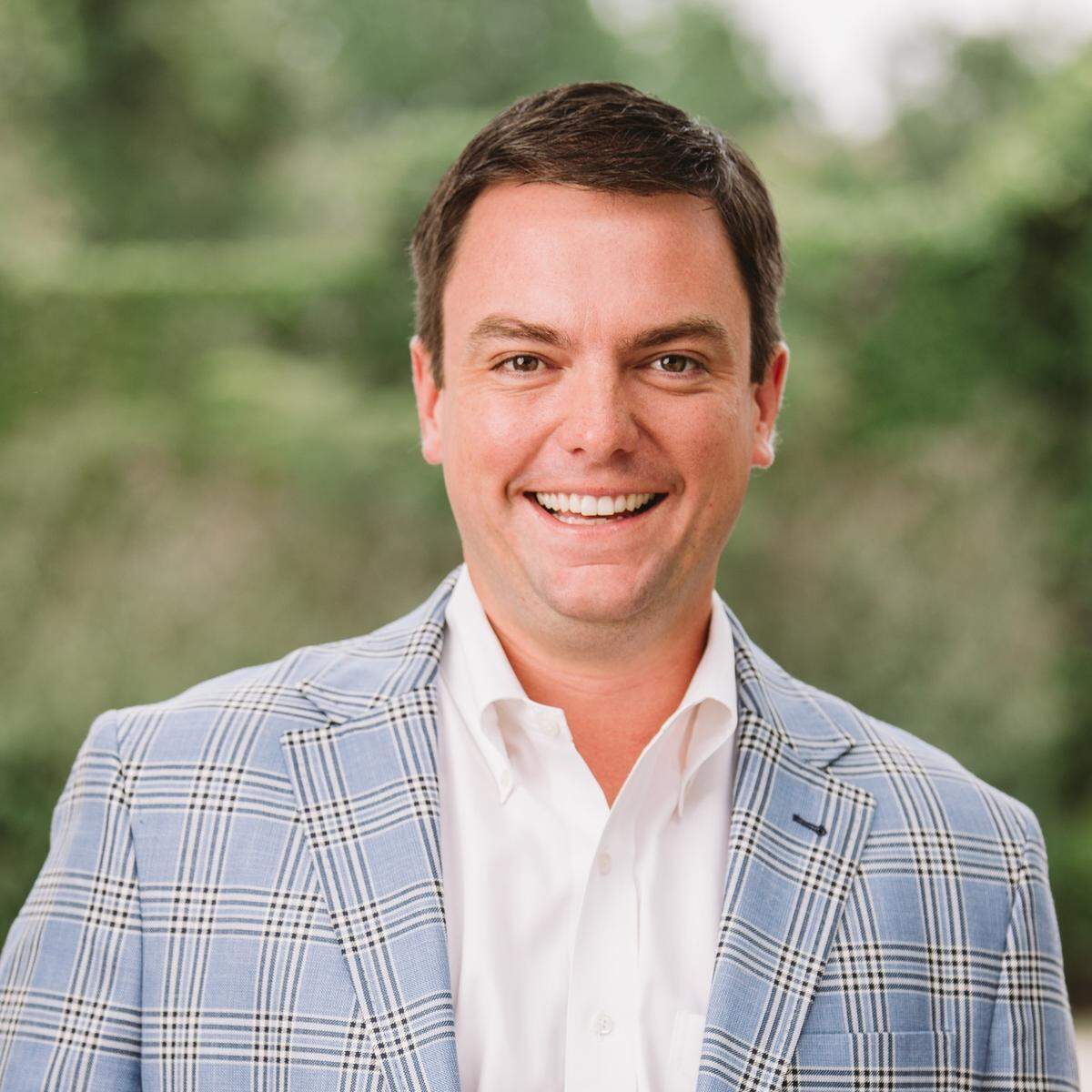
Jesse Bullard has lived in Columbia for 20 years. He said he decided to run for City Council because he felt like the city was complacent.
“I didn’t feel like the city was progressing at the same rate that some of our neighboring major market areas in the state were progressing,” Bullard said.
A longtime entrepreneur, he started with Southern Way Catering after graduating from USC and has grown that business from roughly a dozen full-time employees when he started to now more than 300.
I’ve spent my whole career in the service business, hospitality, and taking care of others is really all I know,” Bullard said. “I think that an effective city government is run like a service business with the taxpayers being our customers.”
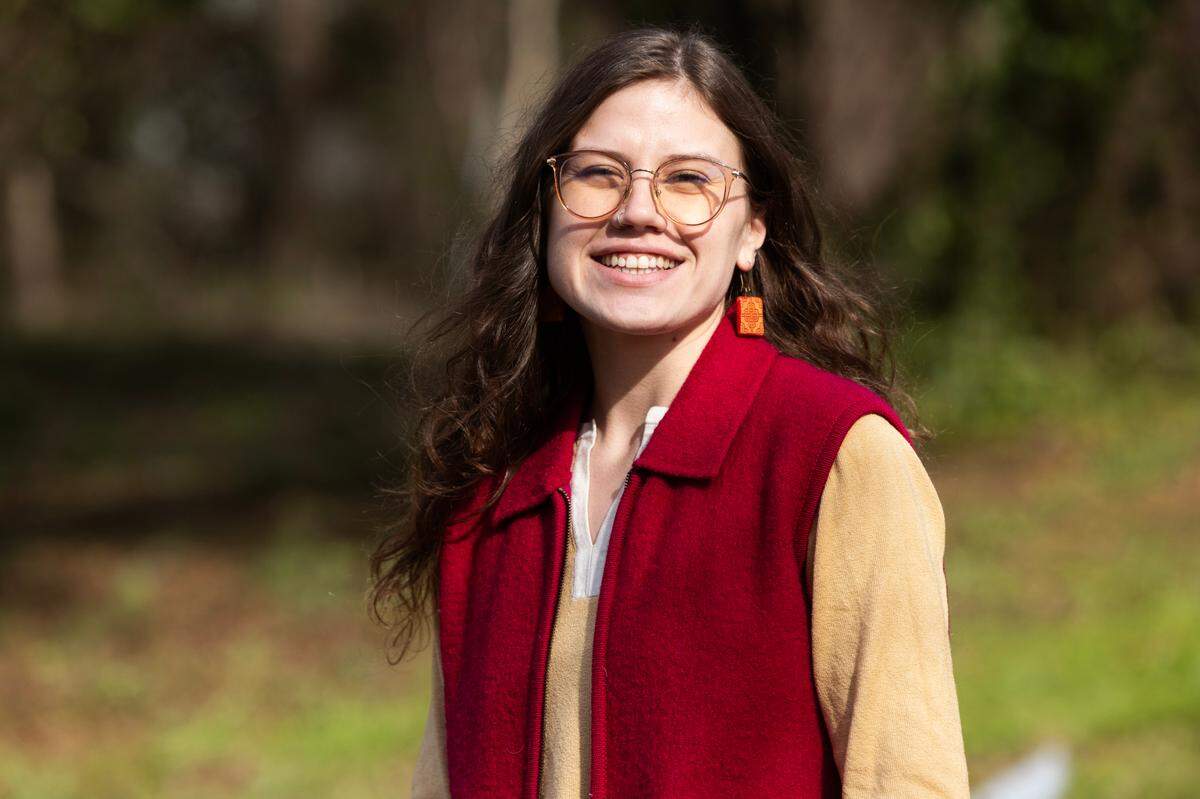
Christa Williams owns Uncle Willie’s Grocery Store on North Main Street and previously worked with the S.C. Department of Corrections and is a current member of the Army National Guard.
She ran for City Council District 1 in 2021 but lost that race to Tina Herbert. She opened her grocery store in an area without any after that election because she said so many people told her that was what was needed in the community.
Williams said she’s running because she is sick of seeing politicians promising the world to get elected and then not delivering.
“People want someone that is going to be honest about getting results in their community,” she said. “I want to be that personal council member, regardless of whether everybody else is agreeing on something. If the community is saying that we want a particular thing, that’s the direction that I want to go in.”
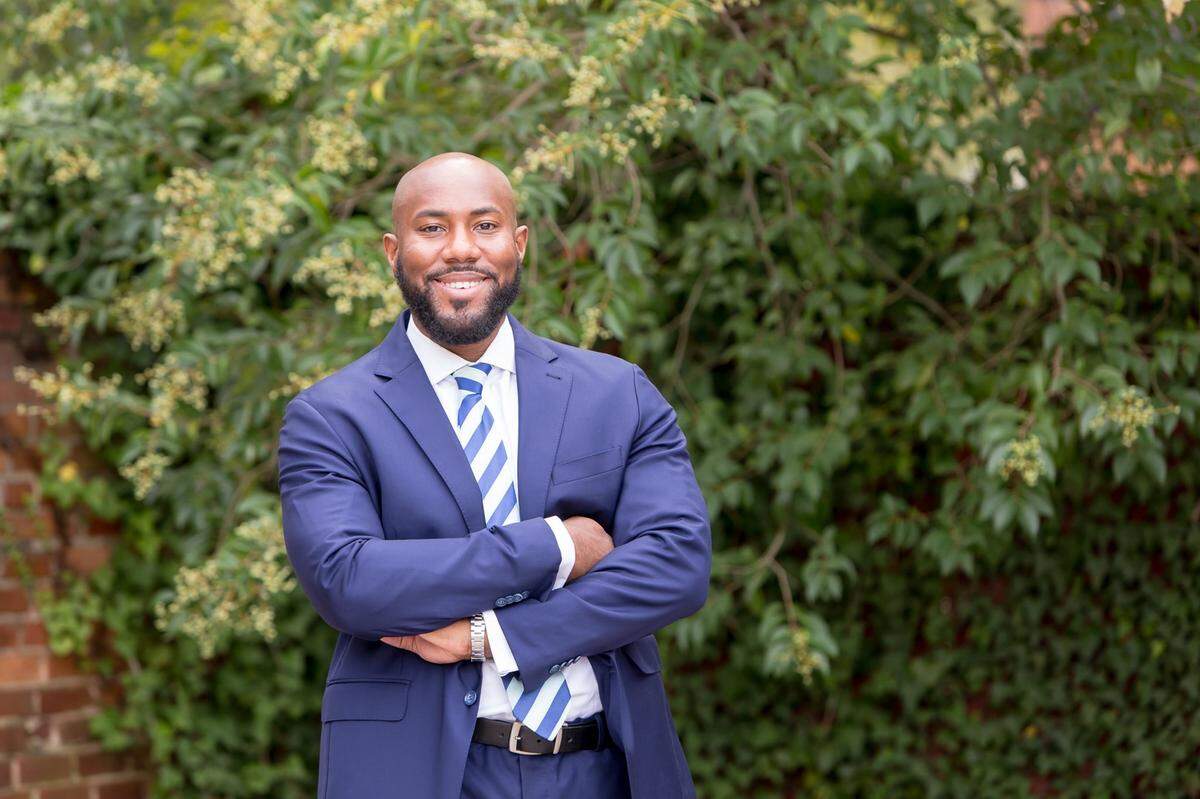
Tyler Bailey is an attorney in Columbia practicing at his own firm and specializing in civil rights and personal injury law, among other areas. Bailey said he is running because he is from Columbia and has seen some communities be left out of the city’s growth.
Bailey ran for City Council at-large in 2021 but lost in a run-off election against Aditi Bussells.
City Council doesn’t necessarily face the same gridlock as Congress or even the State House, Bailey said, so there’s room to really get things done and impact communities.
“I’m a product of the community, and I could bring people together to see how we need to address it,” Bailey said, adding that he thinks council needs “an advocate for people, for communities, who is not beholden to anybody or pursuing a narrow interest.”
Elections for Columbia City Council will be Tuesday, Nov. 7. In addition to the at-large seat, elected by a citywide vote, there are two district seats on the ballot: Incumbent Councilman Ed McDowell is running unopposed in District 2, and incumbent Councilman Will Brennan faces former council member Moe Baddourah in District 3
This story was originally published October 19, 2023 at 11:52 AM.
CORRECTION: This story has been updated to correct the number of employees who worked at Southern Way Catering when it opened.