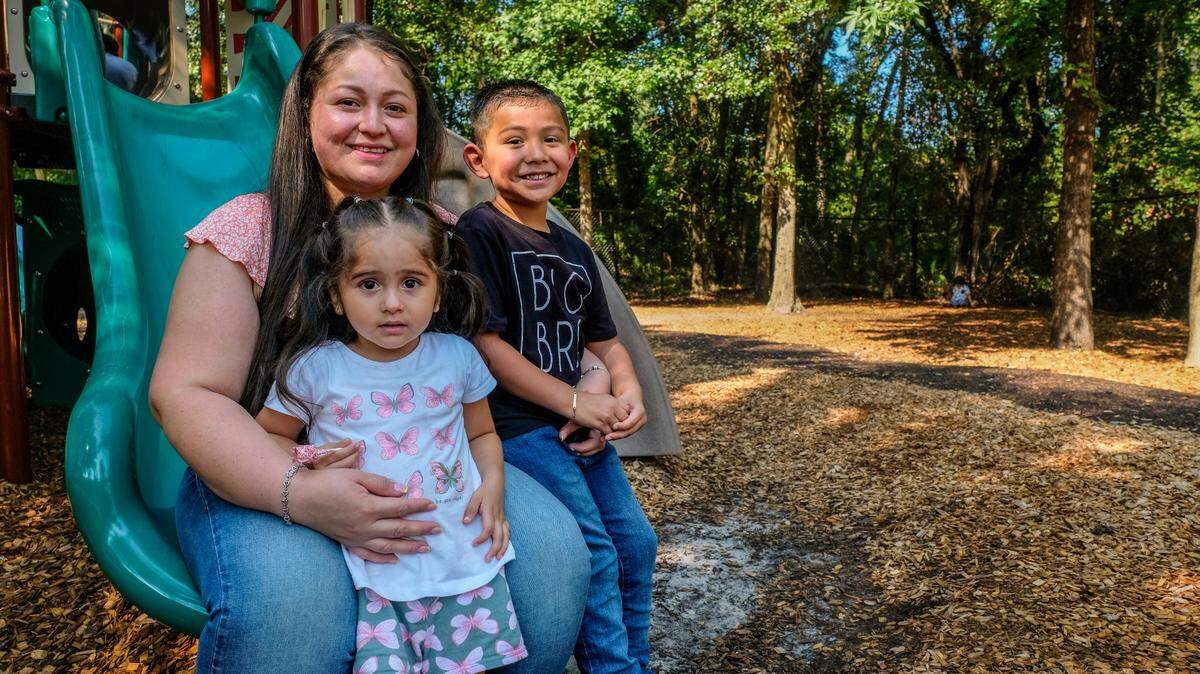
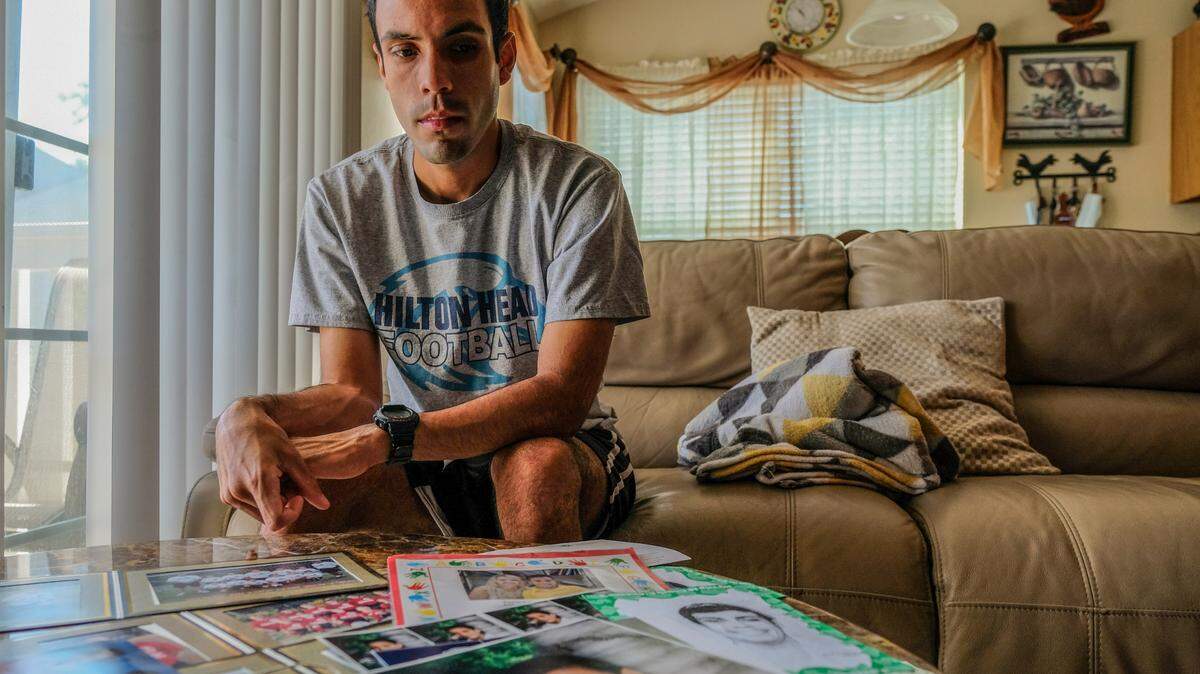
The story of ‘La Isla’: How Hispanic students became the face of Hilton Head
READ MORE
The New Majority
Nearly half of Hilton Head’s public school students are Hispanic and Latino. New challenges must be met for them — and the island — to prosper.
Expand All
The world knows Hilton Head Island as a resort paradise with pristine beaches and golf courses to match. Its gated communities play host to multi million-dollar homes and, overwhelmingly, white retirees.
It’s an image that hides history: the native island families who trace their lineage back long before white developers arrived and today’s new reality — a significant Hispanic and Latino community that is coming into its own.
Look at the island’s classrooms and you’ll see Hilton Head’s future.
Hispanic students now make up nearly half of the island’s public school population. Over the past six years, Hilton Head Elementary School and Hilton Head Middle School have steadily transitioned from majority-white student bodies to majority-Hispanic ones. If the trend continues, 2021 might be the first year the same is true for Hilton Head High School.
The Beaufort County School District is now home to the third largest Hispanic student population in South Carolina, with more than 6,000 students concentrated mostly on Hilton Head and in Bluffton. Only Greenville and Horry counties’ school systems educate more of these students.
The growing number of Hispanic immigrants and first-generation Americans seated in those desks are the island’s next generation who should be embraced, say local leaders. “The lives of all of Hilton Head are better because these families are here,” said Ingrid Boatright, a Beaufort County school board member who represents part of the island. “Having their children have the opportunity to have tremendous educational opportunities is something that we should all care about.”
In order for them and Hilton Head to thrive, a host of challenges the island has not fully faced must be overcome.
Already, Hilton Head residents struggle to find professional services, said school board member Cathy Robine, who also represents a portion of Hilton Head. “Our community depends on having educated people in it and we do that with schools.”
Whether or not their own children are Beaufort County students, island residents “should understand that having a workforce able to meet the challenges of the future [is] going to be critically important to their social security, to their stock portfolio and to the quality of their life,” said John O’Toole, executive director of the Beaufort County Economic Development Corp.
The well-resourced Beaufort County School District is “light years” ahead of much of the state in serving its Hispanic students, whose numbers first began to swell two decades ago, said Eric Esquivel, a longtime leader in the island’s Hispanic community and publisher of La Isla Magazine, its local bilingual publication.
But more must be done for these students and their island home to prosper. Challenges include:
- Hispanic students on Hilton Head graduate on-time at a lower rate than their Black and white counterparts. While the district as a whole has marginally improved its 4-year graduation rate for Black students during the past three years, the same figure for Hispanic students has slipped by two percentage points. In 2020, 78% graduated on-time.
- At Hilton Head Middle and High schools, about one in every three students is multilingual and developing fluency in English. Less than a third of those students met language proficiency targets in 2020, lagging at least 11 percentage points behind the rate of their peers across South Carolina.
- Scores on state assessments reveal persistent achievement gaps between the district’s Hispanic students and their white peers on English and Math exams, with rifts as wide as 35 percentage points at some grade levels.
The situation demands attention, say leaders like Narendra Sharma, founder and chair of Neighborhood Outreach Connection, which runs a network of Beaufort County after-school centers for mostly low-income students, many Hispanic.
“If we don’t provide them with the right skills and knowledge and put them on track to graduate on time, it’s going to be very costly locally here,” he said.
A new multilingual student body
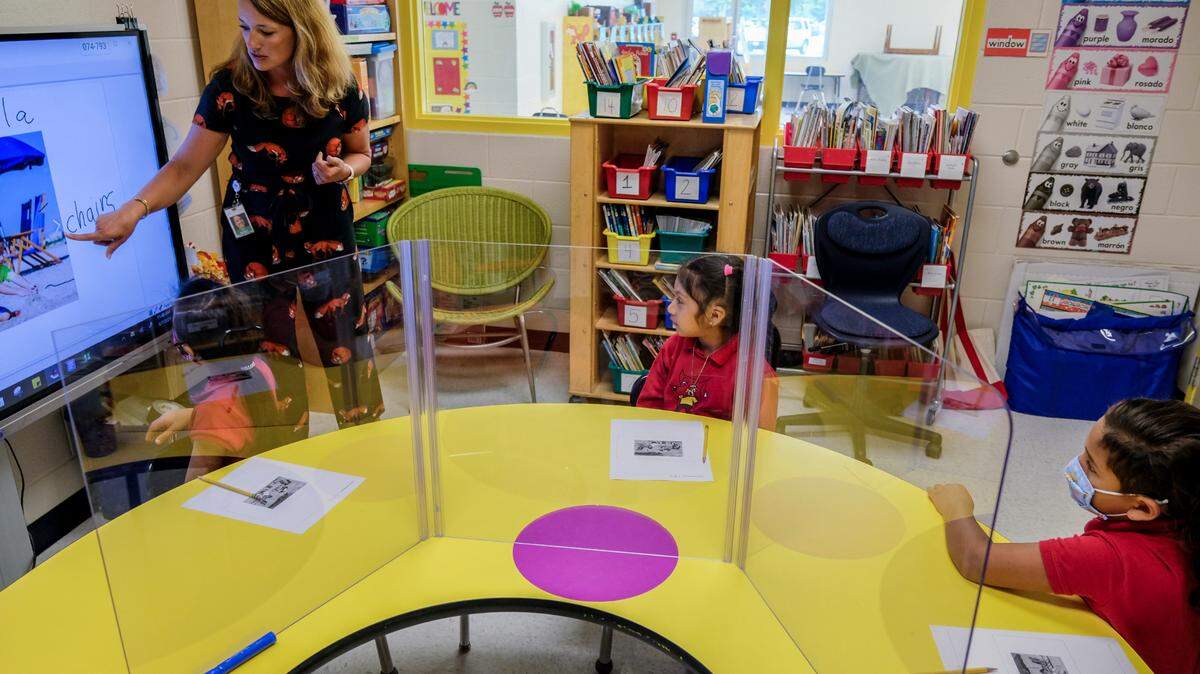
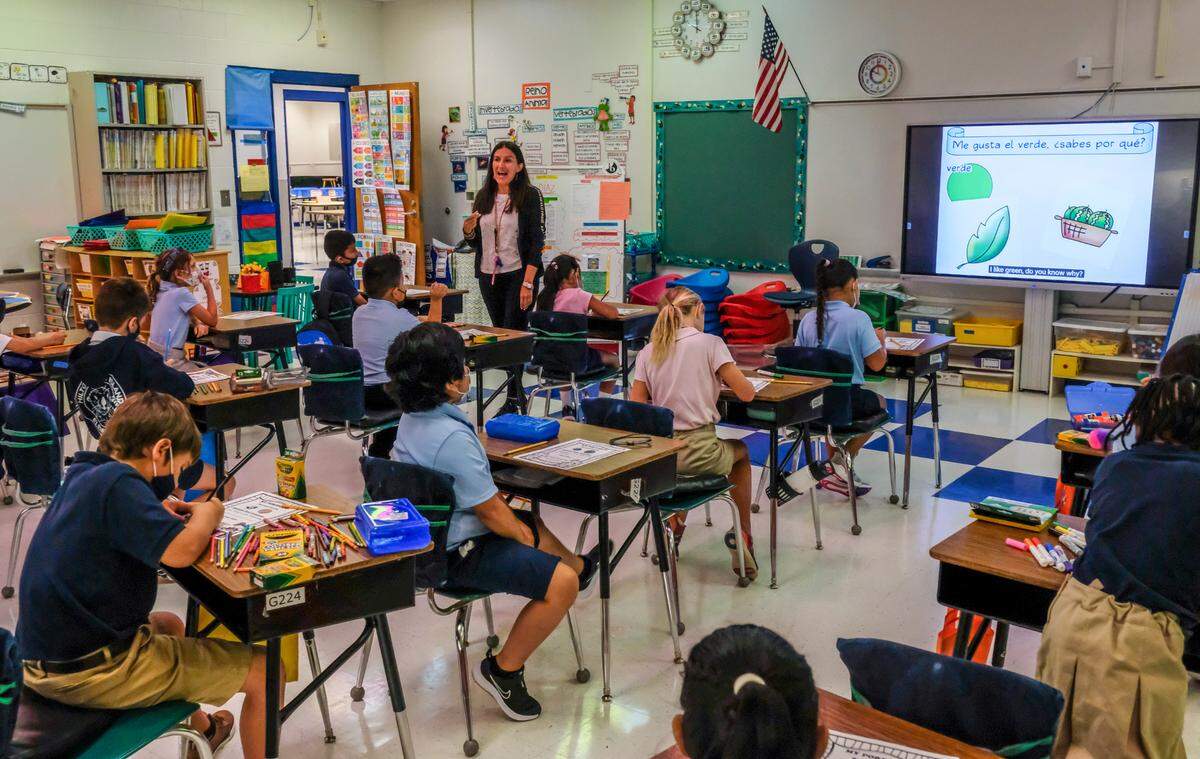
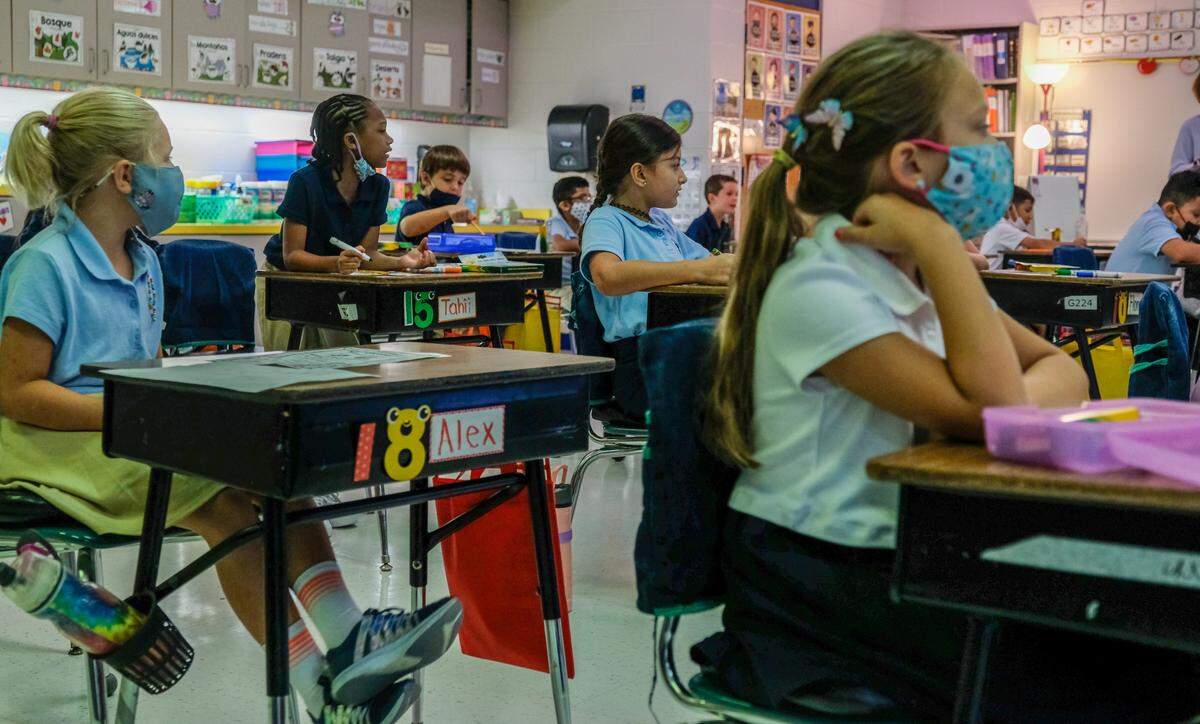
At least one in three students in Hilton Head public schools are learning English. The vast majority live in Spanish-speaking households.
Still, some students say they never had a teacher who spoke the language they did at home. That was true for Liliana Morales Perez, a daughter of Mexican immigrants who grew up on Hilton Head and attended elementary, middle and high school on the island before graduating last year.
It’s no surprise.
The Beaufort County School District doesn’t know the number of staff members who are bilingual. But at the beginning of last school year, just 3.7% of the district’s teachers identified as Hispanic, state data show. That’s nowhere near the 30% of the district’s students who hold the same identity.
As a result, some newcomers are thrown into an environment where few speak their native tongue.
Research shows one of the most effective ways to support English learners is to teach them simultaneously in their new language and the one they speak at home. A handful of states, like Delaware, Utah and North Carolina, have aggressively pushed these programs statewide, for both native English speakers and English learners.
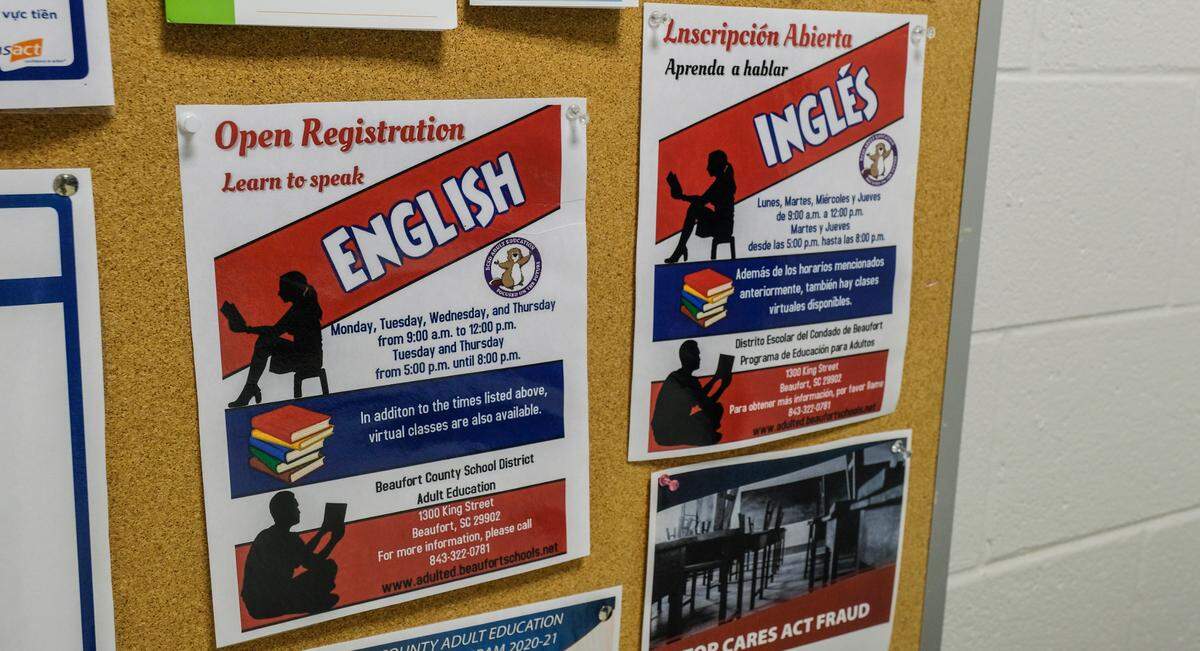
Hilton Head Elementary is one of the rare S.C. schools with immersion initiatives. But its Spanish and Chinese dual-language programs enroll just 223 students and only about one-fifth of those are classified as students receiving English learning support.
More frequently, multilingual students are pulled out of the classroom for intensive language aid, which they receive from one of the district’s 69 English for Speakers of Other Languages (ESOL) teachers. Those educators are also tasked with helping subject area educators make accommodations for their 4,600 students across Beaufort County.
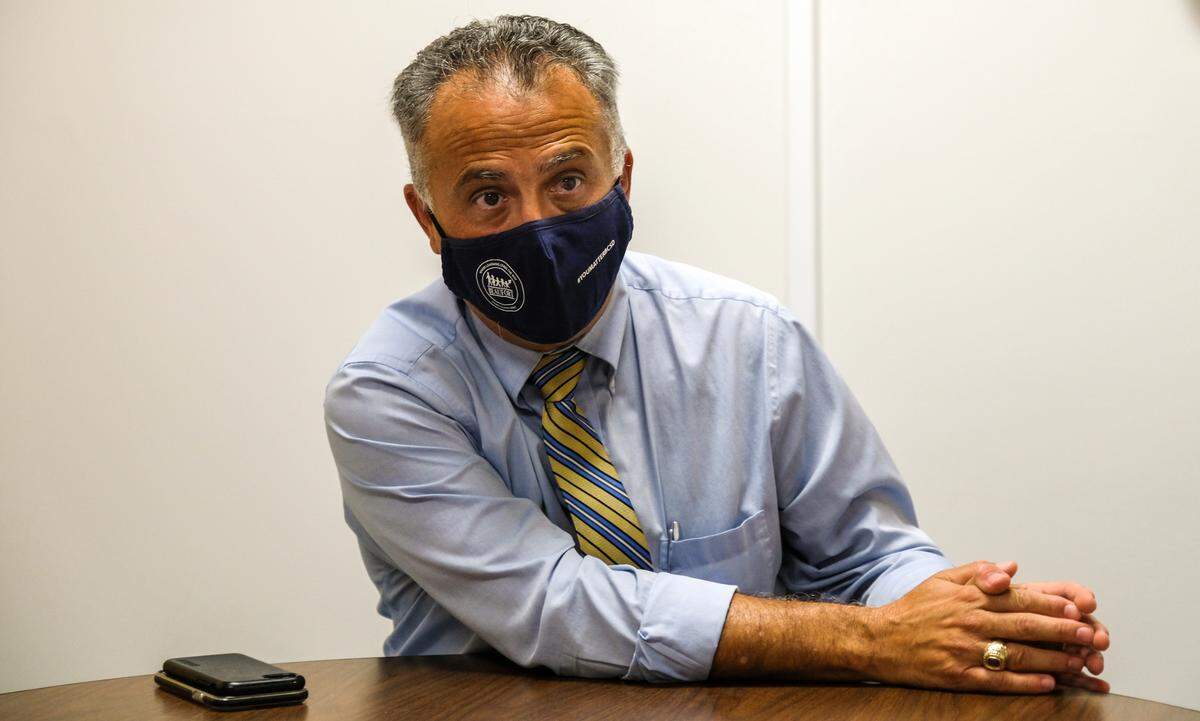
The man at the helm of the Beaufort County school district, Superintendent Frank Rodriguez, says these students’ bilingualism is a gift.
Rodriguez’s own Cuban American background is a reflection of Hilton Head’s new face. He made history as one of South Carolina’s first ever Hispanic superintendents when Beaufort County hired him two years ago from a large Florida school district. He is also the district’s first superintendent who is fluent in Spanish.
But how rare he is also mirrors South Carolina. He serves a school board without a single Hispanic representative, in a county without a single Hispanic elected leader, in a state without any Hispanic lawmakers.
That lack of representation is tangible to parents in the district.
At a cafeteria inside Bluffton Middle School, where just over 45% of the student body is Hispanic, Rodriguez held a Spanish-language town hall, one of several that kicked off his tenure in the district in 2019.
There, parents told him they were proud to be meeting in their native language with a superintendent who understood them. And they made a request: “We need bilingual teachers,” parents told him in Spanish.
He agrees. The district contracts with a company that brings teachers from across the world, including Honduras, Venezuela, Costa Rica and Colombia, and has expanded domestic recruiting across the East Coast, Rodriguez said.
The district often has to challenge outsiders’ assumptions of what South Carolina — and Hilton Head — looks like. “It actually shocks many people to understand that we do have a growing [Hispanic] population,” he said.
On the island, that Hispanic growth has coincided with falling numbers of white and Black students. Today Black students are 12% of the student body, and their white peers 37%.
Where have these students gone? The island’s population growth has slowed. It added just 562 residents in the past decade, according to newly released census counts. That likely means fewer Black and white students remain in the island’s classrooms to take the place of those who graduate.
As the district has tried to respond to the faster Hispanic pace of growth, gaps in support remain.
School district has staffing ‘growing pains’
On a Thursday night at the end of April, about a dozen Spanish-speaking parents logged onto Zoom for a multilingual parent night, a regular meeting with school officials forced online because of COVID-19.
During a lull, one Venezuelan mother unmuted. Her son had arrived to the district during the pandemic, she said in Spanish, and life had been “traumatic” with all the changes. “With the support of every one of you, he’s been able to overcome it,” she said.
Central to that support system was the bilingual liaison at her child’s school, one of 21 in the district who serve as critical bridges between school and home. These liaisons are a longstanding hallmark of the district’s support systems for Hispanic families.
Each school in Beaufort County is assigned at least one of these Spanish-speaking go-betweens, who communicate with teachers and families that don’t speak the same language, to help students keep up with classwork. Few S.C. school systems have the same level of bilingual support, according to a survey of 81 school districts conducted by The Island Packet.
Even so, many liaisons seem stretched thin amid the number of Hispanic students they serve. For every one, there could be more than 200 families they must translate documents for and communicate with about students’ needs.
“They need a small army,” Yajaira Benet Uzcategui, the Beaufort County program coordinator at PASOS, a Hispanic community health organization, told a reporter in Spanish. “Yes, there are liaisons. But I don’t think there are enough.”
Rodriguez, the district’s superintendent, said officials understand the demand for these services and are always on the hunt for people to “play a really critical part ... in helping us educate our multilingual students.”
Patricia Urriola de Millan, another Beaufort County community health worker for PASOS who has two children attending Hilton Head Island schools, said sometimes those good intentions don’t always get results.
The district is trying, the community health workers believe. But it’s difficult to recruit and retain local employees who are bilingual, have authorization to work and have the training they need for the role, they said.
“Really, we’re in a stage of growing pains,” said Benet Uzcategui.
Recent hires at Hilton Head High School indicate progress. In the past 4 months, the school nurse, attendance clerk, guidance counselor and additional parent liaison positions were all filled with Spanish speakers, according to the district.
But even when the schools resort to hiring bilingual workers from outside the state, the district has demonstrated difficulties in keeping them, the PASOS health workers said.
One reason could be the district does not sponsor visas for employees.
Jeferson Rojas, an international teacher, landed in the district from Colombia on a temporary visa. For five years, beginning in 2014, he worked in high schools on Hilton Head and in Bluffton with students who were learning English.
“There’s so many different backstories that, believe me, when I talked to them many times, I just realized that these kids needed so much emotional support,” Rojas said about his students. “Not everything was just about math or science. It was more about teaching them how to live their new life.”
He preached cultural sensitivity and would always ask what specific steps other teachers took to support these students, Rojas added.
But the school district ultimately lost him, and other international teachers like him who hoped to obtain a work visa that would offer a path to apply for permanent U.S. residency.
Unlike districts in Richland, Jasper and Hampton counties, Beaufort County School District doesn’t sponsor these H-1B visas, according to U.S. Department of Labor data.
Instead, the district contracts with an outside company for international teachers. The approach has reduced the district’s liability after it experienced issues with sponsoring visas directly, said spokesperson Candace Bruder in an email, declining to specify further. Many other districts across the country don’t do H-1B visas, Rodriguez said in an interview, but it’s something Beaufort County officials will “continue to explore.”
Rojas treated his students in Beaufort County as he would his own children, he said, and has very fond memories of working in the Lowcountry. But his visa ran out, and he moved to a Colorado district that allowed him to keep teaching in the U.S. “That was the only reason I moved,” he explained.
First-generation students navigate school alone
As Hispanic students head back to school this year, many are doing it with less help than their peers.
Sometimes the children are the first in their families to be educated in the U.S., so cultural differences, economic inequalities and immigration-related fears are obstacles. Bullying is sometimes a problem too, students add.
Urriola de Millan reminds other Hispanic parents all the time that school staff by law aren’t allowed to ask them about their immigration status or deport them, so they needn’t be anxious on school grounds. But many still worry because the consequences of deportation can be serious: Their children could be left abandoned, sometimes without yet being fluent in English.
“They think that because they’re undocumented, they’re going to have problems,” she said, speaking in Spanish to a reporter. “It’s that they think that they don’t deserve anything, that they don’t have a right to anything. And they just don’t know (that they do).”
Some of these parents also aren’t helped by the fact that they lack a reference point for what an American education looks like, or what their role in it should be.
“Here in America, the parents are more involved. In our countries, we don’t do that. My mom never went to the school unless I did something horrific,” said Benet Uzcategui, the other health worker. “It’s very different.”
The fact that many have to work multiple jobs that keep them unavailable to their families for hours on end can make it harder still for parents to stay on top of their children’s academic progress, she added.
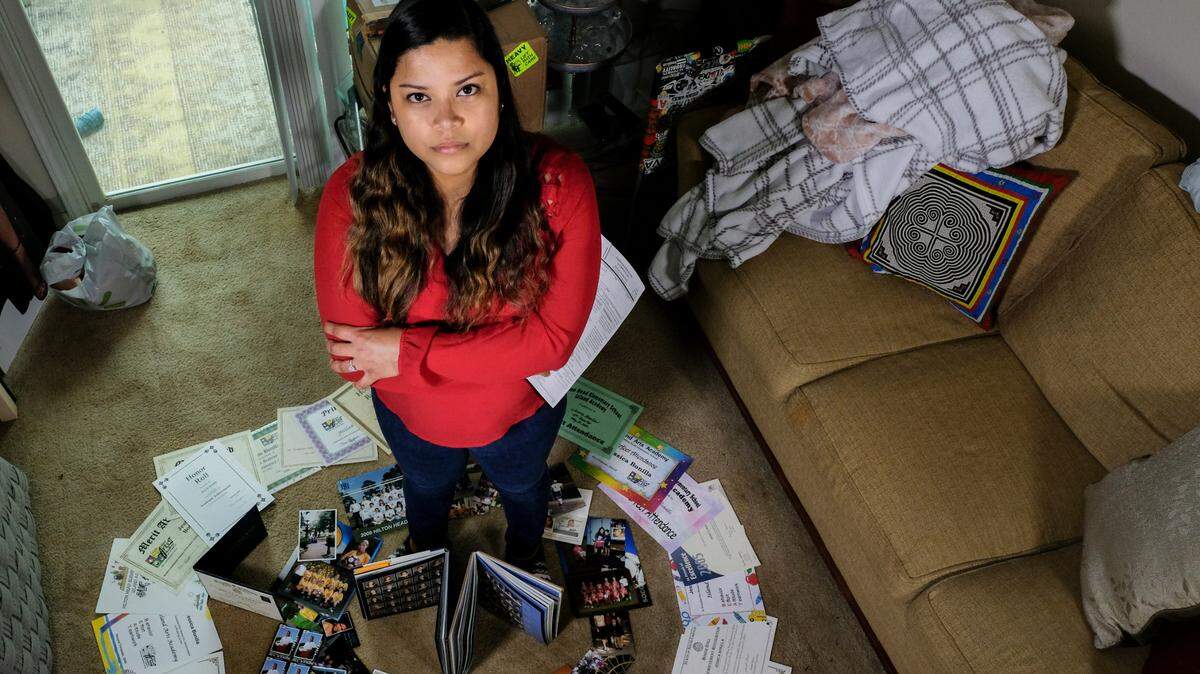
This was the case for Jessica Bonilla Garcia, a class of 2012 Hilton Head High graduate now working in Ridgeland. Neither of her parents reached high school in Mexico. When they came to the island when she was 4, her father worked in construction while her mother cleaned houses.
Garcia remembers her mom once broke down crying on the bathroom floor. It was her birthday, and she had just $10 to her name, her daughter recalled.
When Garcia applied to college, she was on her own. “My mom didn’t know how to help, so she kind of kept her distance,” she said. “[She] put all the faith in me.”
And for many families that were already struggling to keep up, the pandemic has made life yet more challenging, Urriola de Millan said. While other parents might have received unemployment benefits that allowed them to stay home and watch their children while they participated in virtual school or were awarded stimulus checks to help make ends meet, undocumented families weren’t eligible for either. The childcare burden sometimes fell on the elder siblings, at their expense.
“The older ones have needed to stop their own studies to watch their younger siblings, because the parents have to work,” the mother said. “And it’s not because they want to leave their kids alone. It’s because if they don’t leave to find work, they don’t have money.”
Sometimes, it was the other students who made life difficult for their Hispanic peers.
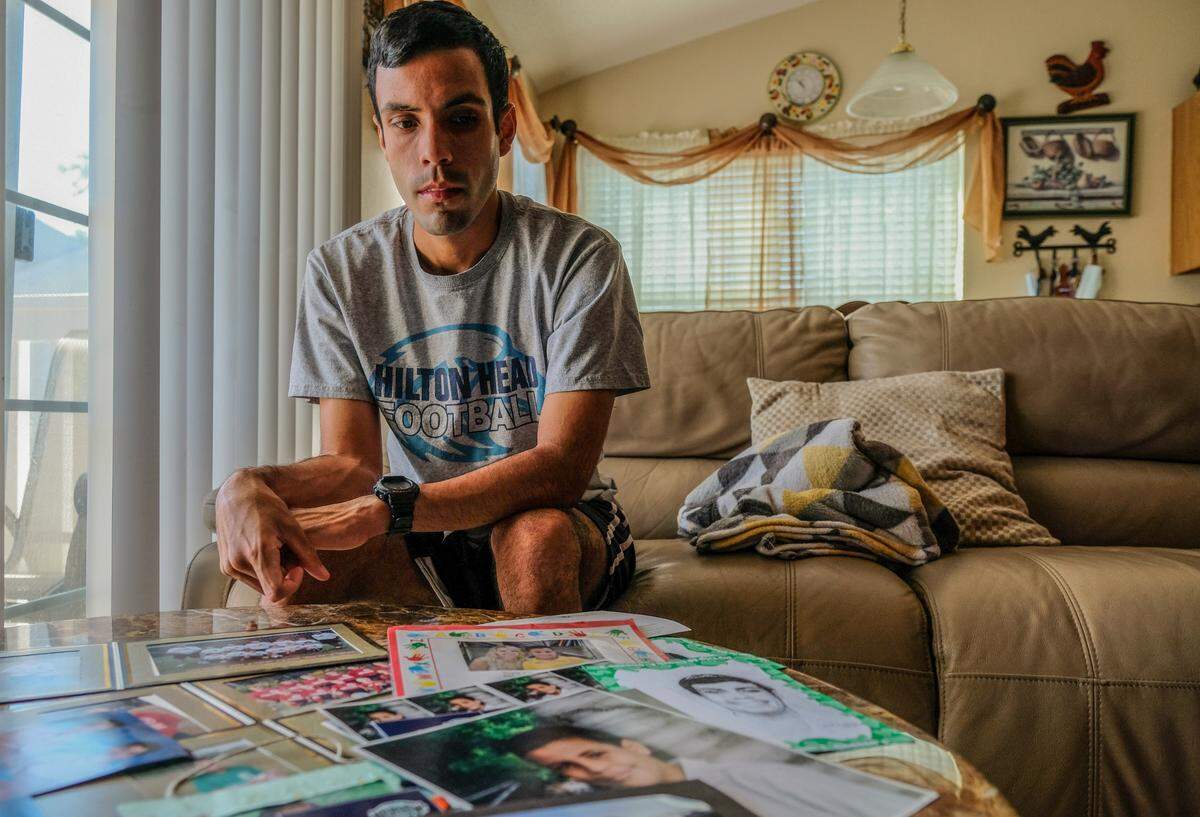
Both Garcia and 2013 Hilton Head High graduate, Kebin Lopez, a child of Honduran immigrants, recalled being taunted for their immigration status as students; Lopez remembered being called racist slurs in island schools.
Though he was able to shake off the comments, a 16-year-old girl who started at Hilton Head High soon after arriving from Venezuela couldn’t, Urriola de Millan said. The health worker was close with the girl’s family when they lived in South Carolina and remains in touch with them. The bullying the teenager endured from her classmates for not speaking English was so terrible that the family soon fled to Miami, she remembered.
The girl is doing better there, Urriola de Millan said, owing to the fact that her language abilities are supported in Florida. “Nowadays she’s doing well in school,” she remarked. “Because they speak Spanish.”
Rodriguez said discrimination is not acceptable.
“My message to them is that that is not something that we tolerate or want to tolerate within our school district,” he said, urging families to communicate incidents to school staff.
Rodriguez and other district leaders said they have observed success stories, students who have acclimated to the island while learning a new language and culture.
“It’s important for the community to know that our arms are open,” said Robine, the school board member.
Whether this message is felt will shape the island.
“Now our next generation is going to come,” said Benet Uzcategui. We’re from here, she said they’ll start to say. “This is our home. We’re going to build it together.”
This story was originally published August 26, 2021 at 4:50 AM with the headline "The story of ‘La Isla’: How Hispanic students became the face of Hilton Head."