SC’s ambitious plan to expand free COVID testing in schools still isn’t off the ground
READ MORE
COVID-19 spikes again in South Carolina
Here’s the latest on the omicron variant surge, COVID-19 guidance and more in South Carolina.
Expand All
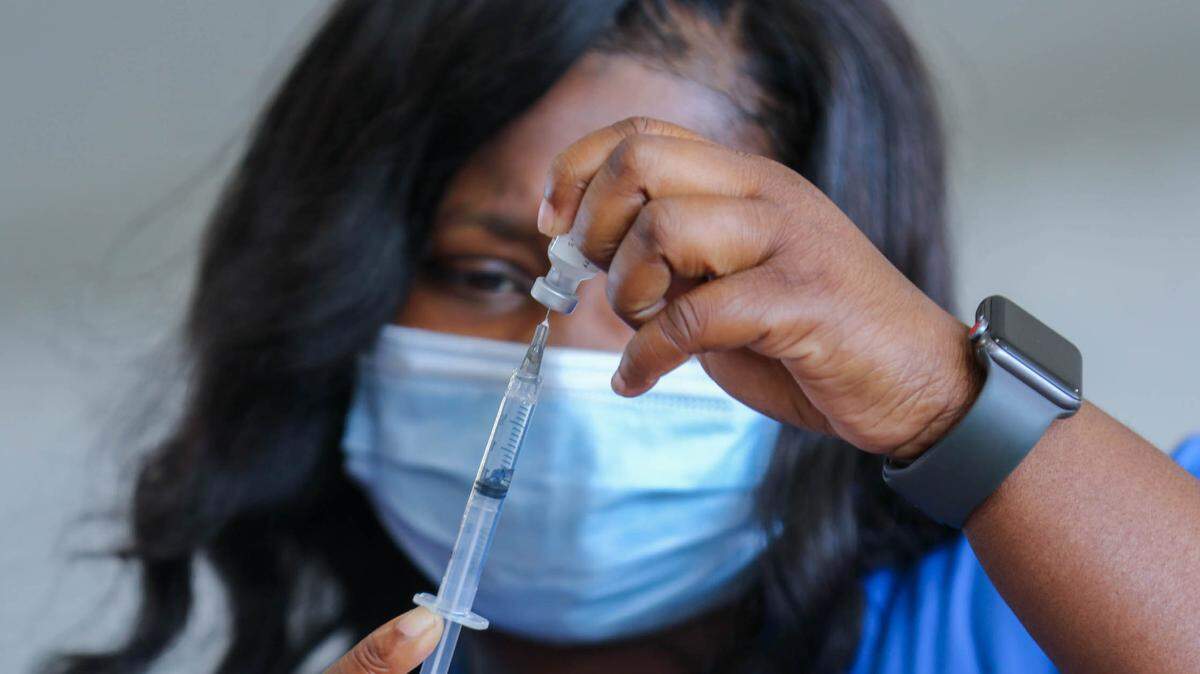
South Carolina health officials made routine COVID-19 testing a pillar of their health and safety guidance to schools this fall after obtaining millions of dollars in federal grant money for screening, but as districts resume classes this week amid a surge in cases they have yet to get access to that testing.
The state Department of Health and Environmental Control, which is responsible for procuring private contractors to perform in-school coronavirus testing, said Monday it was still in the process of choosing vendors and had no timetable for when routine COVID-19 screening might be available in schools.
“There is no specific date for this, but we will select vendors and assign them to school districts as soon as possible,” spokesman Ron Aiken said. “Selected vendors will be able to begin coordinating with interested schools as soon as they are assigned and should begin testing as soon as the school completes coordination and wishes to begin.”
Aiken said the agency had planned to have testing vendors in place by the beginning of the school year, but was delayed by a lengthier-than-expected state procurement process and significant vendor interest.
As a result, South Carolina schools, which are prohibited from requiring students to wear masks, also currently lack the ability to fully implement another key COVID-19 mitigation strategy.
Eventually, state health officials hope to offer both diagnostic testing and routine asymptomatic screening to any public or private school in South Carolina that wants it.
Testing and screening, which involves testing a random sample of unvaccinated students on about a weekly basis or conducting pooled testing on student cohorts, are considered “essential strategies for reducing disease transmission,” according to DHEC’s guidance for K-12 school operations released late last month.
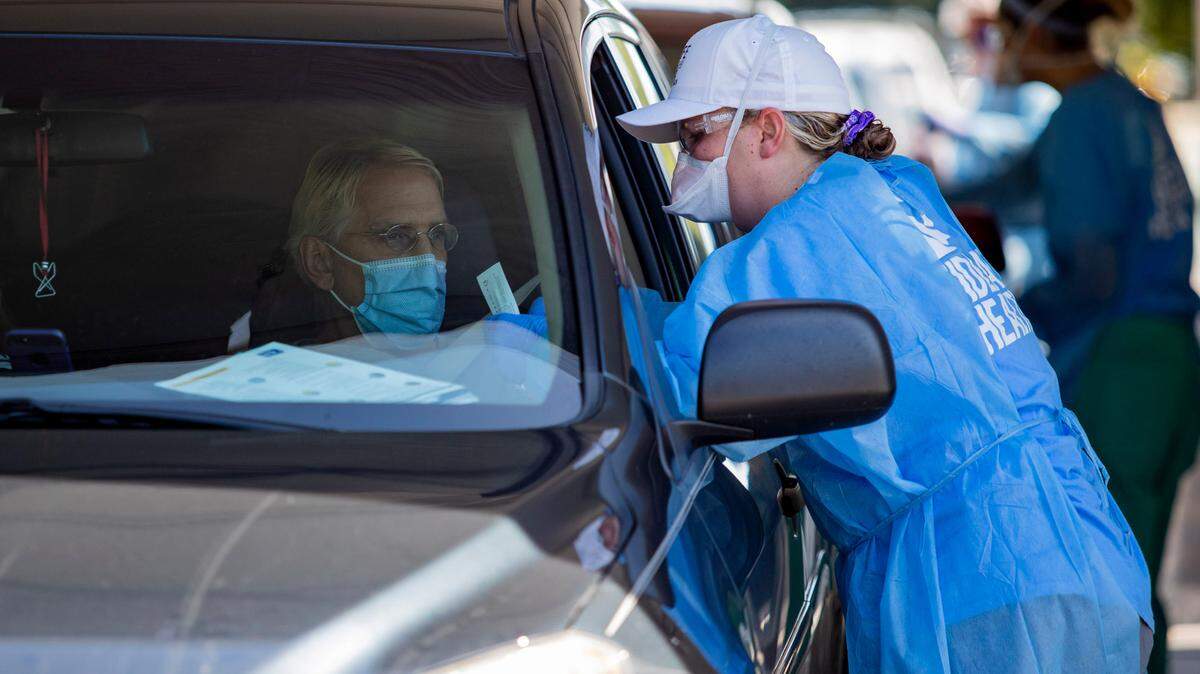
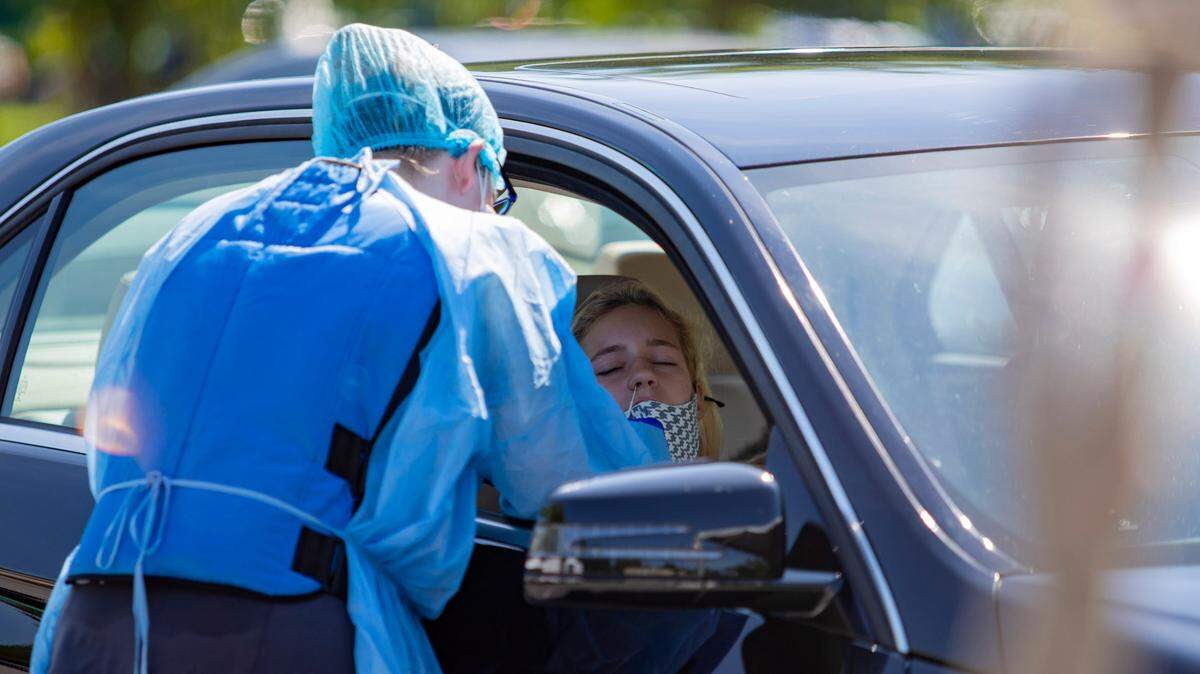
While some districts still have a supply of rapid antigen tests from last year, and DHEC can send districts more rapid test kits as needed, many districts are stretched so thin they simply don’t have the staff to administer COVID-19 tests on top of their other duties.
In the absence of the contracted vendors who were supposed to take all coronavirus testing and result reporting responsibilities off of districts’ plates, many schools are doing without testing to start the school year.
Many SC districts don’t plan to test students, staff
Neither DHEC nor the state Department of Education could provide a list of districts that performed in-school testing last year or are planning to do it this year, but a State newspaper survey of local districts and some of the state’s largest districts found the adoption of student and staff testing is far from widespread.
Lexington School Districts 1 and 3, Richland School Districts 1 and 2, and Lexington-Richland School District 5 had not made plans to offer in-school testing to begin the year, according to representatives from those districts.
Lexington School District 2 will use school nurses to conduct rapid testing for symptomatic students, but not staff, as it did last year, spokeswoman Dawn Kujawa said.
Lexington School District 4 did not immediately respond to a request about its testing plans.
Among the three largest districts in the state, Charleston County and Horry County schools plan to offer COVID-19 testing, but Greenville County schools will not.
South Carolina health officials have been in communication with state education officials and individual districts and charter schools since early April, shortly after learning they had secured federal grant money, to gauge interest in school testing, Aiken said.
A DHEC survey that asked districts and individual schools about providing routine asymptomatic COVID-19 testing this year found 30 were interested in doing testing, 44 were not and 29 were undecided, he said. Not all districts or charter schools responded to the survey.
Of the 10 districts contacted by The State, however, only Horry County said it hoped to use one of DHEC’s private vendors for in-school testing.
Horry County Schools spokeswoman Lisa Bourcier said the district did not test in its schools last year and would not ask nurses to perform testing this year, but had applied to take part in DHEC’s federally-funded vendor testing program. The district is still waiting to hear back from the agency, she said.
Community testing, staffing concerns limit districts’ interest
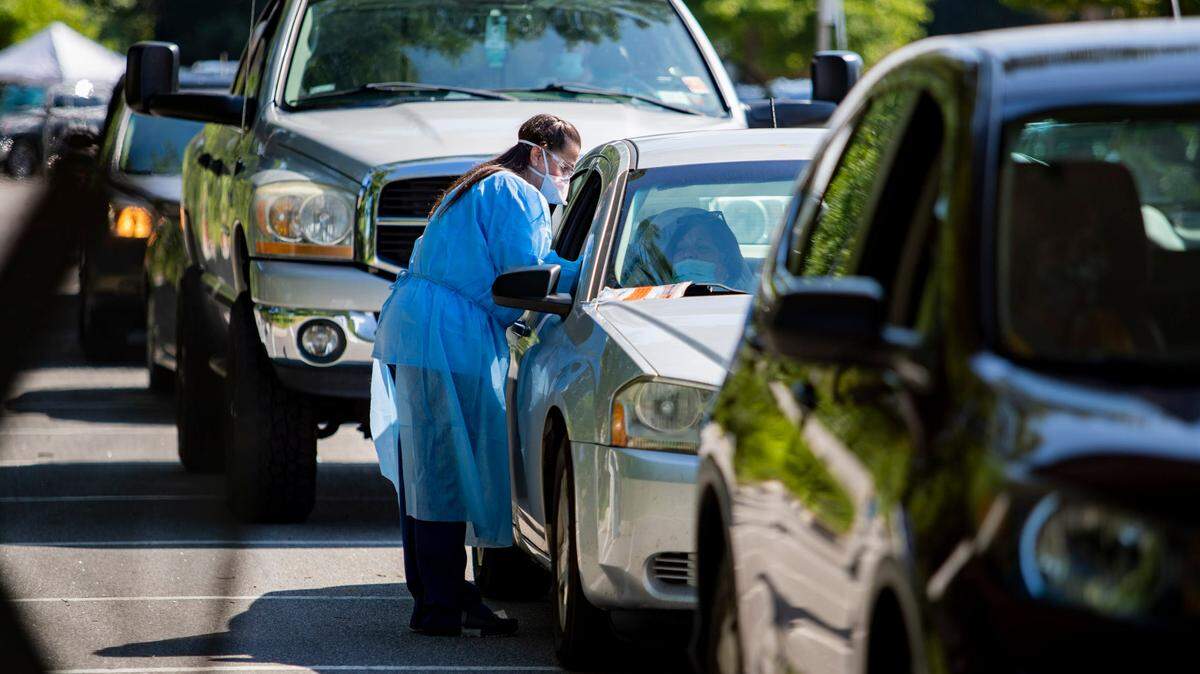
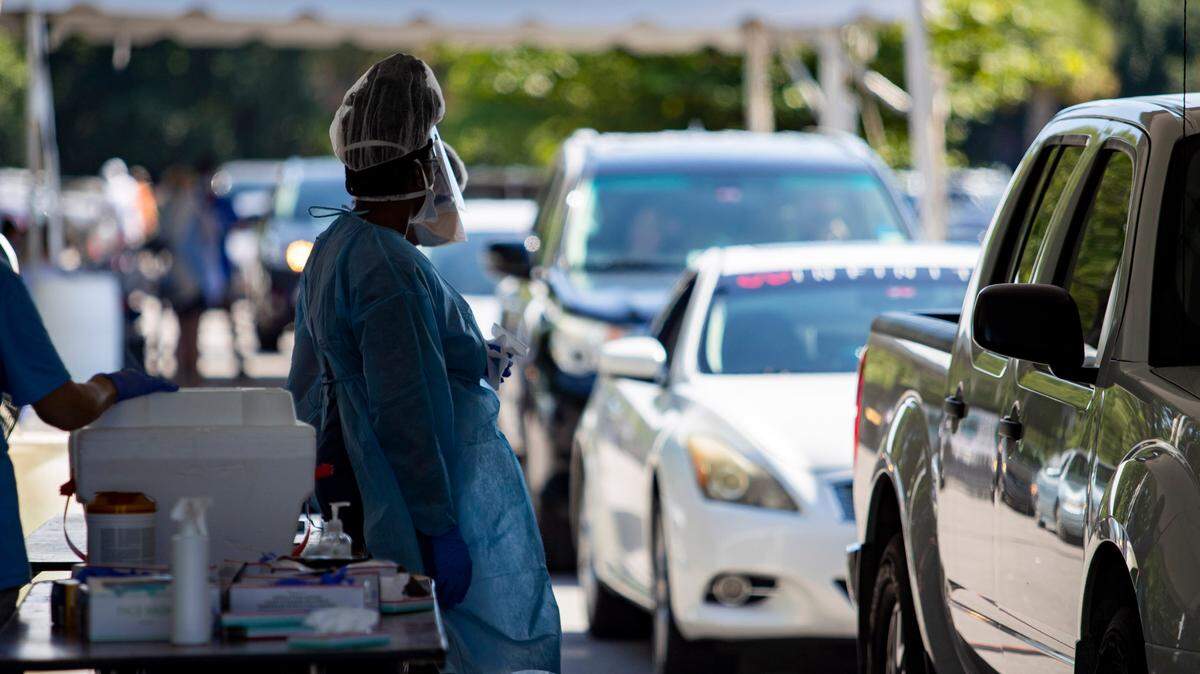
Several of the districts contacted by The State said they did not plan to offer in-school COVID-19 testing because it was already widely available in the community.
“Our feeling is, with Greenville County being a very populous area with a Walgreens or CVS on every corner, there are plenty of locations for families to get tested,” Greenville County schools spokesman Tim Waller said. “We’ll rely on DHEC and families themselves to alert us when someone tests positive for COVID.”
Richland 2 spokeswoman Ishmael Tate said testing locations were plentiful in northeast Columbia and that working with an outside vendor would be a heavier lift than the district was prepared to handle.
“There are still a lot of steps the school needs to take to facilitate testing,” she said.
Patrick Kelly, a Richland 2 teacher and director of governmental affairs for the Palmetto State Teachers Association, said an unscientific survey of teachers he conducted recently found that testing in schools was the least used of DHEC’s recommended coronavirus mitigation measures.
“As an educator, this is disappointing,” Kelly said. “There are millions of dollars coming from the federal government to be able to do this kind of activity and screening testing has the capacity to both be a public health tool and an academic tool.”
If schools are able to catch COVID-19 cases more quickly, before they’ve spread to infect dozens or even hundreds of students, not nearly as many students will have to quarantine and in-person classes won’t be as severely disrupted, he said.
Kelly said he thinks schools are hesitant to commit to testing due to staffing concerns — nurses are already swamped with contact tracing on top of their normal responsibilities — and the possible political blowback from parents.
“I have to imagine in our current political climate, where we have families that will literally lash out at schools for asking a child to wear a face covering, that districts are probably even more hesitant to ask a child to put a swab in their nose,” he said.
School testing is voluntary and districts or private vendors must obtain parental consent before testing students younger than 16, but the issue still has ignited a wave of concern among some parents who believe schools should not be in the business of testing students, South Carolina Education Association President Sherry East said.
Kelly and East said they’ve heard reports of parents sending their children to school despite knowing they were infected with COVID-19, endangering the lives of teachers and students in the process.
“This sending your child to school sick thing is nothing new under the sun, that’s how stomach bugs fly through schools,” Kelly said. “But the stakes are higher now. This is a serious illness … and it’s far more disruptive to academic operations than a stomach bug or flu bug would be.”
In just the first couple weeks of the school year, hundreds of students in the state are being forced to quarantine due to possible COVID-19 exposure, and Pickens County School District returned to all virtual learning, just nine days into the fall semester, after 162 students came down with the virus.
Another reason few schools may be planning to offer COVID-19 testing could be that they simply didn’t know DHEC was awarded federal dollars to hire vendors to provide testing free to districts.
Neither East nor Kelly said they were aware of DHEC’s ambitious testing plan.
“This is news to me,” East said when asked about the health department’s goal of offering free diagnostic testing and routine asymptomatic screening for any district that wants it. “I have heard zero until just now and I have called around.”
She said she’d had conversations about back-to-school plans with multiple superintendents across the state and that none had mentioned anything about COVID-19 testing.
Aiken said DHEC has been in communication with school officials for months and that health officials had routed their messages through the state Department of Education to district superintendents and district lead nurses.
He said the agency had distributed several interest surveys about in-school testing to every district and charter school in the state and that all had been invited to participate in multiple webinars and meetings over the past few months.
DHEC also has offered small pilot programs to any district or school that expressed interest in testing on an initial interest survey distributed in April, Aiken said.
Clarendon School District 2 was the only district to pilot with a testing vendor, he said, and three districts, a charter school and a Montessori school all piloted routine asymptomatic screening using rapid antigen tests.
Department of Education spokesman Ryan Brown said last month he expected COVID-19 testing to be more widely available and commonly used in schools this year, but deferred all questions about testing to state health officials.
This story was originally published August 18, 2021 at 5:00 AM.

%20(5).jpeg)