Debby may dump more rain on parts of SC than first predicted, new forecast shows
READ MORE
Tropical Storm Debby
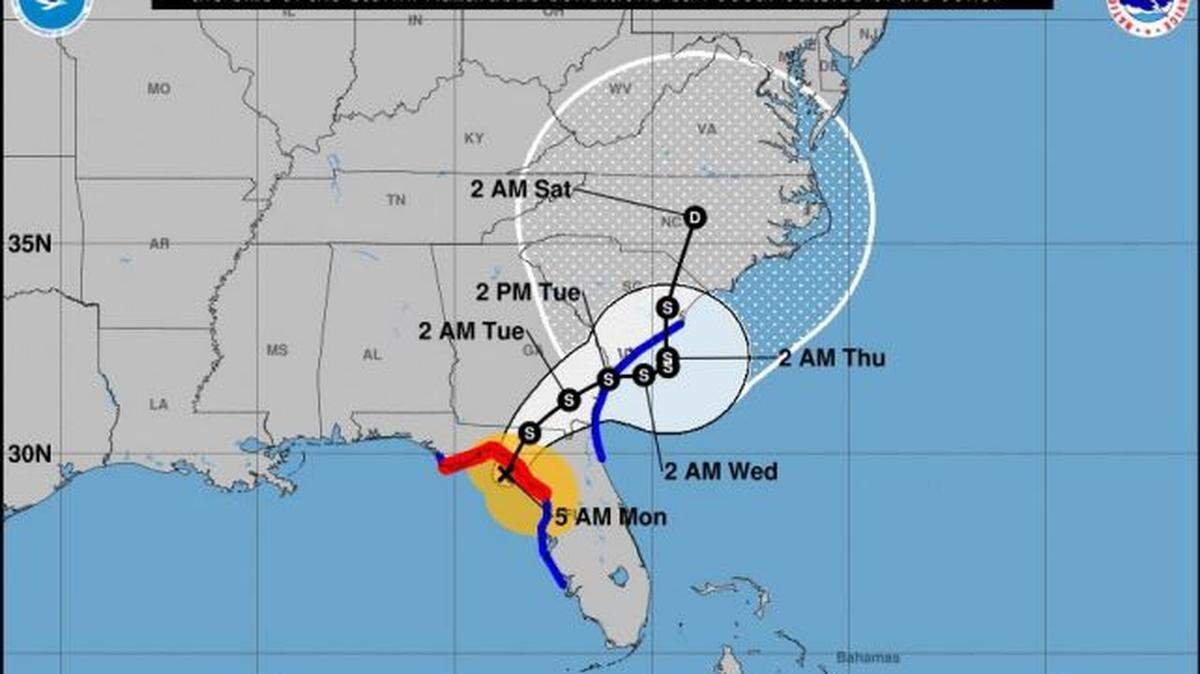
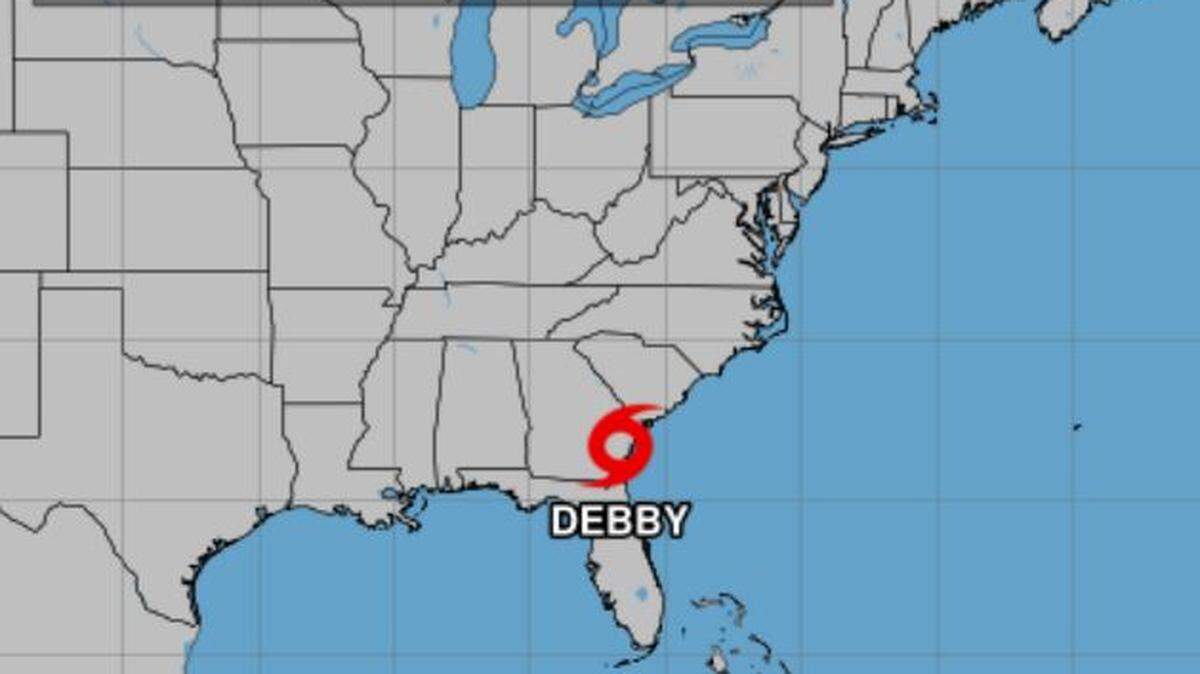
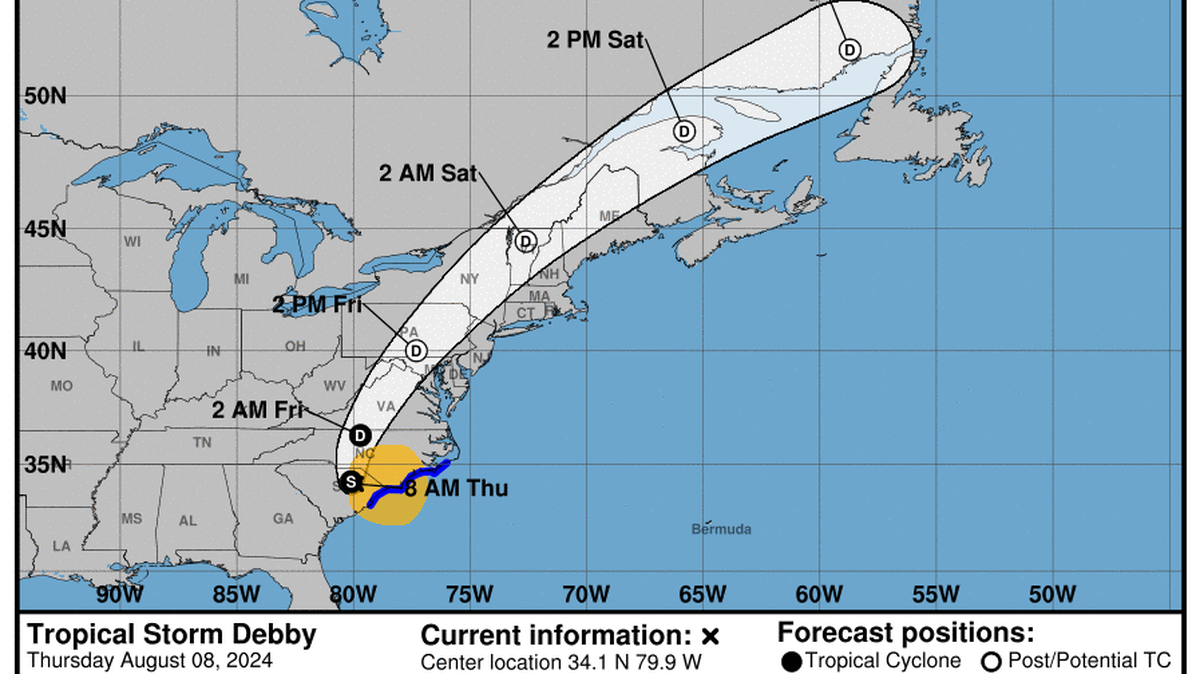
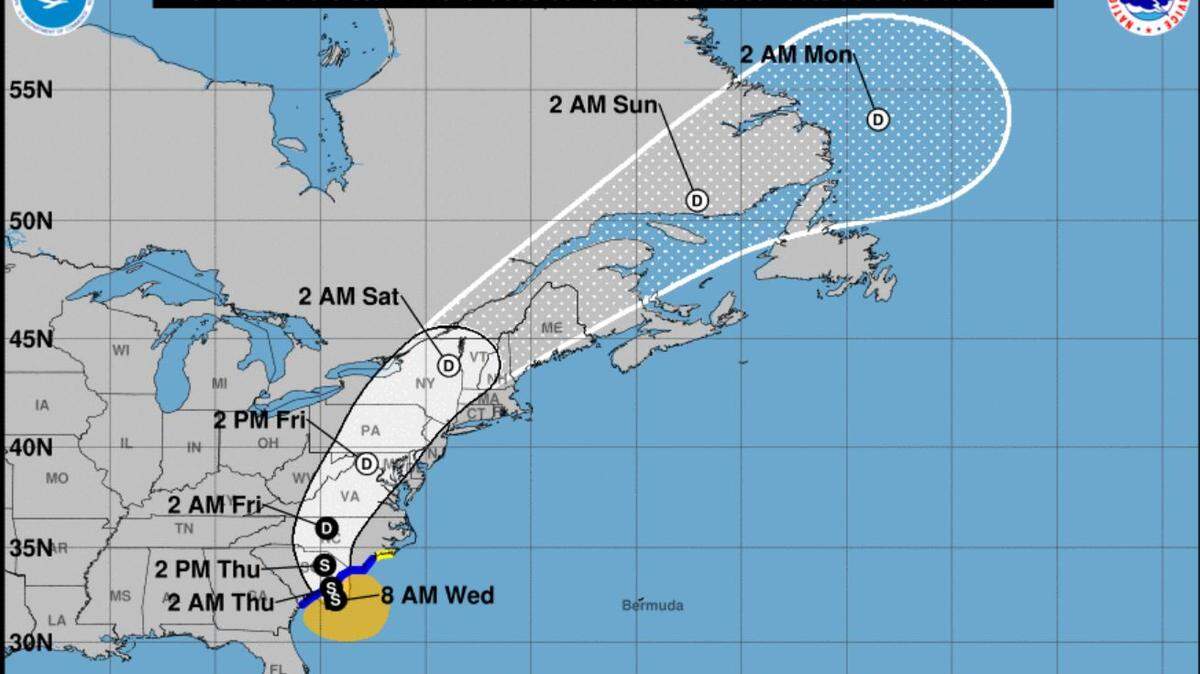
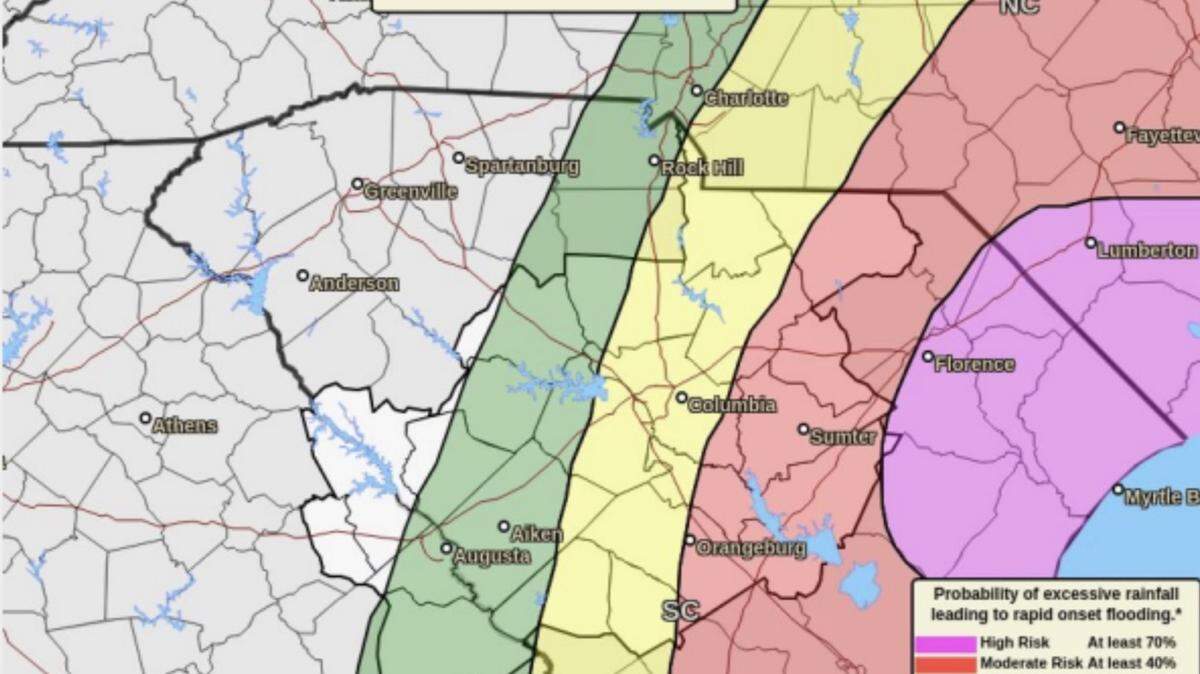
Tropical Storm Debby made landfall in the U.S. on Monday, and will move north toward the Columbia area of South Carolina, where a flood watch has been issued, according to the National Weather Service.
Expand All
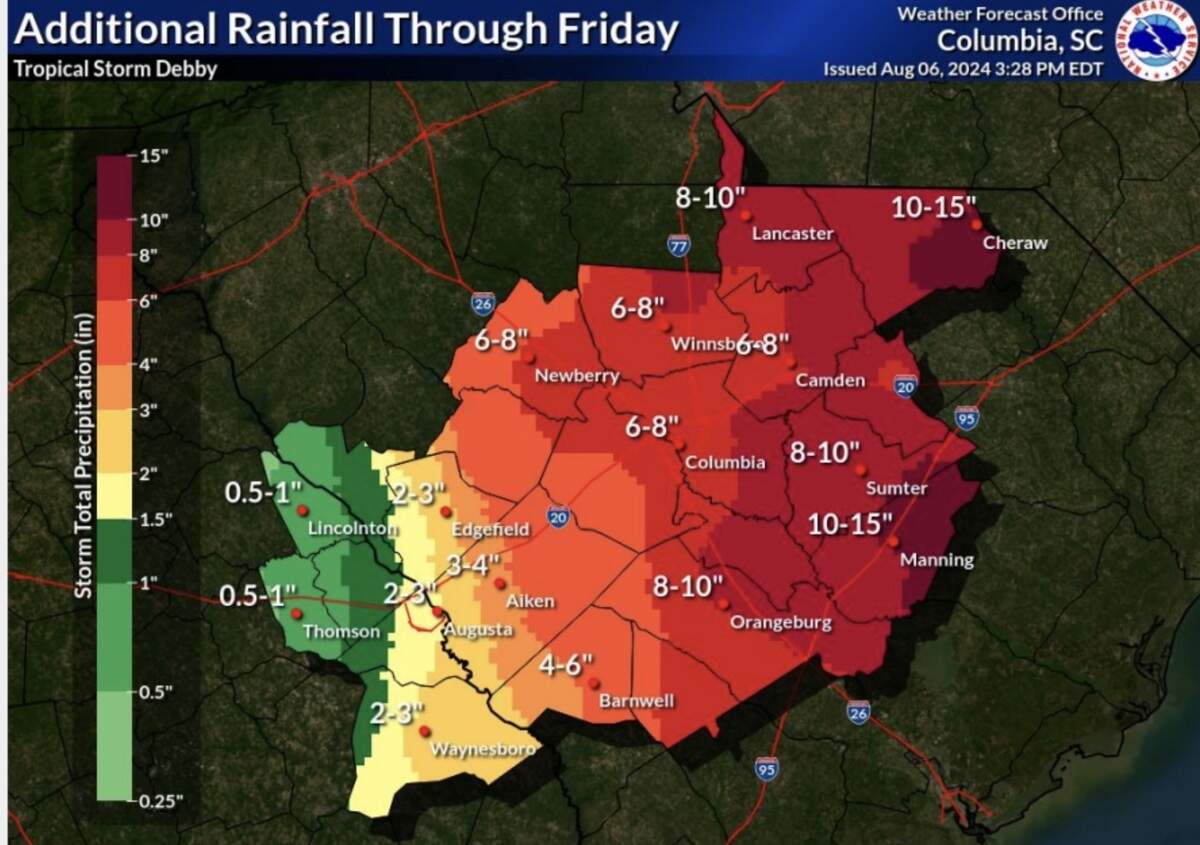
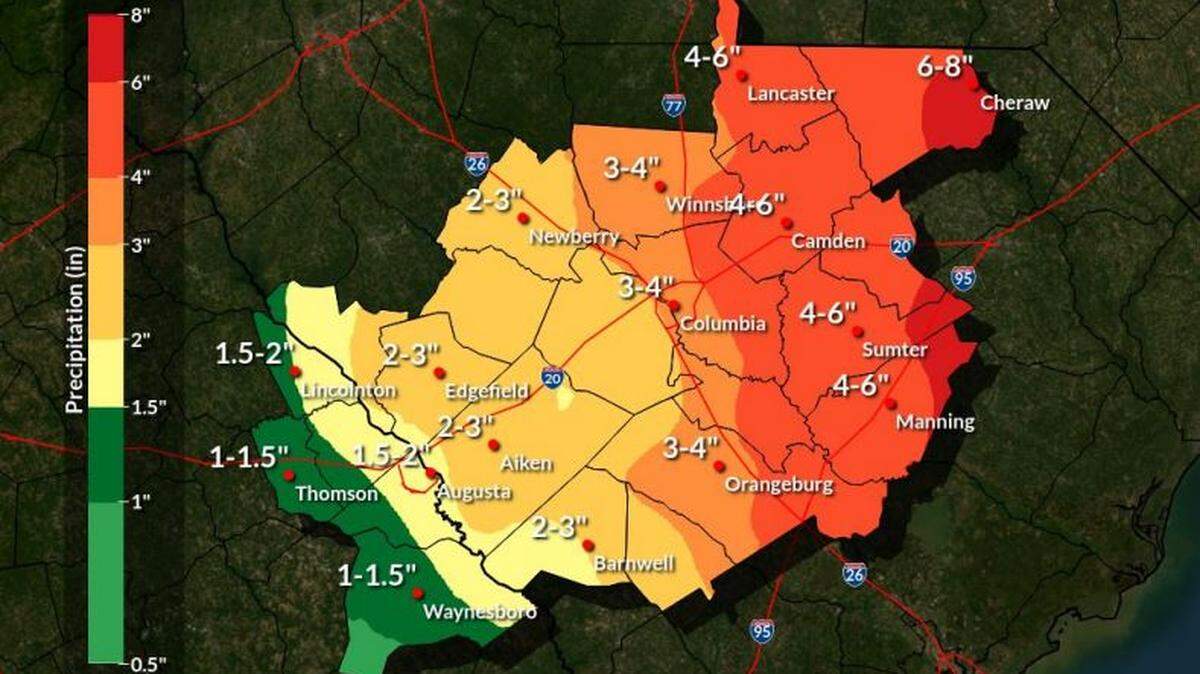
Tropical Storm Debby may cause more flooding in the Columbia area than was previously predicted, a new National Weather Service forecast shows.
The Tuesday evening forecast states that additional rainfall totals through Friday have increased. The highest amounts of rain are expected over the eastern portions of the Columbia area, which could top over 10 inches.
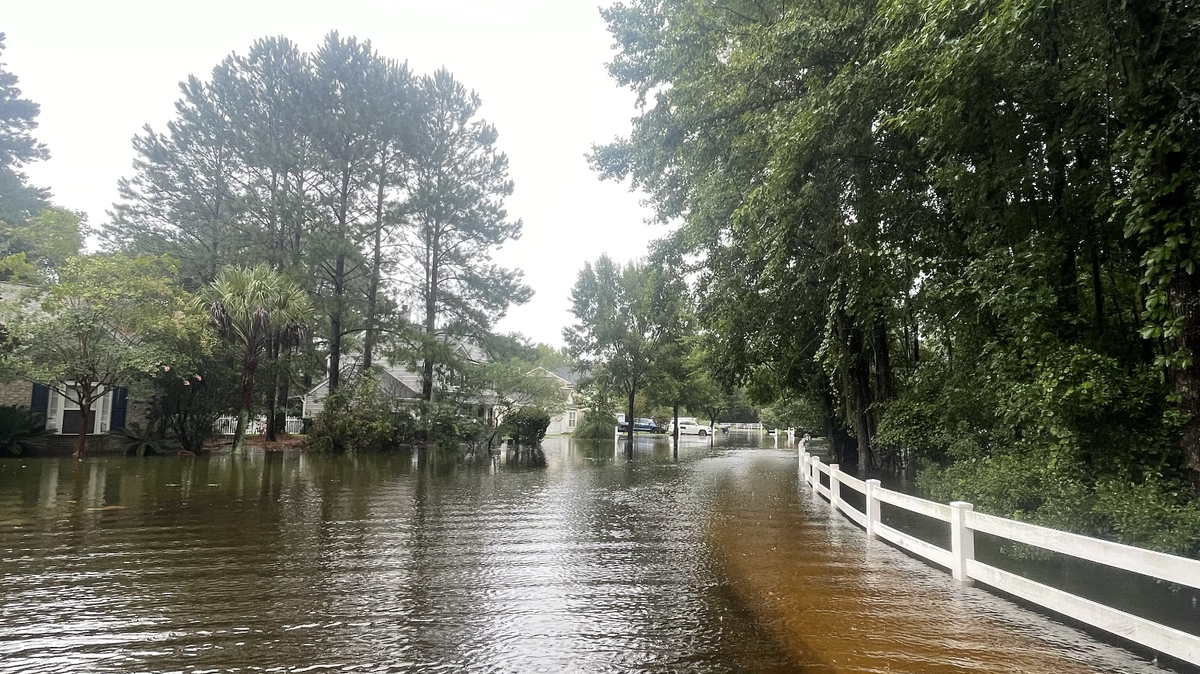
The forecast notes that there should be relatively low rainfall on Wednesday, before picking up that evening and into Thursday. Because of the extra rain, widespread, significant flooding is possible through Thursday as Debby slowly moves through the state, NWS says.
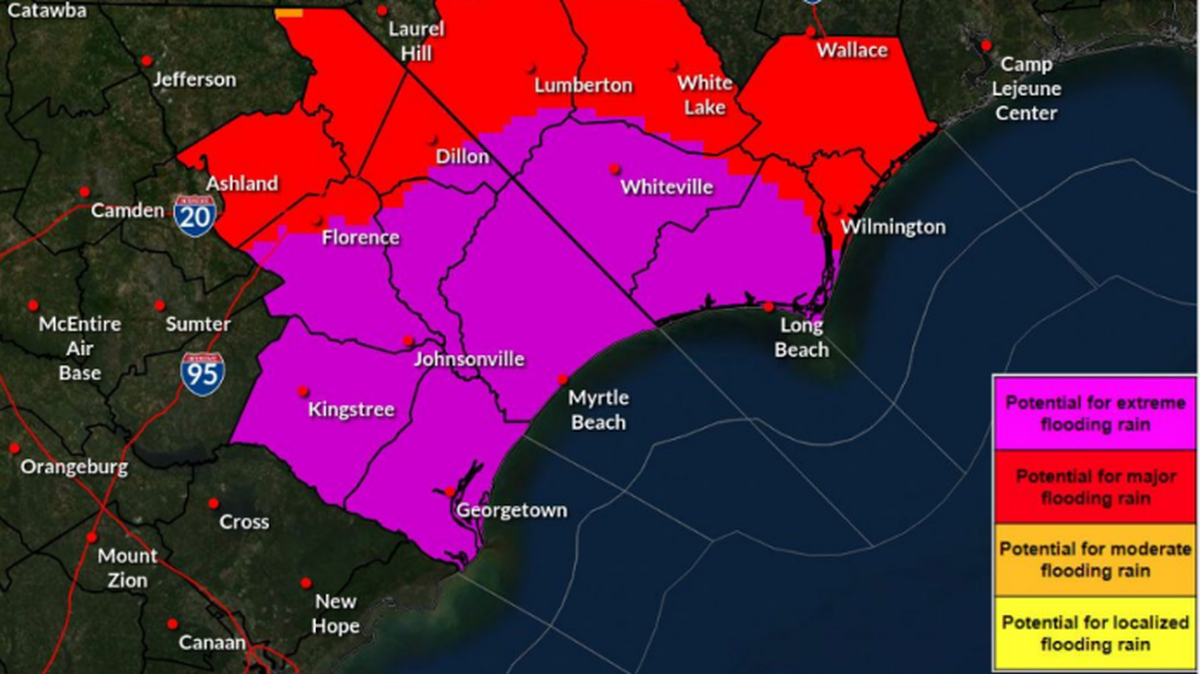
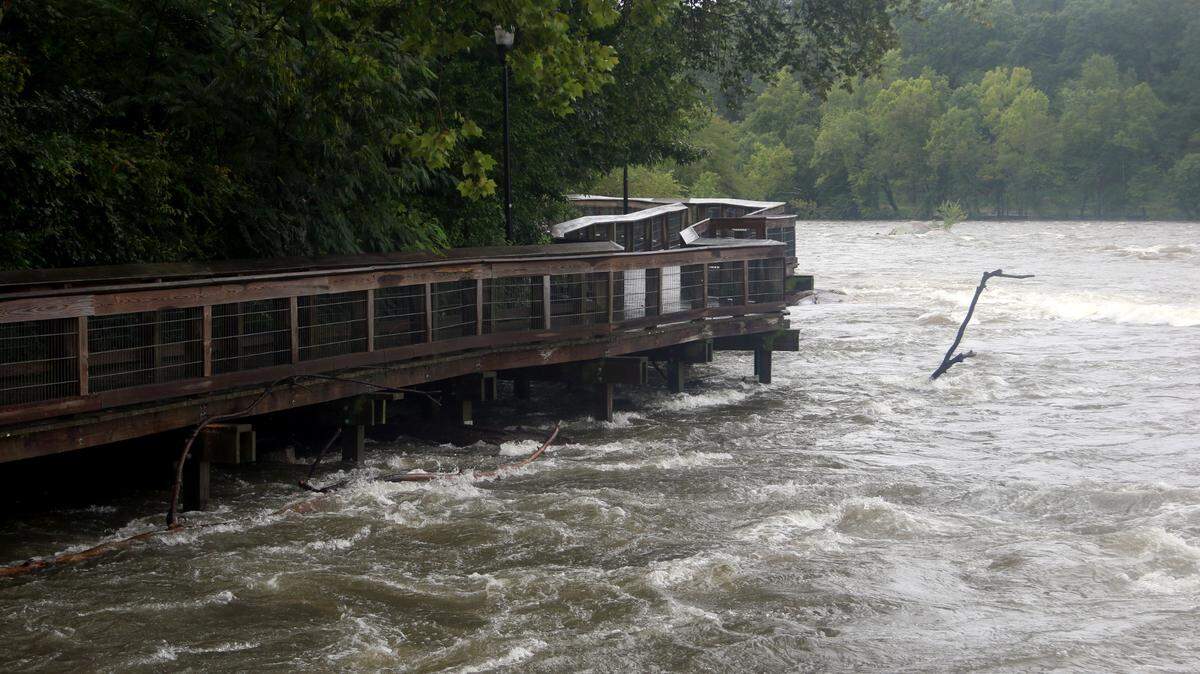
Multiple flash flood warnings are already in effect across much of the Midlands.
But what exactly counts as flash flooding?
And how can you tell if it’s underway?
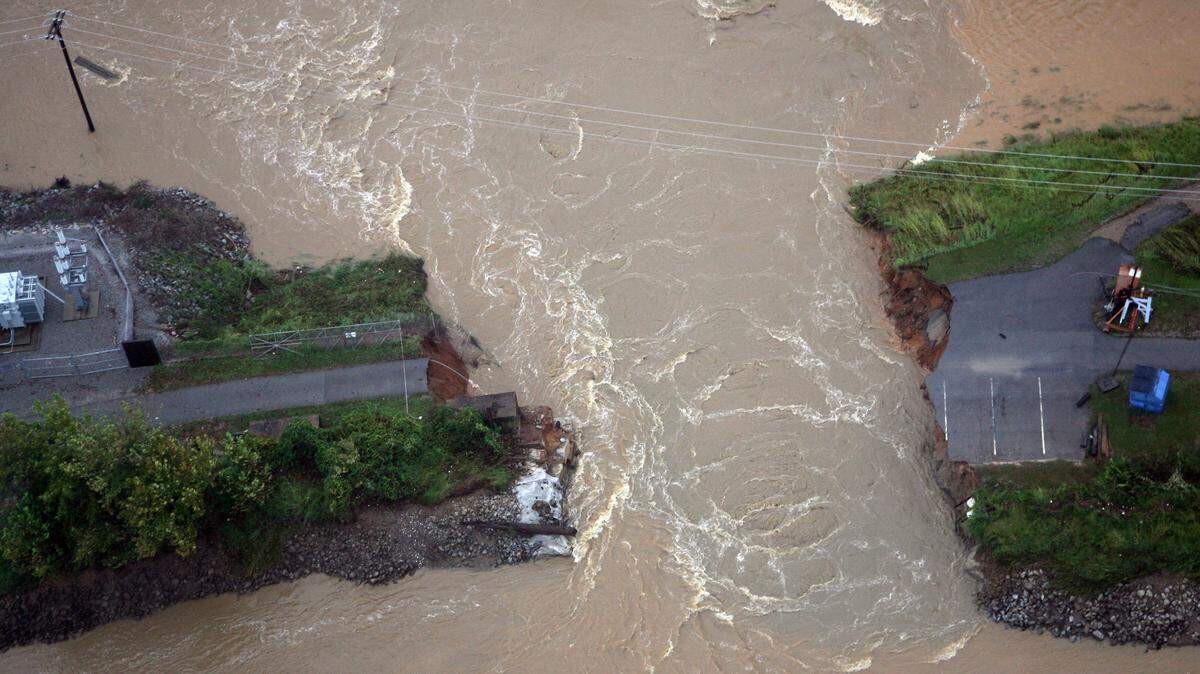
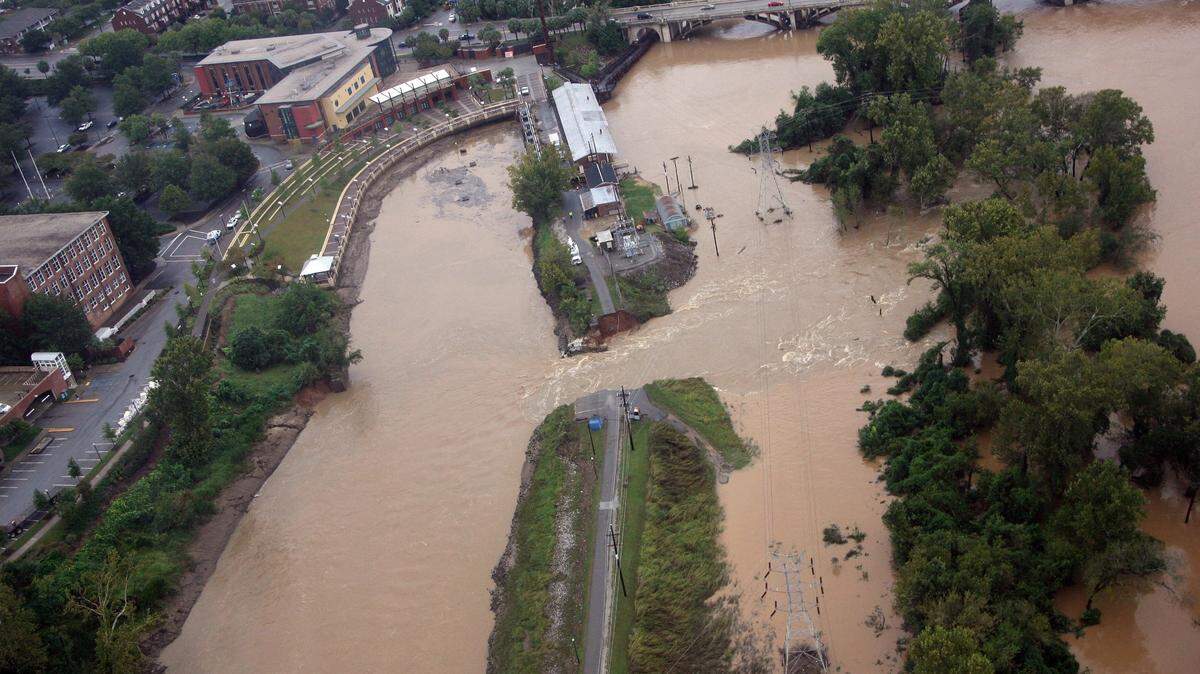
According to the NWS, flash flooding is most often caused by extremely heavy rainfall.
“The intensity of the rainfall, the location and distribution of the rainfall, the land use and topography, vegetation types and growth/density, soil type, and soil water-content all determine just how quickly the flash flooding may occur, and influence where it may occur,” the NWS states.
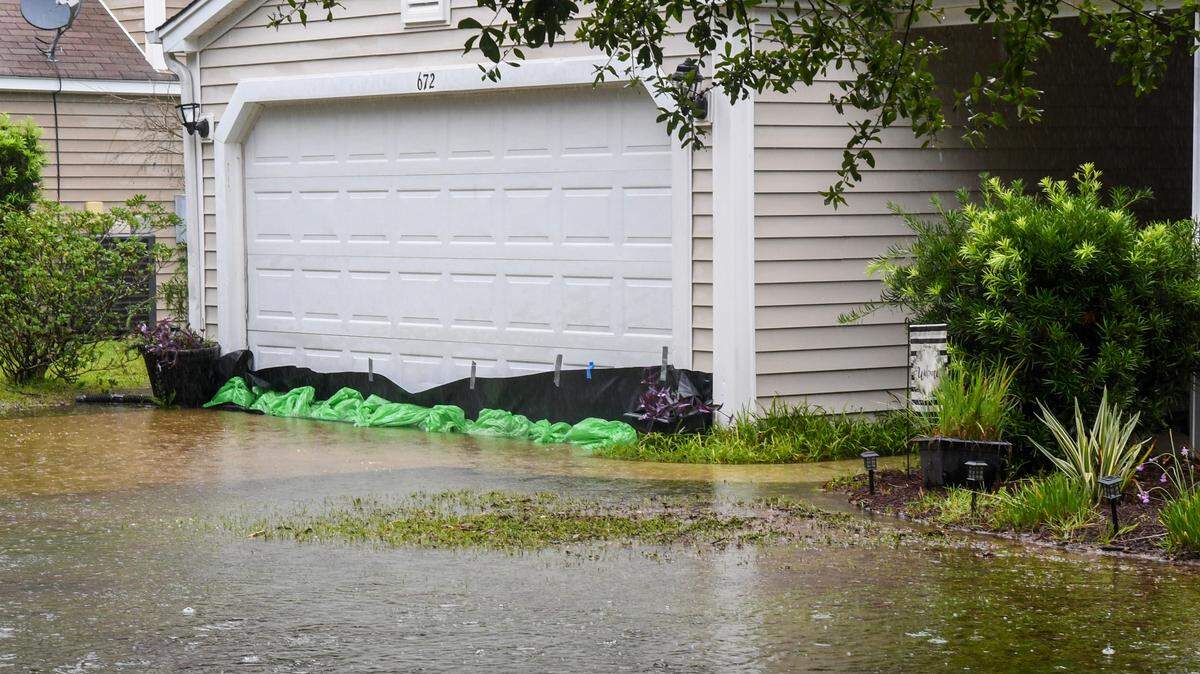
Urban areas can also be vulnerable to flash flooding — even more than rural areas during the same storm. The impervious surfaces in cities prevents water from infiltrating the ground, meaning the water can run off to low spots quickly.
Dangers of flash flooding
Floods rank second in U.S. weather-related deaths and cause about 98 fatalities each year, mainly from drowning, according to the Centers for Disease Control and Prevention.
“Flash floods and flooding associated with tropical storms result in the highest number of deaths,” the CDC states.
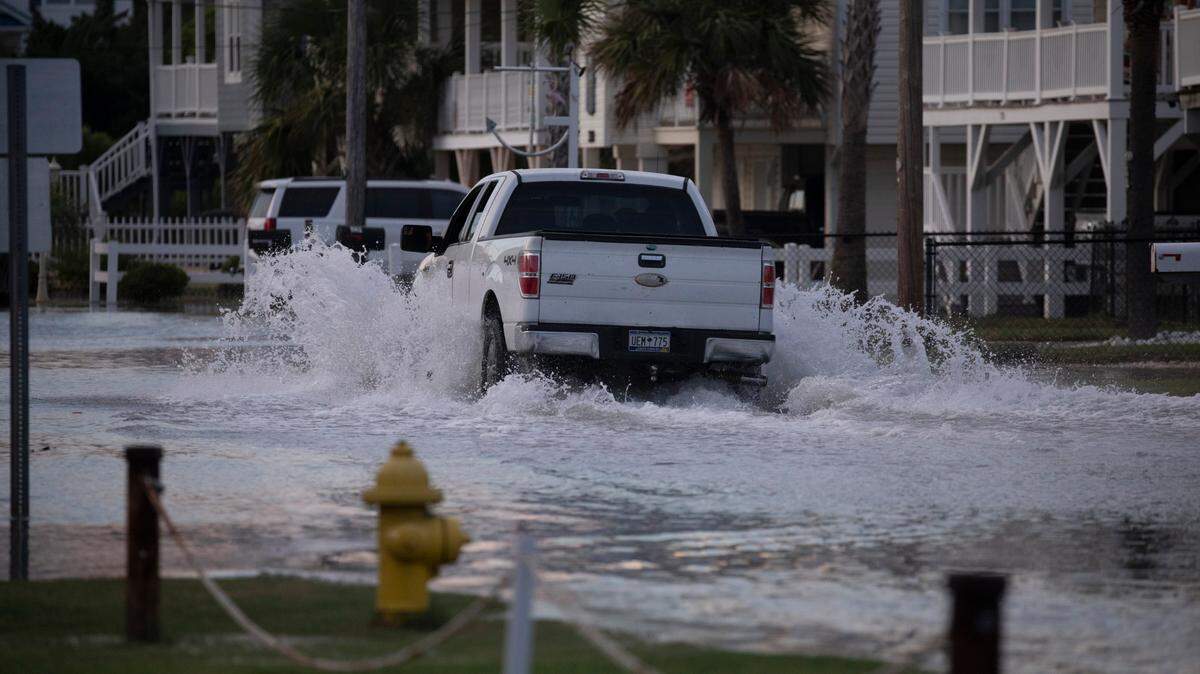
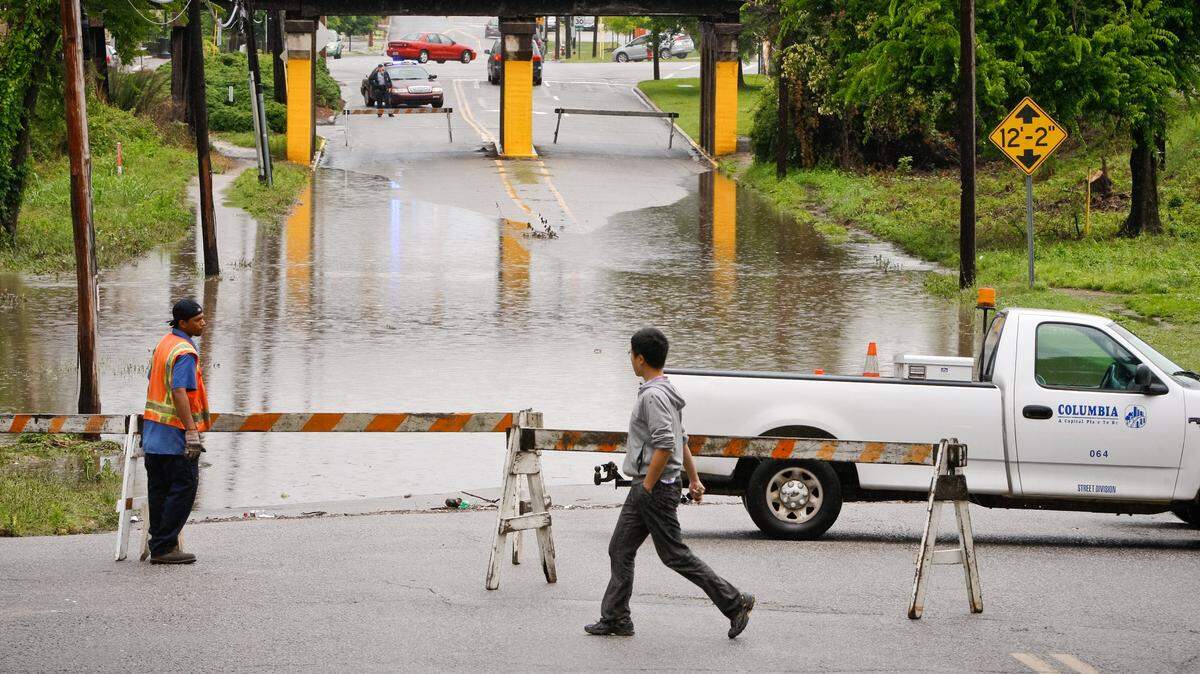
Flash flooding occurs quickly enough that it can catch people off guard, particularly when traveling in a car. And if people are in homes or businesses, the water may rise quickly and trap them, the NWS states.
Signs of flash flooding, what to do
Unfortunately, there can be little warning if flash flooding is happening near you. Flash flooding may develop within a few minutes, even without any visible signs of rain.
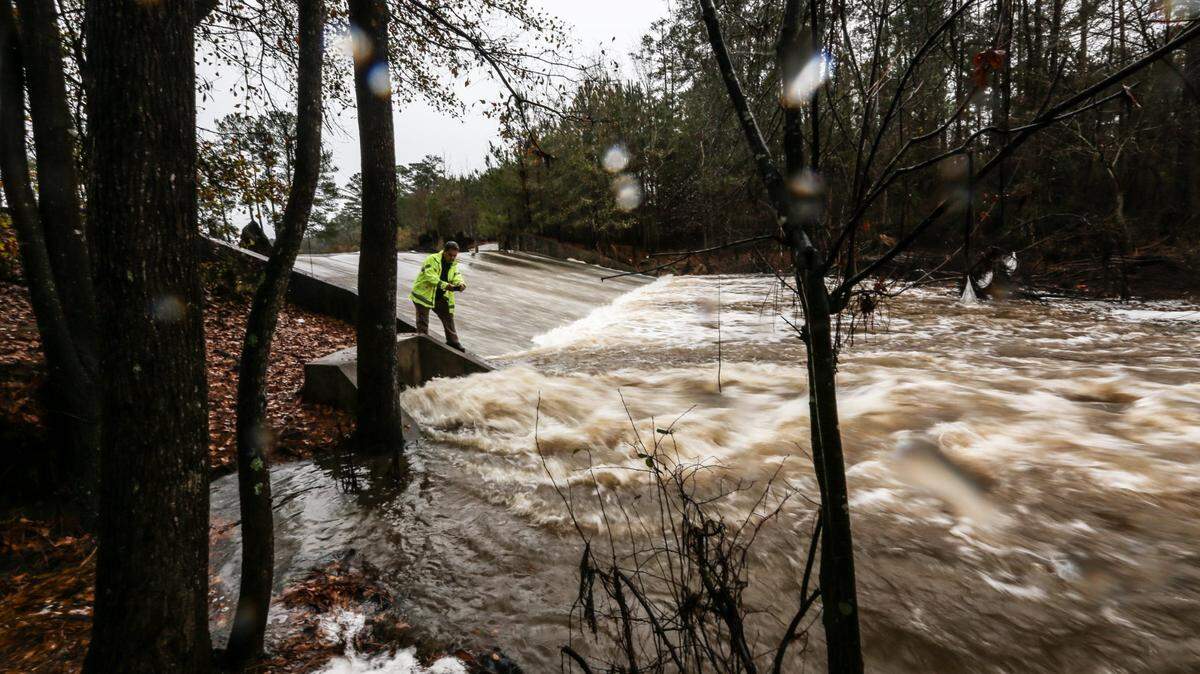
According to FEMA, if you’re near water like a stream, you may notice it start to rise quickly and become muddy. Also, if you hear a roaring sound upstream, that could be a flood wave moving toward you rapidly.
If you suspect flash flooding is occurring, get to the highest point possible. As little as 6 inches of rushing water can sweep you downstream, so getting away quickly from running flood waters is essential.
By far the best thing to do is to stay indoors and off the roads during storms like Debby, in which flash flooding is a distinct possibility.
This story was originally published August 6, 2024 at 10:48 AM.


.jpeg)


.jpg)

.jpg)