Prosecution rests its case, leaving jury with Alex Murdaugh’s lies but no smoking gun
READ MORE
Alex Murdaugh Coverage
The Murdaugh family saga has dominated the news after another shooting, a resignation and criminal accusations — with Alex Murdaugh at the center of it all. Here are the latest updates on Alex Murdaugh.
Expand All
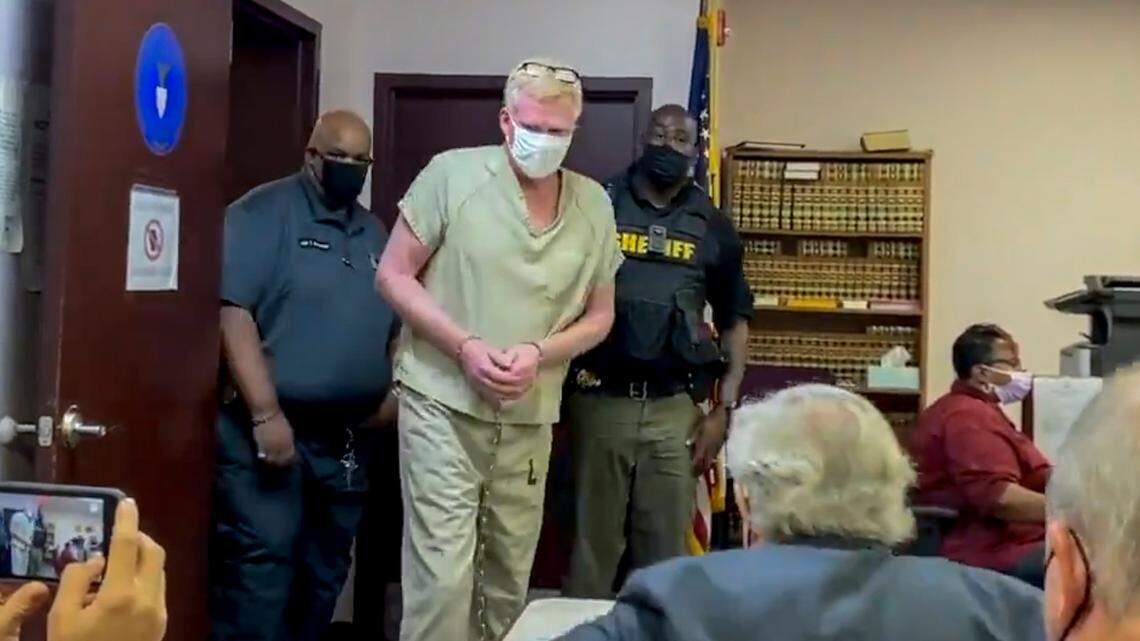
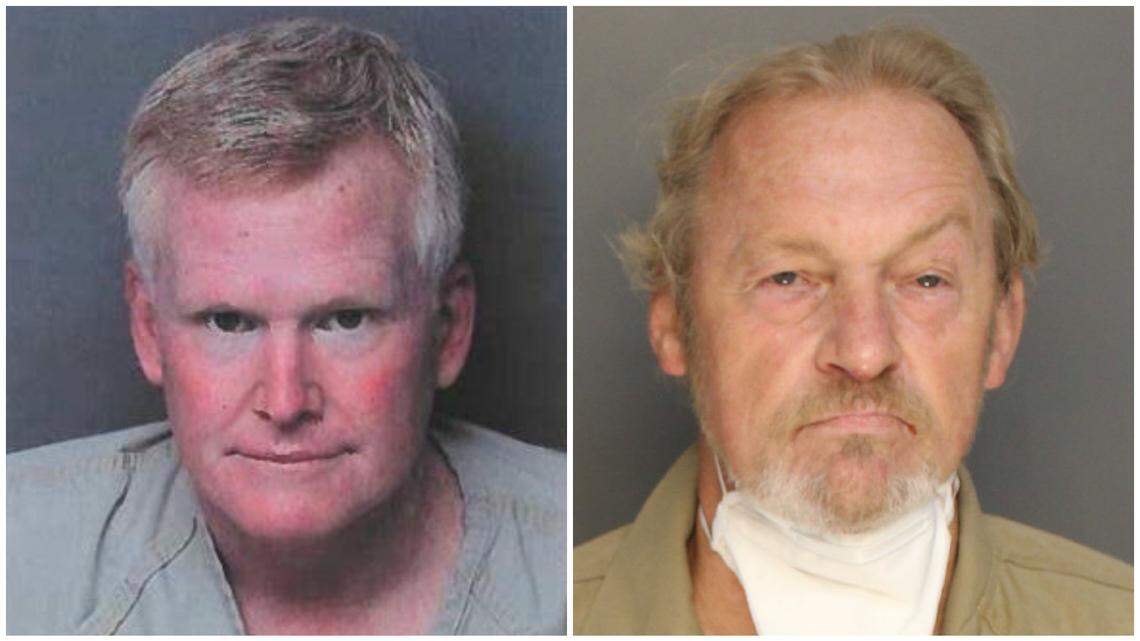
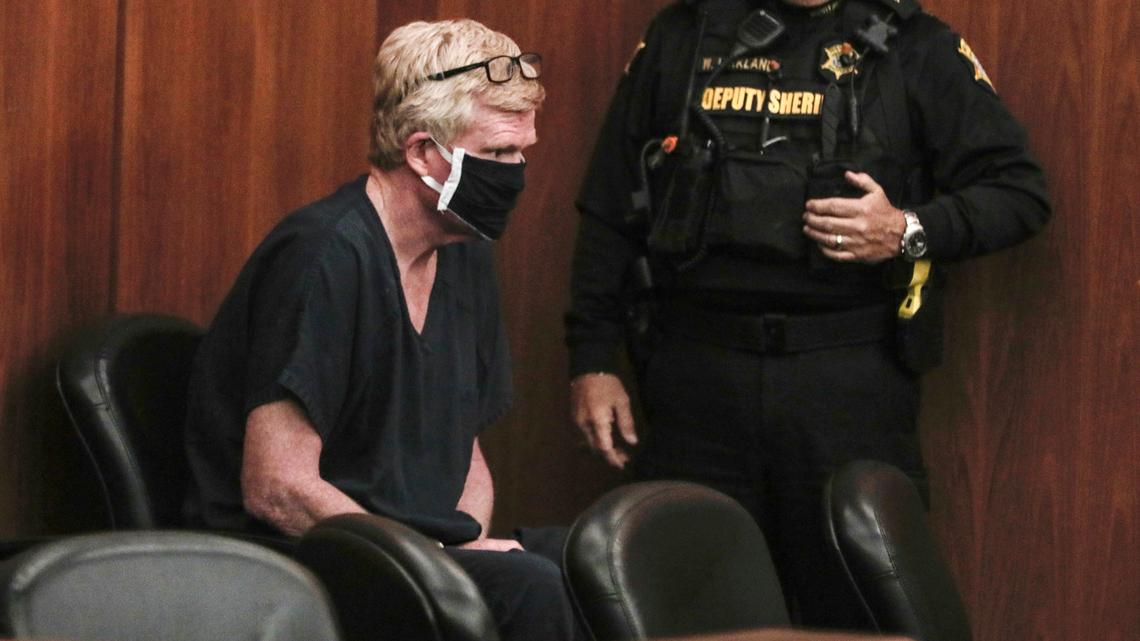
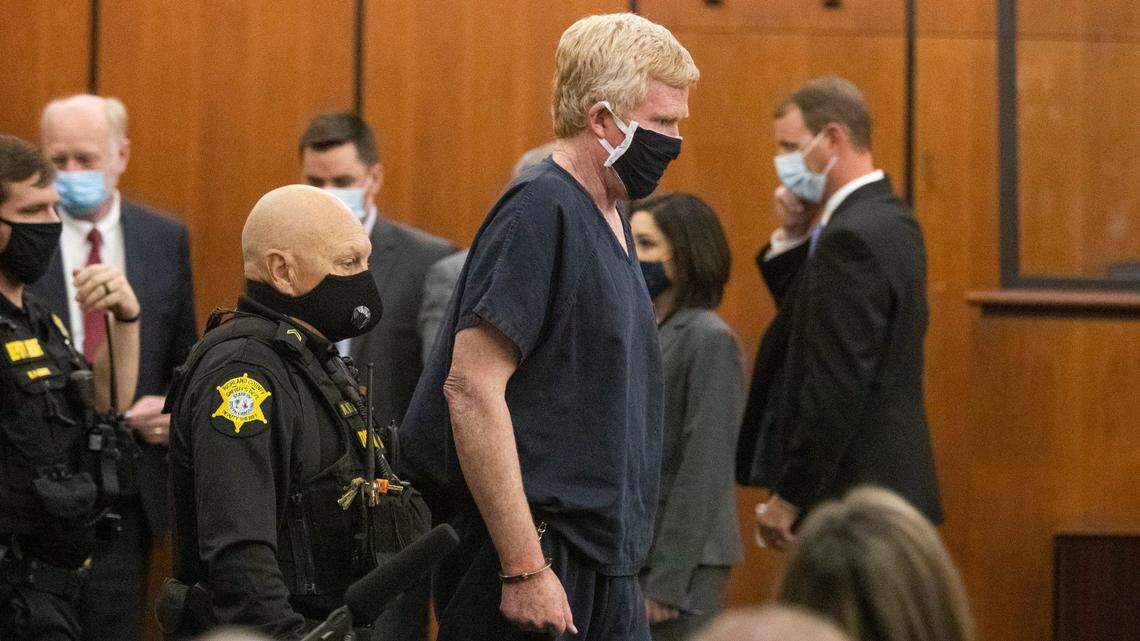
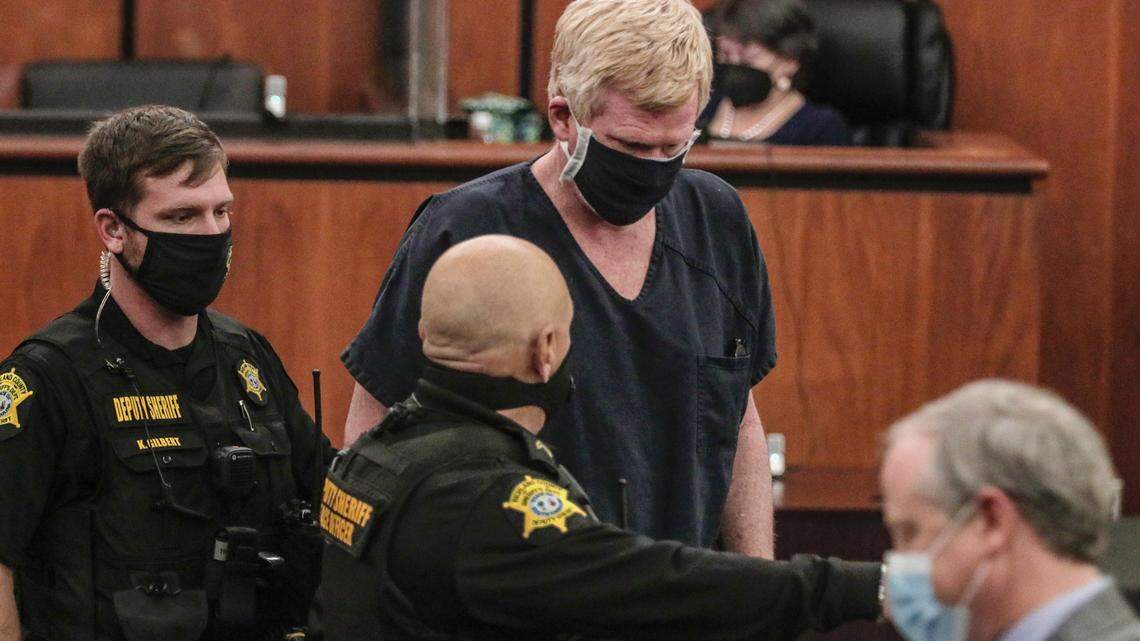
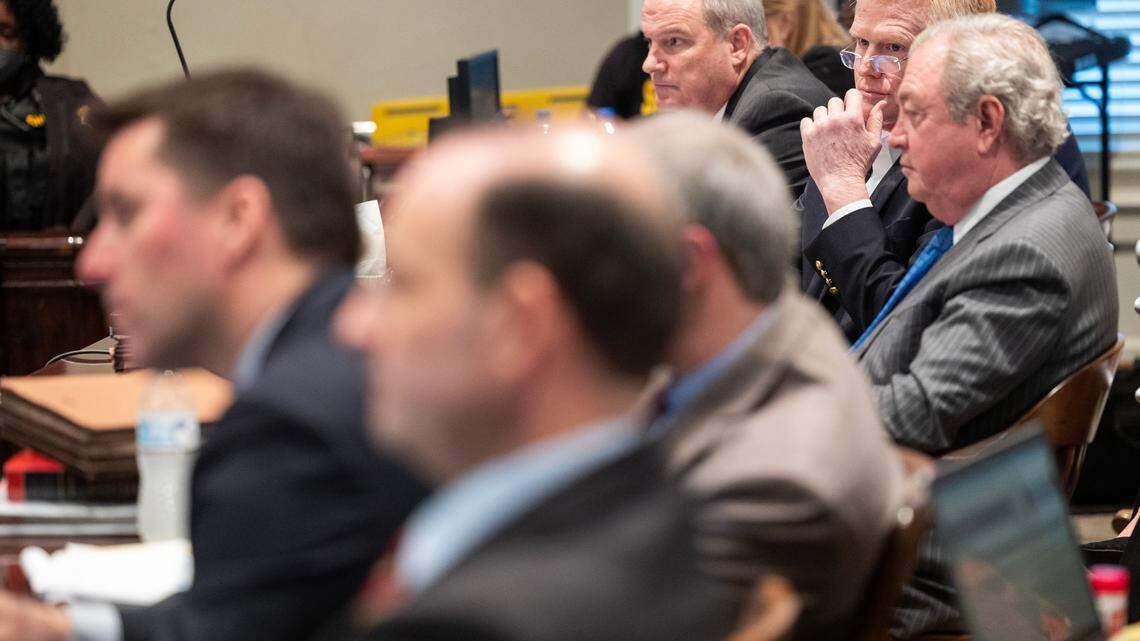
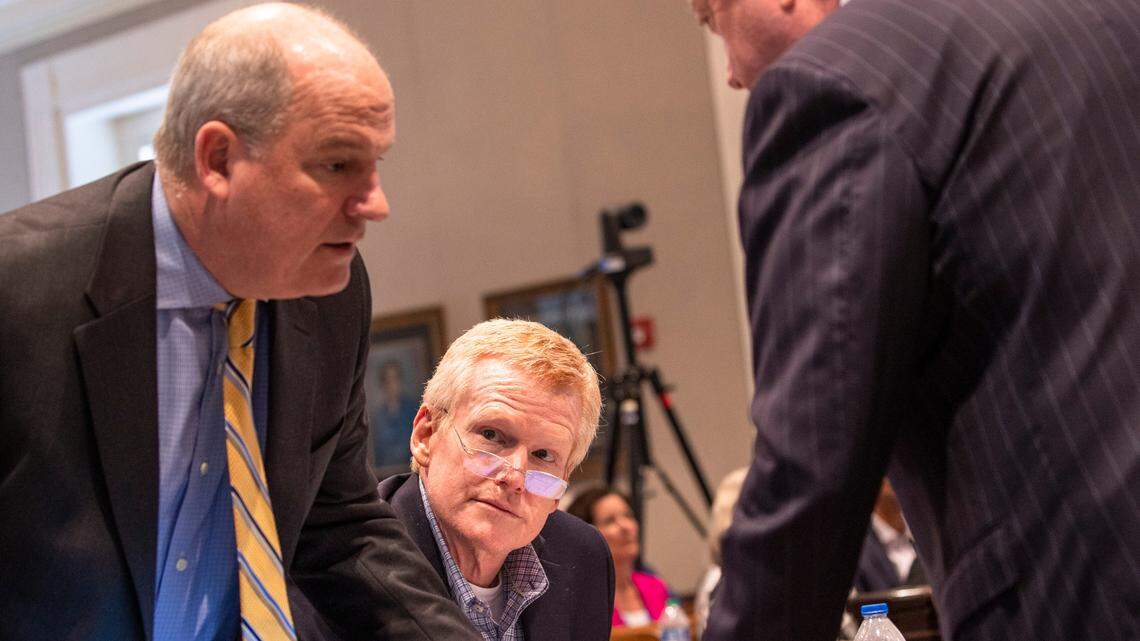
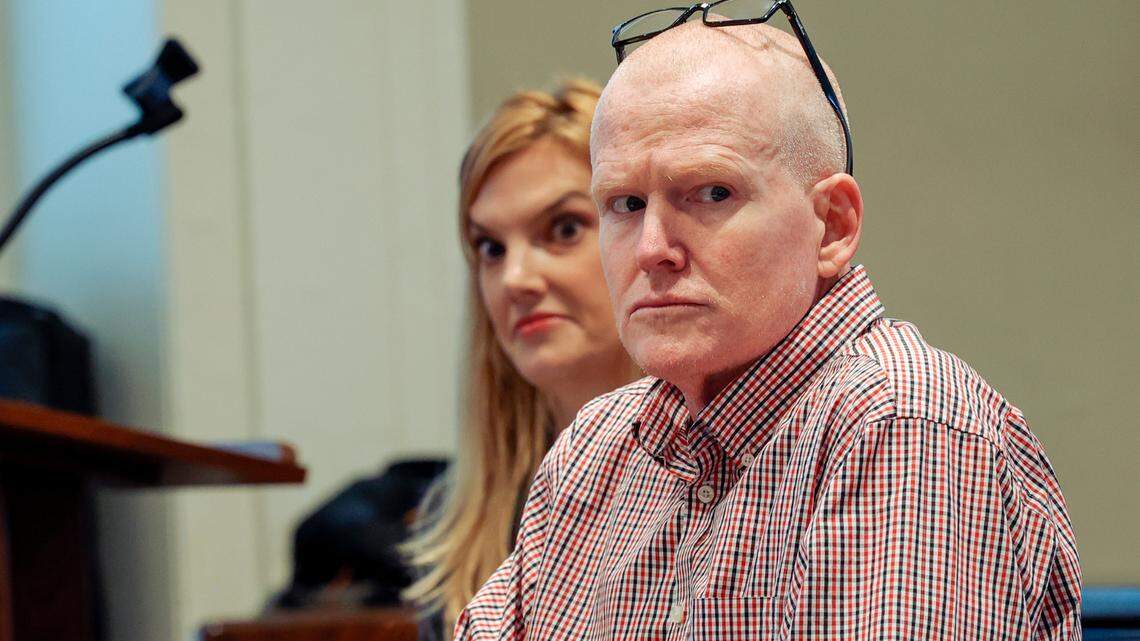
After 18 days of testimony by 61 prosecution witnesses, Alex Murdaugh’s defense attorneys conceded late Friday that the accused double murderer had likely lied when he denied being at the family estate’s dog kennels minutes before his wife and son were killed.
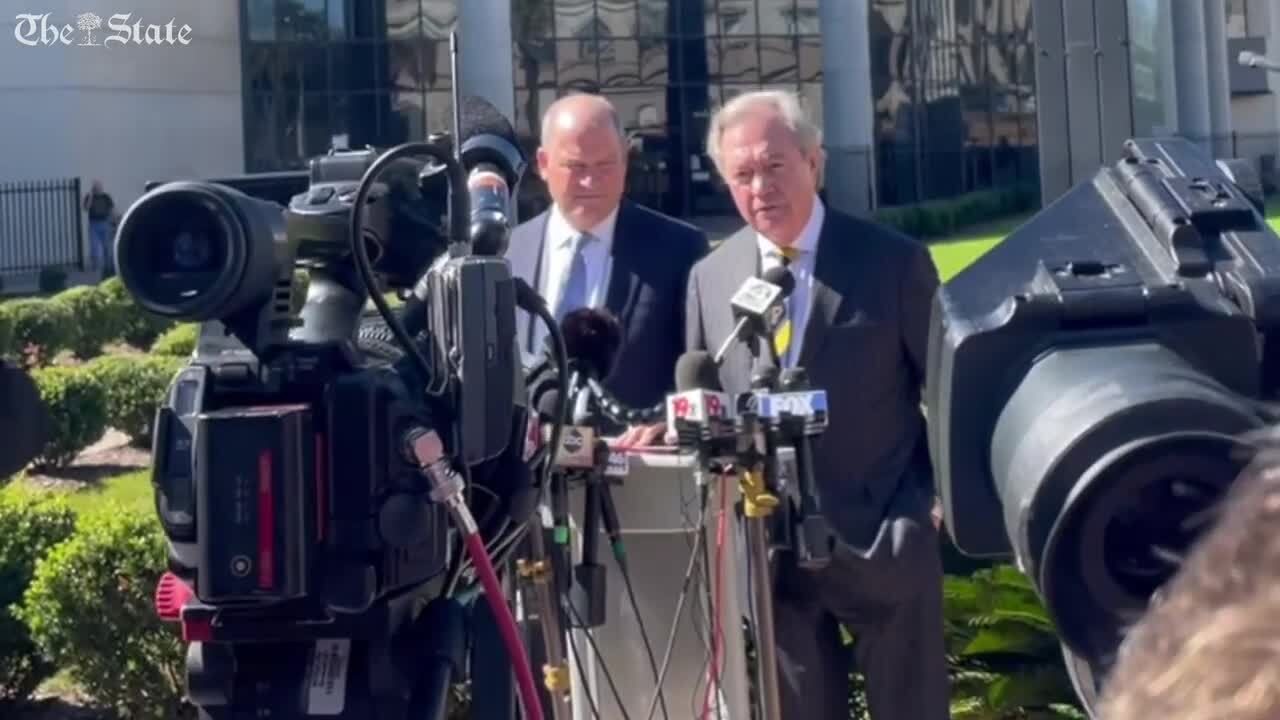
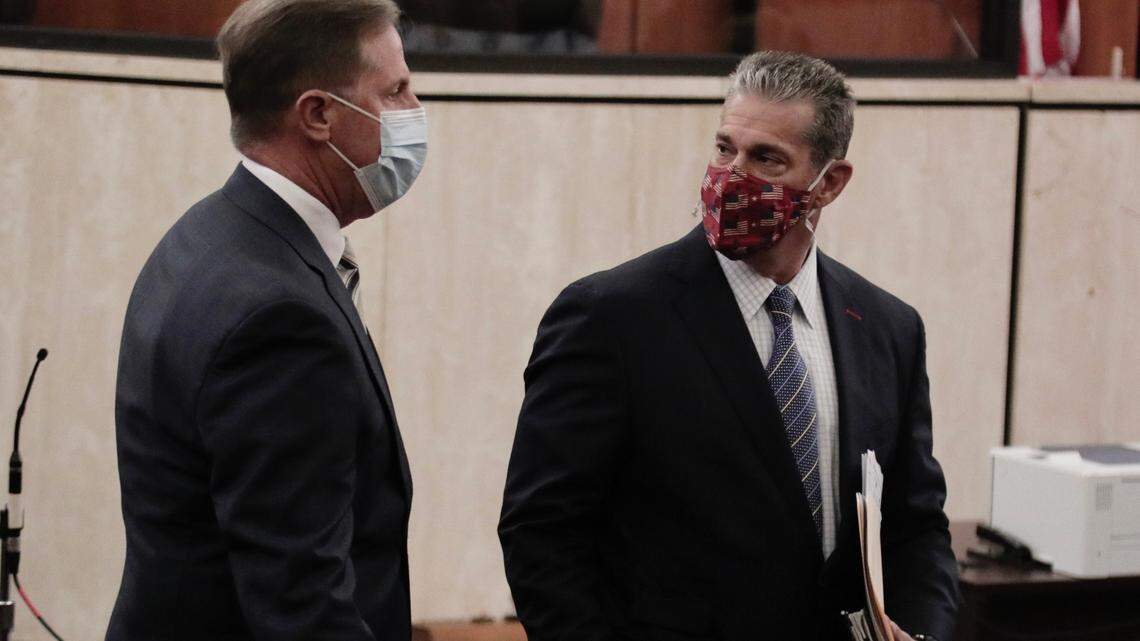
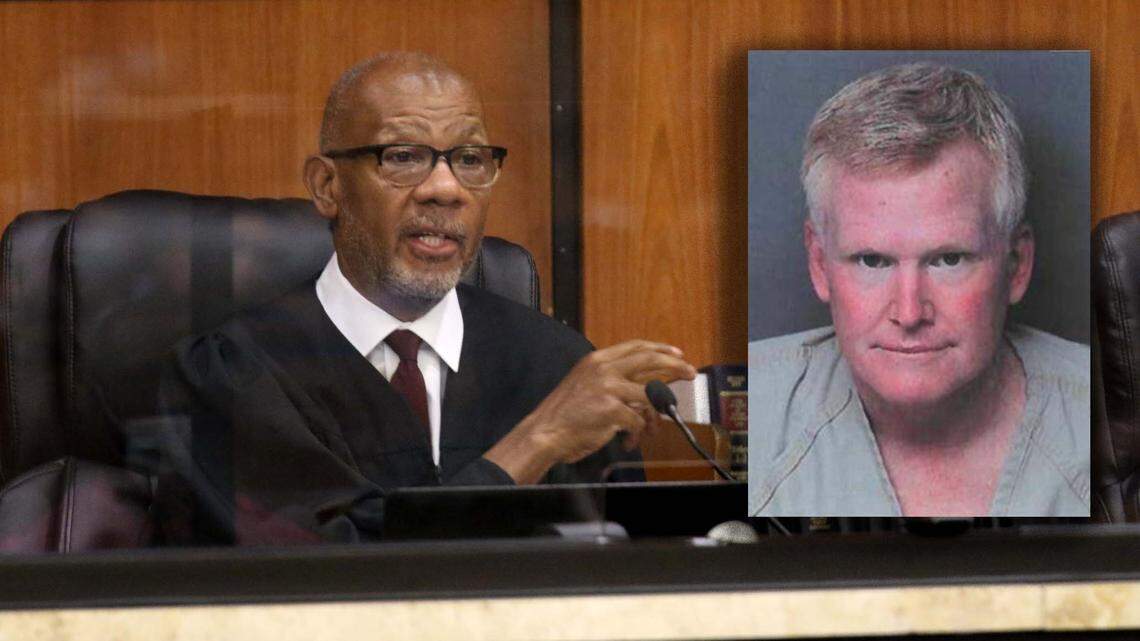
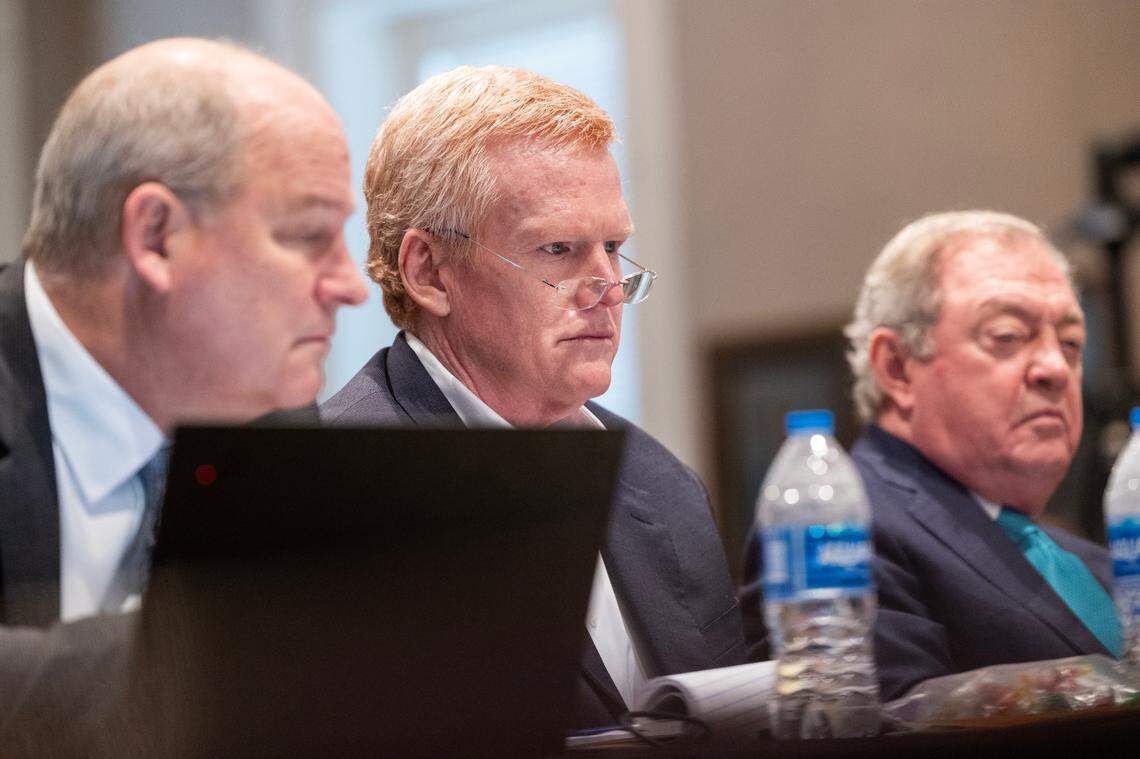
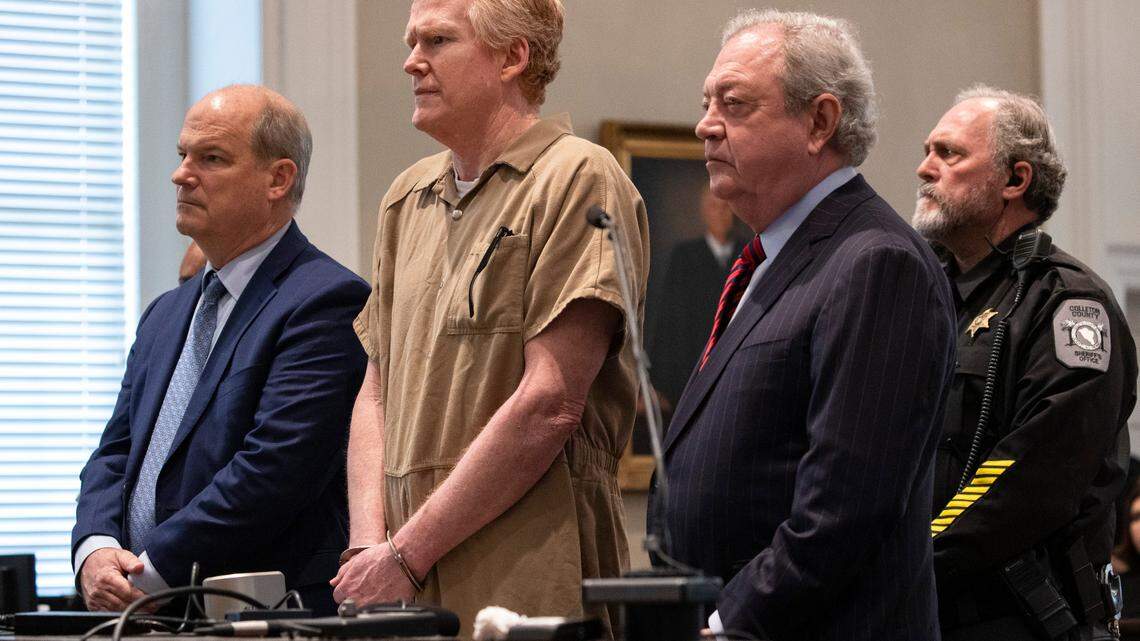
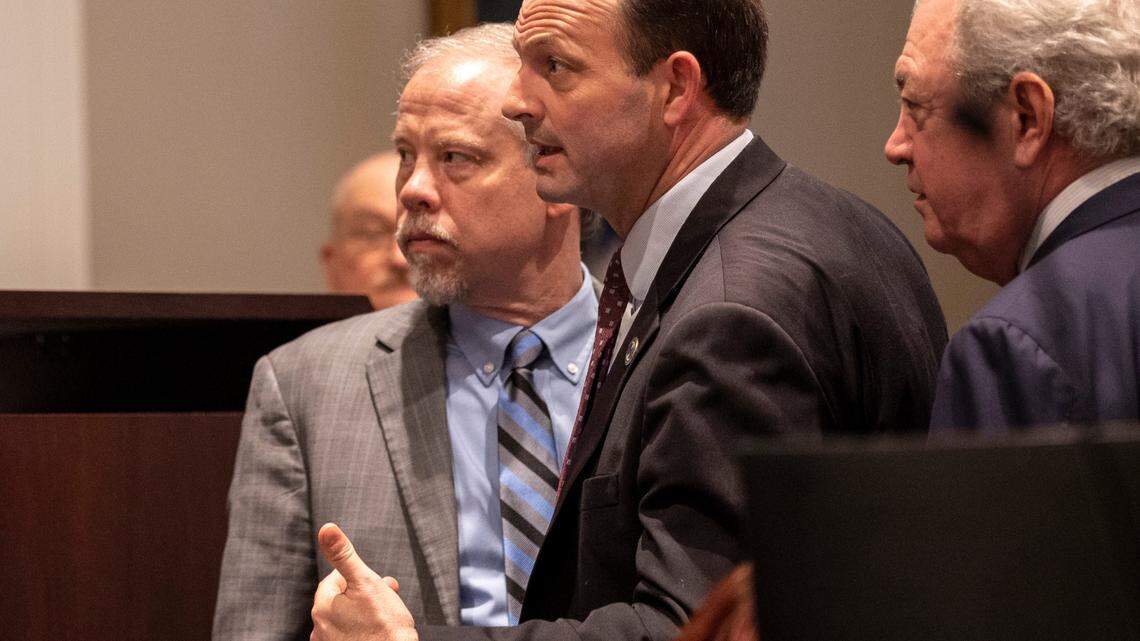
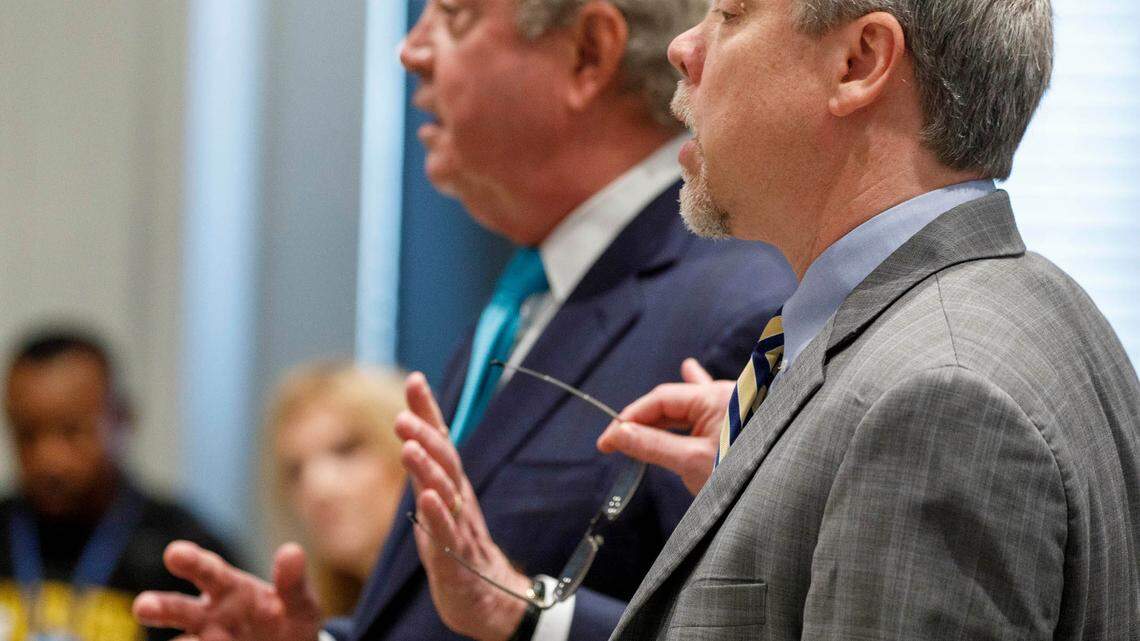
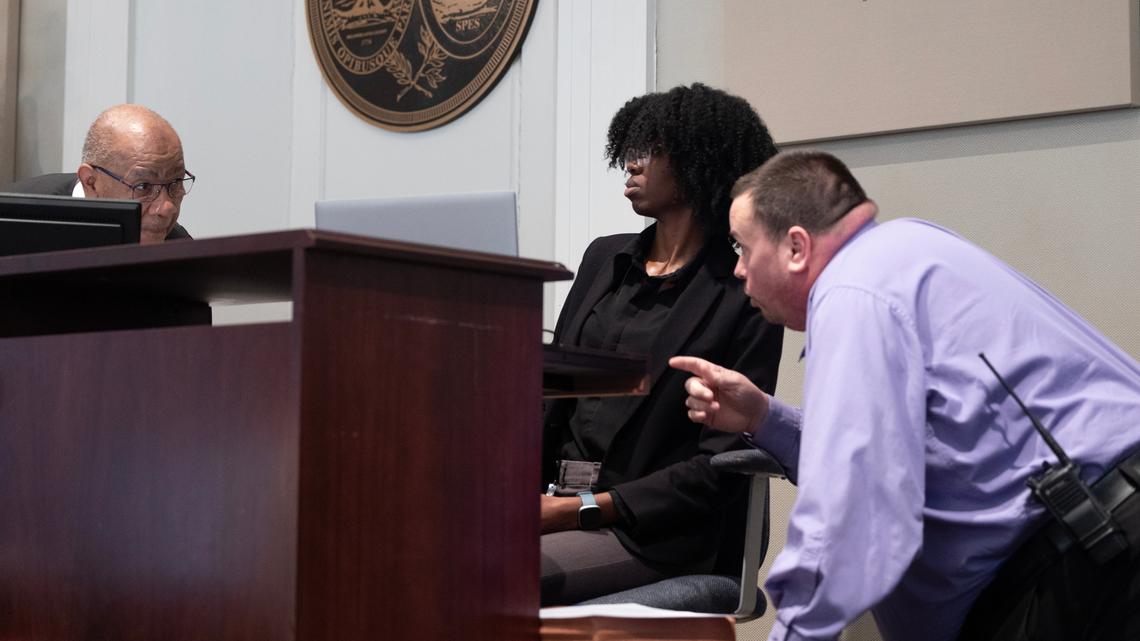
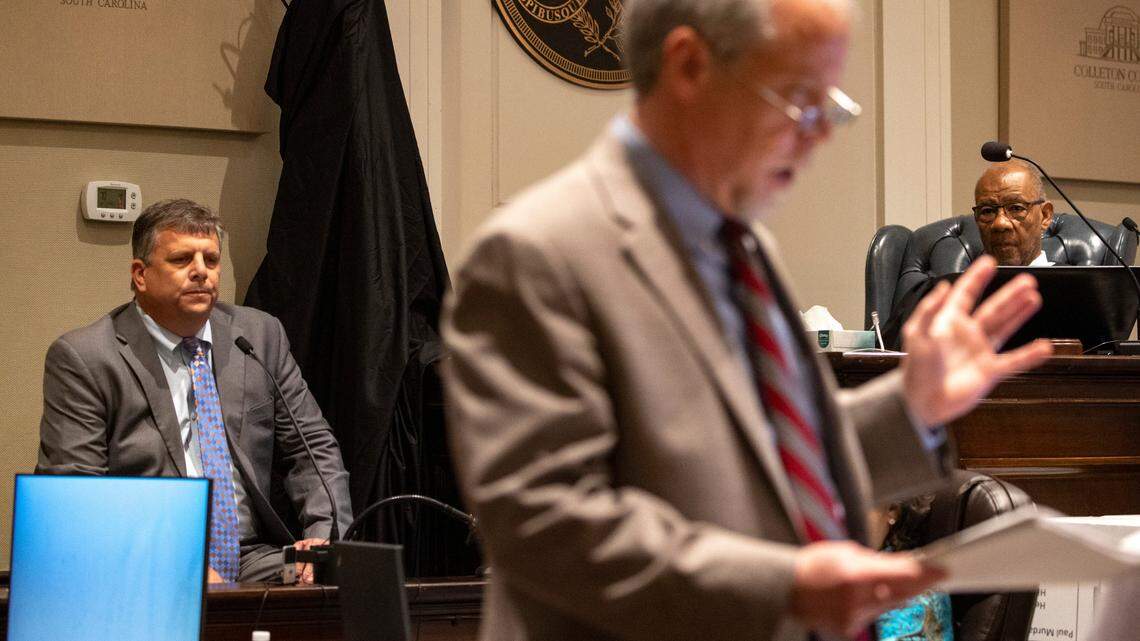
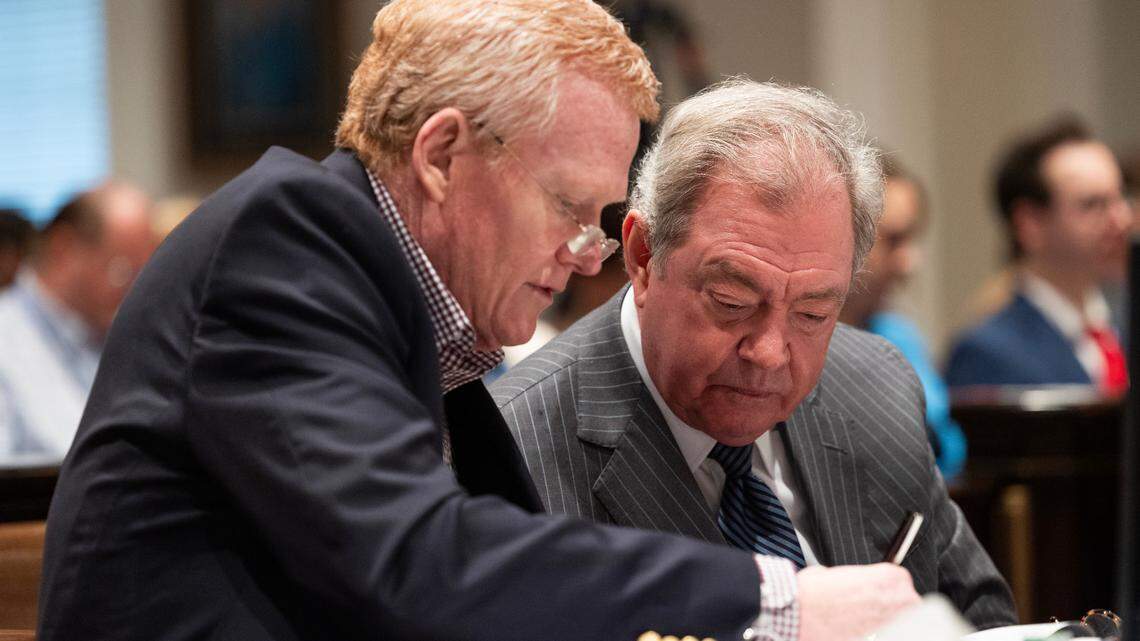
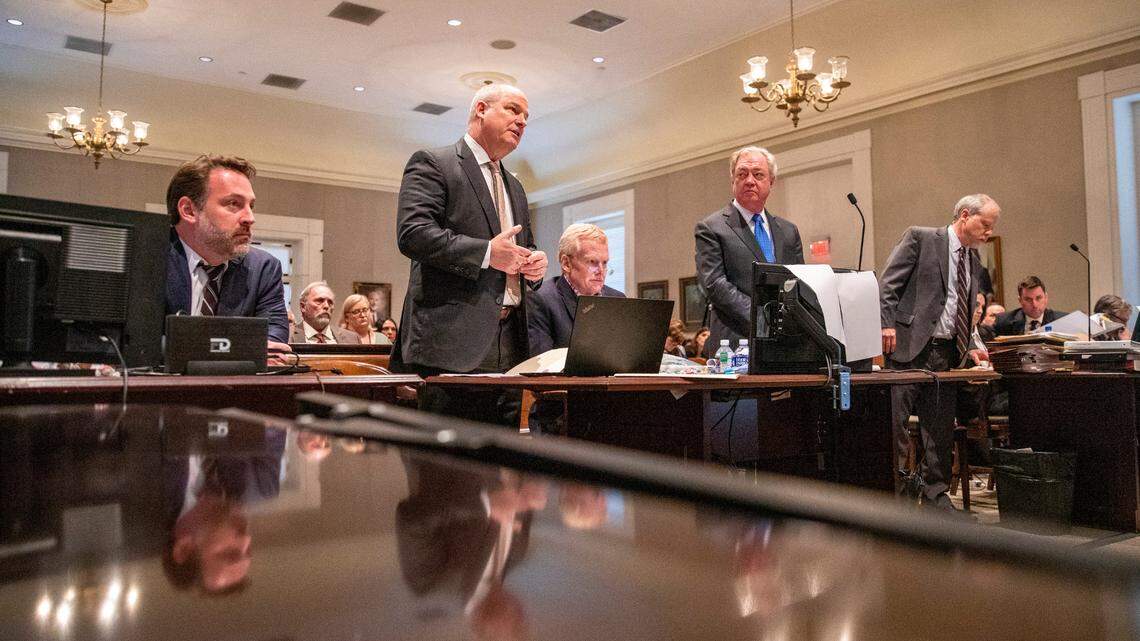
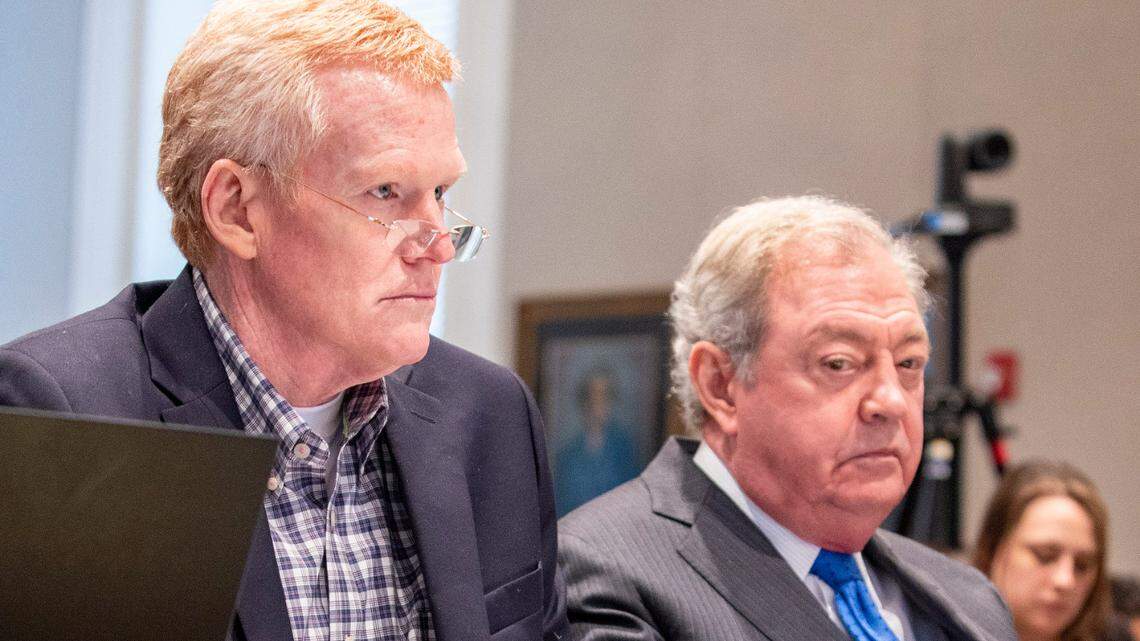
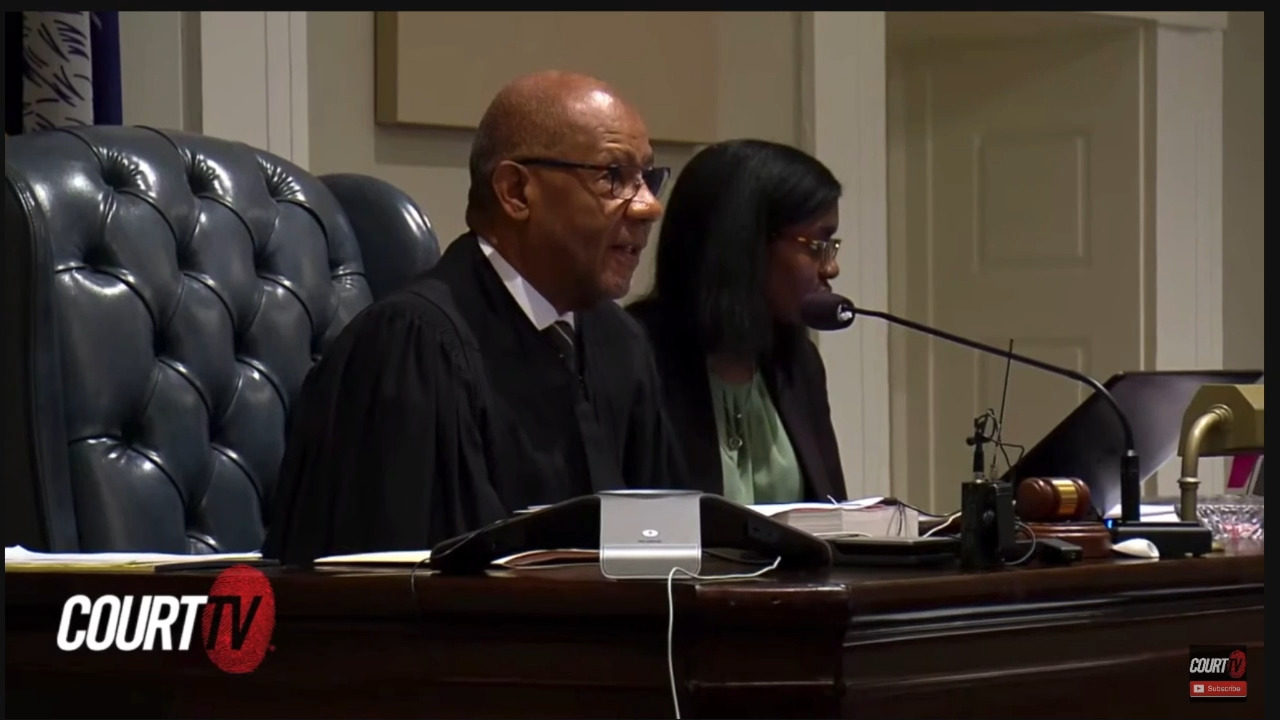
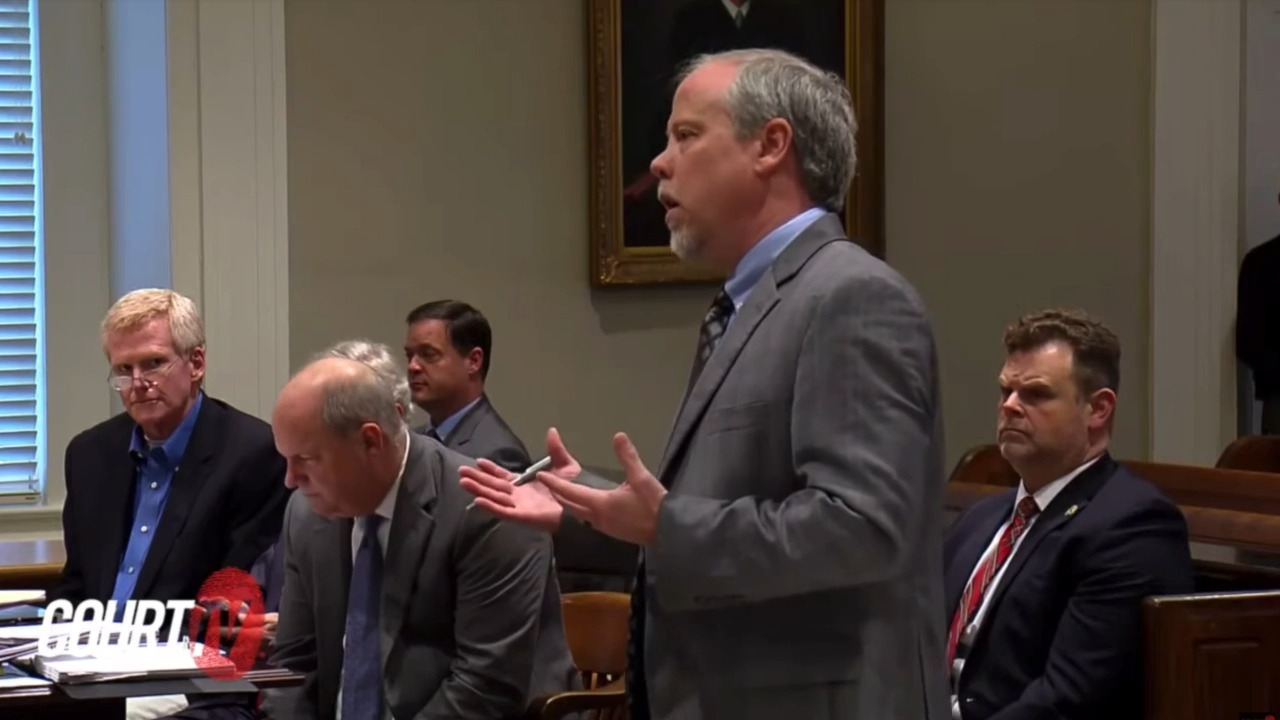
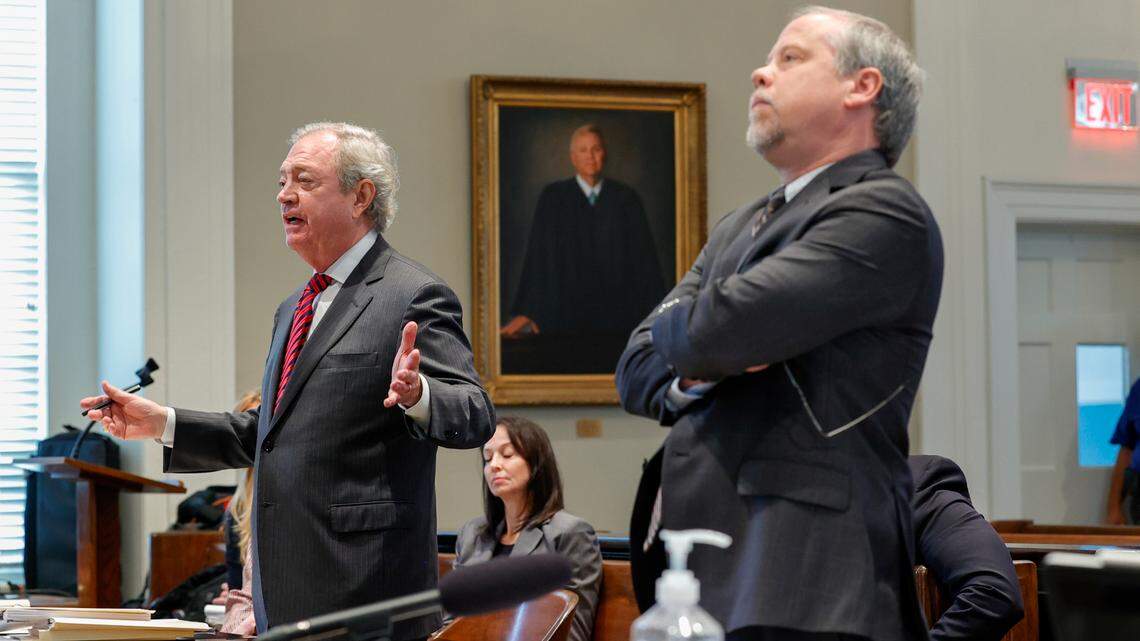
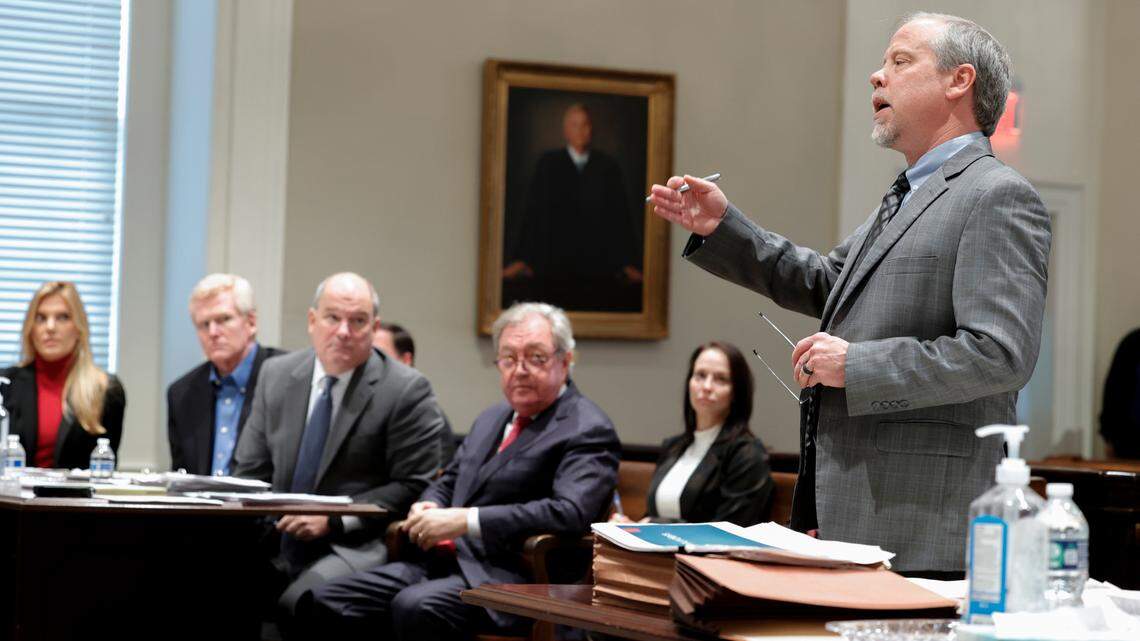
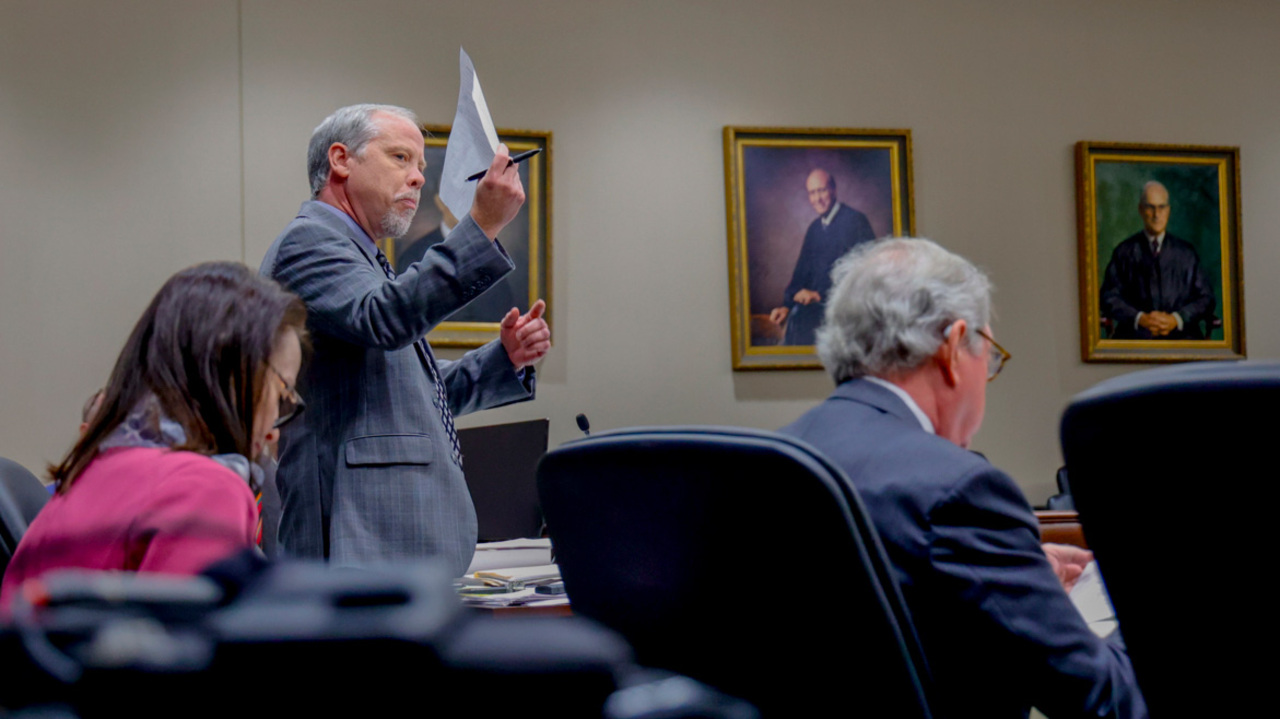
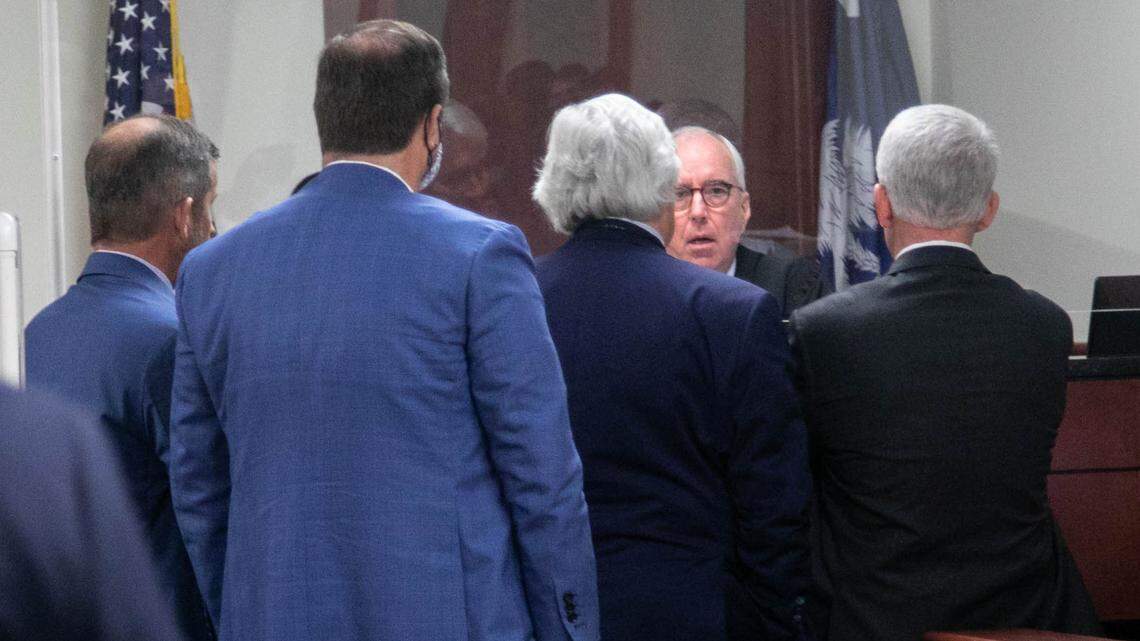
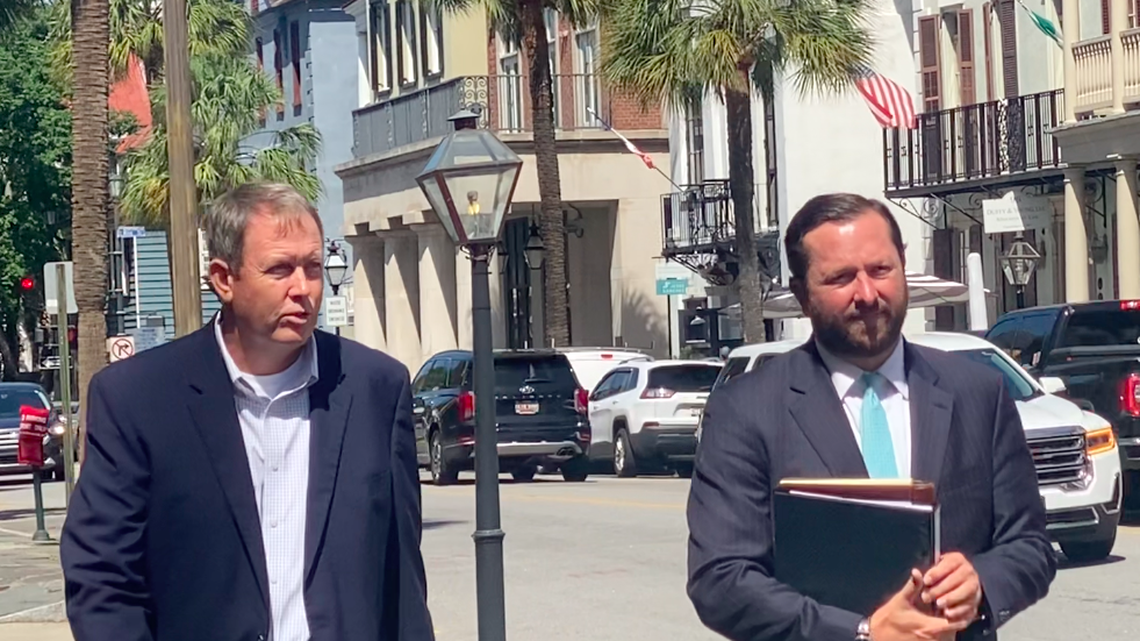
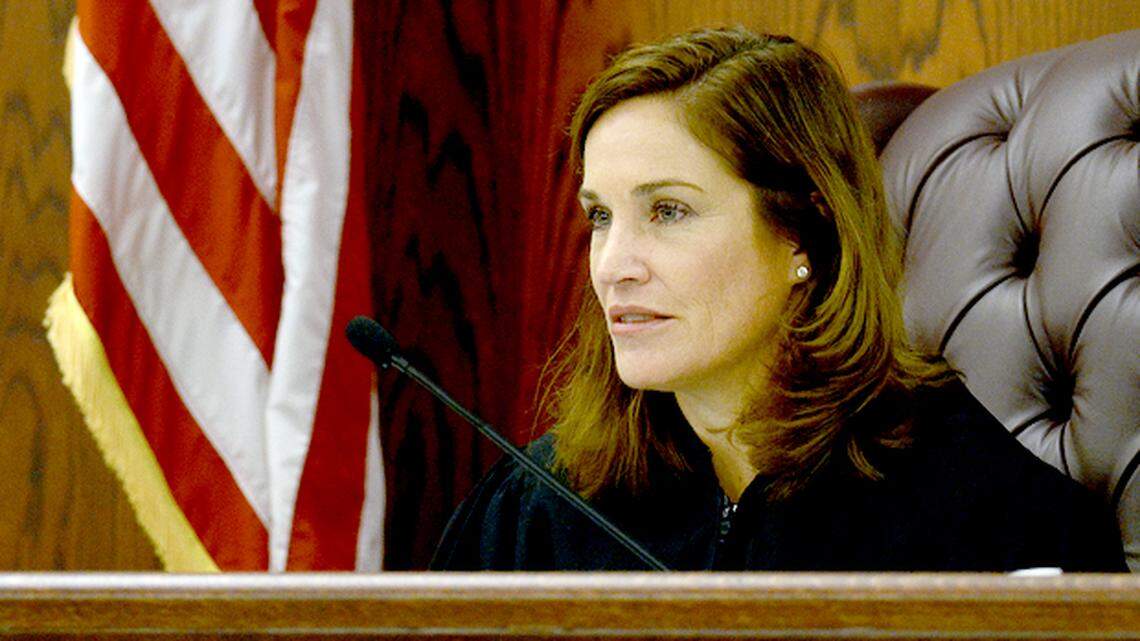
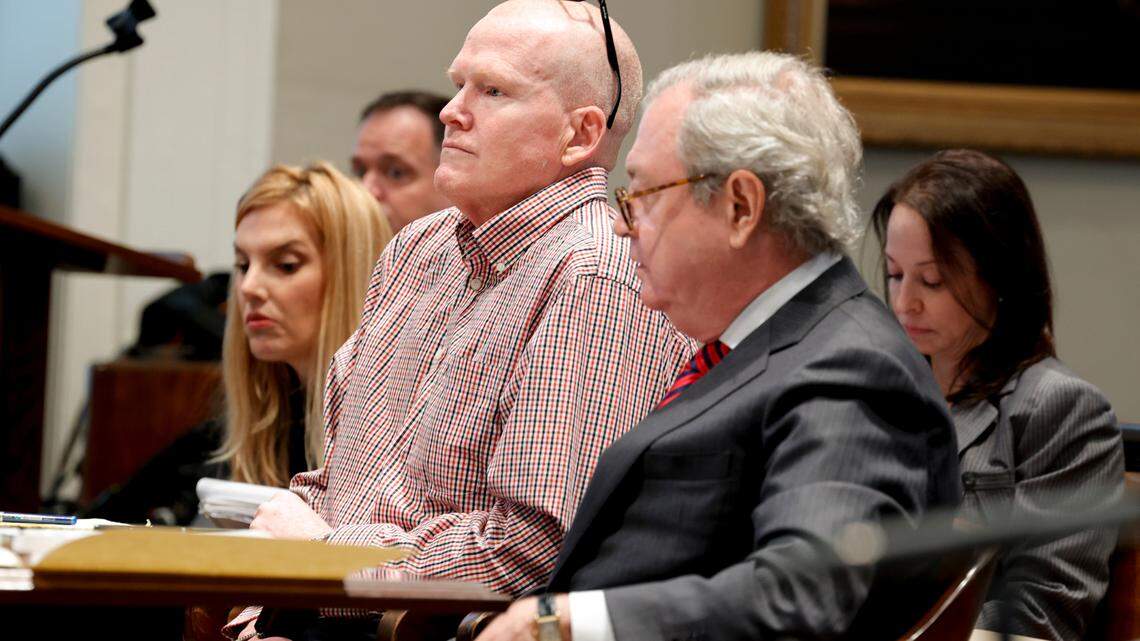
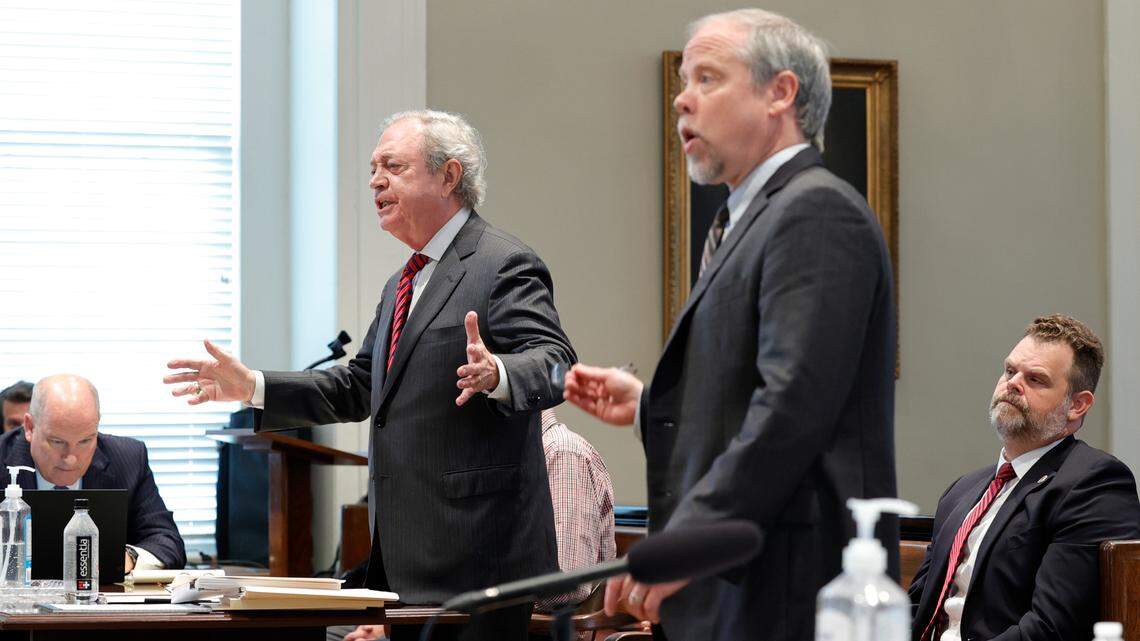
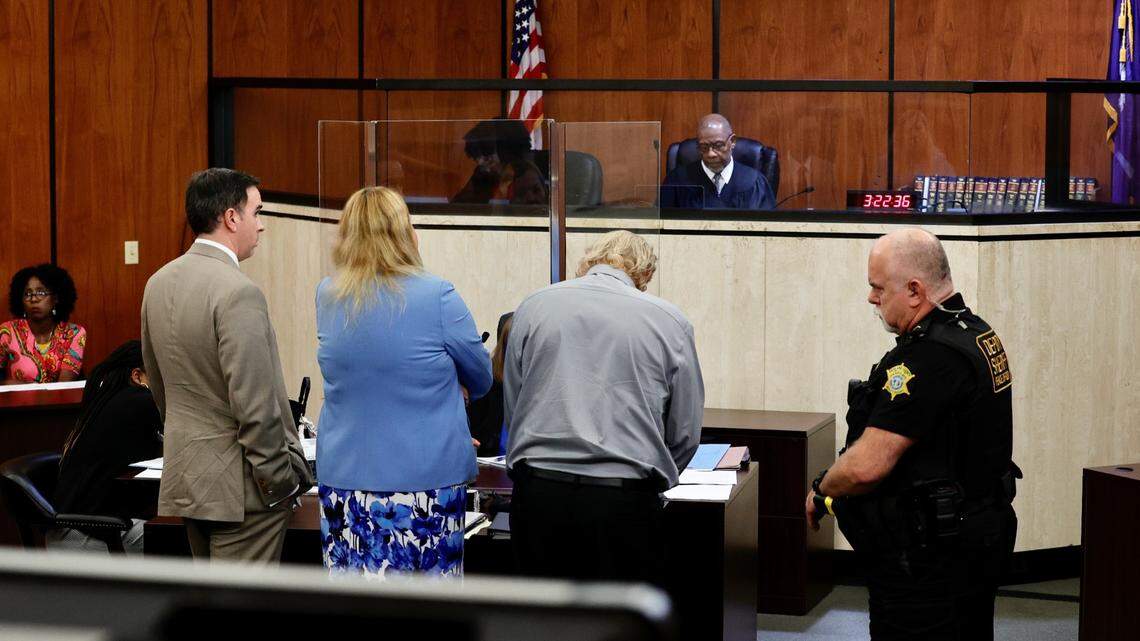
“The state has proven at most he was at the kennels at 8:44 p.m.,” defense attorney Jim Griffin told Judge Clifton Newman in asking the judge to dismiss the case against Murdaugh for supposed lack of evidence — a traditional motion in criminal trials by defense attorneys after the state has finished presenting its case.
Newman refused.
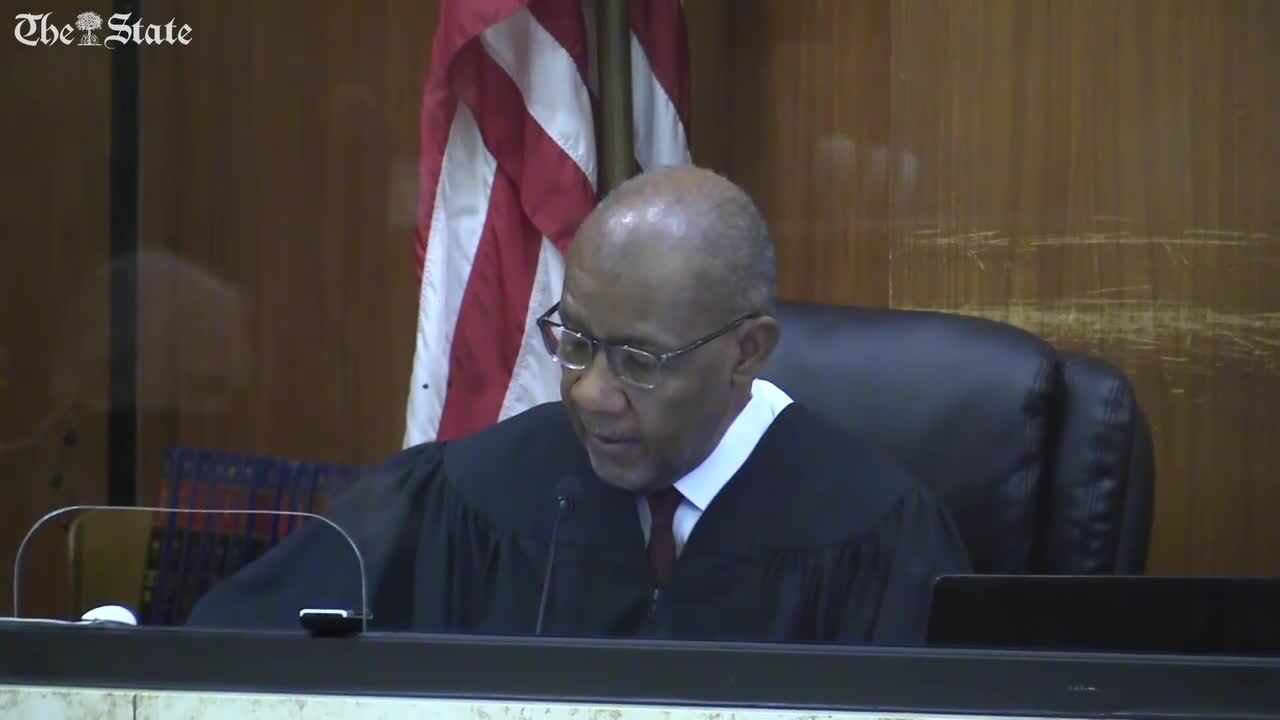
“At this stage, there is evidence to support a guilty verdict — if it is believed by a jury,” he said.
That evidence includes not just a crucial timeline that shows Murdaugh repeatedly lied to law enforcement officials and others about being near the dog kennels — he has always insisted he wasn’t there — shortly before 9 p.m. on June 7, 2021.
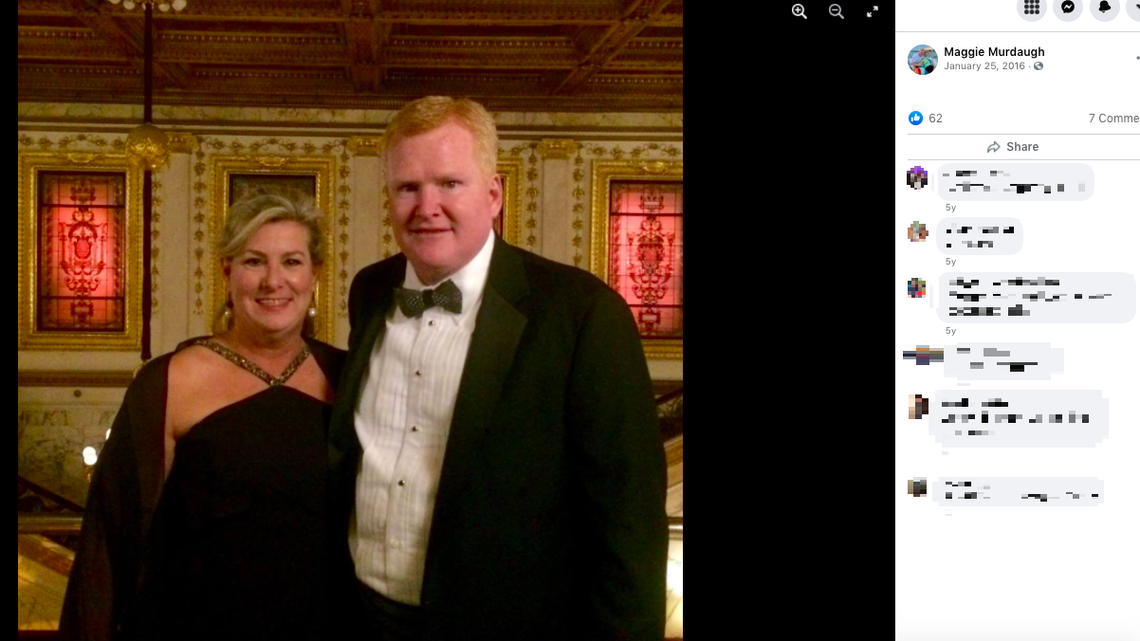
Prosecutors have presented other evidence over the last four weeks that they say show Murdaugh was at a breaking point that caused him to kill his wife, Maggie, 52, and son, Paul, 22.
The night Murdaugh’s wife and son were slain, the disgraced Lowcountry attorney faced imminent exposure that he had embezzled nearly $9 million from his law firm and others, was millions of dollars in debt to Palmetto State Bank and was under pressure from Paul and Maggie to stop his opioid addiction, numerous prosecution witnesses have told the jury.
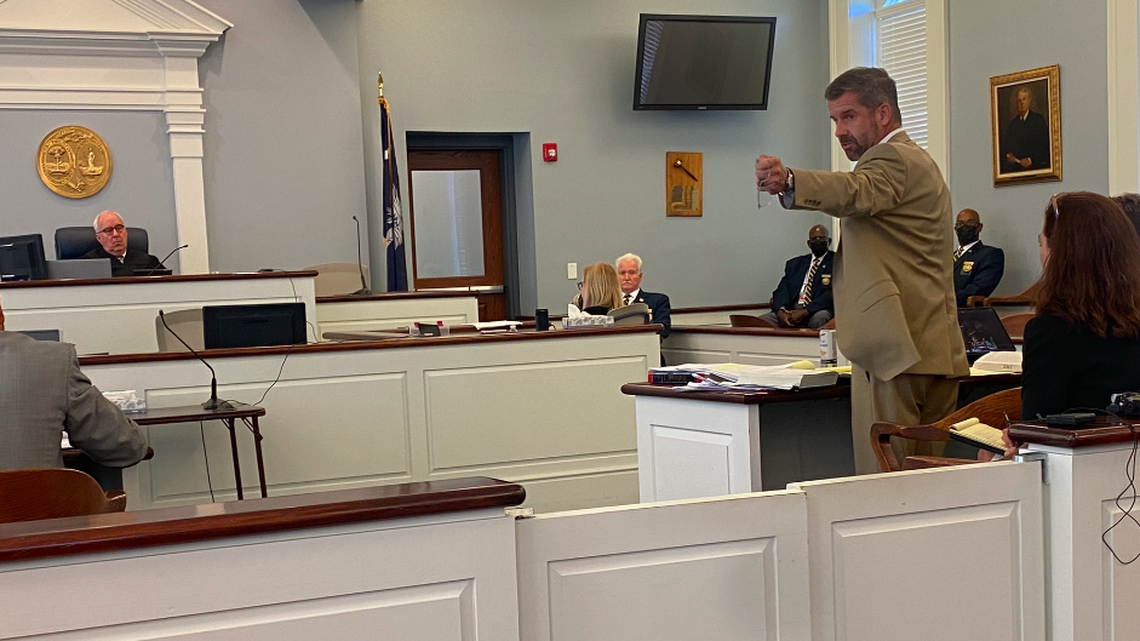
And, lead state prosecutor Creighton Waters told Newman Friday, the state proved that Murdaugh summoned Maggie and Paul to the family estate the night of their deaths — despite Murdaugh’s denials that he did so — and used family weapons and ammunition to kill them.
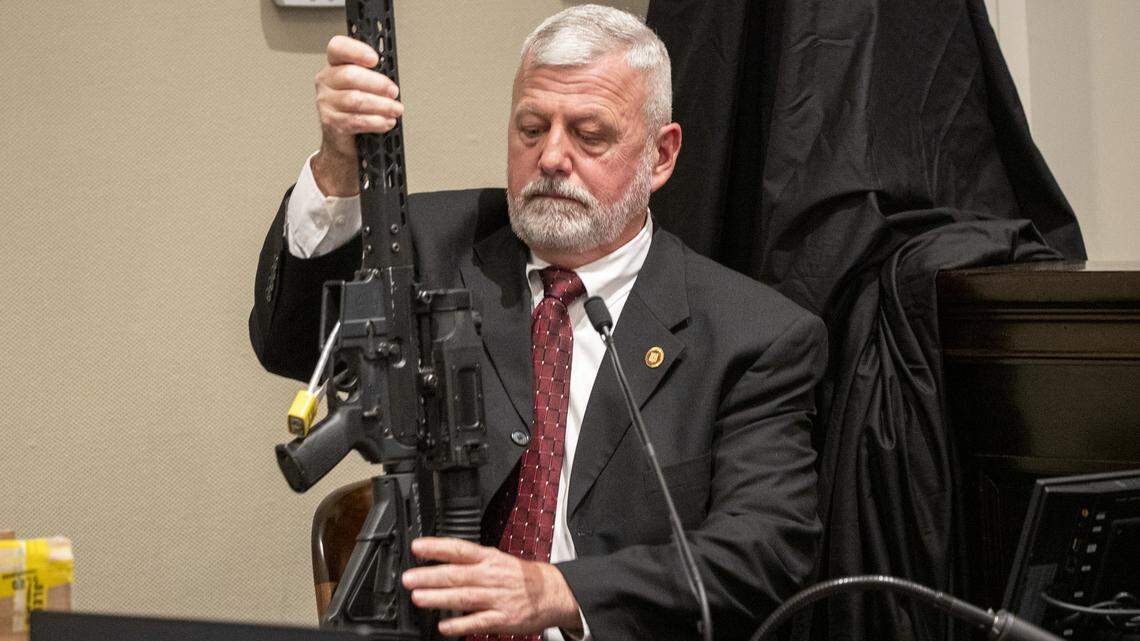
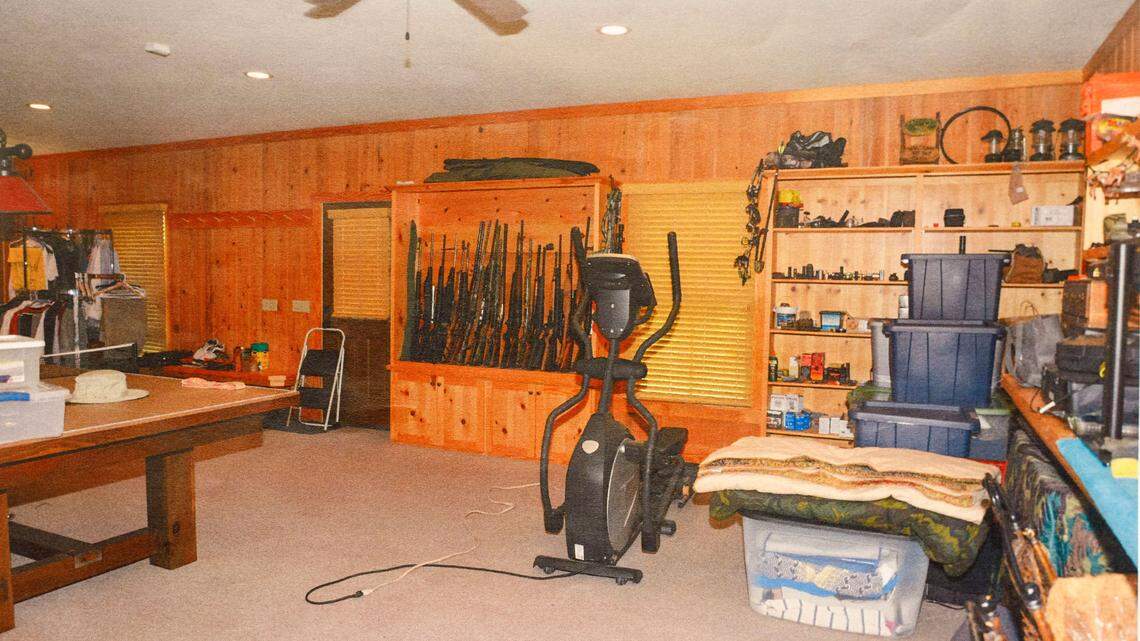
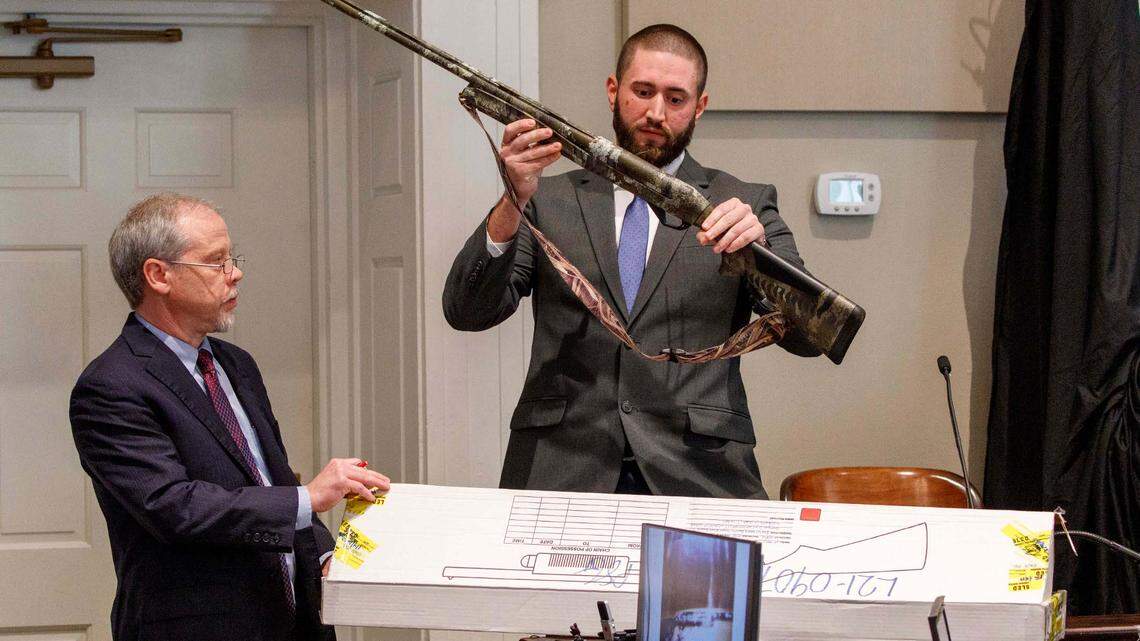
Paul was killed with a shotgun; Maggie, with an assault rifle. Both of them were shot at close range, in the process back-spattering his clothes with blood, and now those clothes are missing, Waters contended. Both firearms are missing.
To the state, that mountain of evidence means Murdaugh is the killer.
But to the defense, absent a direct witness or a video showing the killings, that means there is reasonable doubt that Murdaugh killed his wife and son.
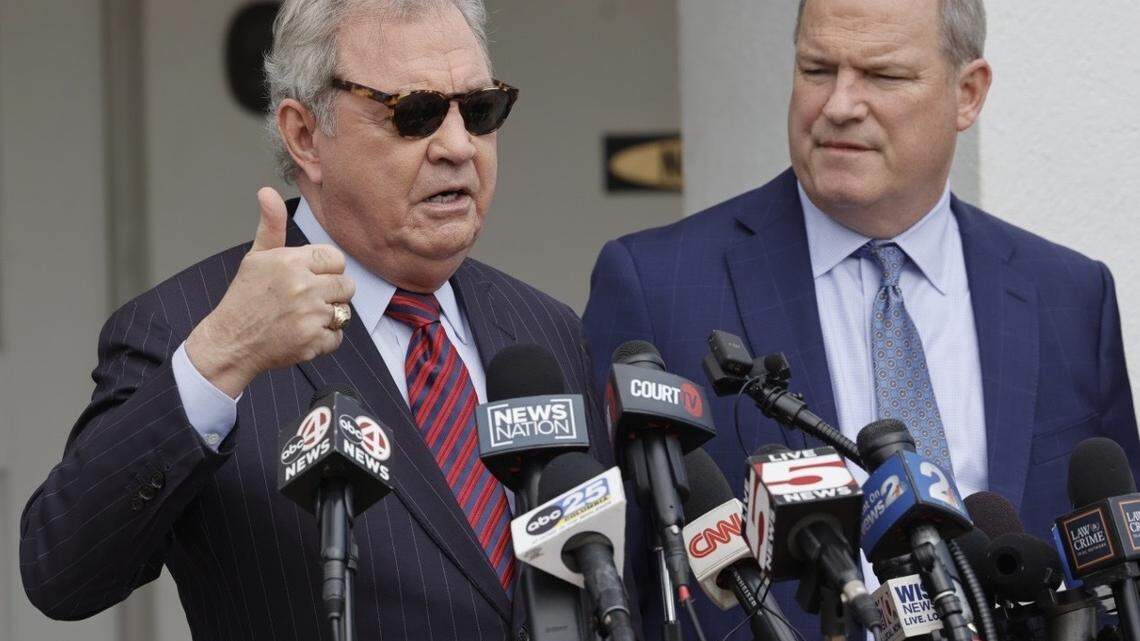
“The murderer would have blood on his or her clothing; the murderer would have murder weapons,” Griffin told the judge in his failed bid to get the state’s case thrown out.
The trial will resume at 9:30 a.m. Tuesday, when the defense continues presenting its case.
Defense attorneys have said they expect to take from five to seven days to present their case.
Timelines
At the center of the prosecution’s case is Murdaugh’s lie about his whereabouts the night of June 7, 2021.
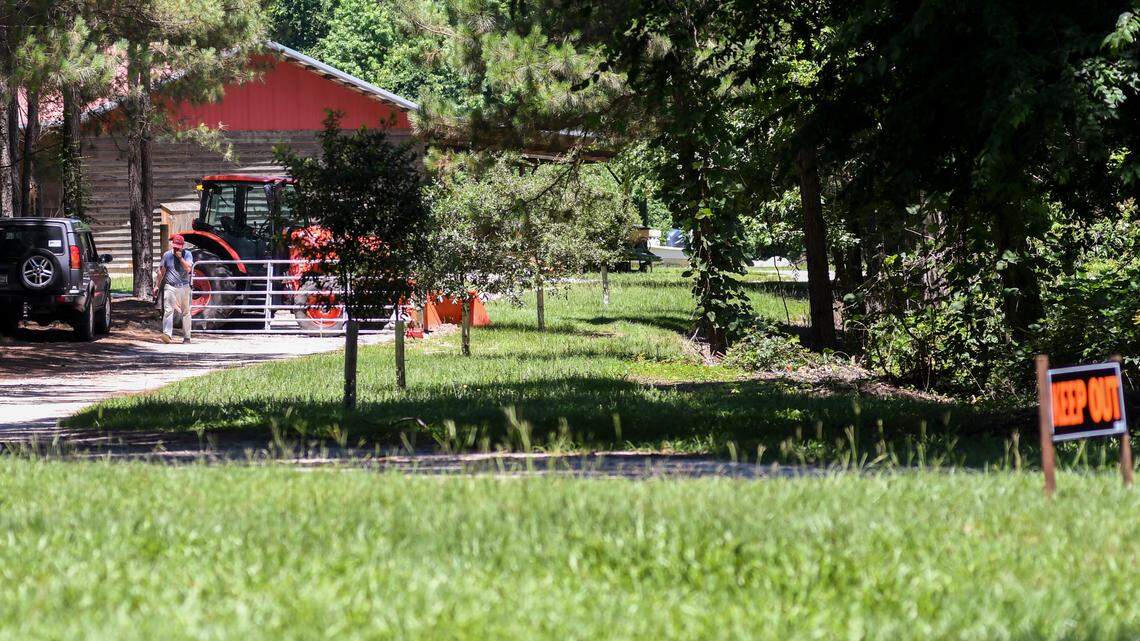
Since the beginning of the investigation, the once-prominent fourth-generation lawyer of a prominent Lowcountry legal family has maintained that on the night of the murders he was napping in the house at Moselle, the Murdaugh’s 1,770-acre estate in rural Colleton. He then left the estate, without going to the dog kennels, to drive to his ailing mother’s house, he has maintained.
The key piece of evidence that disproved that claim is a 58-second video found on Paul’s cellphone.
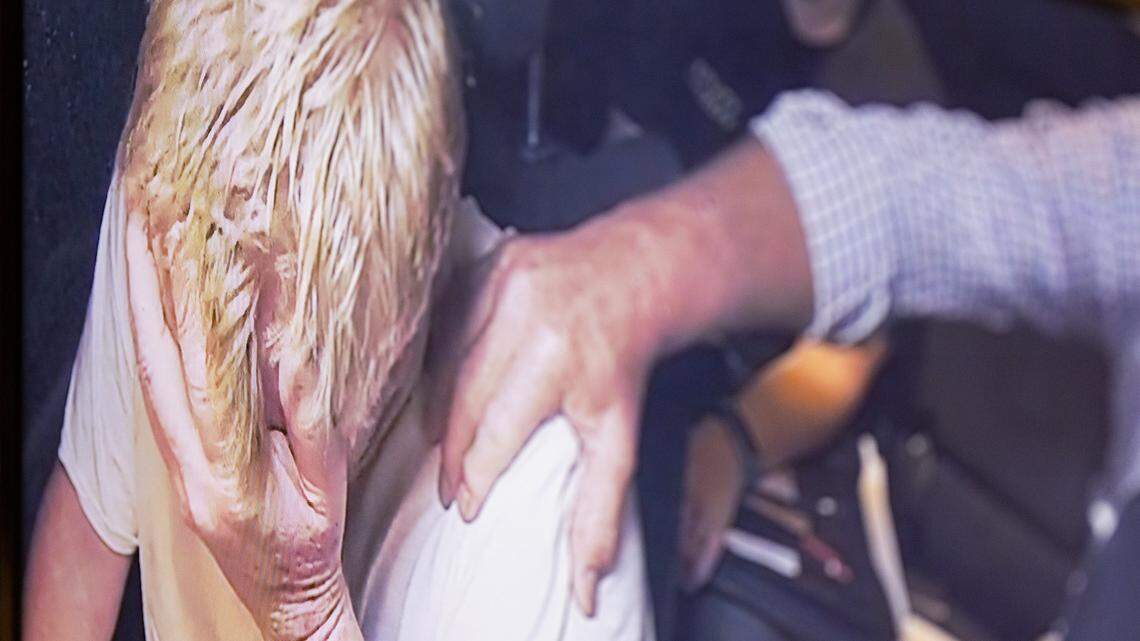
The video shows Paul’s arms as he grappled with a dog as Murdaugh and Maggie are heard encouraging the dog in the background. Although Murdaugh is not seen in the video, at least a half-dozen witnesses identified the voices on the video coming from Paul, Maggie and — most crucially — Murdaugh.
The video alone, along with other evidence, such as Murdaugh summoning his wife and child to Moselle, may be all the jury needs to conclude Murdaugh is the killer, despite the defense’s claims more proof is needed.
“Like a lot of things that are complicated, when you start to put ‘em all together, piece ‘em all together like a puzzle, all of a sudden a picture emerges that is real simple,” Waters told the jury in his confident Jan. 23 opening statement, almost four weeks ago.
“It’s really simple.”
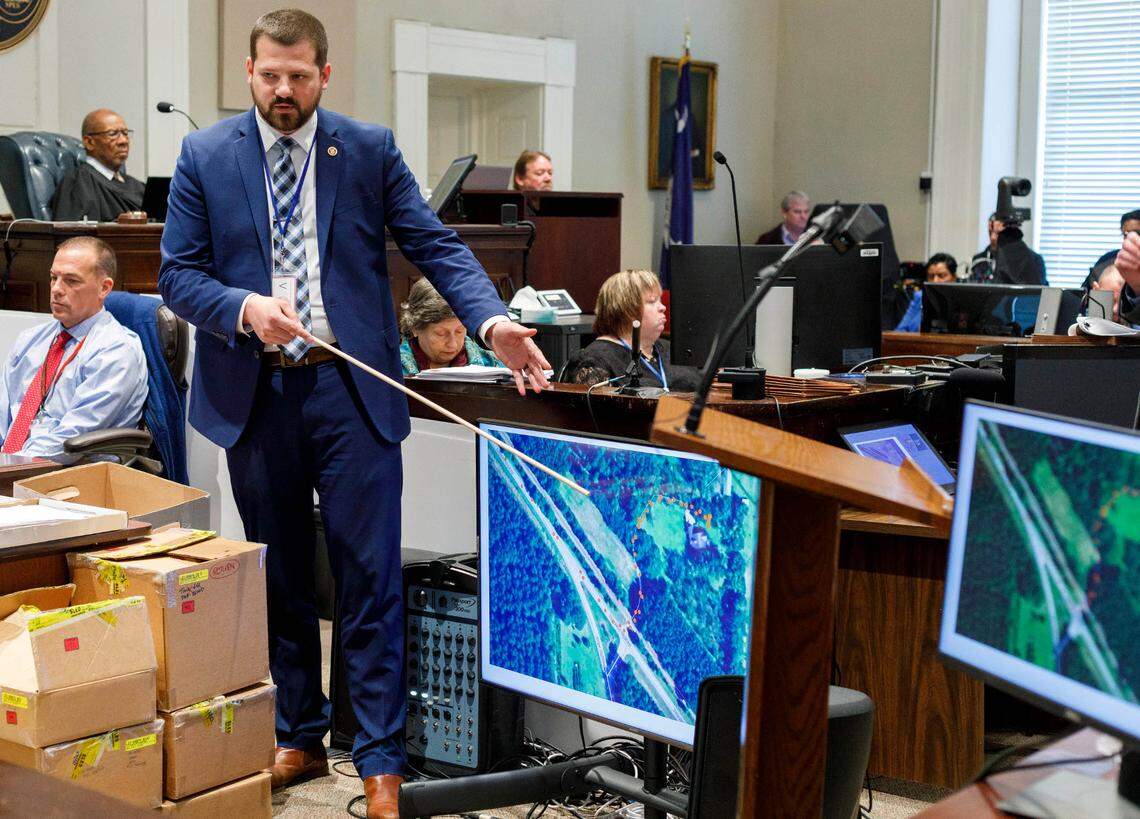
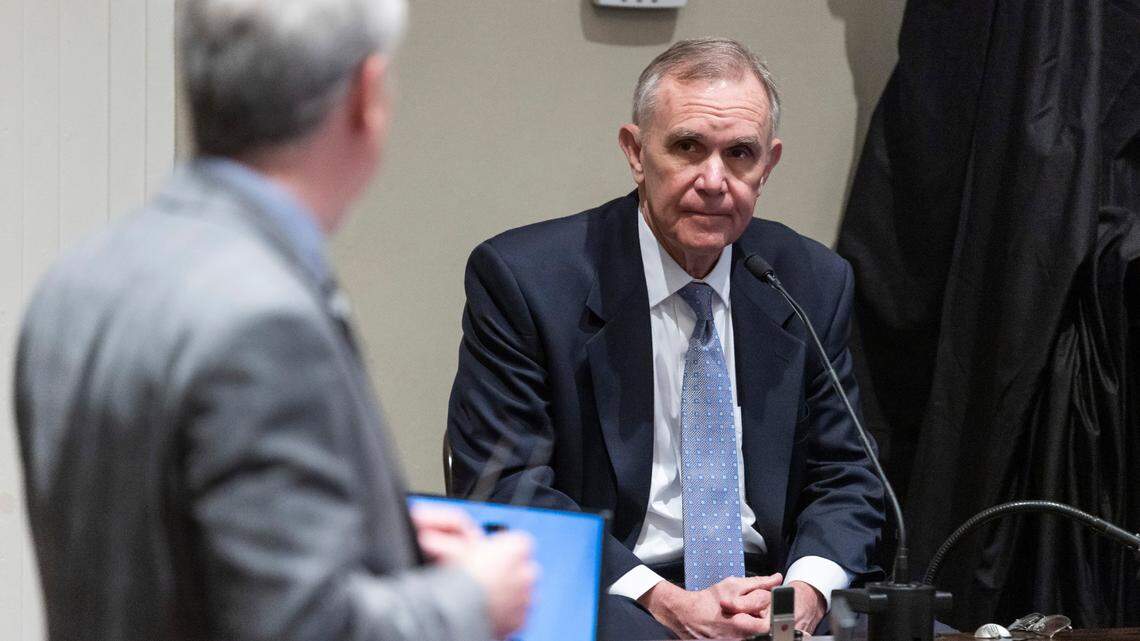
Through one of the prosecution’s final witnesses, S.C. Law Enforcement Division agent Peter Rudofski, the prosecution has offered the world a microscopic and intimate look at June 7, 2021.
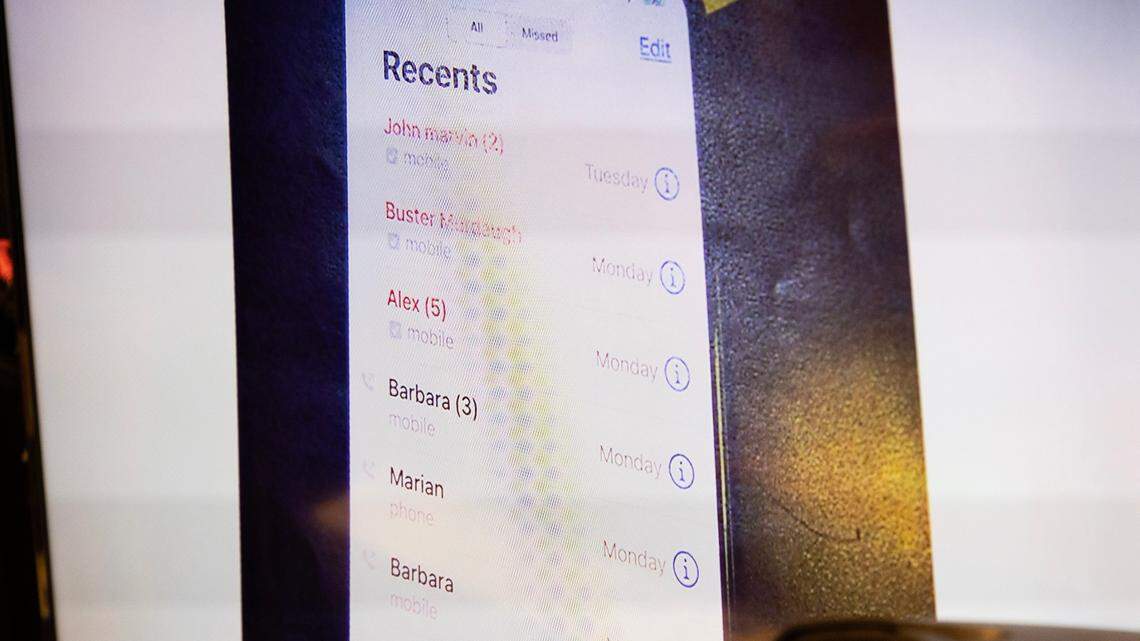
Under questioning by Waters, Rudofski served up a timeline consisting of cellphone records, text messages and location data on Paul, Maggie and Murdaugh’s phones. In addition, Rudofski told the jury about recently-discovered location data on Murdaugh’s Chevrolet Suburban provided by General Motors, showing the exact times and car speeds from when he left Moselle to drive to his parents’ home and return.
Highlights from Rudofski’s testimony included:
▪ 7:39 p.m. — Paul takes a Snapchat video of his father attempting to straighten a droopy tree on the Moselle property. In the video, Murdaugh is wearing light-colored slacks and a blue shirt. Those now-missing clothes Murdaugh likely wore when killing his wife and son, prosecutors contend.
▪ Around 8 p.m. — Maggie arrived at Moselle, and she and Paul ate a meal of country fried steak and macaroni and cheese prepared by their housekeeper, Blanca Turrabiate-Simpson, who had earlier left for the day. It is unclear whether Murdaugh ate with them.
▪ Around 8:30 p.m. — Maggie and Paul went to the kennels, located about several hundred yards from the house. At 8:40 p.m., Paul had a four-minute phone conversation with his friend, Rogan Gibson.
▪ Around 8:49 p.m. — Paul and Maggie’s phones both locked for the last time that night. Texts to them go unanswered. About that time, Paul was killed by two shotgun blasts to his chest and head. Maggie’s leg, chest and skull were pierced repeatedly by at least four and possible five shots from a .300 Blackout assault rifle, prosecutors contend.
▪ 9:02 p.m. — After being offline from 6:52 p.m. to 9:04 p.m., Murdaugh’s phone was active. At 9:04 p.m., he tried to call Maggie. His 2021 Chevy Suburban’s OnStar navigation system recorded that the car was moving away from Moselle at 9:07 p.m. when he tried to call Maggie again. After leaving Moselle, the vehicle slowed as he passed a place where Maggie’s cell phone would be found the next day. He drove an average of 52 mph and made several phone calls on the way.
▪ 9:22 p.m. — The Suburban was put into park at his mother’s home in Almeda, where her caretaker testified that she saw Murdaugh, who stayed for 20 minutes. On arriving and before going into the house, Murdaugh drove his vehicle around back to a wooded area for a minute, according to OnStar data. Prosecutors have implied he might have hidden the murder weapons during that time. Prosecutors also acknowledged they did not search that wooded area.
▪ 9:47 p.m. — Murdaugh texts Maggie: “Call me babe.”
▪ 9:51 p.m. — During Murdaugh’s drive to the Almeda community and back, Murdaugh’s OnStar location data showed him driving at speeds up to 80 mph.
▪ 10:06 p.m. — Murdaugh arrives back at Moselle and goes to the house. At 10:06 p.m. he drives to the house, stays a few minutes and then drives to the dog kennels. There, illuminated by his Suburban’s headlights, he finds his wife and son lying dead. Within 20 seconds, he calls 911 to report the killings.
Other crucial evidence
Apart from the timeline, prosecutors presented a varied mosaic of other information and witnesses over the last four weeks.
The jury has been presented with more than 400 exhibits.
Nine witnesses — including Murdaugh’s best friend, lawyer Chris Wilson — testified about Murdaugh’s numerous financial frauds committed over the last 12 years, frauds in which he stole more than $8 million from his friends, his law partners, his clients and his own brother, Randy, a lawyer at the family firm, what was known as PMPED.
Those frauds were about to be exposed, and prosecutors contend Murdaugh killed his wife and son to gain sympathy and to delay legal actions that were about to expose his hidden life of theft.
Not only was Murdaugh furiously trying to embezzle more money in the months leading up to the June 7, 2021, killings, prosecutors say, but he also was millions of dollars in debt and had repeatedly overdrawn his account at Palmetto State Bank by hundreds of thousands of dollars, evidence showed.
Shortly before the killings, Murdaugh contacted Palmetto State Bank asking for another $600,000 loan.
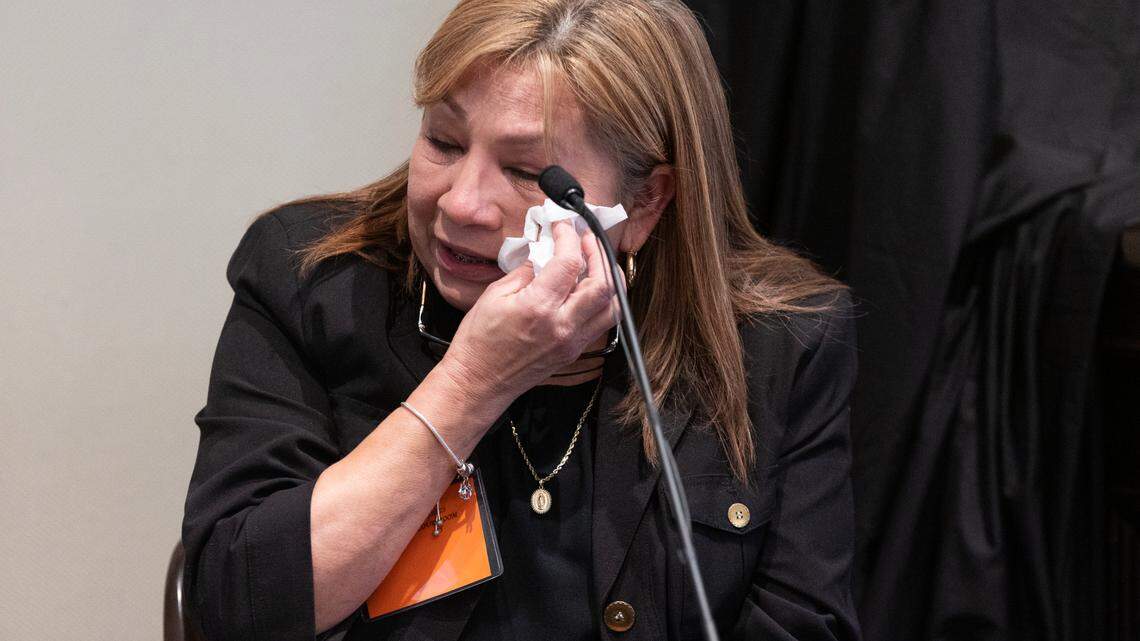
Two witnesses who worked for the Murdaugh family, Mushelle “Shelley” Smith and Turrabiate-Simpson, testified that Murdaugh came to them after the killings and seemed to try to persuade them to lie to SLED investigators about various times of his actions. Smith, a caregiver for Murdaugh’s ailing mother, testified that he wanted her to say he was at the Almeda house more than the 20 minutes or so Murdaugh was actually there.
Turrabiate-Simpson also testified Maggie had told her she was worried about a lawsuit in which Murdaugh was a defendant. The plaintiffs were seeking $30 million, money the family didn’t have, Maggie said.
Maggie’s sister, Marian Proctor, testified that Paul was called the “little detective” because he found out about his father’s addiction to prescription drugs and was telling Maggie about his findings. A month before the killings, on May 6, 2021, Paul sent a message to Murdaugh that said, “Mom found several bags of pills in your computer bag.”
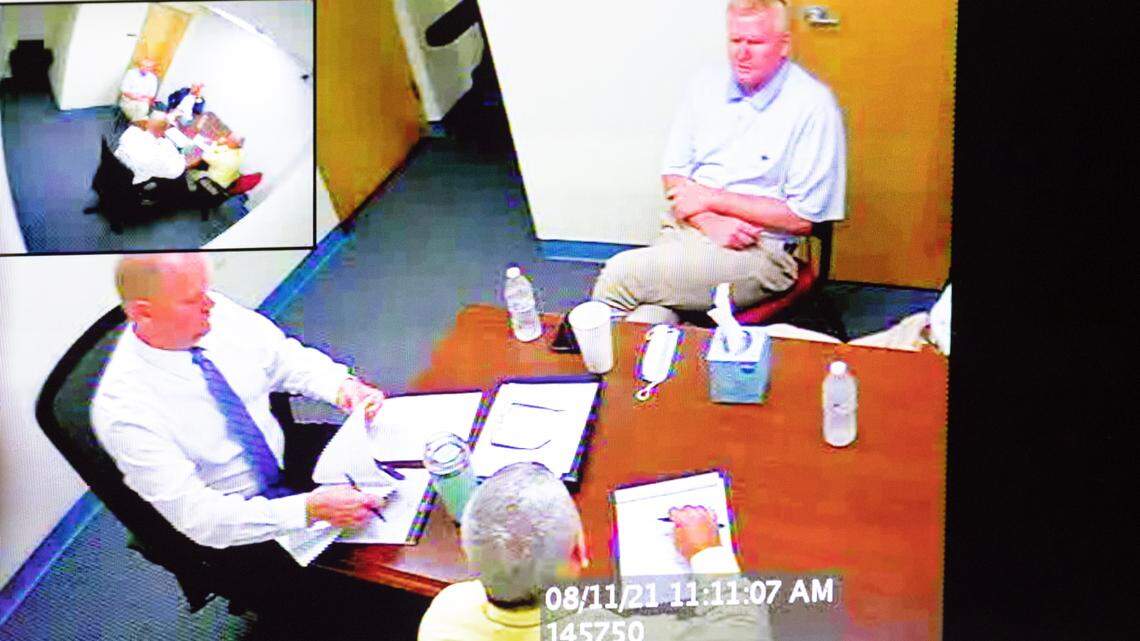
In an audio played to the jury of a Sept. 13, 2021, confession to SLED agents, Murdaugh is heard saying that for years he had a $50,000-a-week illegal drug habit in which he used a man, Curtis “Eddie” Smith, to buy drugs from Colleton County drug gang members.
But prosecutors have also made key mistakes that will play into claims made by the defense’s version that the case was fatally flawed.
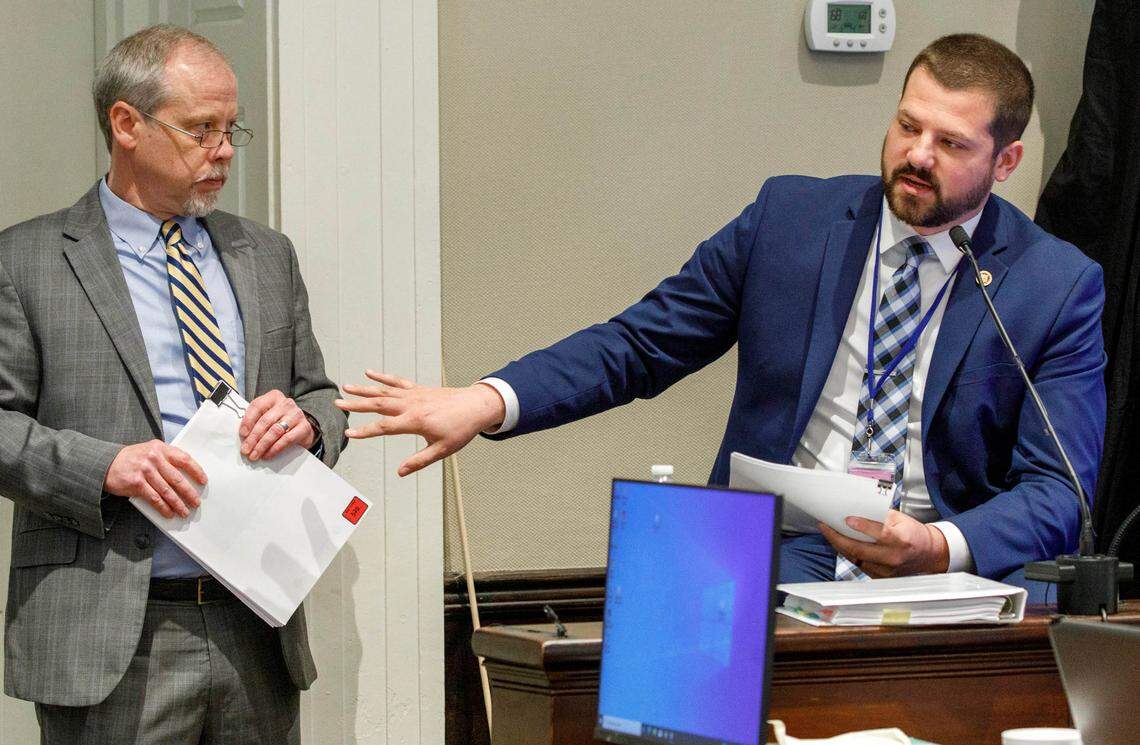
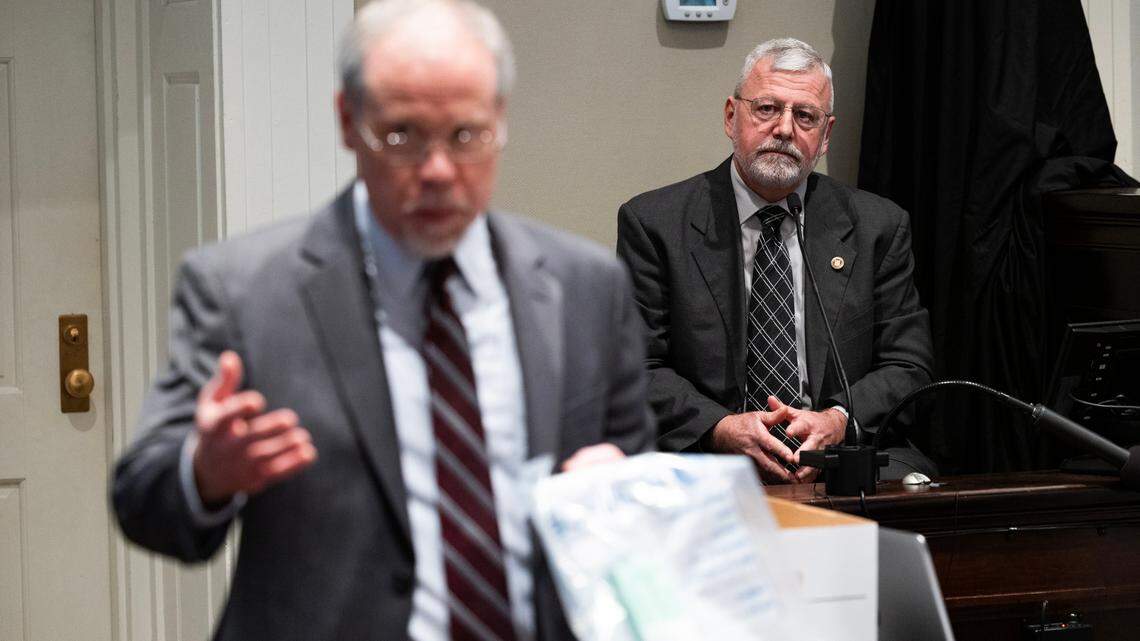
In one such mistake, SLED agent David Owen admitted telling a Colleton County grand jury when seeking murder indictments that agents had the blood-spattered shirt Murdaugh wore that night of the killings, a garment whose DNA from the victims, who were shot a close range, would prove Murdaugh was the killer.
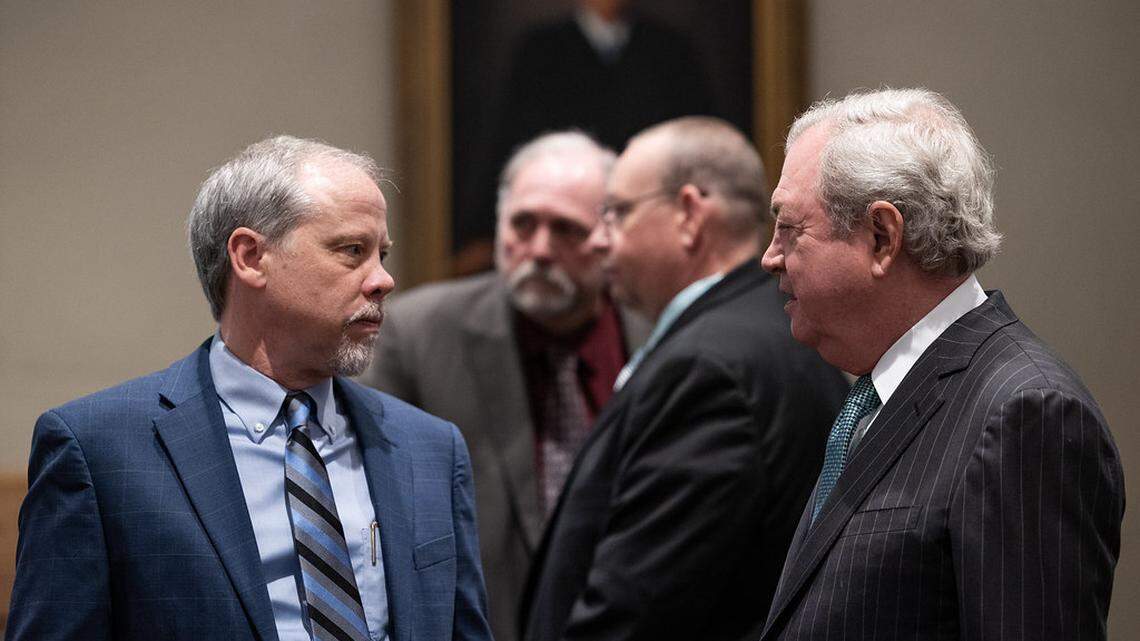
But under cross-examination by defense attorney Dick Harpootlian, Owen admitted that tests done by SLED’s lab found no DNA on the shirt.
Forensics
The prosecution’s case has also rested on a mass of forensic evidence that the jury will be expected to decipher.
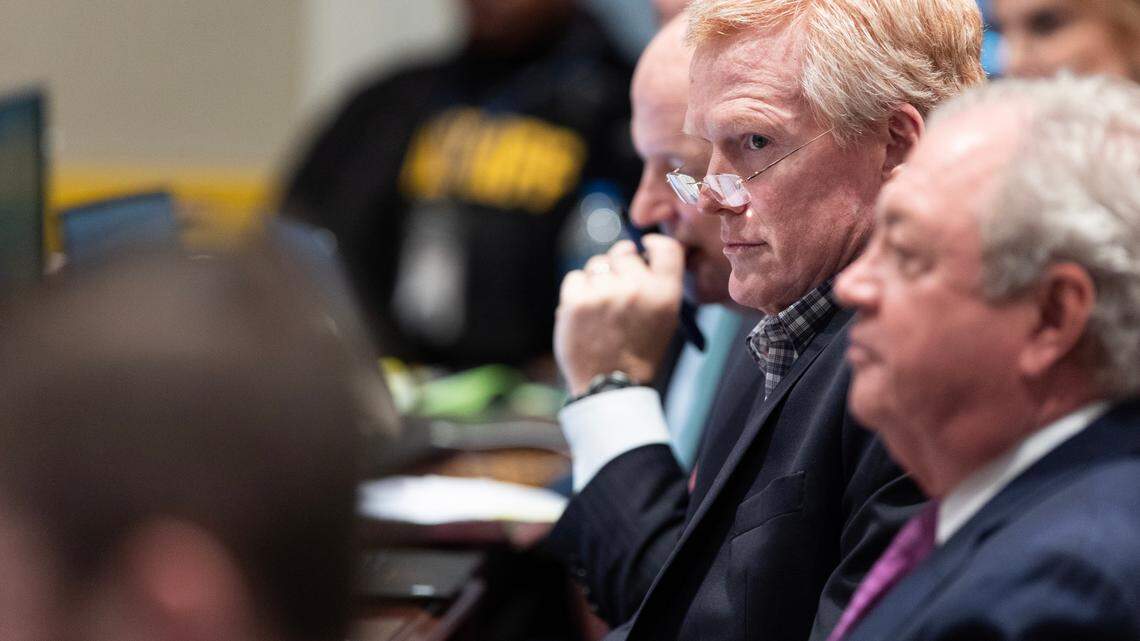
After four weeks, some appear intent, others look bored.
In the cold courtroom, one juror has taken to pulling an oversized shawl over her body and up to her chin. On Wednesday, another had his feet propped on the side of the jury box while he furiously worked on a lollipop. None appeared to be taking notes.
On the stand, resolute investigators have testified about a meticulous investigation where the evidence led them with absolute certainty to one person: Murdaugh.
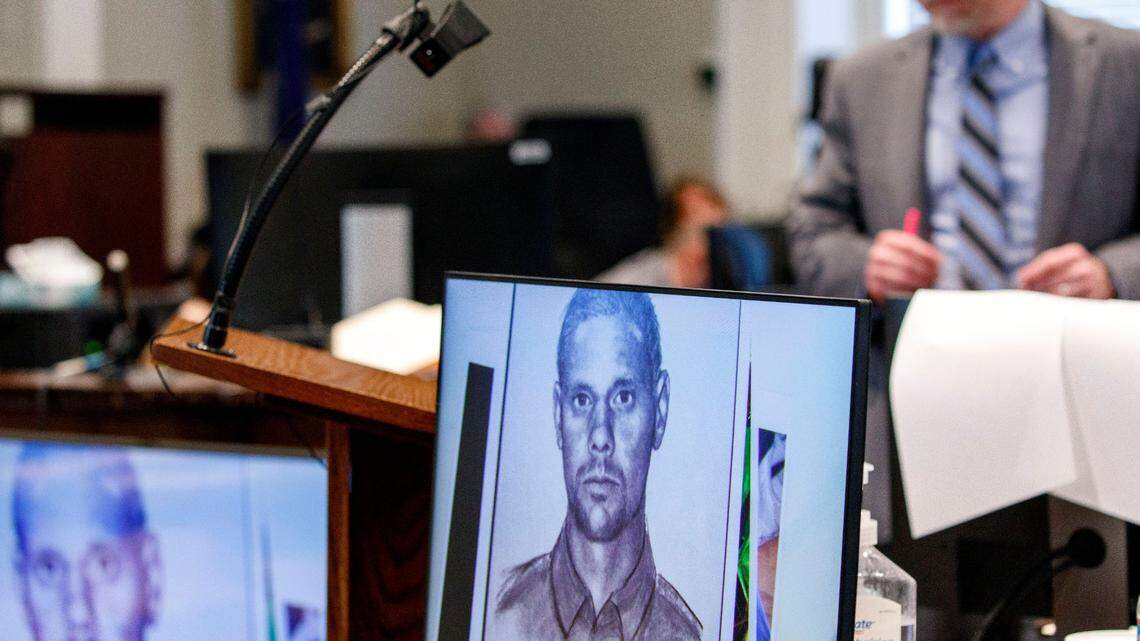
“Were there any other credible leads that you investigated that led you to anybody other than Alex Murdaugh?” Waters asked.
“Not credible, no sir,” Owen replied.
But the promised landslide of forensic evidence that Waters teased in his opening statement has not always appeared to connect with the jury.
The most compelling forensic evidence linking Murdaugh to the murders is evidence of what the prosecution does not have.
The prosecution has convincingly argued that a missing AR-15-style rifle designed to fire .300 Blackout rounds — a replacement for a similar rifle stolen from Paul’s truck at a Halloween party in 2017 — was the weapon that killed Maggie.
SLED forensic experts matched .300 Blackout shells recovered near Maggie’s body to several recovered from a “shoot house” on the property and a flower bed near the house where Paul test fired his gun.
SLED agent Jeff Croft said he had worked on “no other investigation where a .300 Blackout was the murder weapon.”
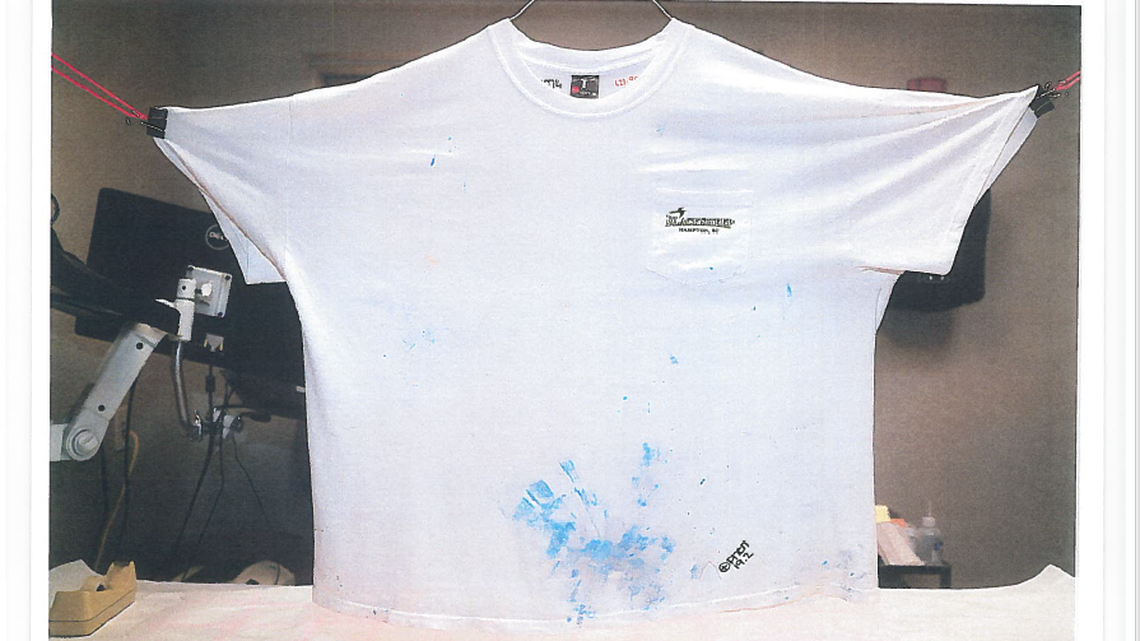
Absence of blood on Murdaugh’s white T-shirt and green shorts has also become evidence of Murdaugh’s murderous scheme.
After establishing that Paul and Maggie were covered in blood, prosecutor John Meadors offered one of the first dramatic moments of the trial when he examined Colleton County Sheriff’s Department Detective Laura Rutland about Murdaugh’s appearance the night of the killings.
“Is the individual in this courtroom who told you he tried to take the pulse of Maggie and Paul? Is the individual in this courtroom who told you he tried to turn Paul over, ... the individual you described as clean from head to toe, in this courtroom?” Meadors asked, almost shouting
“Yes he is,” Rutland said, going on to identify Murdaugh.
What the jury did not hear was that until the trial started, the prosecution appeared poised to argue that the T-shirt was actually speckled in a spray of blood, invisible to the human eye, that came from a gunshot wound.
Video evidence and testimony has also revealed that Murdaugh’s clothes changed throughout the day. In the Snapchat video recorded at 7:39 p.m., Murdaugh is wearing a blue “Columbia” brand shirt and khakis.
Smith testified that Murdaugh was wearing Sperry-style boat shoes when he visited his mother’s house around 9:20 p.m.. The shoes recovered from Murdaugh at the crime scene were bright colored orange and yellow sneakers.
Turrubiate-Simpson, who did the family’s laundry, testified that she never saw either the shirt or the boat shoes after June 7, 2021.
But many other aspects of the forensic evidence have fallen short.
The defense has relentlessly portrayed the investigation as being flawed in its evidence collection practices and blind focus on Murdaugh.
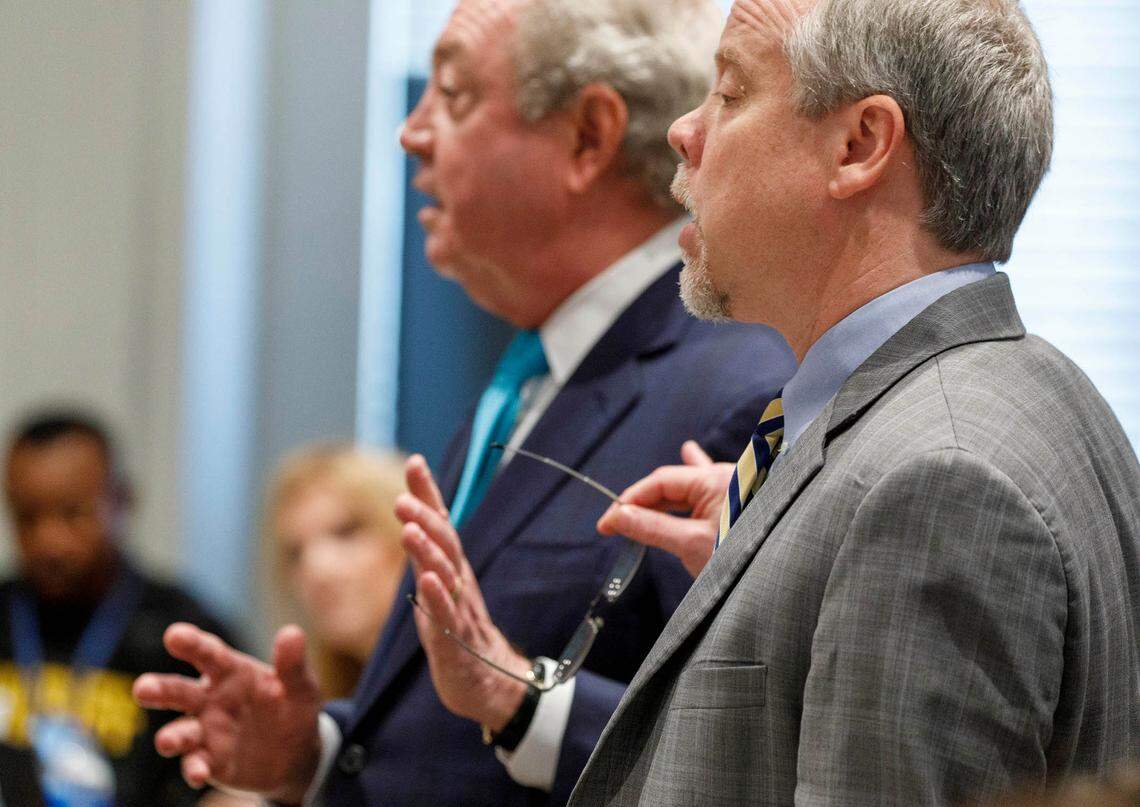
Defense attorneys Griffin and Harpootlian have relentlessly grilled investigators about how they collected evidence the night of the murders, as rain poured down on the crime scene, with water from an overhanging roof dripping on Paul’s body.
Tire tracks were not preserved and the scene was not properly secured. Investigators left bloody footprints near Paul and walked over sandal impressions that likely belonged to Maggie.
A blue raincoat with evidence of gunshot residue that Waters highlighted in his opening statement was less than conclusive. No DNA linked to Murdaugh was found on the raincoat, and Smith, the witness who supposedly saw Murdaugh carrying the jacket, admitted that she could have seen him carrying a tarp.
The revelation Wednesday that Owen lied to Murdaugh and the Colleton County grand jury about finding other guns with the same combination of buck and bird shot that killed Paul — along with other mistruths — was a blow to the credibility of the prosecution’s presentation in the final days of its case.
“People do make mistakes, do they not?” Griffin asked shortly after this exchange.
“People do make mistakes, yes sir,” Owen replied.
What does the jury think?
Jurors are not allowed to give interviews, so it is impossible to know what they think of the mass of evidence prosecutors have put up in what lawyers call one of the longest trials in South Carolina history.
At times, such as when prosecutors had a pathologist testify about the gruesome wounds suffered by Paul and Maggie, some jurors wept and others were so shaken that the judge sent them from the room.
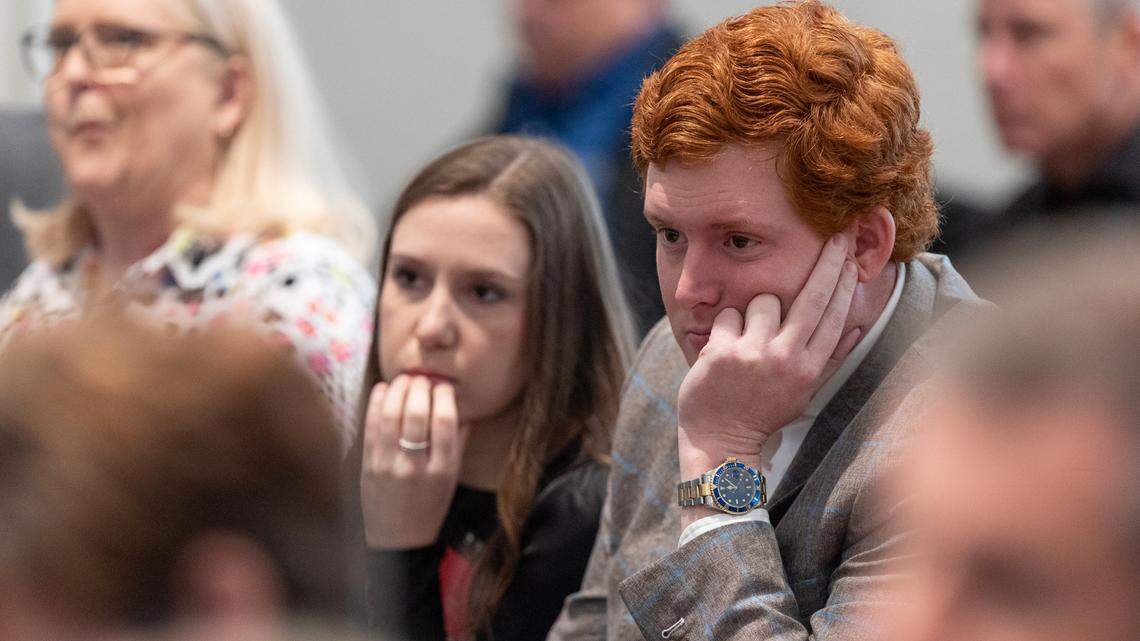
Adding to the drama is that fact that day after day, members of Murdaugh’s family have shown up to witness the trial.
John Marvin Murdaugh has said the family wants nothing more than the truth to come out. Some, including Murdaugh’s surviving son, Buster, may testify when the trial resumes next week.
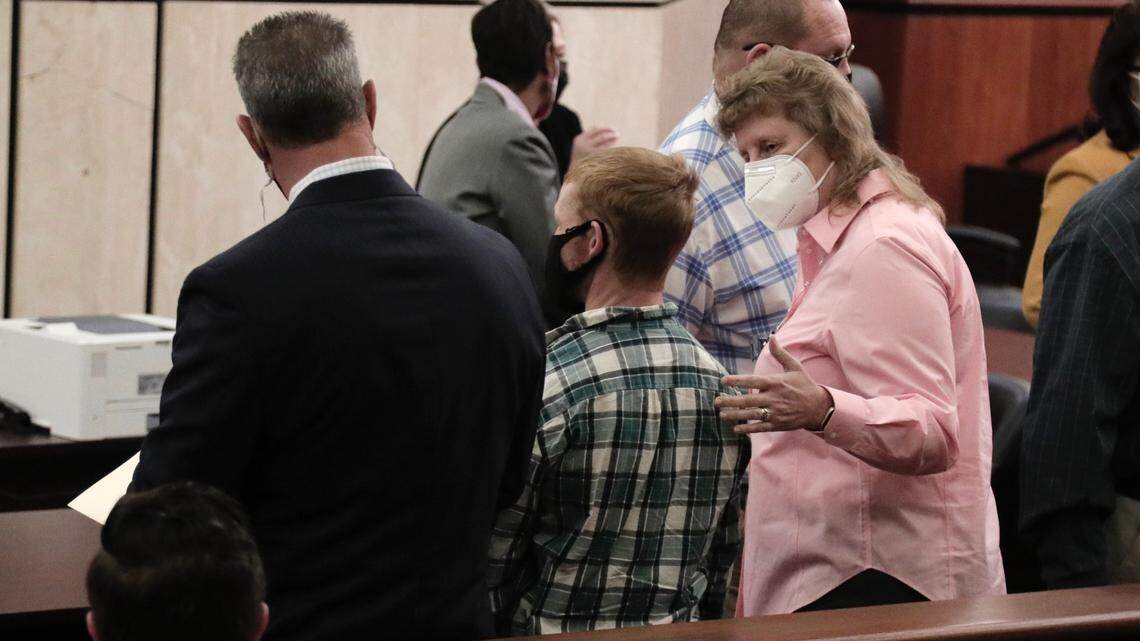
Three people who saw Friday’s proceedings and who have been following the trial for weeks expressed three different opinions to reporter from The State late Friday after court.
“I want to wait to hear what the defense puts up,” said Chip Till, a retired medical device sales representative who drove from Charleston to see the court proceedings in person.
Joe McCulloch, a Columbia lawyer, who represents a client suing Murdaugh for his alleged role in a 2019 boat crash that killed Mallory Beach, said prosecutors have put on a compelling case.
Today’s juries, he said, want to hear the same kind of powerful scientific evidence they see on television, shows such as CSI. The prosecutors’ Friday timeline witness, Rudofski, did that, McCulloch added.
Allyson Rikard, a Columbia former prosecutor and defense attorney who handles finances at her husband’s law firm, said she has not been convinced by prosecutors. Although the evidence against Murdaugh looks suspicious, she said, the 16-minute window for killing that has been theorized by the state is just not enough time for Murdaugh to kill his wife and son, change out of and hide blood-spattered clothing and put weapons in a place where law enforcement couldn’t find them.
This story was originally published February 19, 2023 at 5:00 AM.









































_fitted.png)