Judge OKs Alex Murdaugh jury to visit Moselle murder crime scene
READ MORE
Alex Murdaugh Coverage
The Murdaugh family saga has dominated the news after another shooting, a resignation and criminal accusations — with Alex Murdaugh at the center of it all. Here are the latest updates on Alex Murdaugh.
Expand All
Editor’s note: This article contains graphic information from witness testimony.
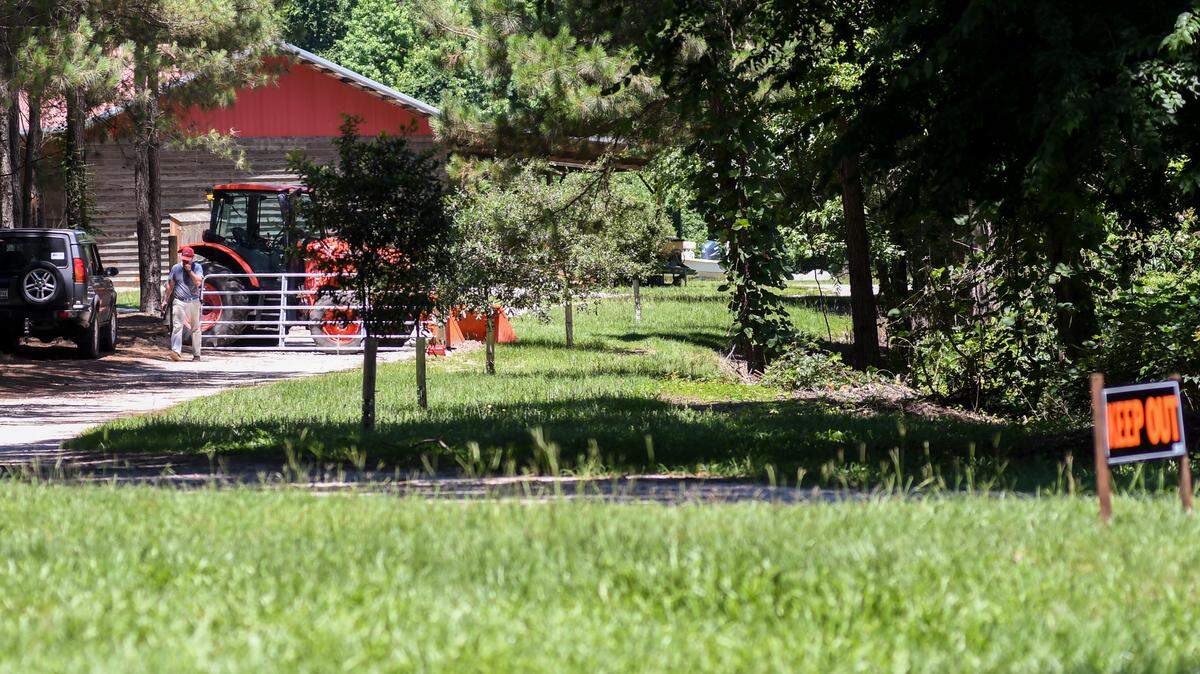
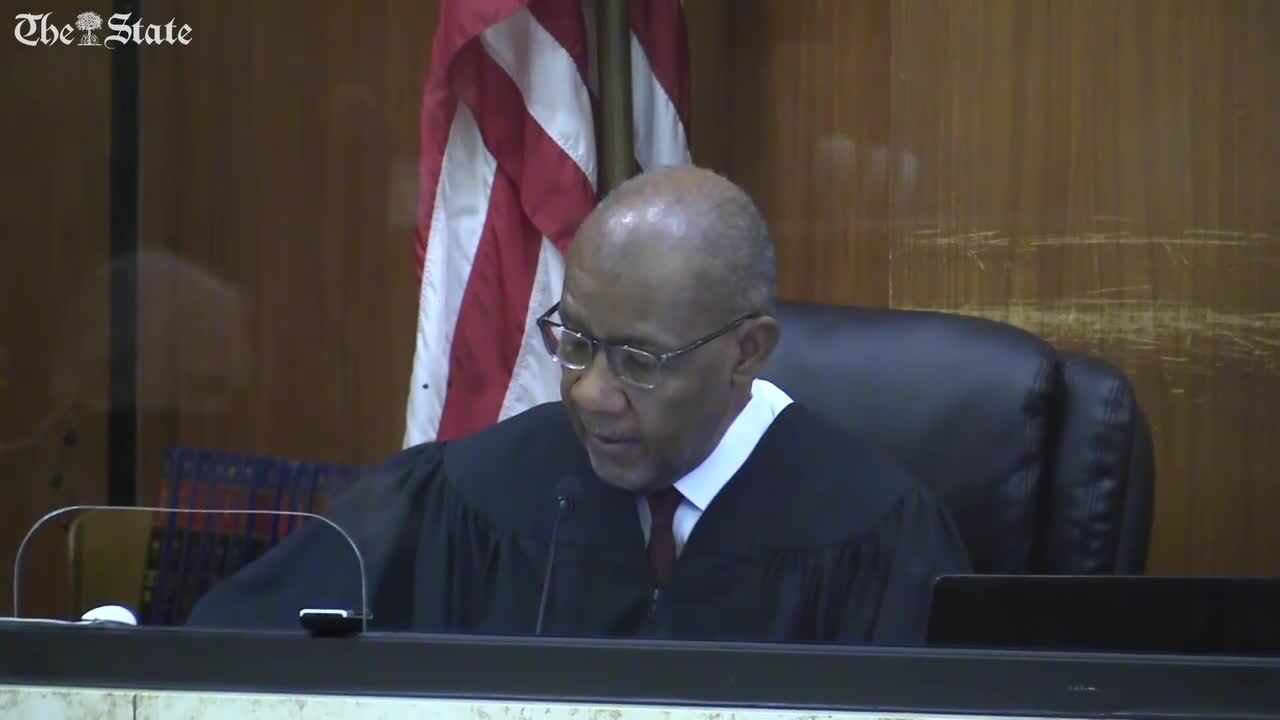
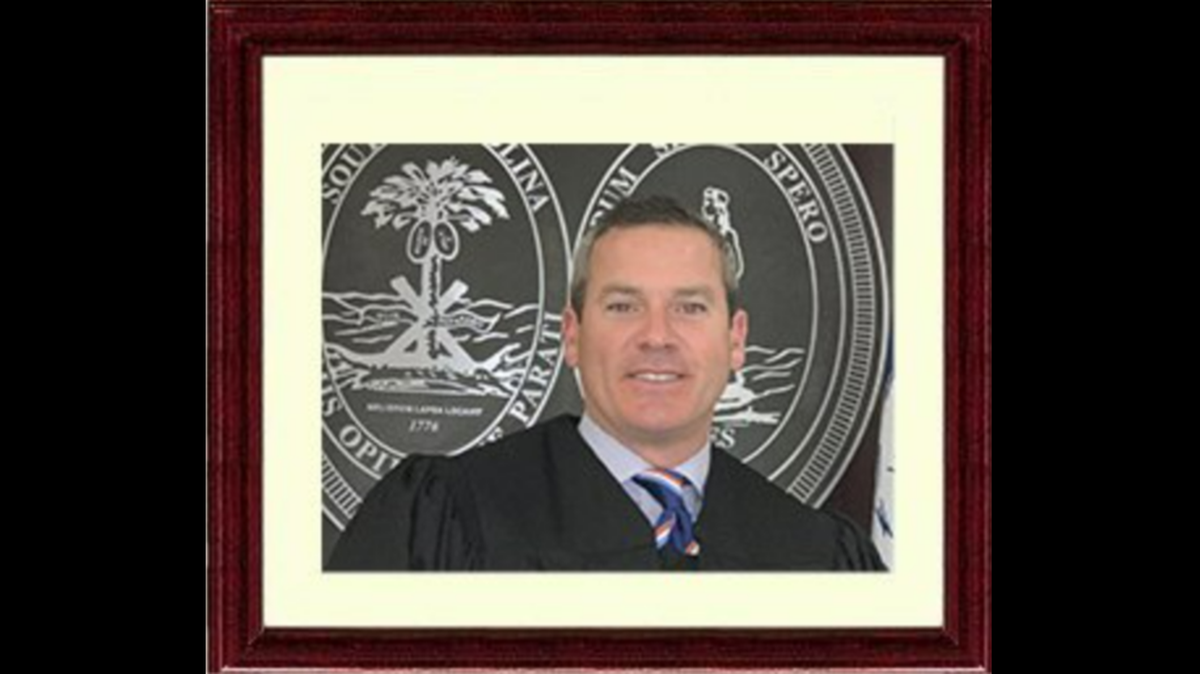
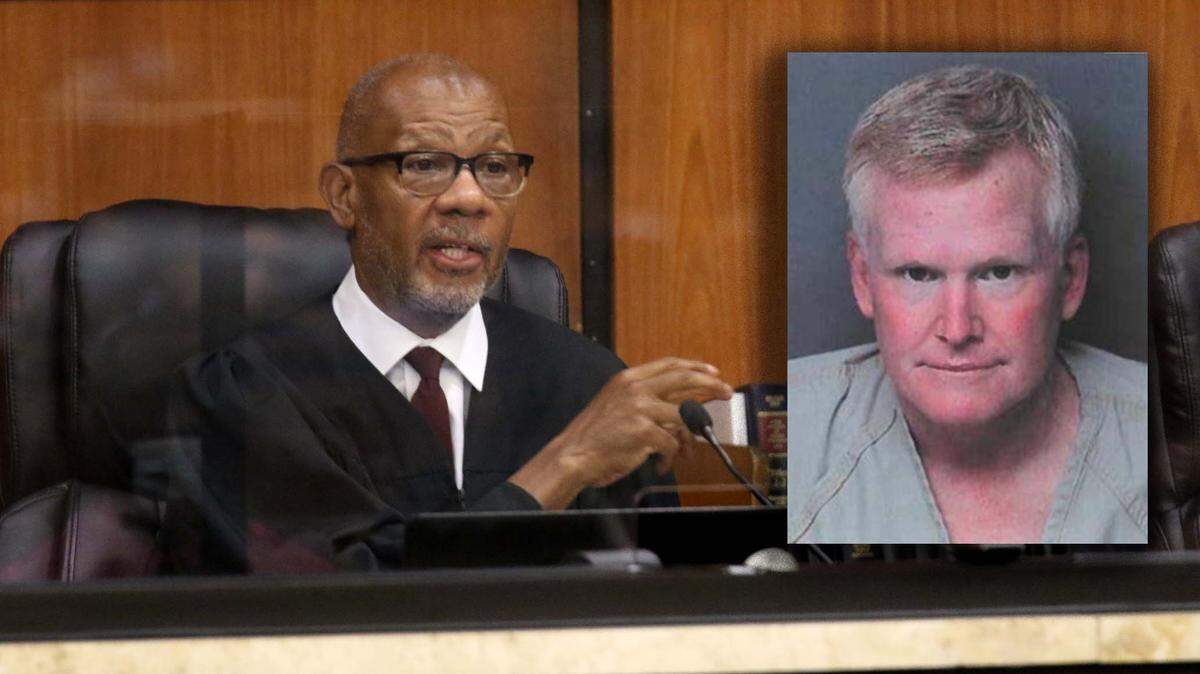
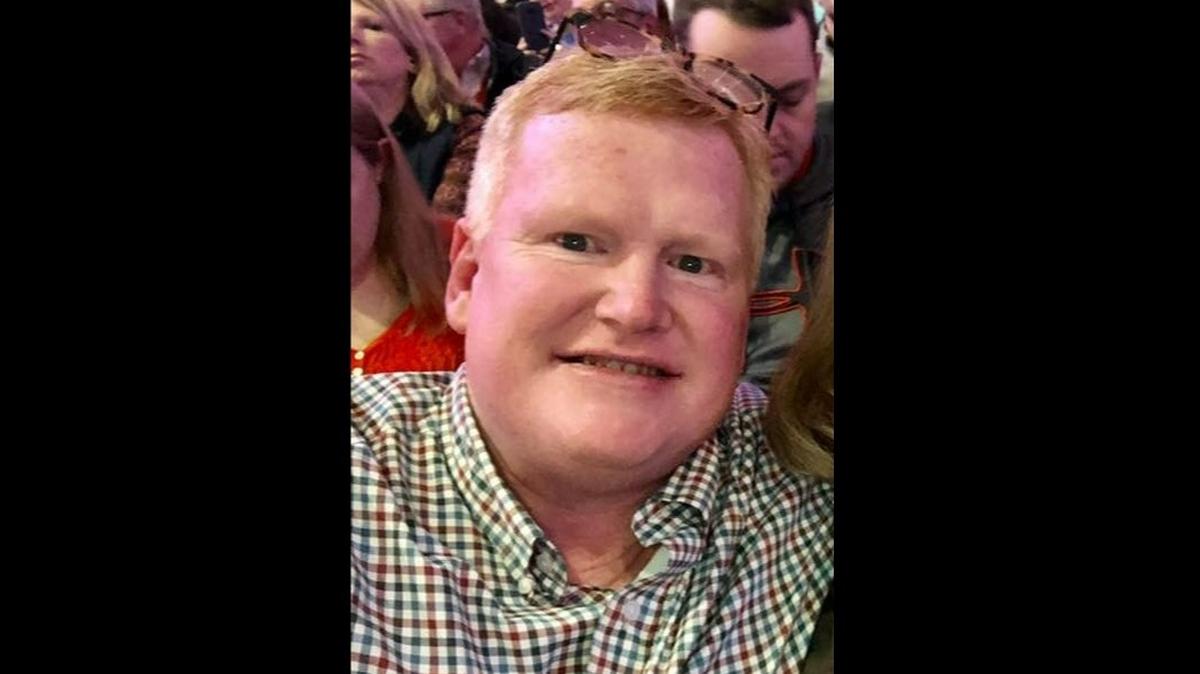
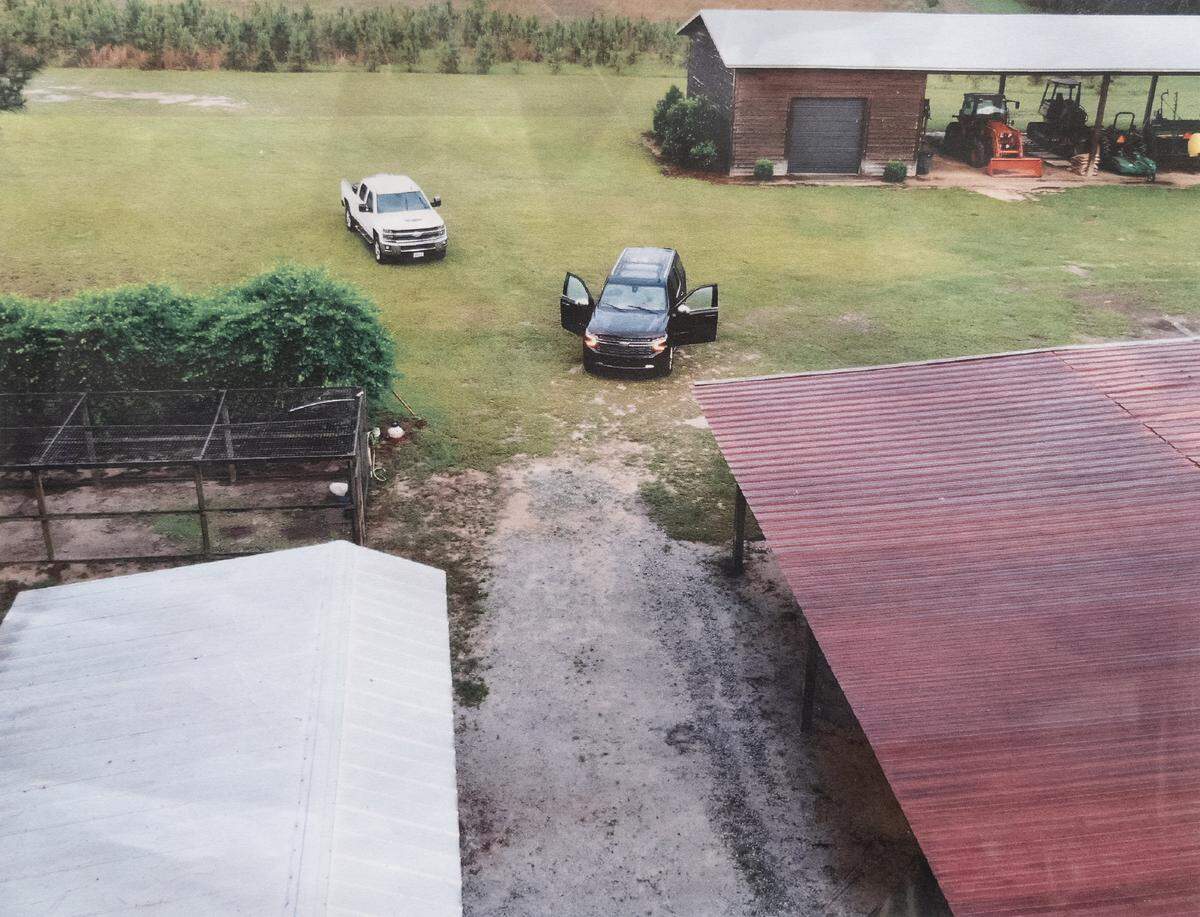
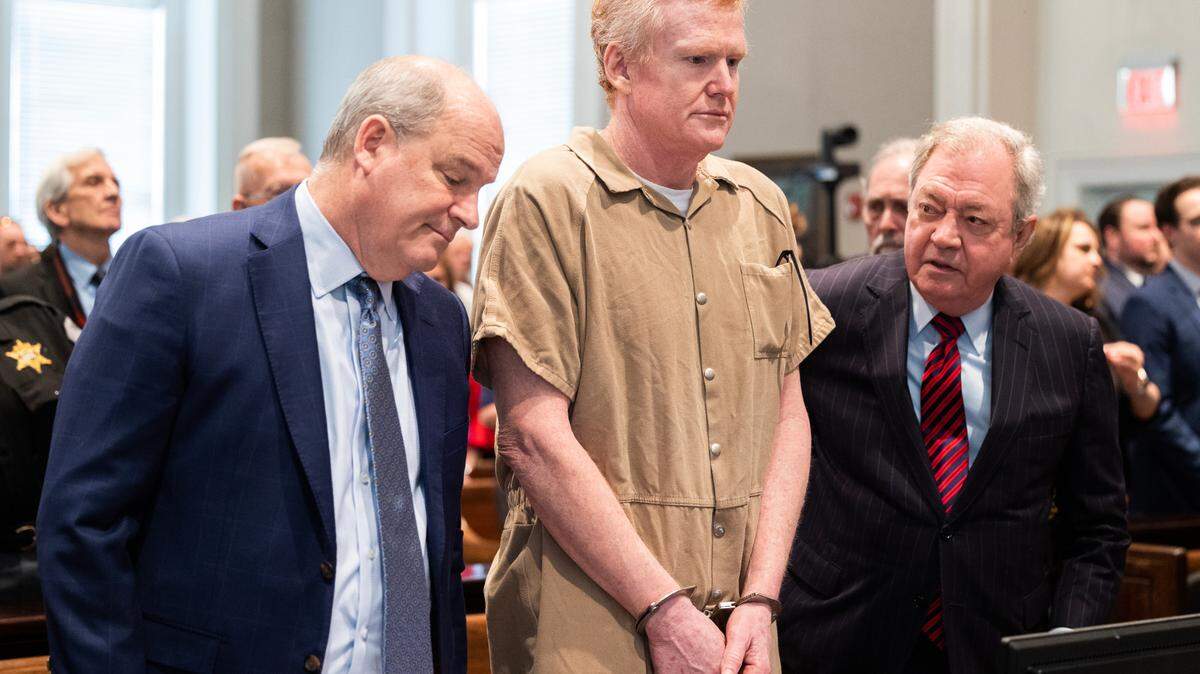
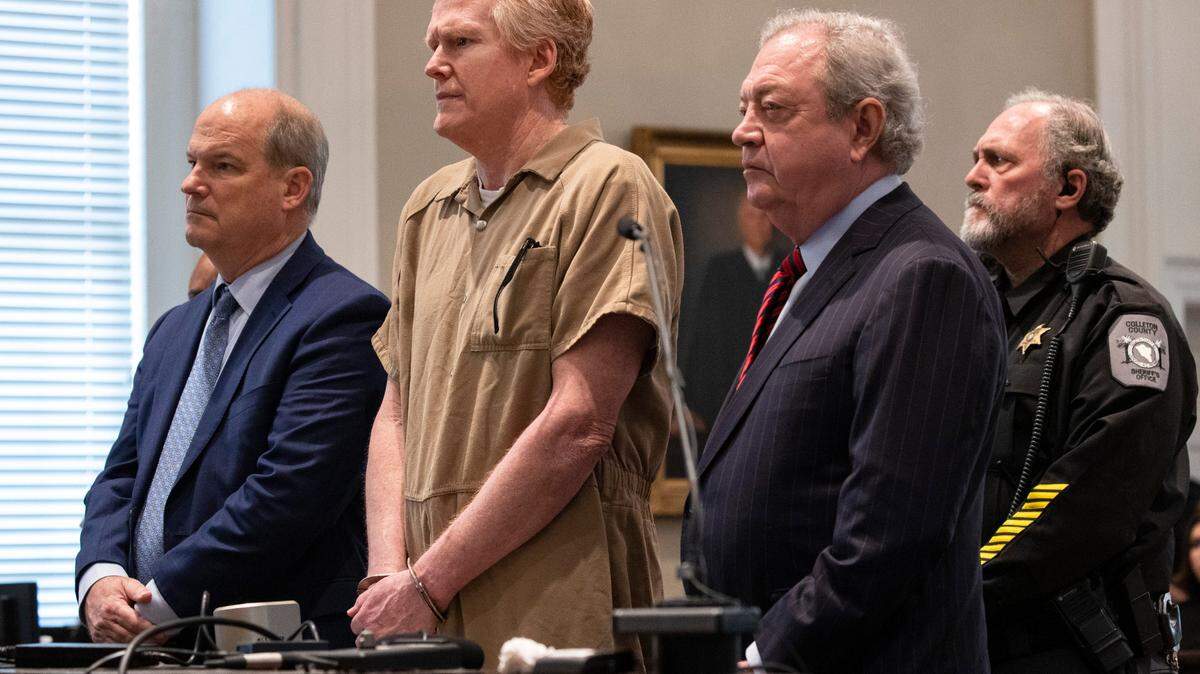
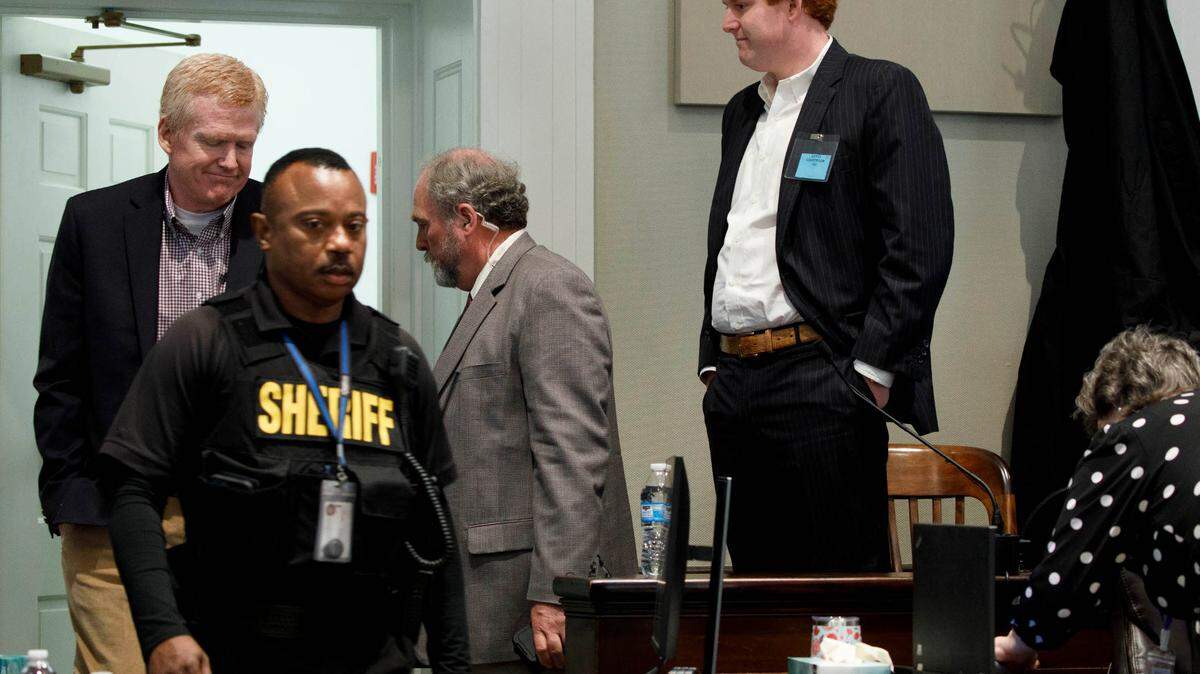
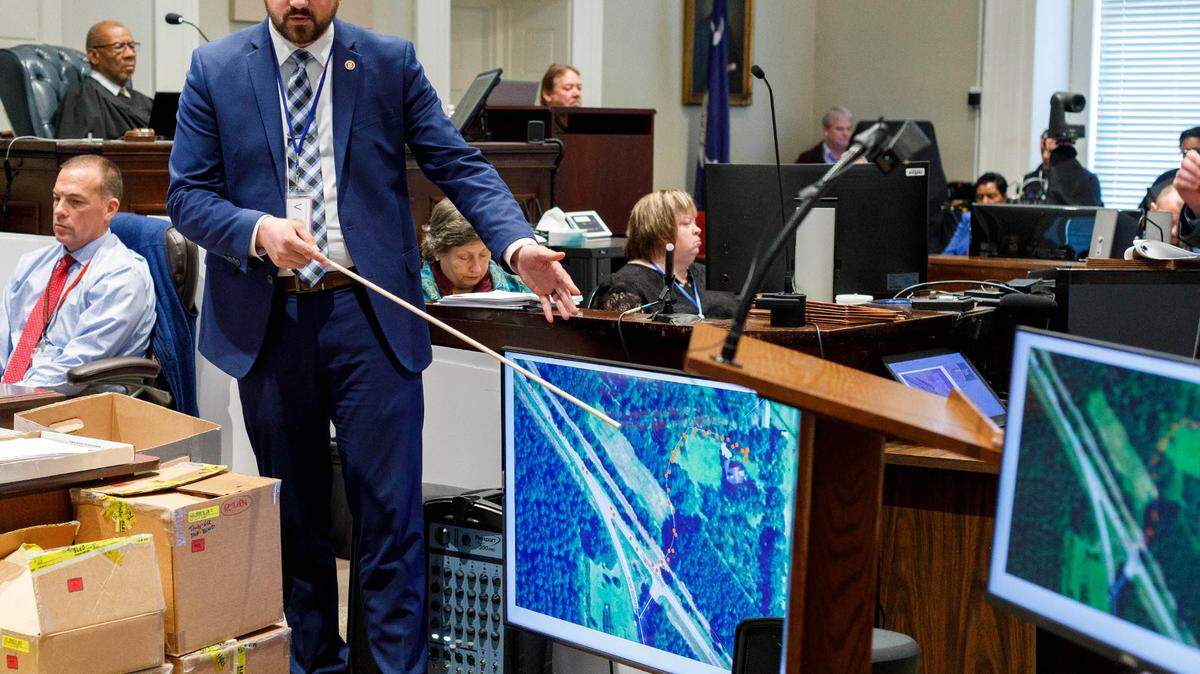
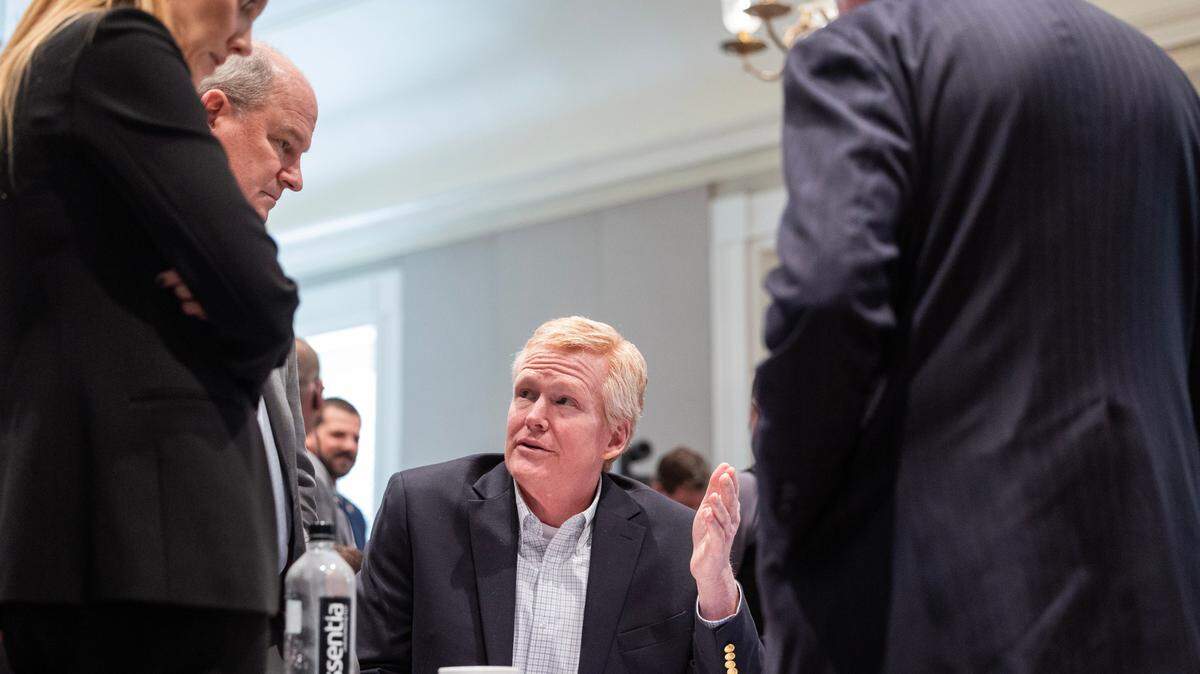
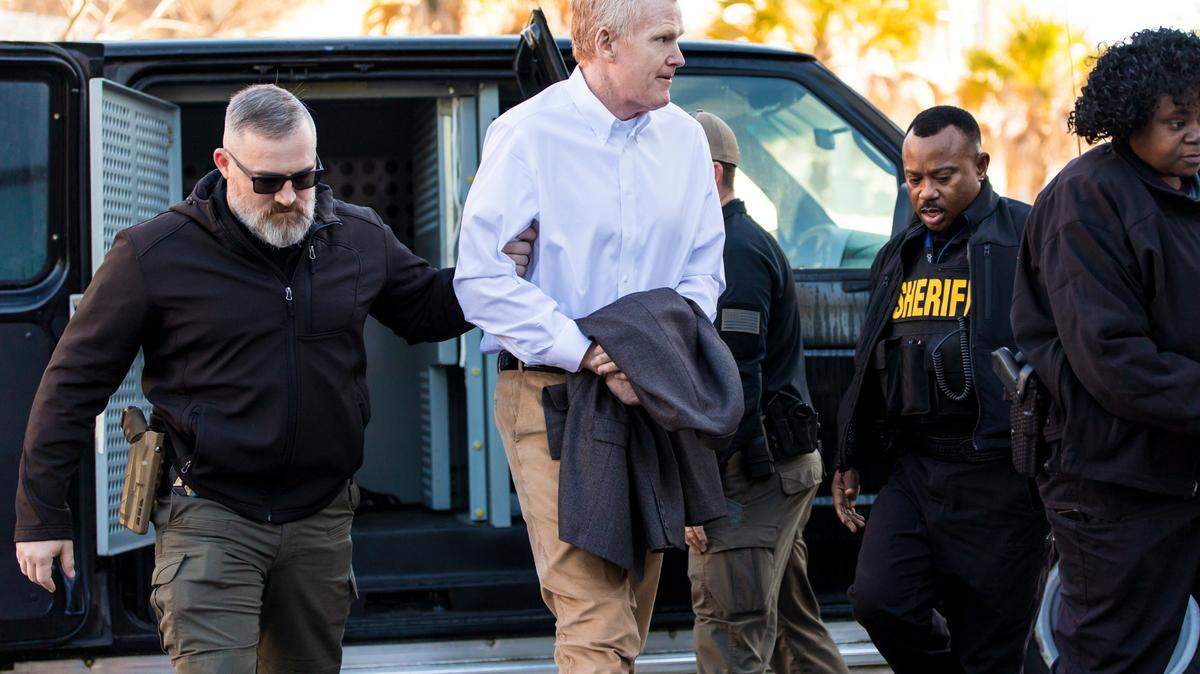
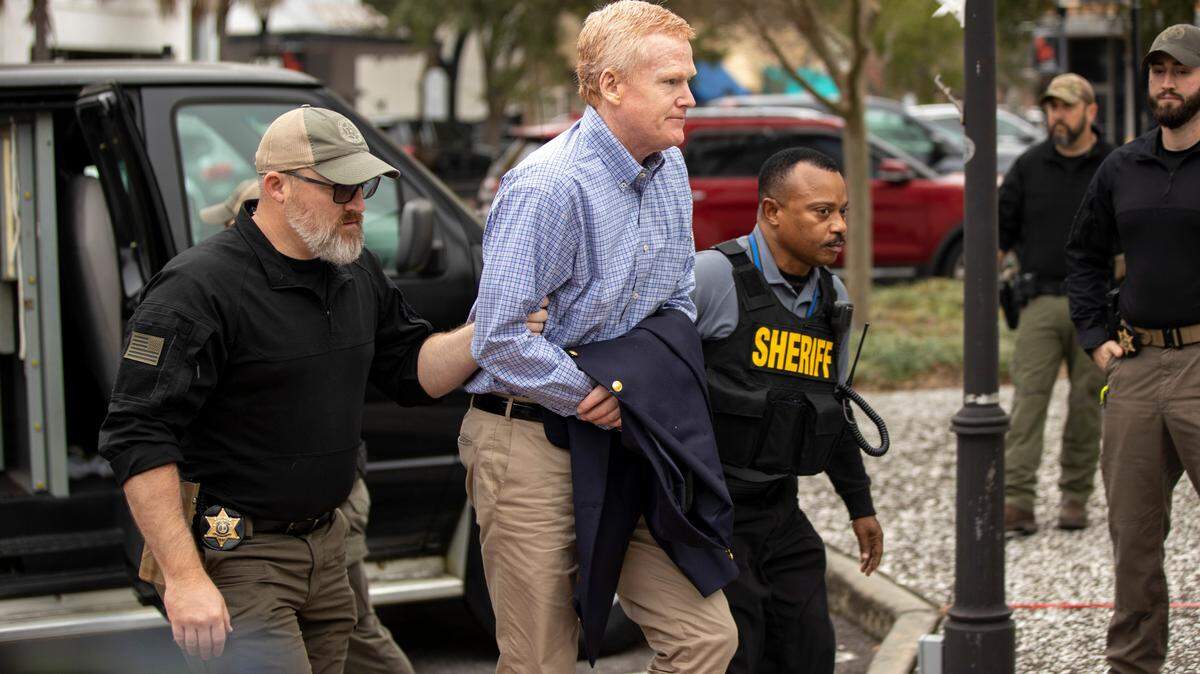
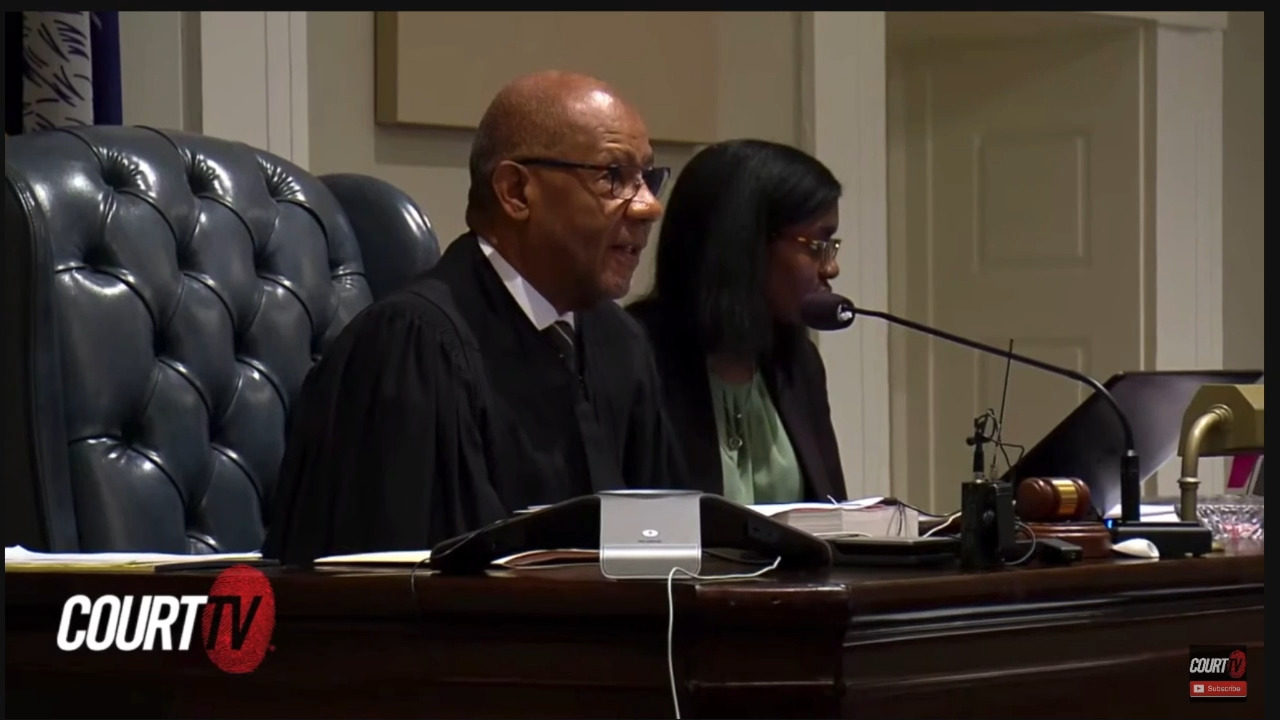
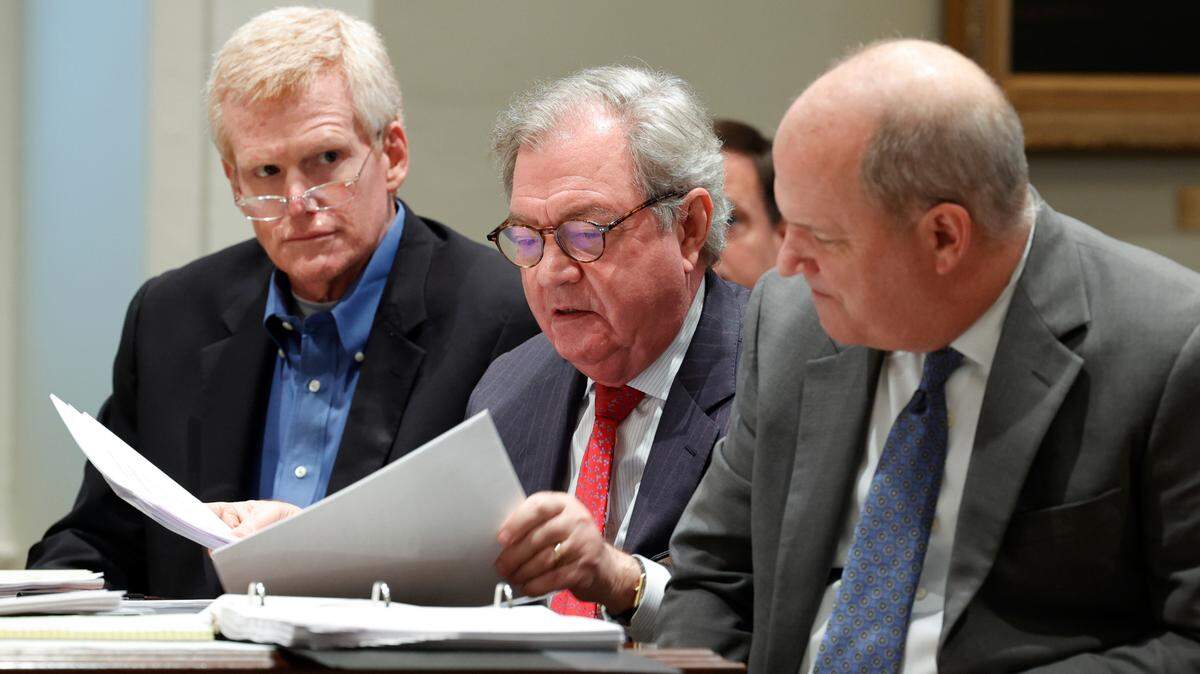
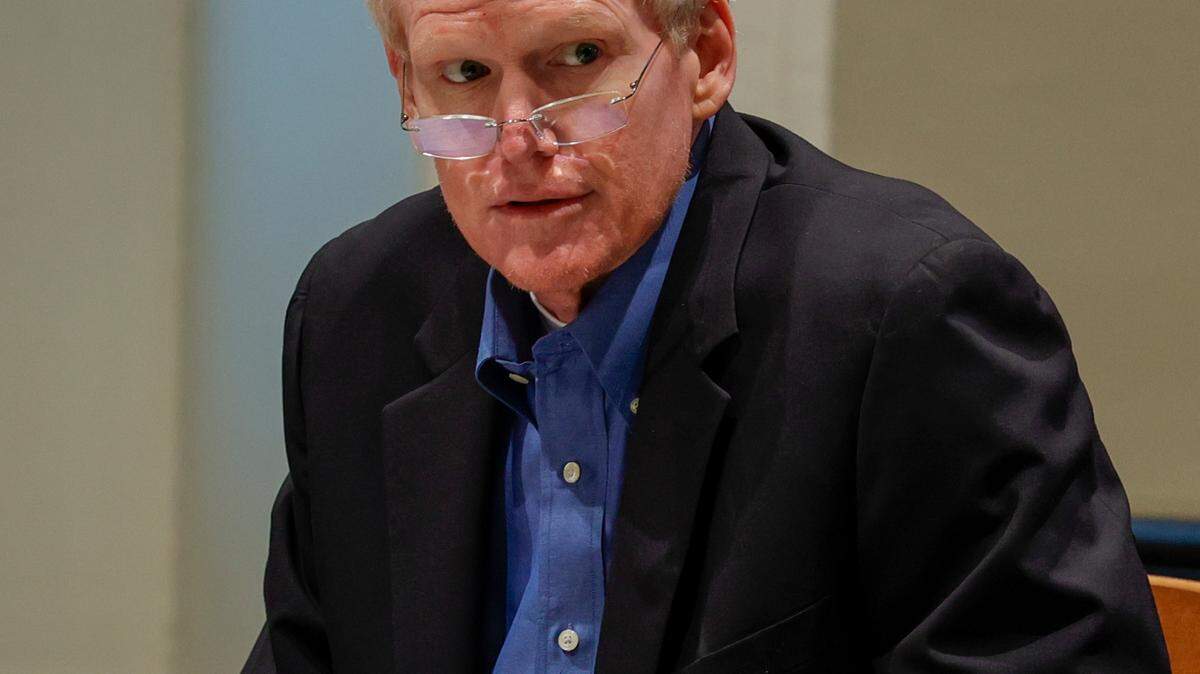
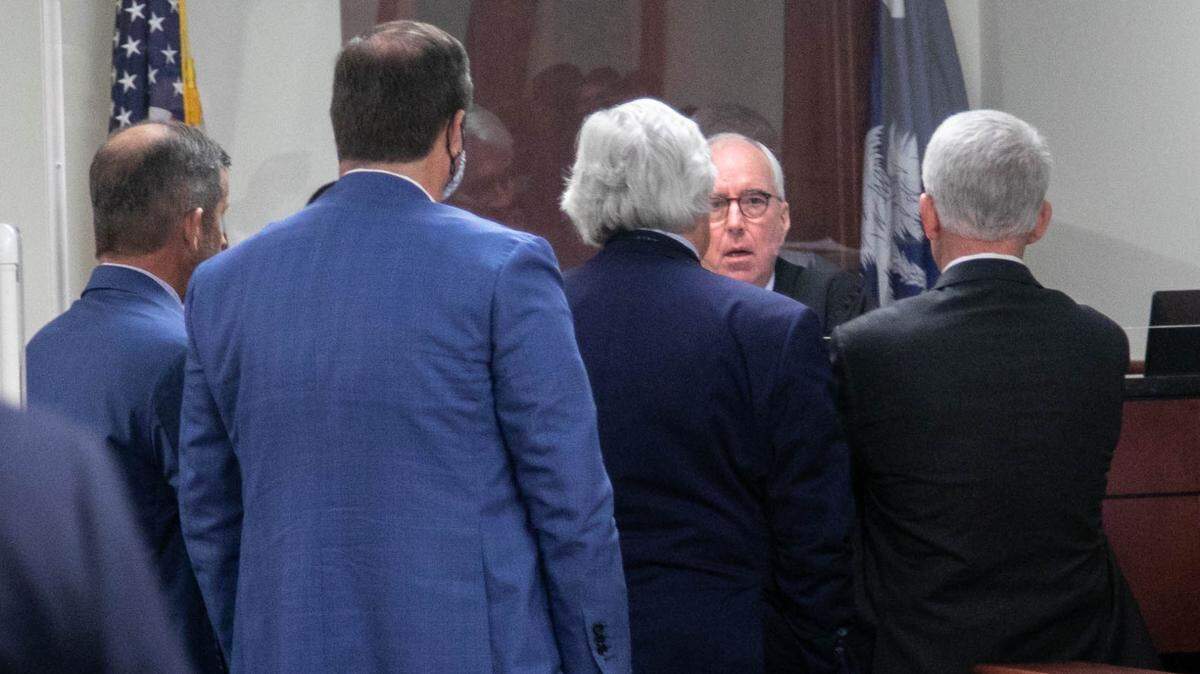
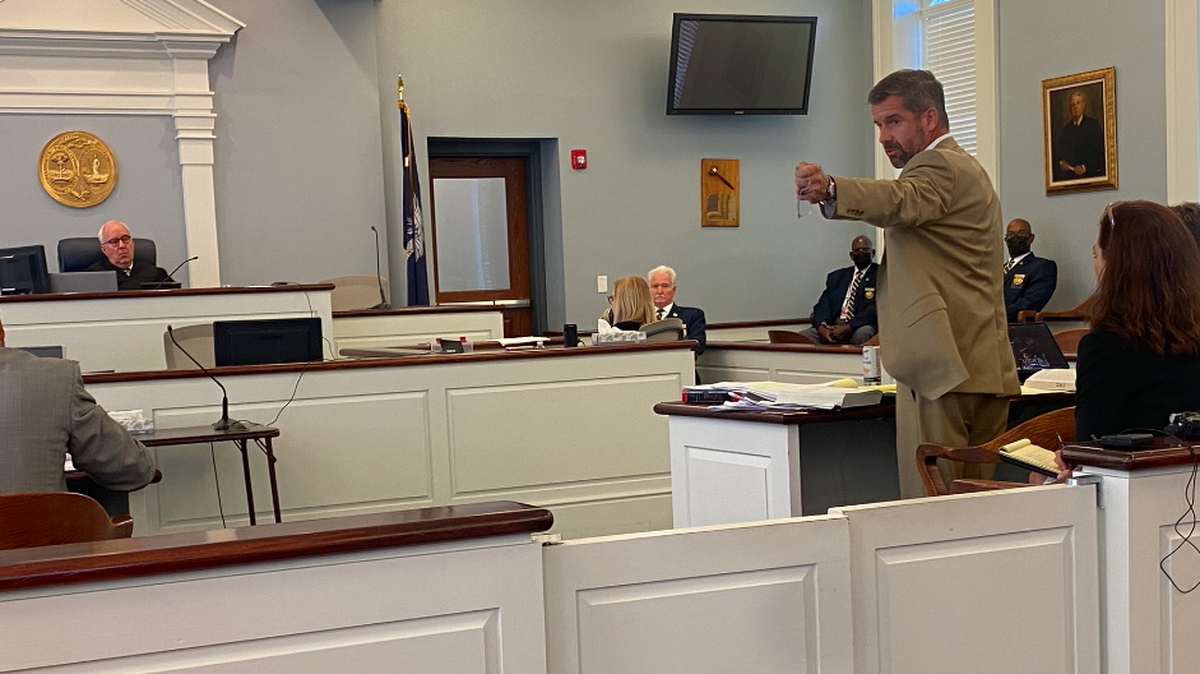
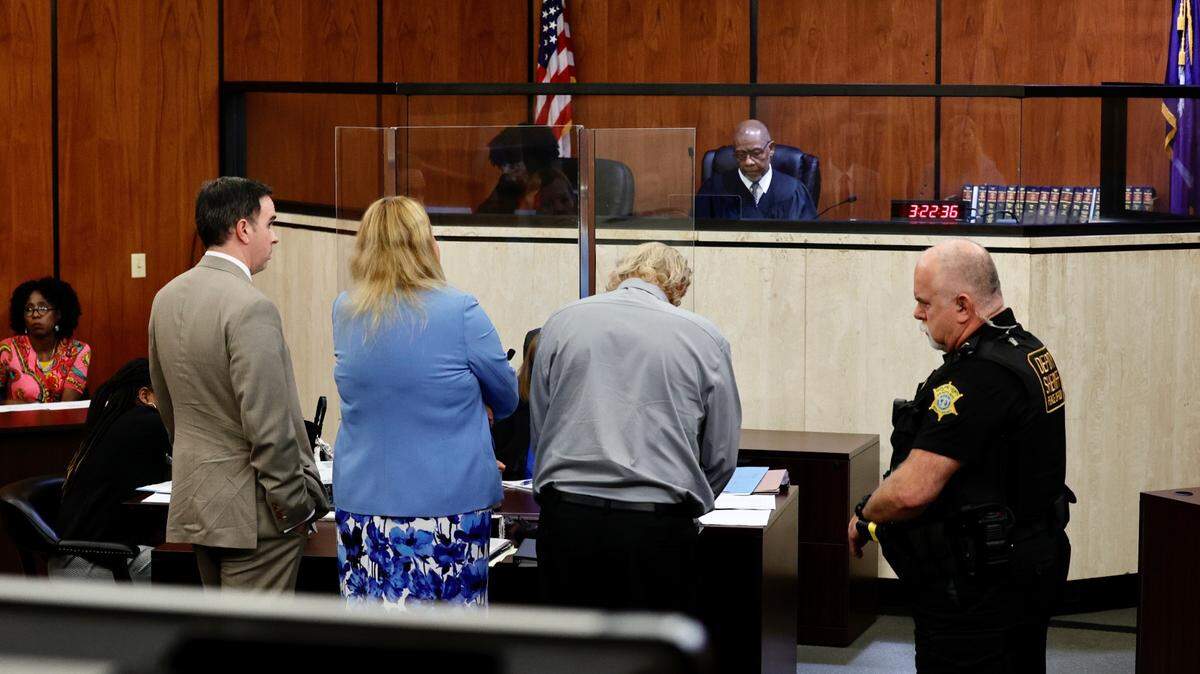
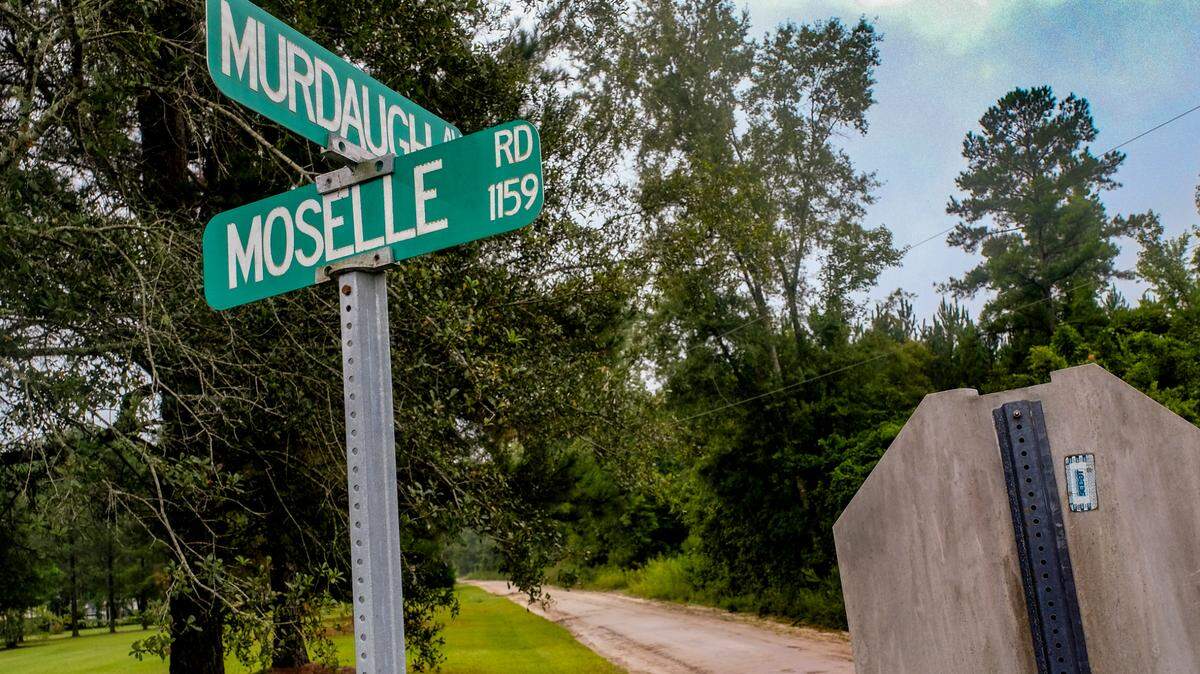
South Carolina Judge Clifton Newman on Monday granted a request from disgraced attorney Alex Murdaugh’s lawyers to visit the dog kennels at his family’s estate, Moselle, where he is alleged to have killed his wife and son on June 7, 2021.
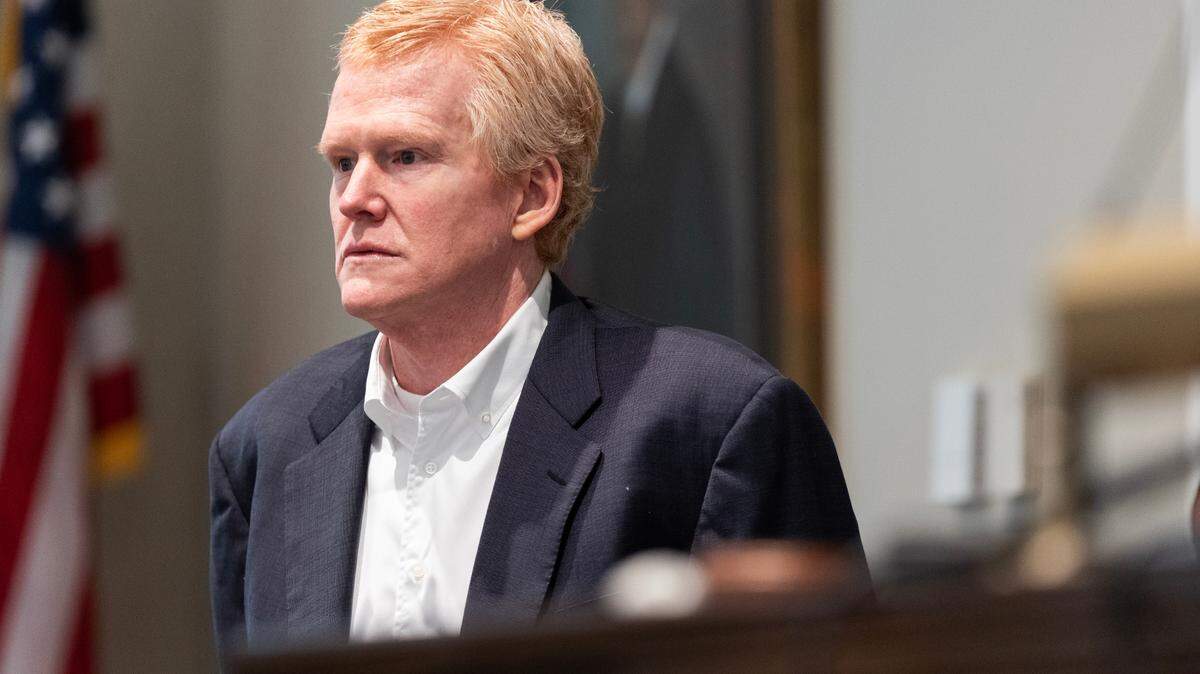
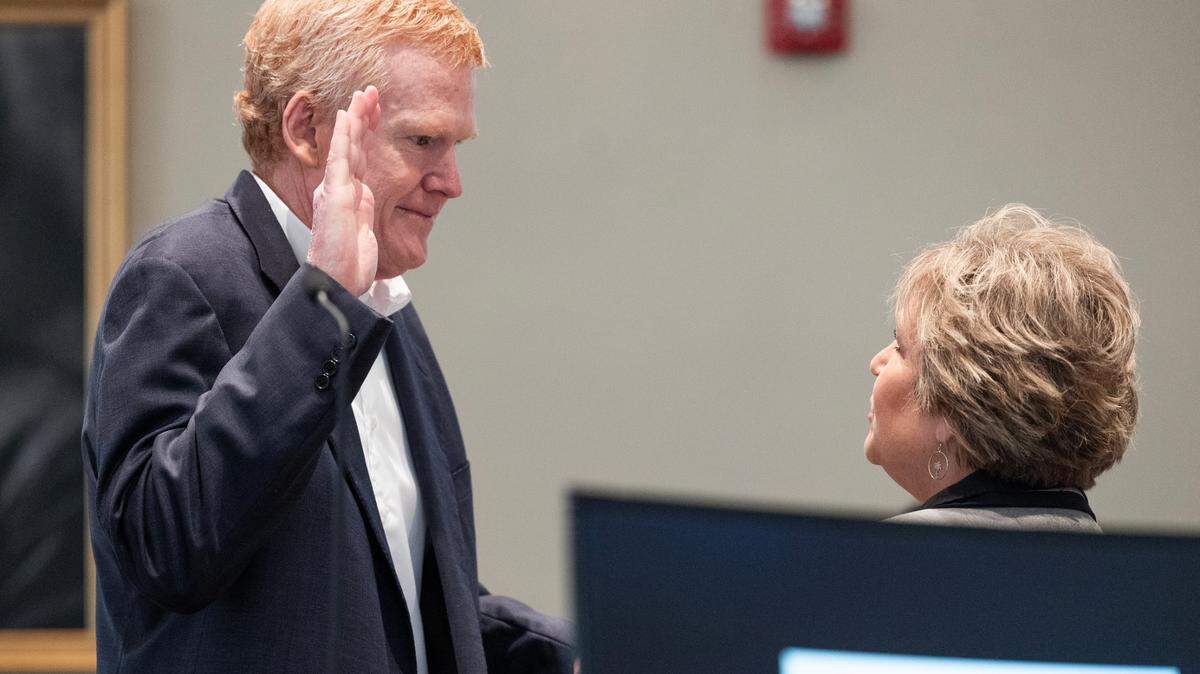
The request’s approval was yet another unexpected moment in a long-running Colleton County double-murder trial, after Murdaugh himself last week became the defense’s star witness. For the better part of two days, Murdaugh, 54, admitted repeatedly to being an embezzler, who for years betrayed his friends, colleagues and clients.
But over and over, he denied killing his wife, Maggie, 52, and son, Paul 22.
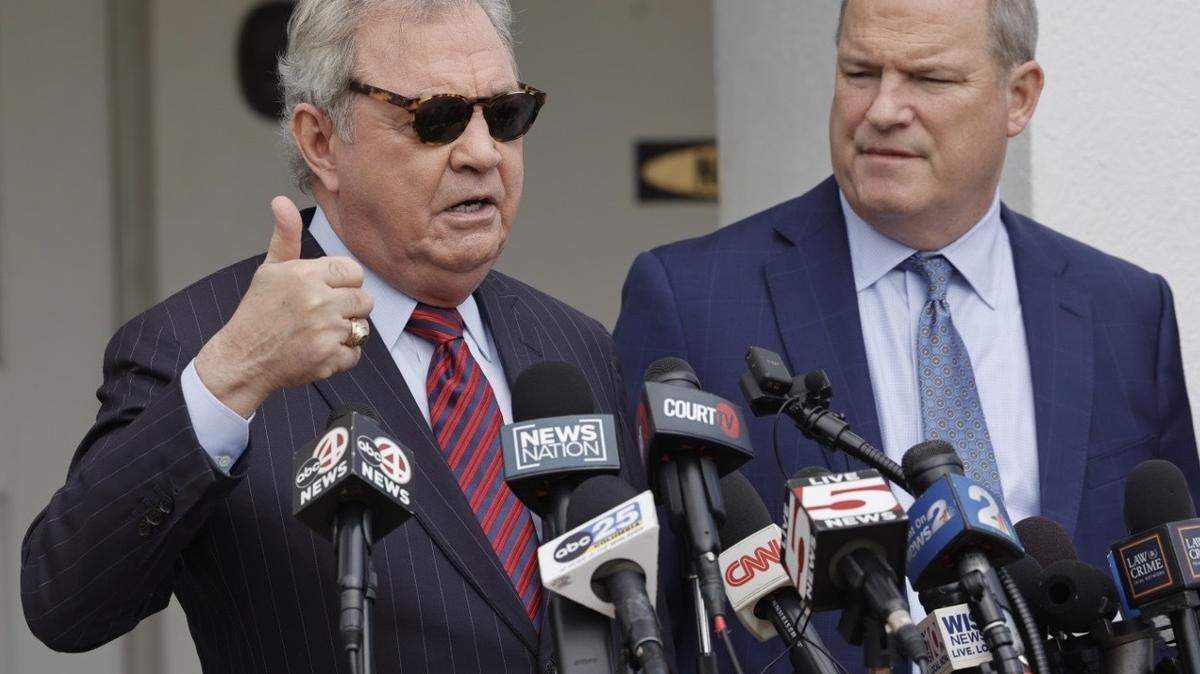
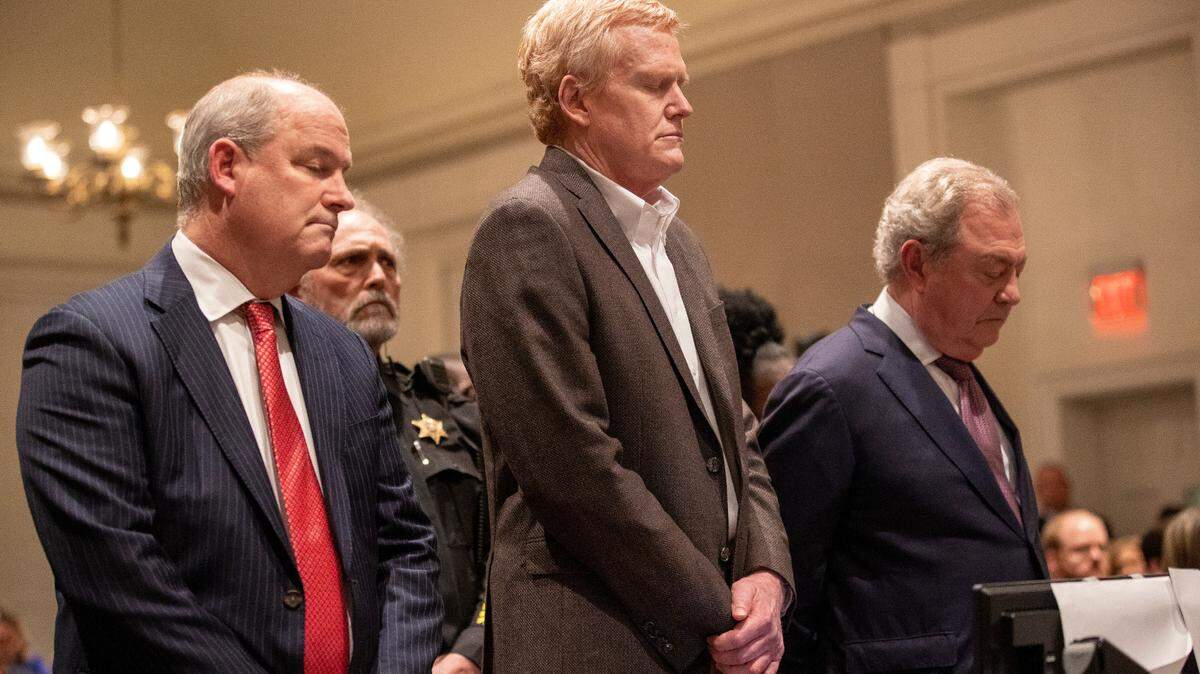
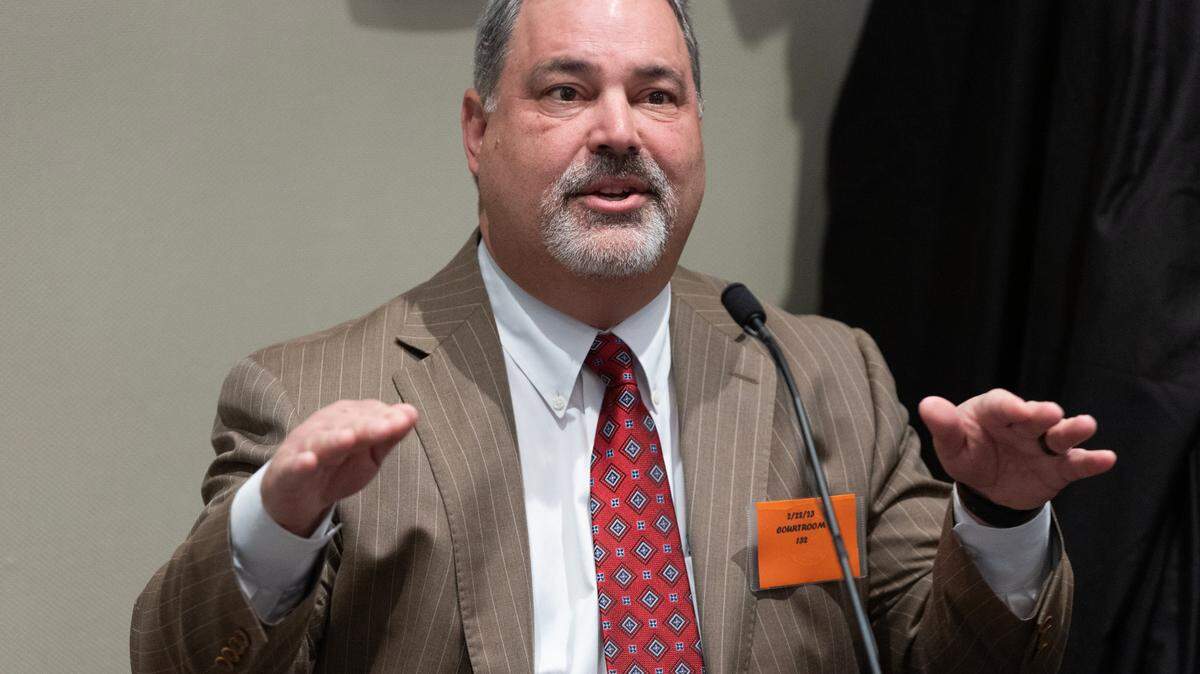
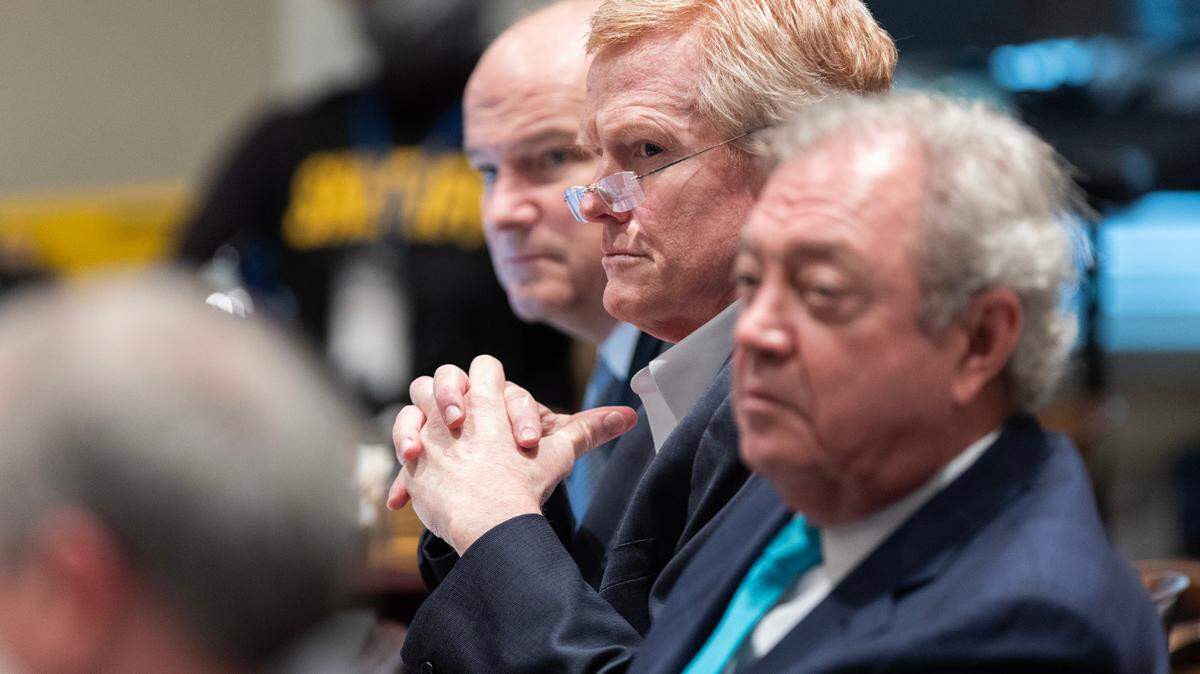
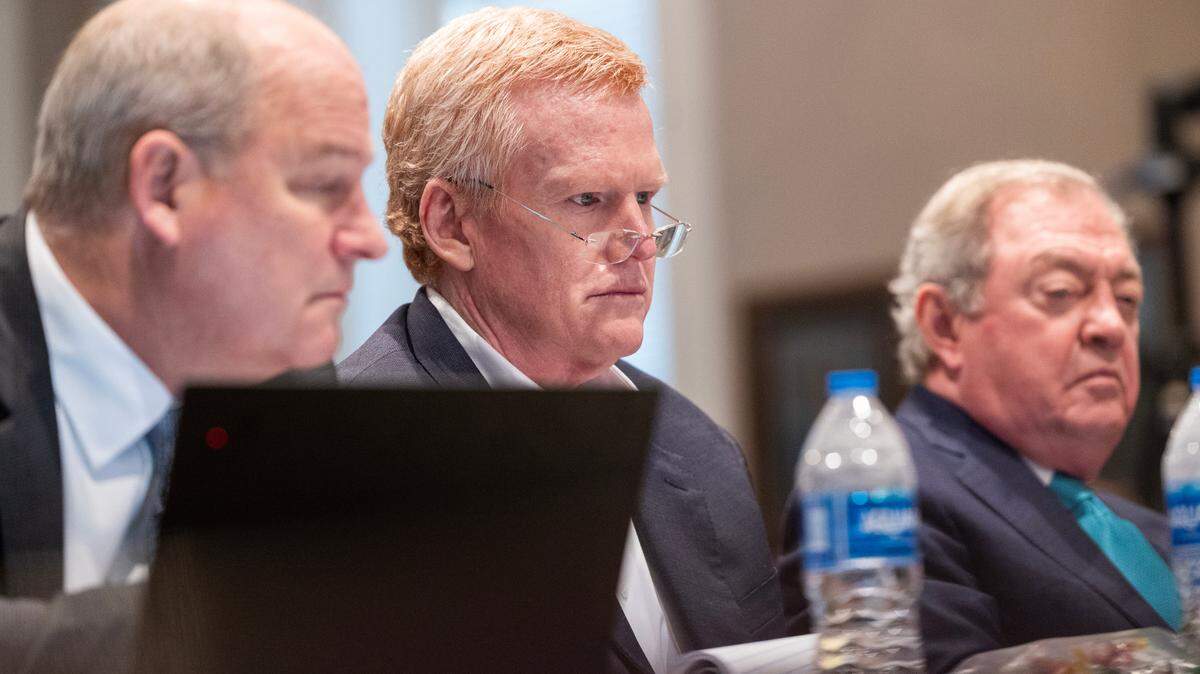
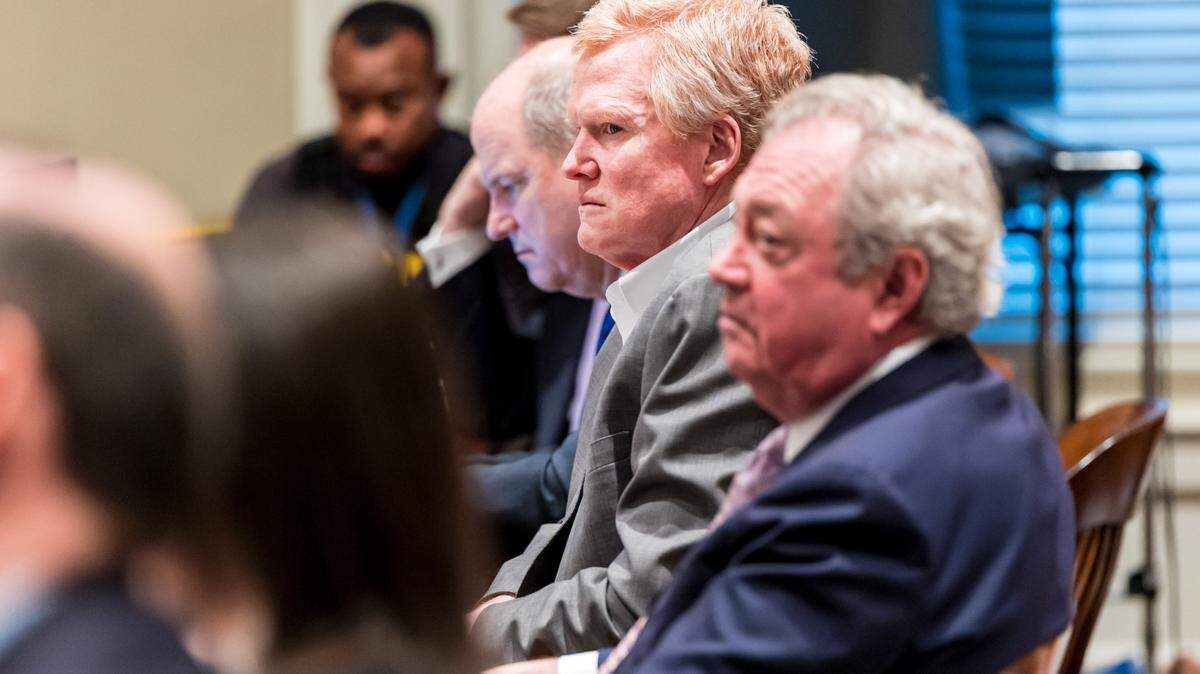
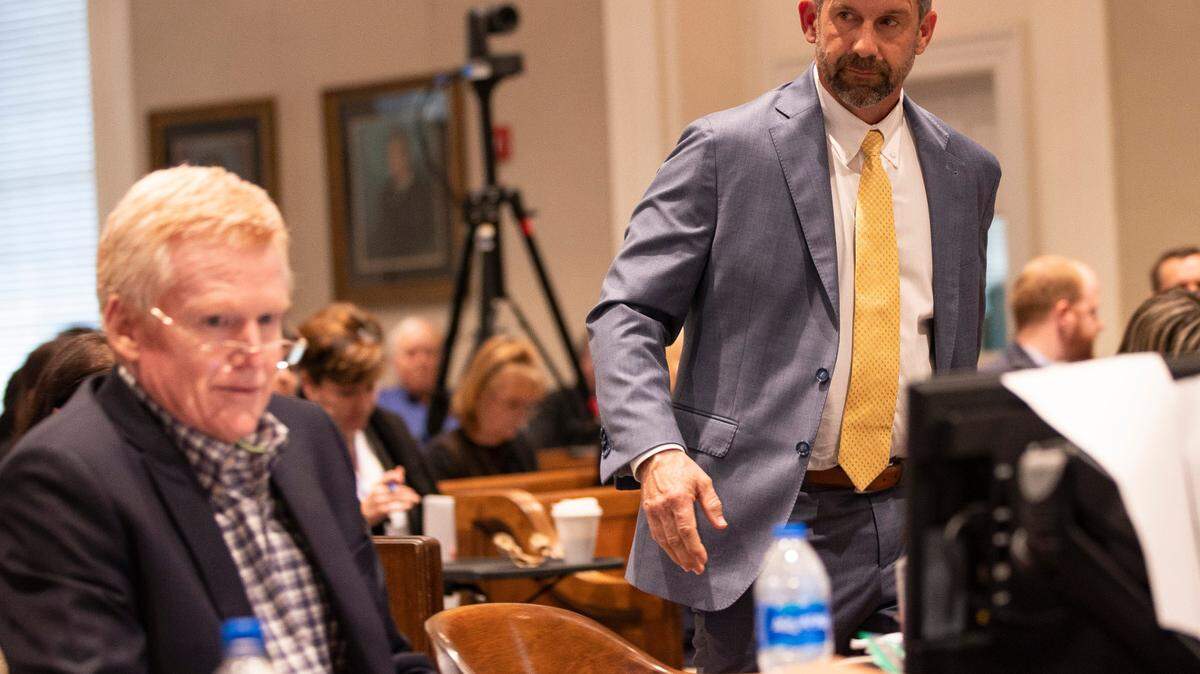
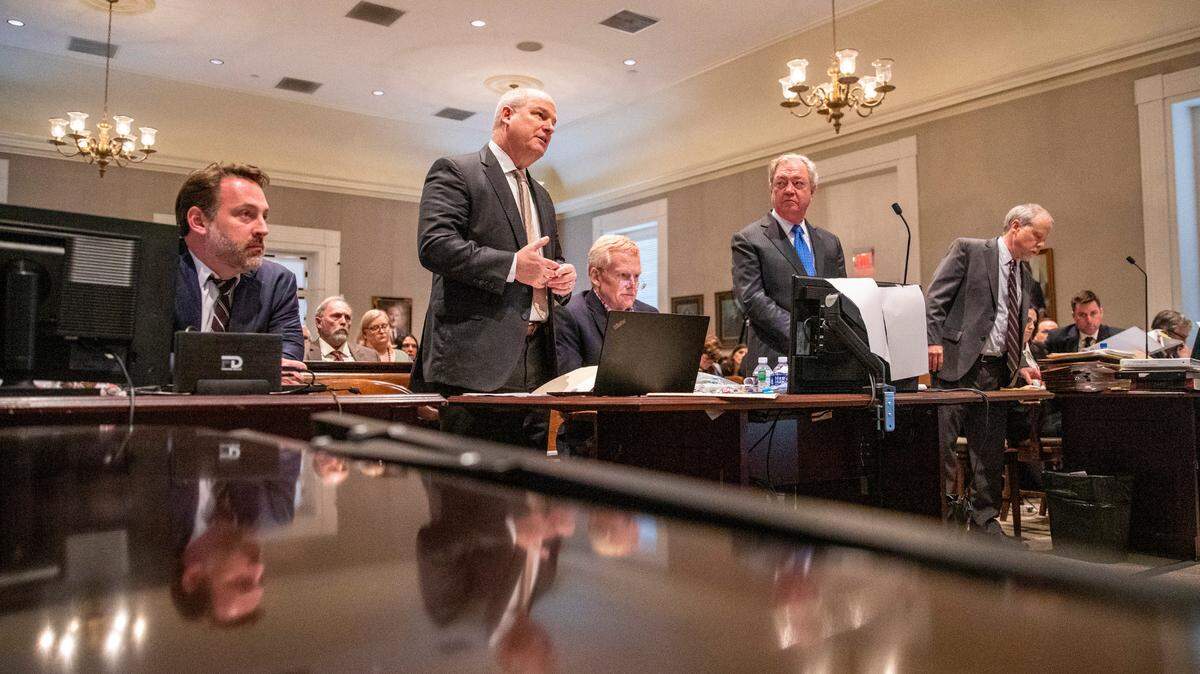
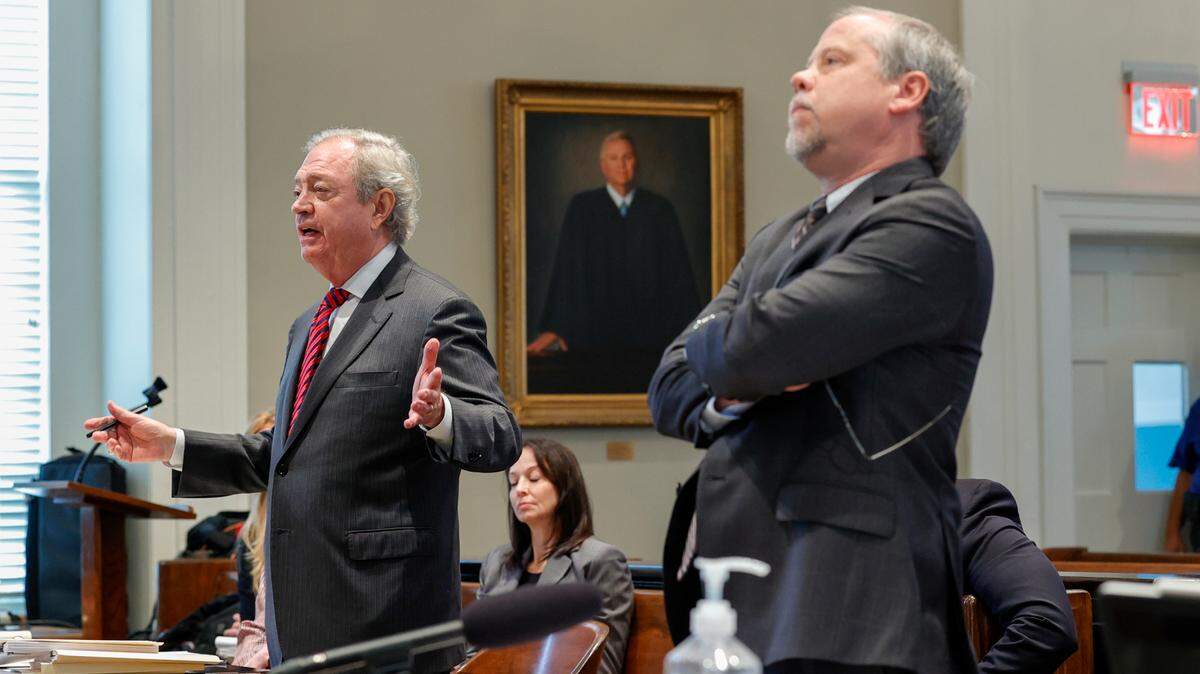
On Monday, the jury heard from two forensic experts and John Marvin Murdaugh, Murdaugh’s brother, who was the defense team’s 14th witness. After his testimony, attorney Dick Harpootlian stood and told Newman, “The defense rests.”
The defense rested its case on the 25th day of a double-murder trial that began Jan. 23 and was originally scheduled to last three weeks. Prosecutors wrapped their case on Feb. 17 after calling 61 witnesses. They are expected to call four or five more to reply.
Any visit to the 1,770-acre Moselle would be at the earliest Wednesday, court officials said.
Murdaugh, who has pleaded not guilty, faces life in prison without parole if convicted of murder.
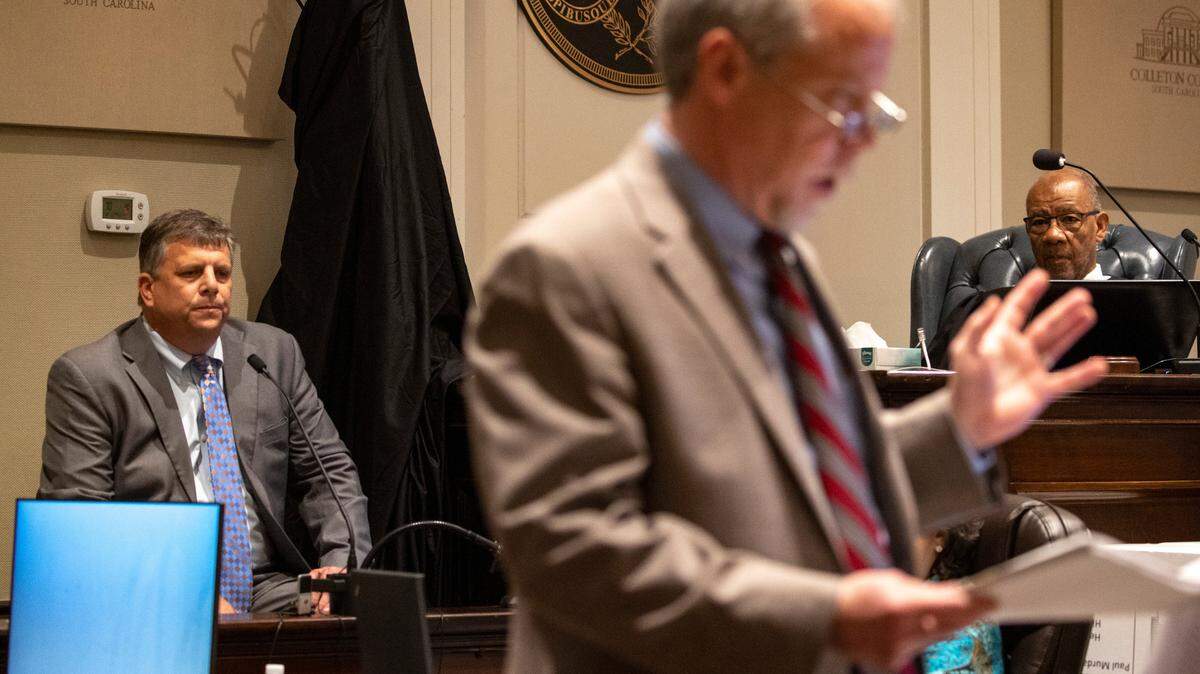
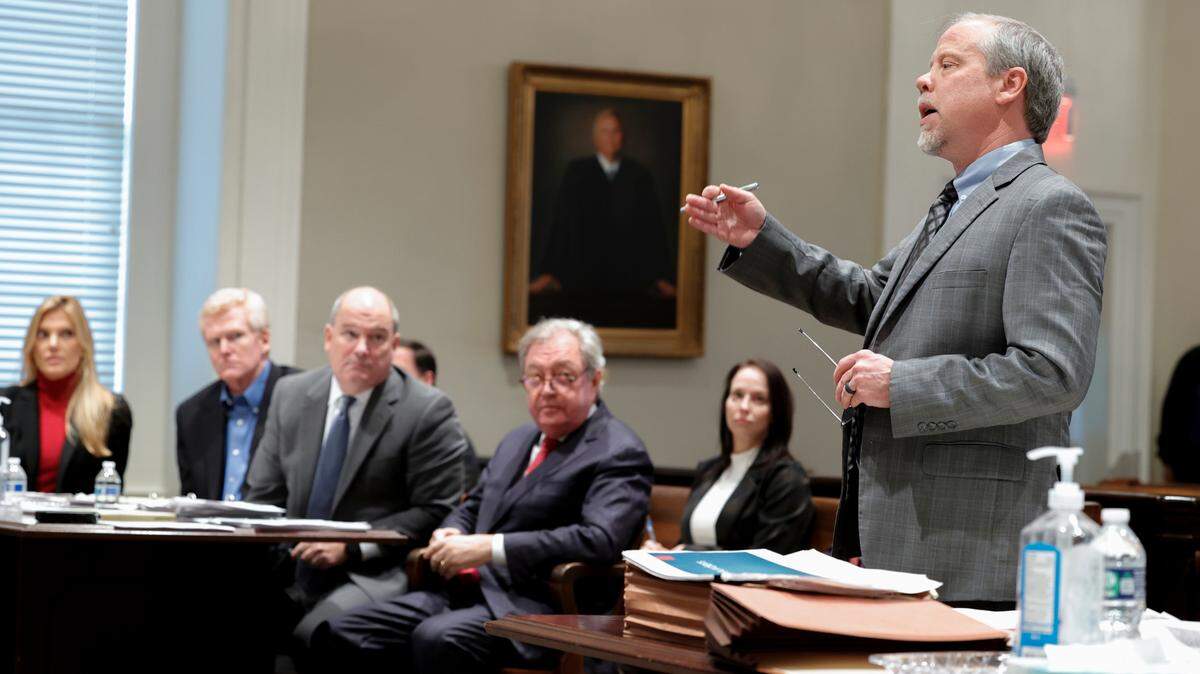
Lead prosecutor Creighton Waters on Monday objected to the site request on the grounds that the Moselle property has changed in more than a year and a half since the murders occurred, which may lead jurors to form incorrect impressions of how the property was when the Murdaughs were killed.
“The scene is different from how it was on June 7, 2021,” Waters said. “The trees are markedly taller and thicker than they were on June 7.”
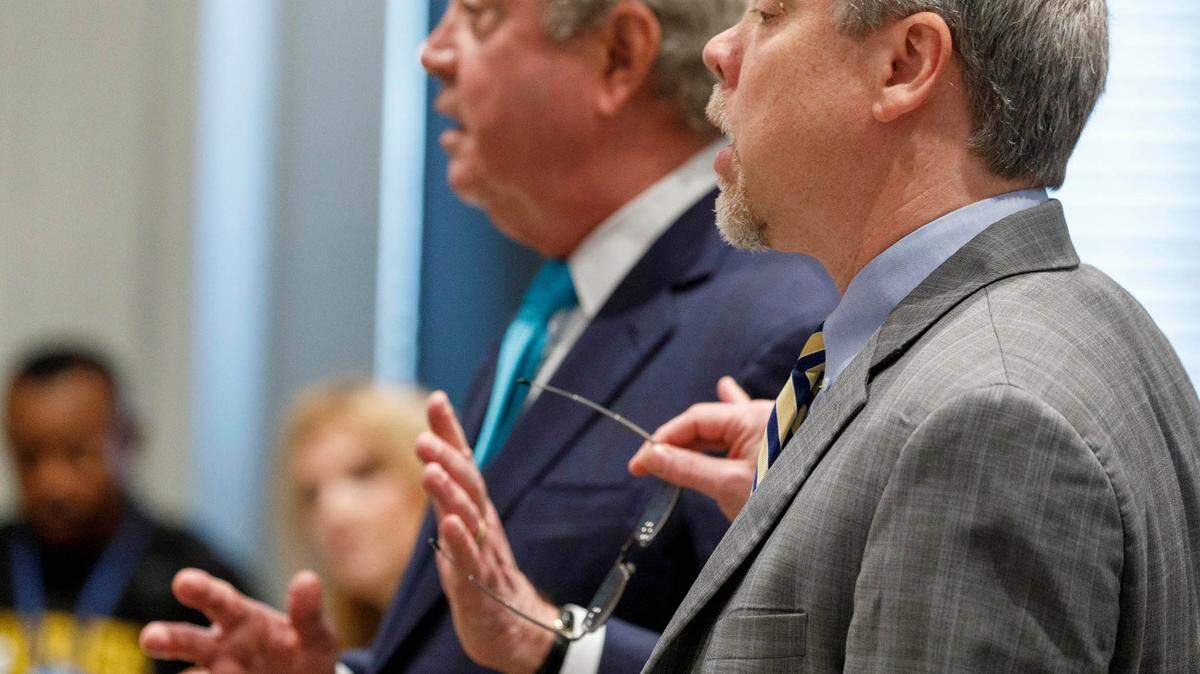
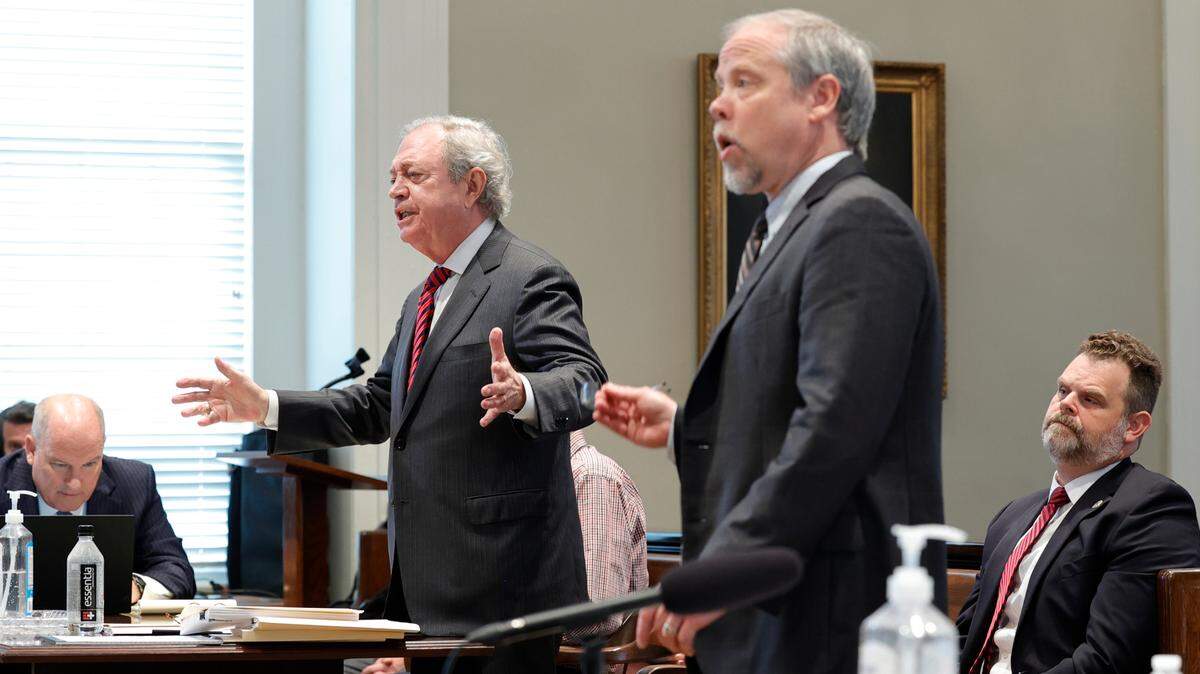
But Harpootlian said the jury would better understand how the shootings occurred by seeing the scene for themselves. Newman declined Harpootlian’s suggestion that jurors vote on whether they want to see Moselle, since Newman said that would lead to “premature deliberations” about the case among the jurors.
“They’re only there to see the kennels” where Paul and Maggie were shot, Harpootlian said. “We concede that (the property) has changed, but the spatial elements, where the feed room is, where the dog house is, that’s not changed.”
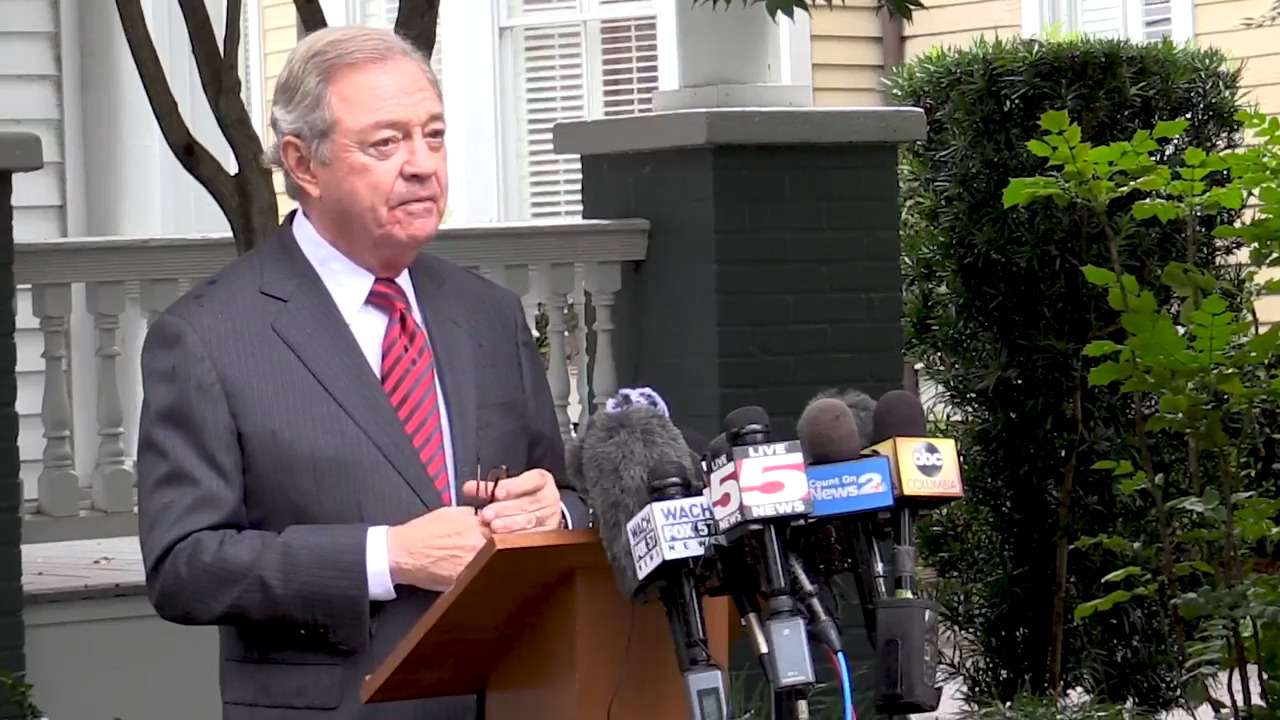
Harpootlian also raised concerns about the security of the scene, claiming that “dozens of people” had trespassed on the property over the weekend to “take selfies” where the murders happened. Harpootlian said John Marvin had to call police to report the trespassers.
Newman said the Colleton County Sheriff’s Office would be made aware of the site visit and ensure Moselle is secured.
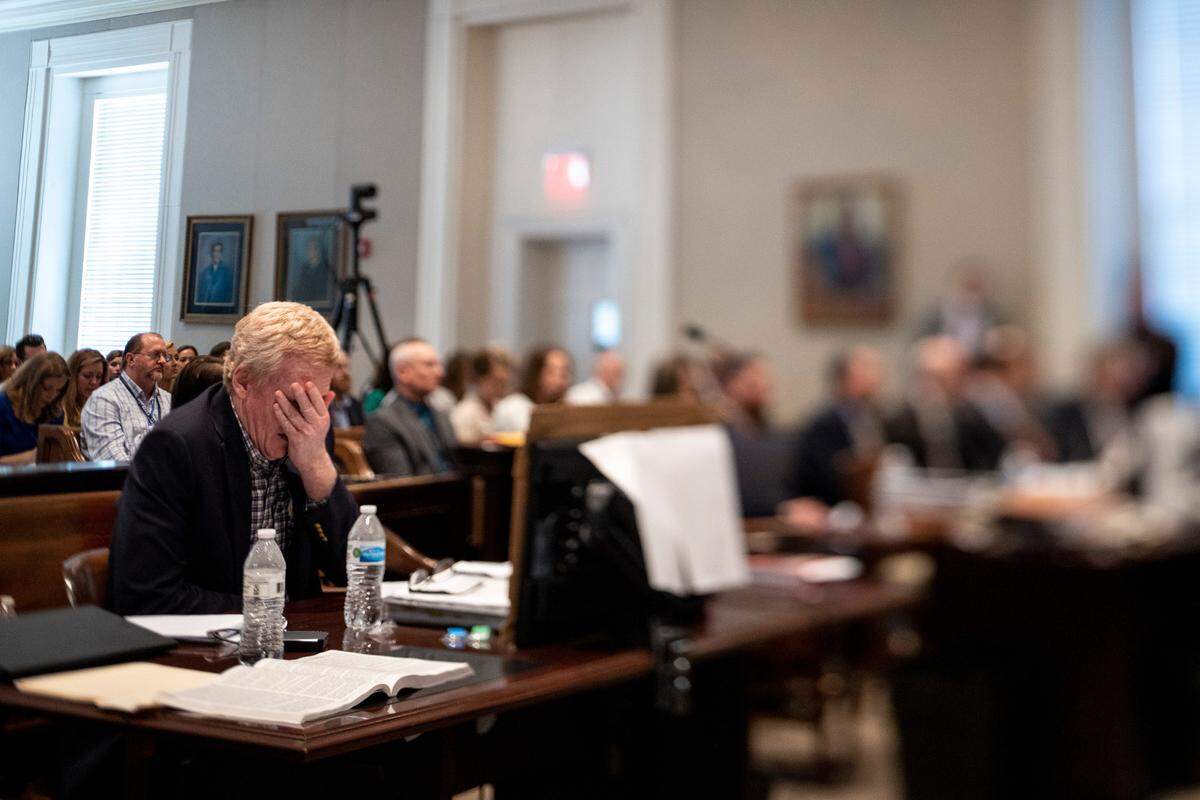
Pathologists testify for the defense, blood spatter
The defense’s first witness Monday was Georgia-based pathologist Jonathan Eisenstat, who continued to chip away at the initial investigation of the double-homicide that estimated the time of death at around 9 p.m. June 7, 2021.
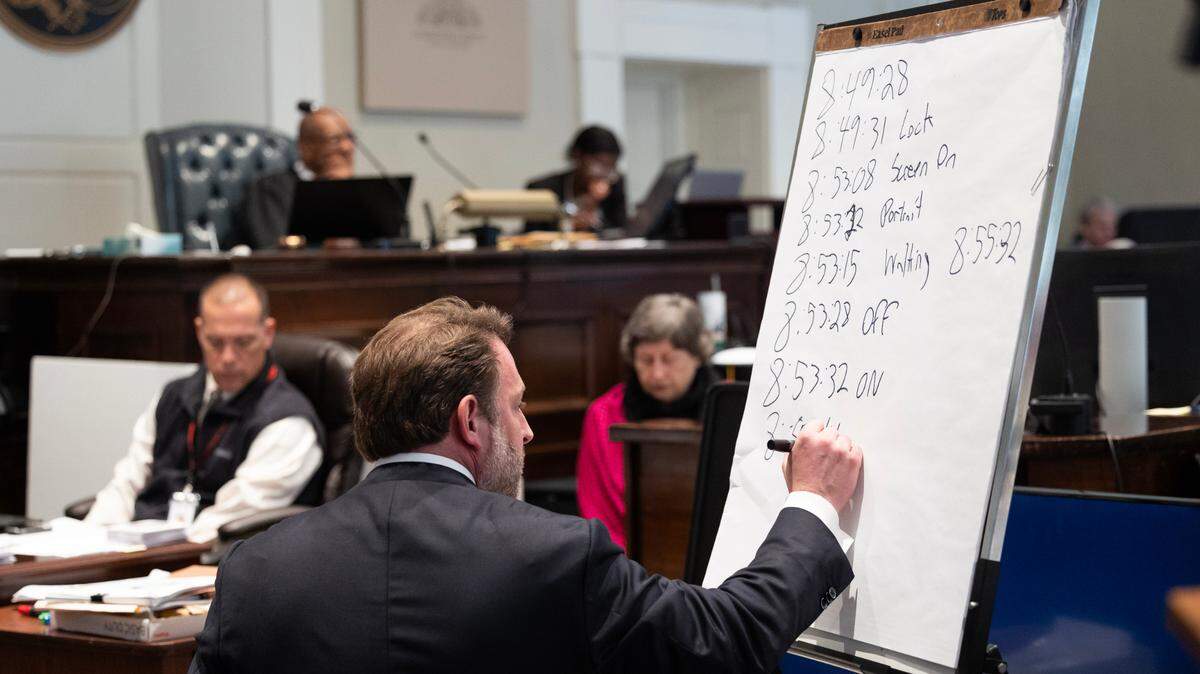
Eisenstat, the defense’s 12th witness and a former Georgia chief medical examiner, testified to how a medical examiner should go about estimating a homicide victim’s body temperature, including taking their own readings of the ambient temperature at the scene and the necessity of taking body temperature using a thermometer.
“What would you get from putting your fingers in their armpit?” Harpootlian asked.
“It would be a guess,” Eisenstat said.
Earlier, for the defense, Colleton County Coroner Richard Harvey testified that was the method he used to estimate Paul and Maggie’s body temperature and time of death when he arrived at the scene about 11 p.m. that night.
Eisenstat said that method would not give an examiner useful information, because of the examiner’s own body temperature and the temperature surrounding the bodies.
The pathologist also questioned some of the findings of the autopsies of Paul and Maggie. He said he believes Paul was shot through the top of his head at close range, causing the extensive damage to his head, and then exited through his chin and shoulder, the reverse of the findings of Medical University of South Carolina pathologist Ellen Riemer in her autopsy report.
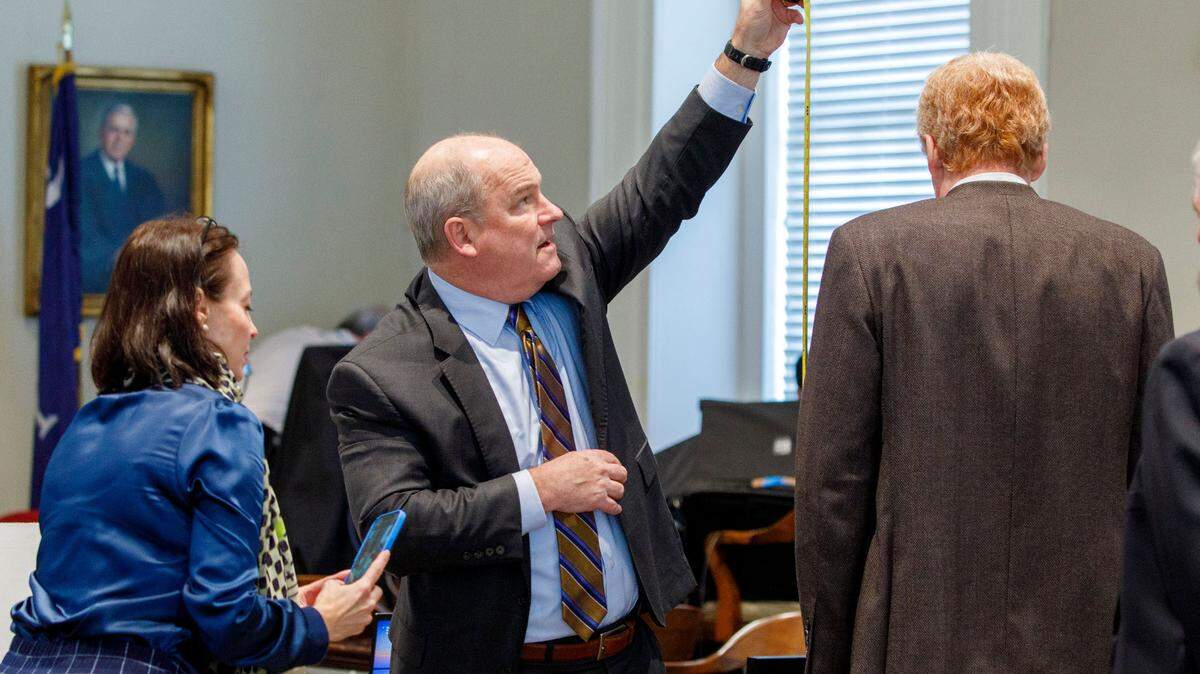
Both Eisenstat and blood spatter expert Timothy Palmbach, the defense’s 13th witness, testified that the killer would have been covered in blood after the shootings, but investigators never identified blood on the clothing Murdaugh was wearing that night. Prosecutors have alleged he disposed of the bloody clothes he was wearing to commit the crime.
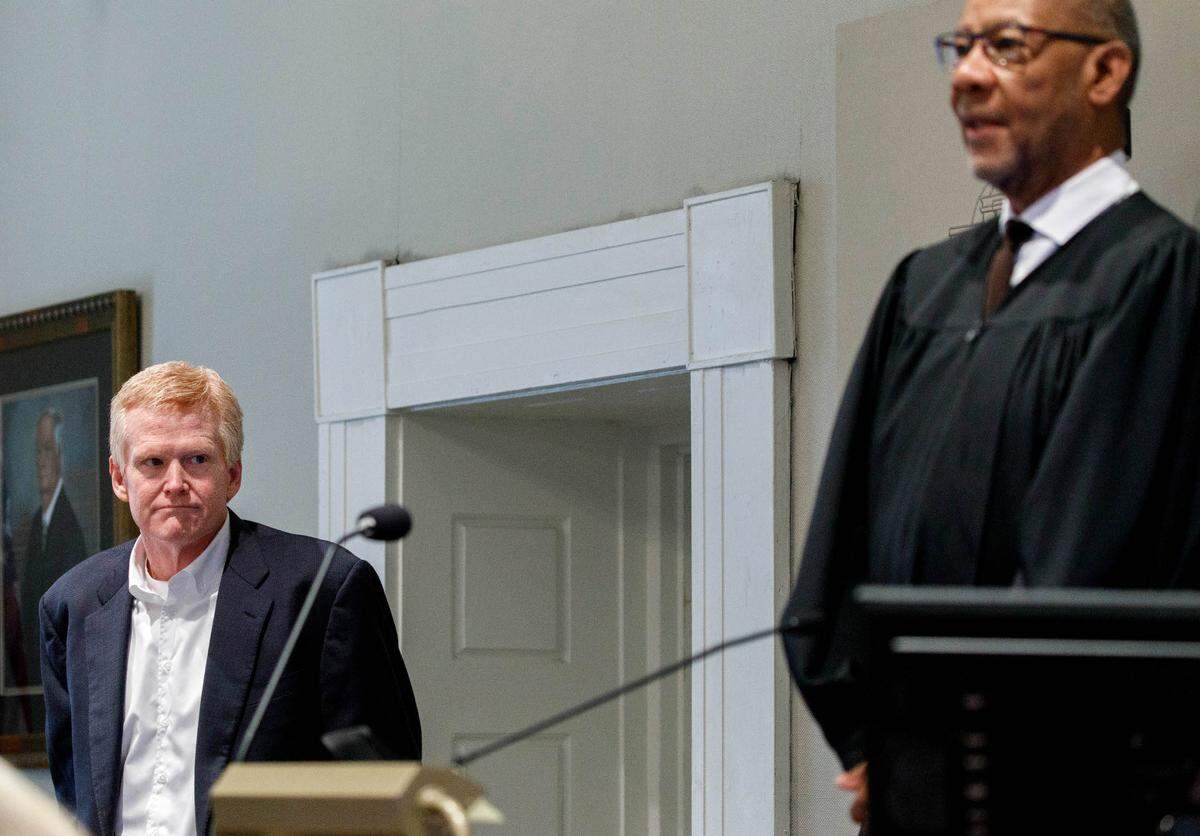
Palmbach, a shooting incident reconstruction expert, testified that Paul was shot first and Maggie, second.
“Do you have an opinion on whether there were one or two shooters?” defense attorney Jim Griffin asked.
“I do have an opinion,” Palmbach said. “The totality of the evidence is more suggestive of two shooters.”
Palmbach continued, “I believe he (Paul) had no idea it was coming. He took the shot to the chest and very soon thereafter the one to the back of his head.”
Whoever shot Paul in the top of the head did it while Paul was bending over in pain after being hit by the first shotgun blast, Palmbach said.
The second shotgun blast would have created “almost a shock wave” of bone and organic matter that would have blown back and covered the person firing the shotgun, perhaps stunning that person, Palmbach testified.
“Therefore, I think that particular shooter for a brief period of time is out of it,” he said.
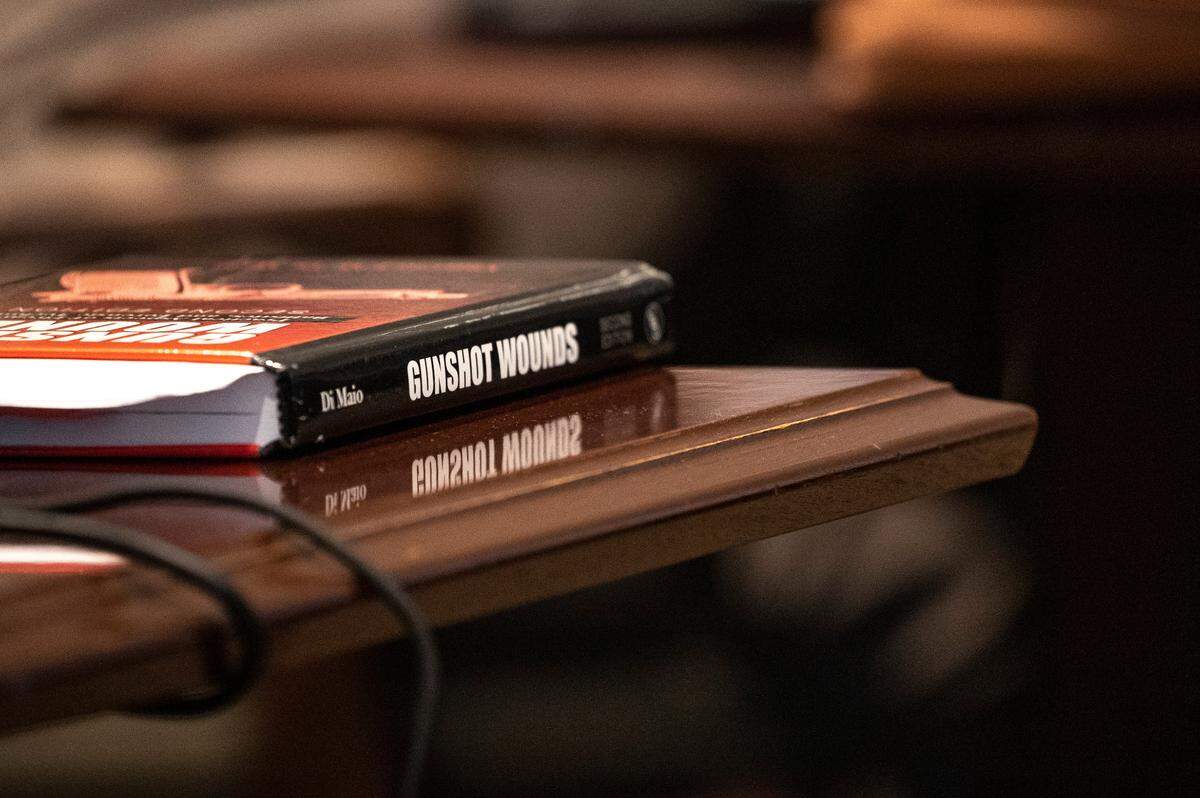
Reminding the jury that Maggie was killed with a .300 Blackout AR-15 assault-type rifle, Palmbach told the jury it would not have been possible for a shooter to drop the shotgun and retrieve the assault rife to kill Maggie in a short span of time.
“Why would one shooter bring two long weapons to the event?” Palmbach testified. “You can’t handle and shoot two of those.”
In her cross-examination of Palmback, prosecutor Savanna Goude did not question Palmbach about his two shooter theory.
Palmbach told the jury he also agreed the damage to the back of Paul’s head was more likely to have been caused by a close-range entrance wound.
“This explosive nature (of the injury), you never see that unless you have a high-energy source contact wound,” Palmbach said.
Goude questioned how a shot to the top of Paul’s head could have caused his brain to fly up into the door frame, as crime scene evidence suggests it did, before landing mostly intact on the floor. Palmbach said that the pressure of a close-range shot would have forced the brain to take the “quickest way to escape” back out the entrance wound.
Goude also questioned if the pellets would have stayed close enough together to create a compact exit wound in the lower part of Paul’s head and end up in the shoulder wound. Eisenstat testified that the pellets could have stayed together over approximately the foot they had to travel through Paul’s head.
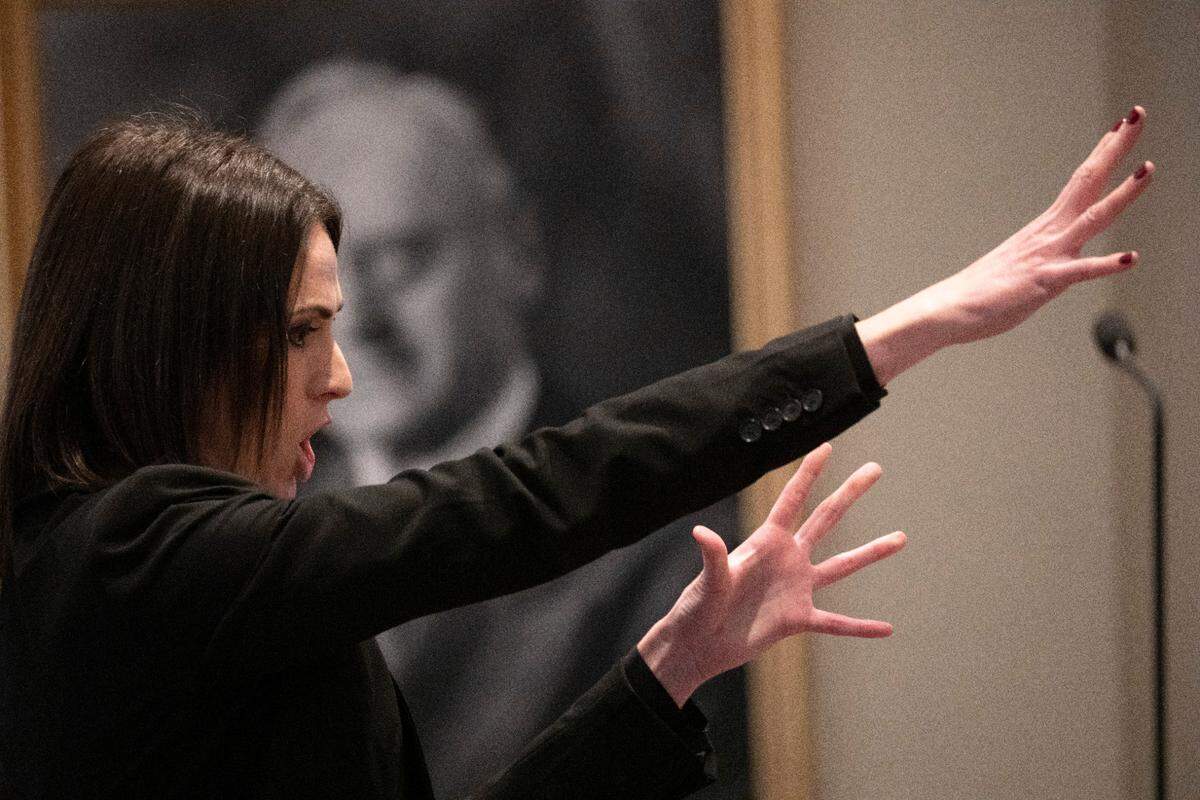
John Marvin: ‘Hardest thing I ever had to do in my life’
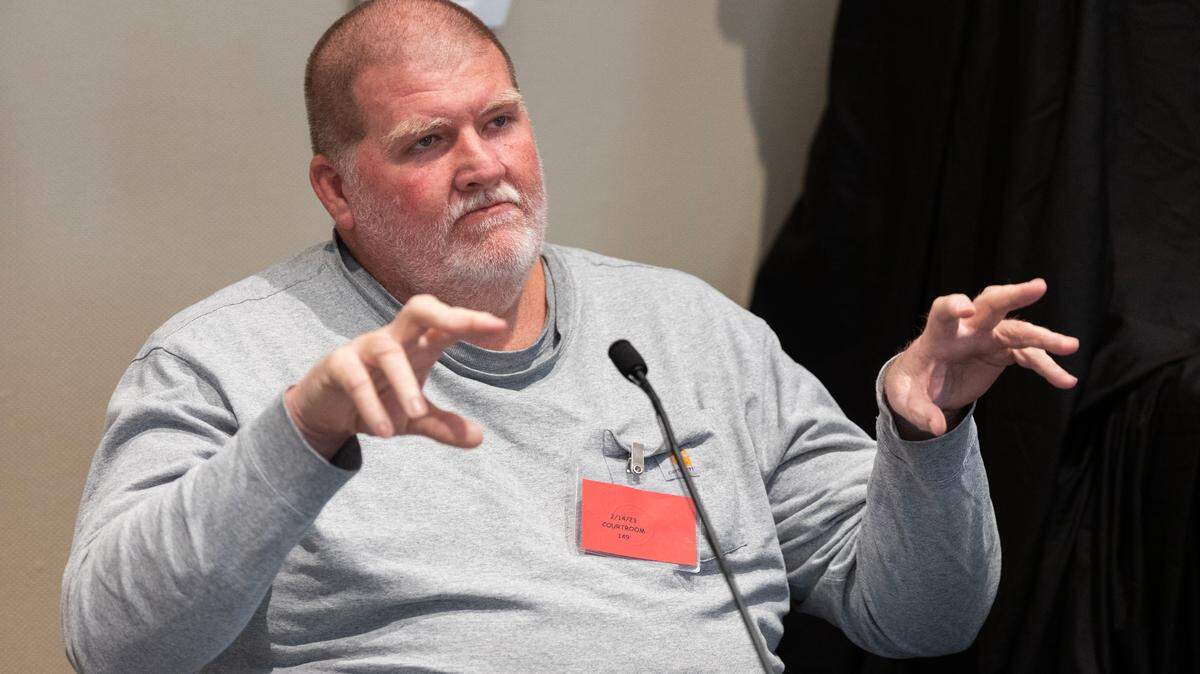
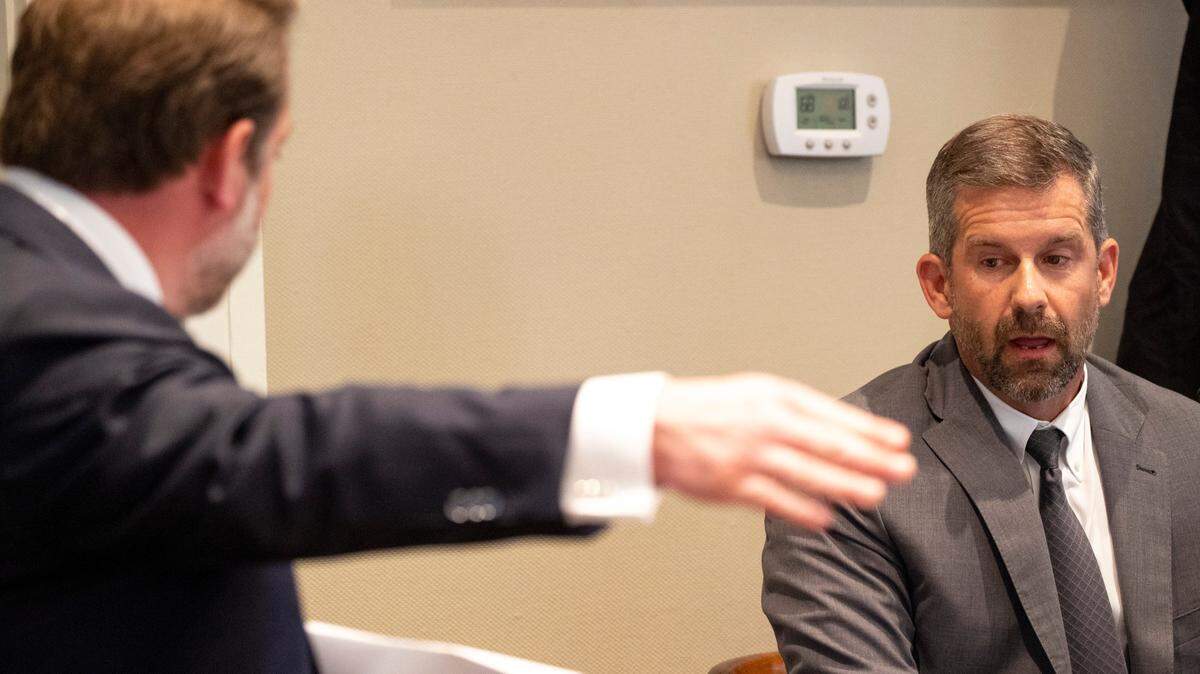
Alex Murdaugh’s brother testified Monday to instances when he believed law enforcement was trying to mislead him about their investigation into Murdaugh’s role in the murders of his wife and son.
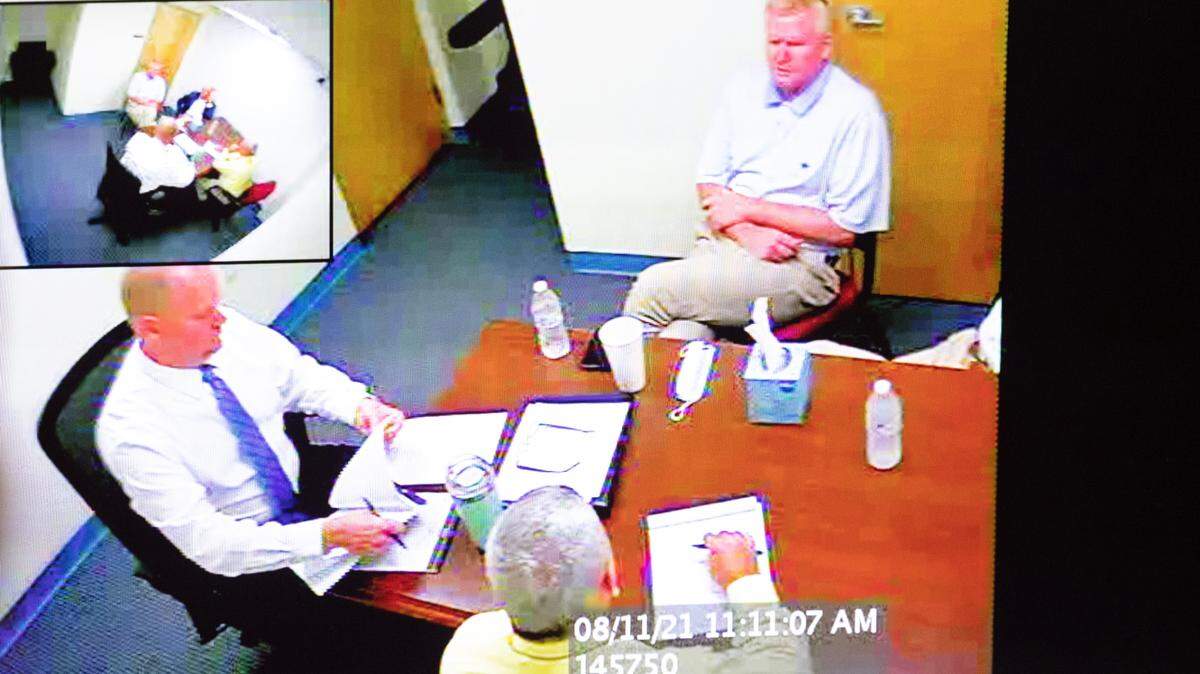
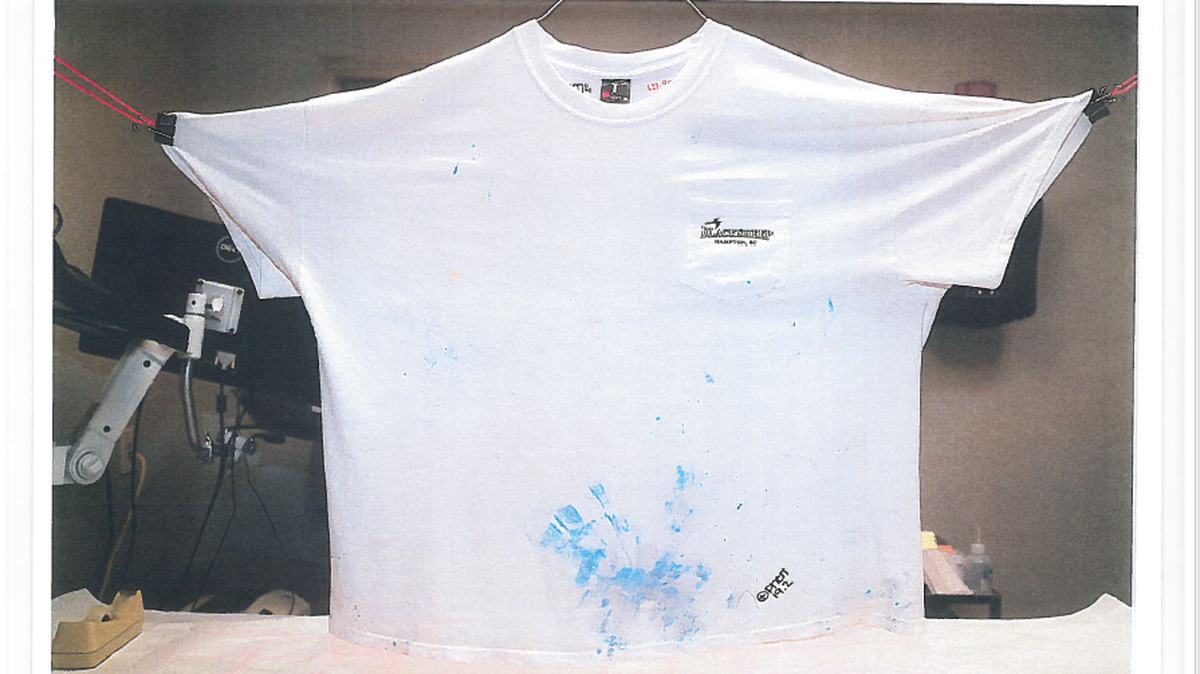
During an interview with the S.C. Law Enforcement Division in August 2022, John Marvin Murdaugh said he was told by an agent that investigators “knew” his brother was involved in the deaths of his wife, Maggie, and son, Paul, because his shirt that night was covered in blood, and that Murdaugh could even be seen on police body camera footage wiping blood off his face onto the T-shirt.
Not only has the prosecution not introduced evidence of a bloody shirt at the trial, but jurors have heard blood could never be conclusively found on the clothes Murdaugh wore when he called 911 on the night of June 7, 2021.
John Marvin was the third member of the Murdaugh family to testify, after his nephew, Buster, and Murdaugh himself. He is the 14th defense witness called overall during the six-week trial.
The white T-shirt was just one piece of evidence John Marvin called into question. He also testified that a SLED agent told him they had recovered a coat from somewhere in the “back” of his parents’ property at Almeda. He and other family members were later shown the blue raincoat investigators said they recovered from a closet inside the house.
John Marvin said he had never seen the raincoat before, and said he never received an explanation for why he was told it was recovered from a different location.
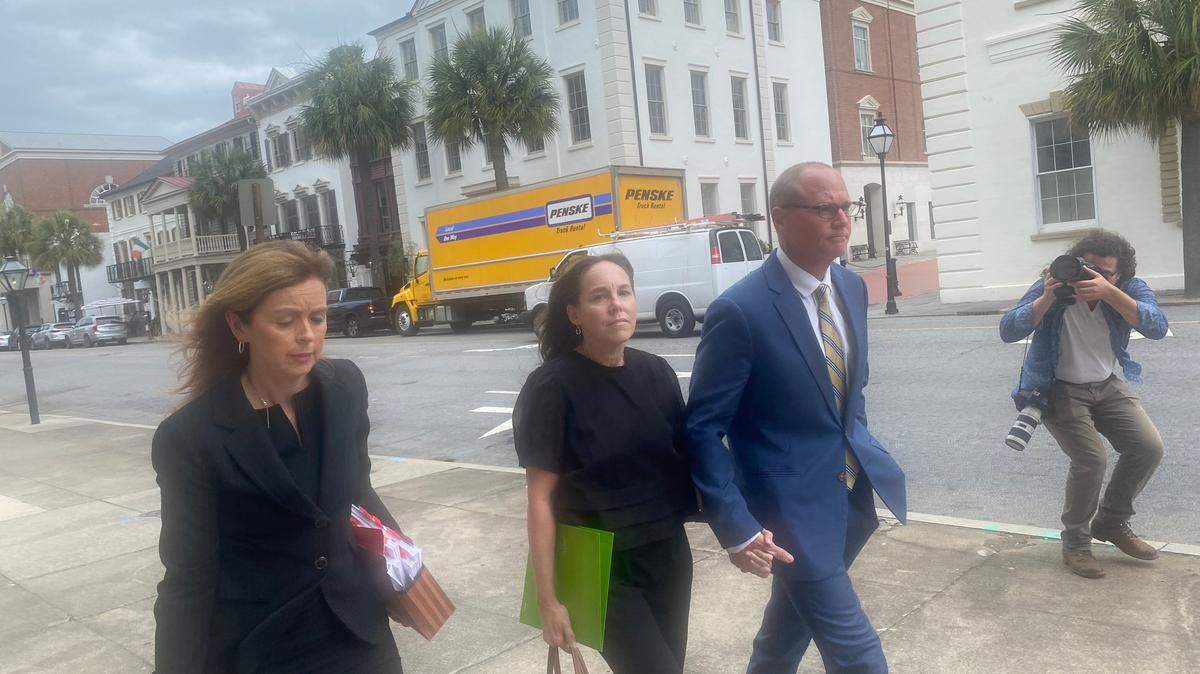
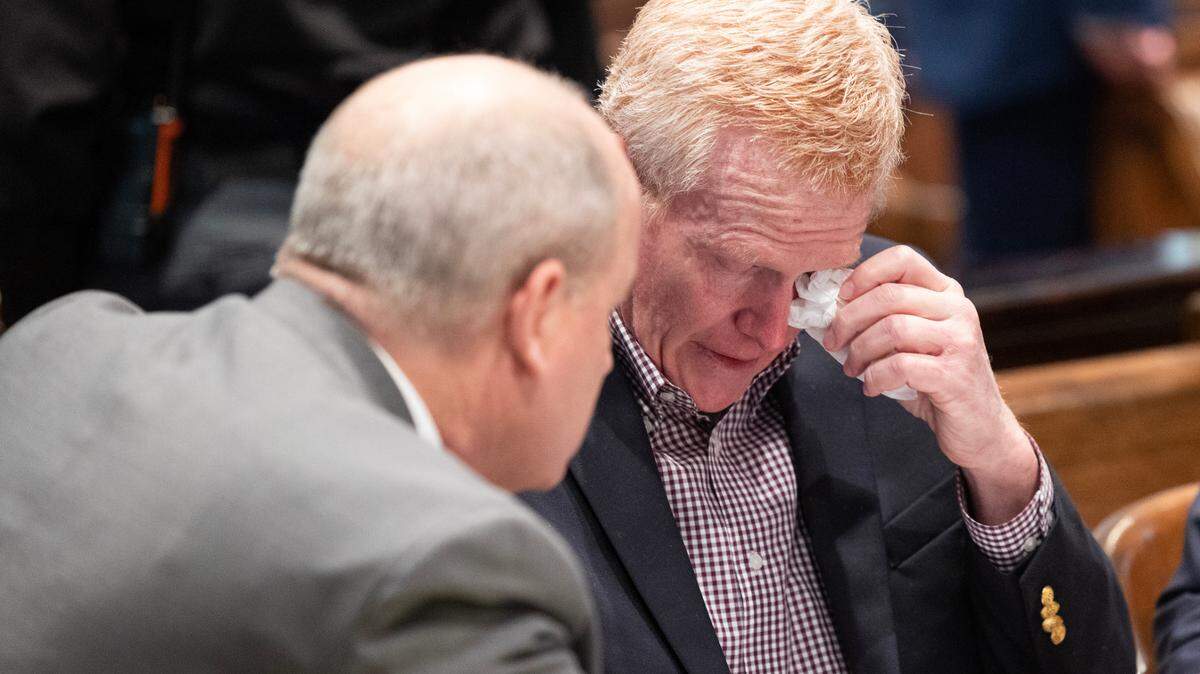
John Marvin, who at times wept during his testimony, testified to ”the hardest thing I ever had to do in my life.”
The day after Maggie and Paul were shot and killed at Moselle, John Marvin wanted to go out to the dog kennels where his nephew and sister-in-law had been murdered. He checked with law enforcement before he went down there, and was told the scene had been cleared and he could go, he testified.
He was disturbed enough seeing the spot where he knew Maggie’s body had laid covered with a sheet just hours before. But he had a whole different experience when he went into the feed room where Paul had been shot in the head with a shotgun.
Asked by defense attorney Jim Griffin if the room had been cleaned, John Marvin said, “No, Jim, it was not cleaned up.”
“This is going to be difficult,” he said, becoming emotional on the witness stand. “There was brains, blood, pieces of skull. It was terrible.”
Standing there, “I felt like it was something I needed to do for Paul to clean it up.” John Marvin said. “No father, mother or uncle should have to see or do what I did that day. I was just overwhelmed. I would stop, crying for a moment, just in disbelief.”
Finally, an emotional John Marvin called his brother, Randy, who told him to immediately stop doing what he was doing.
His friend Mark Ball “came and hugged me and said it was OK to leave, and they would clean it up,” John Marvin said. “It was the hardest thing I ever had to do in my life.”
Ball testified earlier in the trial to the condition of the grisly looking feed room, what the defense has pointed to as evidence of lax work with the crime scene by investigators.
John Marvin did agree with other witnesses that the voice on a cellphone video Paul shot on his phone shortly before the shootings belonged to his brother. Murdaugh admitted on the witness stand last Thursday that he had lied to investigators about being at the property’s dog kennels shortly before Paul and Maggie were killed, but insisted they were still alive when he left.
John Marvin couldn’t say if his brother had ever told him the truth about his whereabouts that night, between when investigators played the tape for him in August 2022 and when Murdaugh took the stand last week.
“I can’t say we’ve had an opportunity to even speak,” John Marvin said.
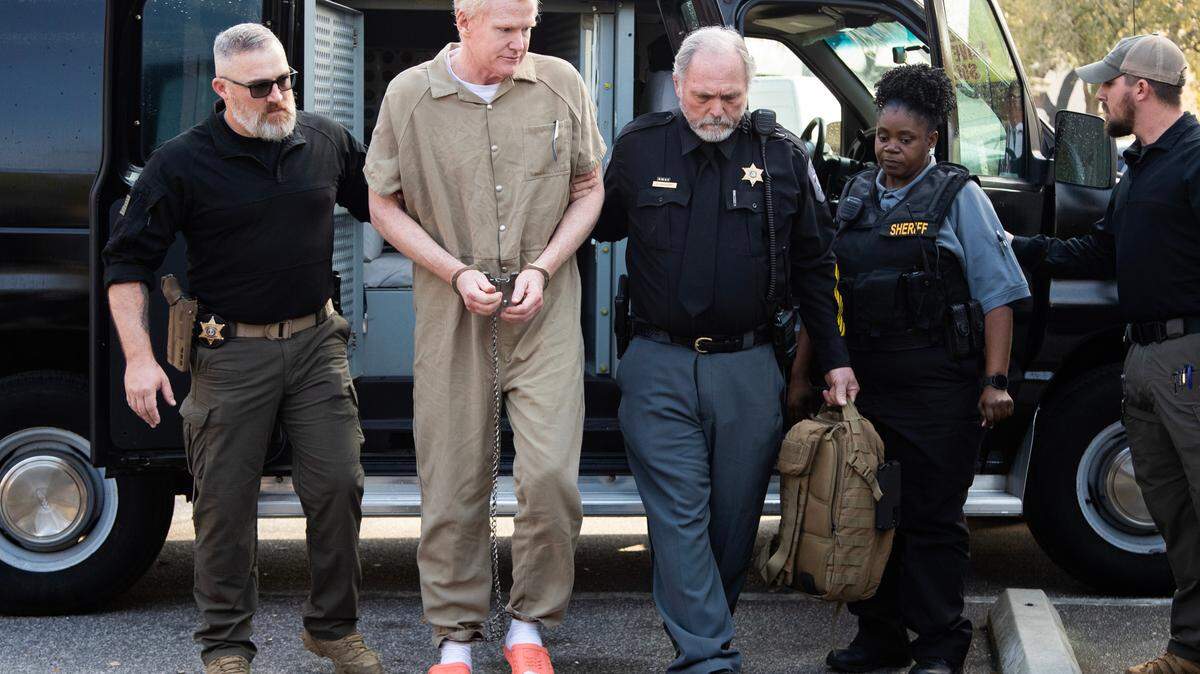
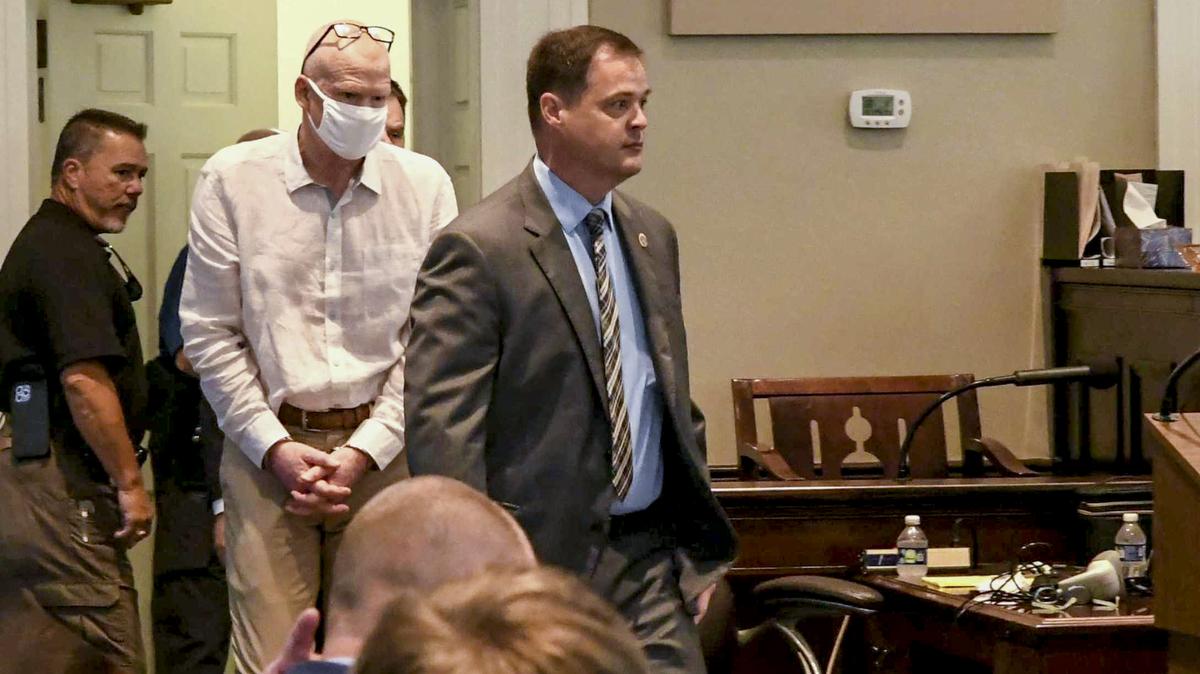
Murdaugh has been in jail on a variety of criminal fraud charges since October 2021. In addition, he is charged with embezzling more some $8 million from clients, lawyers, friends and family in the last 12 years. He also faces tax evasion and drug trafficking charges.
Murdaugh’s testimony Thursday and Friday was the most dramatic moment of the now-six-week trial so far. Criminal defendants are not required to testify at their own trials, and many opt not to in order to avoid answering prosecutors’ probing questions.
Murdaugh took the stand first Thursday and confessed he lied to investigators about being at the dog kennels with Paul and Maggie moments before they were killed on the night of June 7, 2021. He also admitted he stole millions of dollars from his former law partners and clients over a number of years, a step that will undercut any defense Murdaugh could offer to more than 100 charges of financial malfeasance on which he is still to be tried.
John Marvin also testified to his close relationship with Paul, 22, tearing up at times as he recalled his nephew, who worked for him in his tractor dealership and with whom he had “a special relationship.”
“They called him Little Rooster, Pau Pau, my kids called him that,” John Marvin said.
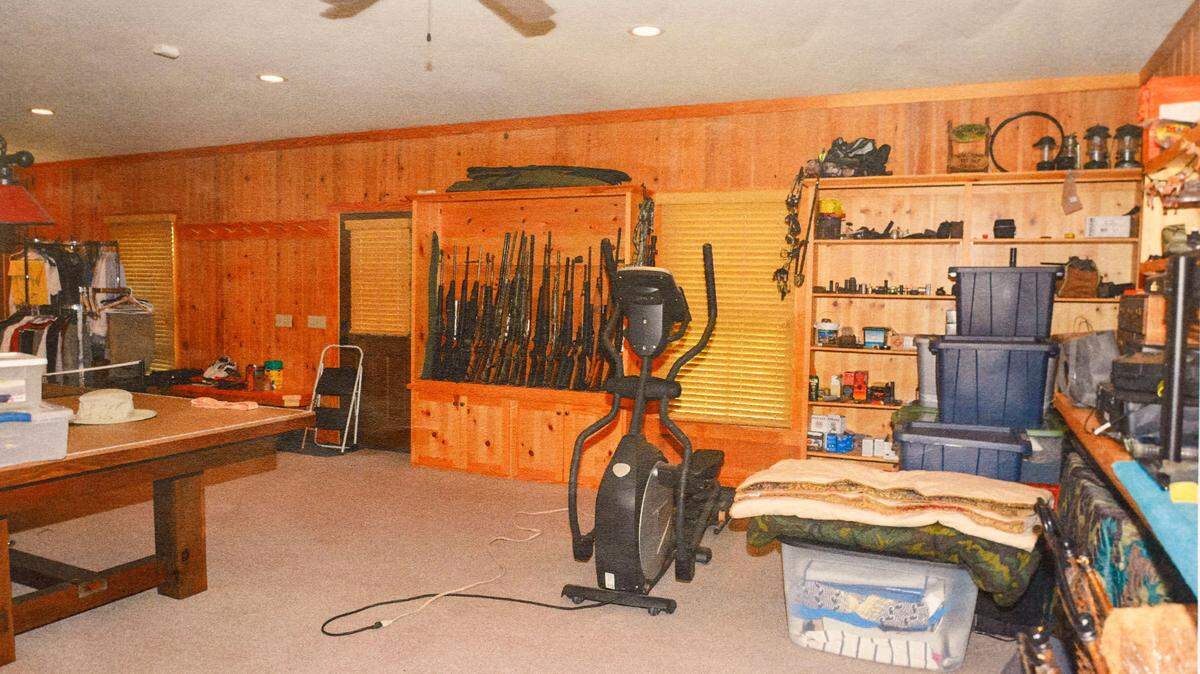
He agreed with the defense’s contention that Paul often would leave his guns in various locations. He described a duck-hunting trip he went on with Paul in a duck blind on his property.
“I went back two weeks later, and his hunting gear is still in the blind,” John Marvin said. “That was just Paul.”
John Marvin testified that he promised Paul back when he was cleaning the room that he would find who killed him.
“I told him I loved him, and I promised him that I’d find out who did this to him,” he said.
Has he found the killer, Griffin asked.
“I have not,” John Marvin replied.
This story was originally published February 27, 2023 at 11:11 AM.
.jpg)
























_fitted.png)