Money, manipulation and Murdaugh: Week 1 highlights of Russell Laffitte trial
READ MORE
Alex Murdaugh Coverage
The Murdaugh family saga has dominated the news after another shooting, a resignation and criminal accusations — with Alex Murdaugh at the center of it all. Here are the latest updates on Alex Murdaugh.
Expand All
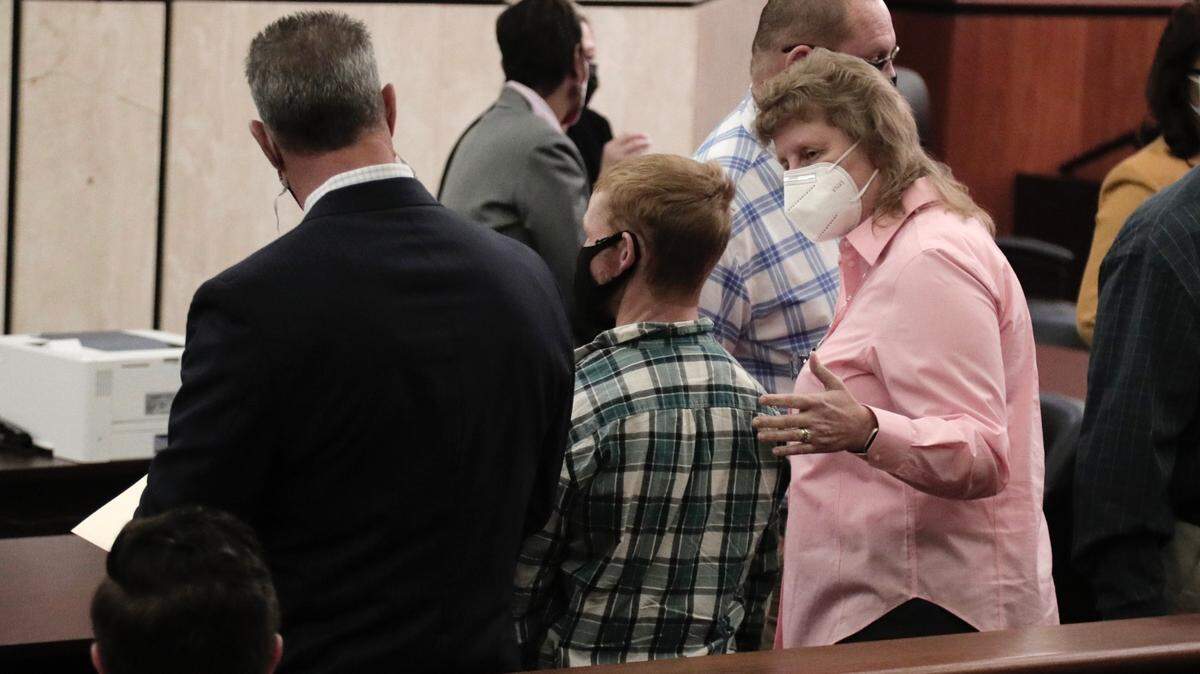
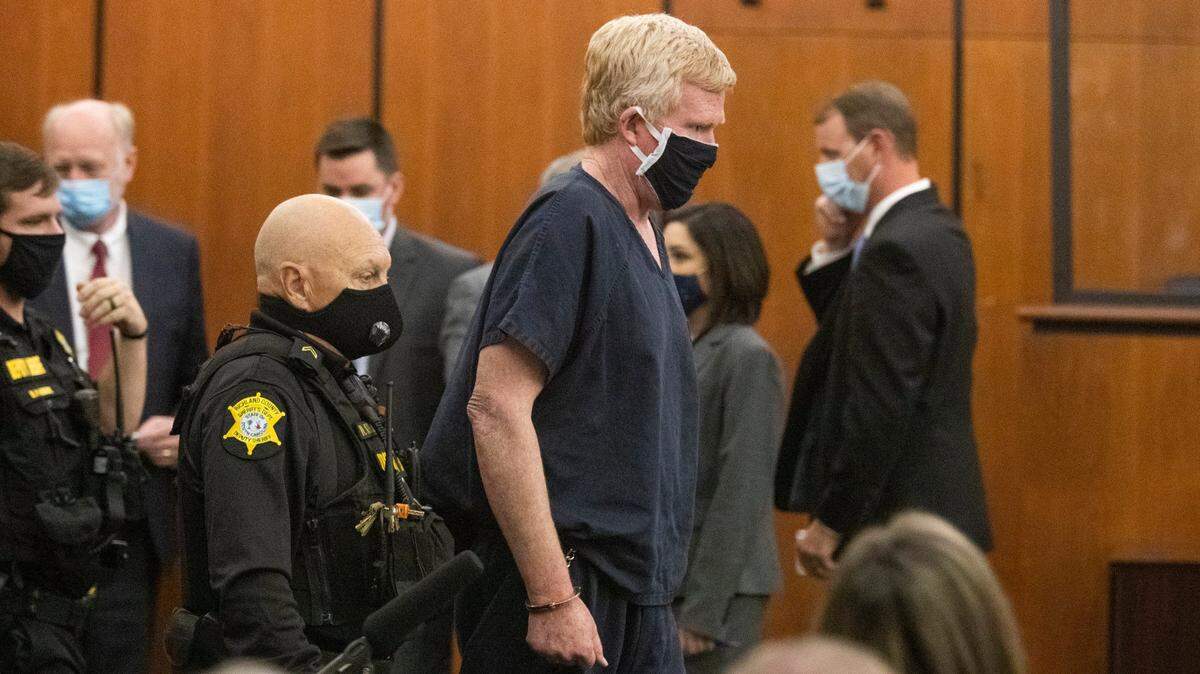
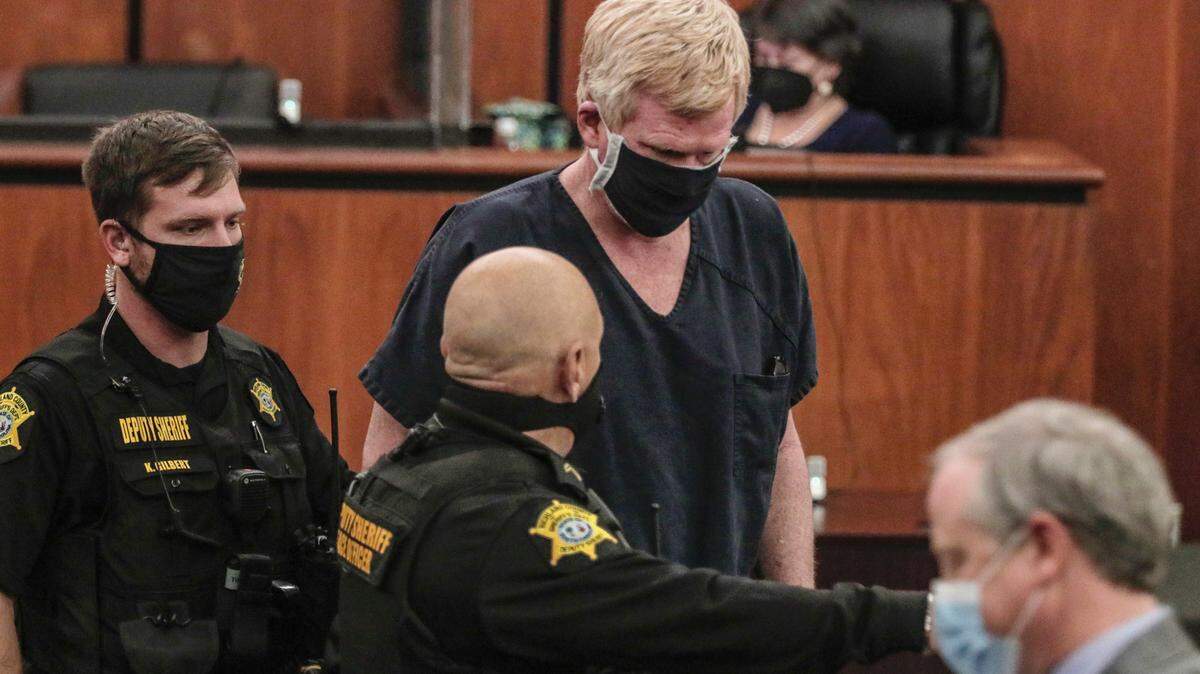
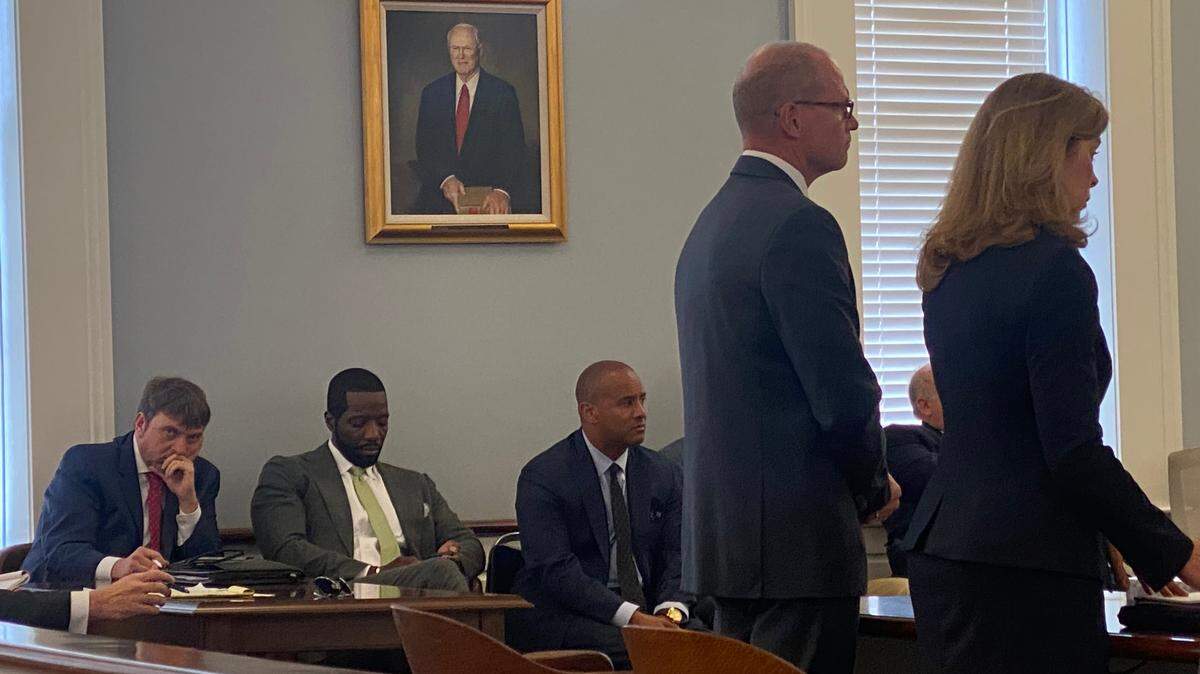
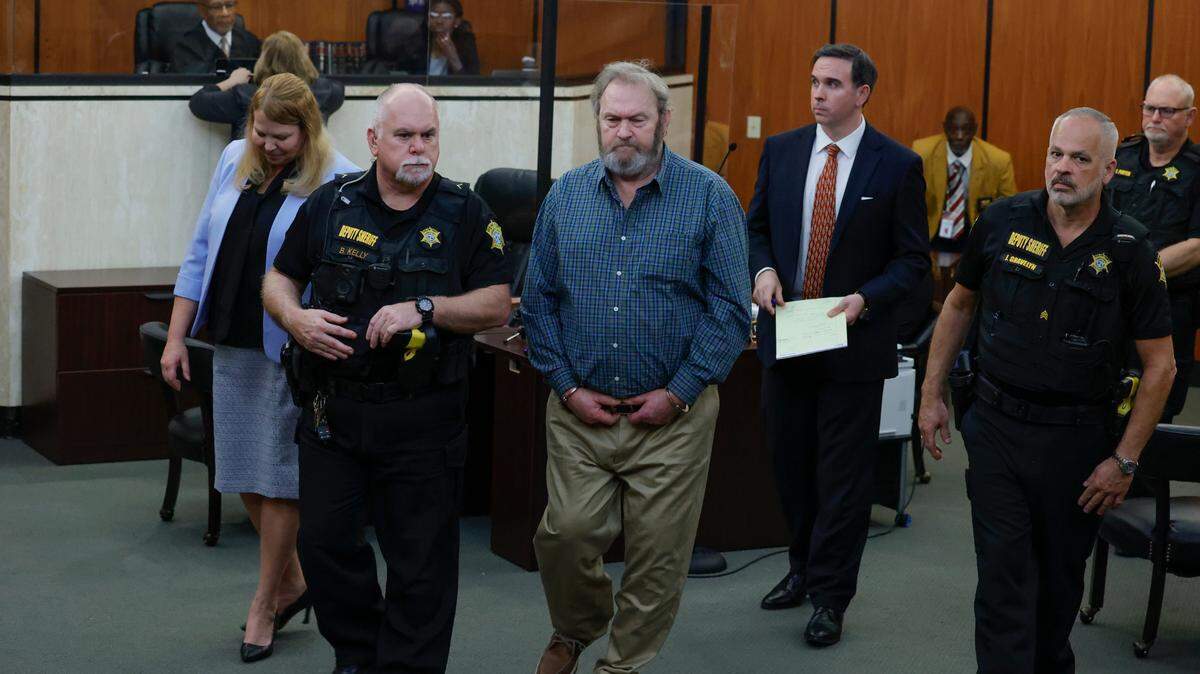
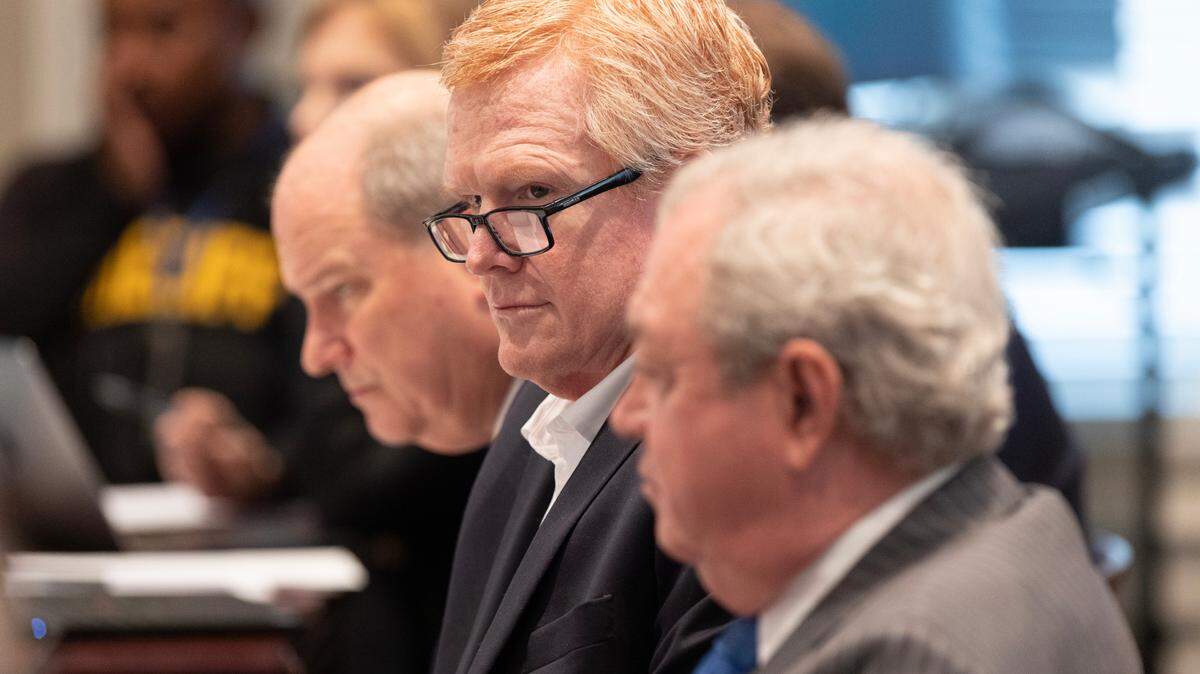
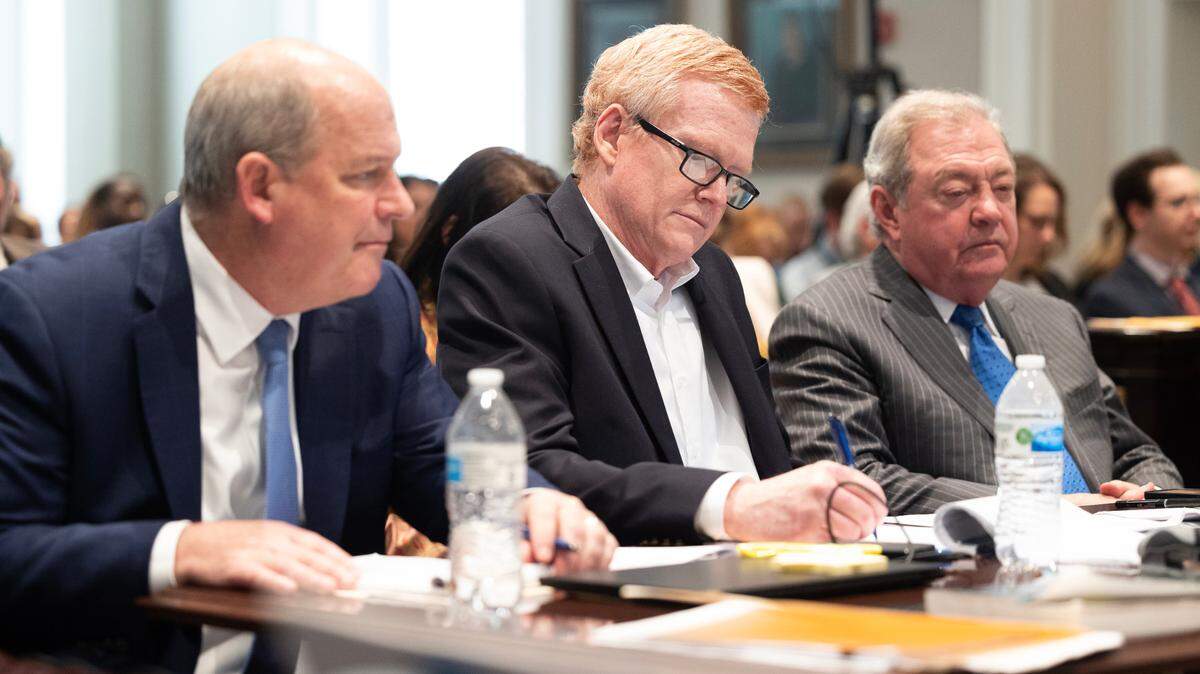
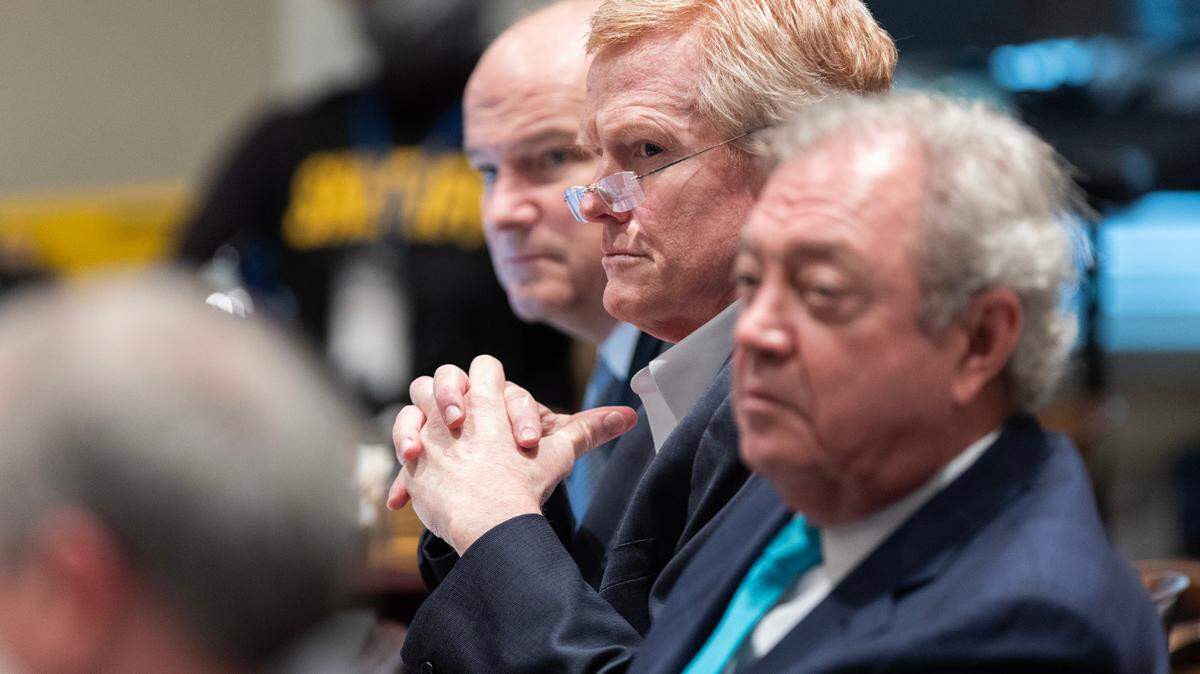
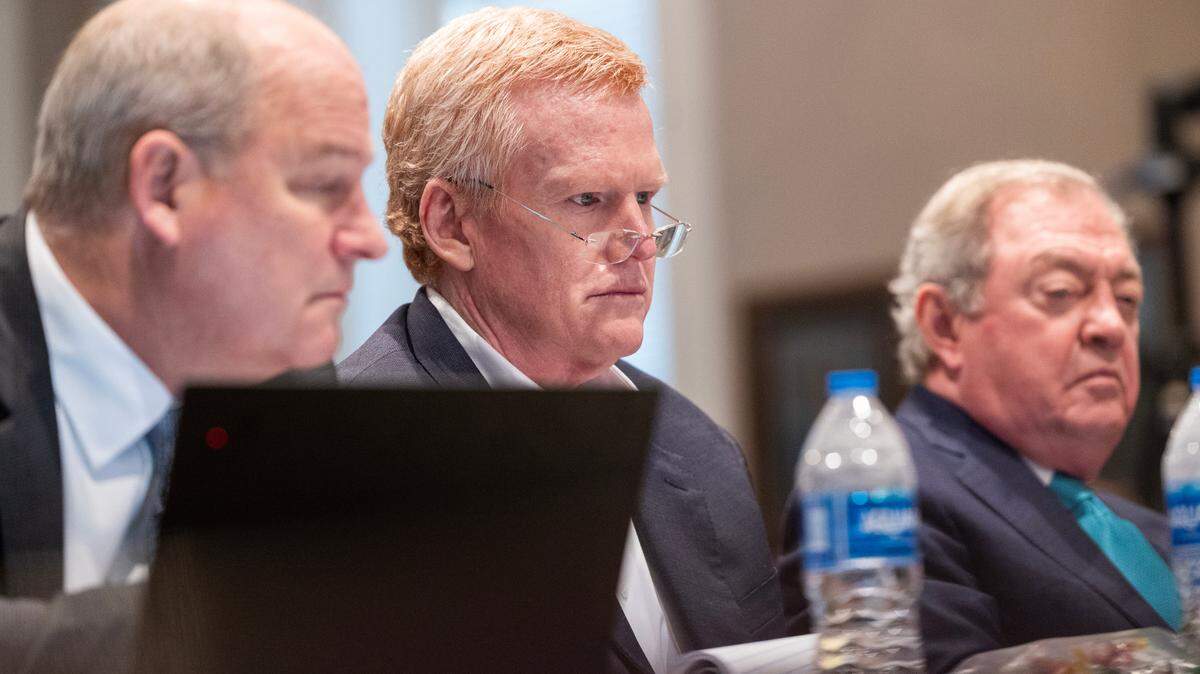
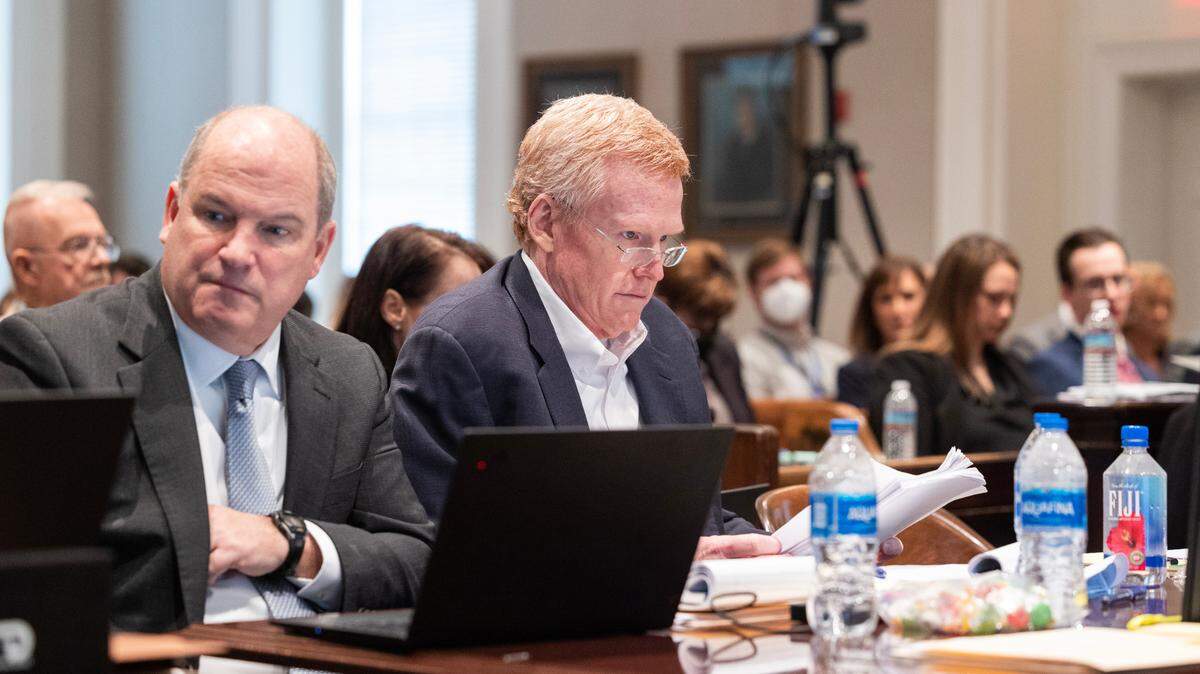
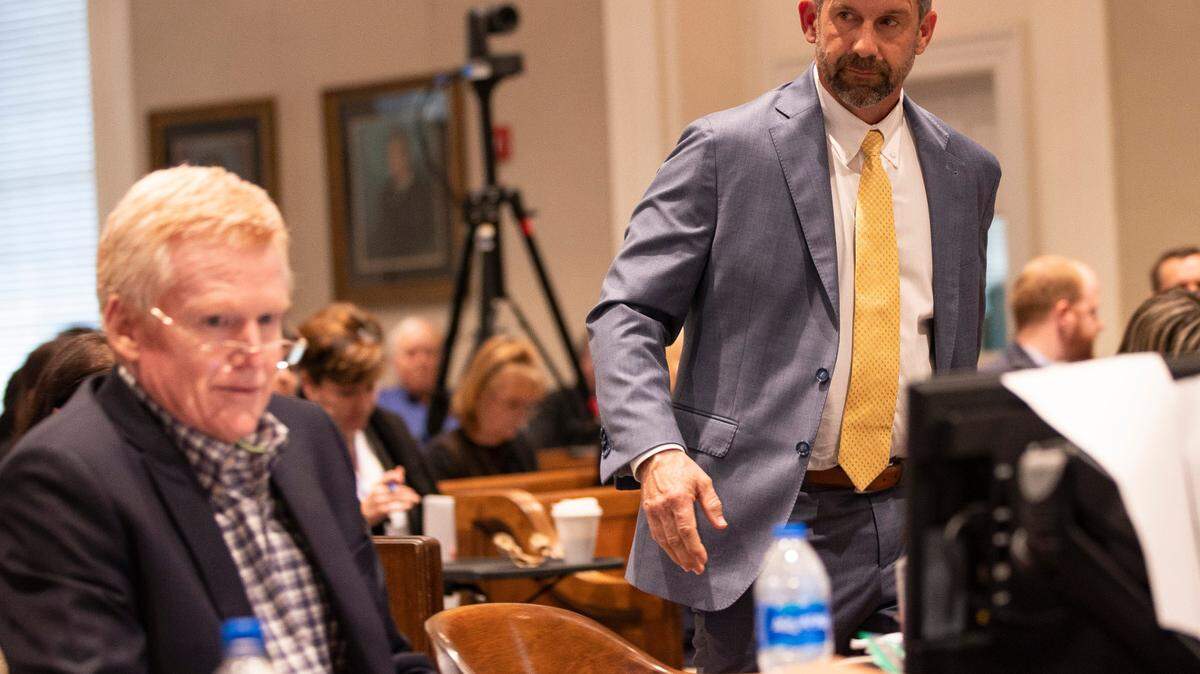
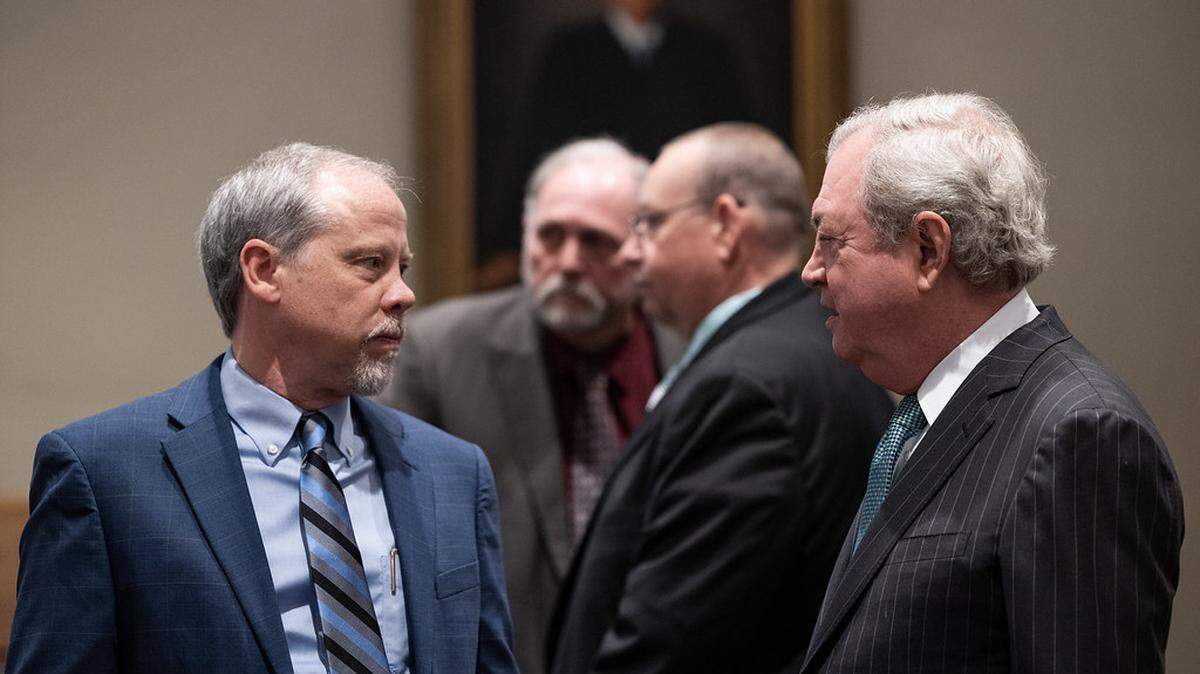
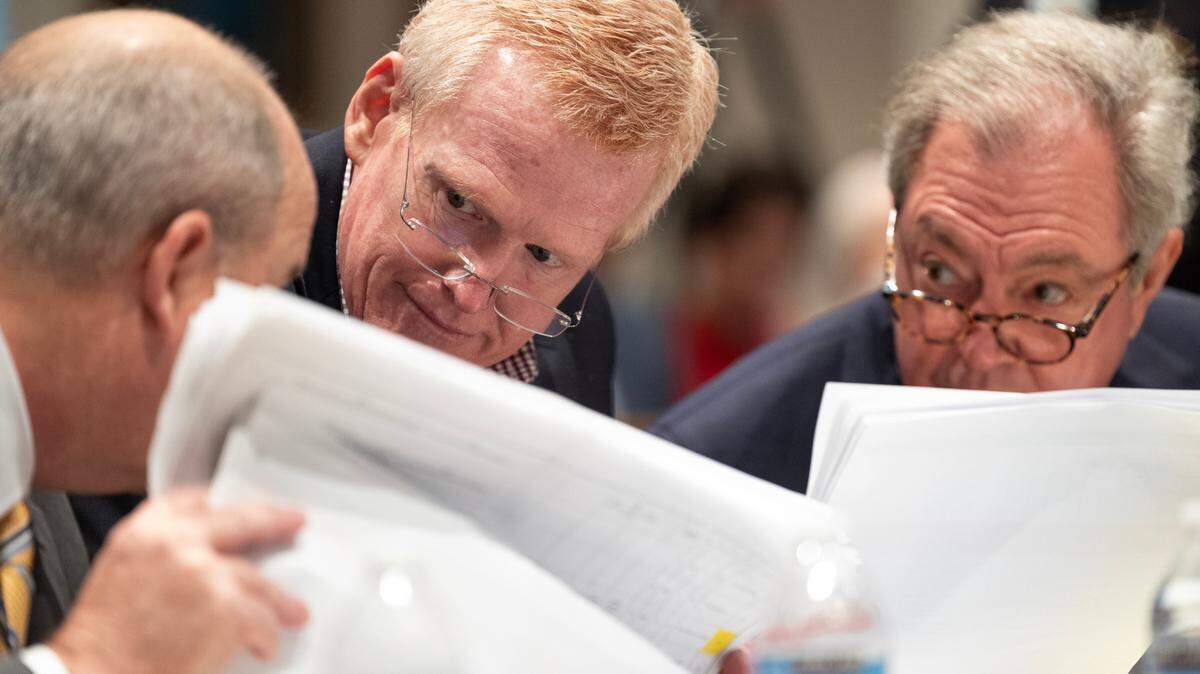
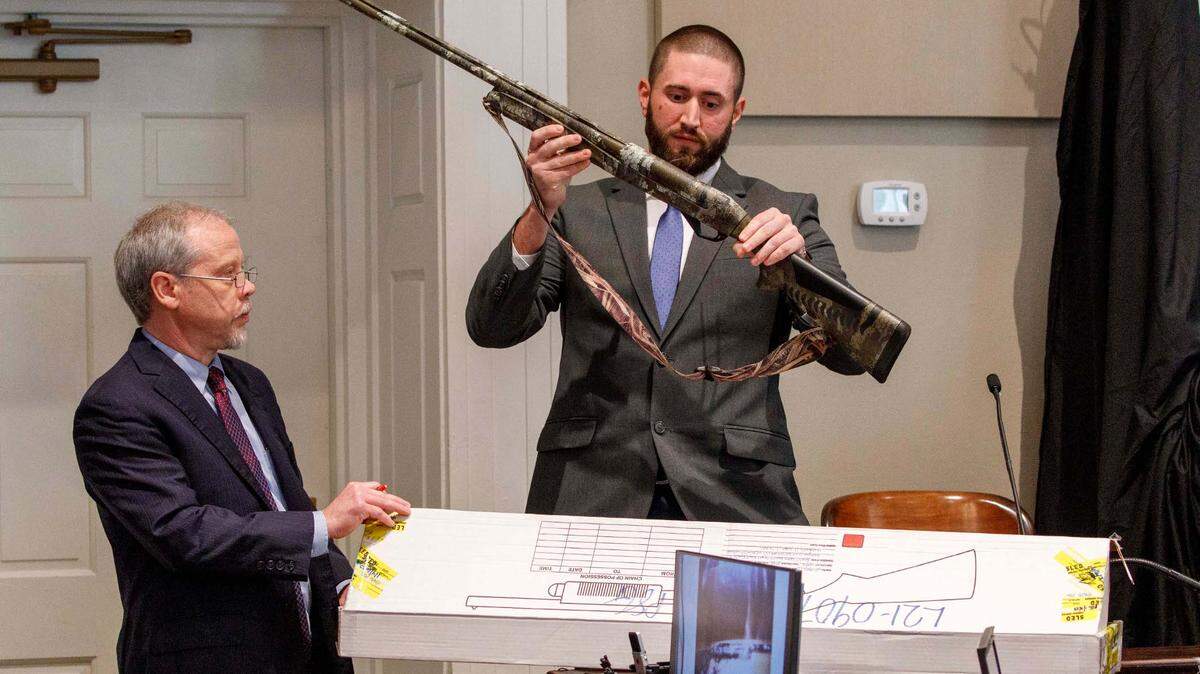
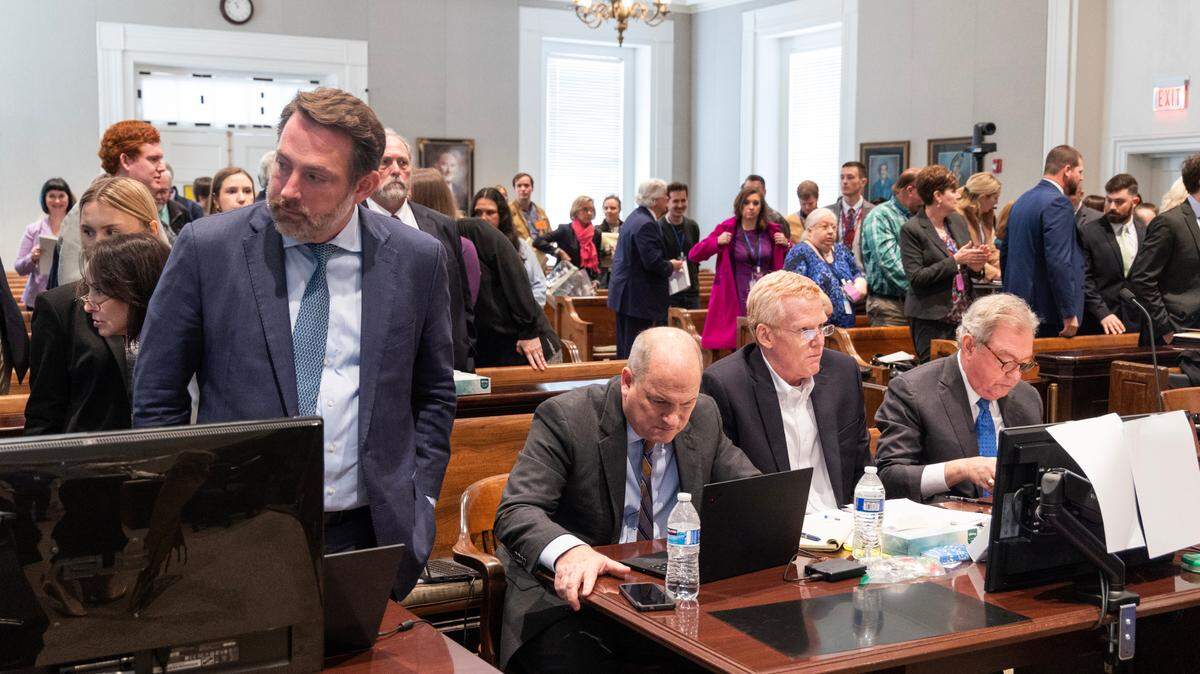
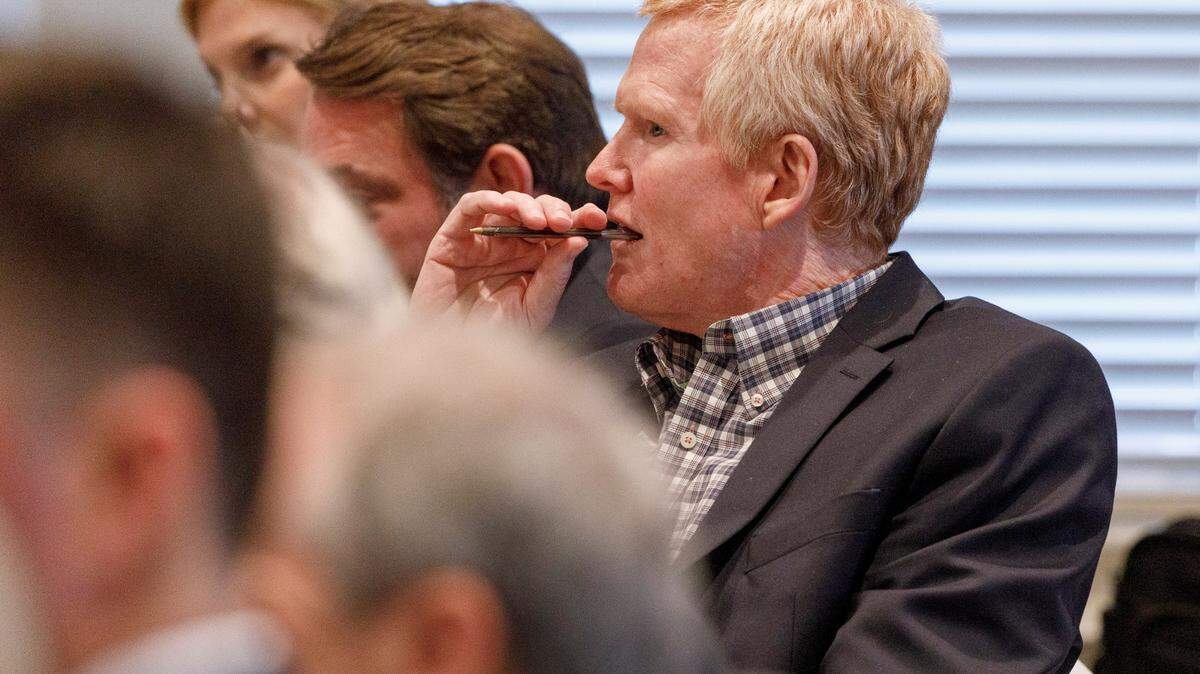
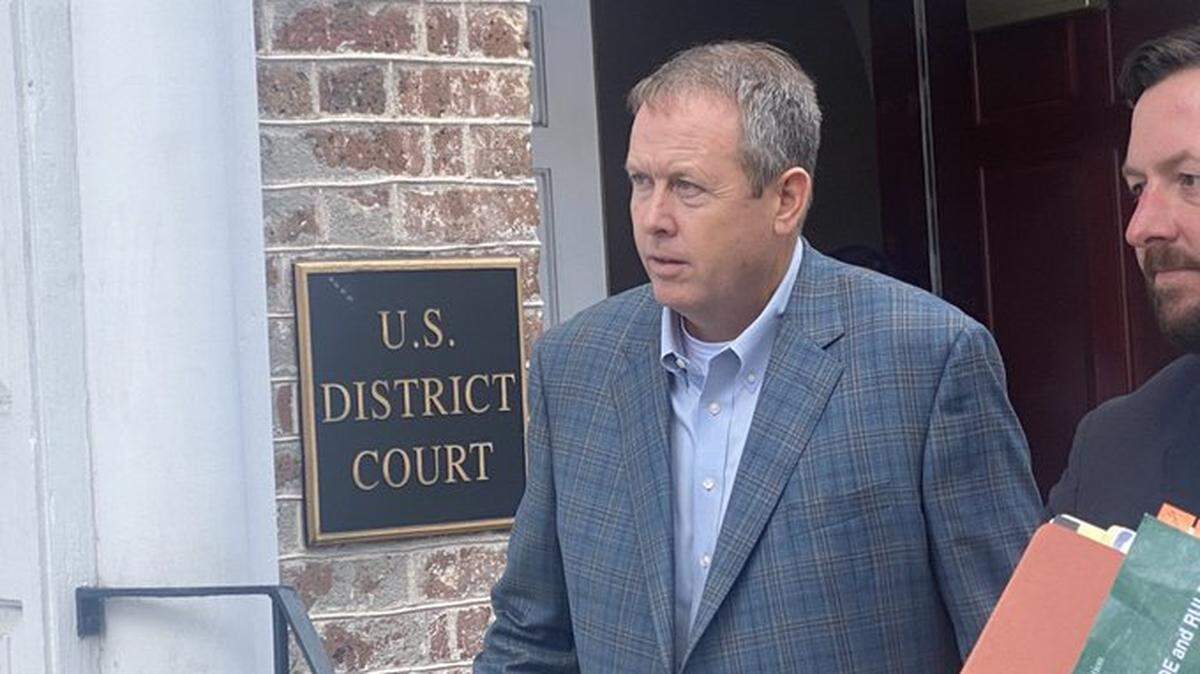
The first week of trial for a once-prominent Lowcountry banker accused of stealing clients’ money for Alex Murdaugh featured new revelations and compelling testimony as federal prosecutors pressed their case against former Palmetto State Bank CEO Russell Laffitte.
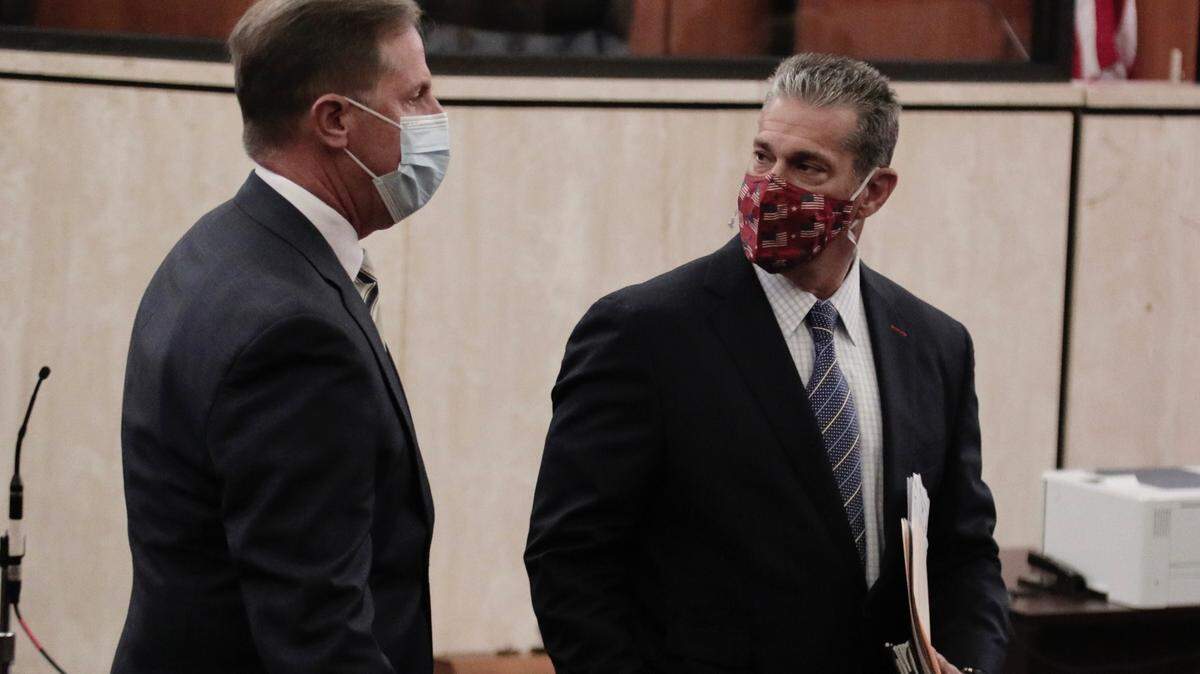
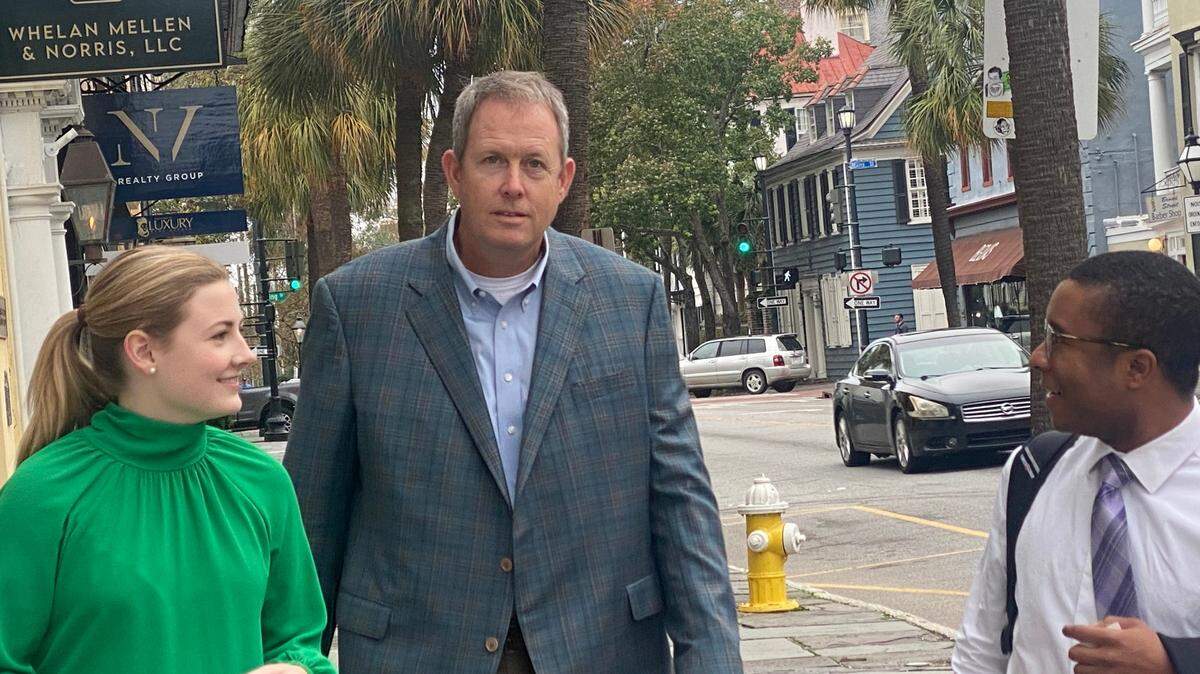
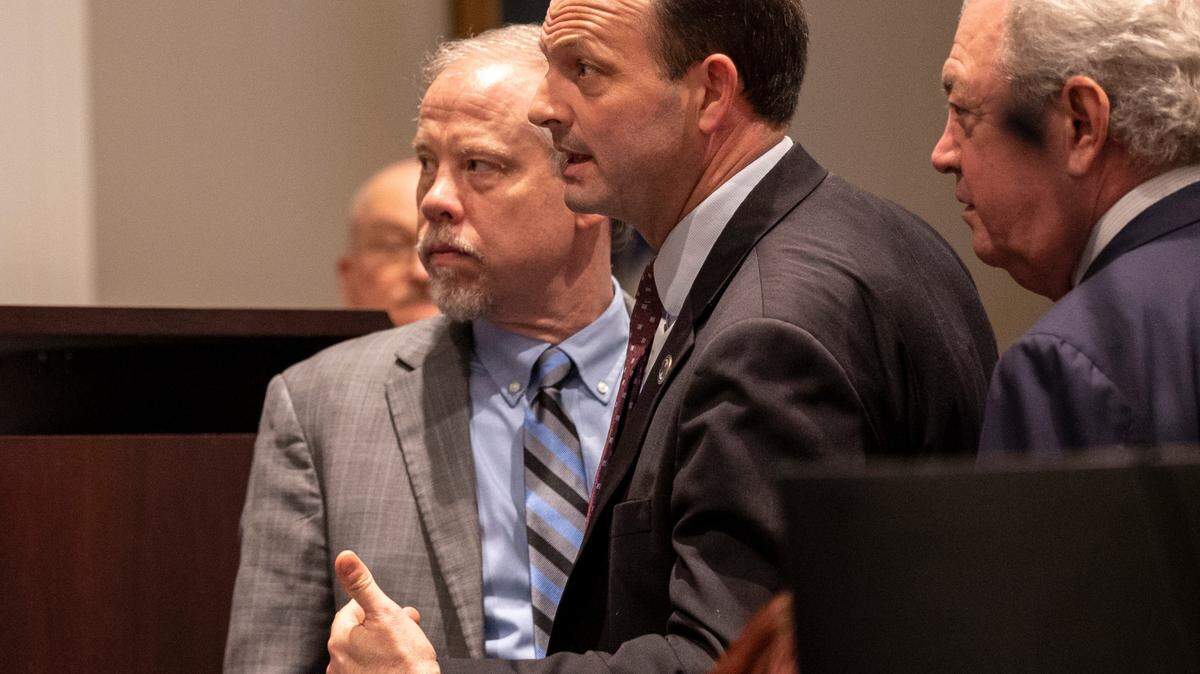
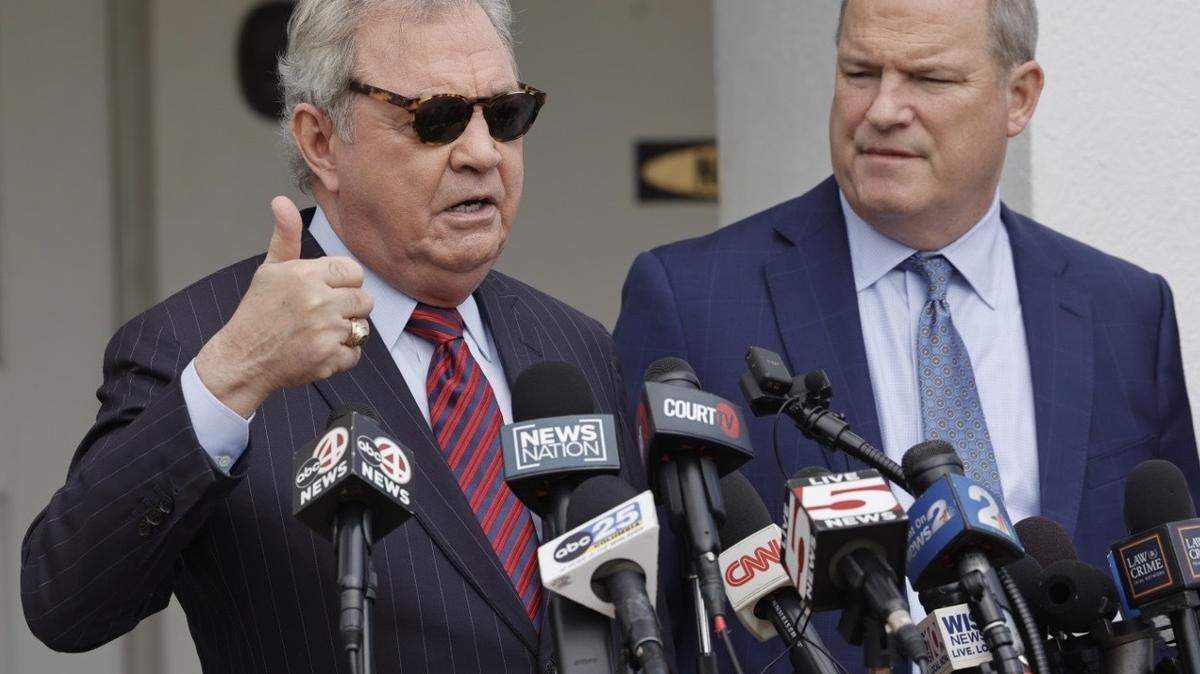
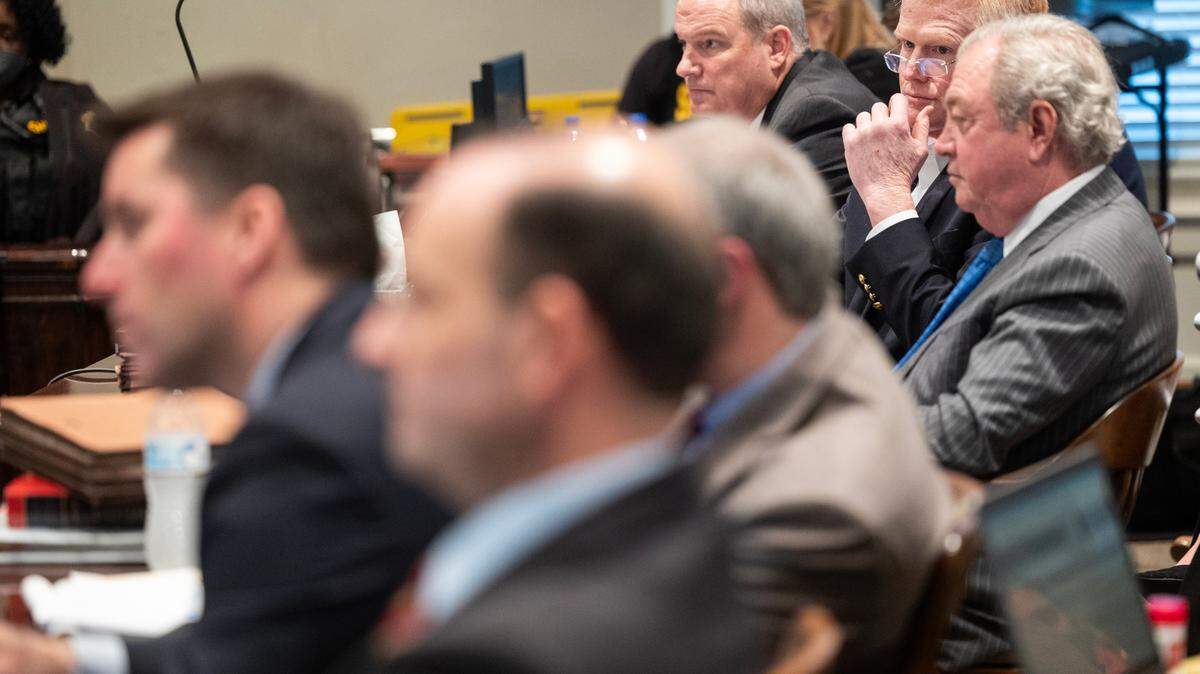
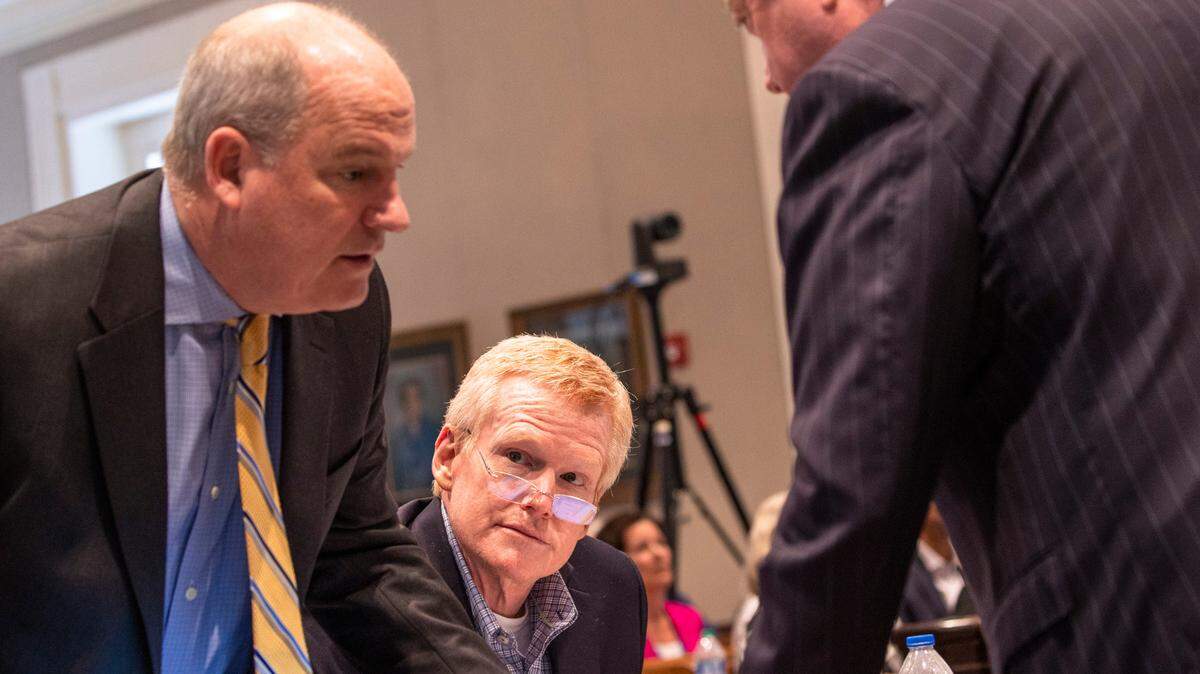
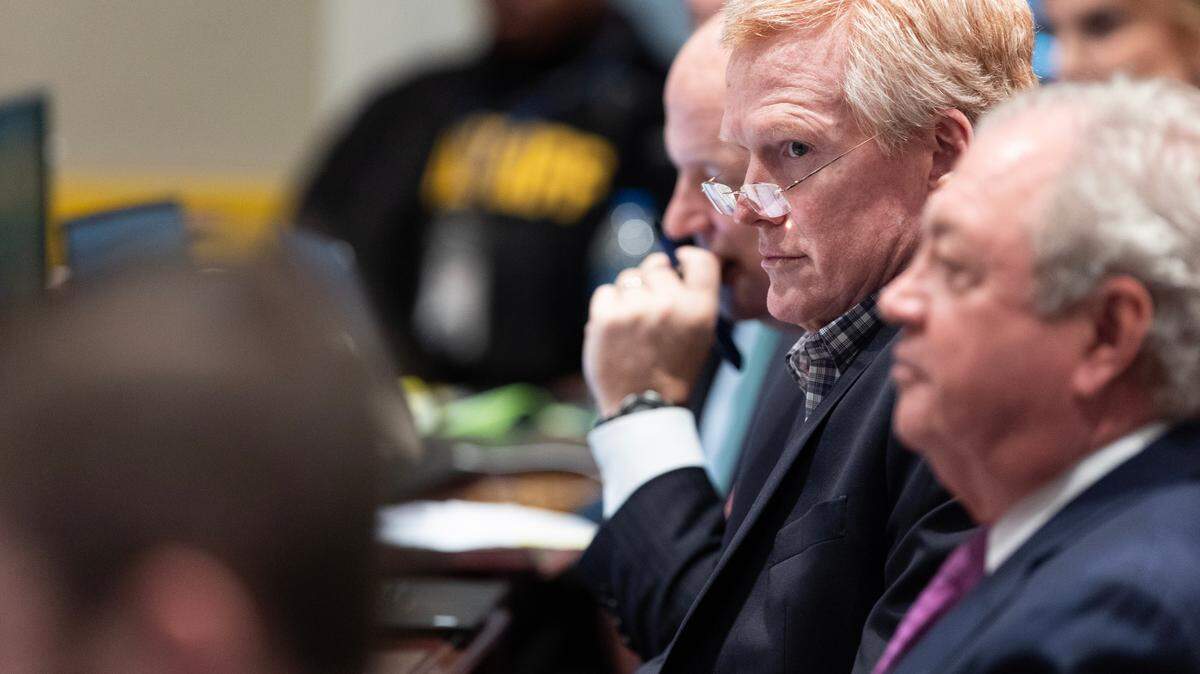
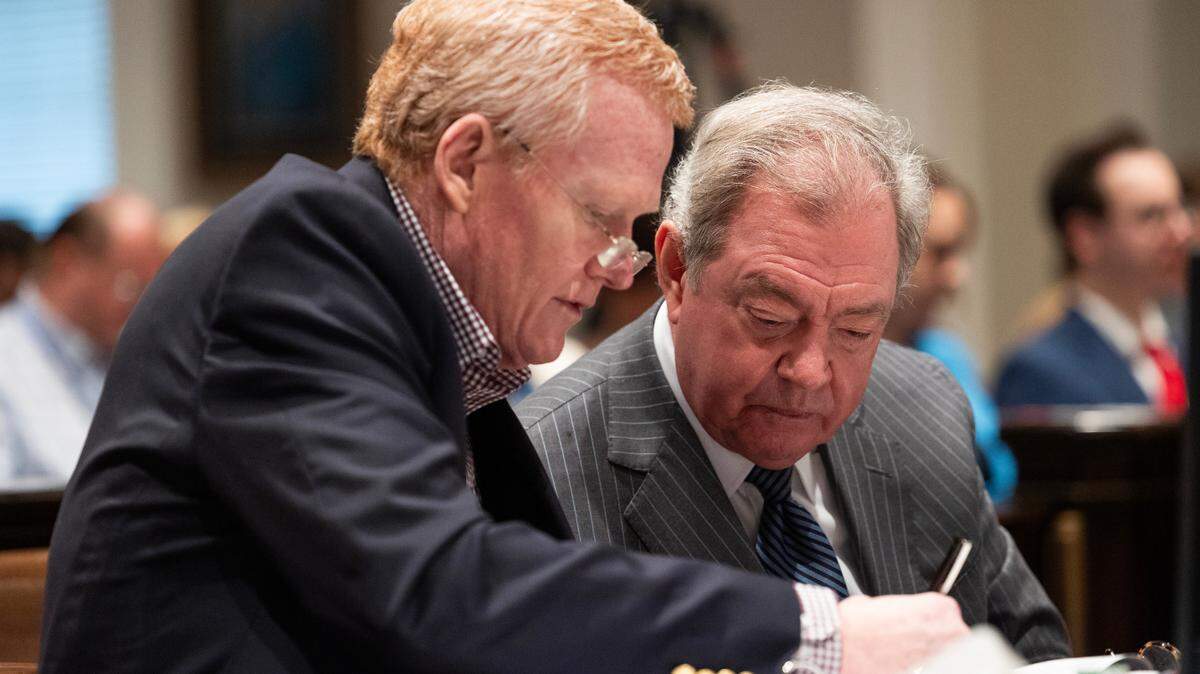
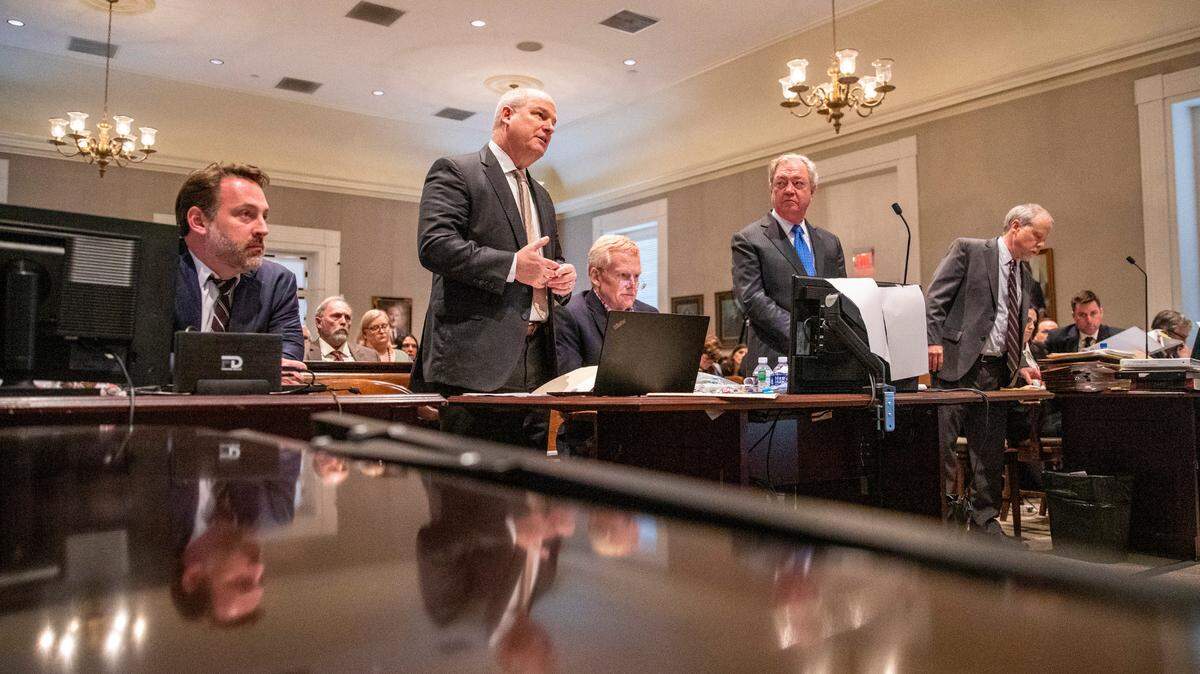
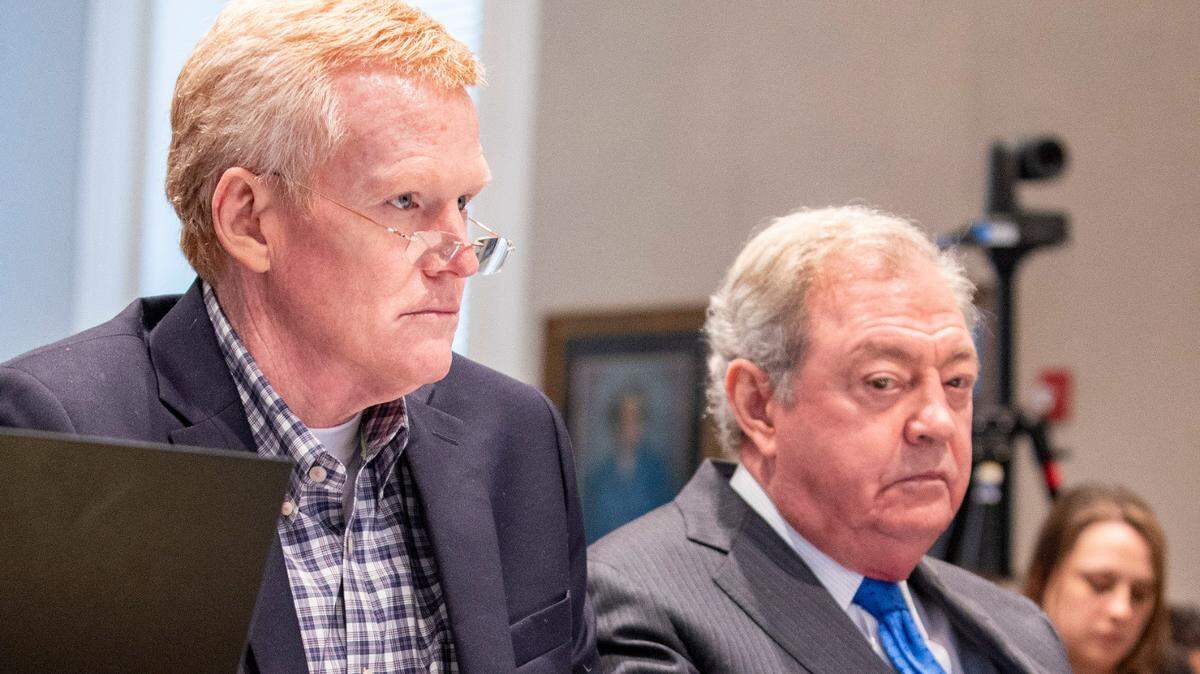
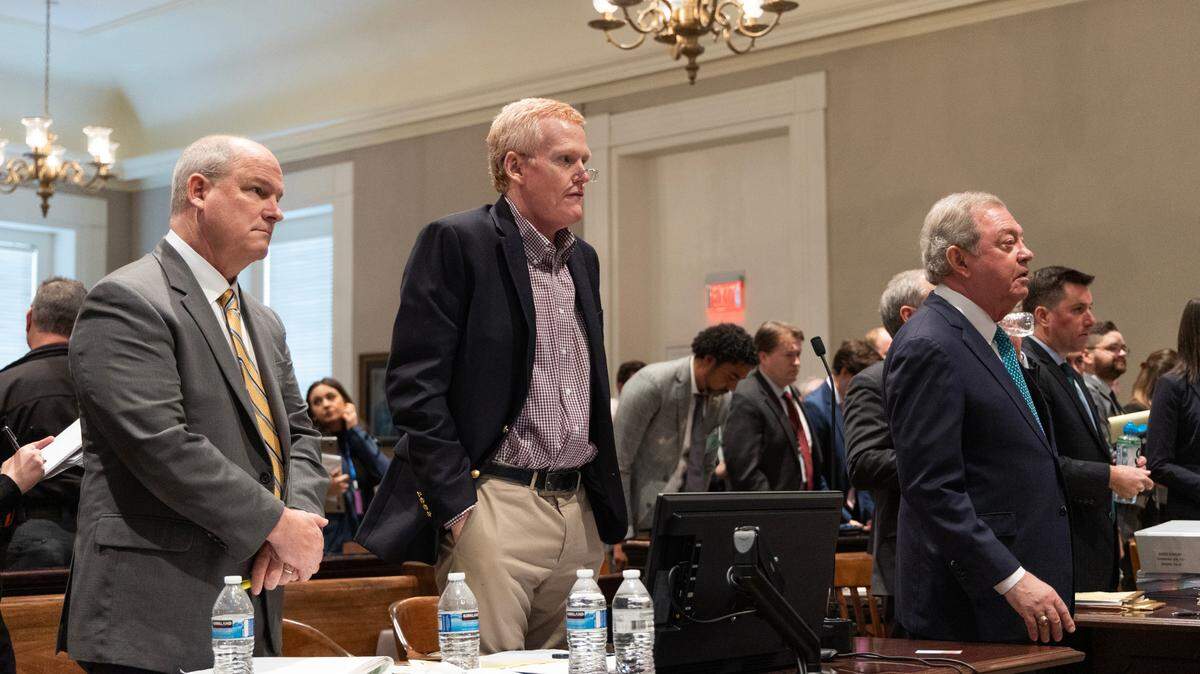
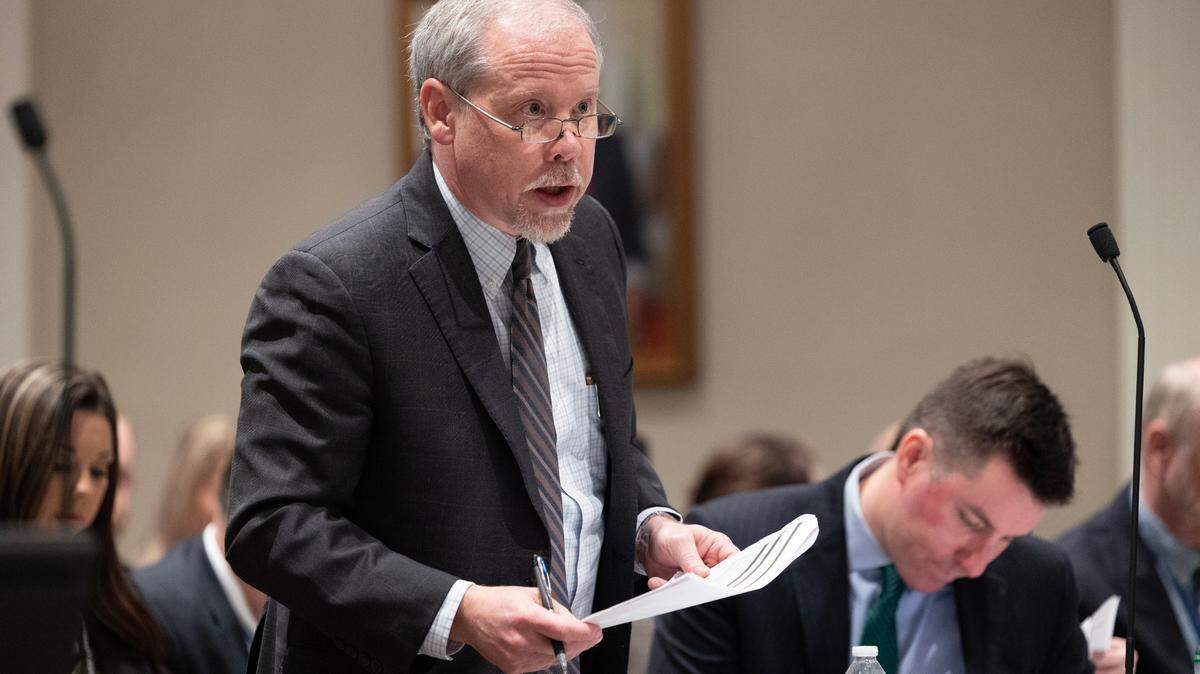
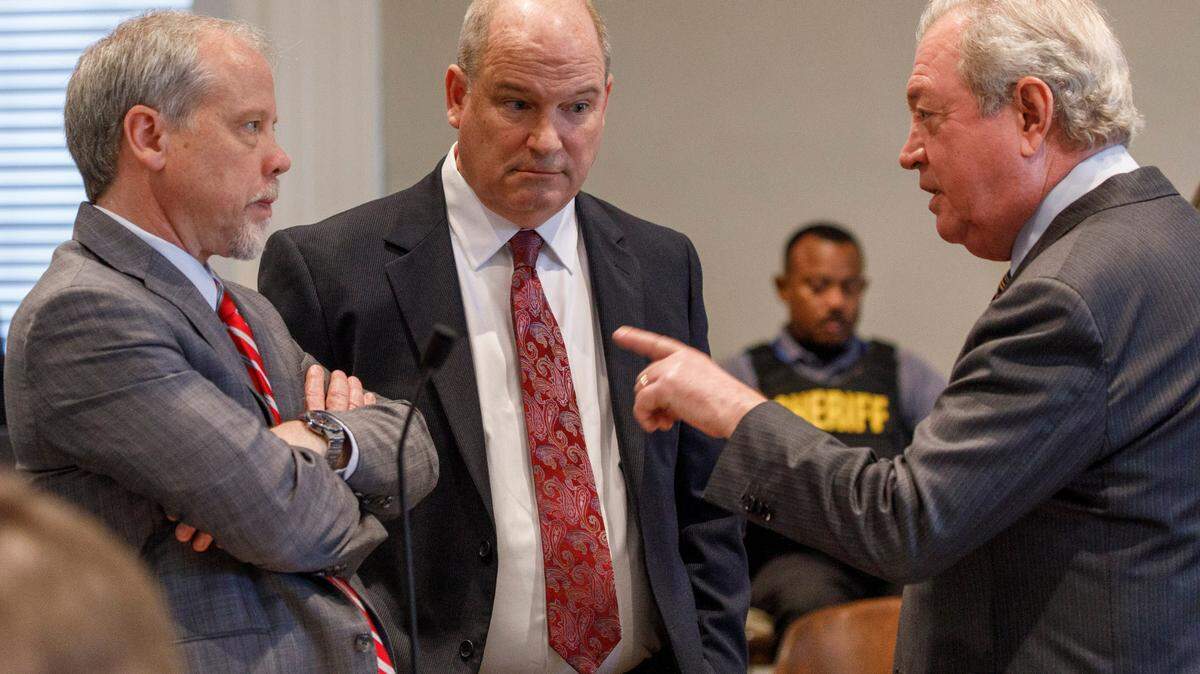
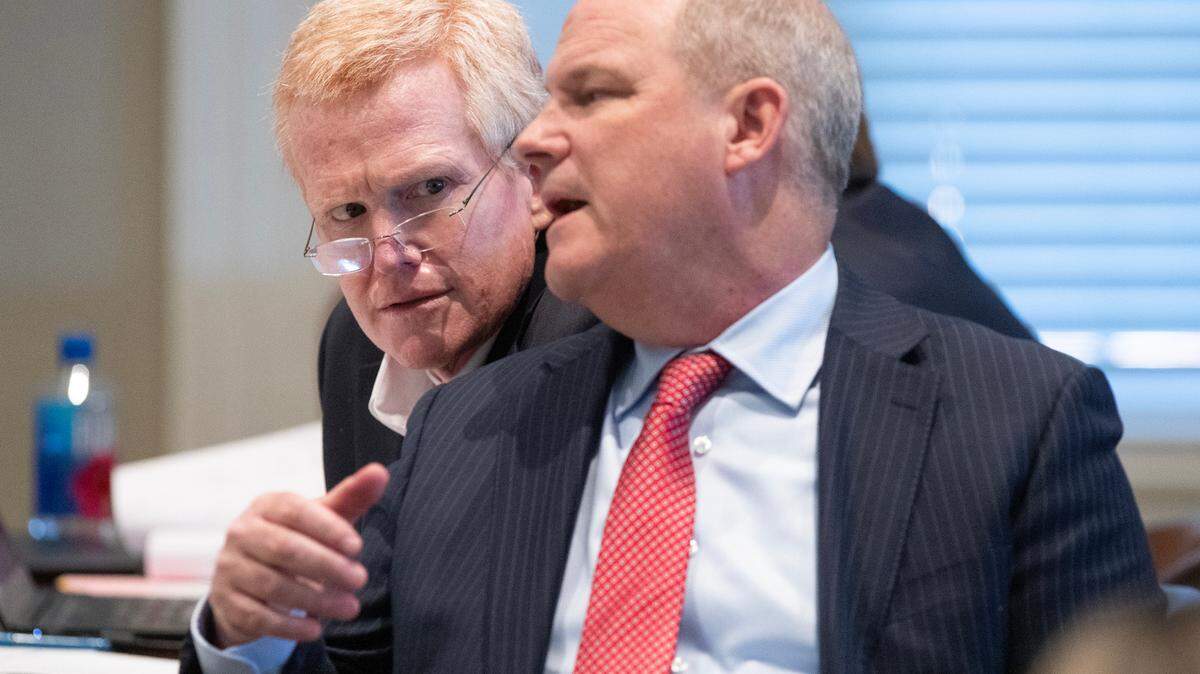
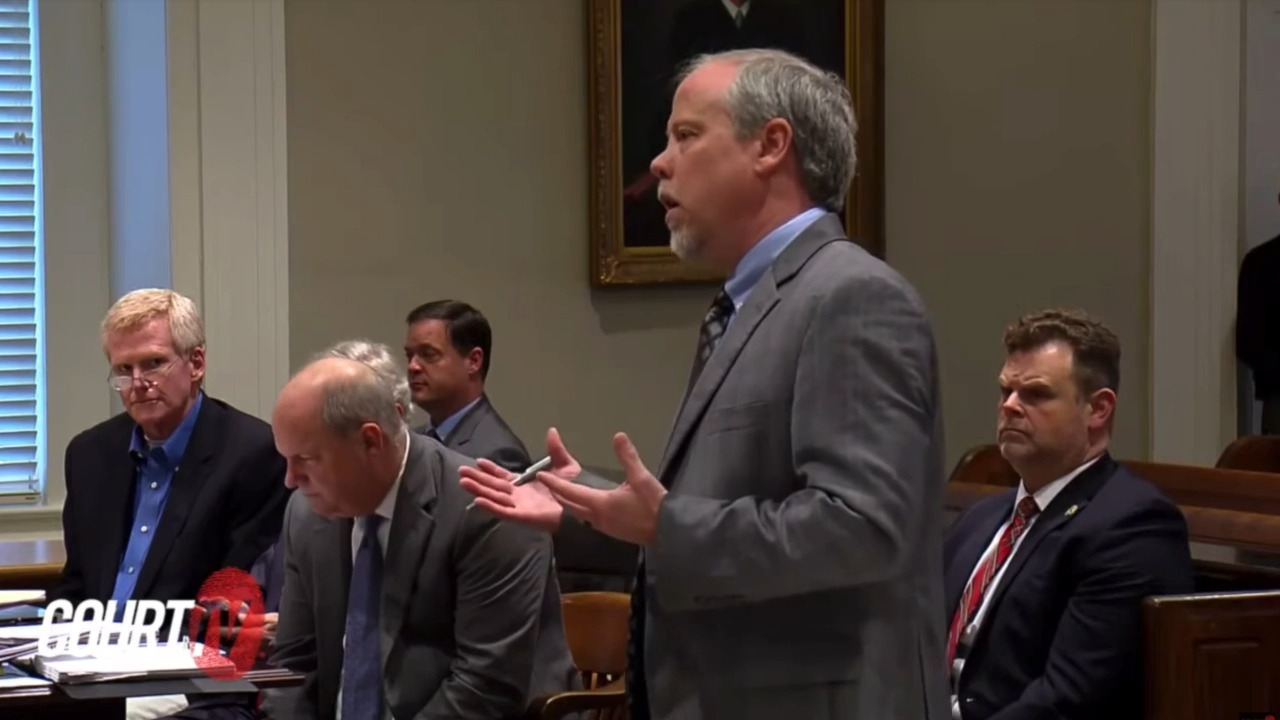
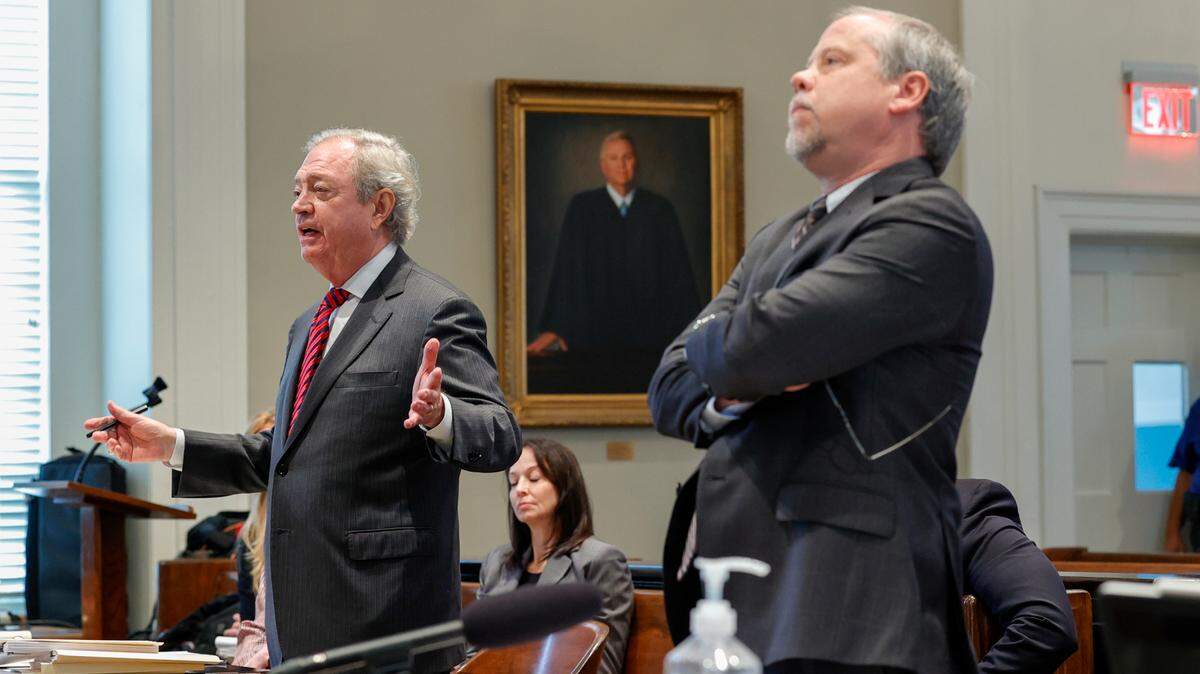
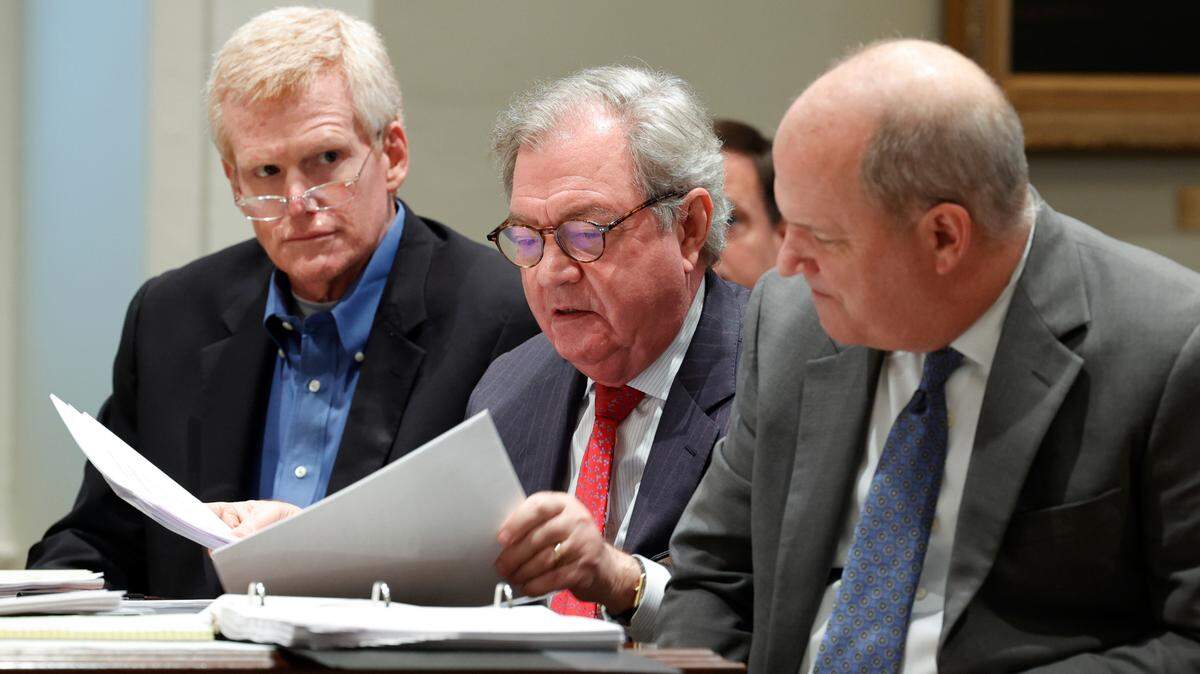
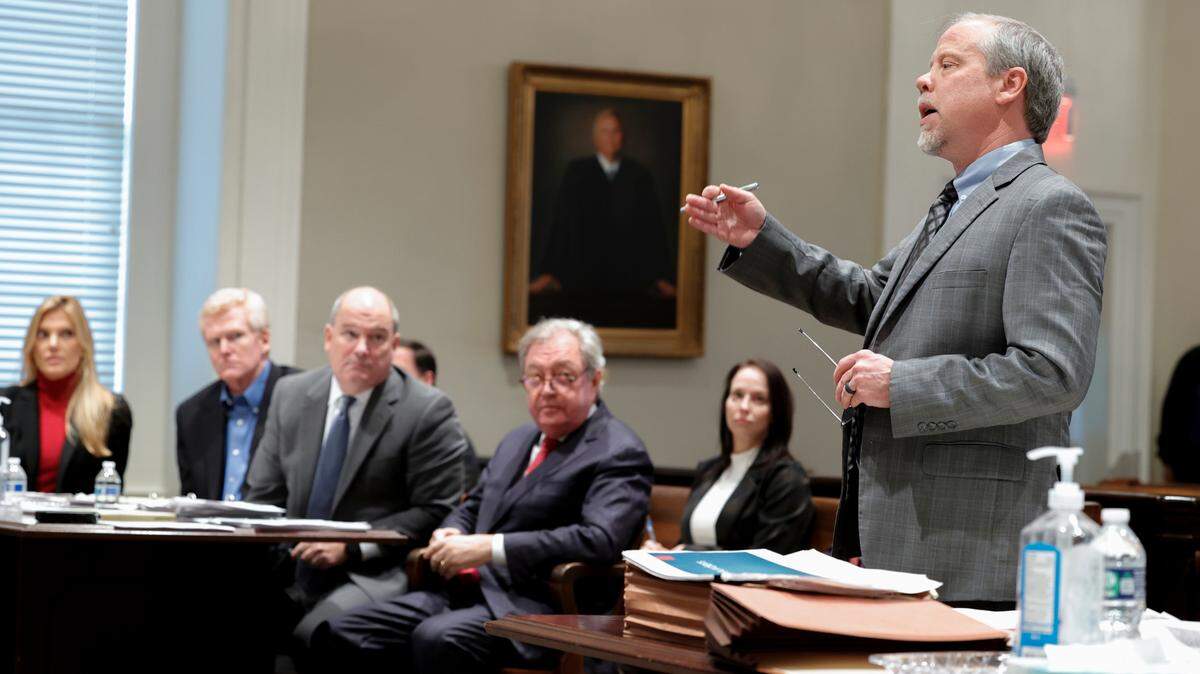
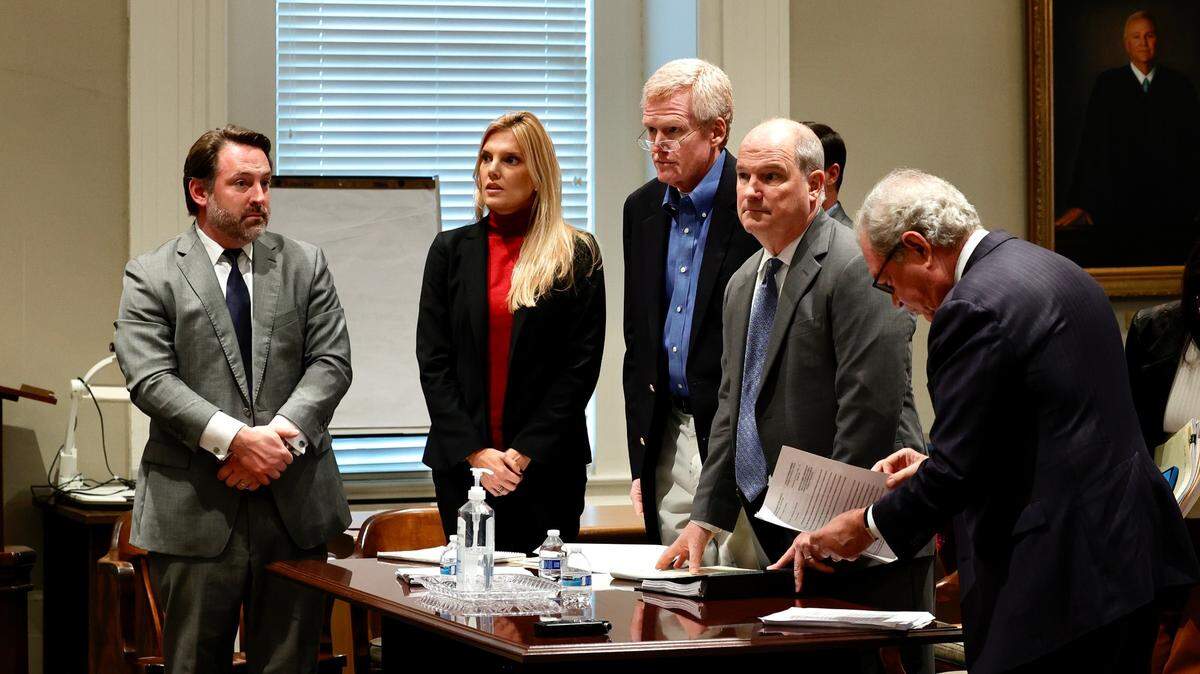
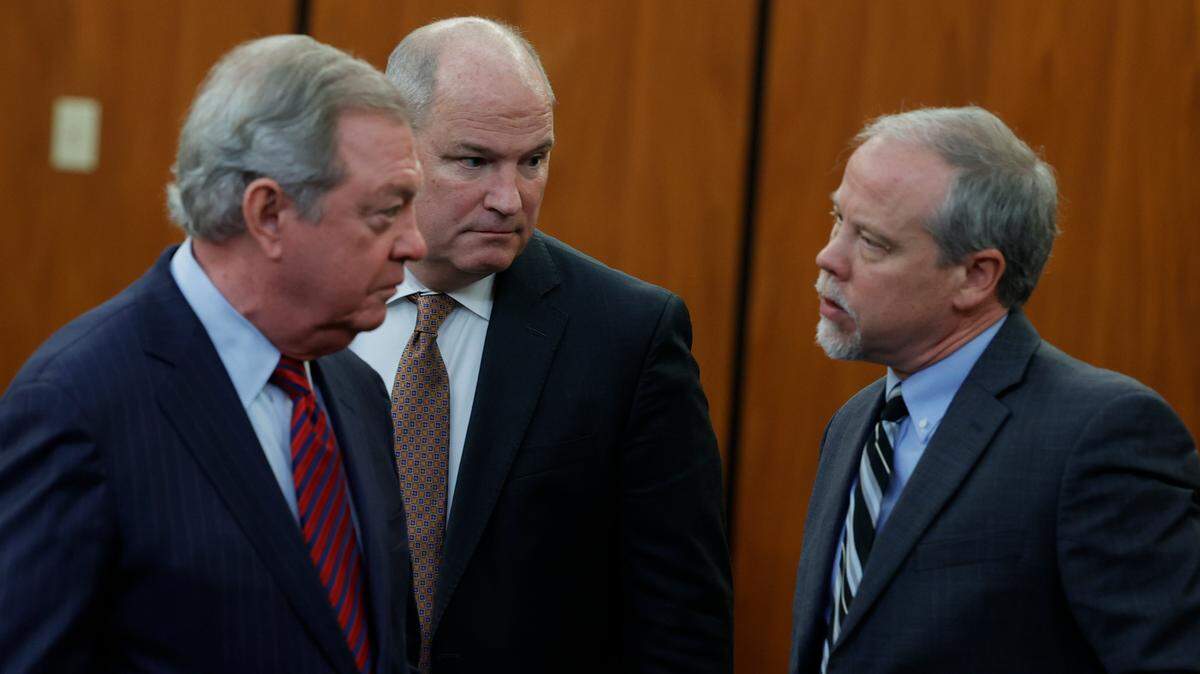
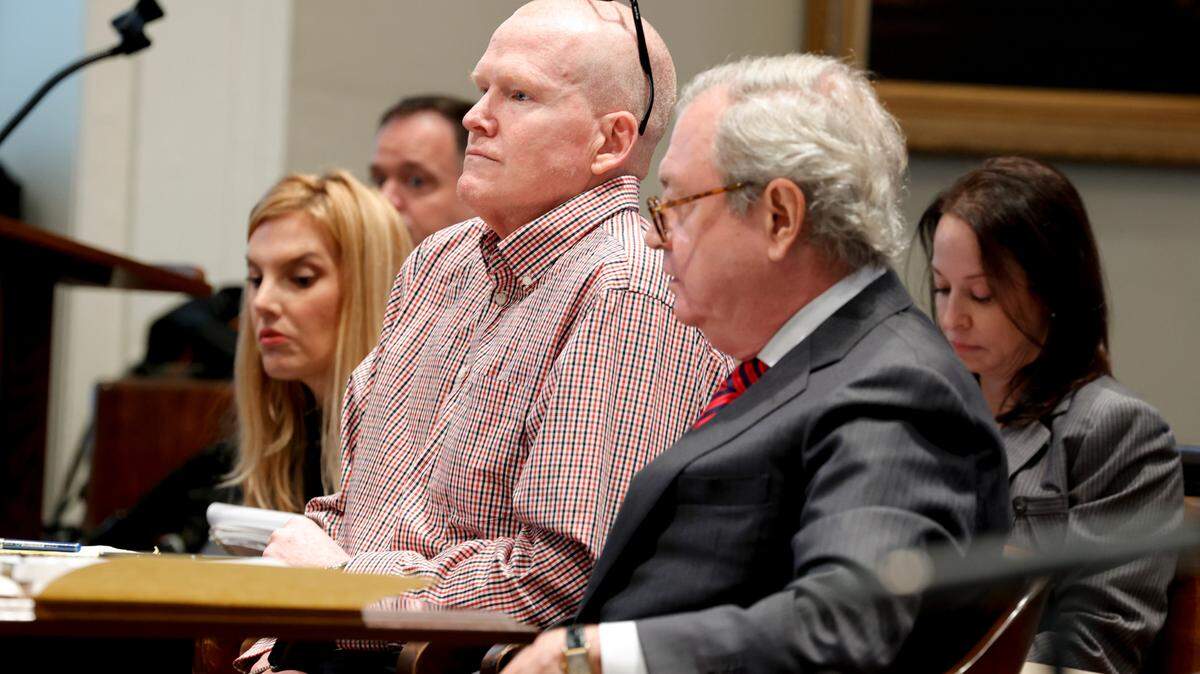
Laffitte’s defense team, headed by Nelson Mullins attorney Bart Daniel, has not yet called any witnesses of their own, but has set the stage for their defense of Laffitte’s withdrawal of hundreds of thousands of dollars from the accounts of accident victims at Murdaugh’s request. The defense contends Laffitte was duped, as were many others, by Murdaugh.
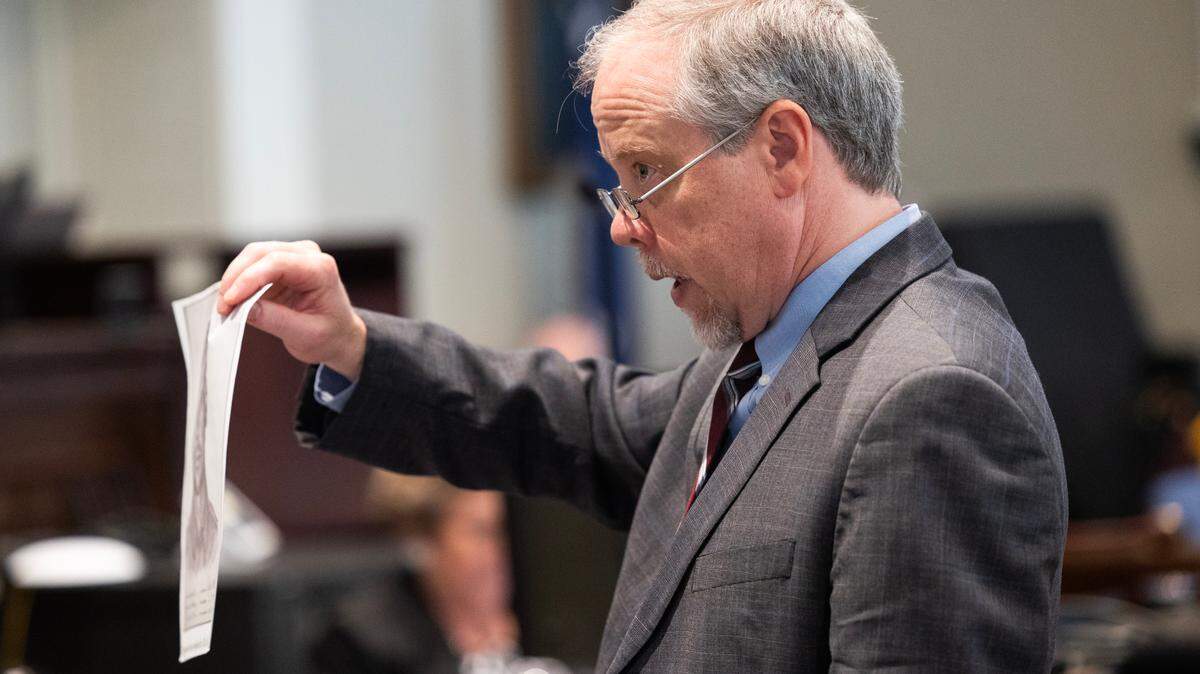
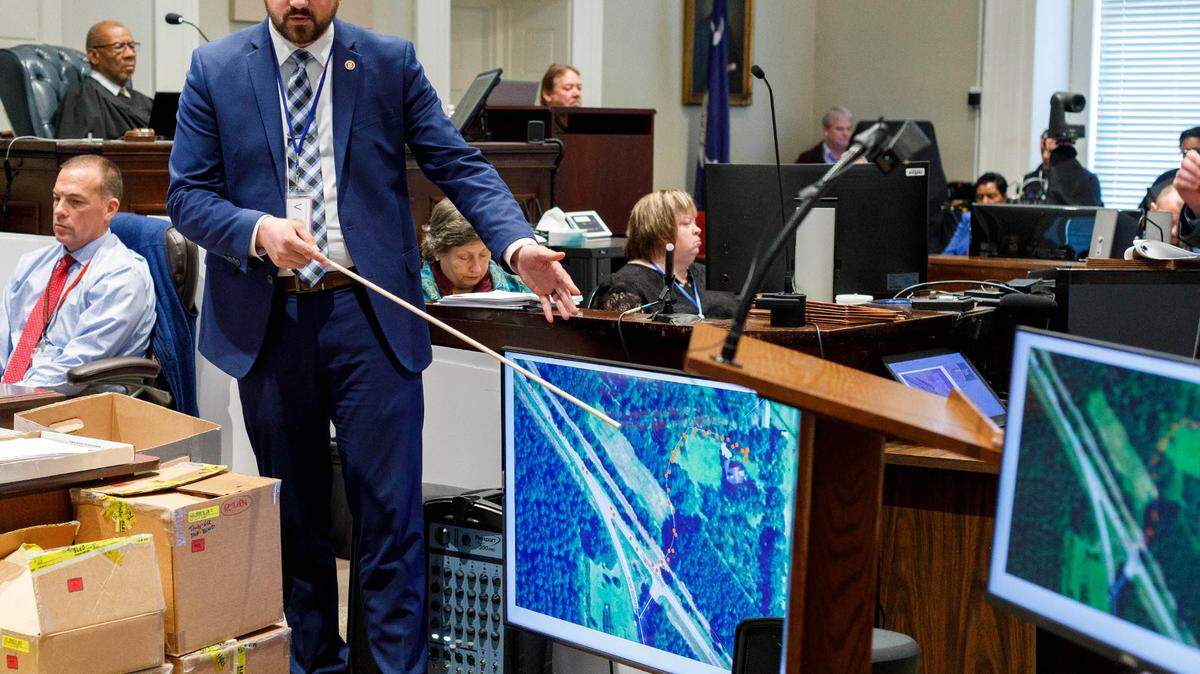
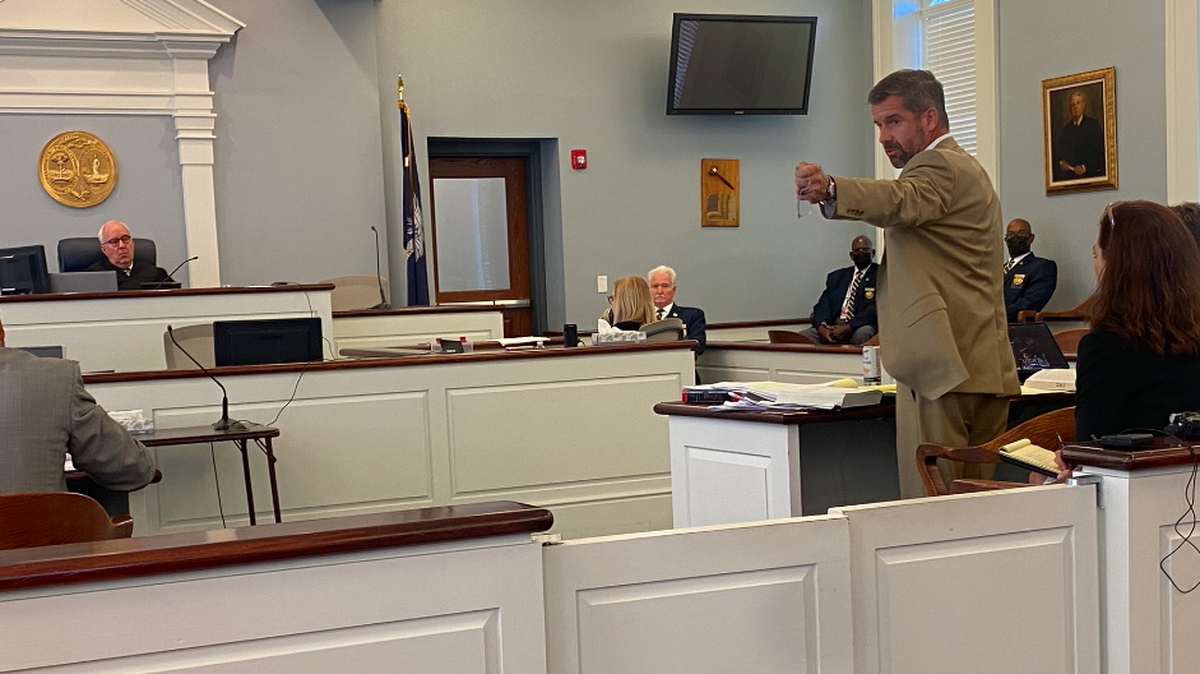
Meanwhile, the U.S. Attorney’s office, led by prosecutor Emily Limehouse, called a slate of witnesses during the first week who testified that Laffitte’s moves were a surprise to both the bank and Murdaugh’s former law firm, and exceeded what is considered proper and legal conduct by a banker.
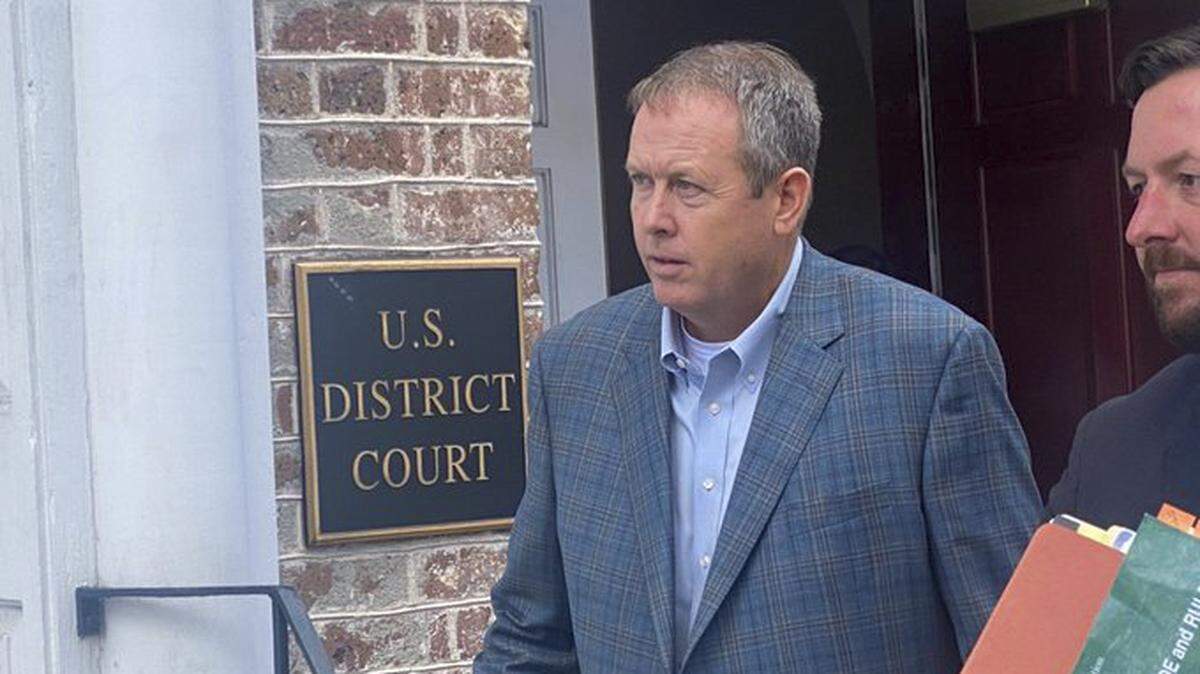
The trial will resume Monday at the federal courthouse in Charleston, and is expected to continue for at least another week. Here are some of the highlights from week one of the Laffitte trial.
Missing Murdaugh?
One of the most anticipated witnesses in this trial is one who may or may not appear on the stand.
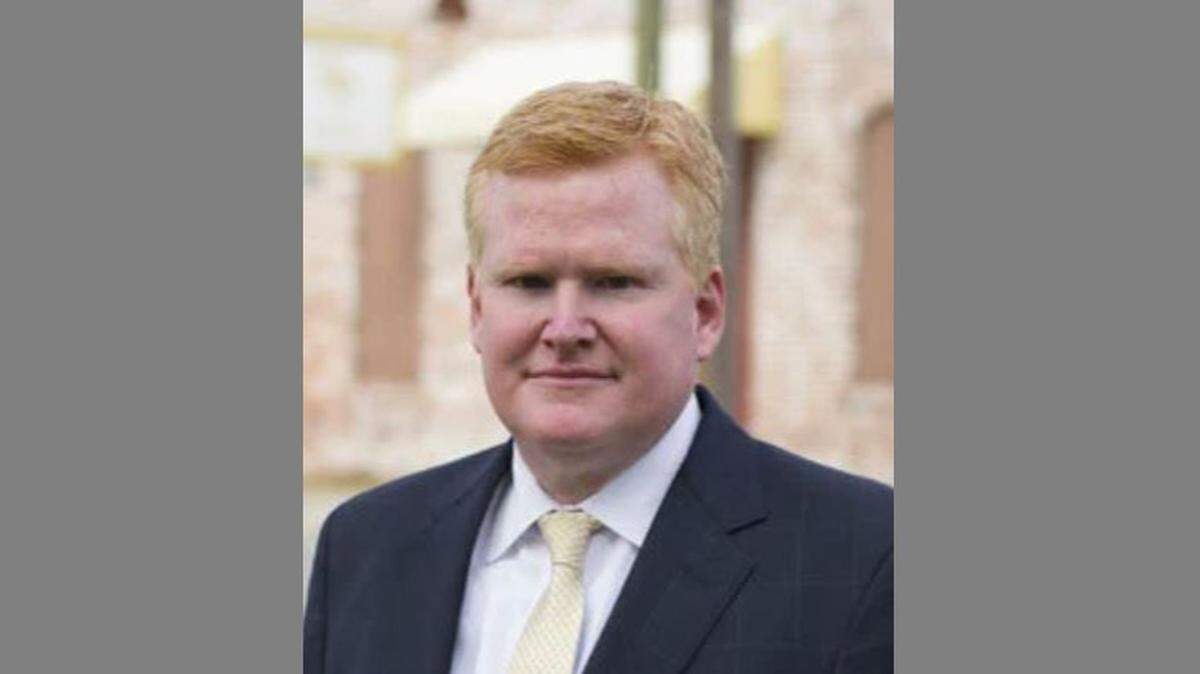
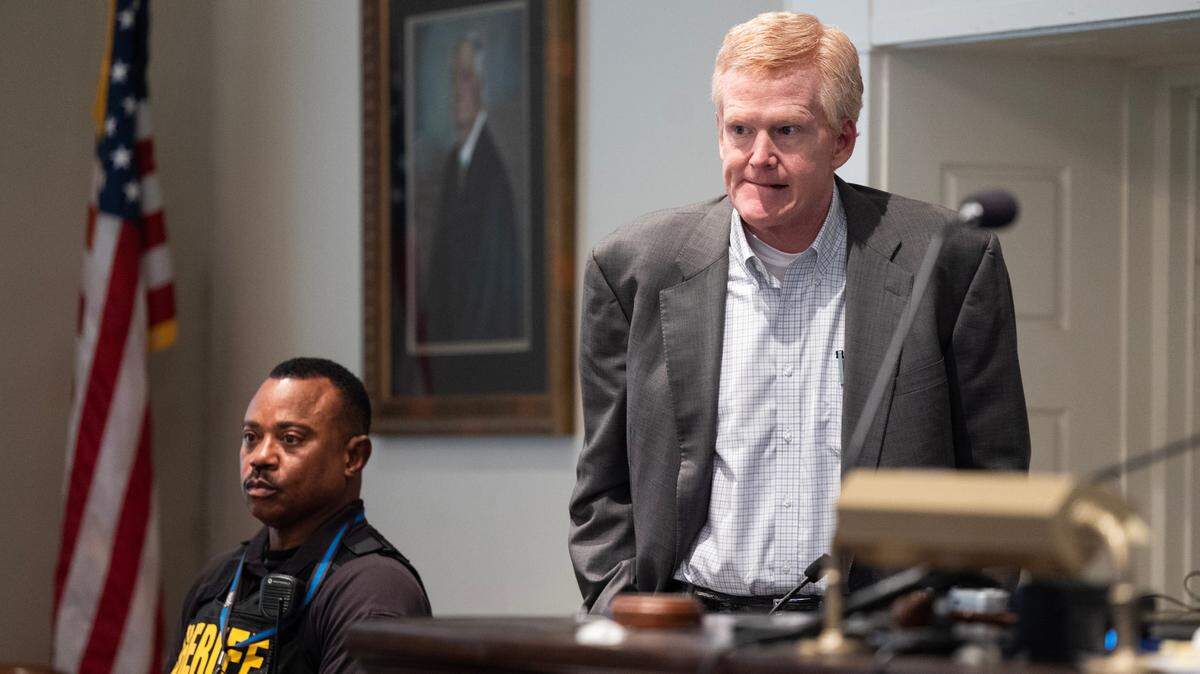
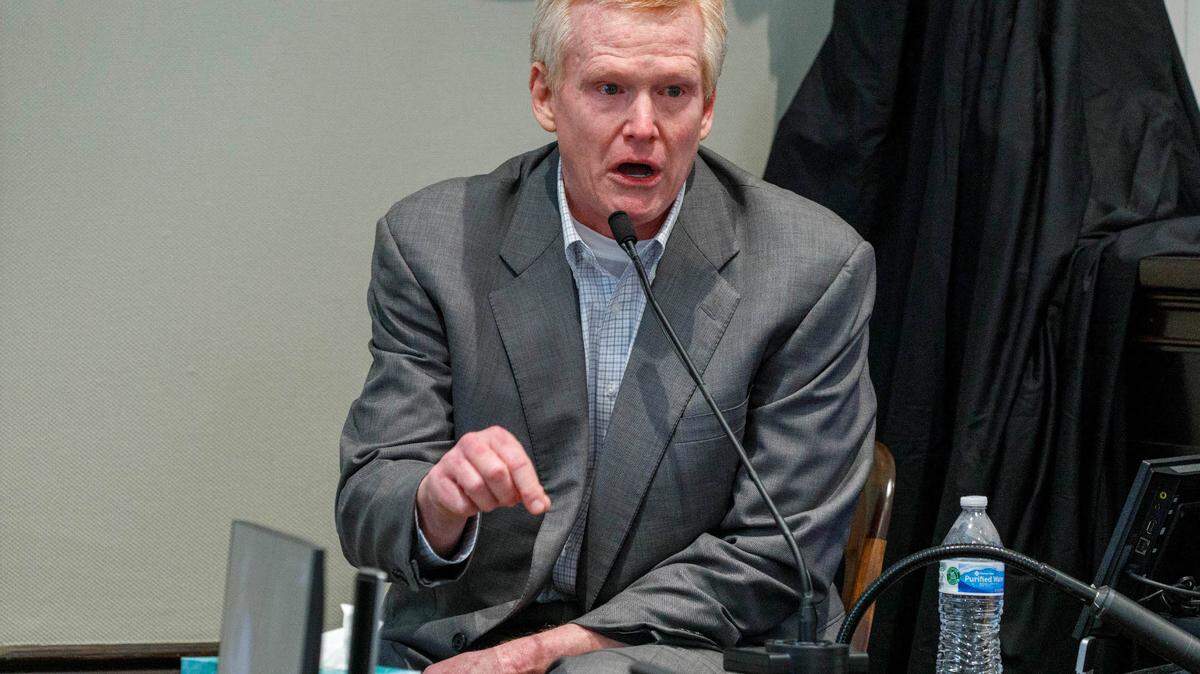
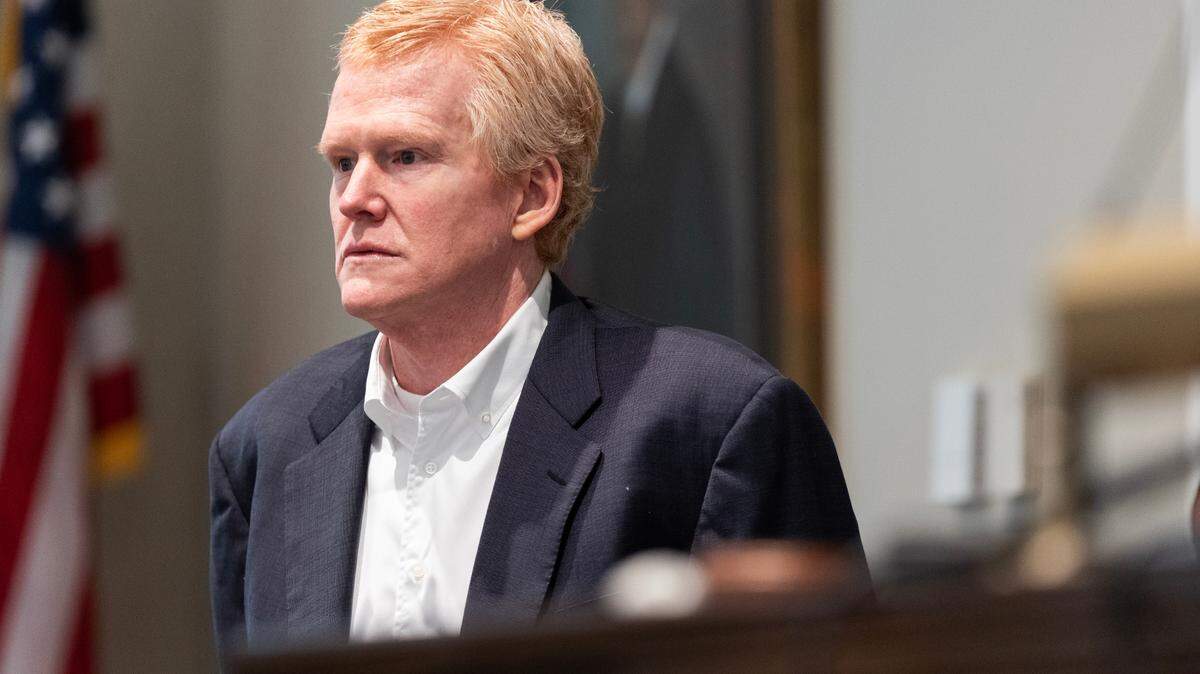
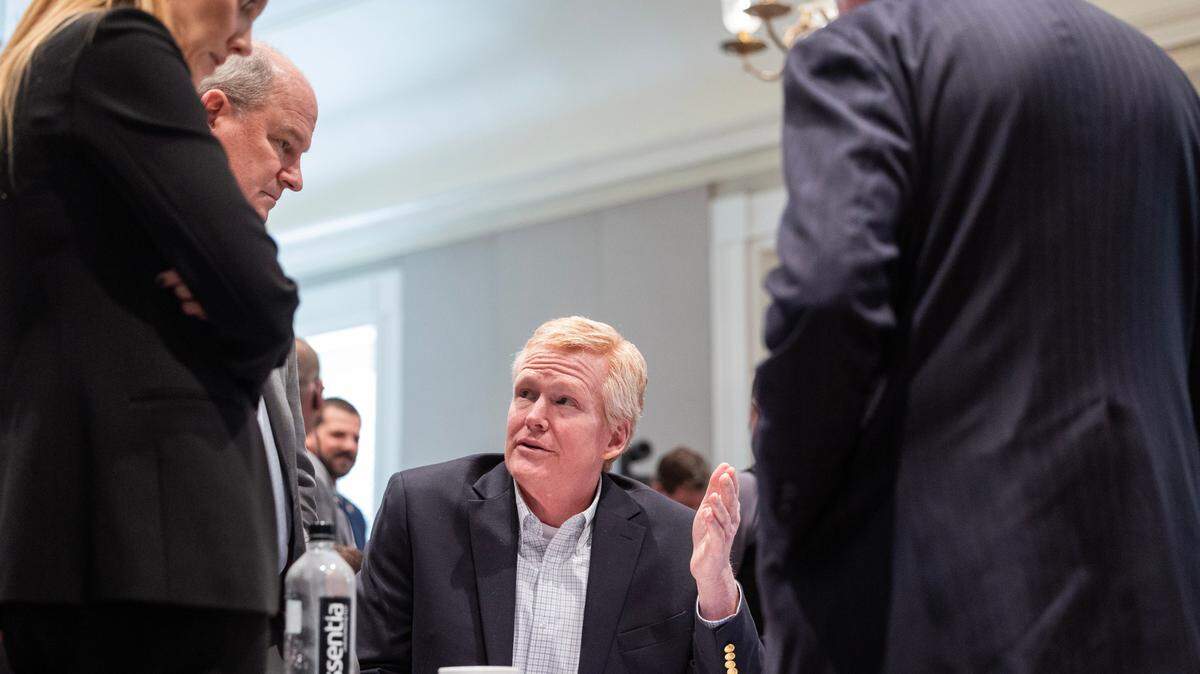
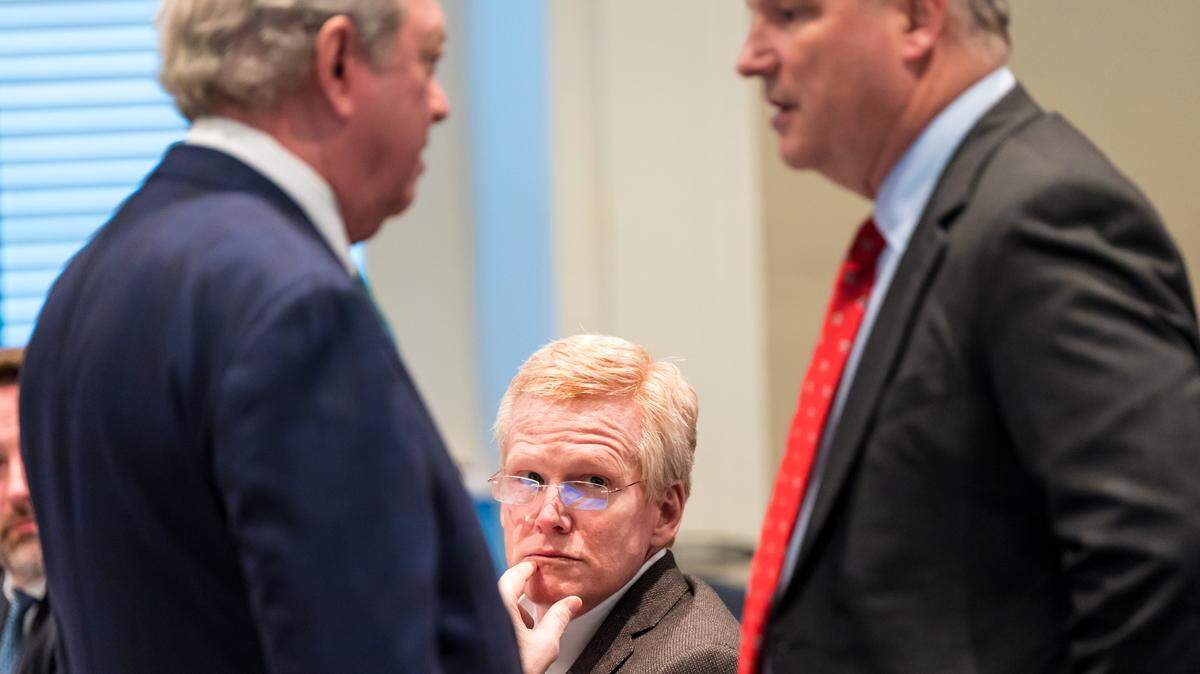
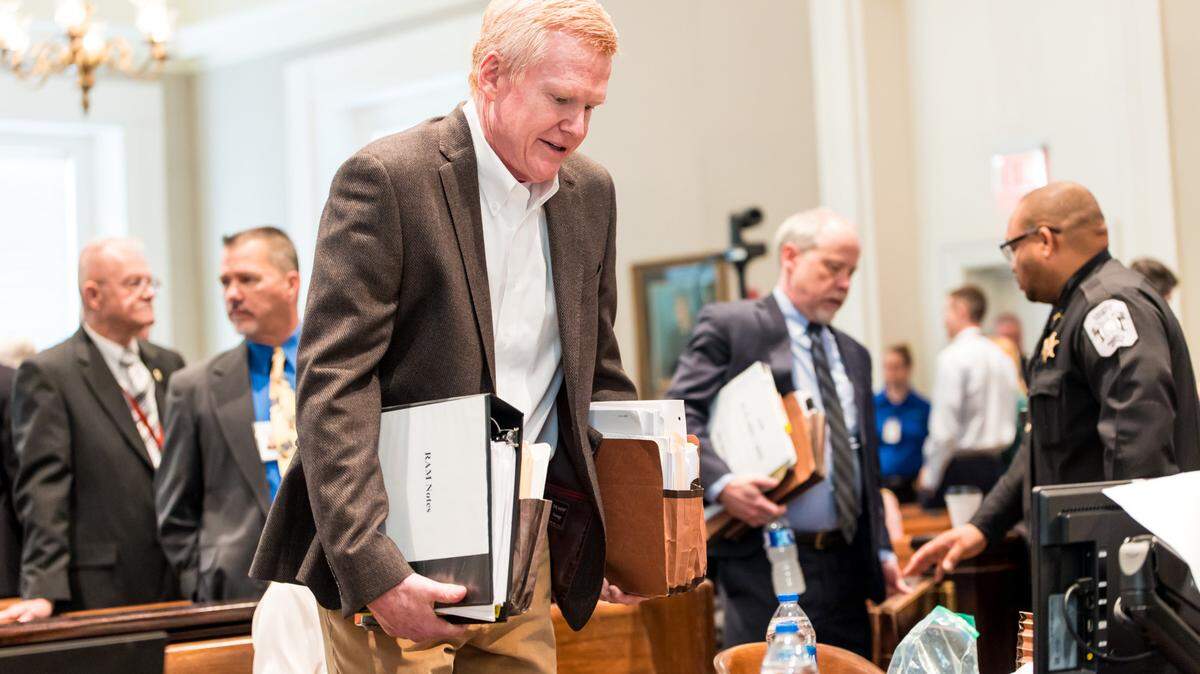
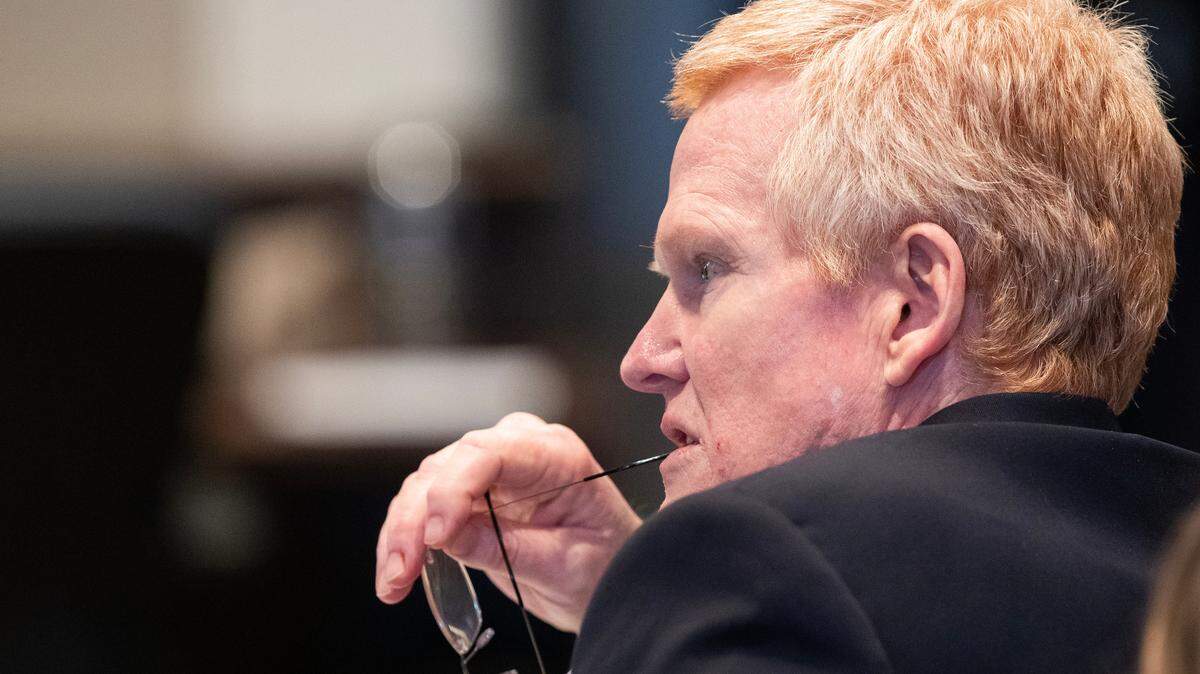
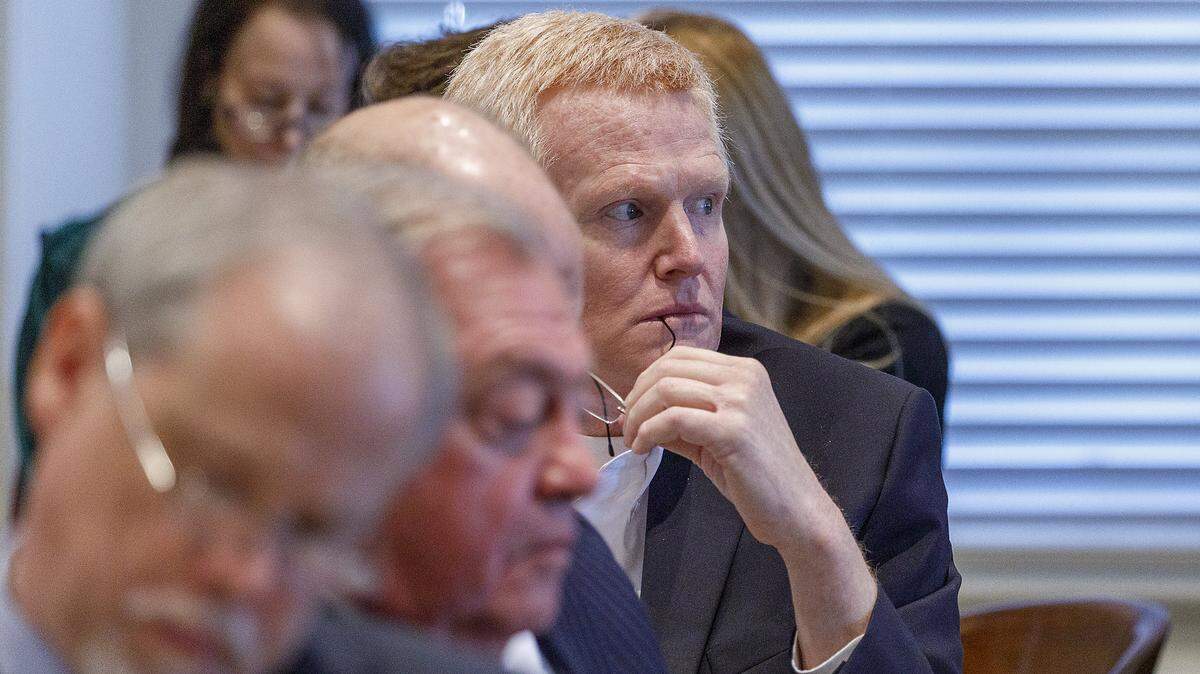
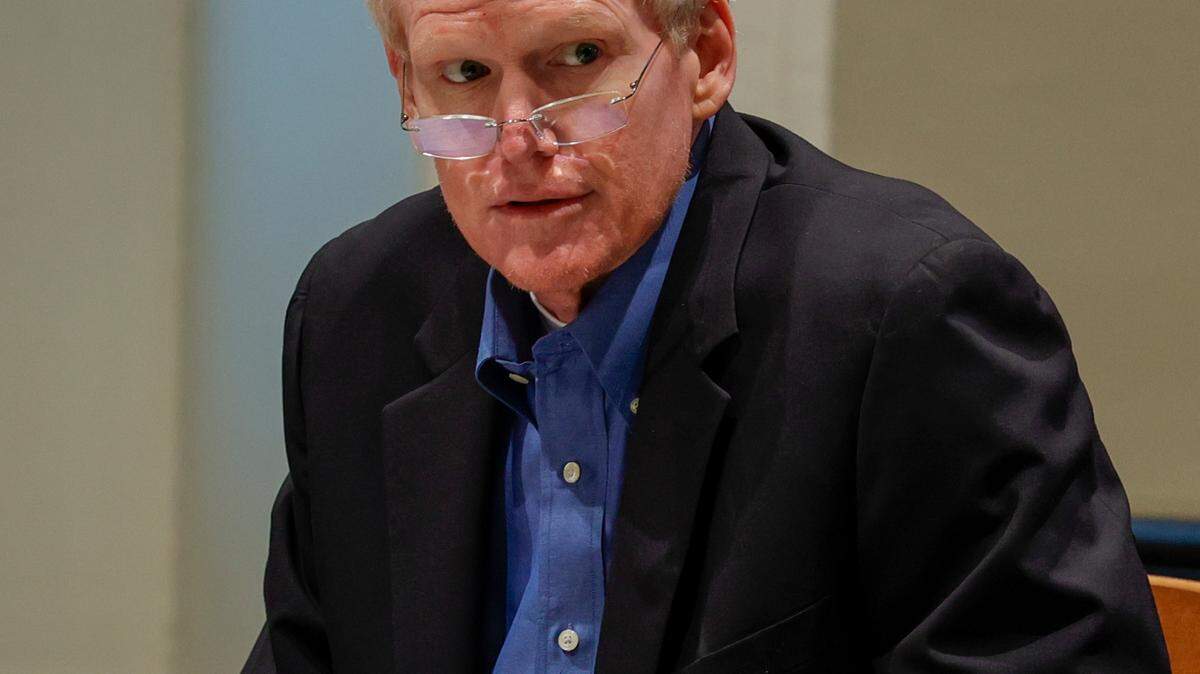
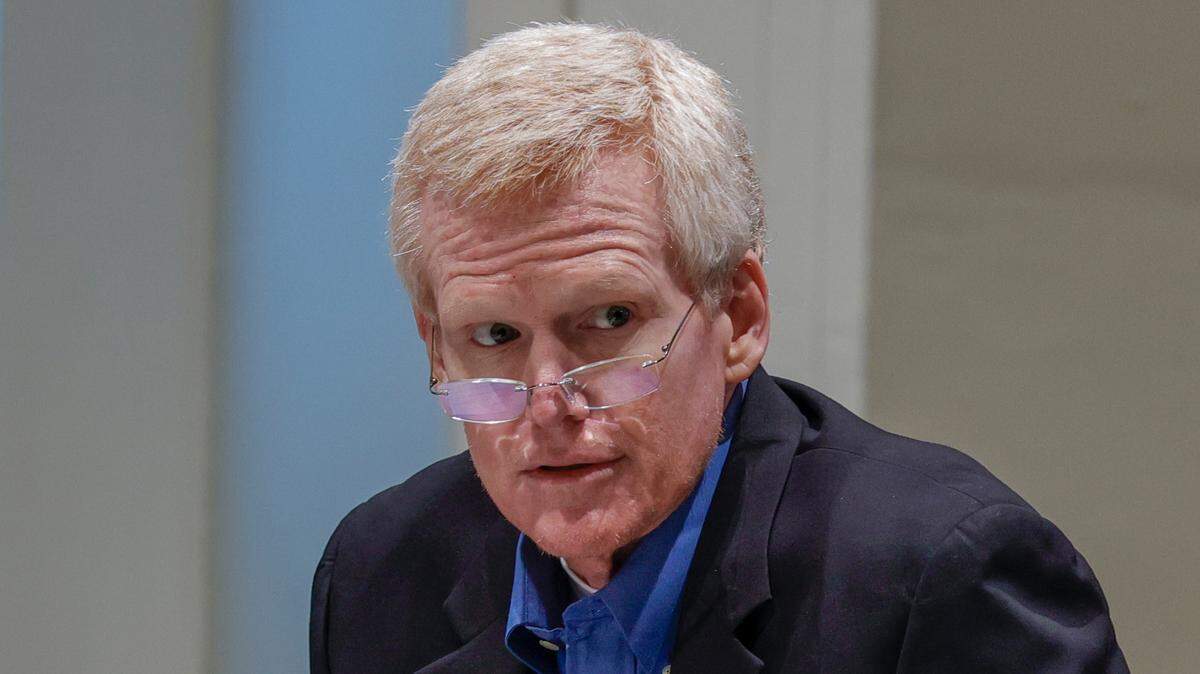
The defense has indicated they plan to call Murdaugh to the stand. A central contention of the defense is that Laffitte was merely acting at the direction of the once-prominent Hampton County attorney, and was yet another person fooled by the financial schemes for which Murdaugh also faces criminal charges.
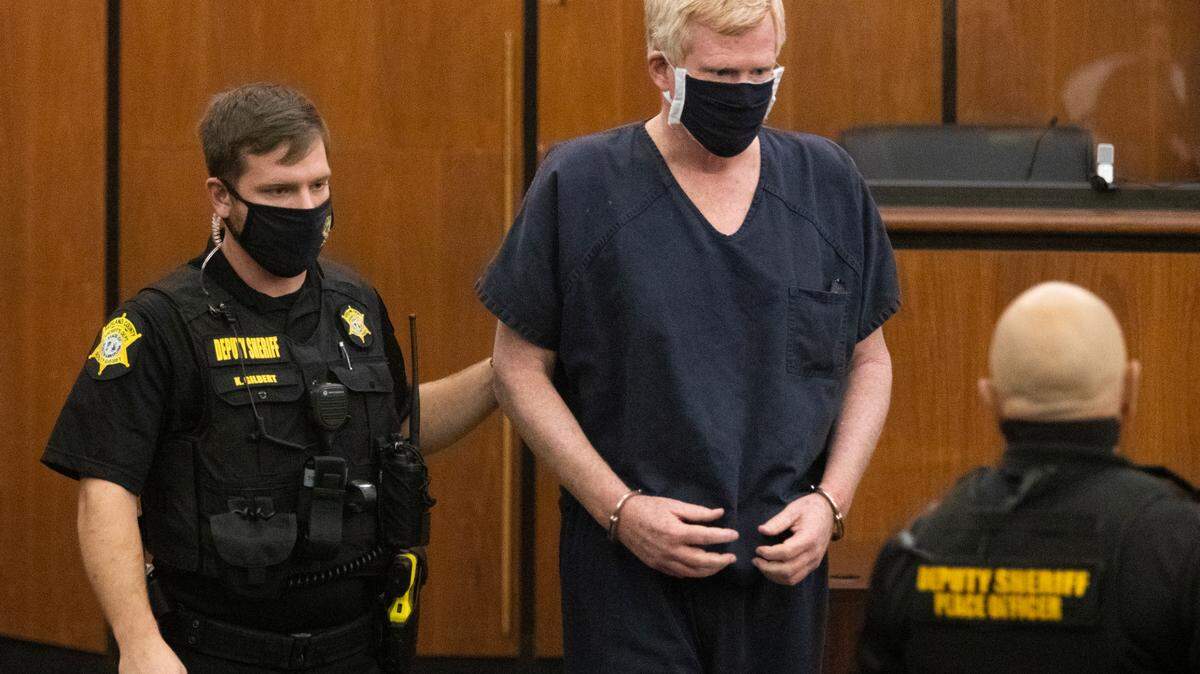
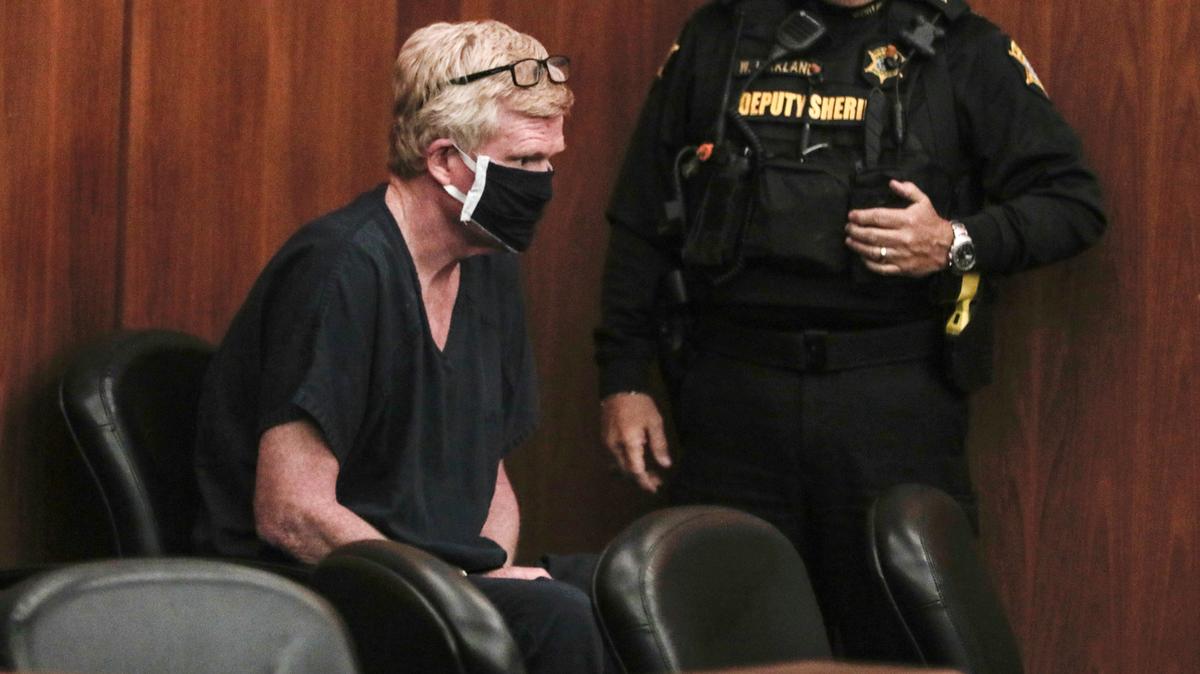
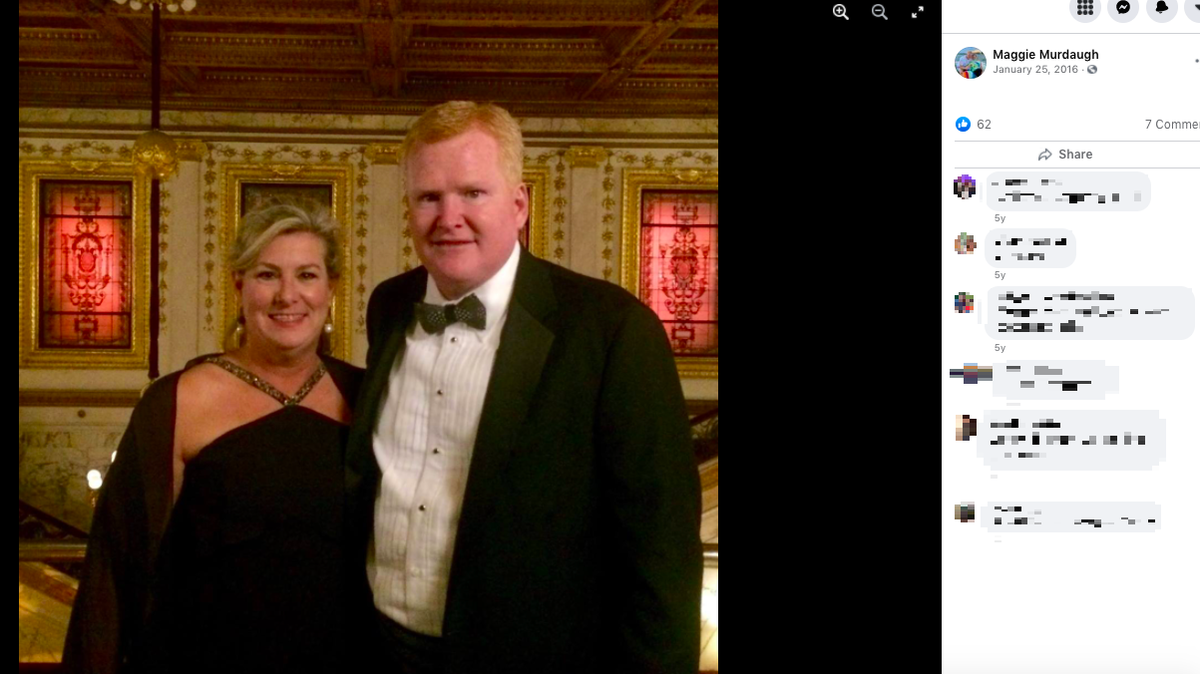
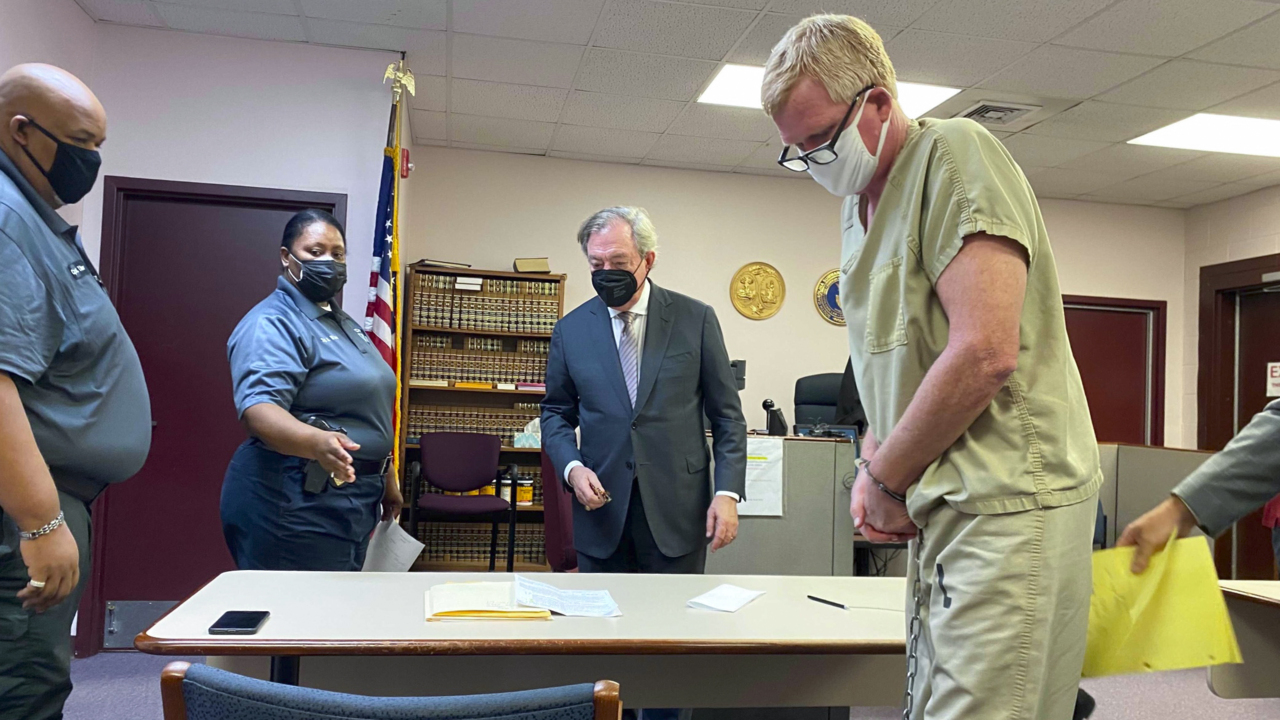
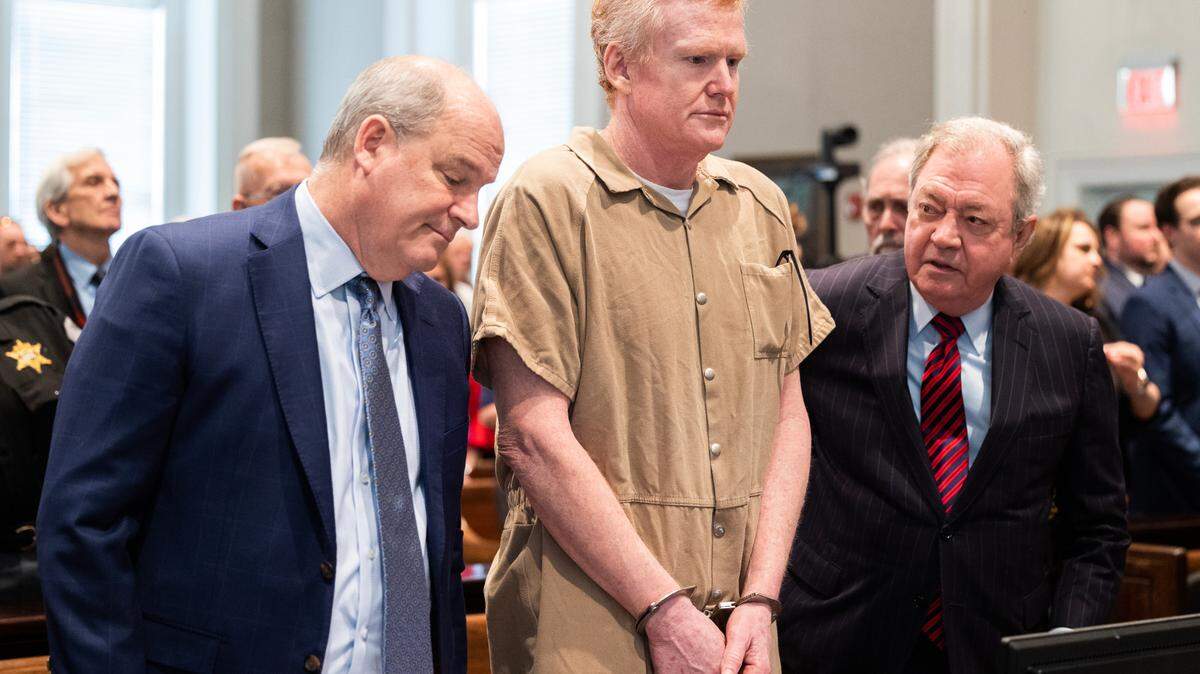
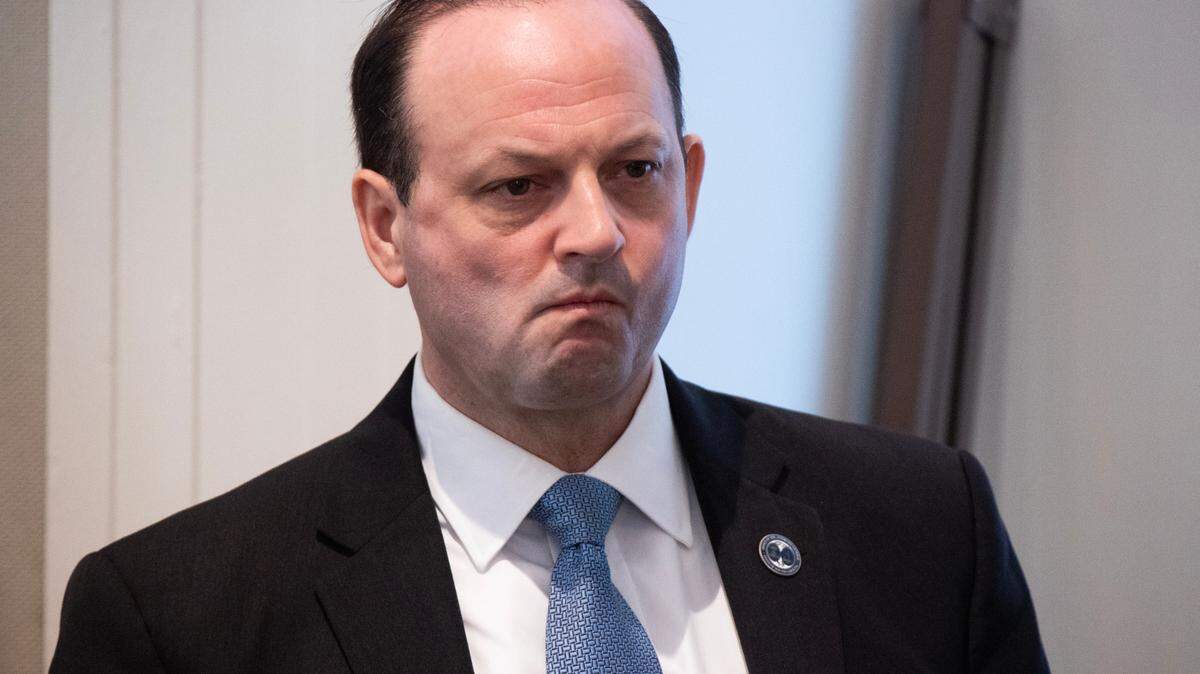
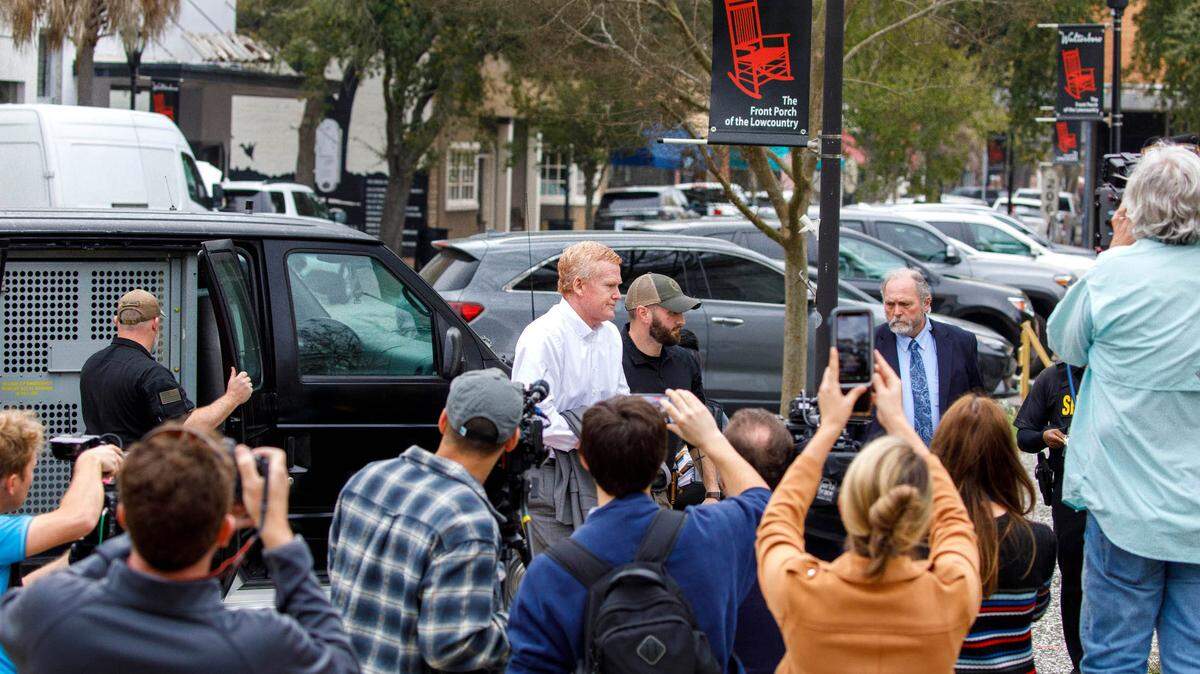
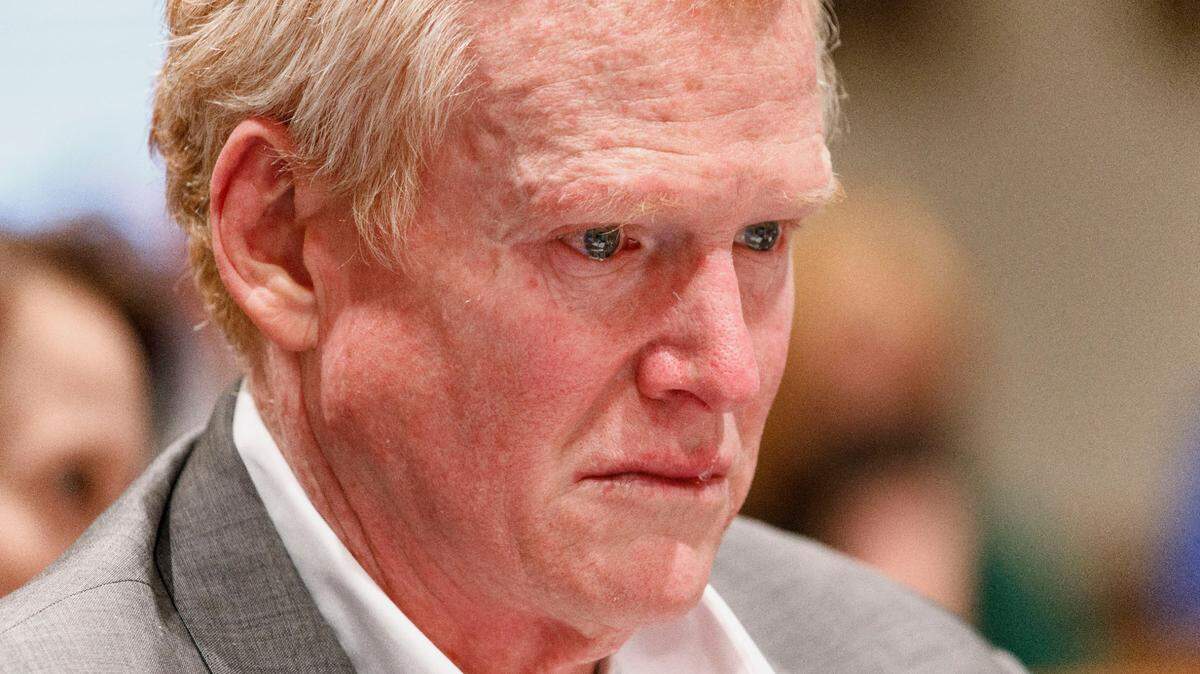
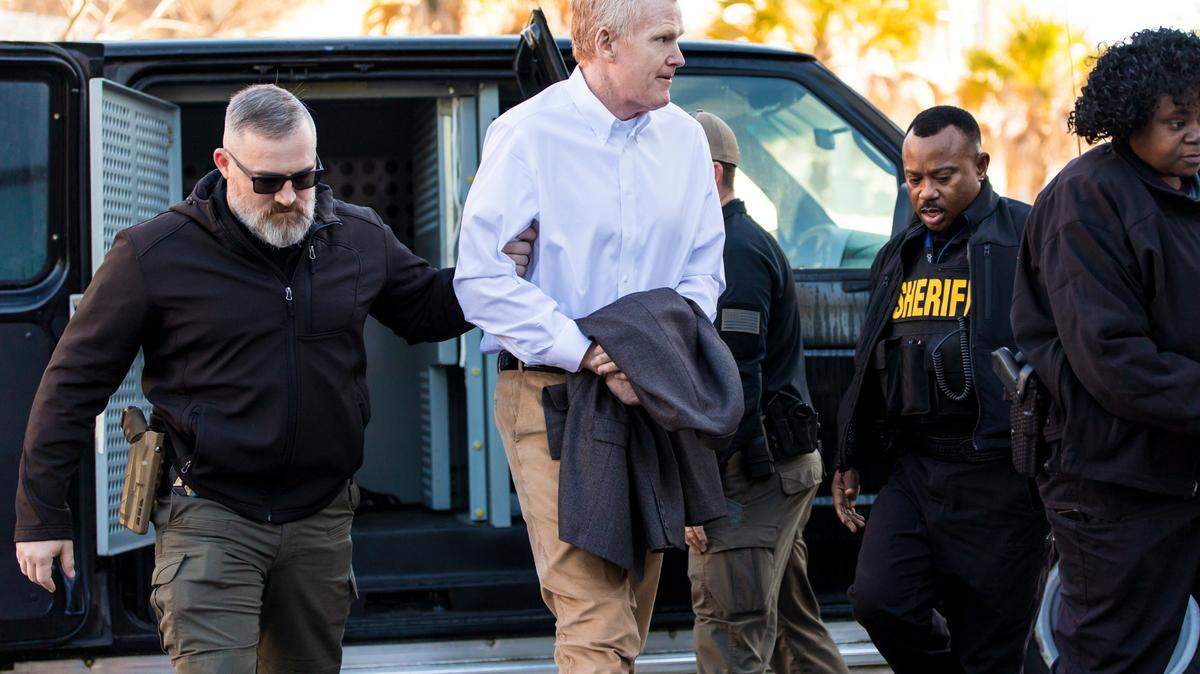
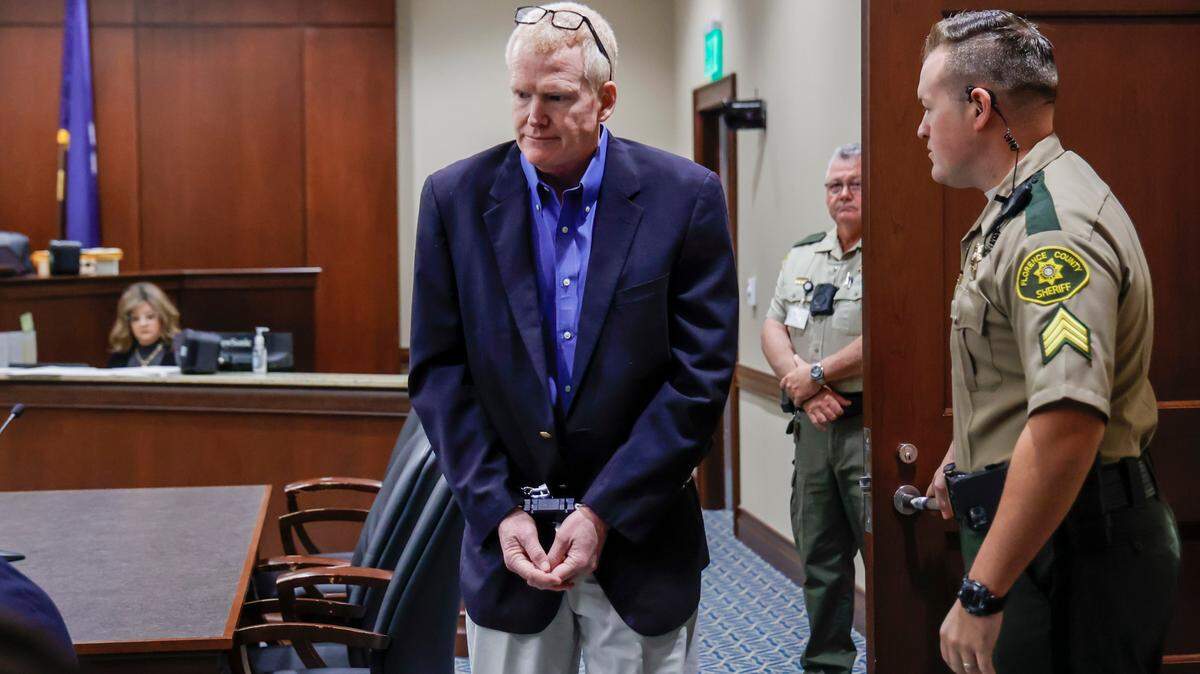
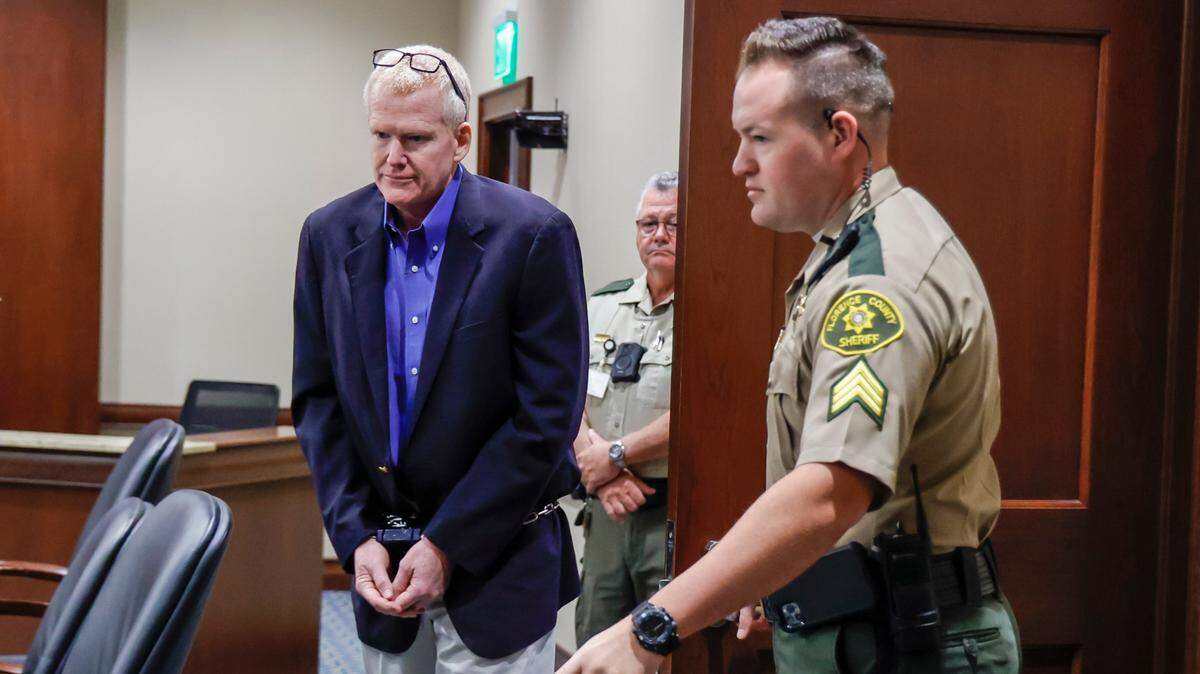
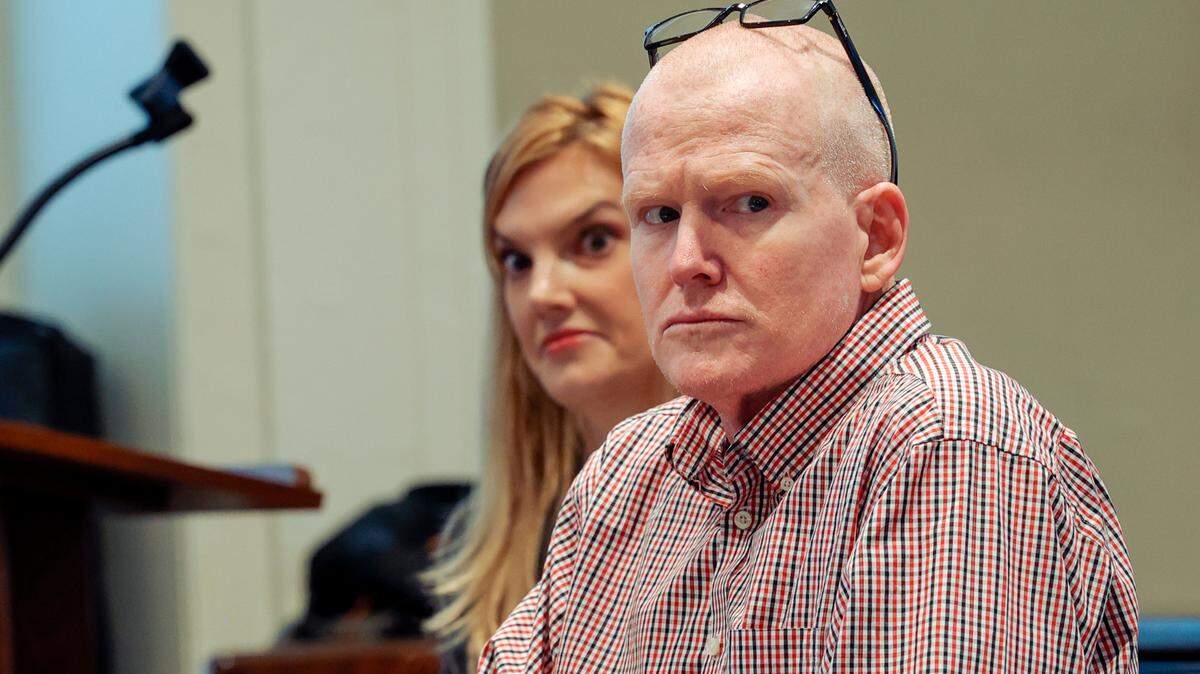
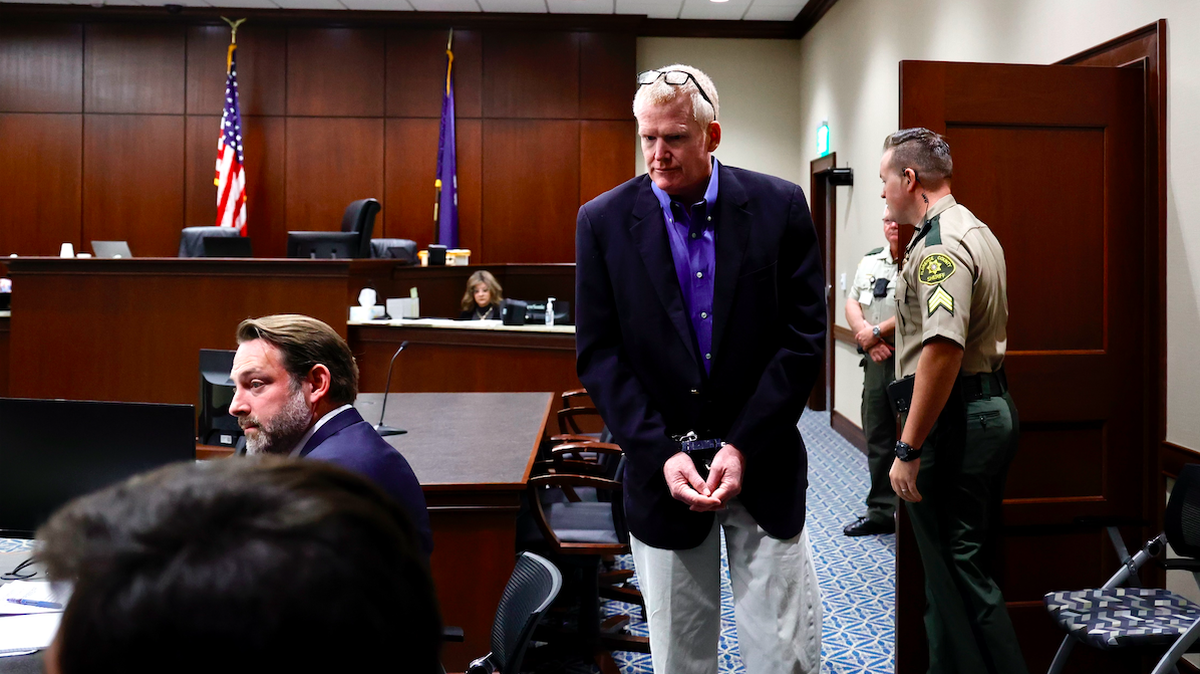
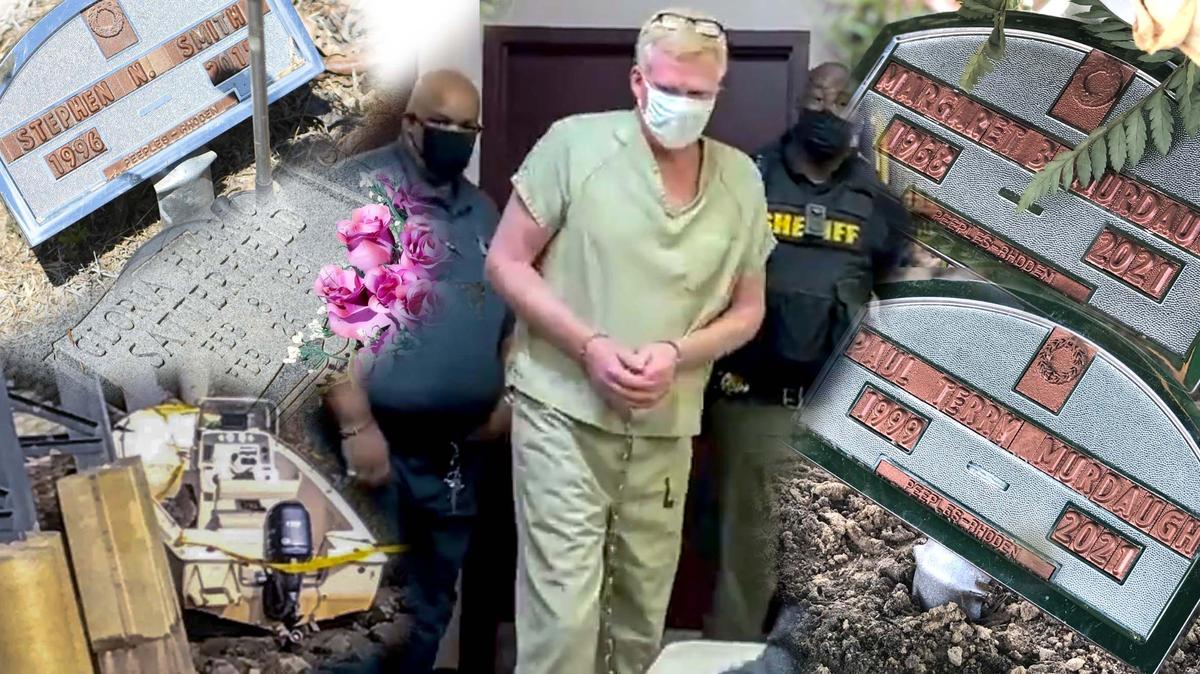
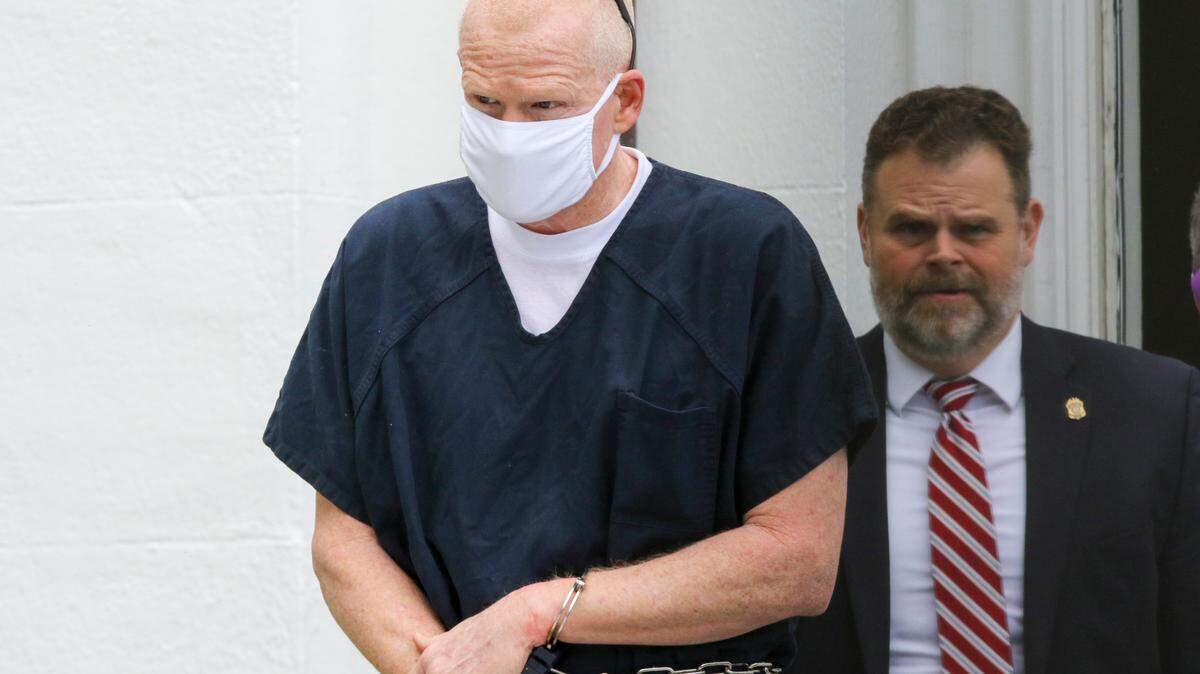
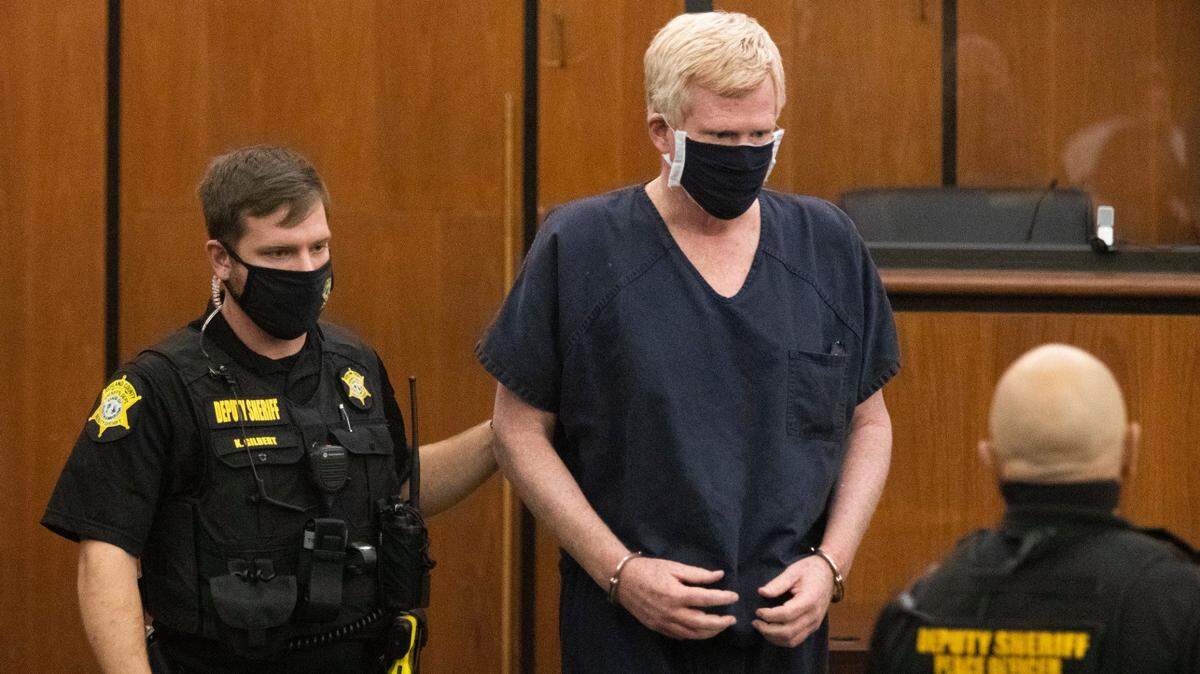
Murdaugh remains in detention at the Richland County jail awaiting trial for the murders of his wife, Maggie, and his son, Paul. On Thursday, Murdaugh’s attorney Jim Griffin said his client would be willing to testify if he would be granted immunity for any incriminating statements he made during his testimony. It’s a big ask as it would require approval from the S.C. Attorney General’s office prosecuting Murdaugh in state court as well as federal prosecutors.
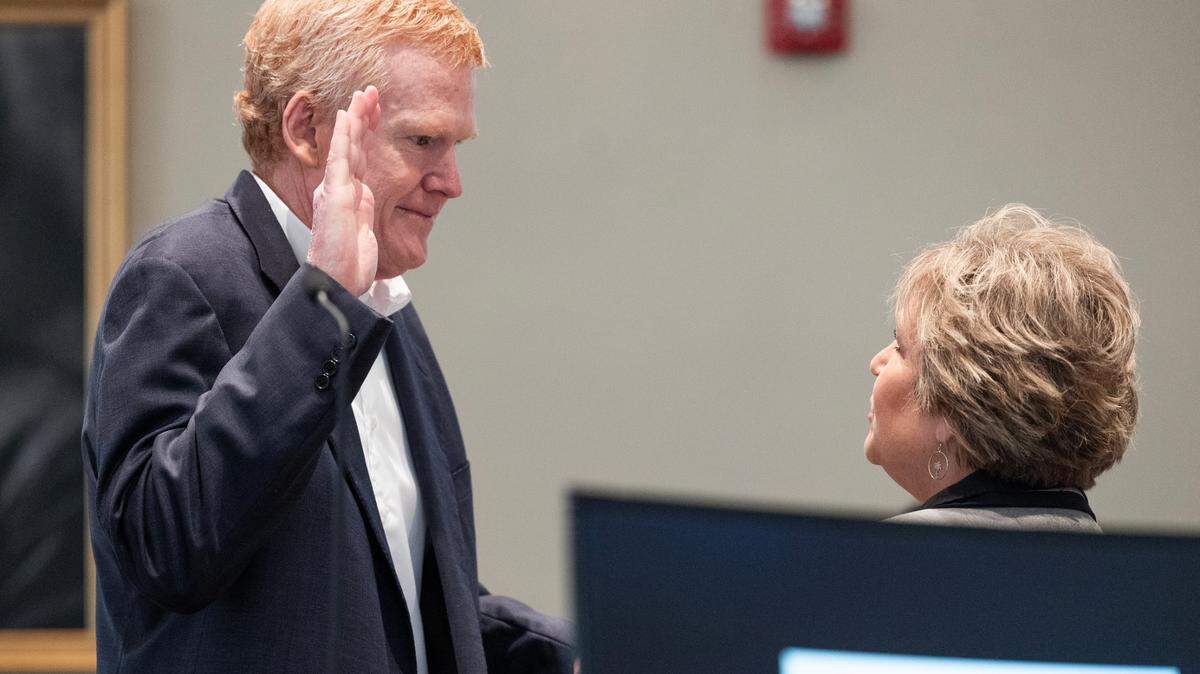
Without an immunity deal, any appearance by Murdaugh at the trial would likely be anticlimactic, as his attorneys have indicated he would take the stand only to plead the Fifth Amendment, which protects defendants from having to incriminate themselves.
Murdaugh’s trial on murder charges is scheduled to start in January.
Confrontation, then murder
The day of Paul and Maggie’s murders, Murdaugh was confronted about missing fees his law firm was expecting from a case.
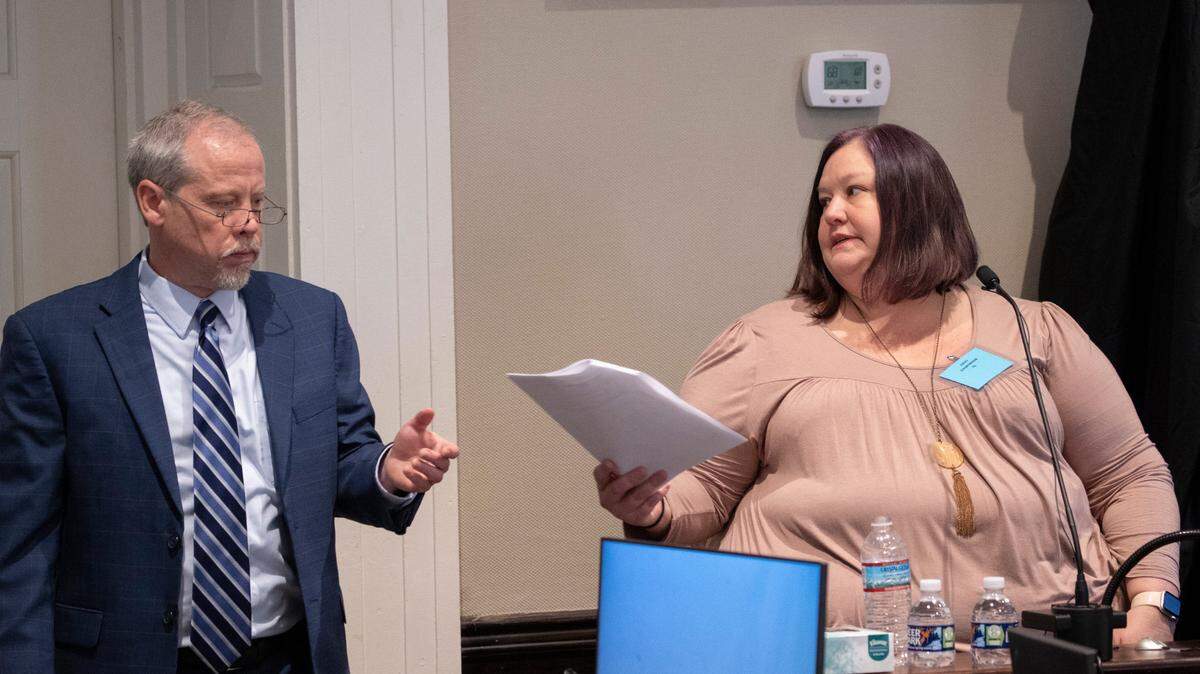
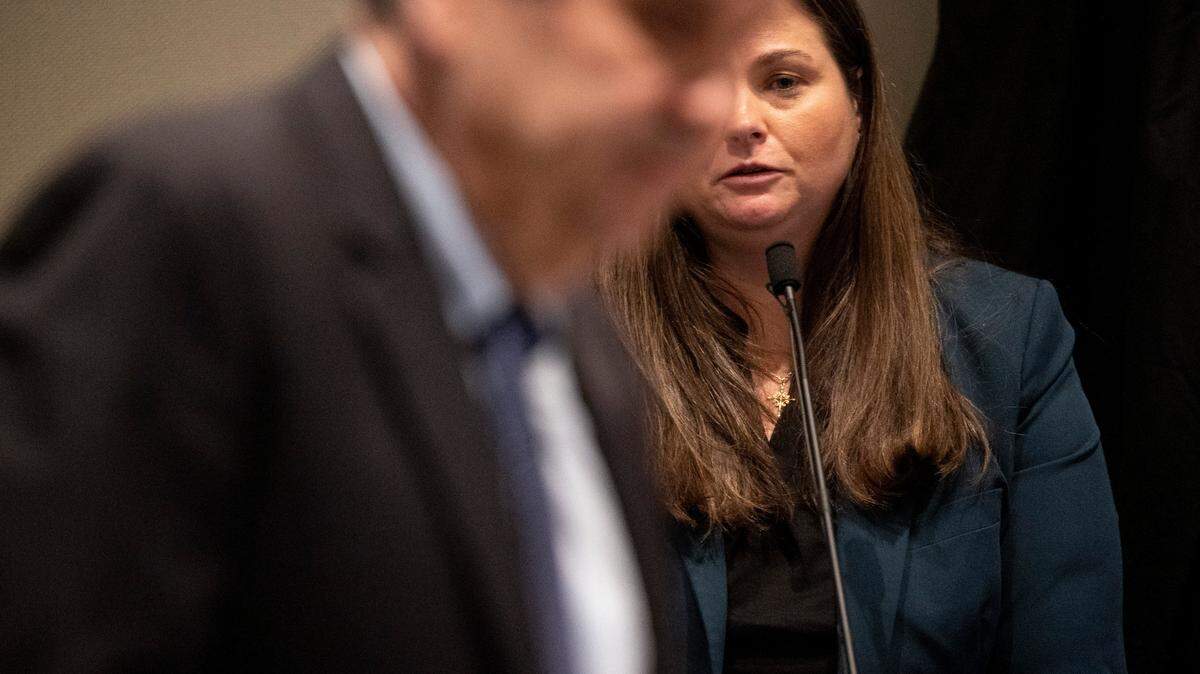
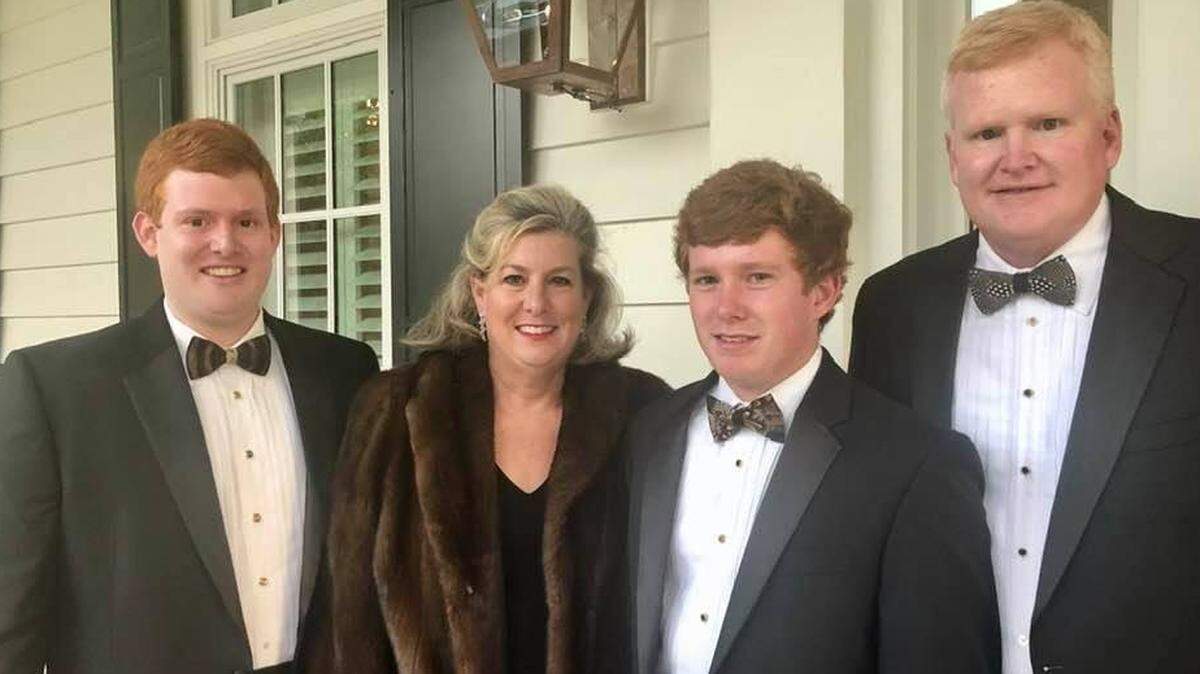
Jeanne Seckinger, CFO at the Parker Law Group, testified that she confronted Murdaugh about where the money was at the firm’s Hampton office on June 7, 2021, a conversation that ended abruptly. Later that night, Murdaugh reported to police that he found his wife and son shot to death at Moselle, the family’s Colleton County estate.
Seckinger said Murdaugh left their meeting after he received a call about his father being moved into hospice care. Randolph Murdaugh III, solicitor of the 14th Circuit for nearly 20 years, died three days after the fatal shootings.
Seckinger said this was typical of Murdaugh’s “chaotic” style. If you tried to speak with him, “Nine times out of 10 (times) his phone would ring, and then you would see him a week later,” she said. But the shootings did temporarily stop her attempts to recover the missing money.
It was another three months before Murdaugh was removed from the firm founded by his great-grandfather after his former partners say they uncovered more instances of Murdaugh stealing money from clients for his own personal use.
Laffitte’s role in those thefts was at the center of this week’s trial, but Seckinger said she had more than a professional reason to trust his handling of money for the firm’s clients; Laffitte was married to Seckinger’s husband’s sister.
“He was my brother-in-law,” she testified. “I trusted him implicitly.”
Curtis Smith got checks
In a potentially significant move that may play out later next week, prosecutor Limehouse on Thursday entered into evidence checks that Laffitte had approved to a man named Curtis Smith.
Limehouse did not directly question witnesses that day about the checks, but Smith is a significant figure in the wider Murdaugh saga.
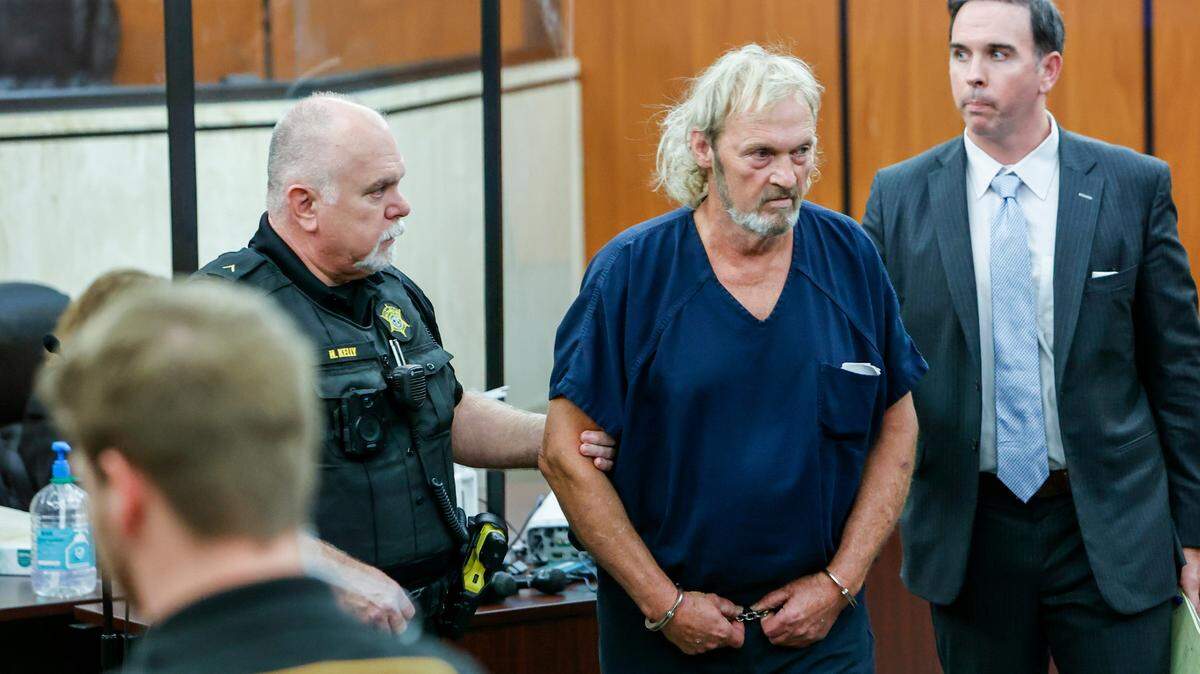
Smith is an alleged accomplice of Murdaugh’s, who faces state charges of drug trafficking and running a longtime money laundering scheme that involved some $2.4 million allegedly stolen by Murdaugh.
Smith was also involved with Murdaugh in a botched suicide alleged insurance fraud scheme so Murdaugh’s surviving son Buster could collect a $10 million life insurance policy.
Jurors may get more information about the payments to Smith that Laffitte arranged when the trial resumes Monday.
No approval
Laffitte’s defense centers on Murdaugh, placing the blame for any illegal financial transactions on the disgraced lawyer and painting Laffitte as just one more person who was misled and taken advantage of by him.
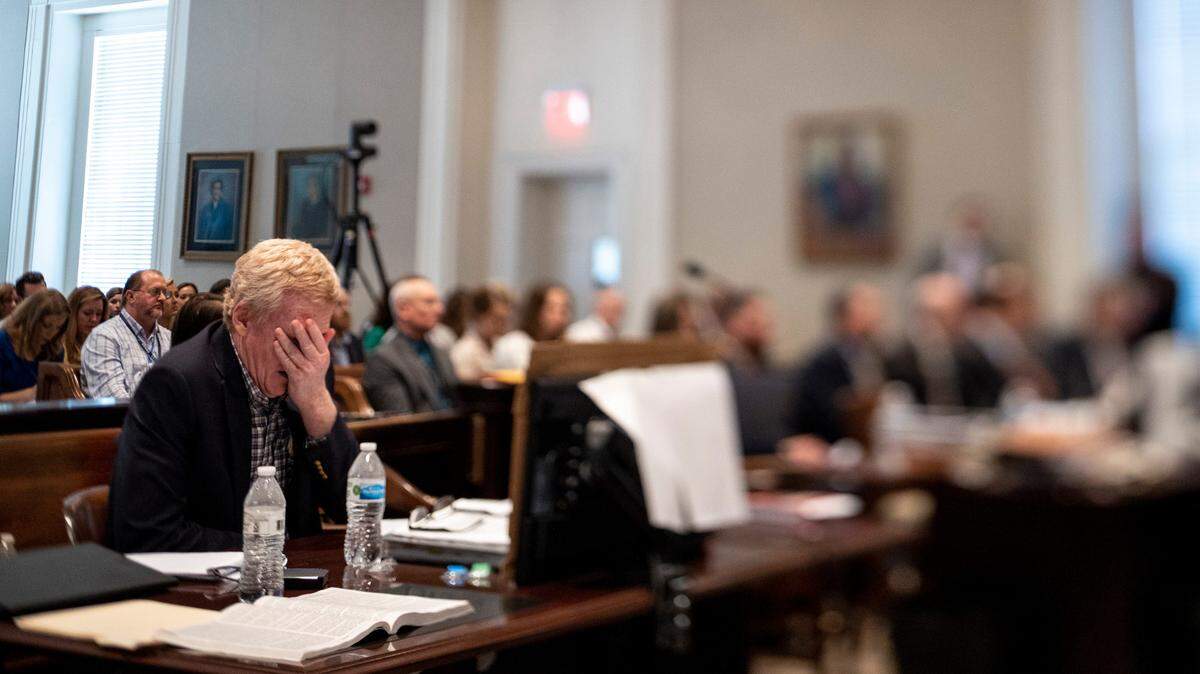
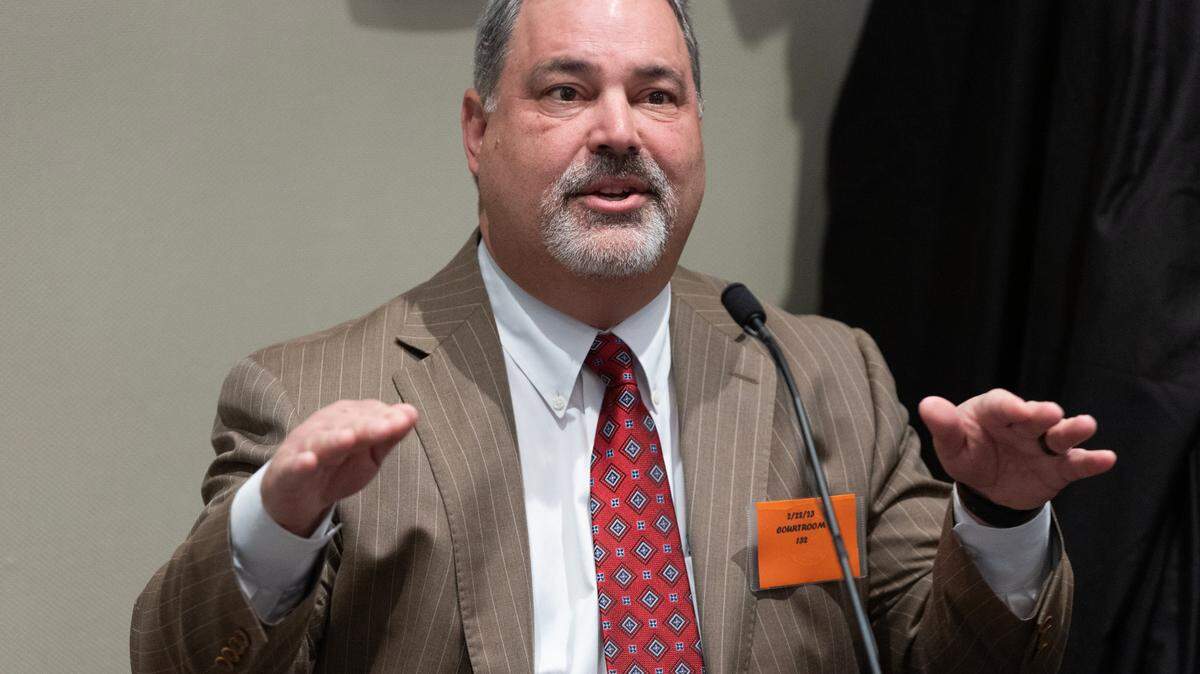
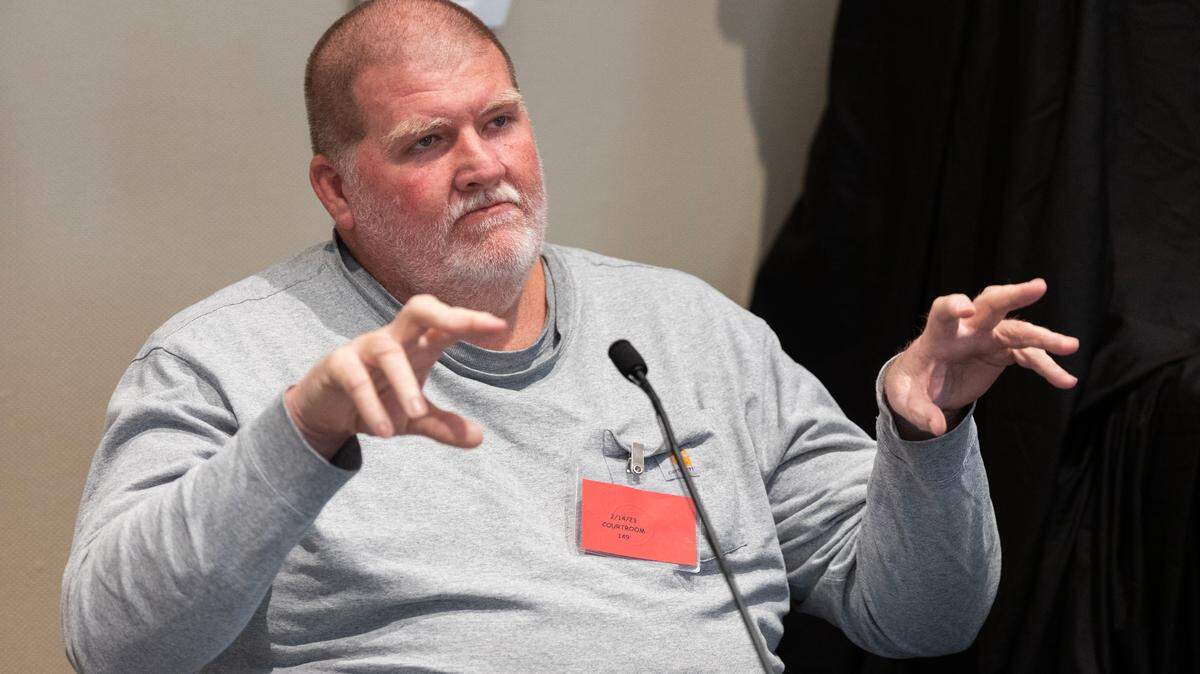
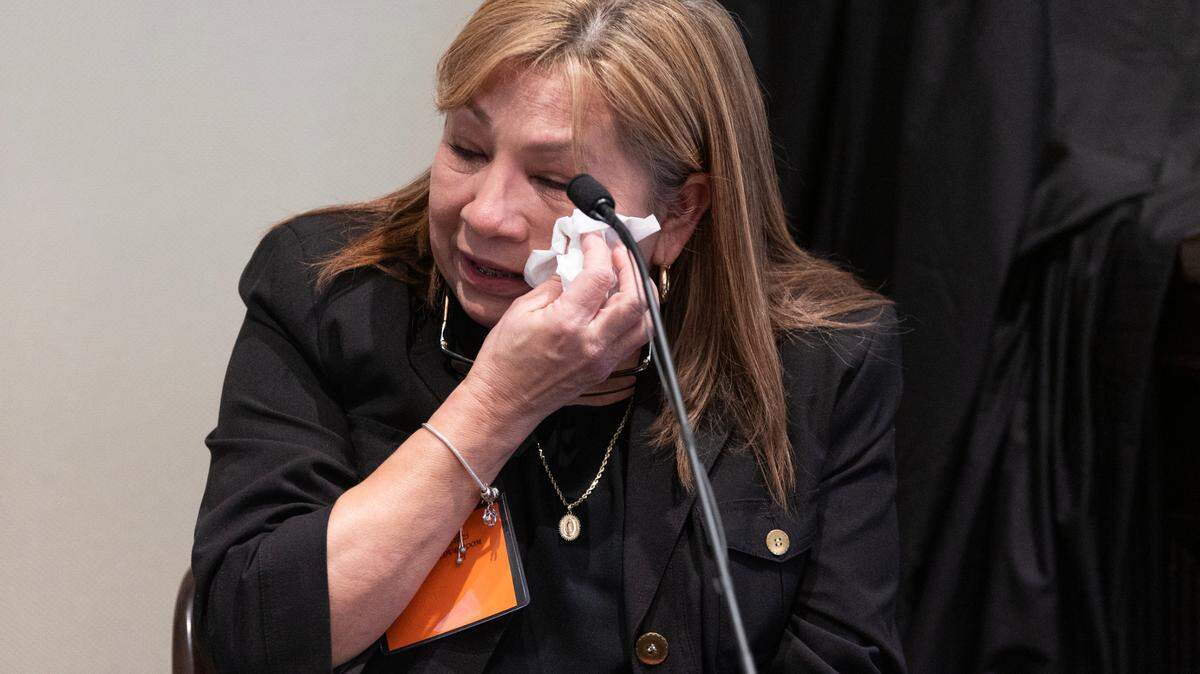
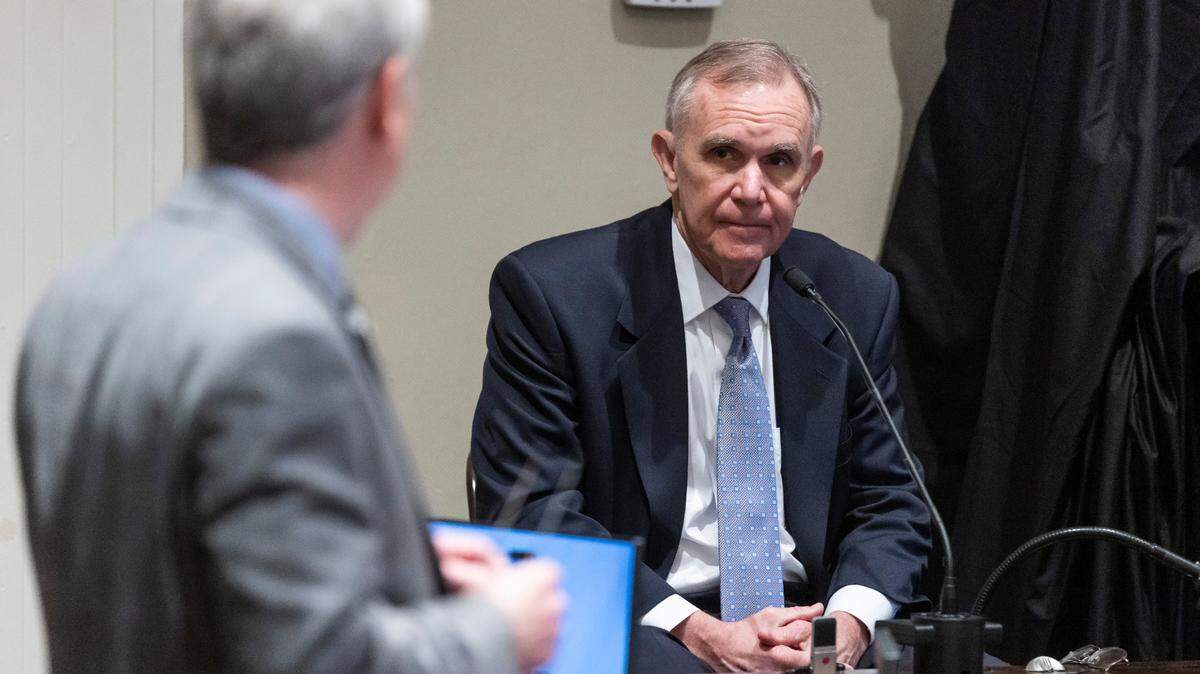
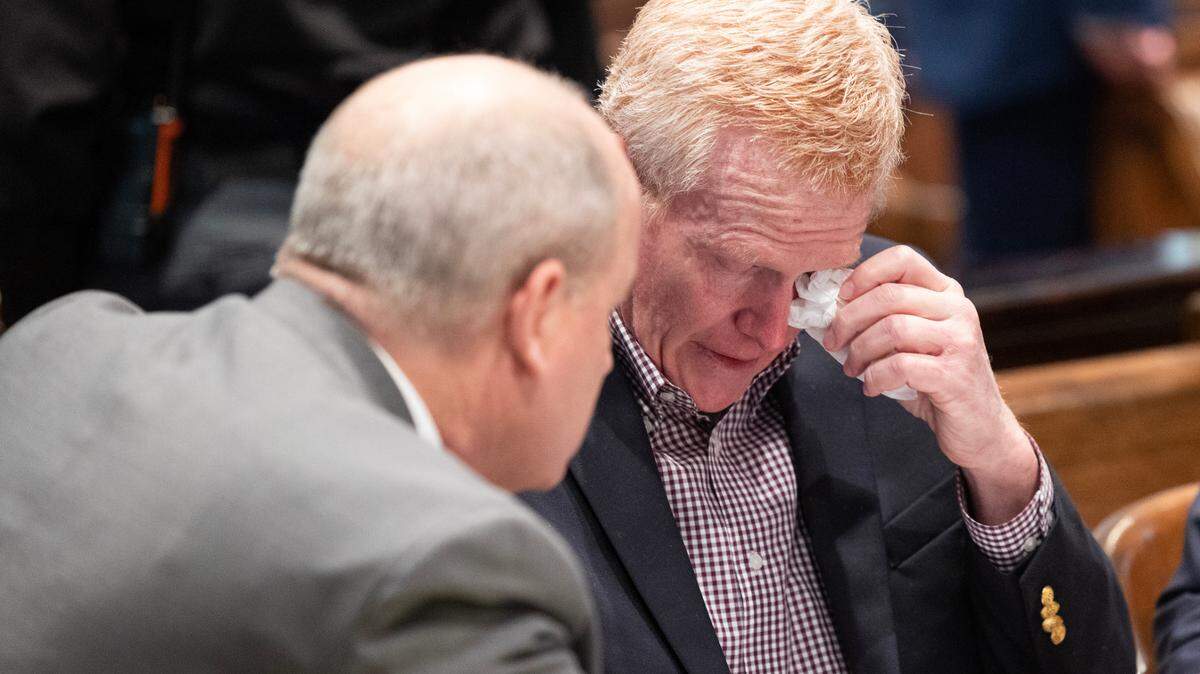
But testimony so far has been unkind to the former CEO. Norris Laffitte, a Palmetto State Bank board member who is also Laffitte’s cousin, gave teary testimony on the first day that Laffitte’s actions violated the normal rules and procedures of the bank and were a surprise to other bank officers.
“I’m just baffled by all of it,” Norris Laffitte said on the stand at the Charleston federal courthouse. “We had to get rid of him. He lied to the board. We asked, ‘How many times did this happen?’ He said, ‘Once or twice.’
“Golly, you had the two Plyler girls, Malik, Hakeem, Natasha,” Norris Laffitte said, listing off clients whose money was being held under Laffitte’s oversight until it was misused by Laffitte and Murdaugh. “I don’t know that I still have all of them.”
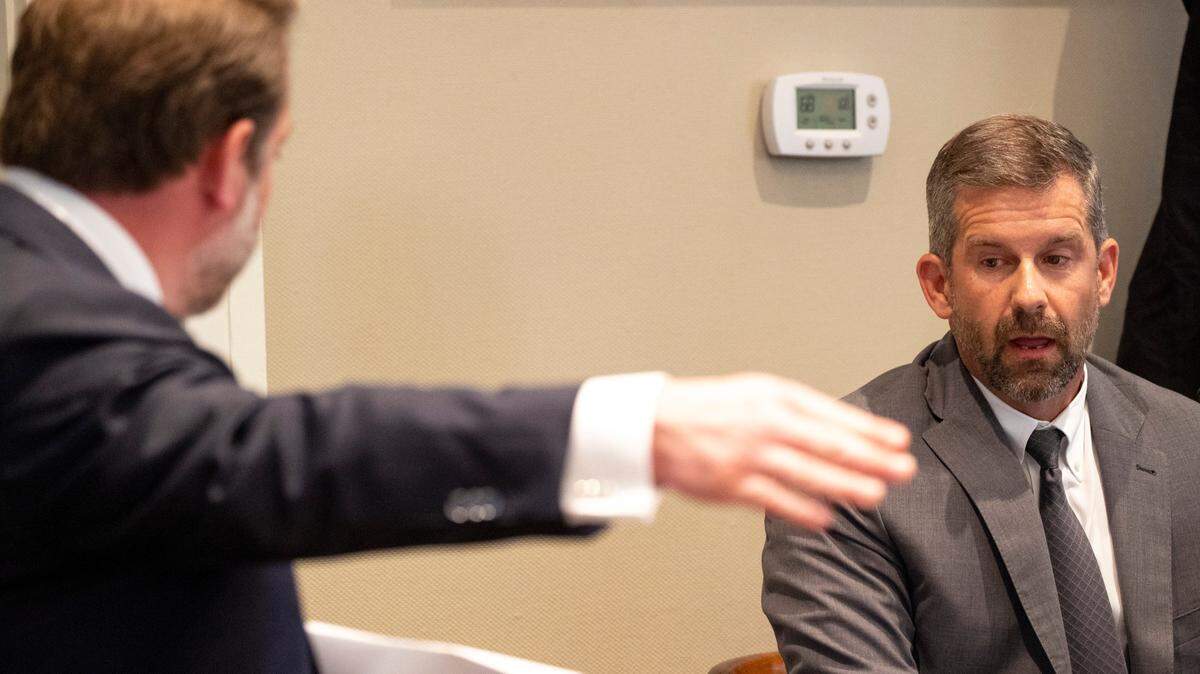
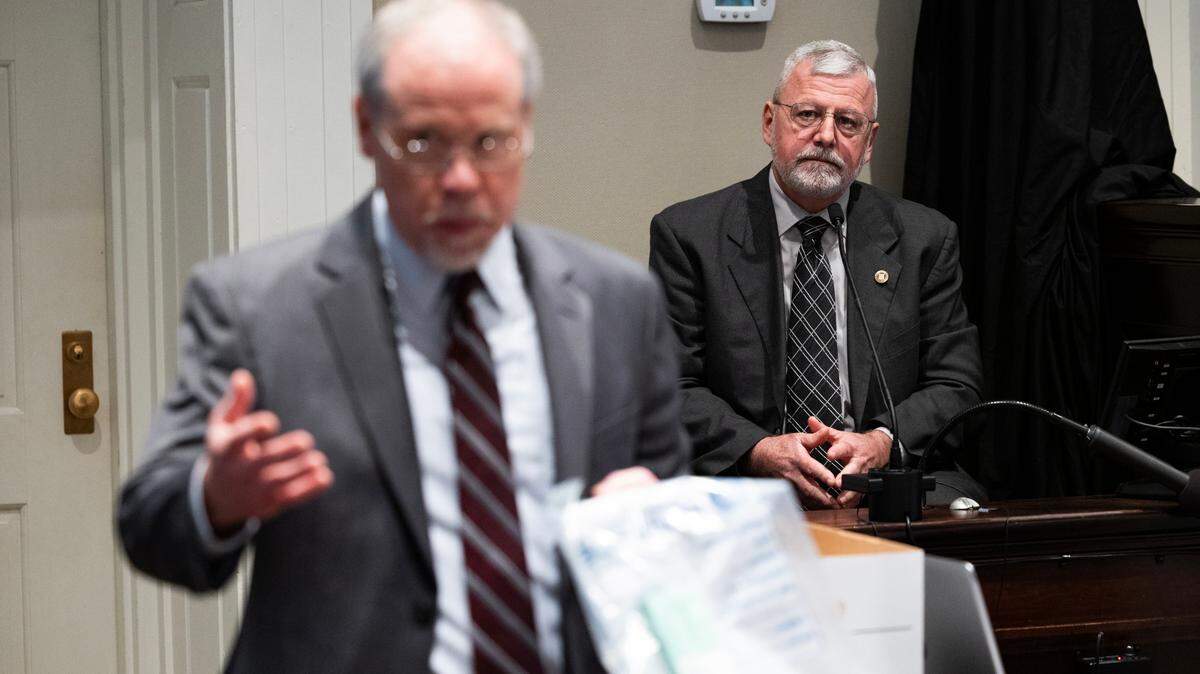
Jan Malinowski, an executive vice president with Palmetto State Bank, testified that he and other executives were “shocked and amazed” when they learned of the loans, which ultimately led to Laffitte’s firing and his indictment by a federal grand jury on bank and wire fraud charges.
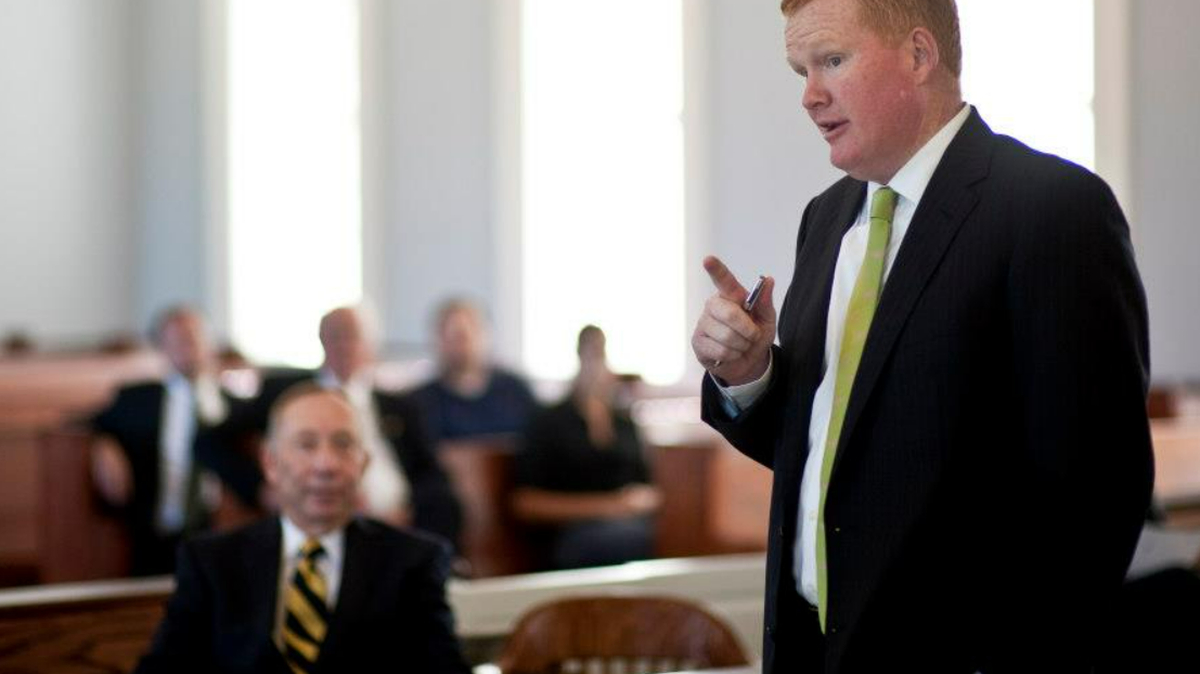
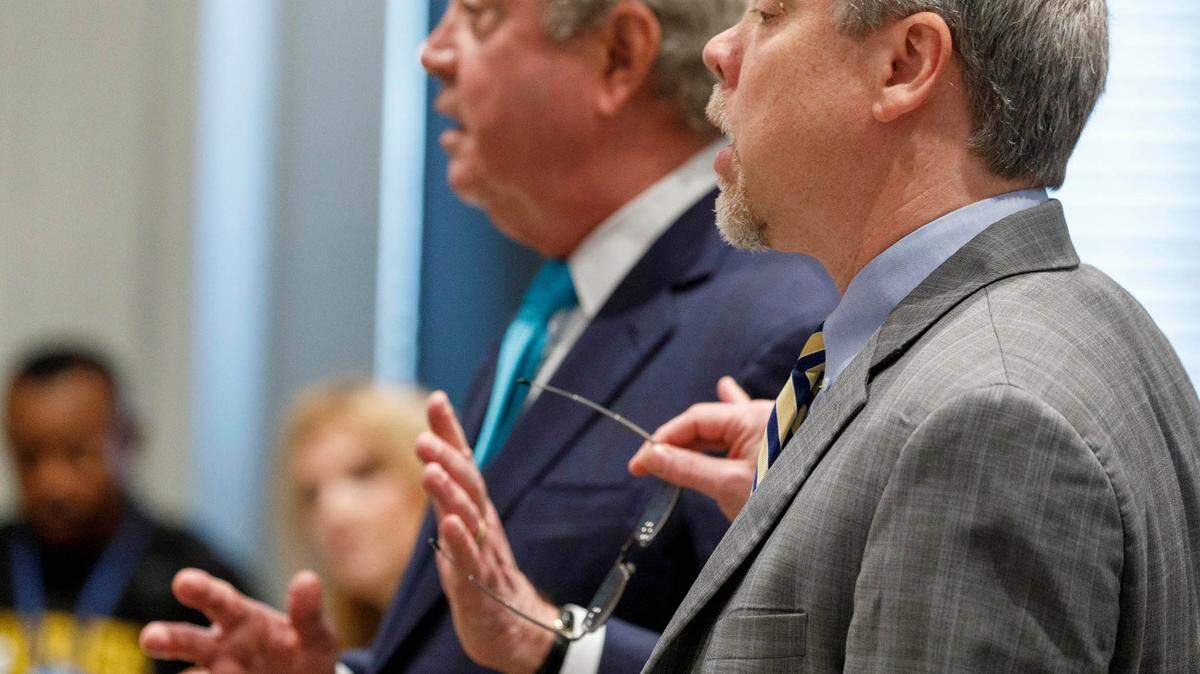
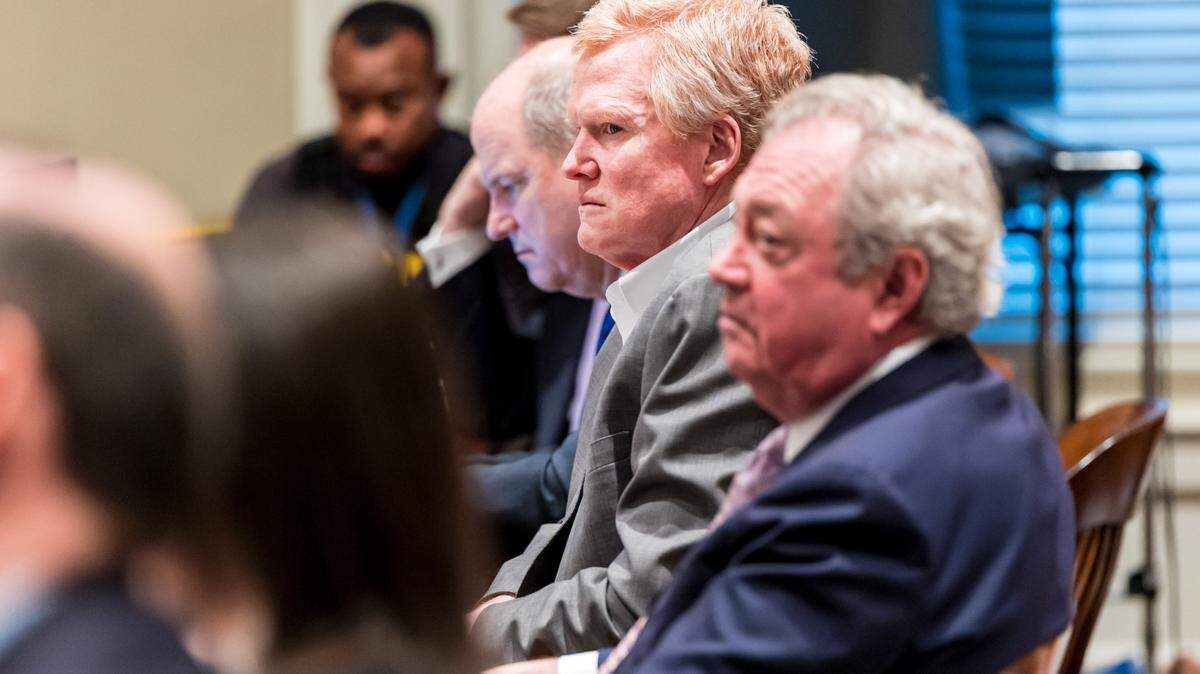
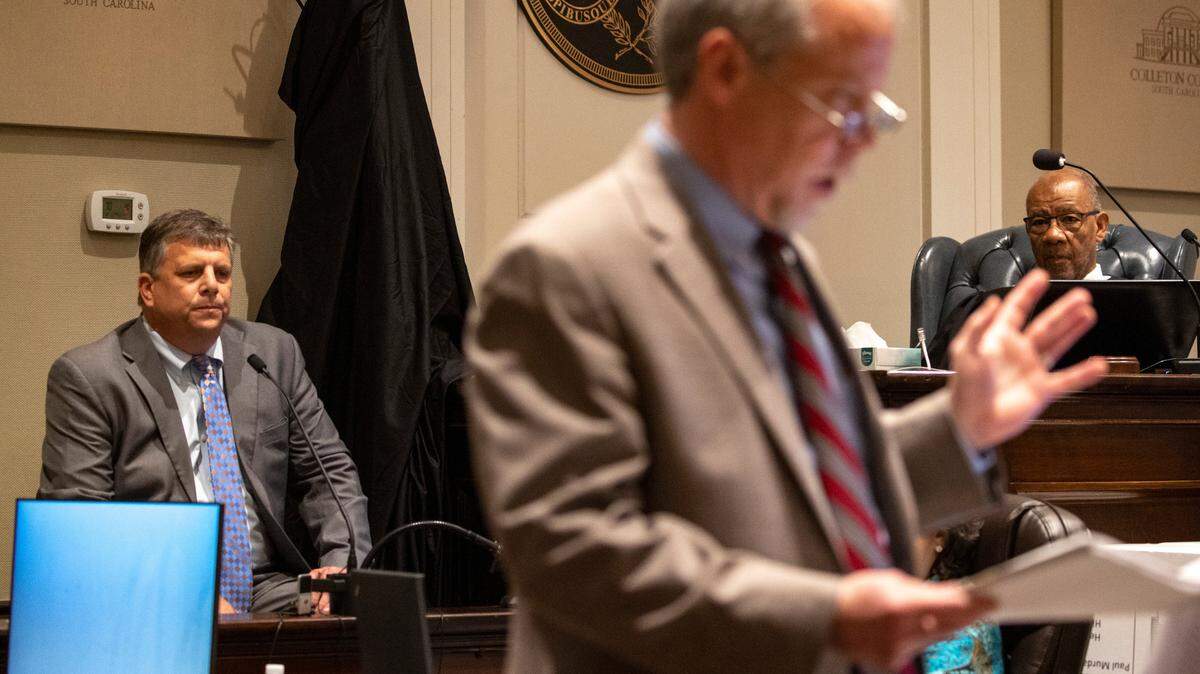
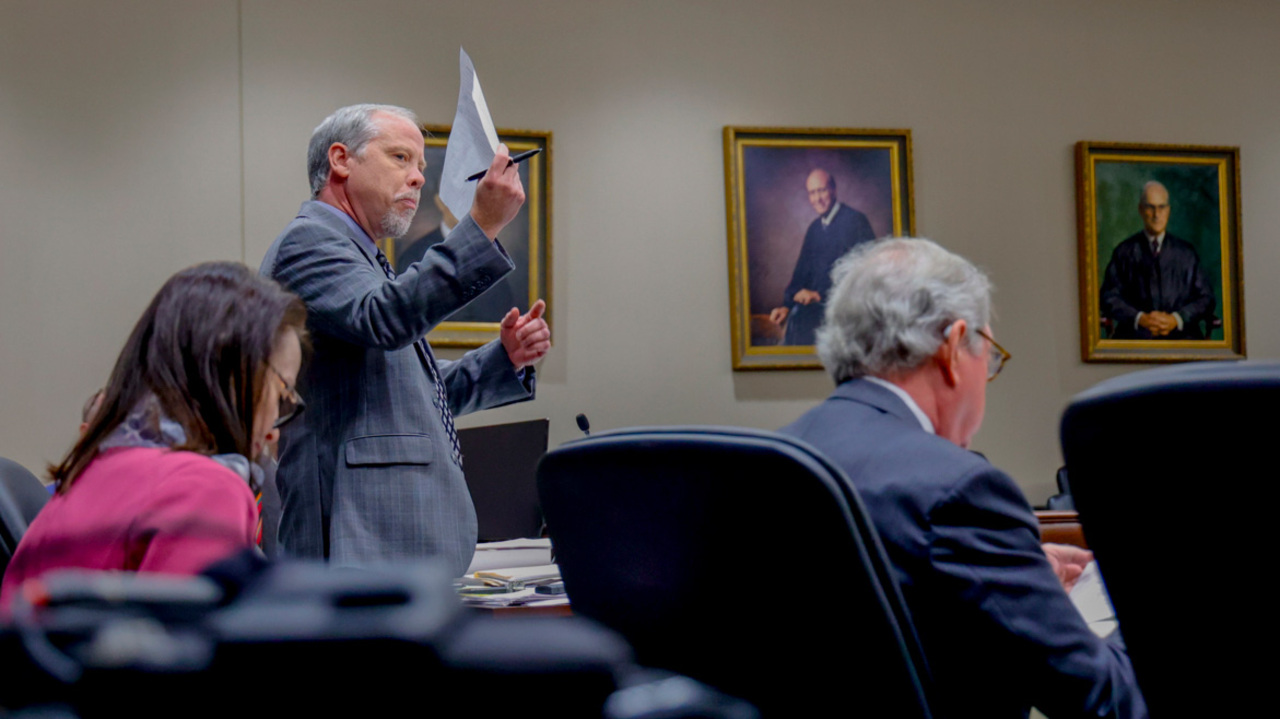
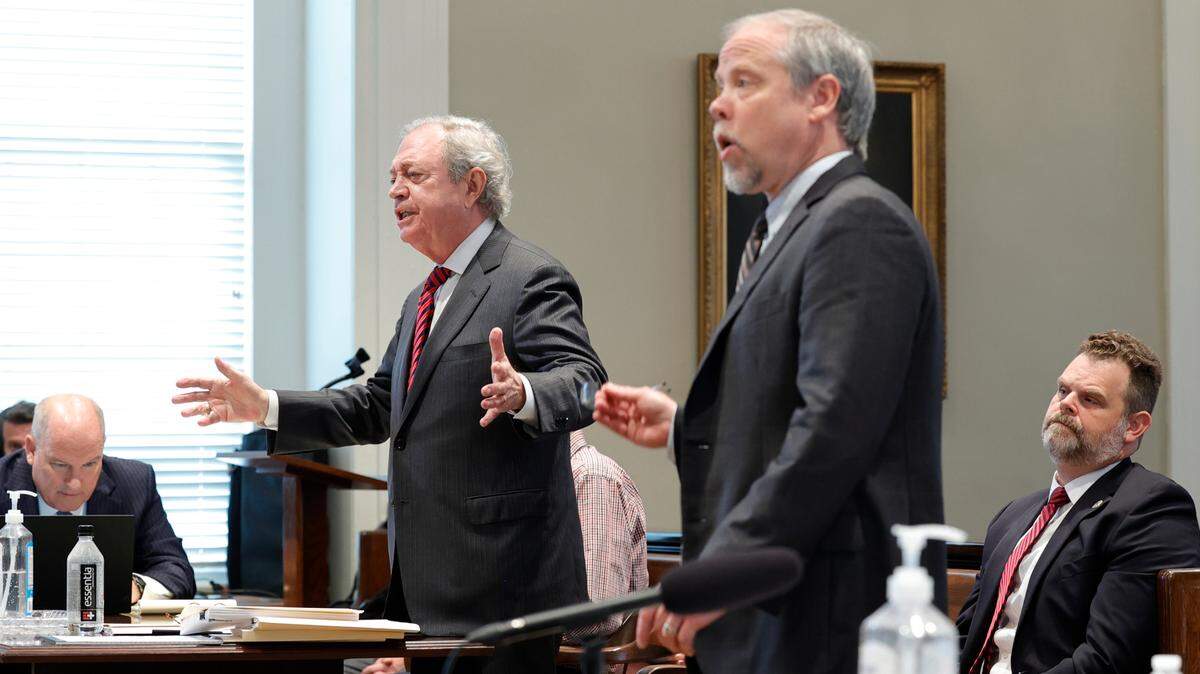
Daniel, the defense attorney, made the case in his cross examination that Laffitte, as CEO, was empowered to approve such money transfers on his own, and that the loans made from the accounts were normal business with a longtime client of the bank who had reliably paid back money before.
But Parker Group attorney Ronnie Crosby said that when he reviewed the firm’s accounts associated with Murdaugh, he was “shocked at what I was seeing.”
“I did not understand how you could take a check — they had clients’ names on it,” he said “I had no conception of how these checks could be converted into cashiers checks.”
A brief break in proceedings
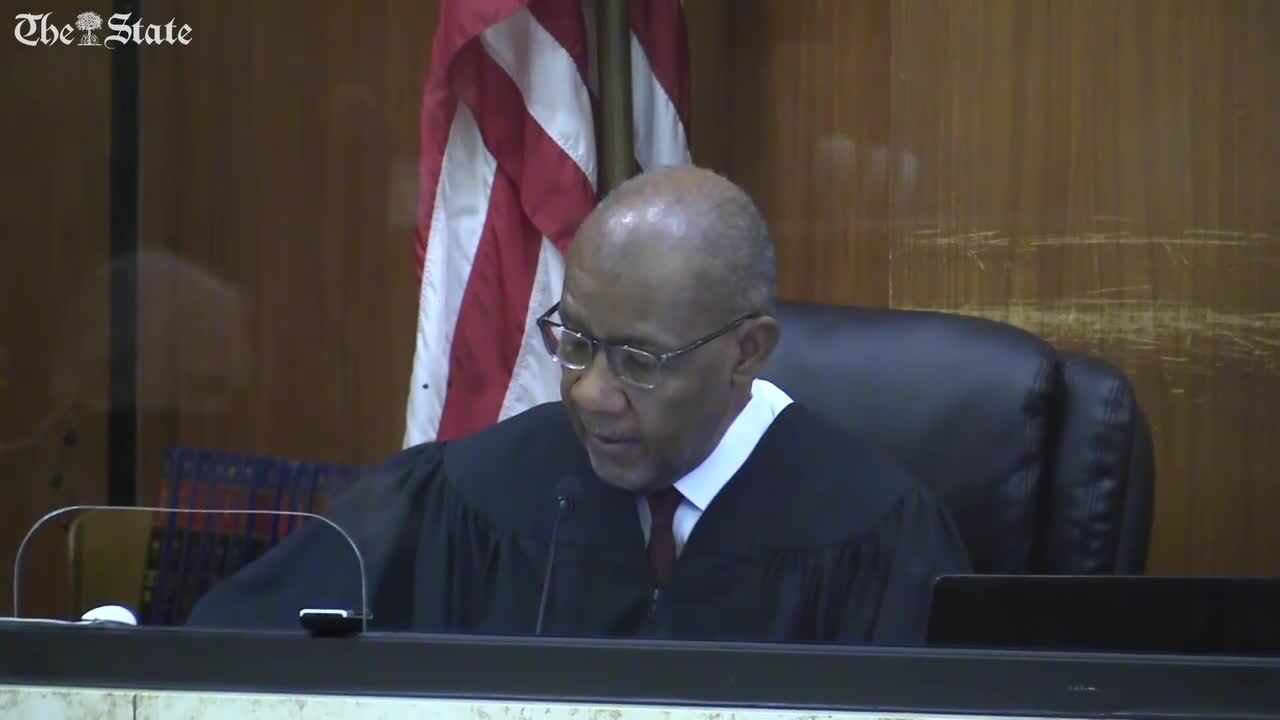
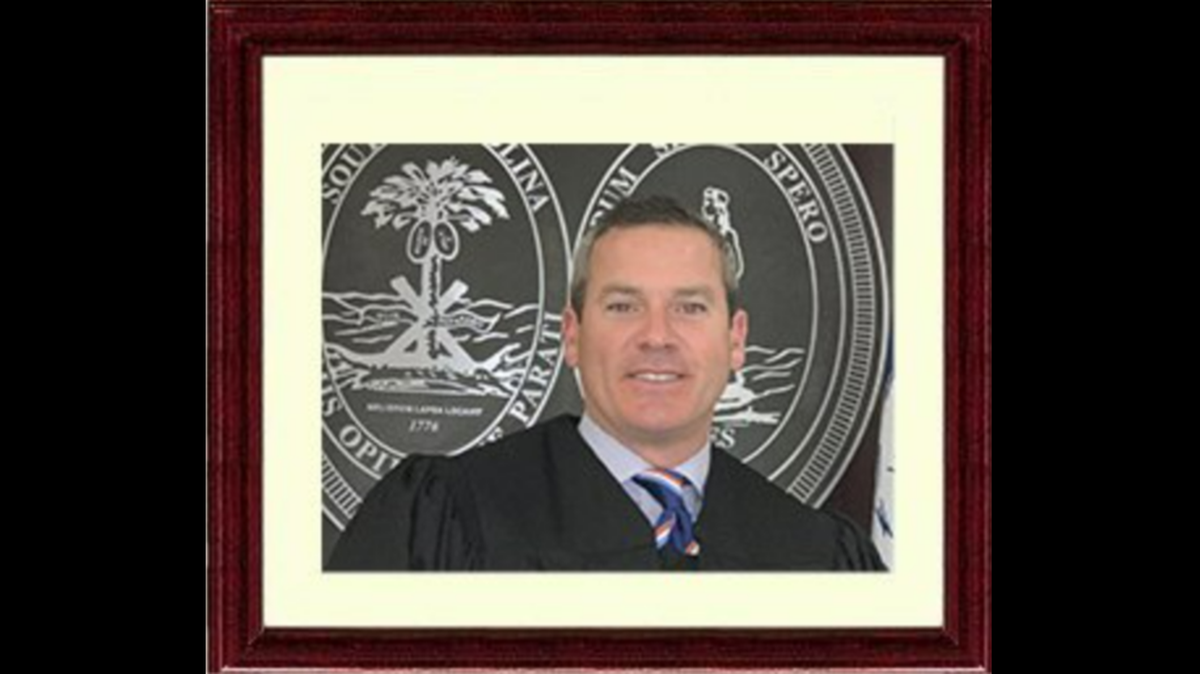
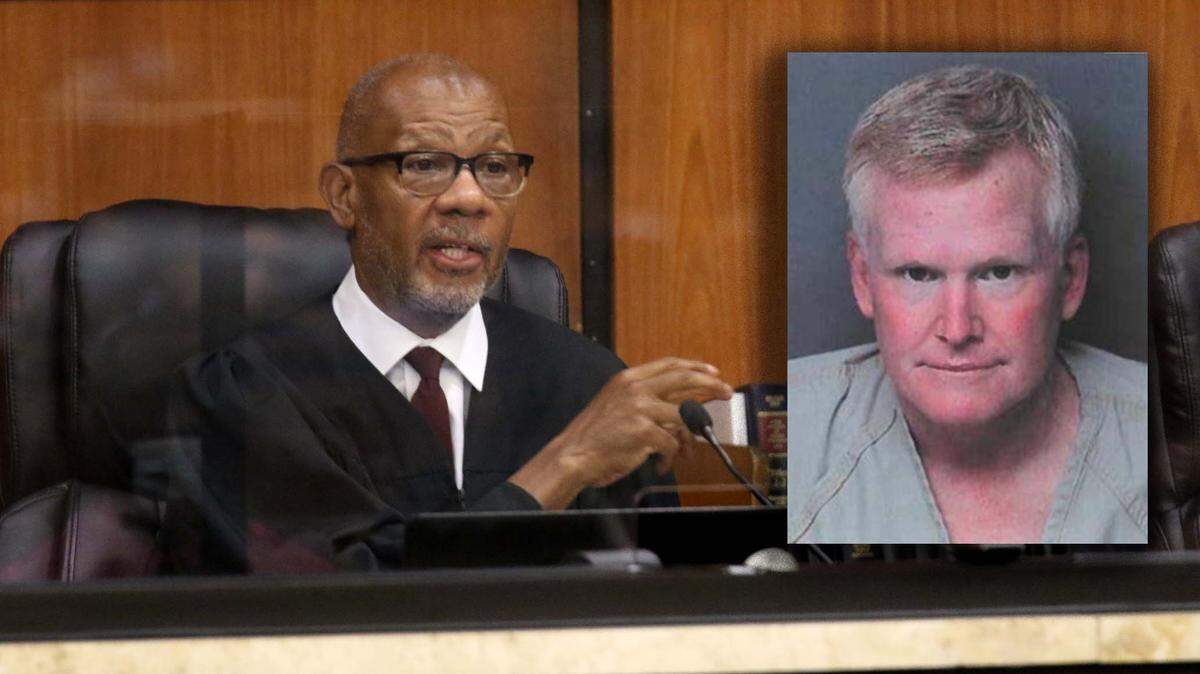
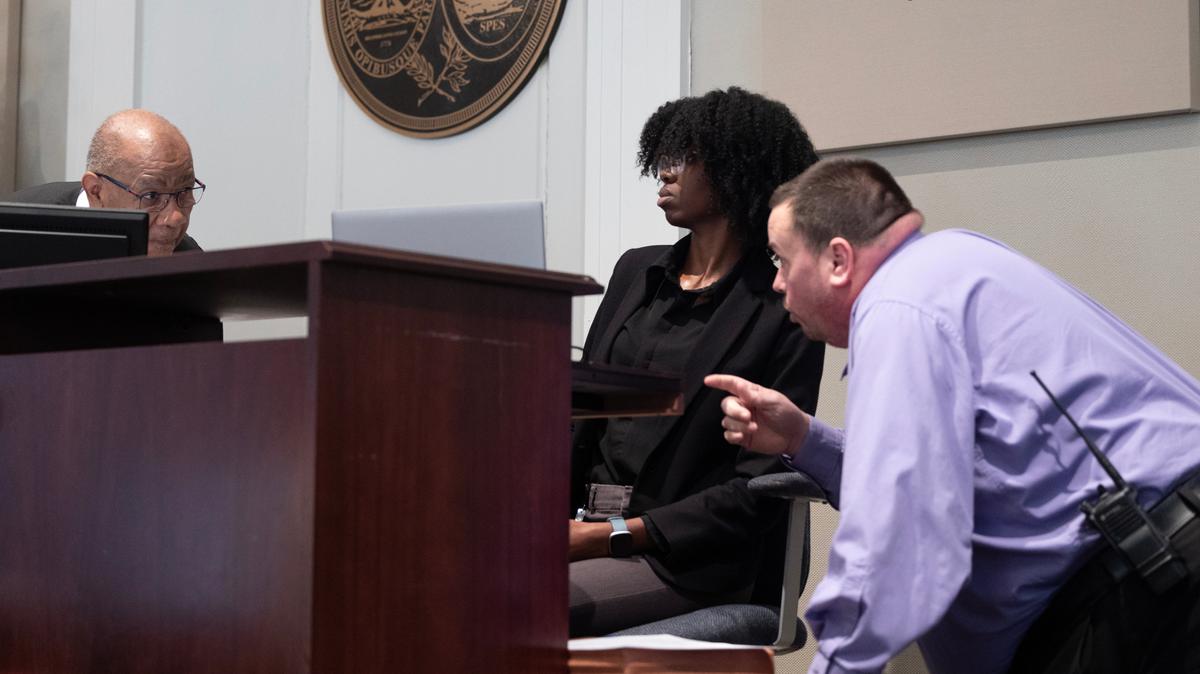
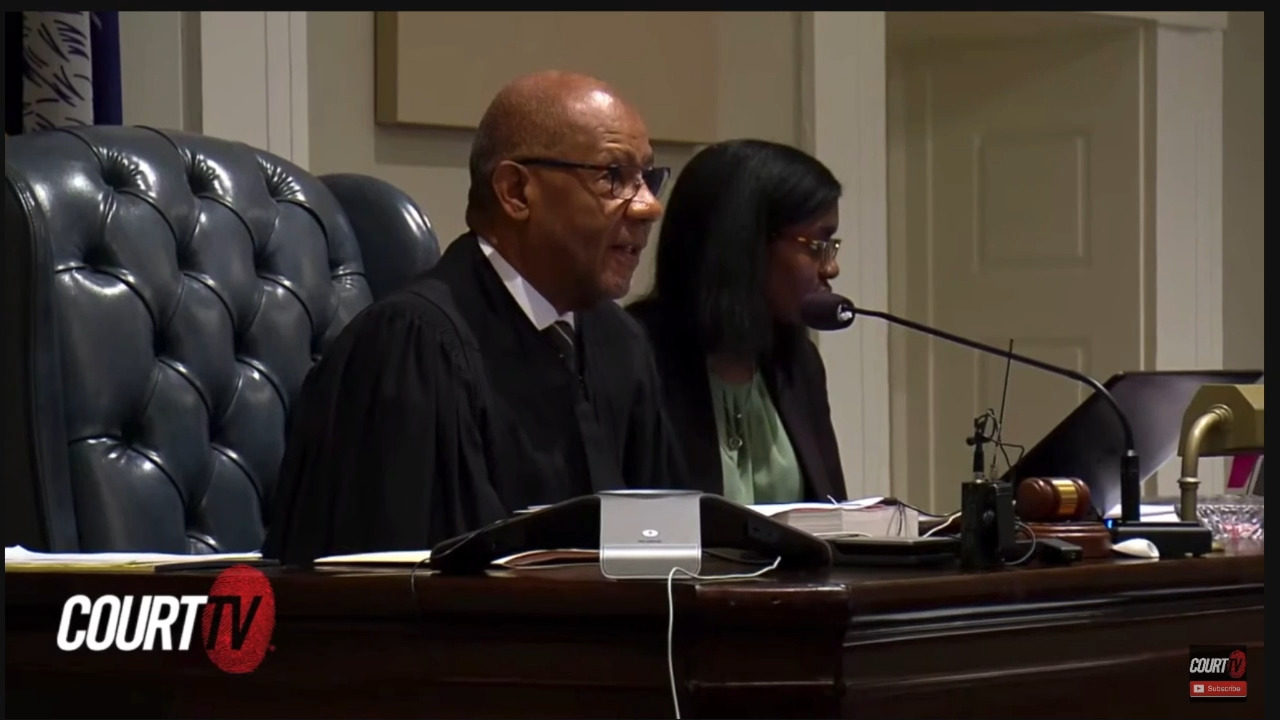
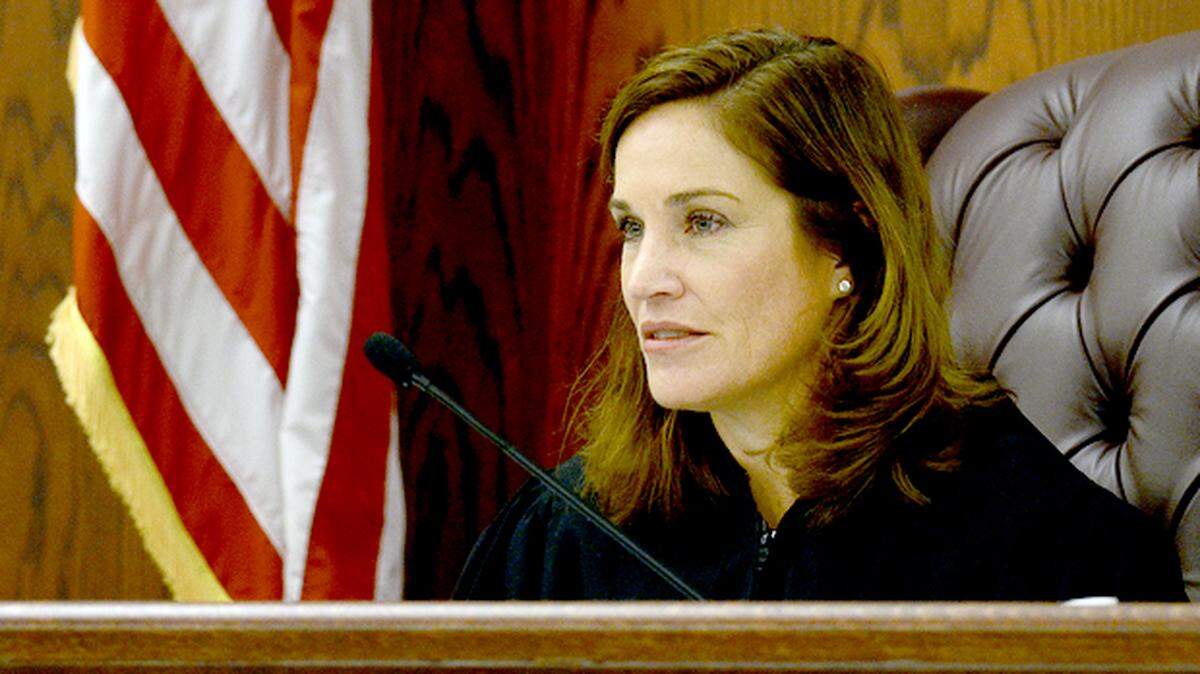
At most, there will only be four days of trial next week, as presiding Judge Richard Gergel will be unavailable Thursday.
Gergel, the presiding judge in Laffitte’s trial, told the jury that he will be out of town next Thursday for a ceremony in Washington. That’s when former South Carolina federal Judge Michelle Childs will be formally invested as an appellate judge for the Court of Appeals for the D.C. Circuit.
The D.C. Circuit is seen as one of the most prestigious in the federal judiciary, as its judges often review federal government actions before they reach the U.S. Supreme Court. Its bench is considered a training ground for future Supreme Court justices.
Childs herself was considered for nomination to the nation’s highest court by President Joe Biden earlier this year when Justice Stephen Breyer announced he planned to retire. Biden ultimately chose Judge Ketanji Brown Jackson for the seat instead.
Gergel told the jury Jackson will also be in attendance for the ceremony Thursday.
This story was originally published November 12, 2022 at 5:00 AM.
.jpg)






















_fitted.png)