‘Like a father figure’: SC sisters with money managed by Laffitte testify at fraud trial
READ MORE
Alex Murdaugh Coverage
The Murdaugh family saga has dominated the news after another shooting, a resignation and criminal accusations — with Alex Murdaugh at the center of it all. Here are the latest updates on Alex Murdaugh.
Expand All
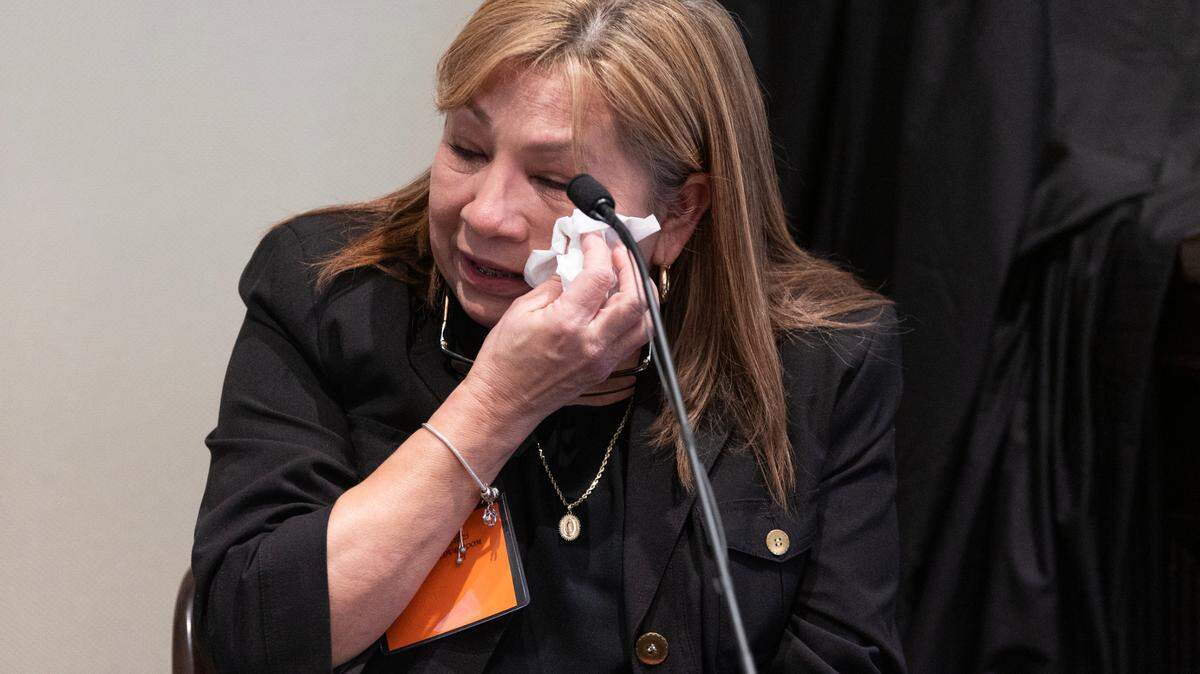
Two South Carolina sisters who depended on Russell Laffitte to manage hundreds of thousands of dollars in a settlement after losing their mother in a car accident gave often emotional testimony against the former banker Monday.
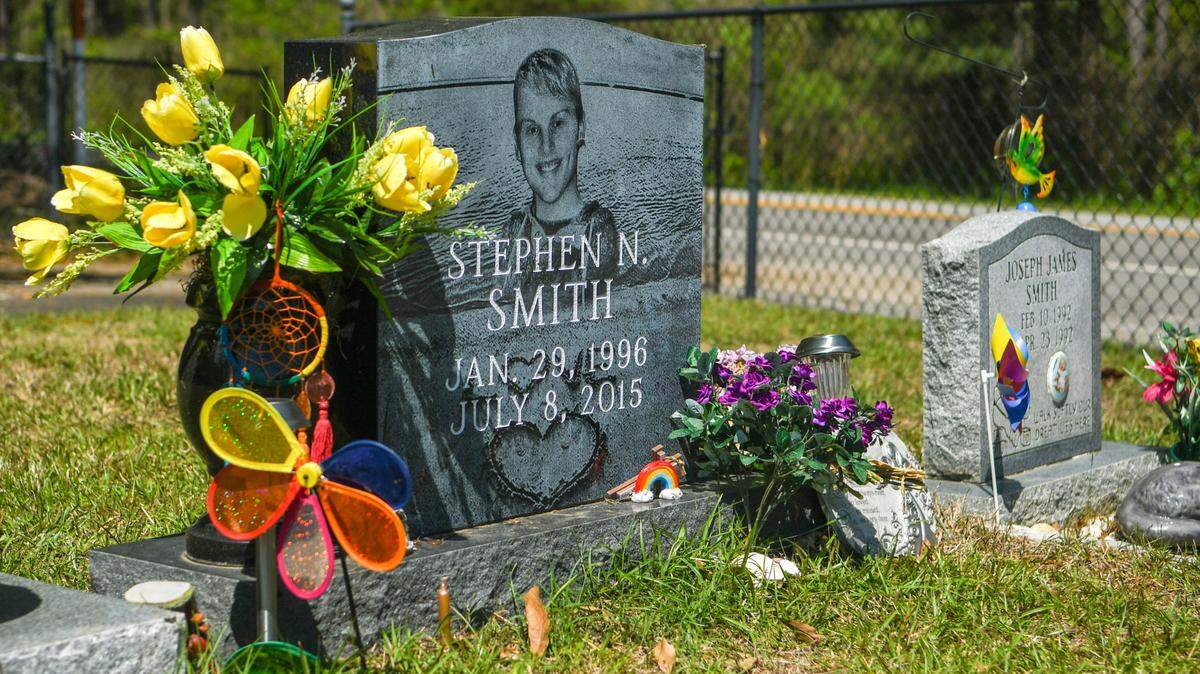
Alania Plyler Spohn and Hannah Plyler were 12 and 8 years old when their mother and older brother died when a faulty tire caused the car they were riding in to crash into a thicket of trees. It took them years to recover from physical injuries, emotional distress and the unstable home life their mother’s death sent them into, they said.
To provide them financial help and stability, they turned to the man in charge of their legal settlement money, then-Palmetto State Bank executive Russell Laffitte. The money was kept in accounts at Laffitte’s bank.
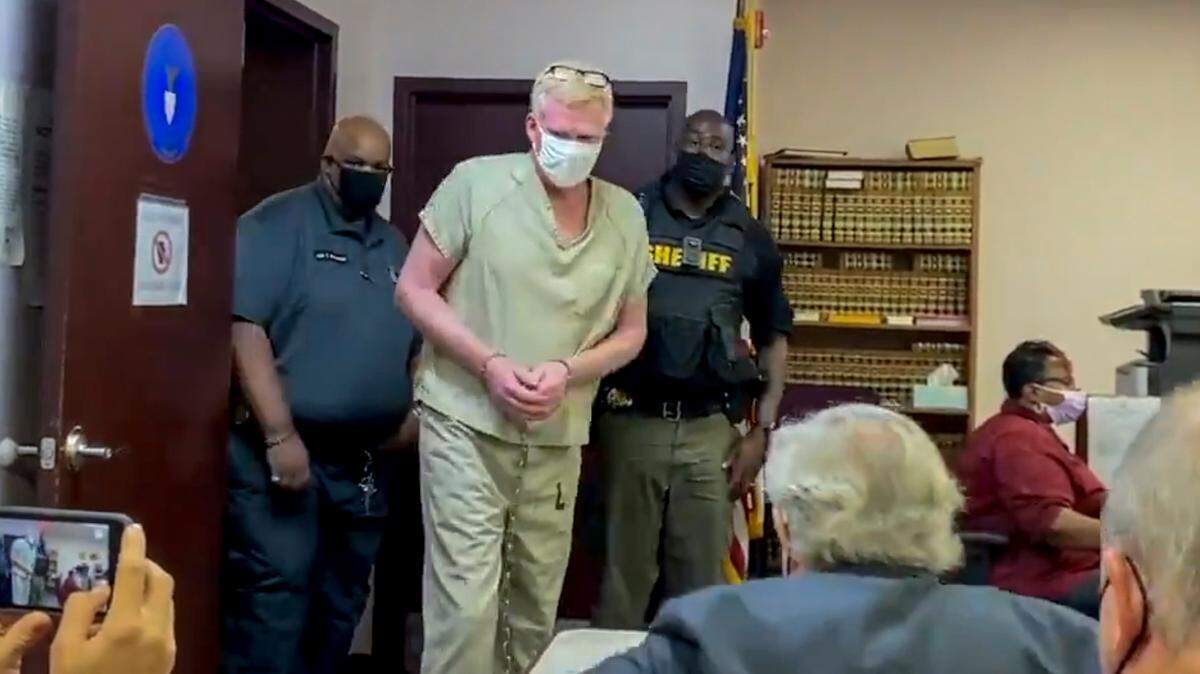
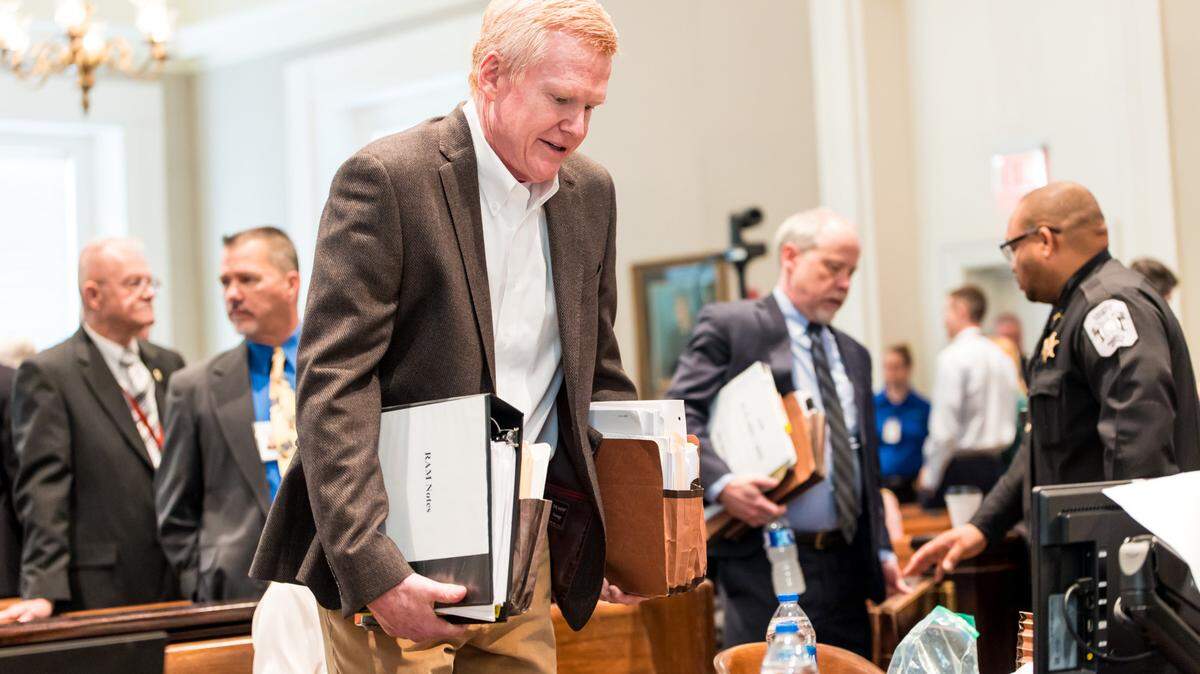
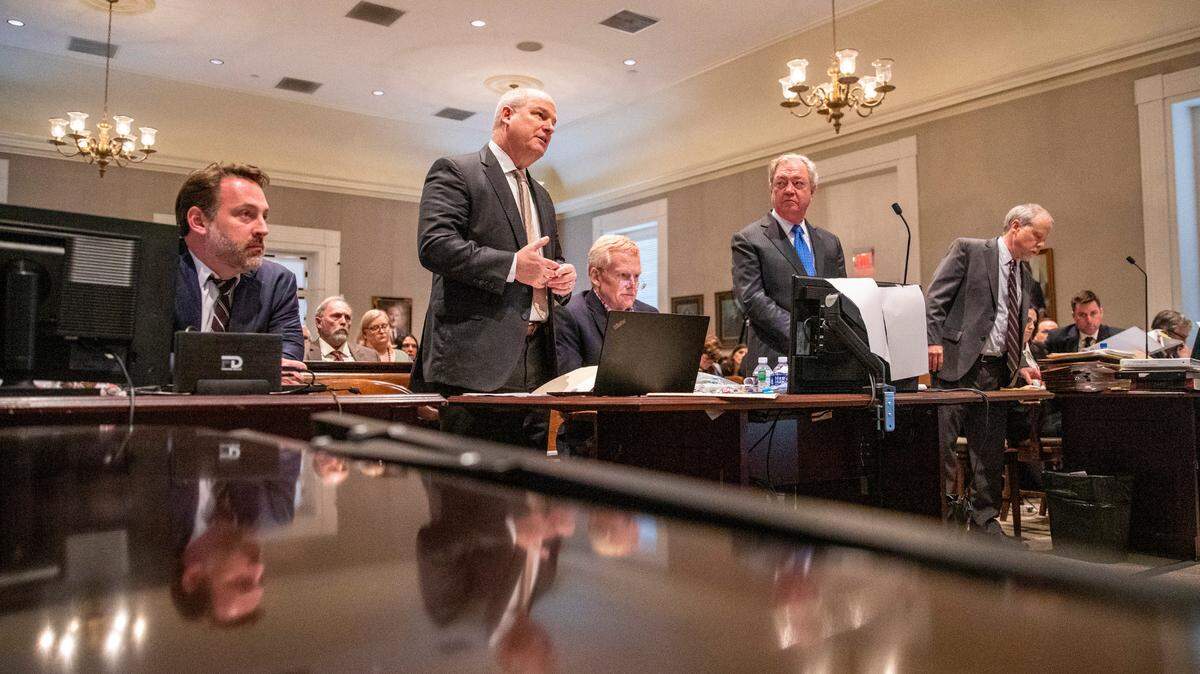
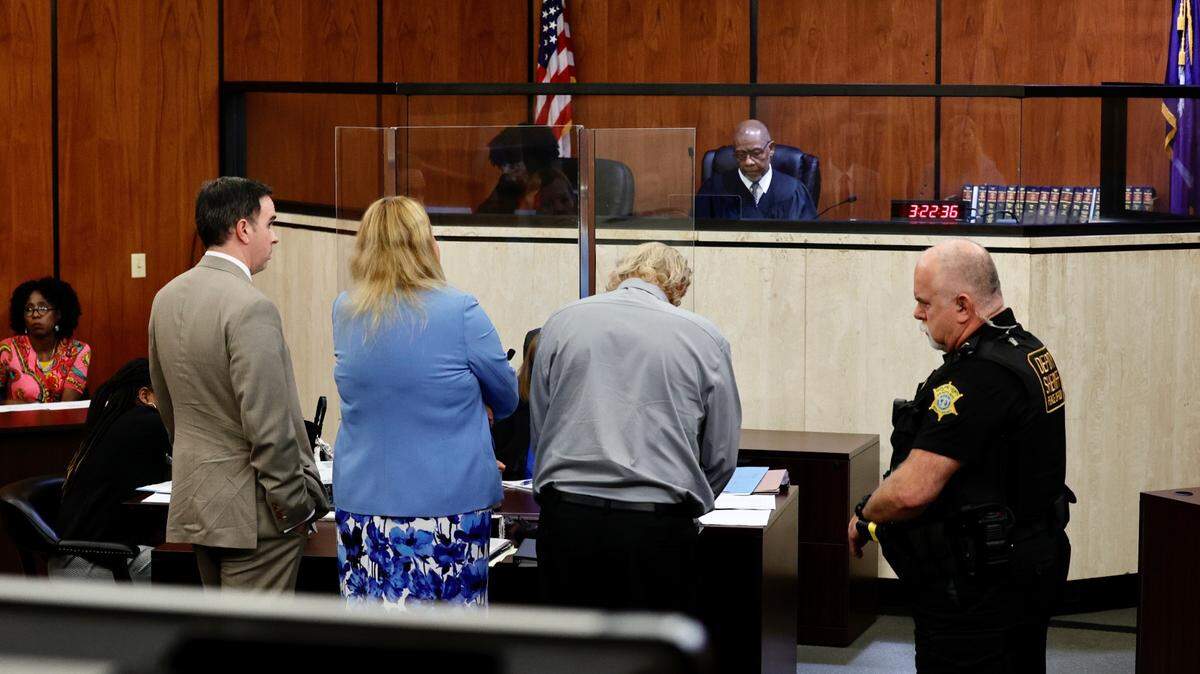
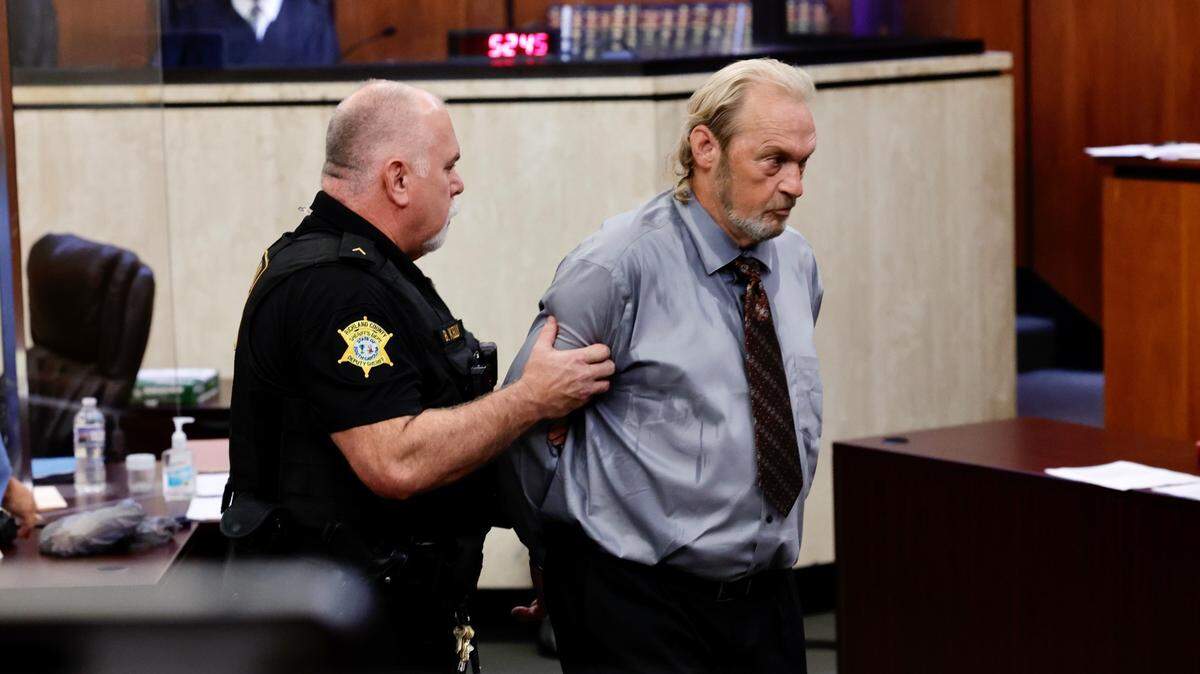
On Monday, the sisters were the first witnesses to start the second week of Laffitte ‘s federal trial in Charleston on bank and wire fraud charges.
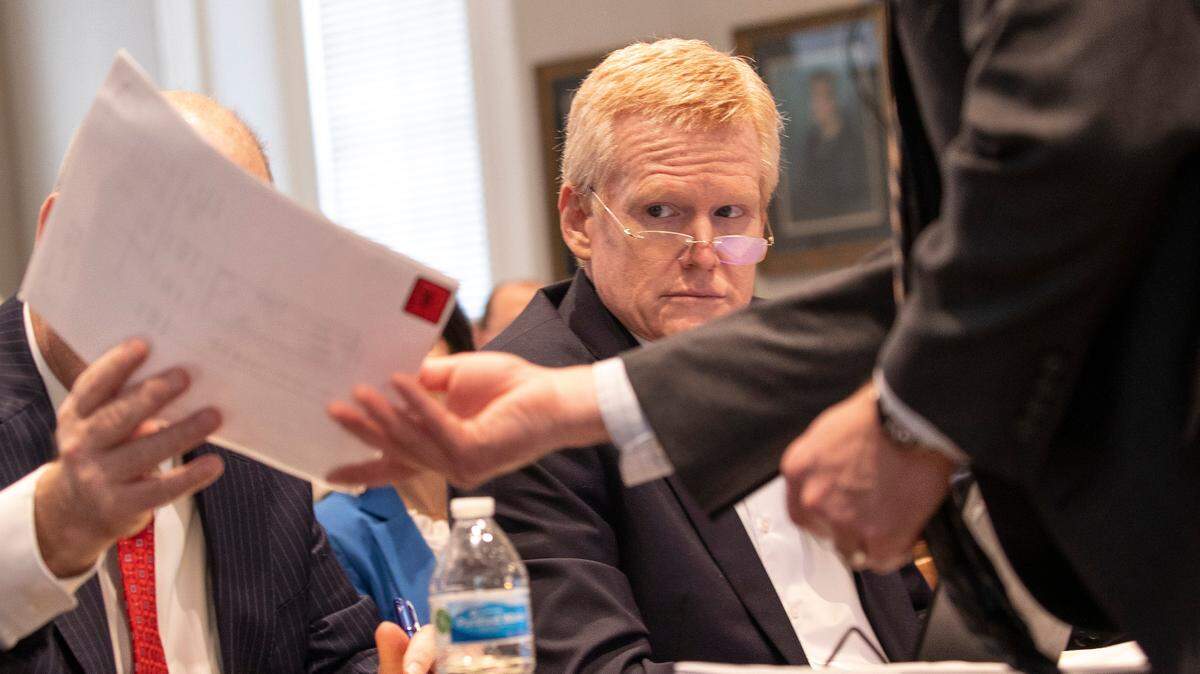
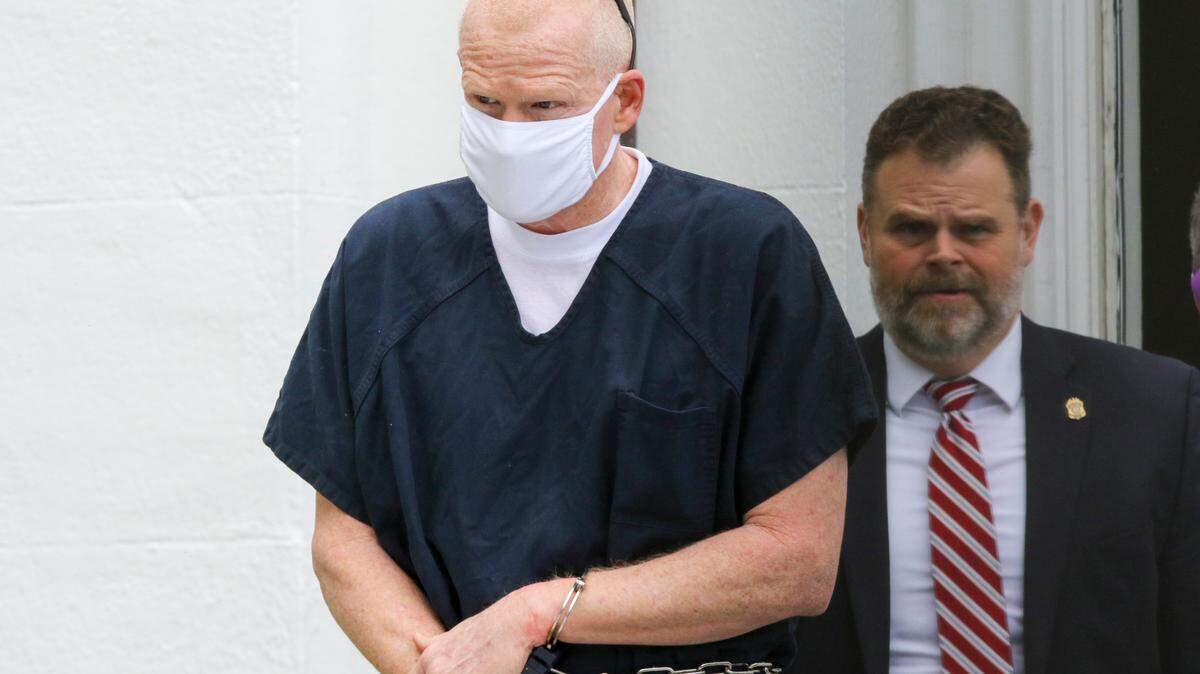
The government has accused him of misusing and stealing money from the Plylers’ settlement and other accident victims whose finances he managed, and using that cash for his own personal use and the use for Alex Murdaugh, one of the attorneys on the Plylers’ case.
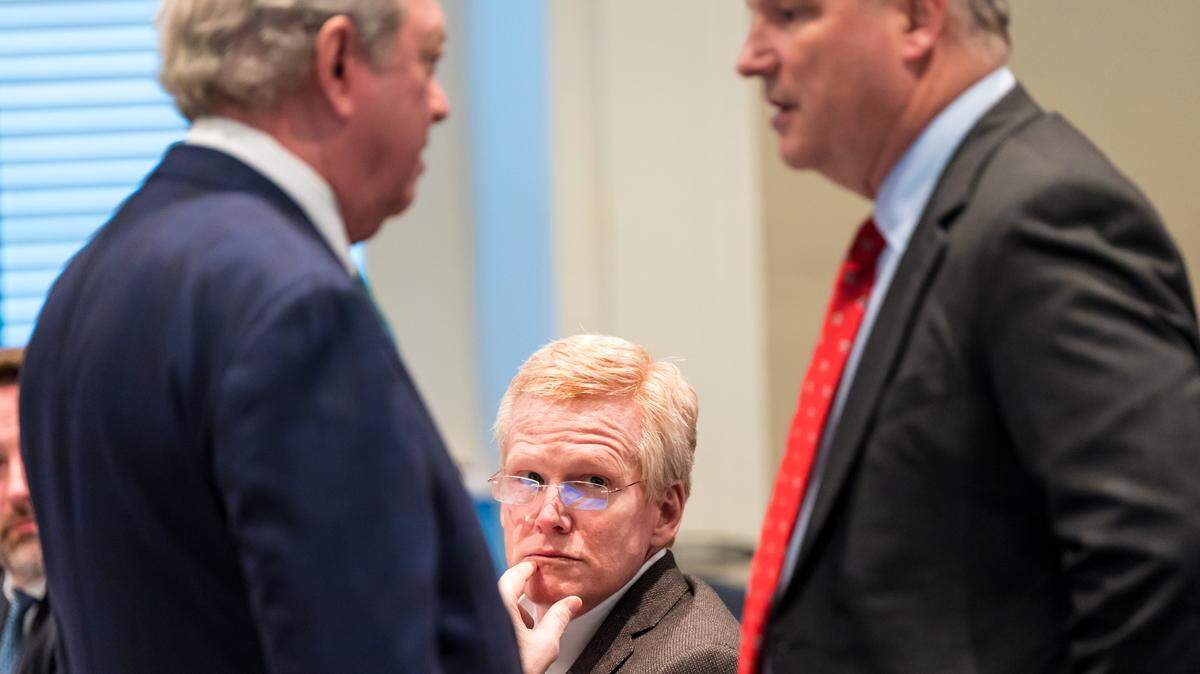
Murdaugh is not charged in this case, but is an unindicted co-conspirator.
Murdaugh and the extensive state charges of financial fraud — he is accused of embezzling some $8 million from more than a dozen clients and associates — has become a national sensation since he was charged in the June 2021 murders of his wife and son.
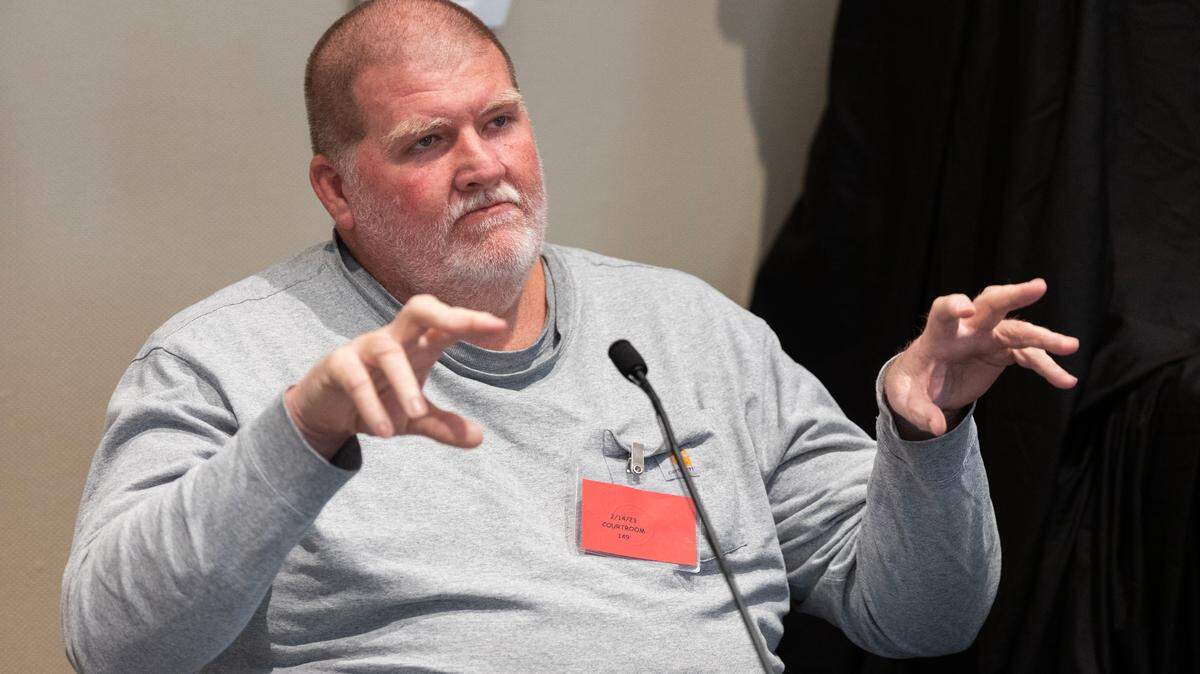
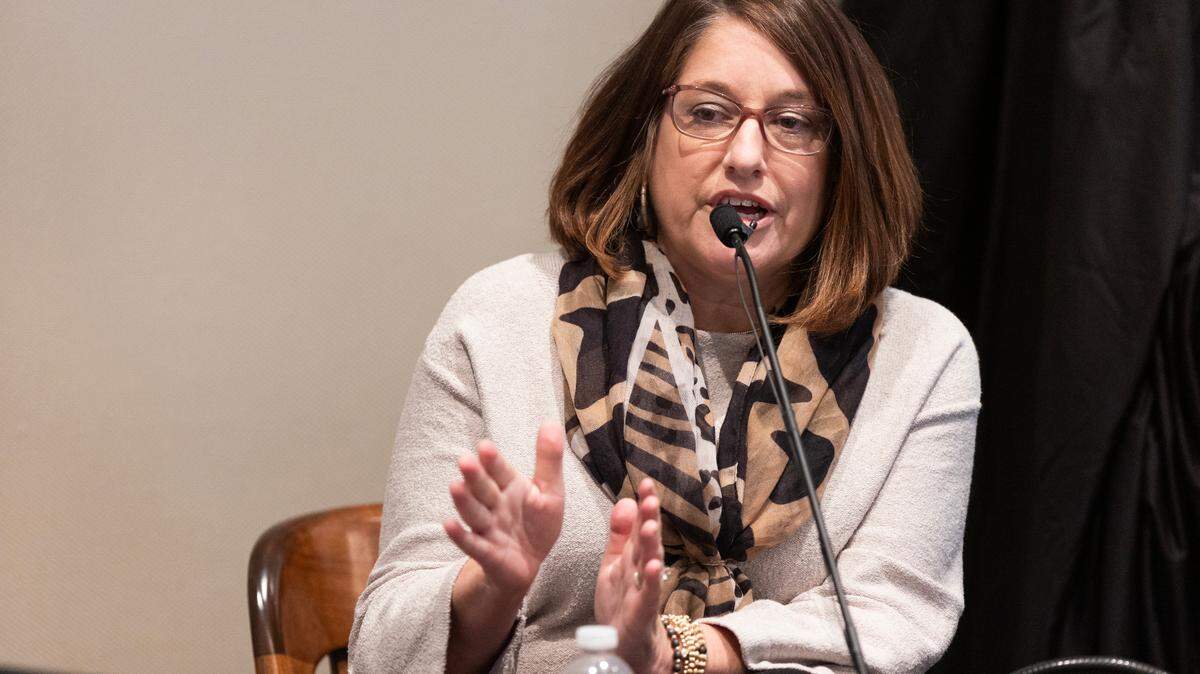
Alania, now 30, described Laffitte as a father figure who helped her buy a car and a house, and who promised her enough money so that she would never have to work a day in her life.
“I viewed it as a bottomless pit,” she testified Monday. “I could buy all the cars I wanted, get a beautiful house, and it would never run out.”
Under questioning by prosecutor Winston Holliday, Alania made it clear that Laffitte had no emotion toward her.
“It was all business,” she testified.
But she remembered the banker always being vague about the exact amount of money she could expect to get.
She and her sister had to ask for a regular allowance to cover their school and living expenses. When Laffitte bought a used car for her, Alania ended up paying high interest rates on a used car purchased at auction, even though she was under the impression that hundreds of thousands of dollars should have been available in her account.
When she turned 18, Alania said she remembered meeting Laffitte for the last time to get a bundle of paperwork she didn’t understand, and then unceremoniously handing control of the money over to her. Laffitte gave her no advice on how to handle the windfall she was coming into, she testified.
“I anticipated it (the last meeting with Laffitte) would last all day, but I remember thinking the drive was longer than the whole meeting,” Alania testified Monday.
The only time she said she heard from Laffitte after that day was when he needed to locate her still-underage sister, Hannah, whose money he still controlled.
Laffitte is accused of siphoning money from the Plylers’ accounts when Murdaugh requested money for his own use, including money to pay for Murdaugh’s boat and renovations to a family beach house.
When Alania later lost that bundle of paperwork in a house fire, she remembers receiving a “lighter” packet from Laffitte in the mail to replace it. She said she only received a full copy after Murdaugh was fired from his family law firm and accused of misappropriating money.
Laffitte told her he was sending it to her because it had also been requested by the State Law Enforcement Division, she said.
Hannah, now 25, said she was unaware of any money being moved from her account, and only received a similar set of paperwork when she turned 18. But she said she did remember having to account for any spending she made on a childhood trip to Disney World, being told to keep spending basic for anything for which she couldn’t get a receipt.
“That was hard for a little girl who just lost her mom and brother, and just tried to have a good time,” Hannah said. “I feel like it should have been easy for us.”
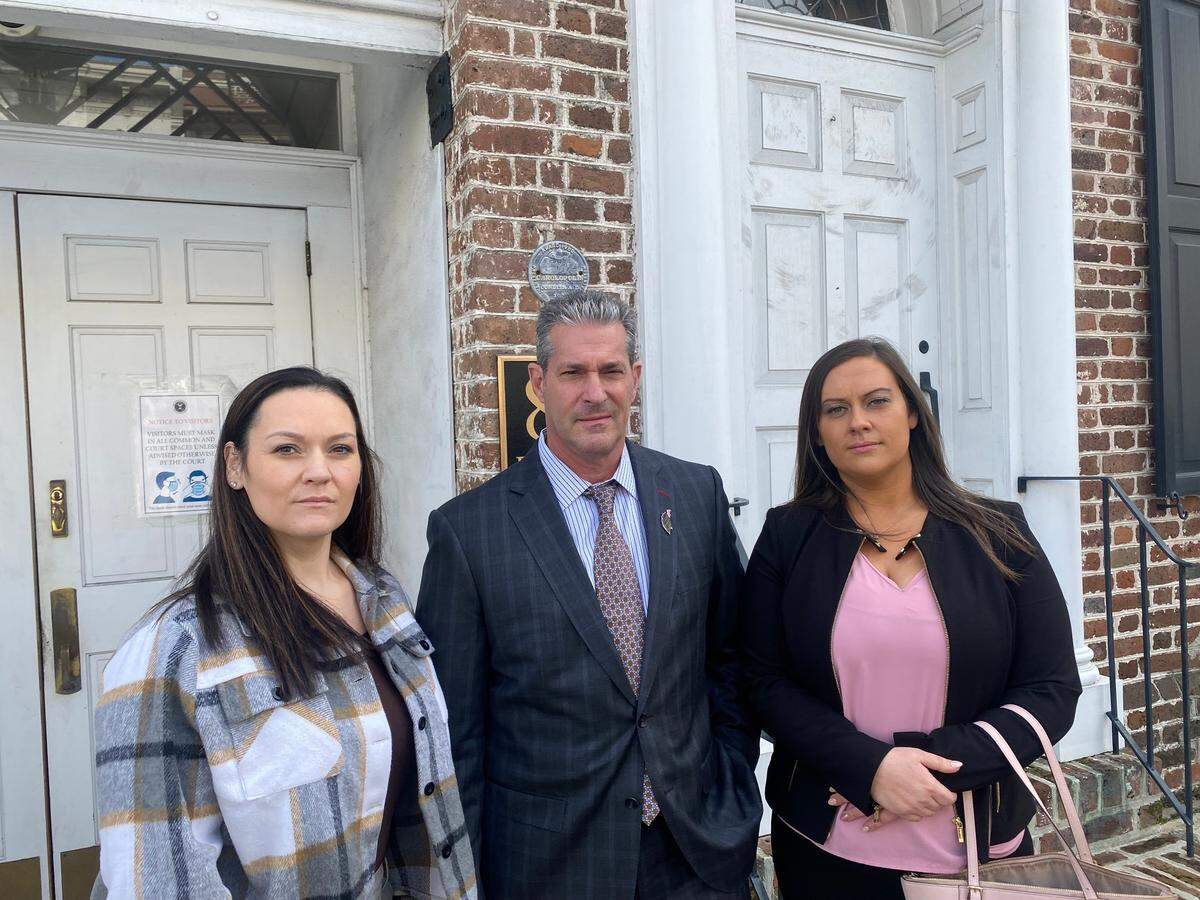
FBI analyst explains how Laffitte moved money
An FBI forensic accountant — the prosecution’s seventh witness so far — testified Monday that as early as 2011, Laffitte was transferring money from Hannah’s account to Murdaugh’s, who then put the money into his own two Palmetto State Bank checking accounts.
What Laffitte deemed as “loans,” Laffitte also gave himself a “loan” from Hannah’s account, FBI accountant Cyndra Swinson testified.
In the five years between 2011 and 2015, when Hannah turned 18, Laffitte made more than a dozen transfers totaling some $240,000 from her accounts to Murdaugh’s two checking accounts, Swinson testified.
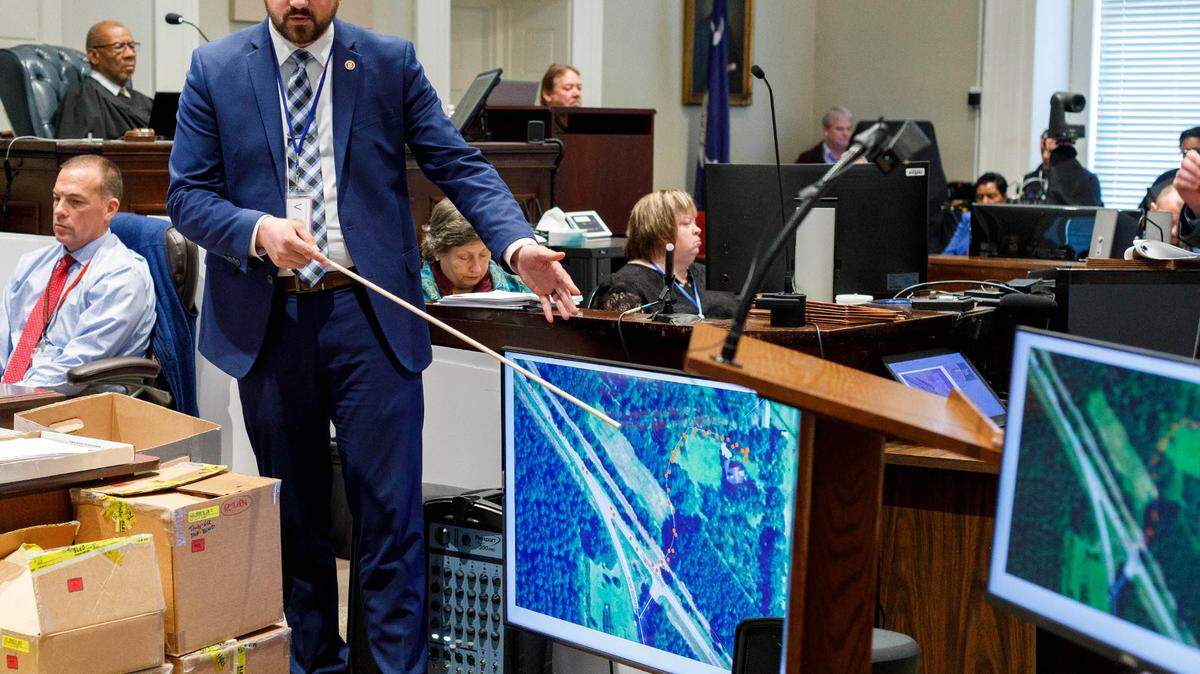
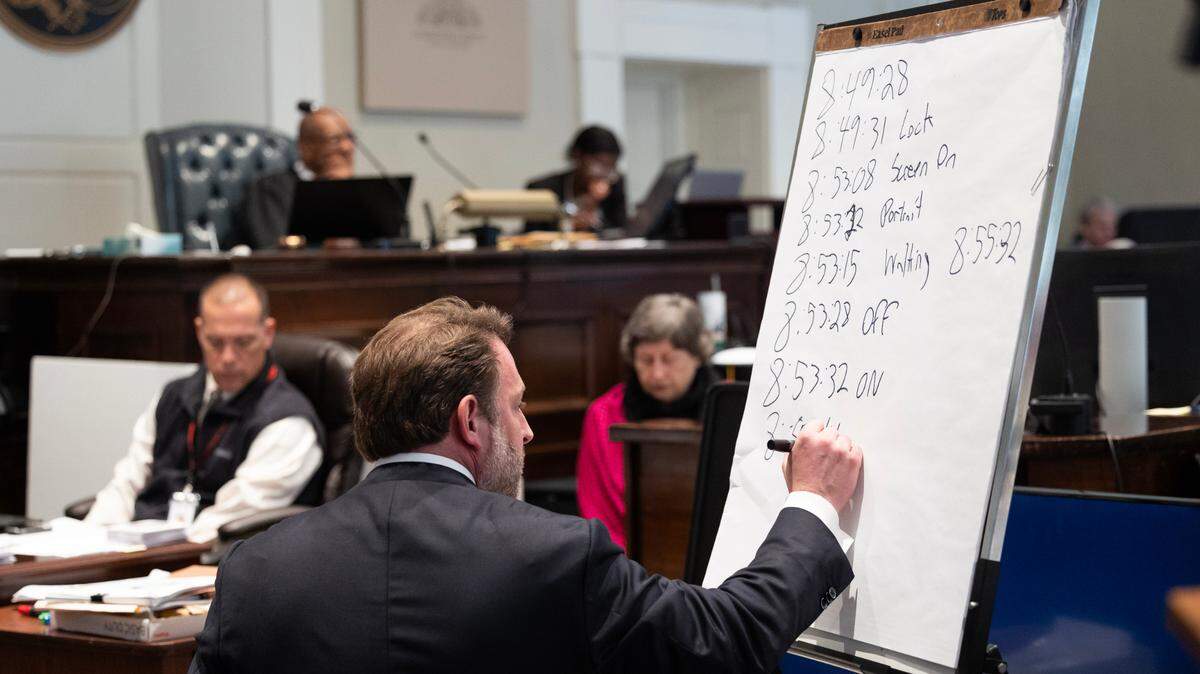
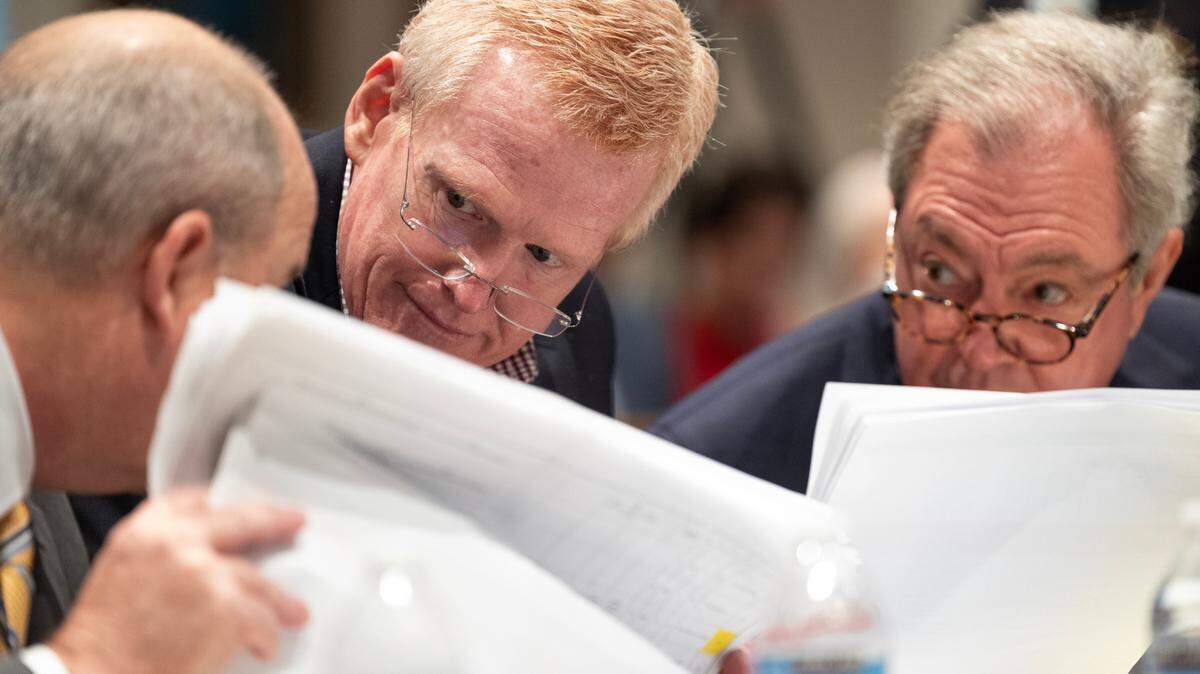
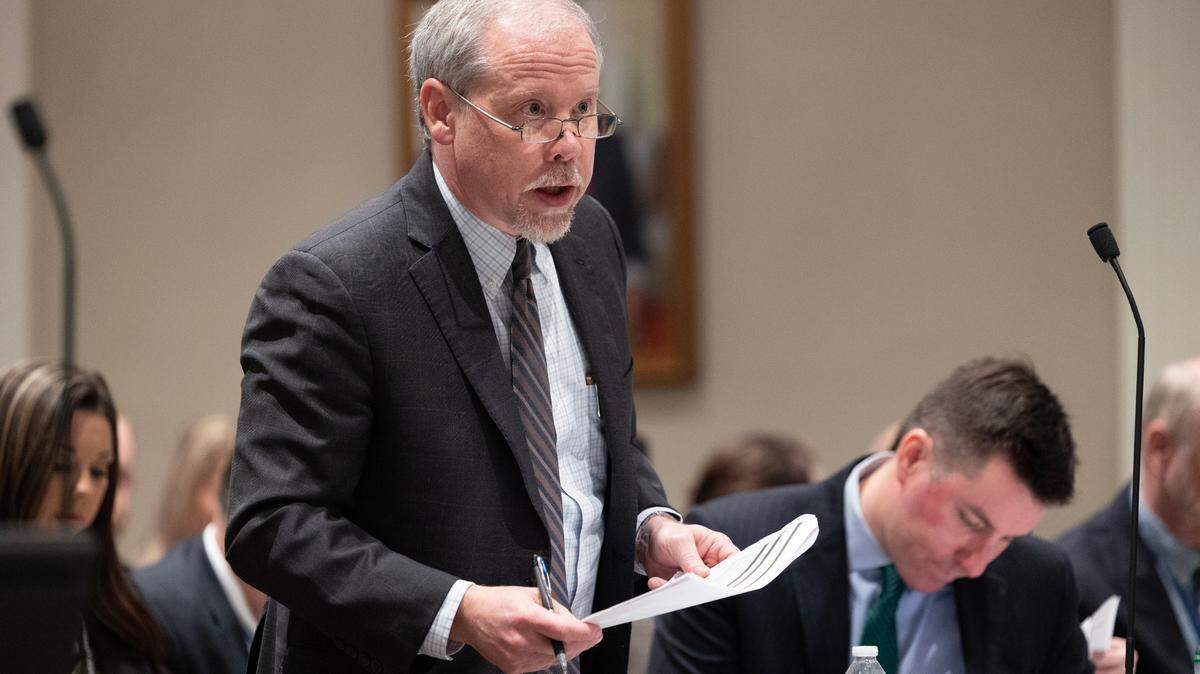
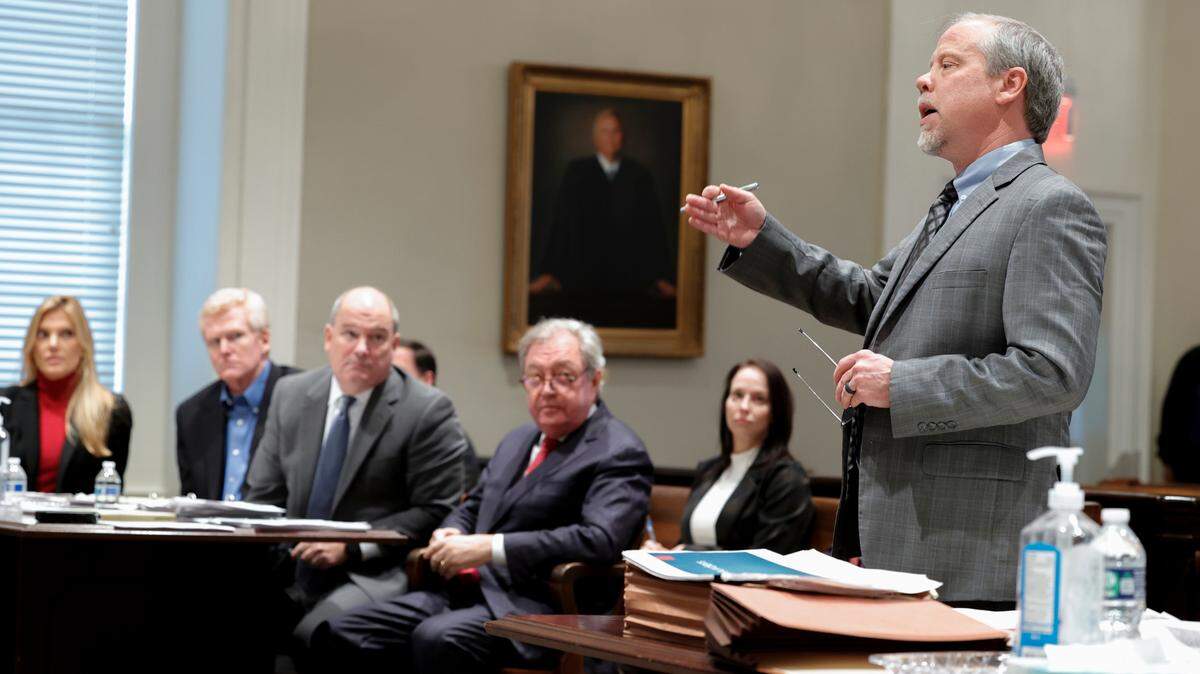
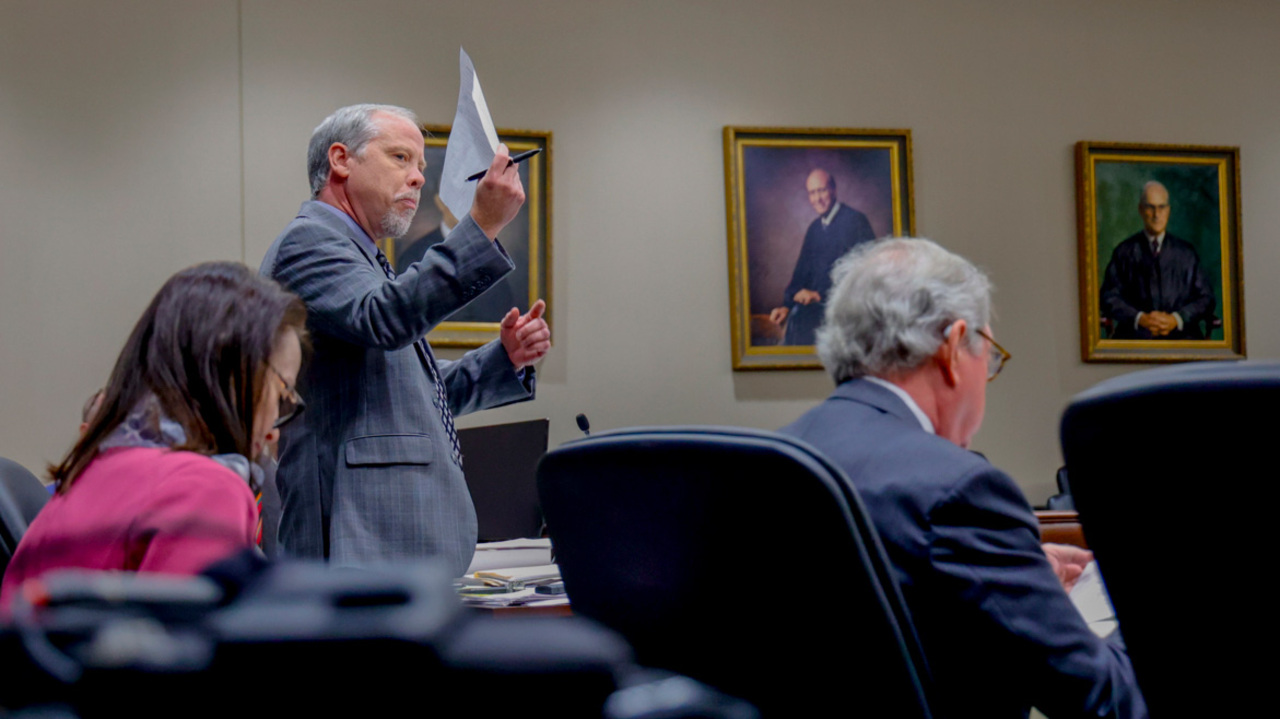
Under questioning by prosecutor Katie Stoughton, who used blown-up spreadsheets and copies of bank documents to illustrate her testimony, Swinson testified that much of the time, after Murdaugh put the money in his checking accounts, he overdrew those accounts within weeks.
Swinson also testified that Murdaugh’s law firm attorney John Parker gave a $400,000 loan to Laffitte that was used to help with rapid transfers of money that Laffitte was engineering. Parker often made loans to people, according to earlier testimony in the trial.
In September 2011, Laffitte withdrew $225,000 from Hannah’s account and put it into his own account, then paid off two outstanding loans of $92,000 and $52,000. Before the transfer, Laffitte had less than $100 available in the account Hannah’s money was transferred to.
Swinson also testified that Laffitte used money he borrowed from Hannah to pay more than $20,000 to a swimming pool company and pay off a loan with a high interest rate and then give himself a lower interest rate loan.
In total, nearly a quarter-million dollars was used from Hannah’s account to pay off outstanding loans to Laffitte, of which $19,000 is still outstanding, Swinson testified.
That was the beginning of a string of money transfers detailed to the jury, showing hundreds of thousands of dollars moved from Hannah’s account to accounts associated with Laffitte, Murdaugh, both men’s fathers and Murdaugh’s wife, Maggie.
To cover the withdrawals, Laffitte would transfer money from other accounts of lawsuit settlements of accident victims he also oversaw as a conservator, including Arthur Badger, Hakeem Pinckney and Malik Williams, Swinson said.
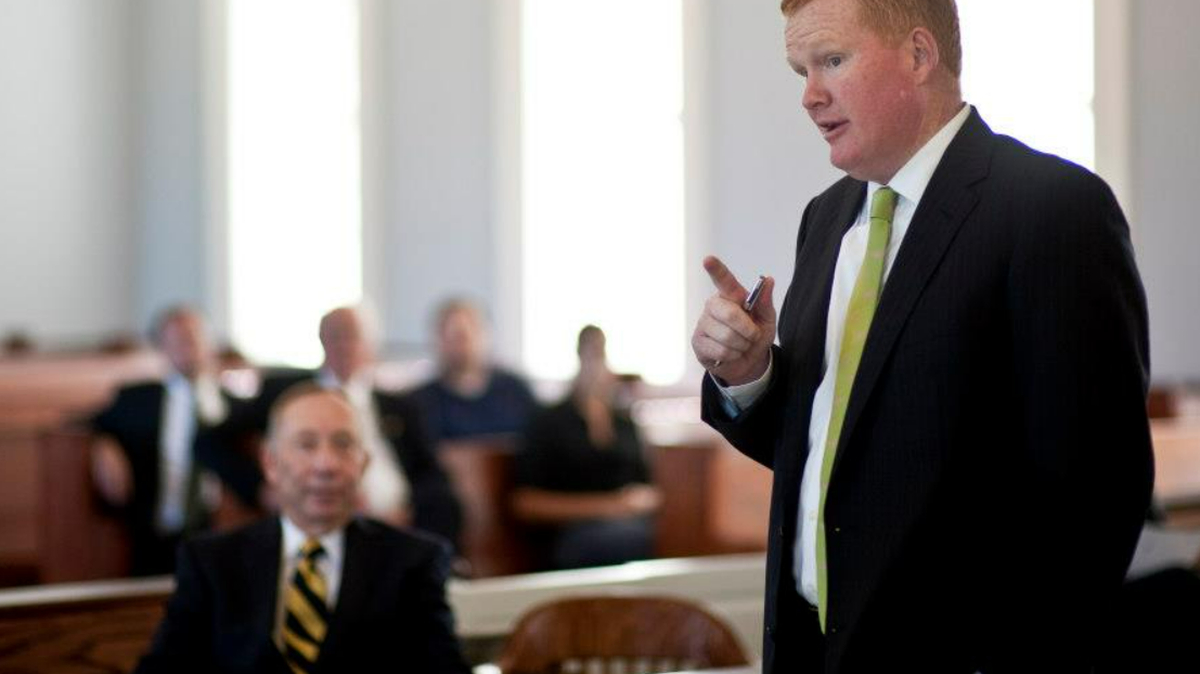
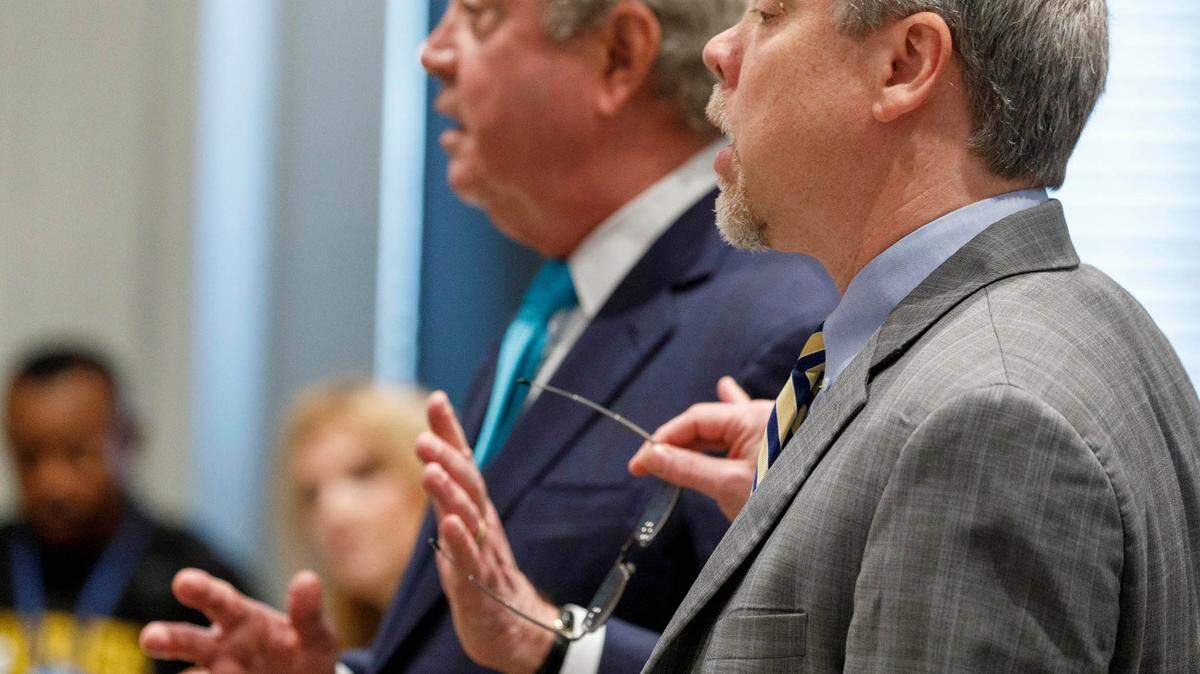
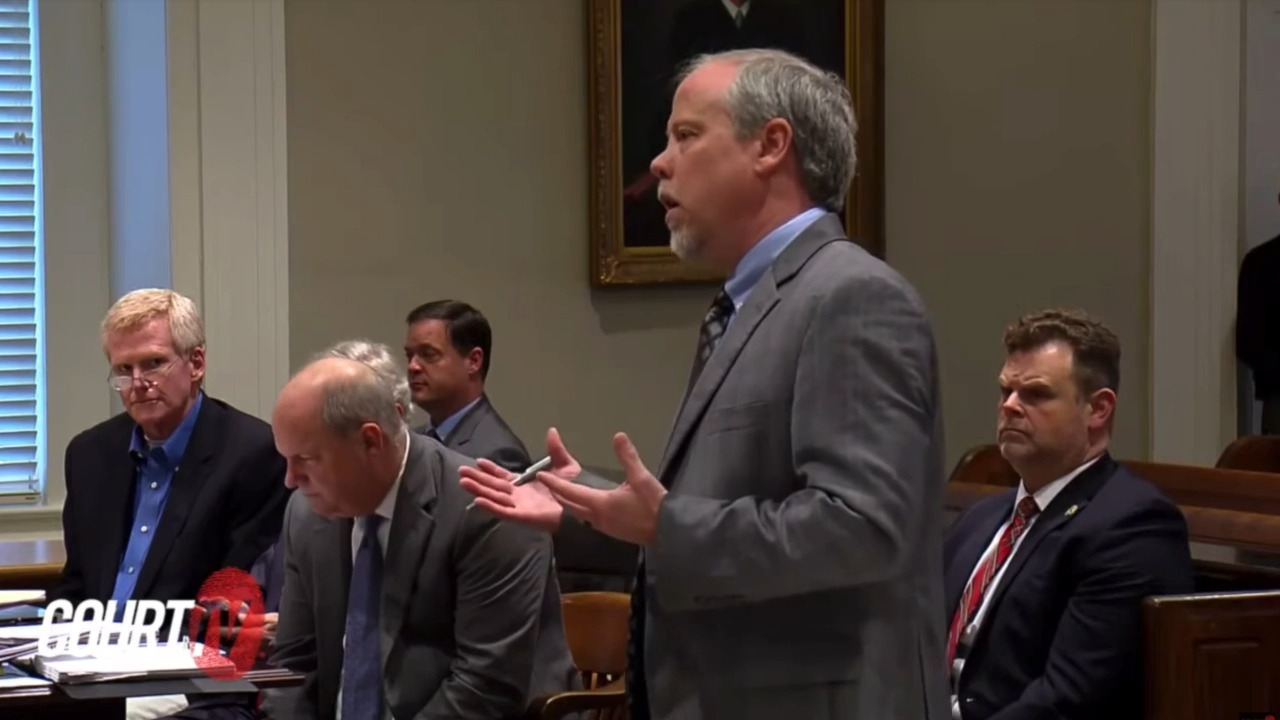
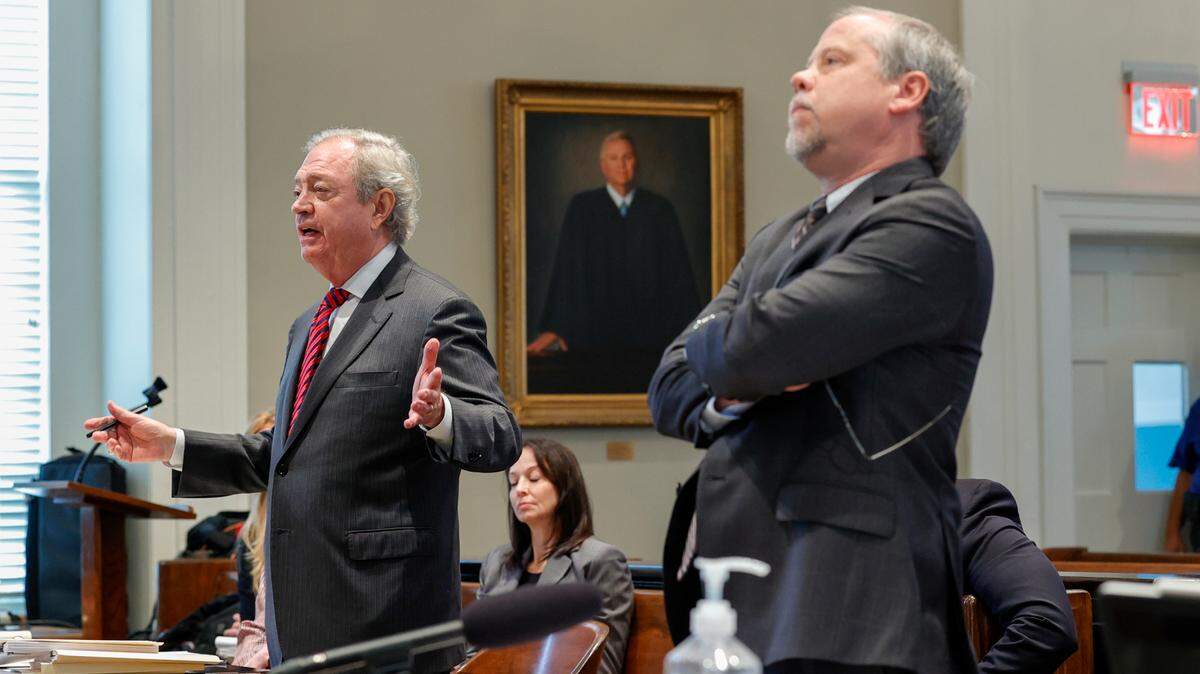
All loans were paid back in full from the other conservatorships, Swinson said under cross-examination by defense attorney Bart Daniel.
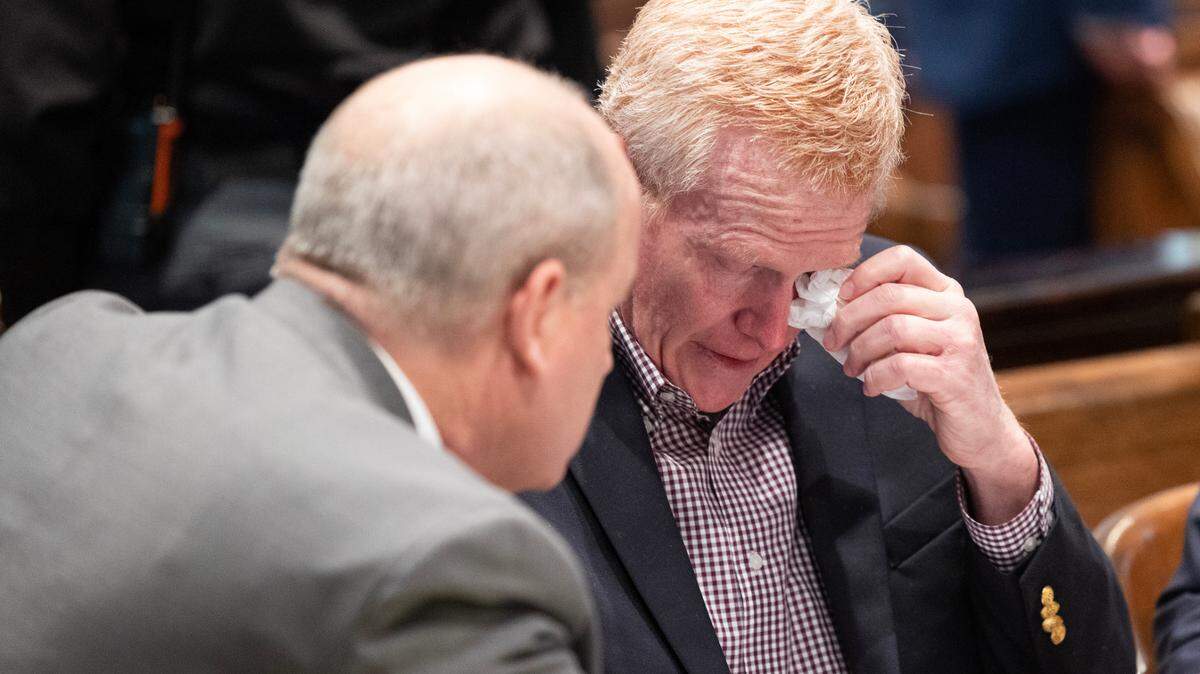
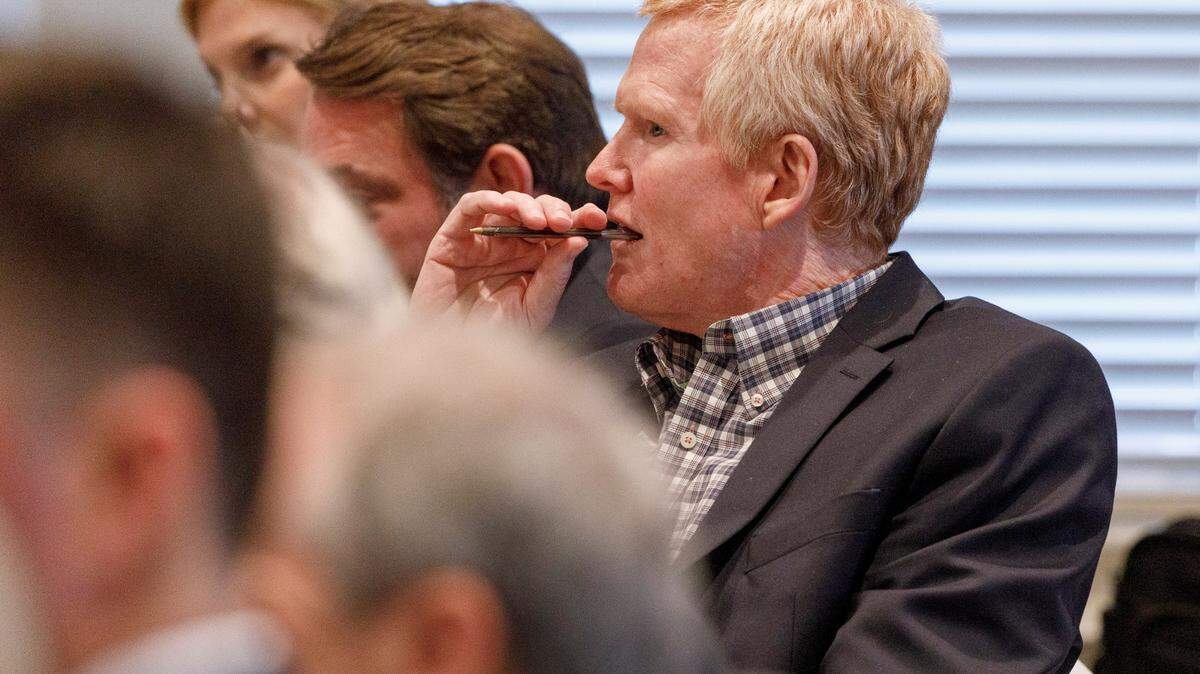
Murdaugh and Laffitte ultimately lost their jobs at Murdaugh’s family law firm and Laffitte’s family-run bank, respectively.
Earlier Monday, in cross-examining Hannah, Defense attorney Matt Austin made the point that Laffitte did successfully manage and even grow the Plylers’ accounts from their legal settlement.
Hannah testified that she now lives off her annuity payments from the account, while her sister, Alania, said she chooses to work as a sheriff’s deputy even though her annuity covers her daily expenses.
“I love working the road, I love being one of the first people on the front line,” Alania said. “When children get abused, or there’s a wreck I show up on involving children or where lost loved ones, I know what that’s like. Working with single moms making ends meet with nowhere to live, I know what that’s like too. That’s the silver lining when I go to work tonight, that I’ll use my life experiences to help others.”
This story was originally published November 14, 2022 at 11:38 AM.
.jpg)












_fitted.png)