Is Charter Institute at Erskine subject to ethics laws? SC agency says no
READ MORE
Unchartered Territory
Unchartered Territory is an ongoing series by The State Media Co. about South Carolina’s changing charter school landscape
Expand All
For years, South Carolina’s ethics agency has held taxpayer-funded charter school districts to the same government accountability standards as traditional public school districts.
But that treatment, the State Ethics Commission recently determined, should not have been applied to all charter school districts.
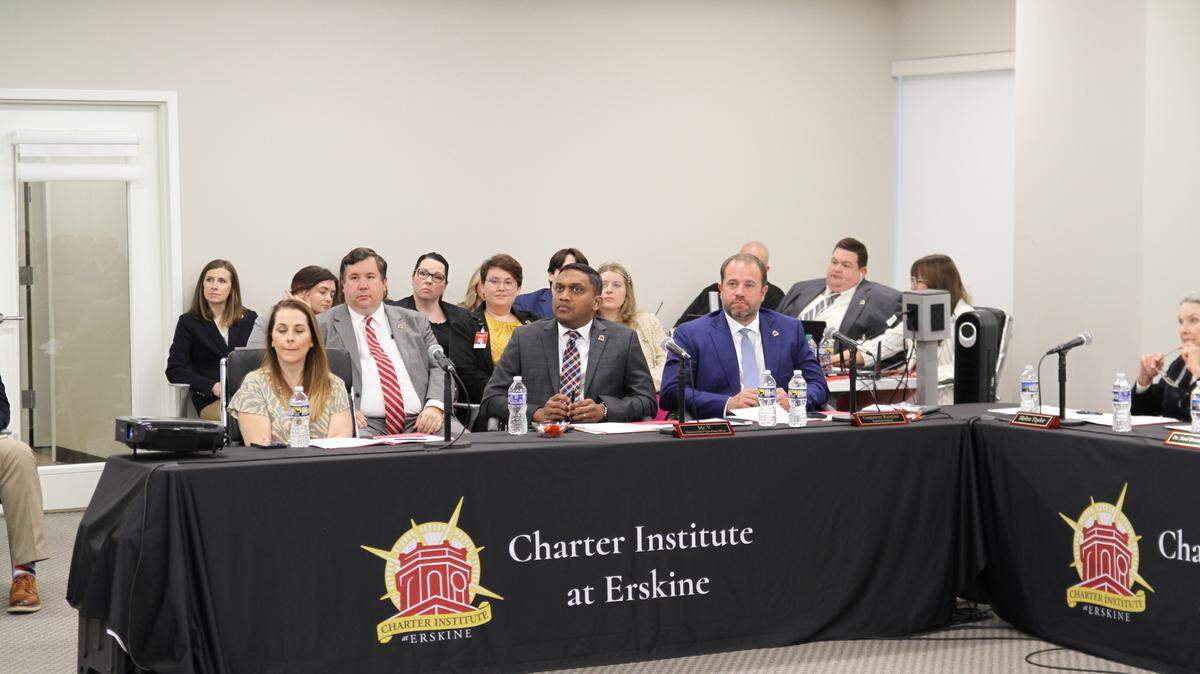
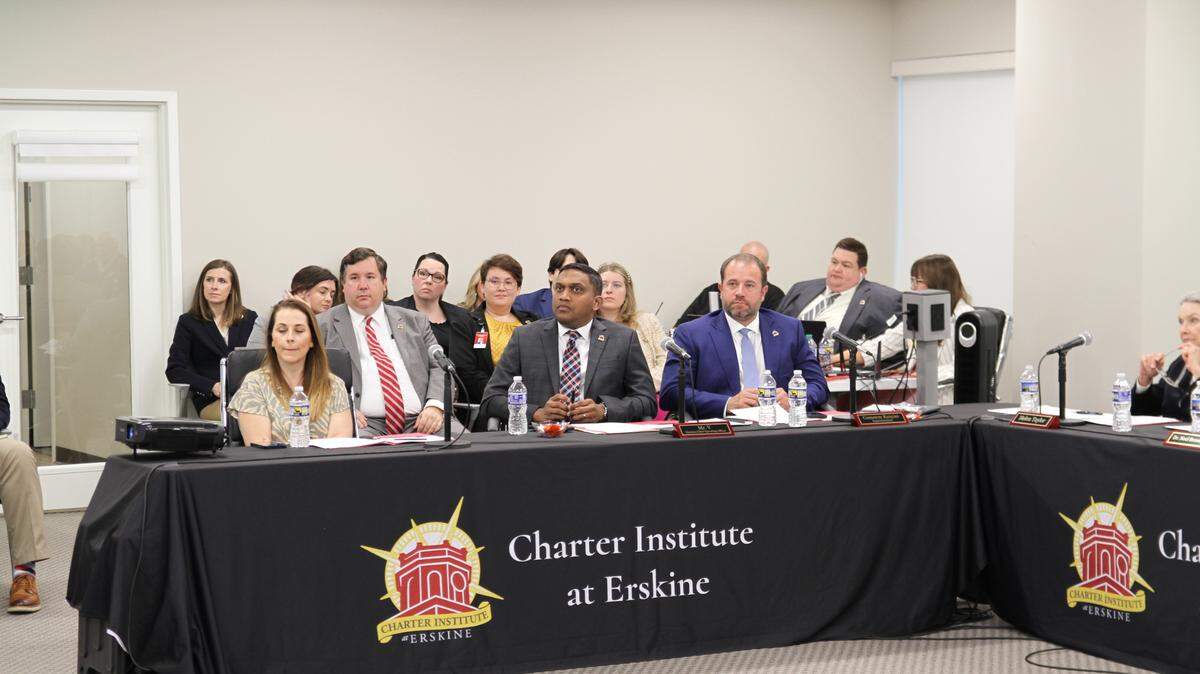
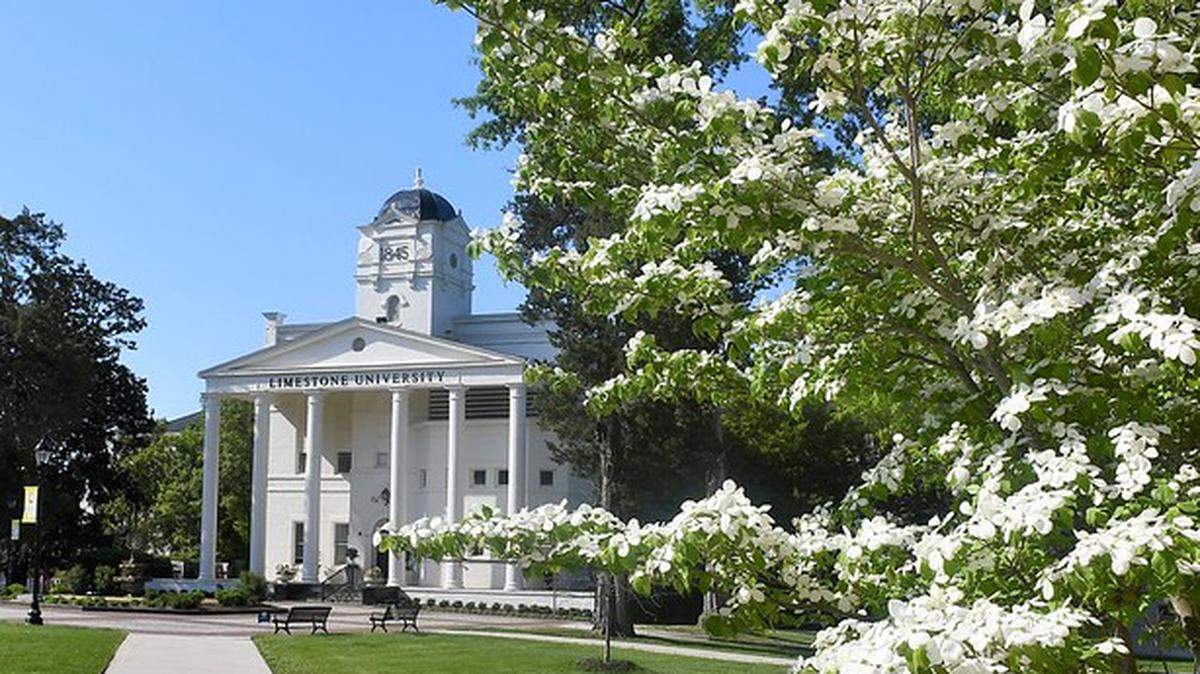
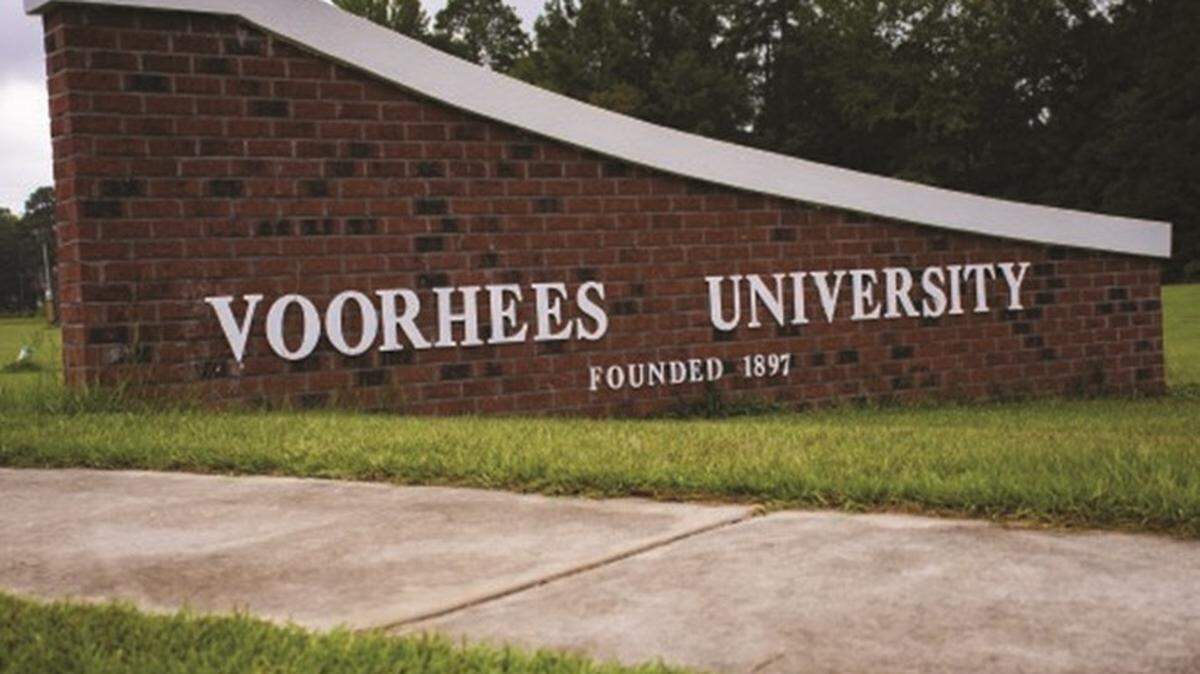
The agency last week notified the leaders of three charter districts affiliated with private colleges and universities — Charter Institute at Erskine, Limestone Charter Association and Voorhees Charter Institute of Learning — that their districts were not, in fact, subject to state ethics laws.
Because the districts were created by private entities, the commission reasoned, they were not governmental entities and their board members and employees were not public members or public employees.
The decision does not apply to individual charter schools, whose boards and employees are considered public members and public employees under the Charter Schools Act, and thus subject to state ethics and government accountability requirements.
It also doesn’t exempt privately-created charter authorizers from the transparency-focused Freedom of Information Act.
The Ethics Commission’s policy reversal does, however, validate the position adopted by the Charter Institute, an affiliate of Erskine College, which recently asserted its private, non-governmental status to claim exemption from certain legal statutes and code sections.
It means that, at least for the time being, board members and employees of charter school authorizers created by private colleges and universities — which receive millions of taxpayer dollars each year to approve new public charter schools and oversee 46 existing ones — will not be required to disclose any of their personal financial relationships or abide by state ethics laws that prohibit nepotism and self-enrichment.
Derek Black, a University of South Carolina law professor, said it struck him as odd that any entity responsible for obligating millions of taxpayer dollars would not be subject to ethics requirements.
“Maybe the Legislature thinks it’s fine that the public doesn’t have a right to get basic information about spending and conflicts of interest,” said Black, an expert in education law who has written extensively about charter schools. “But my suspicion is the Legislature doesn’t think that’s a good idea, and most voters don’t either.”
The Ethics Commission revised its longstanding legal analysis after reviewing a 2022 letter from the South Carolina Public Employee Benefit Authority that determined the Charter Institute was “not a governmental entity” and denied its employees entrée to the state retirement system.
“Commission staff agrees with the analysis contained in the (Public Employee Benefit Authority) letter,” State Ethics Director Meghan W. Dayson wrote in a Nov. 6 email to the Charter Institute’s attorney, concluding that “no board member or employee of the Charter Institute is required to file a Statement of Economic Interests.”
Statements of economic interest are financial disclosures that public officials and certain public employees file annually detailing their sources of income, property holdings and creditors. The purpose of such statements is to bring light to any financial relationships that may present conflicts of interest for officials and employees.
Dayson said the three statewide charter school authorizers impacted by the commission’s decision would be removed from its online filing system and unable to submit financial disclosures in the future. She said the Ethics Commission hadn’t yet decided what to do about the districts’ past financial disclosures, which as of Thursday, remained available on the agency’s website.
In a statement released late Wednesday, the Charter Institute acknowledged the commission’s determination and said it reaffirmed the district’s status as a private entity since inception.
The Charter Institute did not directly answer a reporter’s questions about the decision’s impact on its operations going forward, but said the district had “always operated with complete transparency and will continue to perform its obligations as a charter school authorizer and (Local Education Agency) in accordance with all applicable state and federal laws.”
A local education agency, or LEA, is a legal term of art generally used to describe a school district. It is defined in state law as “a public authority legally constituted by the State as an administrative agency to provide control of and direction for Kindergarten through Twelfth grade public educational institutions.”
The Charter Institute accepts its designation as an LEA, which has been affirmed by the state Department of Education and is enshrined in law, but argues that employees of an LEA need not be “public employees.”
Charter Institute employees, the district asserts, are private individuals whose compensation, employment contracts and tax withholdings are not available to the public.
Angel Malone, who runs the Limestone Charter Association, an affiliate of the now-defunct Limestone College, said that unlike the Charter Institute, her district has always understood itself to be a public entity.
In wake of the Ethics Commission’s decision, Malone said Limestone would voluntarily post its financial disclosures on the district’s website, for transparency’s sake.
“With all the noise around charters,” she said, “I think we owe it to be as transparent as we can be.”
This story was originally published November 13, 2025 at 11:51 AM.