Audit of SC’s largest charter school district recommends changes to state law
READ MORE
Unchartered Territory
Unchartered Territory is an ongoing series by The State Media Co. about South Carolina’s changing charter school landscape
Expand All
South Carolina’s largest charter school district has accepted donations from businesses that provide it services and provide services to its schools, and “likely” used public funds to financially support a nonprofit that offers teacher training and education consulting to schools it oversees, according to a report by the state’s legislative watchdog agency.
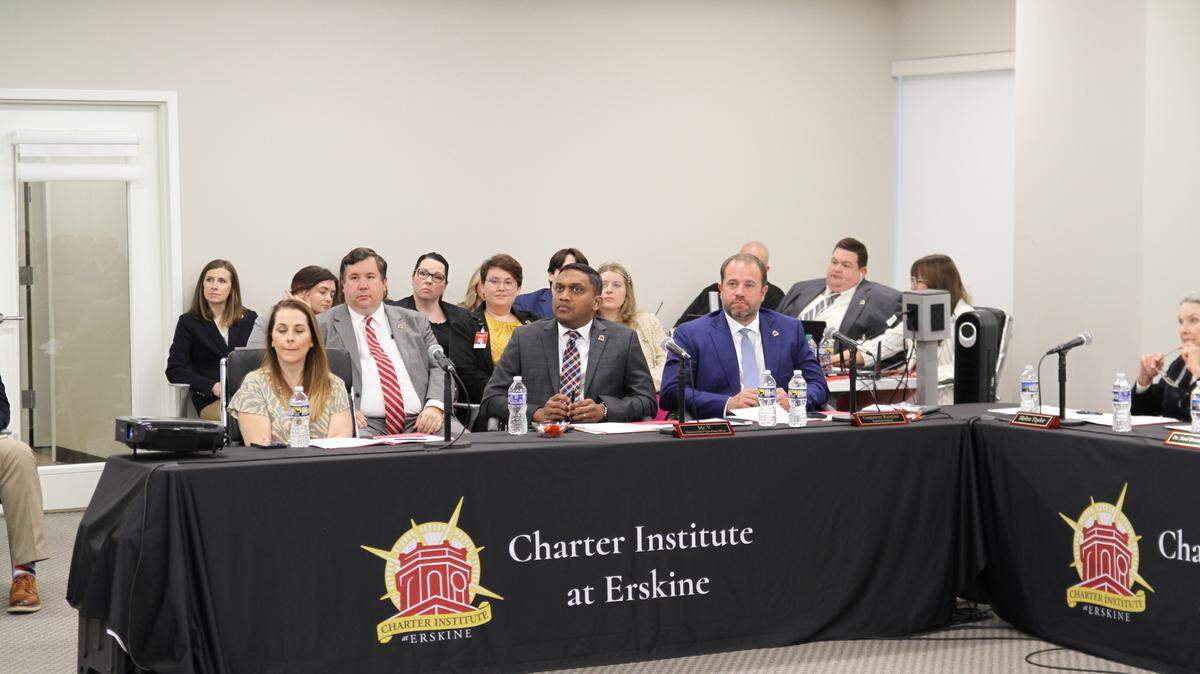
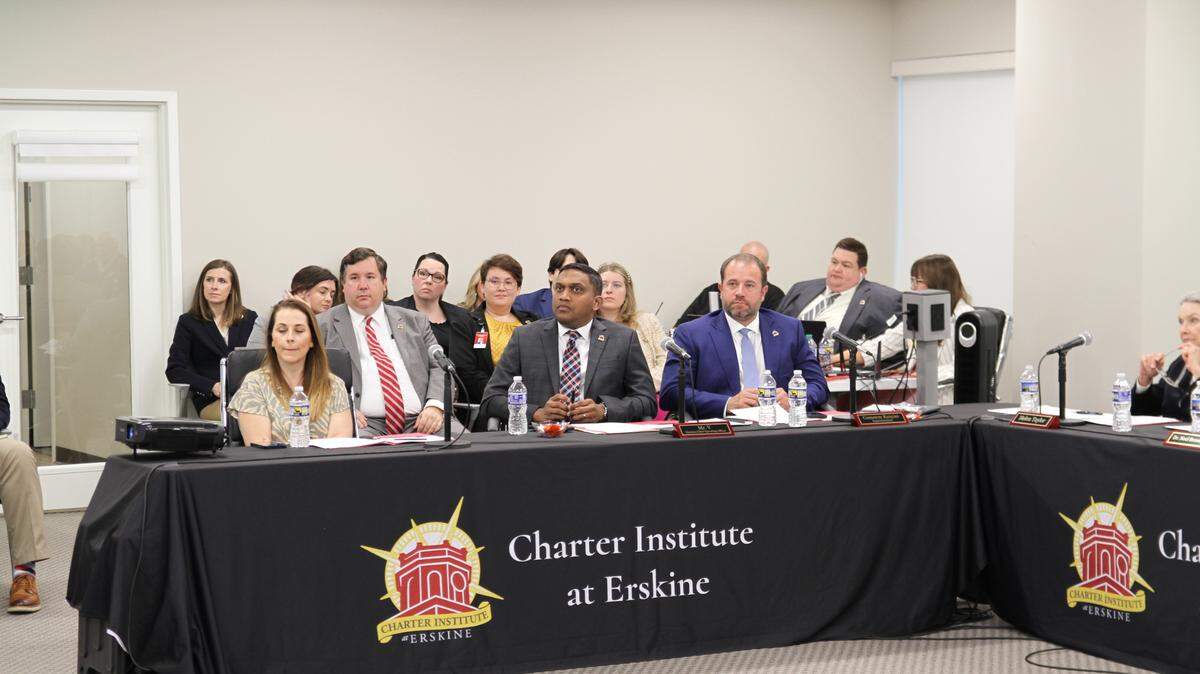
The 74-page report, published Thursday, is the culmination of a nearly 15-month investigation into the financial entanglements of the Charter Institute at Erskine.
Founded in 2017, the taxpayer-funded affiliate of Erskine College has a roughly $6 million budget and authorizes 28 charter schools throughout the state.
By law, charter school authorizers are required to use the public dollars they receive to vet new charter applications and provide oversight to the schools they approve.
The Charter Institute came under legislative scrutiny last year after reporting by The State Media Co. raised questions about the district’s spending and operations.
The Legislative Audit Council’s probe, launched in September 2024 at the request of House lawmakers, sought to answer questions about the district’s financial ties to charter school vendors and the for-profit management companies that operate many of its schools.
While the investigation found that four education management companies had donated to the district, it did not find any indication the Charter Institute gave preferential treatment to those vendors or that the companies donated with the intent of gaining preferential treatment.
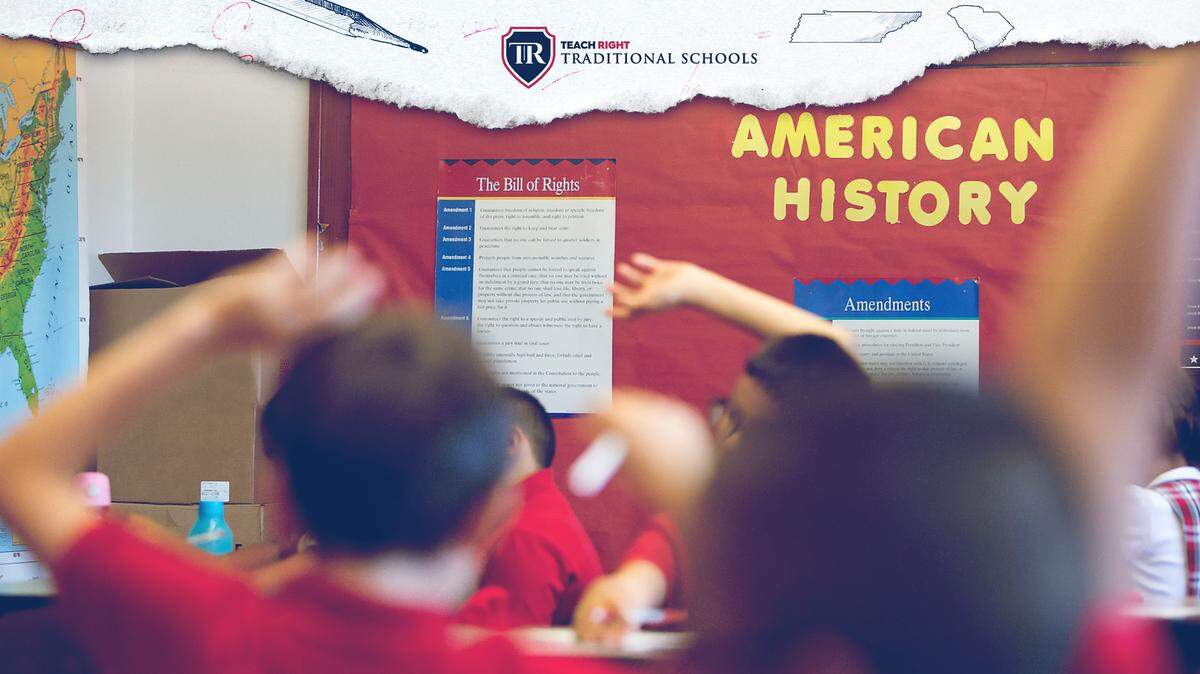
The Legislative Audit Council similarly found that while the Charter Institute had covered more than $1.2 million in expenses for Teach Right USA, a teacher training nonprofit the district formed in 2023, the nonprofit was not currently operating as an education management organization, as several lawsuits against the Charter Institute have alleged.
“We did not find that the Institute was in violation of state law regarding conflicts of interest,” auditors wrote in their report summary. “However, clarification of state law, Institute policies, or board policies may increase public trust regarding the types of relationships that may arise in the charter school sector.”
Auditors suggested that lawmakers amend South Carolina’s charter schools law, which they said is largely silent on issues of conflicts of interest, particularly conflicts related to authorizers and education management organizations.
Passed in 1996 and amended 16 years later to allow colleges and universities to authorize charter schools, the law has not been updated to address many of the resulting complications.
While the Charter Schools Act designates higher education authorizers, such as the Charter Institute, as local education agencies and requires they use state funding to vet new charter applications and regulate schools they approve, the law doesn’t provide any explicit direction about their legal status or establish any oversight mechanism to ensure they’re operating as intended.
Since 2023, Senate Education Committee Chair Greg Hembree, R-Horry, has introduced bills that would have given the state Education Department authority to monitor, evaluate and potentially sanction or even terminate charter school authorizers, but the legislation has thus far failed to find support in the General Assembly.
Last year, federal officials threatened to withhold millions of dollars in grant funding if South Carolina didn’t step up its regulation of charter school authorizers, but the demand was quickly rescinded after President Donald Trump took office.
Unlike charter schools and the Public Charter School District, which are statutorily subject to the same ethics and government accountability requirements as traditional public schools and public school districts, the law is silent on privately-established charter districts.
Whether that was by design or simply an oversight by lawmakers is not clear. The General Assembly’s online video archive does not include recordings of the legislative hearings where the bill that granted colleges and universities the ability to oversee charter schools was debated.
The State Ethics Commission, which had long considered the Charter Institute a “state entity,” recently determined that the district was not, in fact, subject to ethics laws.
Because the district was created by a private entity, the commission reasoned, it was not a governmental entity and its board members and employees were not public members or public employees.
As a result, Charter Institute officials are not required to disclose any of their personal financial relationships or abide by state ethics laws that prohibit nepotism and self-enrichment.
Auditors said Thursday they had not attempted to determine whether the Charter Institute’s actions would have violated state ethics laws had such laws applied to them.
In a video and Facebook post released Thursday in response to the audit’s release, the Charter Institute celebrated what it described as the Legislative Audit Council’s “clean determination on all scoped items within its audit.”
“These findings affirm the Institute’s integrity and serve to reenergize our efforts to bring educational freedom and choice to every child in the state of South Carolina,” Charter Institute Superintendent Cameron Runyan said in the video.
Charter Institute received donations from vendors
One of three primary questions House lawmakers asked the Legislative Audit Council to answer was whether the Charter Institute had received donations from charter school vendors or prospective vendors.
Auditors confirmed prior reporting by The State that the district had taken money from vendors, but did not find evidence that the donations resulted in preferential treatment.
A third of the $470,972 in donations the Charter Institute received between July 2018 and June 2025 came from businesses that did work for the district or that service charter schools, the audit found.
Three Charter Institute vendors donated roughly $40,000 to the district and an undisclosed number of construction companies, education management companies, lenders and financial service companies that service charter schools gifted the district more than $116,000, auditors found.
While four of the education management organizations that donated worked for Institute schools and two construction companies were subsequently selected to build Institute schools, auditors said they did not find any evidence that the donations resulted in favoritism toward those businesses.
The Public Charter School District, which oversees 45 schools across the state, does not accept donations from vendors that contract, or desire to contract, with the district or its schools, a representative of the district told auditors.
Charter school vendors have, however, purchased sponsorships for Public Charter School District-hosted events, the audit notes.
Because the Charter Institute combines the donations it receives with public funds, auditors could not determine how much donor money was spent or confirm the district’s assertion that its 2024 trip to London was paid for entirely through donations.
The report also found that, before April 2024, the district’s fundraising material did not make clear to prospective donors that their money would be used to fund domestic and international travel for Institute staff and charter school leaders.
Knowingly misrepresenting or misleading someone when soliciting donations is a violation of South Carolina law and can result in a $2,000 fine, the audit noted.
The report recommended the Charter Institute cease commingling intergovernmental funds with donated funds; adopt a policy that deals with soliciting and receiving money from vendors and prospective vendors; clearly and accurately convey how donations will be used; and post a complete list of all its non-anonymous donors on its website.
Charter Institute ‘likely’ funded vendor using public dollars
Between 2023 and June 2025, the Charter Institute financially and administratively supported a district-created nonprofit that offers alternative teacher certification and educational consulting to Institute schools, the audit found.
As of June, the Institute had covered more than $1.2 million of Teach Right USA’s expenses, including nearly $112,000 before the district entered into a formal agreement with the nonprofit, according to the audit.
Only $865,341 of the advanced funds had been repaid as of June, the report noted.
At least one Charter Institute employee and one district intern worked for Teach Right, according to documents provided to auditors. The Institute did not, however, track the number of hours each worked or when they worked.
“Without maintaining documentation of Institute employees’ hours of work for TRUSA, the Institute cannot confirm that the employees are only working on Institute matters during Institute business hours,” auditors wrote. “This is important regardless of whether TRUSA is paying the employees.”
The audit also determined that the Institute likely used public funds to prop up Teach Right — which it described as “a vendor that has provided services to Institute-sponsored schools” — an action that would appear to be outside the scope of a charter school authorizer’s statutory duties.
“We were unable to identify a provision listed in the Charter Schools Act that aligns with the Institute’s support of TRUSA,” auditors wrote.
The Charter Institute asserted that while its support of the vendor was not directly covered under the Charter Schools Act, the law was intended to be “interpreted liberally” and that Teach Right’s mission “embodies the Act’s foundational goals of innovation, opportunity, and accountability,” the report said.
Auditors noted that two separate outside lawyers hired by the Charter Institute had defended the district’s funding of Teach Right, but questioned those assessments and recommended the district cease covering additional expenses for the nonprofit until it could establish that state money was not being used.
In its written response to the report, the Charter Institute defended its financial support of Teach Right as “lawful and appropriate,” but said it had decided to terminate its “highly effective partnership” with the nonprofit to alleviate the agency’s concerns.
“As of the publication of this report, TRUSA is an independently governed, independently operated, and independently funded organization,” the Charter Institute wrote. “The Institute is grateful for the incredible work the team at TRUSA is accomplishing on behalf of South Carolina’s children and we look forward to celebrating their successes for many years to come.”
The Charter Institute board approved the termination of its fiscal sponsorship and administrative services agreement with Teach Right USA at its Nov. 13 meeting.
Tracey Williams, Teach Right’s executive director, said at the meeting that the separation stemmed from the nonprofit’s maturation as an organization.
“We would like to transition to an autonomous structure for next year,” she said. “We think this will strengthen the implementation and oversight of our Teach Right USA programs.”
Williams, who did not mention the apparent impact the audit’s findings played in the decision, said Teach Right had established independent funding, secured its own fiscal agent and had a loan repayment plan.
The identity of the nonprofit’s new financial backer was not stated. It’s not clear why, if independent funding was available, the Charter Institute had continued to support Teach Right USA for the past several years.
This story was originally published November 20, 2025 at 12:38 PM.