LR5 school board made agreement with Melton in ‘executive session.’ What is that?

READ MORE
Lexington-Richland 5 superintendent resigns
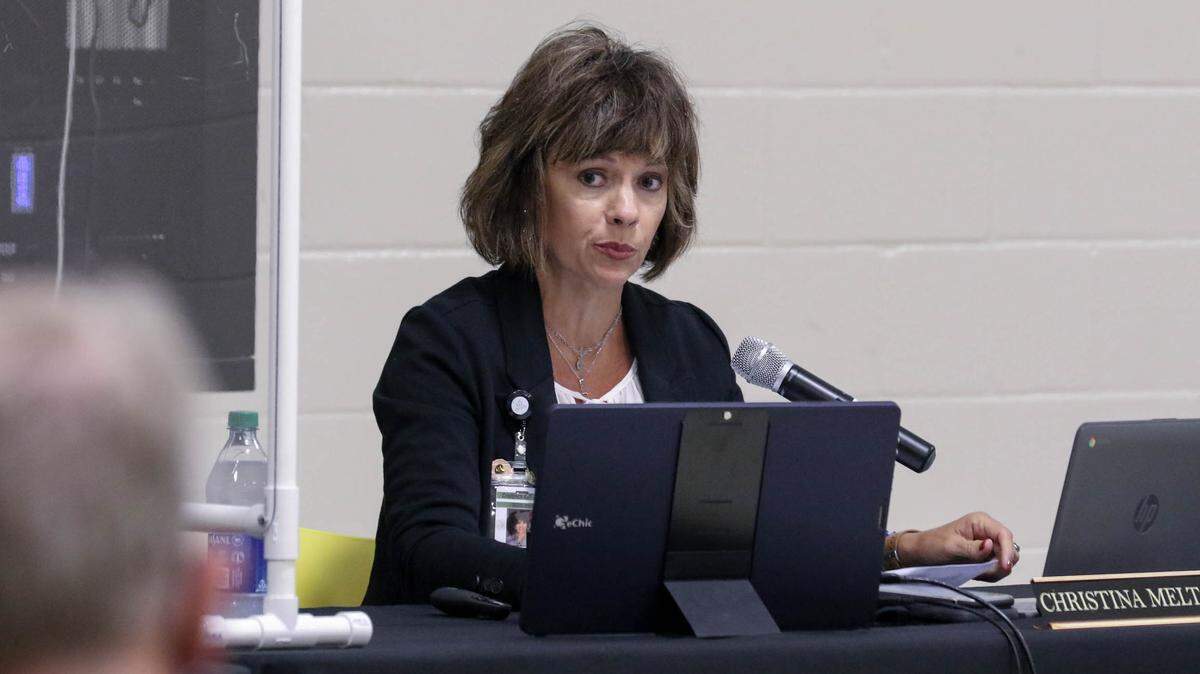
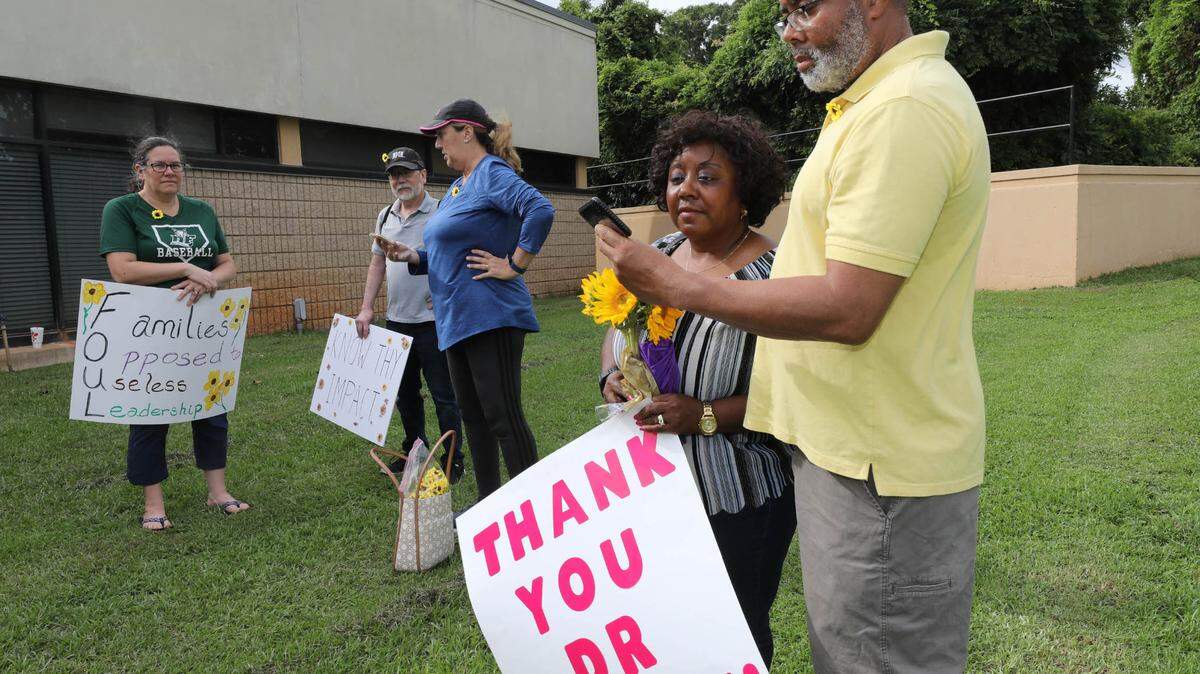
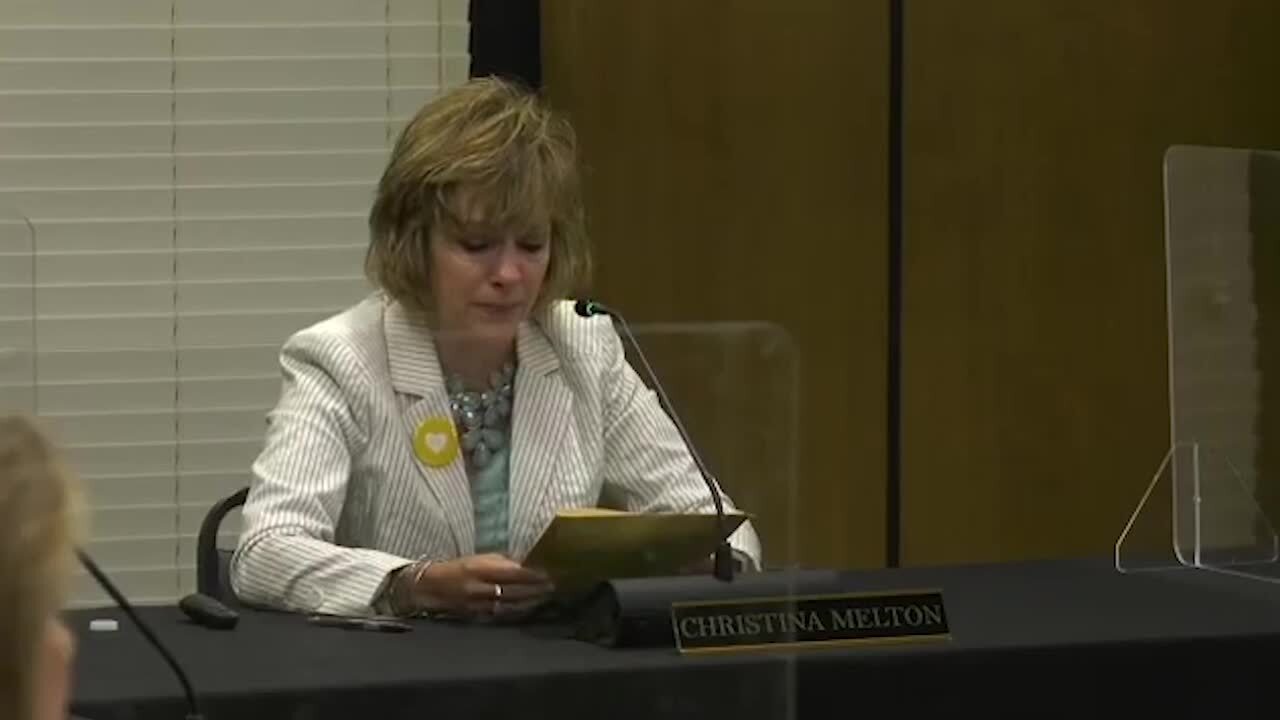
Christina Melton, the S.C. superintendent of the year, abruptly stepped down from her leadership role, and a school board member resigned alongside her. How has the district responded and who will take her place? Read the latest.
Expand All
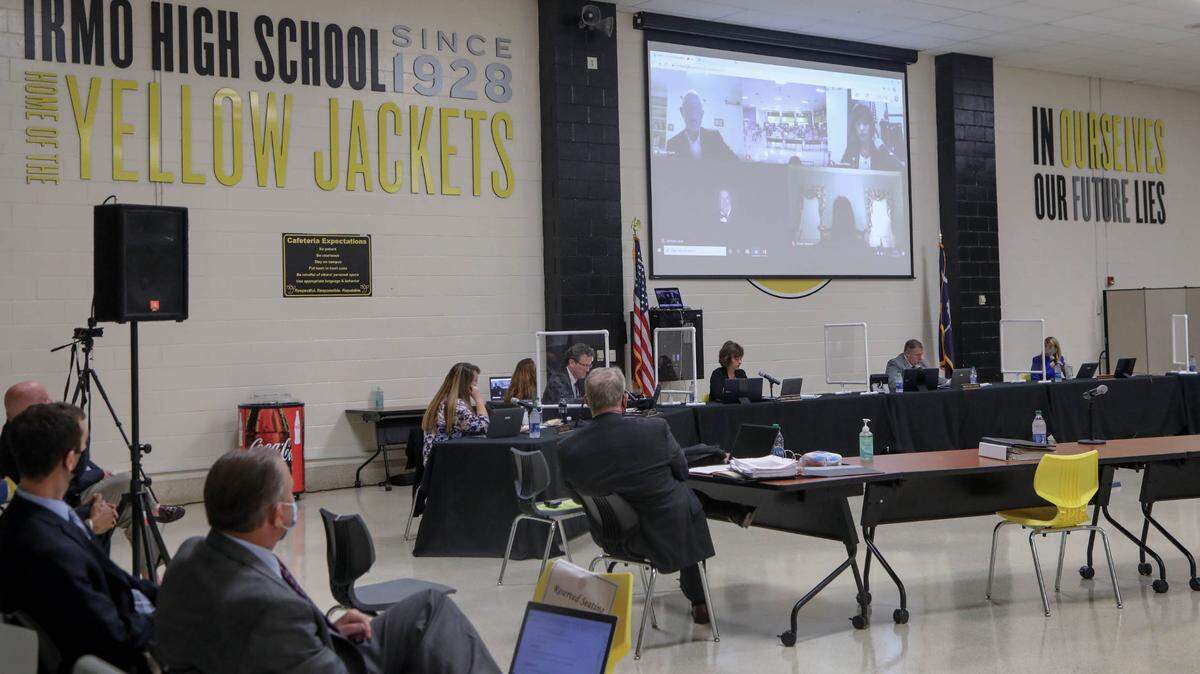
As Lexington-Richland 5 prepares to hold its first public meeting since Christina Melton announced her resignation, the board has faced questions over the use of executive session to approve a parting settlement with the outgoing superintendent.
Executive session is when a public body, such as a school board, city council, board of trustees, etc. meets to discuss a board action in secret. S.C. law allows only certain topics to be discussed in executive session and public bodies cannot conduct a vote in executive session.
Former Lexington-Richland 5 school board member Ed White accused the board of unlawfully using executive session to approve a settlement with Melton that pays her a year’s salary, $226,368. The board has denied any wrongdoing.
Instances where executive session is allowed includes discussions about: employment, discipline or compensation of an employee, contractual negotiations, receipt of legal advice, proposed property sales, security personnel or devices and investigations of potential criminal conduct.
Simply saying the body is entering executive session because of a “proposed contractual matter” is not enough to comply with S.C. law, according to the Municipal Association of South Carolina.
However, public officials don’t always follow the law, said Jay Bender, an attorney with the S.C. Press Association. Bender spoke only about executive session as a general concept — and not specifically about Lexington-Richland 5 — because he has a family member who works for the school district.
“It’s most often abused because people in elected office have some notion they’re our rulers and not elected officials,” Bender said.
Since the public has no guaranteed way to know what was discussed in executive session, it can be difficult for the public to know whether public bodies are following the law.
“Unfortunately we don’t have referees and yellow flags in the context of public bodies,” Bender said.
If something is approved unlawfully in executive session, that ordinance or policy can be overturned in court, Bender said.
“Confidence in government is enhanced when government acts in public view,” Bender said. “When decisions are made impermissibly and behind closed doors, trust in government is eroded.”
This story was originally published June 28, 2021 at 12:12 PM.