City attorney insists Columbia school mask mandate is lawful after AG speaks out
READ MORE
Columbia’s COVID-19 Emergency Order
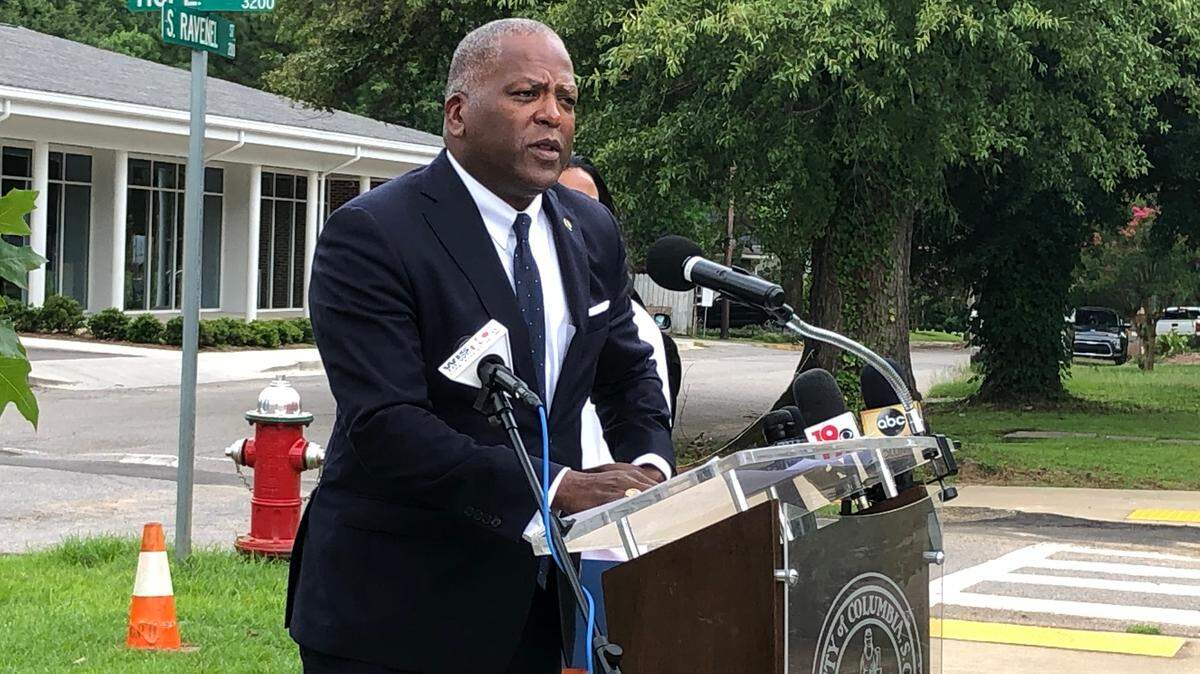
Mayor Steve Benjamin declared a state of emergency for Columbia that includes mask requirements for schools within the city limits. What will that mean for your child this year? Here’s the latest.
Expand All
The city of Columbia’s legal department on Wednesday penned a letter to Republican Attorney General Alan Wilson, insisting that the city’s recently passed ordinance requiring masks in some schools is lawful.
This came a day after Wilson opined that the city’s school mask rules are against state law, and gave the city until Friday to rescind or change the ordinance.
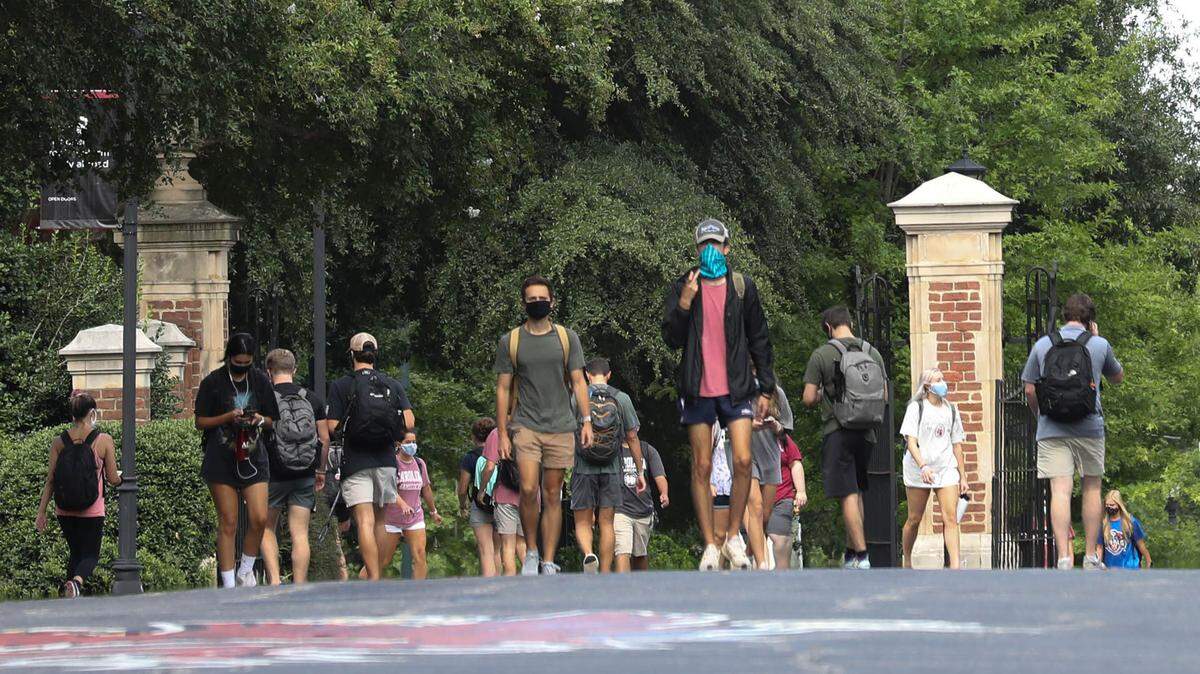
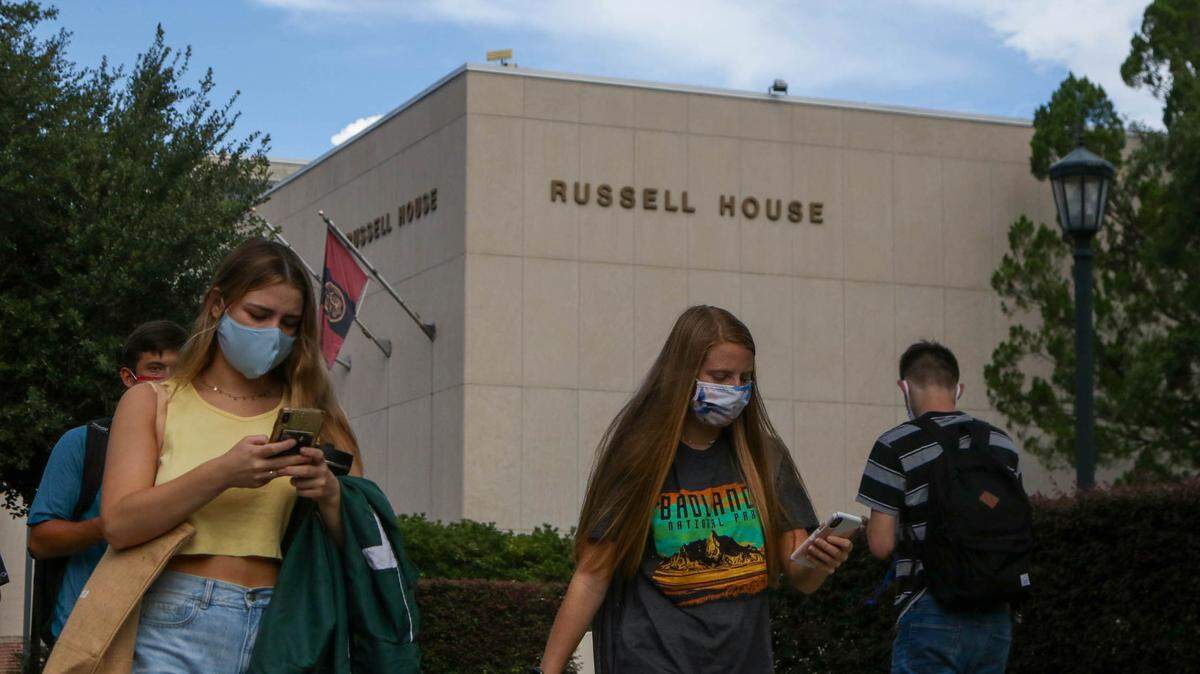
Columbia City Council last week passed a measure that requires students and faculty at 43 elementary and middle schools and day cares in the city to wear masks amid rising COVID-19 case numbers in South Carolina. That came despite a one-year law written into the state budget by legislators that prevents schools from spending state funds on mask mandates.
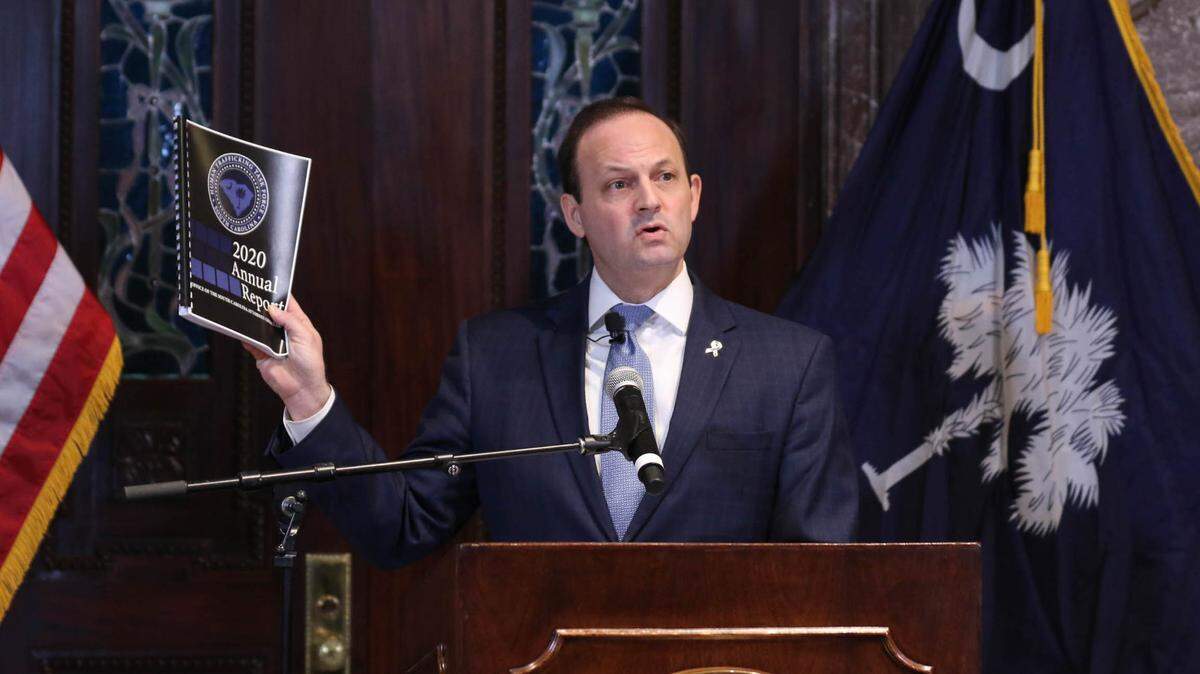
On Tuesday, Wilson sent a letter to Mayor Steve Benjamin and city council, saying that the city’s move is not lawful.
“It is the opinion of my office that these ordinances are in conflict with state law and should either be rescinded or amended. Otherwise, the city will be subject to appropriate legal actions to enjoin their enforcement,” Wilson wrote.
Benjamin and at-large Councilman Howard Duvall told The State on Tuesday they’d be willing to let the matter go to court.
On Wednesday, senior assistant city attorney Patrick Wright sent Wilson a letter in which he said Columbia stands by its ordinance.
“The appropriations budget proviso attempts to limit the rights of schools and school districts to enact mask mandates even if they determine that a mandate is necessary to protect the health and welfare of their students and staff,” Wright wrote. “Fortunately, the (state) Supreme Court has found on many occasions that such an attempt to usurp the rights given by the Constitution and state law are unconstitutional and therefore unenforceable.”
Wright cited a 2016 case considered by the SC Supreme Court that dealt with a state budget proviso that temporarily suspended the termination of the governor’s ability to appoint a secretary of transportation. In that case, the state Supreme Court found that specific one-year budget law was not “reasonably and inherently related to the raising and spending of tax monies.”
Wright argues a similar path in his letter to Wilson, essentially saying that preventing mask mandates in schools has little to do with budget spending.
“In the matter at hand, the issue is whether a proviso that acts as a ‘Mask Mandate Prohibition’ for schools and school districts, is germane to fiscal issues, raising and spending taxes, which is the sole purpose of the appropriations act?” Wright wrote. “The clear answer, using the sound logic of our Supreme Court is that it is not. A mask mandate prohibition is clearly not a matter that is germane to fiscal issues which is the only issue allowed to be taken up in the general appropriations act and therefore it is unconstitutional and unenforceable.”
Attorney general’s office spokesman Robert Kittle said Wilson’s office is prepared to take its next steps.
“In our letter to the mayor and council members, we gave them until Friday to rescind or amend their ordinance,” Kittle said. “It looks like they don’t plan to. If they don’t, then we’ll explore what our legal options are.”
Columbia’s mask ordinance for elementary and middle schools and day cares in the city has been lambasted by Republican officials.
Gov. Henry McMaster said at an Aug. 9 press conference that he didn’t think the city’s mask ordinance for schools would hold up in court.
“That (Columbia) mandate is, I believe, contrary to state law,” said McMaster, a former U.S. attorney and the state’s former attorney general. “The state law is crystal clear that state funds are not to be used to enforce a mask mandate. The very people who were listed (in the city’s ordinance) as those responsible to enforce the mandate are, of course, paid in whole or in part with state funds.”
McMaster has said multiple times recently that it should be parents’ choice whether or not their children wear a mask at school.
The city’s school mask law also has been questioned by Republican state legislative leaders. On Aug. 6, Senate President Harvey Peeler, R-Cherokee, and House Speaker Jay Lucas, R-Darlington, issued a joint letter decrying the capital city’s measure.
The legislative leaders said they think the one-year mask law in the state budget is “clear and unambiguous” and that it prohibits masks in schools in South Carolina no matter where they may be located.
“The actions taken by Columbia City Council at the request and direction of Mayor Benjamin are in clear and deliberate violation of the plain meaning of the proviso,” Peeler and Lucas wrote.
This story was originally published August 11, 2021 at 4:07 PM.