SC high court asked to decide if state law bans mask mandates at USC, other colleges
READ MORE
Columbia’s COVID-19 Emergency Order
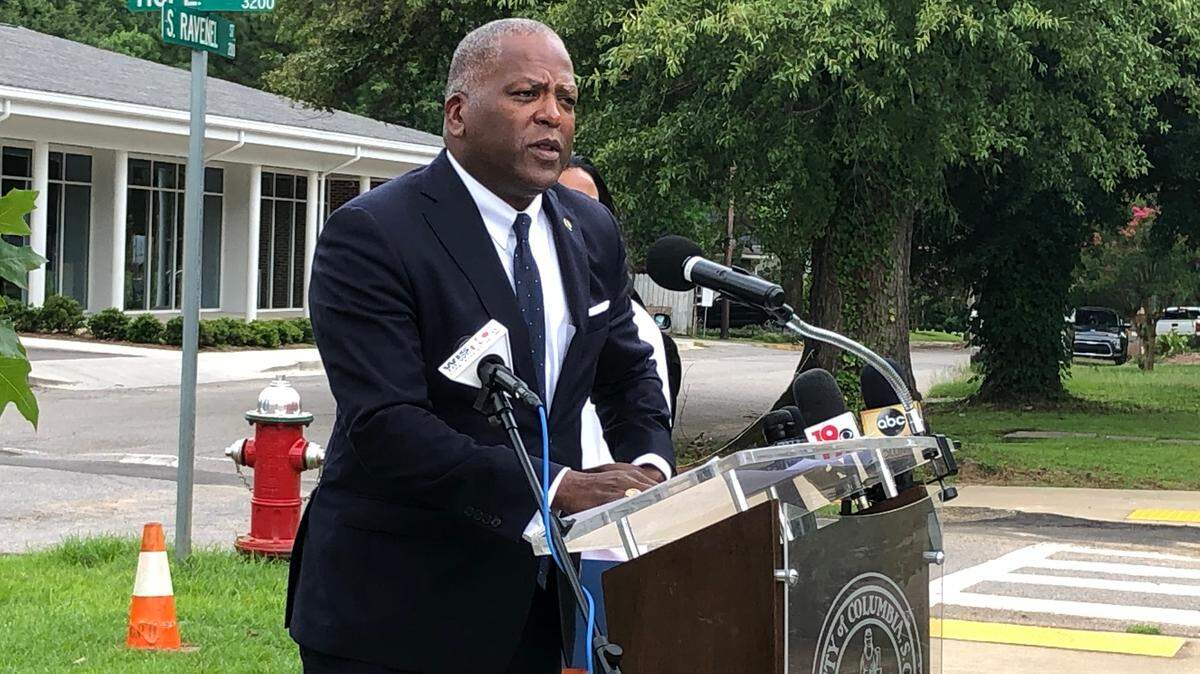
Mayor Steve Benjamin declared a state of emergency for Columbia that includes mask requirements for schools within the city limits. What will that mean for your child this year? Here’s the latest.
Expand All
A South Carolina state senator and a University of South Carolina professor have asked the state’s Supreme Court to weigh in on an ongoing dispute about masks on campus.
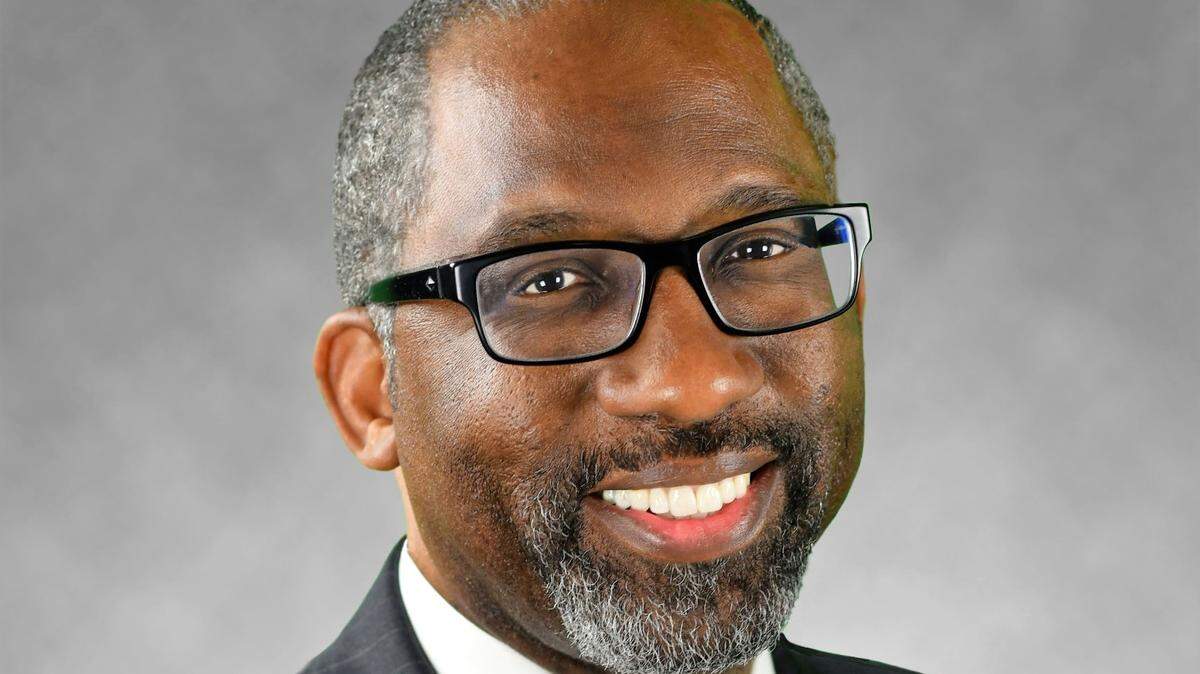
State Sen. Dick Harpootlian, a Democrat whose district includes USC, filed documents Thursday on behalf of USC astrophysics Professor Richard Creswick seeking clarification on a one-year rule in the state budget that the state attorney general says prevents USC from requiring everyone on campus to wear masks indoors.
Creswick’s wife has a health condition that puts her at increased risk of severe COVID-19 complications, according to the filing.
The filing also mentions the surge across the country of the highly contagious COVID-19 cases, with the virus’s new, more dangerous Delta mutation, and says that surge underscores the emergency of the matter.
“The coronavirus pandemic is rising again, this time with a new, more contagious strain of the disease capable of breaking through otherwise highly efficacious vaccines and being spread by vaccinated and unvaccinated alike,” the filing said. Allowing colleges to enact mandatory mask policies for classes would “keep everyone inside campus buildings safe by preventing transmission of the Delta variant,” the petition said.
The filings name USC and S.C. Attorney General Alan Wilson as respondents.
The court filings follow a back-and-forth that began earlier this week when Wilson sent a letter to USC urging it to revoke its planned rule to mandate masks inside campus buildings.
After receiving Wilson’s letter earlier in the week, USC changed its planned policy, which had been implemented by the university’s interim president, Harris Pastides, who has a doctorate in the study of infectious diseases and is a public health expert.
On announcing the reversal, Pastides released a statement that referred to his public health background.
“During my training in epidemiology, there was a maxim about transmissible diseases like COVID-19 that stated, ‘No one can be safe until everyone is safe,’” Pastides said in the statement, explaining his rationale for initially requiring masks. “Because vaccination cannot be required in South Carolina, I felt that face coverings would go a long way in preventing the spread of the Delta variant of COVID-19, which is highly contagious, on campus. I did not think that the law precluded this action.”
Late Thursday afternoon, USC had little comment on the professor’s lawsuit.
“We’ve received the lawsuit filed this afternoon and, like all public universities, look forward to the court’s review of this important issue so we can continue to plan for a safe reopening of our campuses in the fall,” USC spokesman Jeff Stensland said in a statement.
A spokesman for Wilson’s office, noting the lawsuit was filed late Thursday afternoon, said the office had no immediate comment.
Thursday’s court filing referred to Wilson’s role in getting Pastides to change his position. “The Attorney General is plainly wrong and has created a controversy where none should exist. Regrettably, the University acceded to the Attorney General’s demand and revoked its universal mask mandate while acknowledging its importance and pleading for voluntary compliance.”
In his letter to Pastides, Wilson had referred to a one-year law, enacted earlier this year, which he said barred the university from having a universal indoor mask mandate. That law, called a proviso, “while inartfully worded, was intended to prohibit the mandatory wearing of masks,” Wilson said. The legislative intent of the proviso was aimed at preventing public universities from enacting mask mandates, Wilson’s letter said.
It is that law which Harpootlian and the professor are asking the Supreme Court for a definitive interpretation, called a declaratory judgment.
Harpootlian, who previously pushed back on Wilson’s letter, and Senate Majority Leader Shane Massey, R-Edgefield, disagreed with Wilson’s interpretation of the law.
The lawsuit says professor Creswick “has a real, concrete, scientifically measurable fear that the Attorney General’s disallowance of the University’s universal mask mandate will cause him to contract the Delta variant. Contracting the virus not only places him at risk, but it also places his immunocompromised spouse at risk while she continues being treated for cancer.”
The lawsuit also stresses the urgency of the situation, saying students are due back at the university on Aug. 19 to start fall semester.
The Supreme Court must decide whether to accept the petition. Wilson and USC, the respondents in the case, will likely file replies. The Supreme Court could decide the case on written briefs alone or hold a hearing. Any subsequent high court ruling would have the force of law.
Harpootlian, asked for comment, said, “We have no comment. Any discussions about this matter will be done in the courtroom.”
Both Harpootlian and Chris Kenney, an attorney in Harpootlian’s law firm, are listed as lawyers for Creswick.
Mask mandates are becoming controversial around the nation, in universities, schools and workplaces. Both the federal Centers for Disease Control and Prevention and the S.C. Department of Health and Environmental Control say wearing masks is an effective means of controlling COVID’s spread, along with social distancing and vaccination. The virus is spread through the air, in tiny aerosol droplets in peoples’ breath when talking, coughing, sneezing or singing.
This story was originally published August 5, 2021 at 5:12 PM.