Autopsy reveals that second South Carolina death row inmate died with fluid in his lungs
READ MORE
South Carolina Death Row
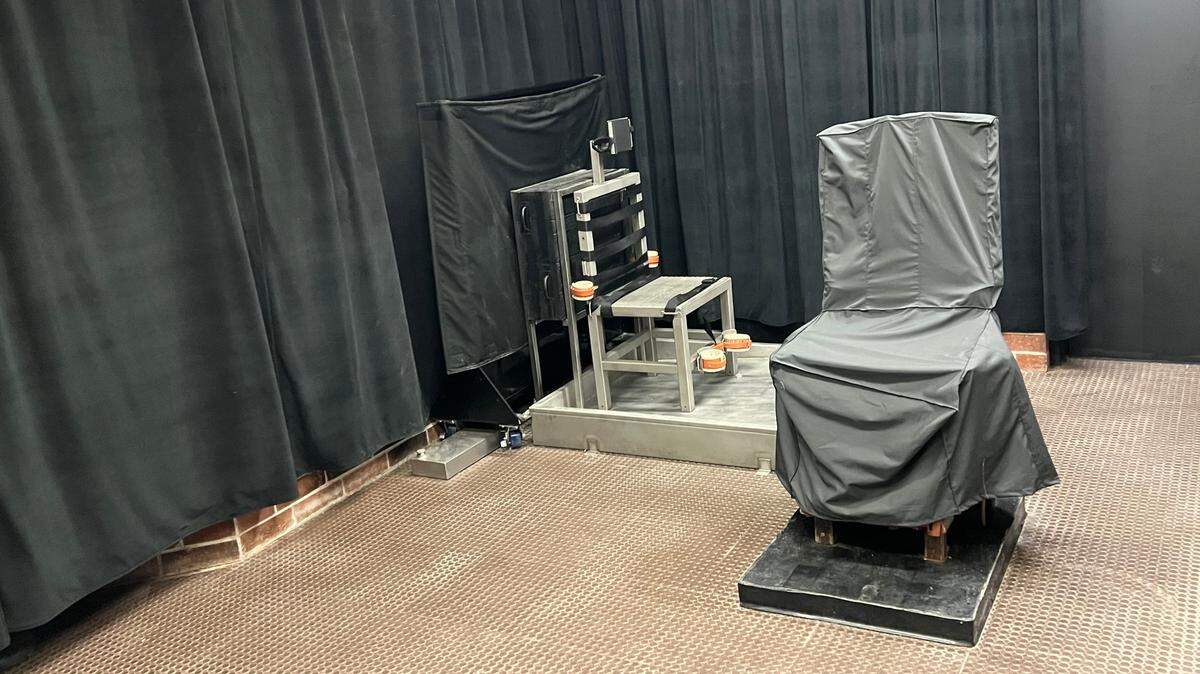
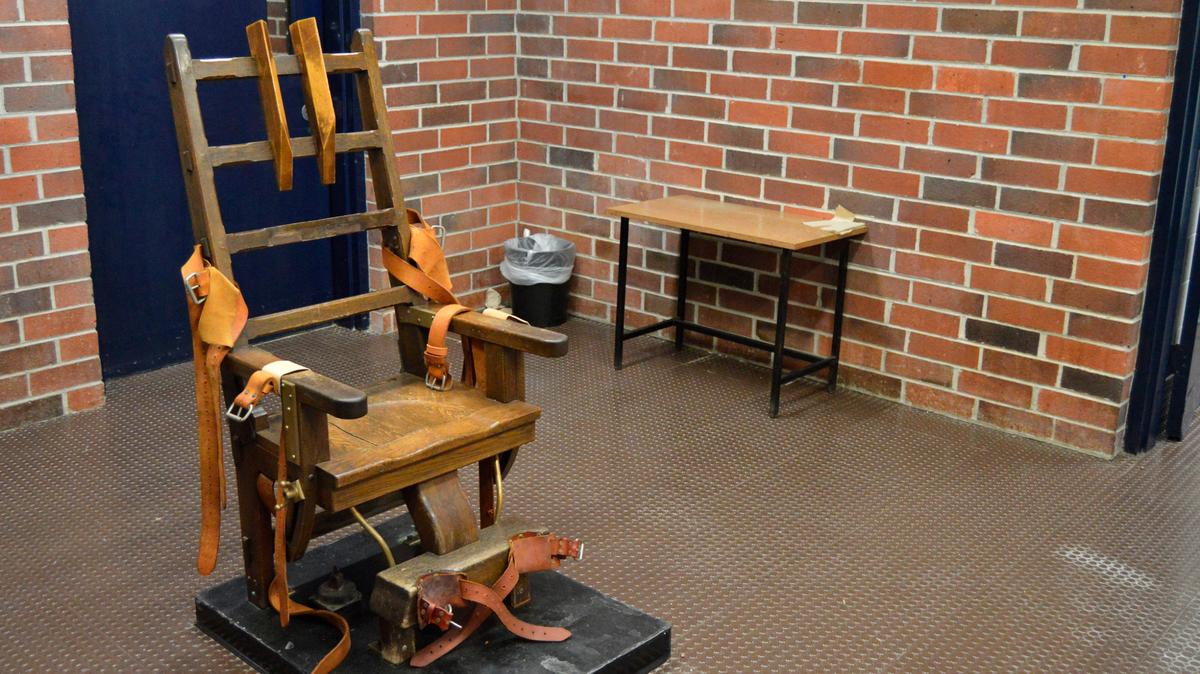
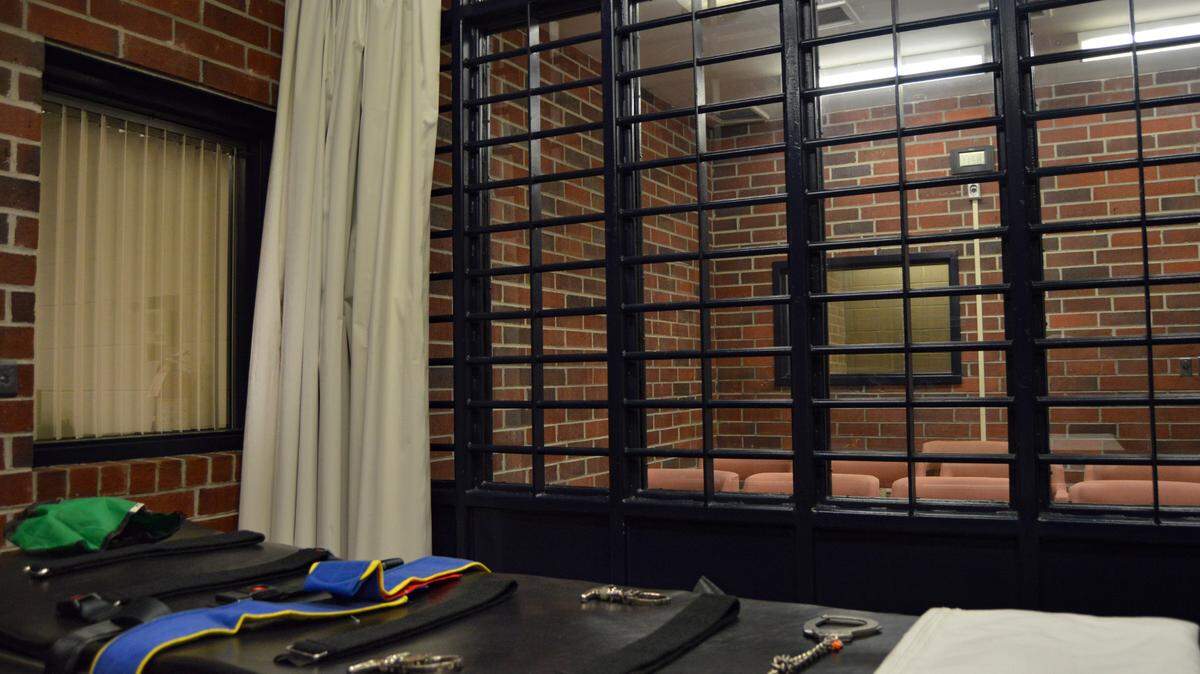
Death row inmates in South Carolina are given the choice of their method of execution between lethal injection, the electric chair and the firing squad.
Expand All
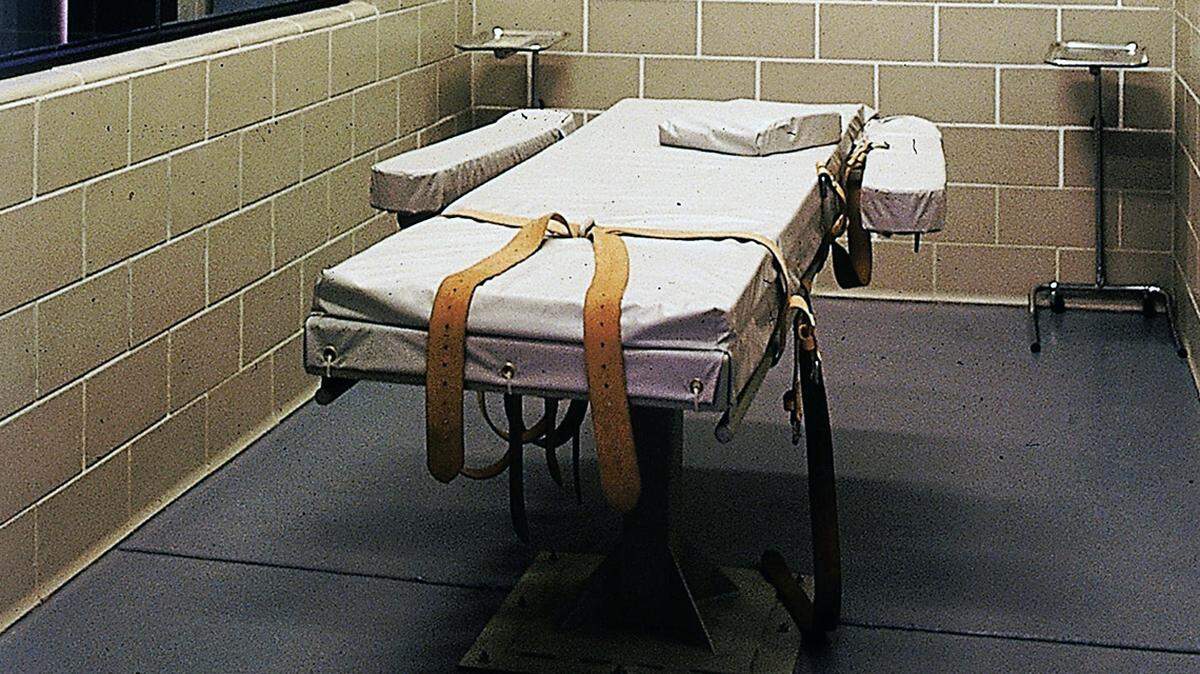
An autopsy report for a South Carolina man executed with the state’s lethal injection protocol raises more questions about whether the process is an unusually cruel and painful method of execution.
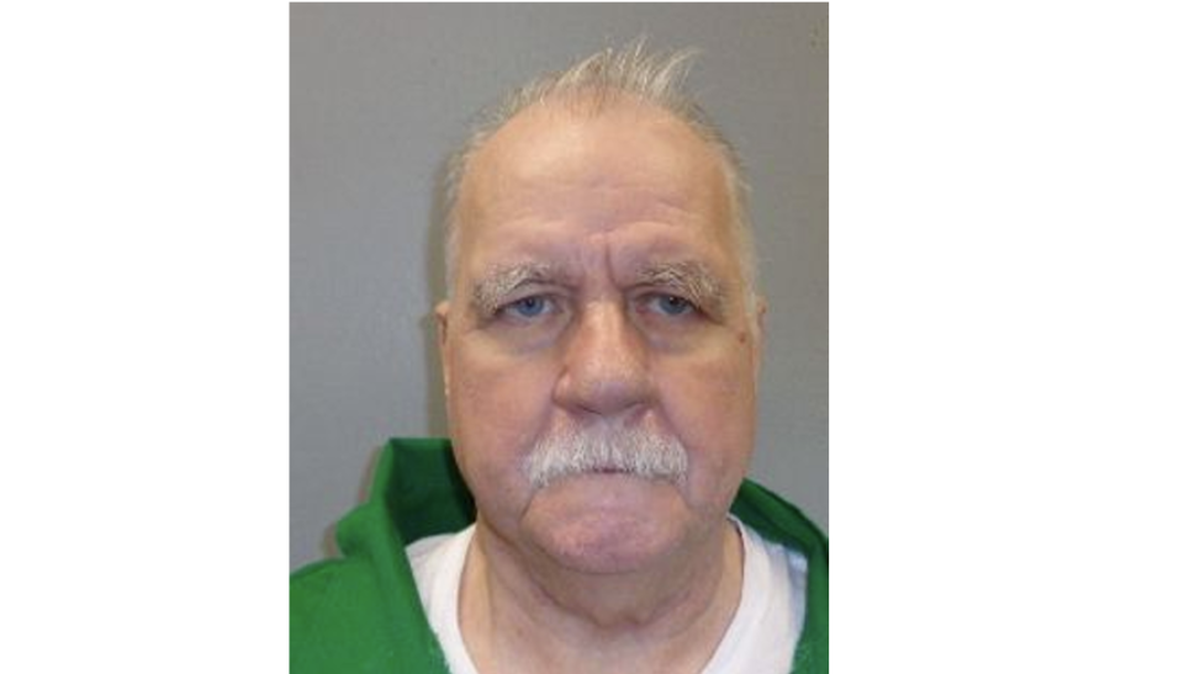
Marion Bowman Jr. was executed on Jan. 31. The Dorchester County native, who was convicted of shooting and killing 21-year-old Kandee Martin in 2001, chose to die by lethal injection, which in South Carolina is carried out by a single drug, pentobarbital, a powerful sedative.
The presence of frothy fluid in his lungs revealed on the autopsy report is a symptom of a pulmonary edema, a condition where fluid fills the lungs, which were swollen to twice an expected normal weight.
The presence of froth suggests that Bowman’s heart was still beating and he was still breathing and possibly even conscious following the injection of the pentobarbital, one doctor said, which is roughly as caustic as household cleaners.
If he was, some experts say, his last sensation may have been that as drowning as a burning feeling spread through his veins.
That again is “yet another example” of pulmonary edema caused by pentobarbital, said Dr. Joel Zivot, a professor of anesthesiology and surgery at Emory University. There was “no way” that the fluid was present before the execution, Zivot said. “It’s not possible; he would have been very very uncomfortable and symptomatic”
The nine-page autopsy report prepared by a private pathology group describes Bowman’s cause of death as “acute pentobarbital toxicity due to judicial execution.”
Bowman’s autopsy began at 6:04 p.m. on Jan. 4. One media witness described Bowman taking several “deep, loud breaths, puffing out his lips and cheeks with each one.” Those then transitioned to shallower, quieter breaths before his chest appeared to stop moving at 6:06 p.m. and he was declared dead by a doctor 20 minutes later.
He had received 10 grams of pentobarbital, twice the dose called for in either the public federal lethal injection protocol or in an affidavit submitted by South Carolina Department of Corrections Director Bryan Stirling.
South Carolina is one of 15 states, along with the federal government, that only use pentobarbital in lethal injection executions. State law requires that inmates sentenced to death choose between lethal injection, a firing squad or the electric chair. If they do not make a choice, the default method is electrocution.
So far, all but one of the four people executed since September have opted to die by lethal injection despite concerns raised by their legal teams over the lack of public information about the pentobarbital execution process. Three years ago, South Carolina’s legislature passed a shield law that withholds nearly all information about lethal injections.
Pentobarbital is a powerful sedative that is part of a class of drugs called barbiturates, which, among other medical uses, is prescribed to treat insomnia, anxiety and seizures as well as being used as an anesthetic.
Many states saw pentobarbital as a solution to the loss of access to the chemicals used in the traditional three-drug execution cocktail. International outrage and boycotts led drug manufacturers to stop selling the chemicals to states and corrections departments that performed executions.
But in January, the Department of Justice under former Attorney General Merrick Garland announced that the federal Bureau of Prisons should suspend its use of pentobarbital. The main concern raised in a memo released by the department was the unnecessary pain and suffering caused by a “flash pulmonary edema,” where the lungs rapidly fill with fluid.
Faced with uncertainty over whether pentobarbital caused “unnecessary pain and suffering,” the memo recommended halting the drug’s use in federal executions.
While President Donald Trump’s Attorney General, Pam Bondi, has said that executions should resume, she said that the use of pentobarbital should be evaluated.
What else does the autopsy report reveal?
The pentobarbital was concentrated in Bowman’s blood at 27 micrograms per milliliter, almost three times the concentration needed to induce a deep coma, according to the toxicology report.
Bowman’s lungs were also significantly engorged from being saturated with fluid, weighing a combined 1,930 grams.
The weight of lungs can vary significantly between different individual and tend to weigh more in people like Bowman who are obese. But Bowman’s lungs still weighed more the twice the average combined weight of an overweight mans lungs, which are around 800 grams, according to studies from the National Institute of Health.
Lungs as heavy as Bowman’s indicate they are full of liquid, said Zivot. The spongy lung tissue holds liquid like a “sponge,” he said.
In court filings, lawyers for South Carolina have cited a declaration from Dr. Joseph Antognini, an anesthesiology professor and paid expert witness, dismissing the risk of edema. Antognini wrote that the injection of pentobarbital would cause unconsciousness “well before any lung congestion and pulmonary edema forms.”
Any froth was likely the result of gases being released from the lungs after death or agitation as the body was moved, Antognini said.
The autopsy report also offers clues about some lesser known aspects of the death penalty and even life on death row.
At 404 pounds, Bowman was significantly overweight. He suffered from coronary artery disease, thyroid disease and had a medical history of Type 2 Diabetes and hyperthyroidism.
According to the autopsy report, Bowman also received 2 milligrams of lorazepam, an anti-anxiety medication.
“We offer anti-anxiety medication to inmates facing execution. I can’t comment on the specifics of any inmate’s medical history or treatment,” said Chrysti Shain, Director of Communications at the South Carolina Department of Corrections.
“They’re trying to sedate him,” Zivot said. “Two mg of lorazepam is not going to kill anybody, but it’s going to make them calm. You’re blending or blurring the lines of medicine and execution.”
The toxicology report attached to the autopsy also indicated the presence of cannibanoids in his system, suggesting that even on death row and despite the department’s well publicized drug interdiction programs, Bowman had managed to get access to a cannabis product.
Shain said that she did not have any information about how Bowman had managed to get access to cannabis products.
Why did Bowman choose to lethal injection?
Attorneys for Bowman and other men on death row, including Brad Sigmon, who was executed by firing squad on March 7, have argued that there is not enough information about South Carolina’s lethal injection process to ensure that it does not cause needless suffering.
This lack of information means that death row inmates cannot make an informed choice about their method of execution.
While Bowman’s attorneys declined to comment on the autopsy report, prior to his execution his attorney Lindsey Vann noted that Bowman had“significant concerns about the quality of the lethal injection drugs used in South Carolina executions because the Department of Corrections continues to refuse to provide any basic information about the drugs, including the expiration date and storage procedures.”
In 2023, South Carolina Gov. Henry McMaster signed a nearly impenetrable shield law passed by the South Carolina General Assembly making it illegal to disclose most information related to the sourcing of drugs for the lethal injection.
Bowman then was forced “to make the barbaric choice” of selecting the lethal injection for his execution to avoid death by electrocution.
This story was originally published March 14, 2025 at 6:30 AM.
.jpg)