SC executioners use twice the dose of lethal drug than previously reported
READ MORE
South Carolina Death Row
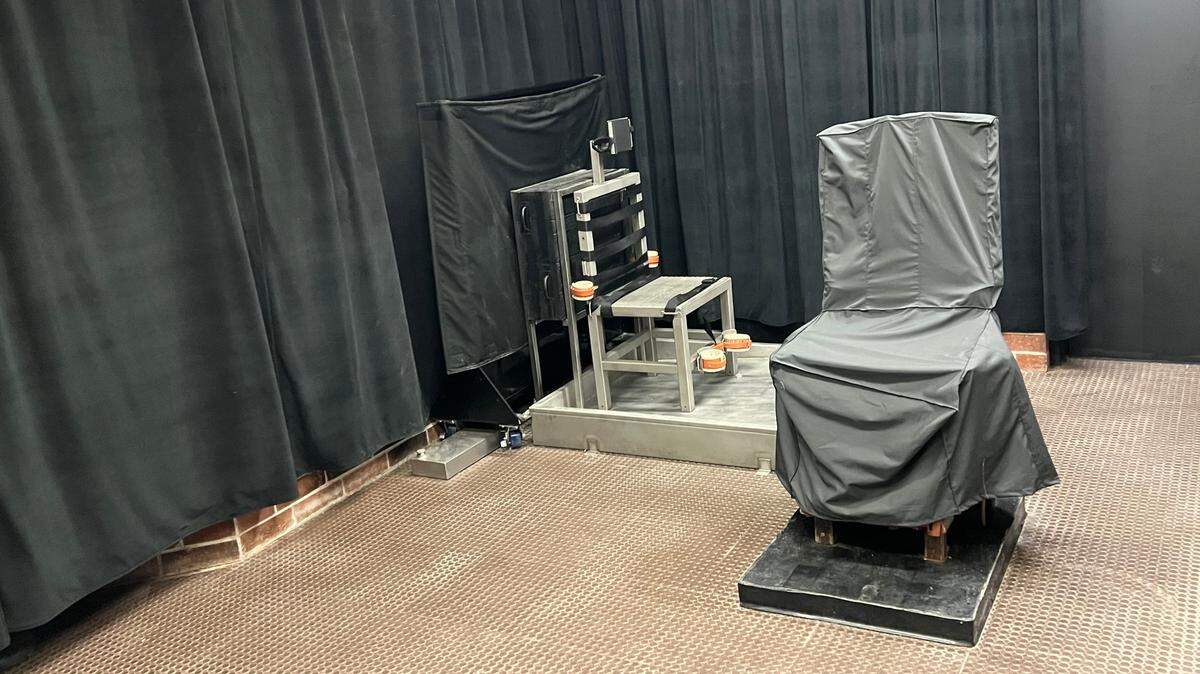
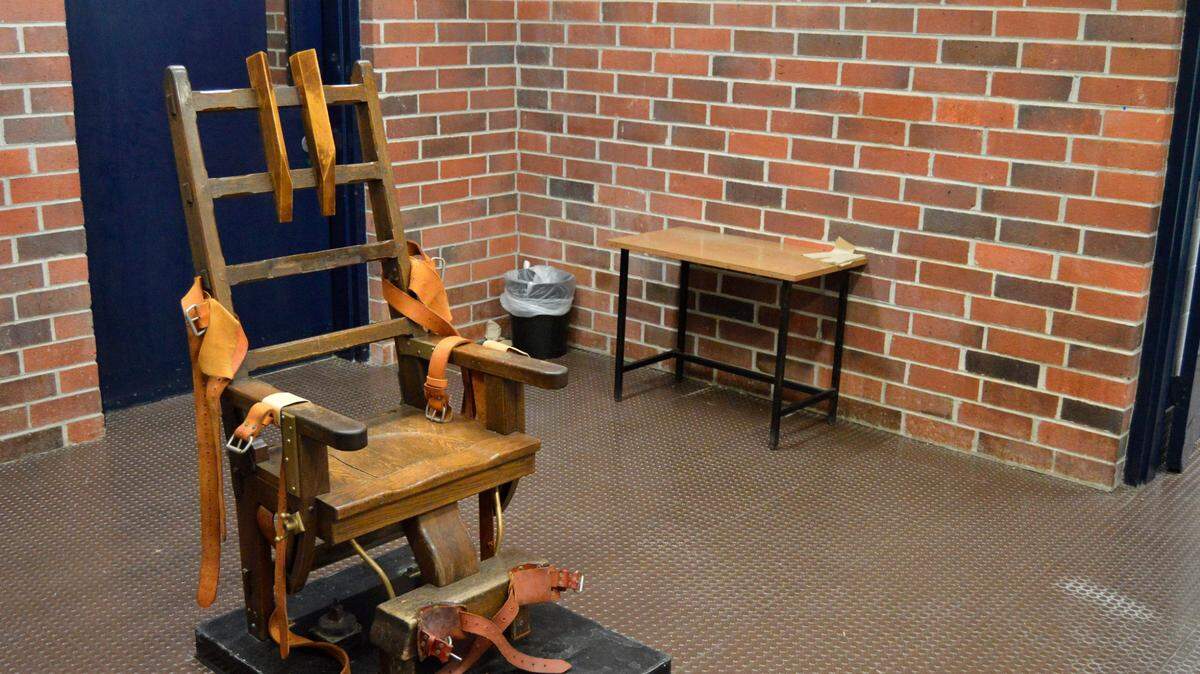
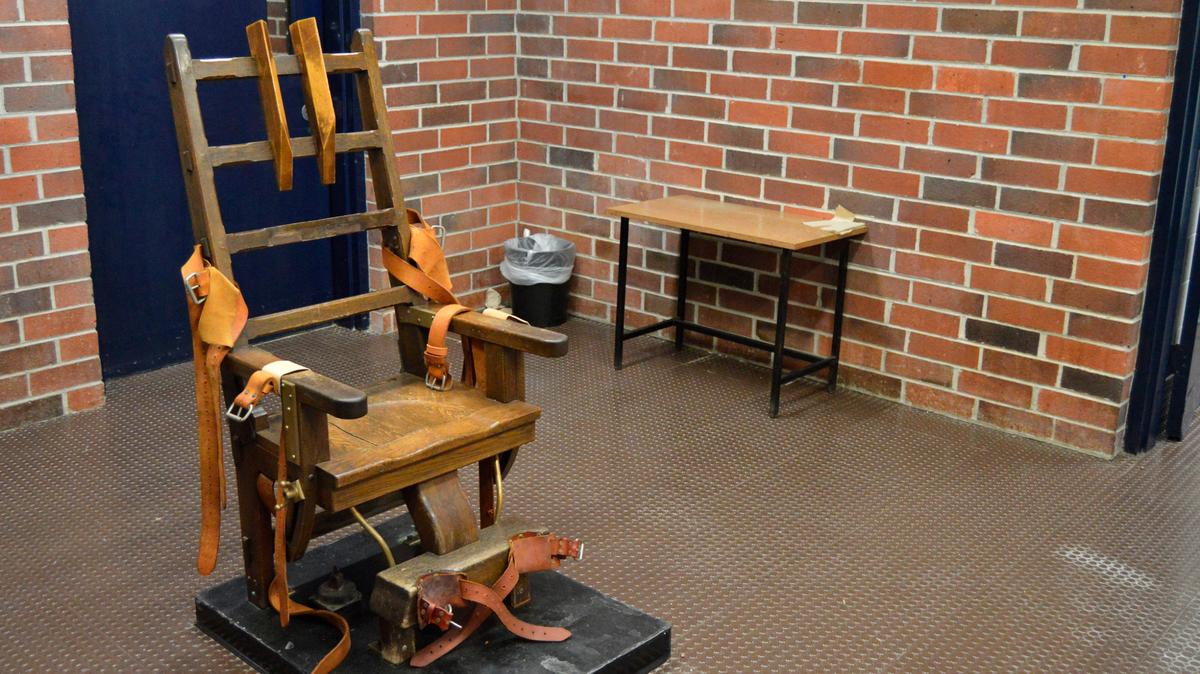
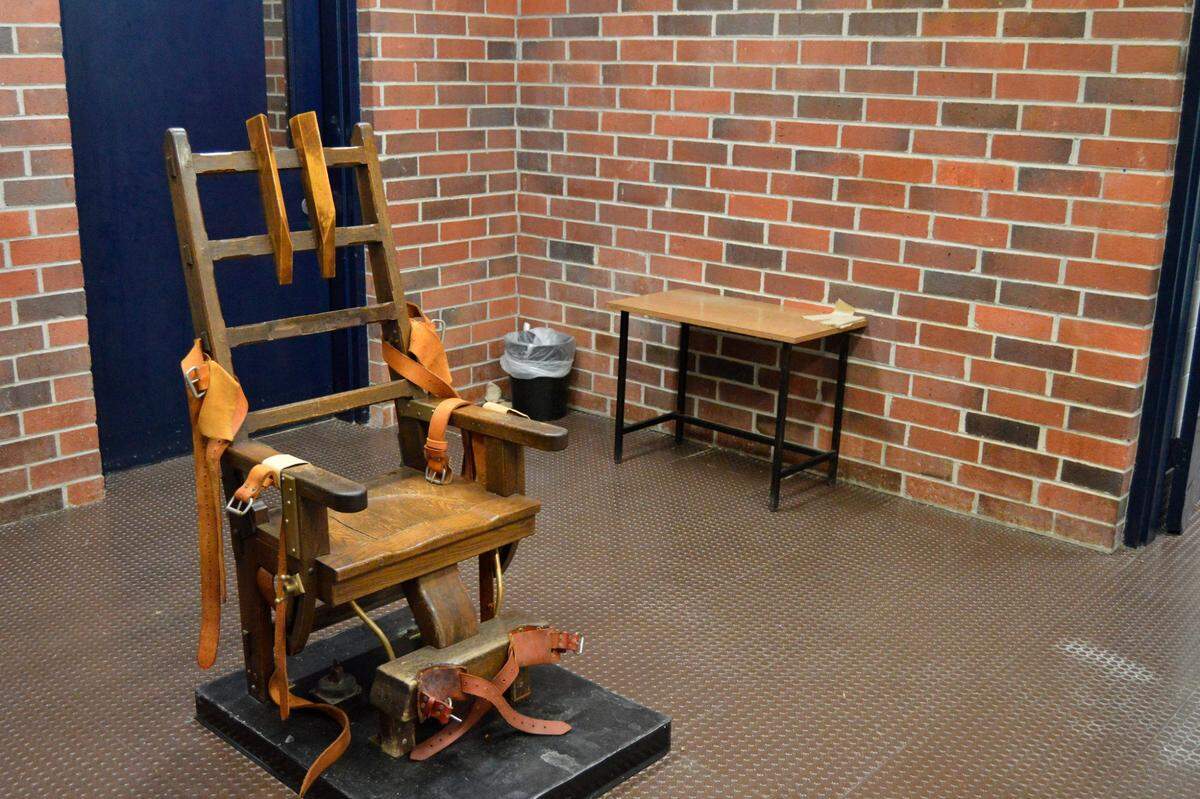
Death row inmates in South Carolina are given the choice of their method of execution between lethal injection, the electric chair and the firing squad.
Expand All
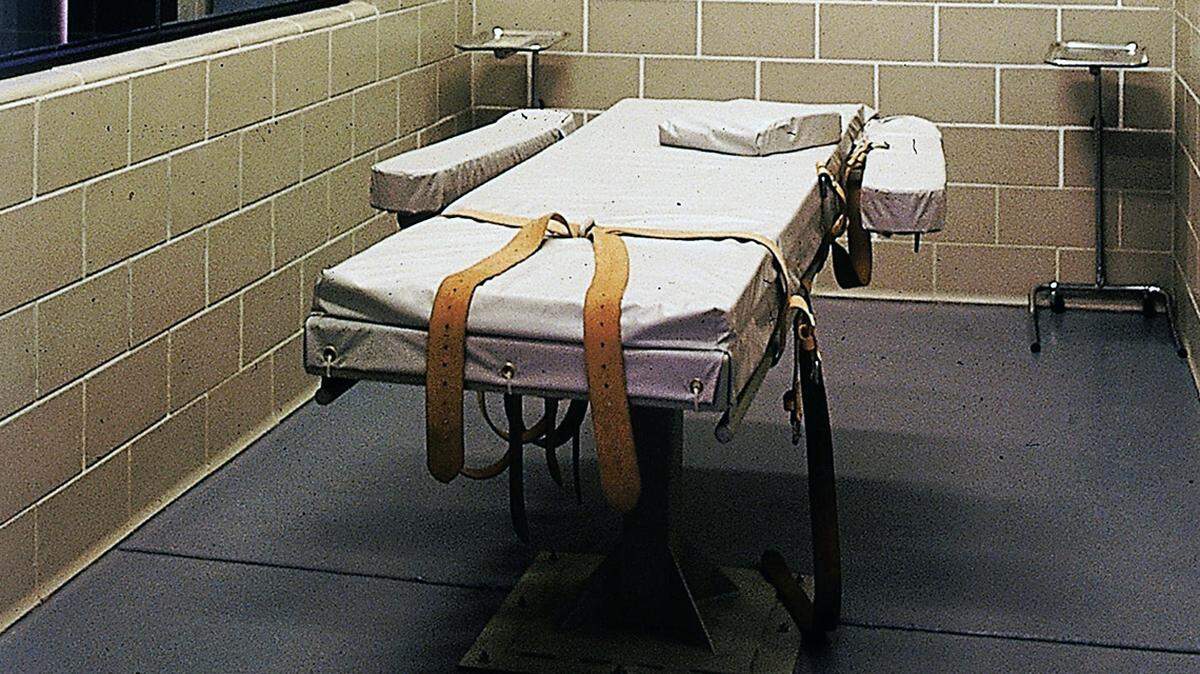
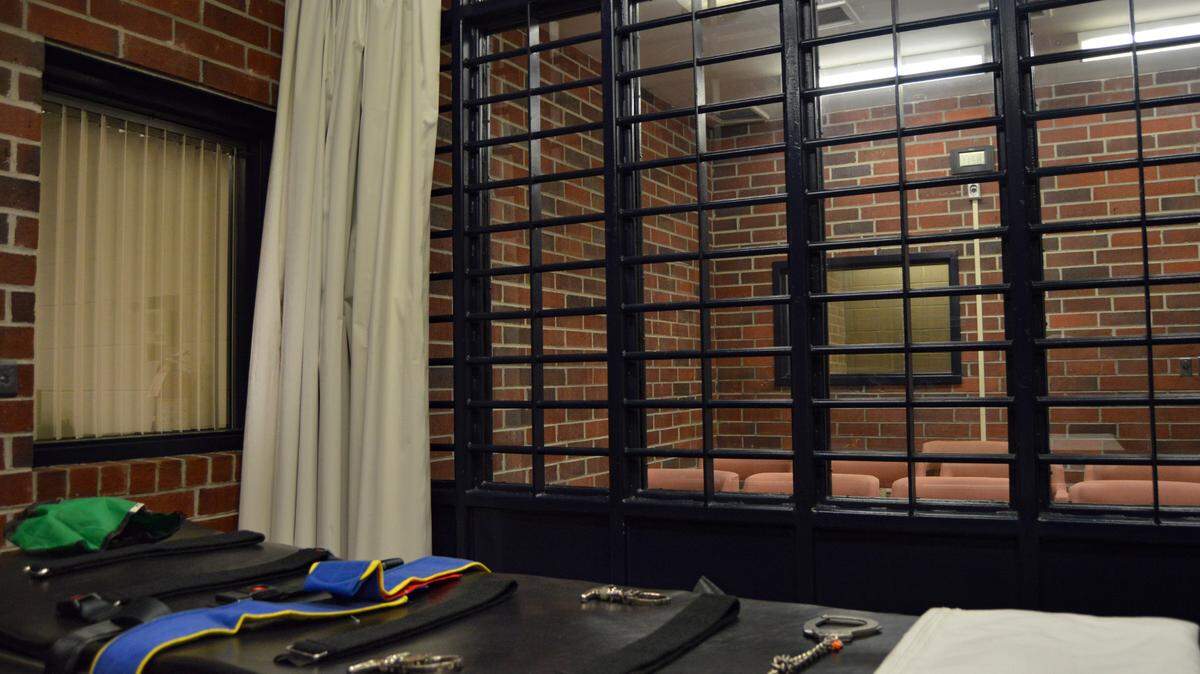
South Carolina uses two, massive five-gram doses of pentobarbital to execute death row inmates who choose lethal injection.
Long hinted at in autopsies, court filings and by attorneys representing the condemned men, the two-dose protocol was confirmed Wednesday by a lawyer for the state Department of Corrections in a hearing in a Charleston federal court.
This admission contradicts previous, publicly available information that the state carried out executions by a single five-gram dose of the powerful sedative.
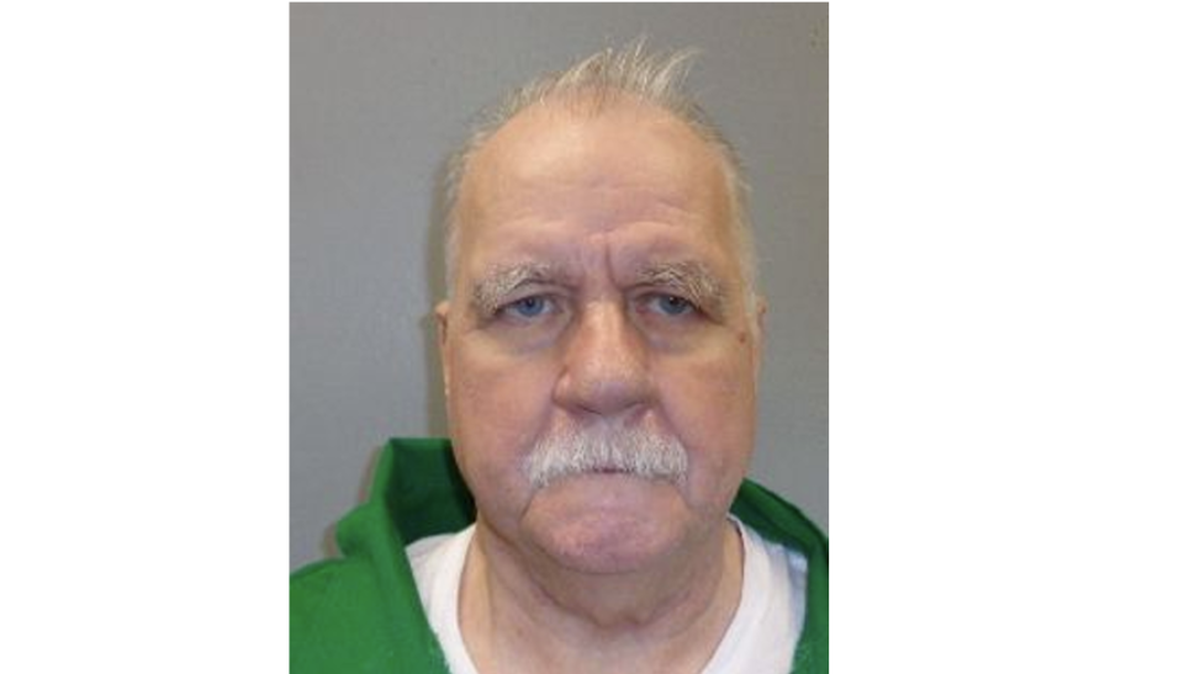
This would make South Carolina the only state to carry out executions this way, said a lawyer for Stephen Stanko, who brought a legal challenge to the constitutionality of South Carolina’s death penalty. Stanko is set to be executed by lethal injection at 6 p.m. on Friday.
He received two death sentences in Georgetown and Horry counties for the 2005 murders of his girlfriend, Laura Ling, and friend, Henry Turner.
In affidavits and court filings, South Carolina had insinuated that the lethal injection is performed by a single, five gram dose of pentobarbital followed by a saline flush — an overdose of the powerful barbiturate causes the heart to stop beating.
In filings, attorneys for Stanko argued that the second dose would only be needed if something went wrong with the IV line or something was wrong with the pentobarbital itself. In reality, the Department of Corrections confirmed it was standard practice is to administer a second five- gram dose after 10 minutes if any sign of electrical activity is still present in the condemned individual’s heart.
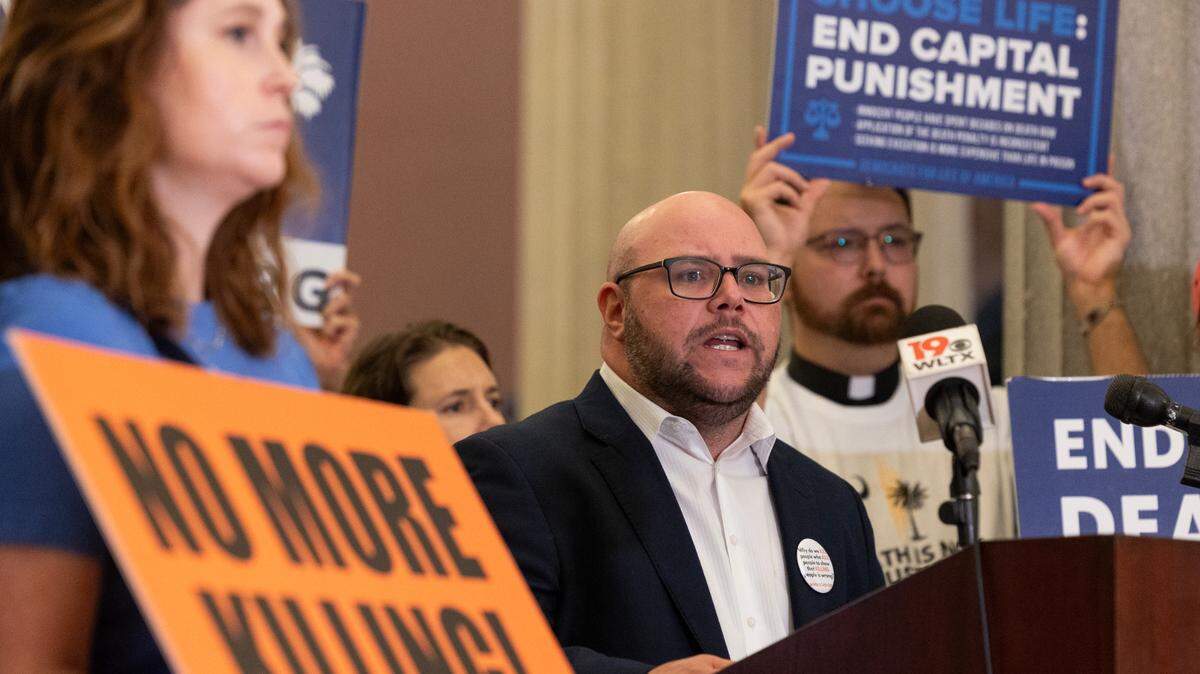
“Ten grams would kill a pony,” said Joseph Perkovich, an attorney with public interest law firm Phillips Black, who represented Stanko along with Greenwood attorney Charles Grose.
The information was revealed during a hearing before U.S. District Judge Richard Gergel, following a motion to stay Stanko’s execution over claims that he was forced under protest to choose to die by lethal injection because the state’s other methods of death are cruel and unusual.
South Carolina law requires people on death row to select their method of execution from lethal injection or firing squad — or default to the electric chair. Since last fall, three have been executed by lethal injection and two by firing squad.
Stanko brought this challenge following a bombshell legal filing alleging that the executioners participating in the firing squad of cop-killer Mikal Mahdi “intended to miss” in order to cause “extreme suffering.”
From the outset of Wednesday’s hearing, Gergel dismissed this argument and challenges to the electric chair as irrelevant. “I’m not going to chase that rabbit,” Gergel said.
Instead, he focused almost all of his questions on the issues of pentobarbital executions, which he said had been “bouncing around for a while.”
For their part, attorneys for South Carolina have characterized the lawsuit as much ado about nothing.
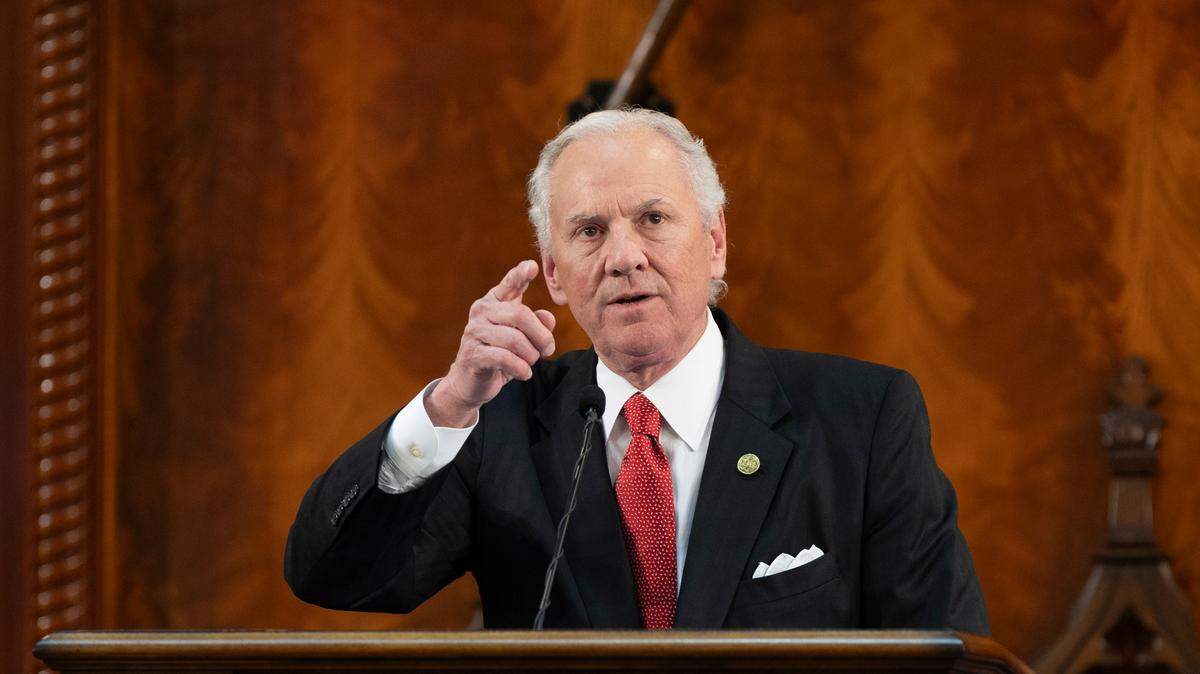
“Last minute stays of execution should be the exception and not the norm. There is nothing exceptional about this case,” said Thomas Limehouse, an attorney for Gov. Henry McMaster, a strong proponent of the death penalty who joined as a party to the case.
Gergel appeared to agree, rejecting the motion to stay barely three hours after the hearing was concluded. Stanko’s attorneys indicated that they intend to appeal to the federal Fourth Circuit Court of Appeals.
Two doses of a lethal drug
This revelation that the state uses a second dose of pentobarbital is significant because the state is one of only a handful, along with the federal government, that adopted a single drug lethal injection protocol.
South Carolina is also the only state to set the electric chair as the default method of execution.
But state courts have found the use of all of South Carolina’s methods of execution constitutionally acceptable. But very little is known about the state’s process because of a powerful “shield law” that prohibits the disclosure of virtually any information related to how the death penalty is carried out.
With lethal injections, that means that no information can be made publicly available about how it’s performed, who performs it, where the drugs are obtained and how they are stored.
While attorneys for men on death row may view the protocols in order to advise their clients, they must sign a confidentiality agreement that forbids them from litigating the protocol once they have viewed it, said Perkovich.
The adoption of a relatively untested method of execution and a secrecy law were part of the state’s drive to resume executions following a decade long pause beginning in 2013 when the state ran out of the drugs needed to perform the traditional three-drug lethal injection procedure. South Carolina resumed carrying out executions in September 2024.
As a result of the secrecy laws, attorneys for Stanko and other men on death row have argued that they have limited opportunity to evaluate whether the method amounts to cruel and unusual punishments.
But, Perkovich said, the “extraordinary” use of 10 grams of pentobarbital “to take the lives of these individuals is the biggest red flag.”
Judge Gergel appeared unconvinced. He peppered Stanko’s attorneys with questions about precedent, the timing of their filings and whether the existence of a second dose was proof that something was going wrong during the lethal injection process.
“What other evidence is there?” Gergel asked Perkovich during one exchange.
“Judge, that is the evidence,” Perkovich said.
By the end of the hearing, Gergel appeared to endorse the government’s position that electrical activity appearing on an EKG machine ten minutes after the first dose of pentobarbital was not a sign that something had gone wrong, but rather was simply the result of residual heart activity following death.
Referring to a history of other botched lethal injections around the country, Gergel said that he saw no evidence in media reports of the “pain, discomfort or agitation” that was typical in botched executions. Similarly, Gergel said that he saw no evidence of pain and suffering from pulmonary edema, a painful condition common in pentobarbital overdoses where the lungs fill with fluid causing the sensation of drowning.
Daniel Plyler, an attorney for the Department of Corrections, said it was above his “pay grade” to comment on why the lethal injection policy was written that way, but he argued, “if there’s no evidence of pain and suffering, what’s the problem?”
What is Stanko arguing?
Stanko’s lawyers say their client would have chosen to die by firing squad, but concerns that the previous execution by firing squad was botched had raised the specter that he would die in agony. In order to save himself from the electric chair, Stanko chose lethal injection, his attorneys said.
The execution of Brad Sigmon on March 7, the state’s first ever use of the firing squad, went smoothly, according to witnesses. But on April 11, Mikal Mahdi was reported to have yelled on being shot, and made moaning sounds before breathing his last breath 80 seconds after being shot. An autopsy of Mahdi found just two bullet wounds. Procedure calls for the firing squad to be carried out with three rifles, all containing live ammunition.
Stanko’s lawyers have described this as a botched execution and claimed in filings that the evidence suggested the executioners “intended to miss” Mahdi in order to cause “extreme suffering.” Mahdi was sentenced to death for the execution-style murder of an Orangeburg police officer.
In a sworn statement, interim corrections department director Joel Anderson, wrote that he “verified” that all three firearms were fired and the spent shell casings were removed after Mahdi’s execution. Anderson wrote that he also verified that there were no projectiles or fragments in the death chamber.
“Had Sigmon been the the only firing squad execution, we would not be here today,” Perkovich said.
This story was originally published June 11, 2025 at 2:12 PM.
.jpg)