SC firing squad execution was a ‘massive botch,’ inmate’s attorney says
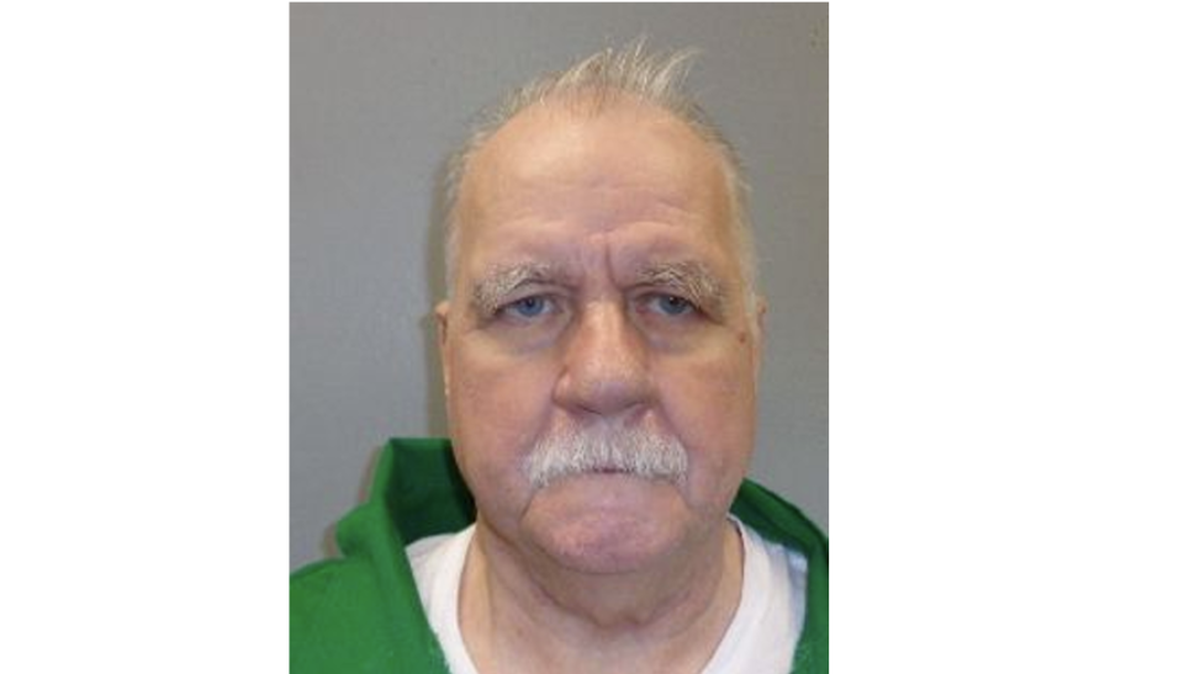
.jpg "Mikal Mahdi is shown at age 40 at Broad River Correctional Institution in Columbia in 2023.")
READ MORE
South Carolina Death Row
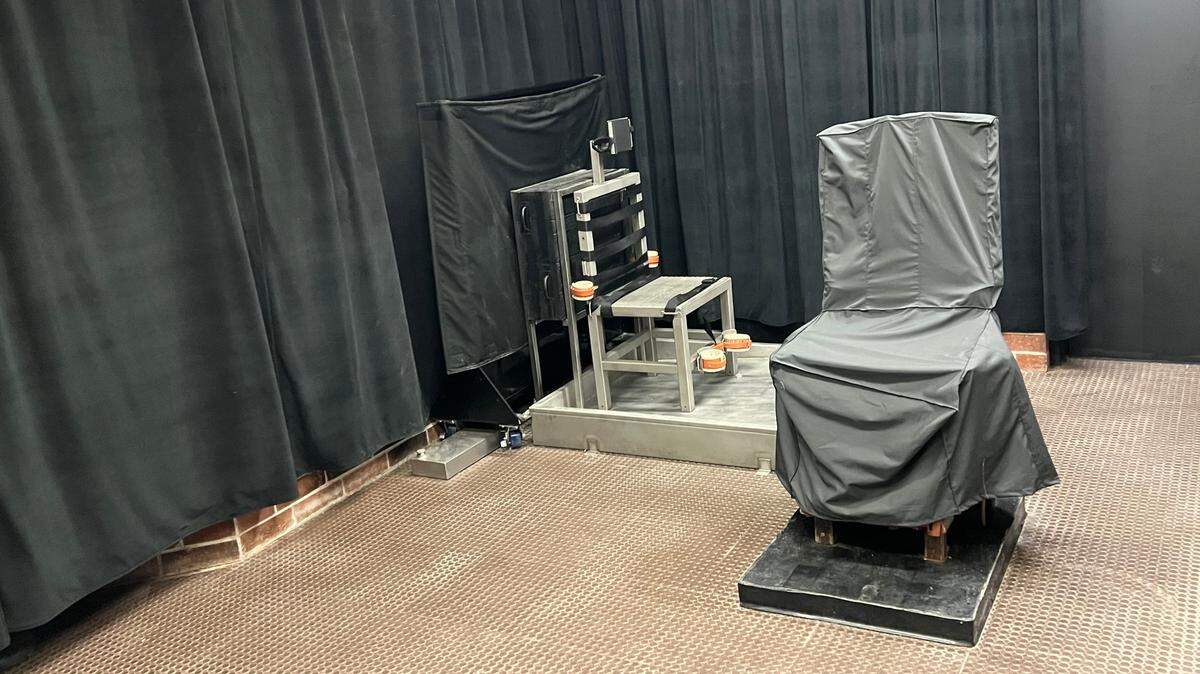
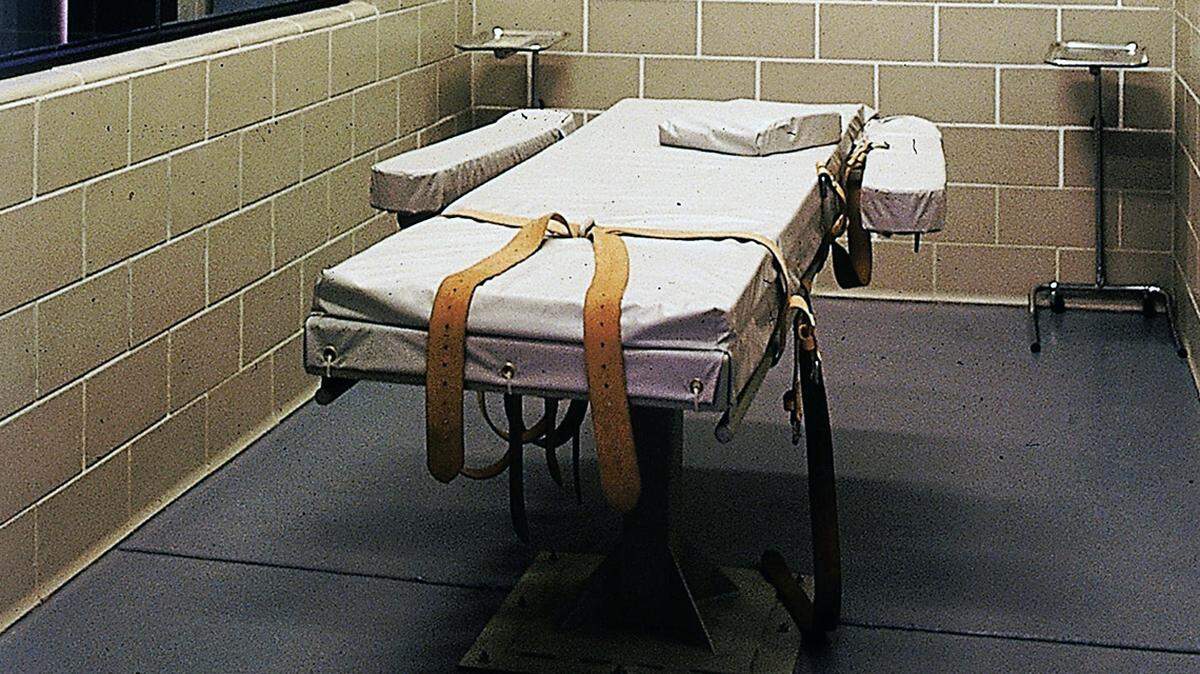
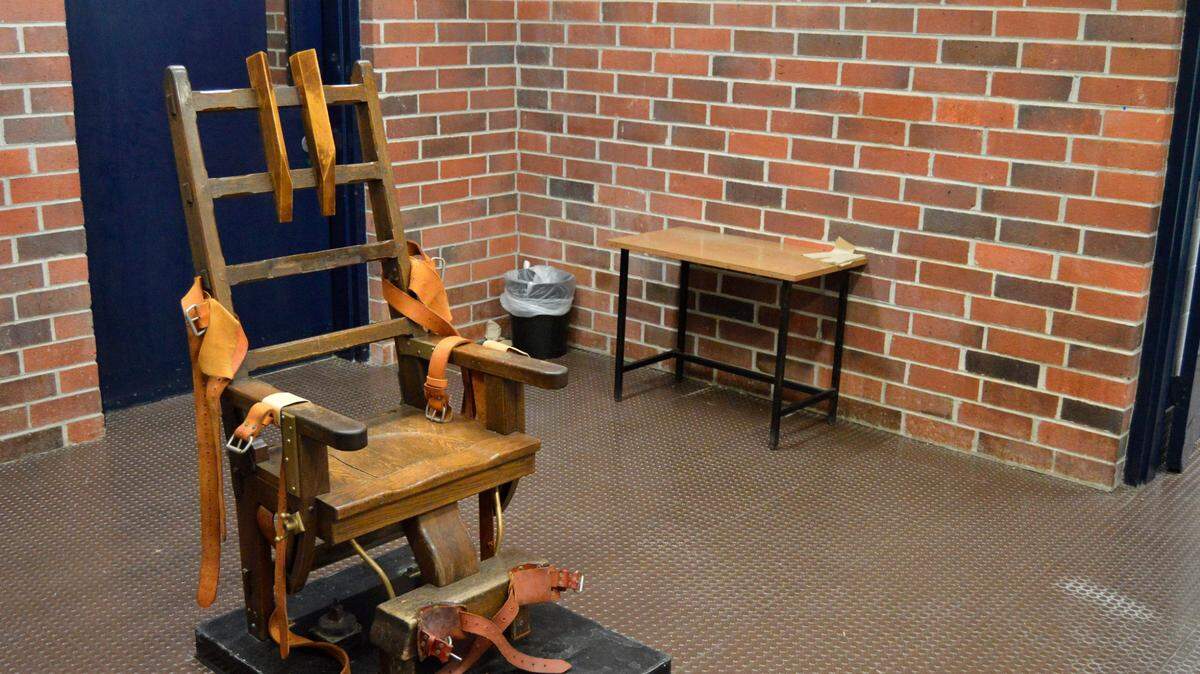
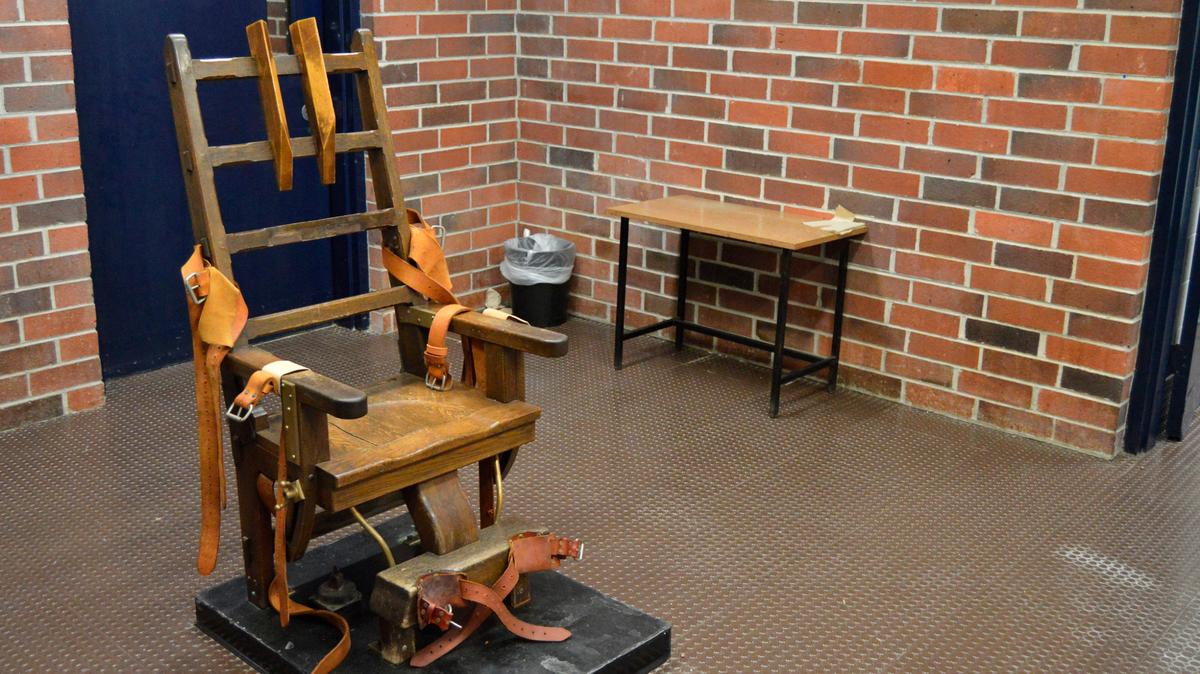
Death row inmates in South Carolina are given the choice of their method of execution between lethal injection, the electric chair and the firing squad.
Expand All
Last month’s firing squad execution of Mikal Mahdi was a “massive botch” that left the convicted murderer in excruciating, conscious pain for at least twice as long as would have been expected, according to a legal filing by Mahdi’s attorneys.
The allegations, lodged Thursday with the South Carolina Supreme Court, rely on an autopsy report commissioned by Mahdi’s legal team that found he was struck by only two bullets, not the prescribed three, and that the gunshots were misplaced, entering the condemned man “at the lowest area of the chest,” rather than an area overlying his heart.
“Mr. Mahdi elected the firing squad, and this Court sanctioned it, based on the assumption that (the South Carolina Department of Corrections) could be entrusted to carry out its straightforward steps: locating the heart; placing a target over it; and hitting that target,” the legal filing states. “That confidence was clearly misplaced.”
The South Carolina Department of Corrections was quick to dispute the report.
“Three shots were fired, that’s our protocol,” SCDC spokeswoman Chrysti Shain said. “All the bullets hit his heart.”
She explained that the firing squad marksmen locked in on a target placed by a medical professional who had used a stethoscope and chest X-ray to pinpoint the location of Mahdi’s heart.
A state-sanctioned autopsy, performed by forensic pathologist Bradley Marcus, found two gunshot wounds and two distinct bullet pathways that perforated the right ventricle of Mahdi’s heart. One of the paths, Marcus noted in his report, is believed to have been traveled by two bullets, which would explain how three gunshots created only two bullet holes.
Jonathan Arden, the forensic pathologist hired by Mahdi’s legal team to review the state-sanctioned autopsy report, cast doubt on that possibility in his own report, writing it was “extraordinarily uncommon” for multiple bullets to pierce the body through a single entrance wound.
He also pointed to the location of the bullet holes, which were “almost at the abdomen,” and the internal injuries Mahdi suffered, as documented by Marcus, to surmise that the firing squad had missed its mark.
“Mr. Mahdi sustained substantial disrupting injuries to his liver and pancreas, and perforation of the lower lobe of the left lung, but only two perforations of the right ventricle of the heart, comprising two holes in the front, and two holes in the back, of that ventricle,” Arden wrote.
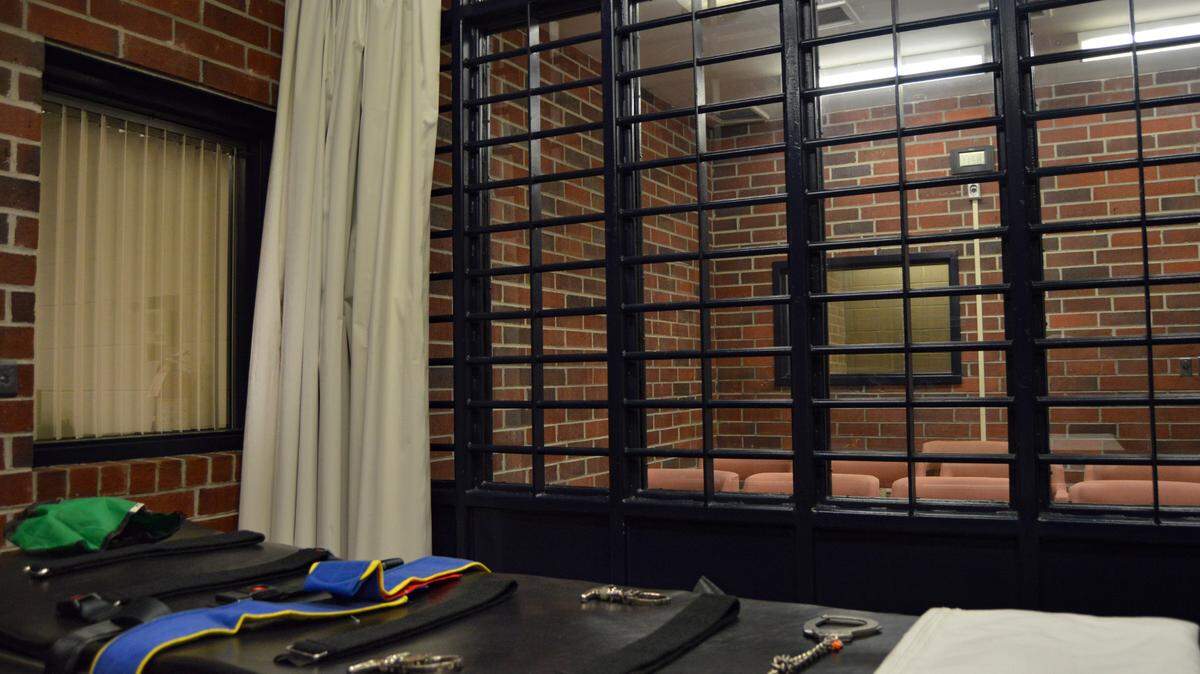
Mahdi, who was sentenced to death in 2006 following a multi-state crime spree during which he killed a gas station clerk and an Orangeburg police captain, was the second man to die by firing squad in South Carolina. He was executed April 11 inside the Broad River Road Correctional Institution in Columbia.
Witnesses reported Mahdi let out a groaning yell as he was shot, followed by a couple more groans about 45 seconds later and a final deep guttural moan at about 80 seconds. He was pronounced dead less than four minutes after the shots were fired.
The State Supreme Court previously established that the amount of time an inmate should suffer pain from a firing squad execution is 10 to 15 seconds, barring a “massive botch of the execution in which each member of the firing squad simply misses the inmate’s heart.”
The autopsy report commissioned by Mahdi’s attorneys contends that both the forensic medical evidence and the eyewitness observations corroborate that Mahdi was “alive and reacting longer than was intended or expected.” It estimated Mahdi experienced “excruciating conscious pain and suffering for about 30 to 60 seconds after he was shot.”
Mahdi’s legal team said in its court filing that it shared its autopsy findings in the hope that any errors in the process could be identified and corrected in the interest of future death row inmates who choose to die by firing squad.
Shain, the corrections department spokeswoman, said the department already conducts an after-action review of all executions and that Mahdi’s review found no issues with the process.
This story was originally published May 8, 2025 at 4:23 PM.