Death row inmate asks to halt execution, says SC prosecutors cut secret deal with witness
READ MORE
South Carolina Death Row
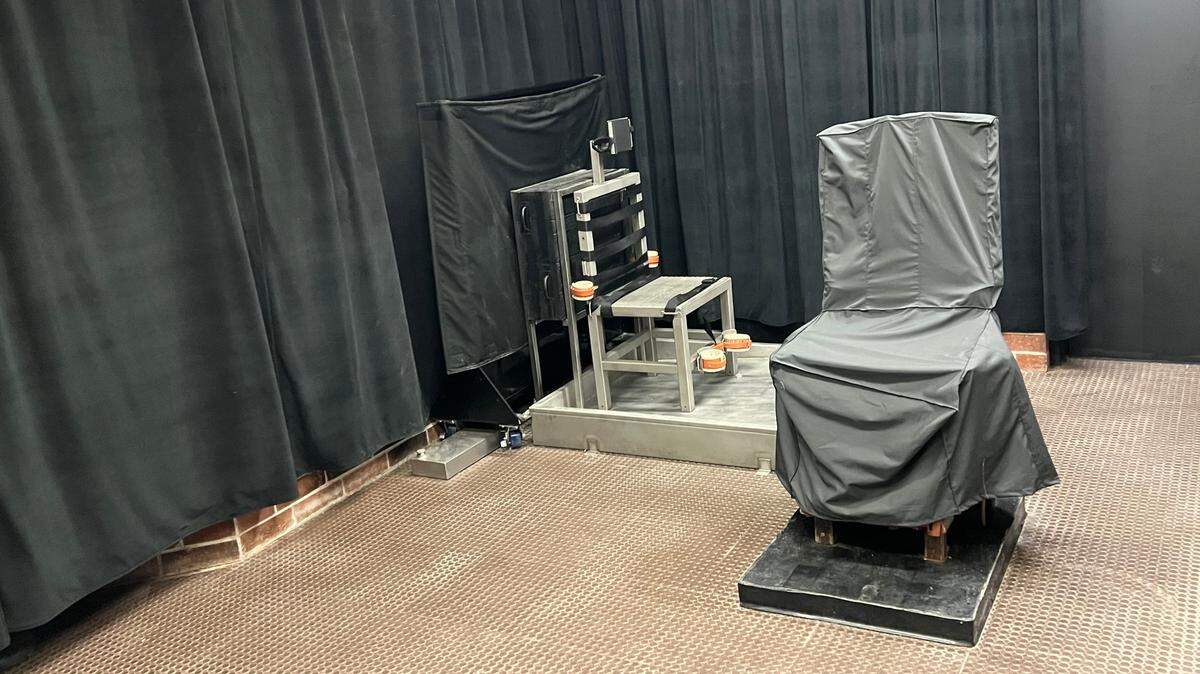
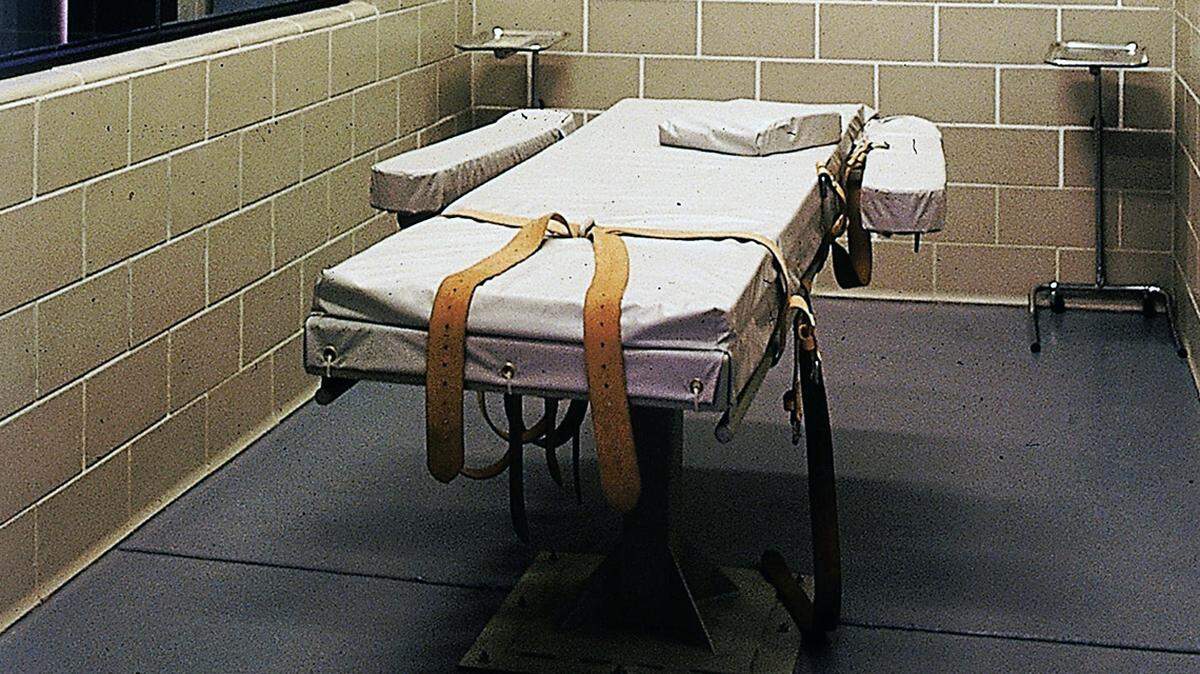
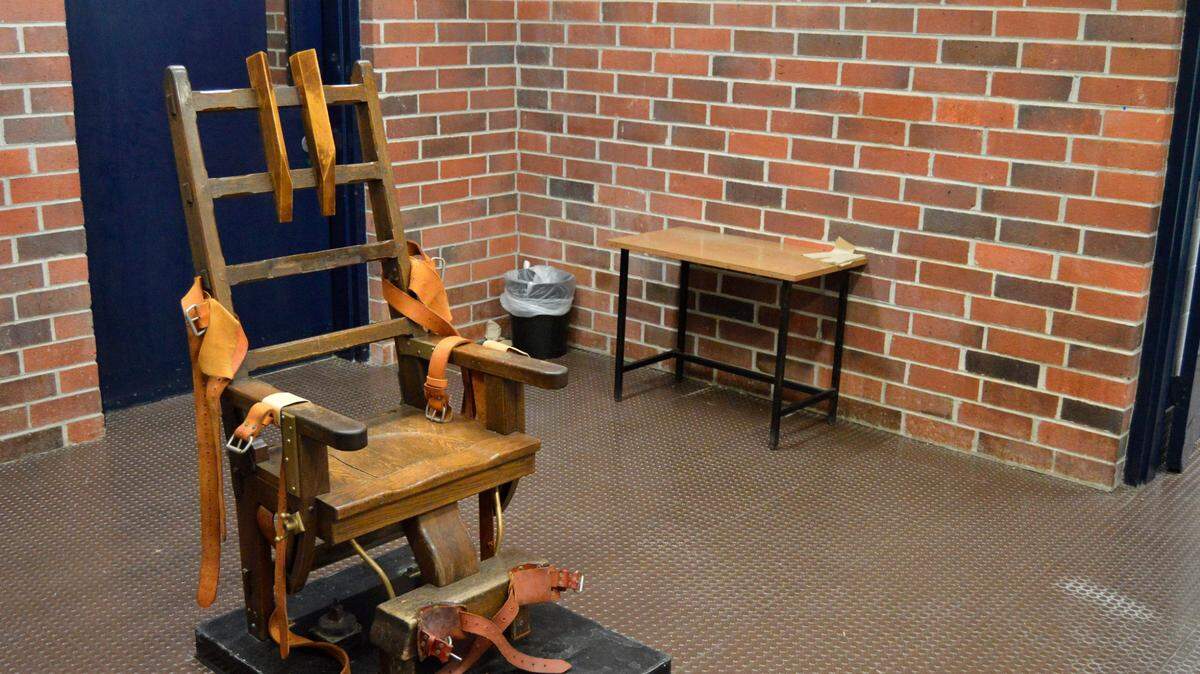
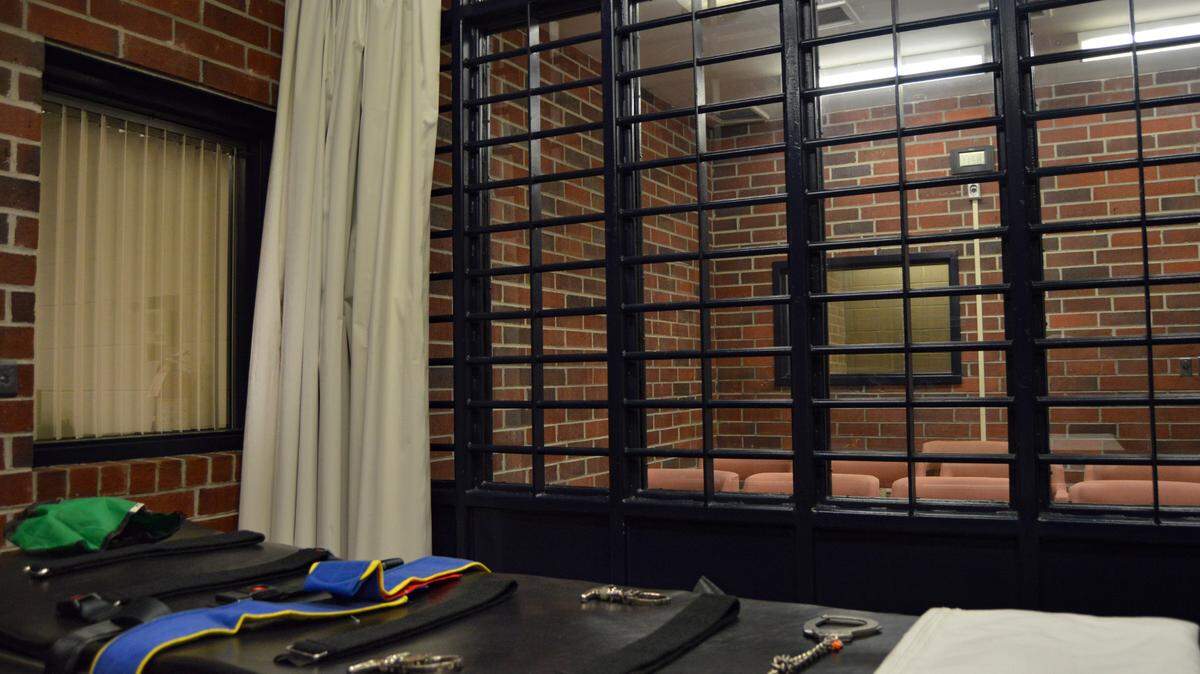
Death row inmates in South Carolina are given the choice of their method of execution between lethal injection, the electric chair and the firing squad.
Expand All
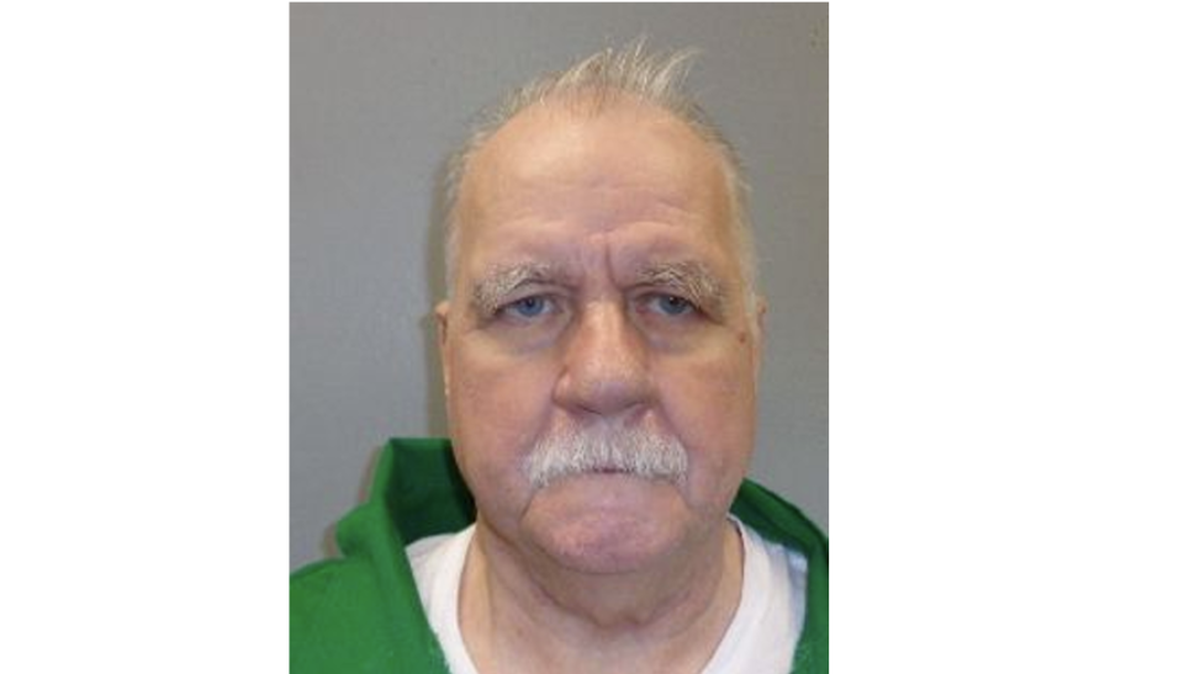
The first inmate likely to be executed in South Carolina in more than a decade is calling for a stay as his lawyers claim that one of his co-defendants, the only eyewitness to his killing of a gas station clerk, was offered a secret deal by prosecutors, according to his attorneys.
Freddie Owens is set to be executed on Sept. 20.
As part of a last-minute flurry of legal action, his attorneys have filed a motion to stay the execution because of recently discovered evidence that prosecutors in 1999 secretly promised Owens’ co-defendant, Steven Golden, that they would not pursue the death penalty against Golden if he agreed to plead guilty and testify against Owens.
During Owens’ trial, the prosecutor told jurors they could trust Golden’s testimony because it was made knowing “he might get life without parole and he may still be tried before this judge for the death penalty,” according to the motion.
This was only discovered when Golden disclosed the existence of the deal to Owens’ current lawyers.
The motion also alleges that a juror saw that Owens was wearing a shock device around his waist, which court staff could use to stun and immobilize Owens. Crucially, his attorneys say, the trial judge failed to make an important finding on the record that the restraints were required, which violated his right to due process and presumption of innocence.
The motion calls for the Supreme Court to vacate Owens’ execution notice and not to issue another execution notice while Owens’ appeals are pending.
The motion was filed Friday in the state Supreme Court by attorney Josh Kendrick along with federal public defenders Gabrielle Amber Pittman and Gerald W. King Jr.
Owens is the first of six men who are set to be executed in the coming months.
What does the motion say?
Owens was sentenced to death in 1999 for Graves’ murder on Nov. 1, 1997. Graves was a clerk at a Speedway convenience store in Greenville, South Carolina, who was shot and killed by Owens during an armed robbery. Surveillance video from the robbery showed two “unidentifiable, masked assailants,” according to the motion.
Other than Owens, the only person to actually witness the crime was Golden, who was also charged with murder. Two other accomplices, Nakeo Vance and Luster Young, were also charged in connection to Graves’ murder.
Both Owens and Golden were facing a death penalty trial together when, during jury selection, Golden “changed course and pleaded guilty as charged to murder, three counts of armed robbery, criminal conspiracy, and possession of a firearm during the commission of a violent crime,” according to the motion.
The plea deal that Golden signed with Solicitor Robert Ariail said that he still faced the death penalty, with the caveat that the solicitor would consider a recommendation of leniency in exchange for a guilty plea and truthful testimony.
Owens’ attorneys argue that this testimony was crucial to his conviction, and it was strengthened by the prosecutor’s false representation that Golden had agreed to testify despite knowing he could still be sentenced to death.
“No physical or forensic evidence connected Owens to the crime scene, and he denied participating,” according to the motion. “With no proof of the shooter’s identity, the State relied heavily on the testimony of Golden and Vance, as well as the testimony of Owens’s former girlfriend.”
But in an affidavit that Golden signed last month, one day before the notice of Owens’ execution was released, he said that prosecutors had made him a secret deal that superseded his written plea.
“My written plea agreement said the death penalty and life without parole were still possible outcomes and there were no specific guarantees about what my sentence would be. That wasn’t true. We had a verbal agreement that I would not get the death penalty or life without parole,” Golden wrote in his affidavit, dated Aug. 22.
This secret deal was also recorded by Golden’s attorney, Richard Vieth, who wrote in a draft affidavit in 1999 that Golden had been advised that the solicitor would withdraw the death penalty in exchange for his cooperation.
After Owens’ conviction, his attorney requested a copy of the draft affidavit from the solicitor’s office, but a trial court judge sealed the document and ultimately determined that it was privileged and should not be handed over to Owens’ defense attorneys.
Golden was sentenced to 28-years.
Questions over electric shock device
Just as his trial was set to begin, Owens and his attorney, John Rollins, were brought into a side room in the courthouse by a staff member. According an affidavit submitted by Rollins, the staff member laid a stun belt that Owens would be wearing under his clothes in the middle of the room and activated it with a remote control.
It “looked like blue plasma flowing across the device... there was an odor of something burning,” Rollins wrote in his affidavit. It was a warning of what would happen if Owens misbehaved in court, Rollins wrote.
In addition to severe pain, stun belts can cause their wearers to urinate or defecate on themselves.
Some courts have raised issues with their use. In one case, the 11th Circuit Court of Appeals argued that a defendant would be more likely “to concentrate on doing everything he can to prevent the belt from being activated, and is thus less likely to participate fully in his defense at trial.”
Following his trial, a juror submitted an affidavit stating that they had seen the device under his clothes and was aware of what it was.
According to Owens’ attorneys, the United States Supreme Court has long held that visible restraints, including shackles and shock devices, should not be used in a trial before the defendant’s guilt has been established. Doing so violates their right to be presumed innocent. If a court is going to require that a defendant wear restraints, they are required to state on the record why those measures are necessary and give a defendant’s attorneys an opportunity to respond.
Owens’ attorneys argue that because a juror was able to see the restraints, the judge failed to take “adequate precautions” to ensure that the jury was not able to see the device.
This story was originally published September 4, 2024 at 5:30 AM.
.jpg)