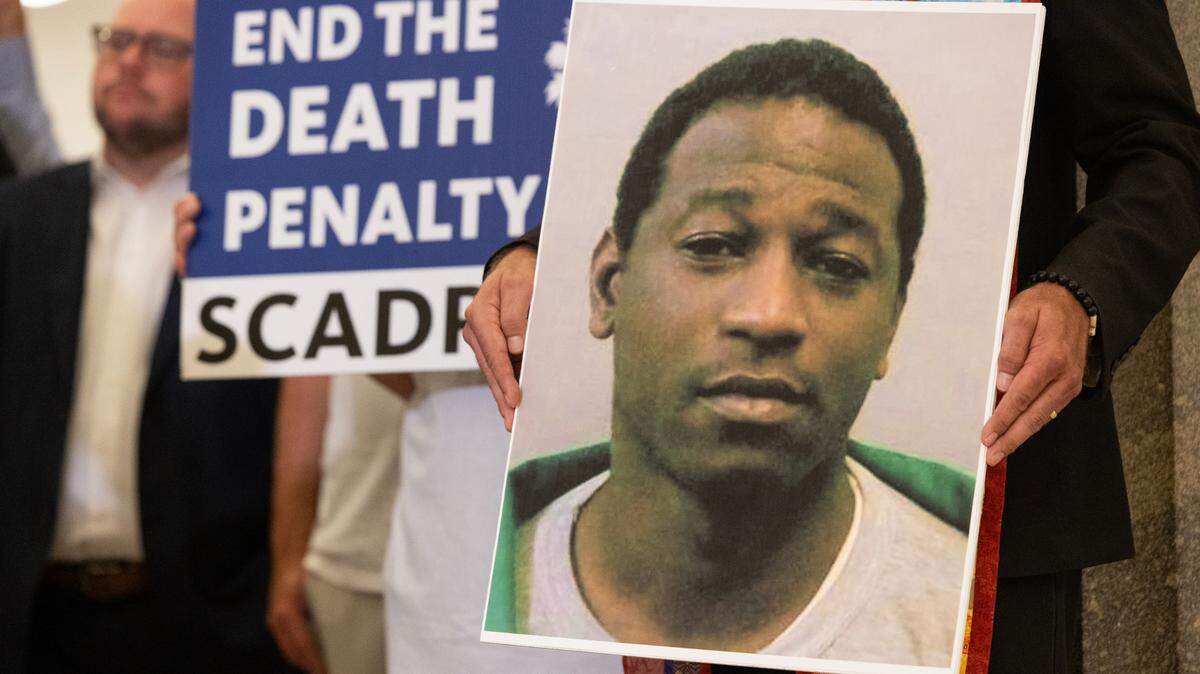
From birth to his slated execution in SC, Freddie Owens’ life was riddled with violence
READ MORE
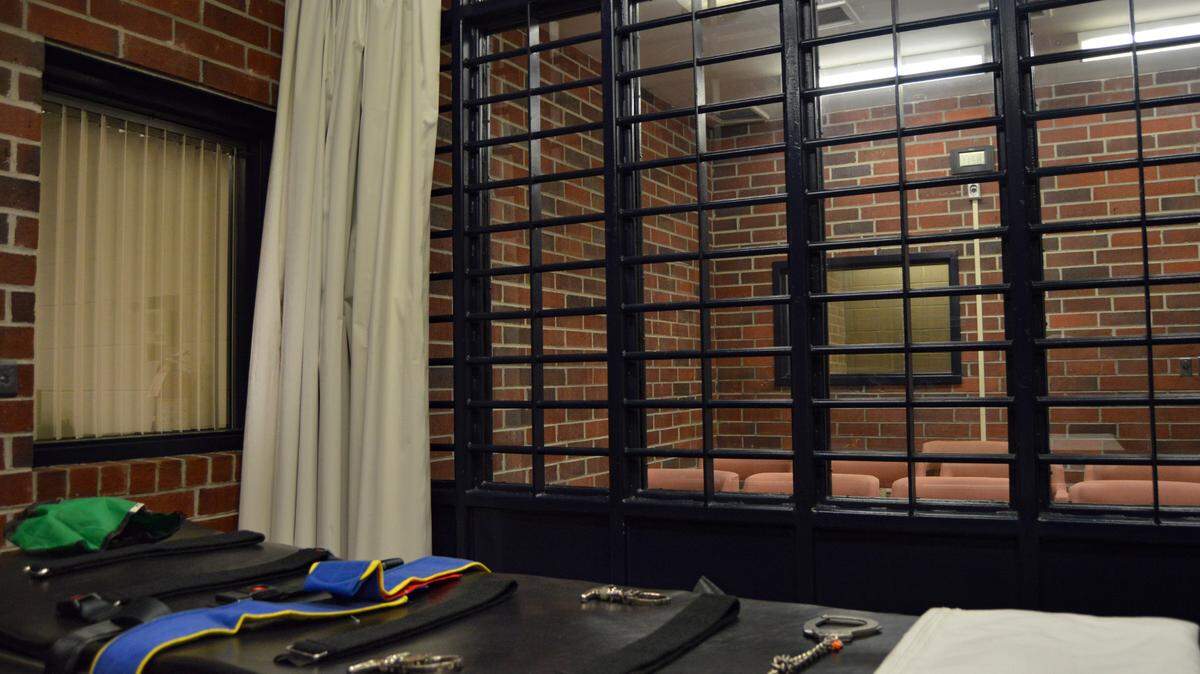
South Carolina Death Row
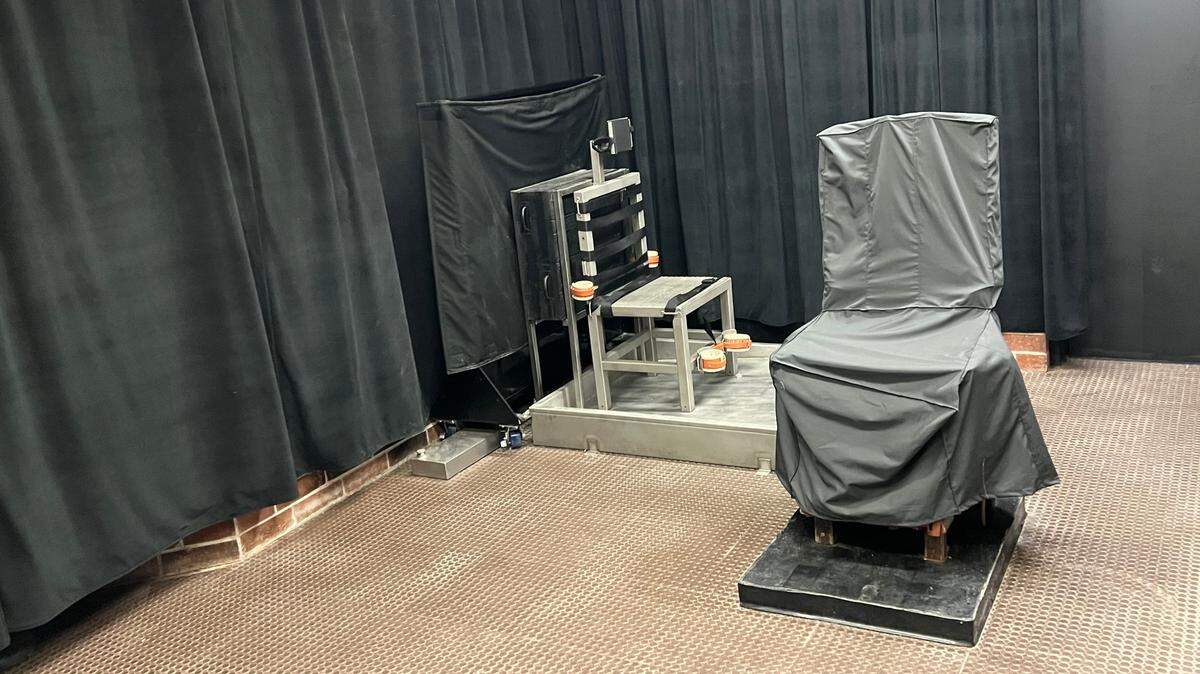
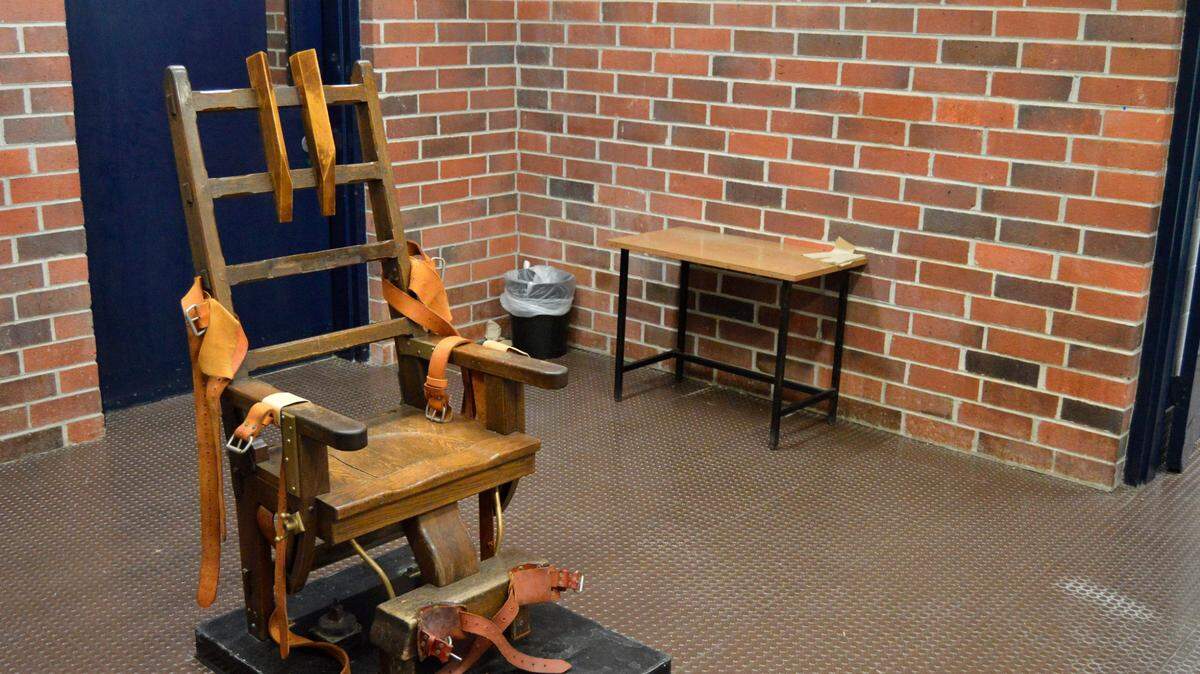
Death row inmates in South Carolina are given the choice of their method of execution between lethal injection, the electric chair and the firing squad.
Expand All
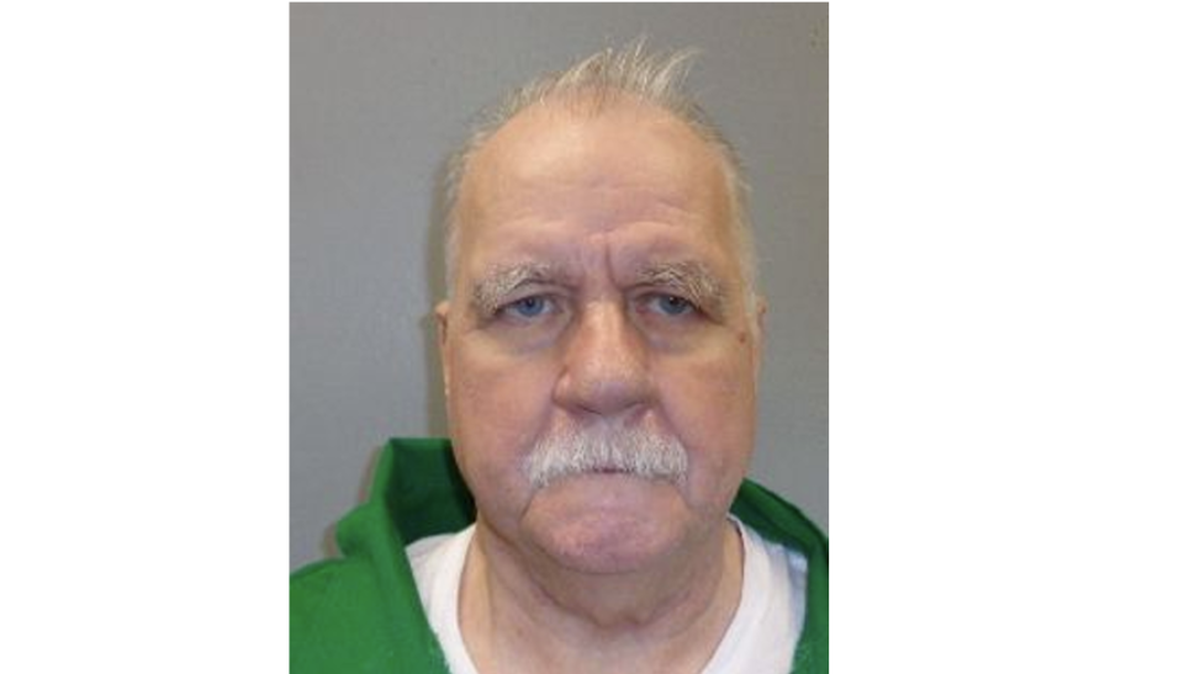
Freddie Eugene Owens experienced violence even before leaving his mother’s womb — she was physically assaulted while Owens was still nestled inside.
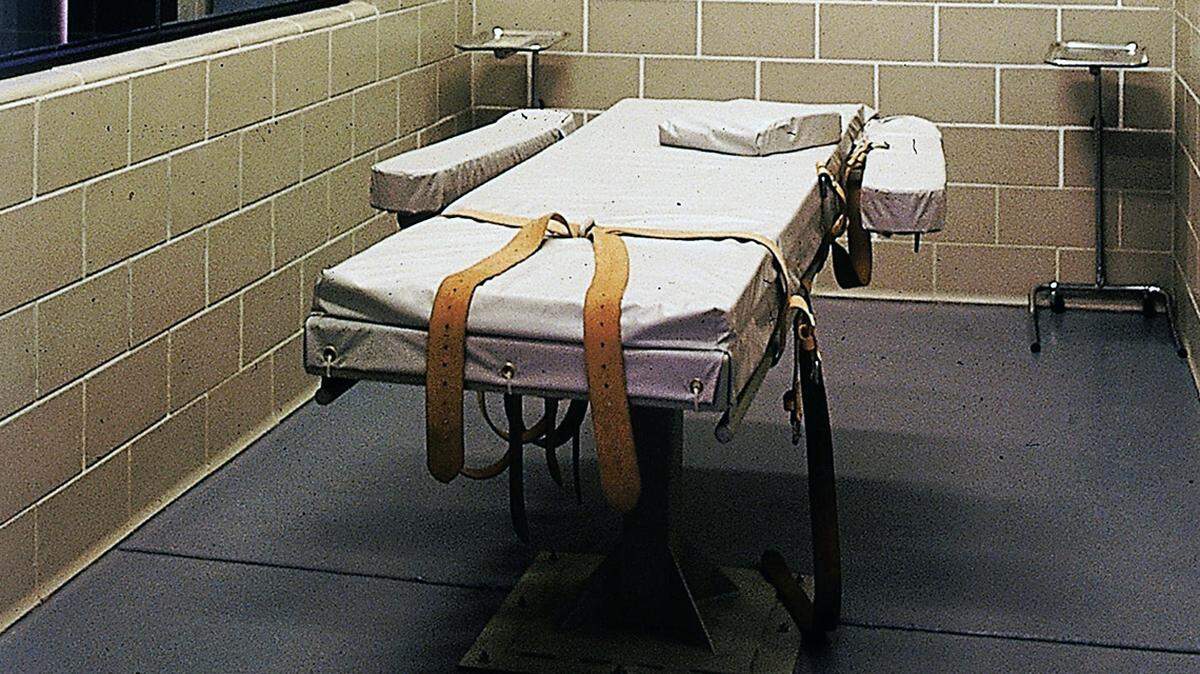
At birth, Owens would embark on a life marked by poverty, neglect, school difficulties, family violence and murder. He now is scheduled to die Friday at 6 p.m. by lethal injection.
Owens, 46, was sentenced to death for the murder of Irene Graves, a gas station clerk, in the early morning hours of Nov. 1, 1997. A jury found that Owens, 19 at the time of Graves’ murder, had shot and killed the mother of three during a robbery at a Speedway convenience store in Greenville.
Since his 1999 conviction, Owens has filed several appeals attempting to overturn his death sentence.
He has twice been resentenced to death, first in 2003 by then circuit court judge and now South Carolina Chief Justice John Kittredge and again by a jury in 2006. In 2015, Owens converted to Islam and changed his name to Khalil Divine Black Sun Allah but continues to use the name “Freddie Owens” in his appeals.
Citing his Islamic faith, Owens petitioned the South Carolina Supreme Court to grant one of his lawyers power of attorney to choose how Owens will be executed. Owens said that because of his faith, his death would be “akin to suicide” if he chose how to die.
In South Carolina, death row inmates can choose death via the electric chair, lethal injection or a firing squad.
Owens, through his appeals, repeatedly urged the court to consider his troubled childhood as a mitigating circumstance to Graves’ murder.
During three sentencing proceedings, social historian Marjorie Hammock testified that “Owens frequently was exposed to violence in his home and neighborhood, suffered from physical abuse, witnessed physical abuse, including one incident during which his step-father chased his mother around the house with a machete, had five family members who had been incarcerated and was in and out of foster care for portions of his childhood,” according to court records.
”It’s also a great deal of violence . . . that the client experienced, because . . . both his stepfather and his father were described as very violent people, and his mother was a victim of that violence in many instances,” Hammock told a sentencing jury.
As a youth, he served a stint in the Department of Juvenile Justice, where he claims to have been physically and sexually assaulted, according to court records.
Also during a sentencing hearing, Donna Schwartz-Watts, a forensic psychiatrist, testified that Owens suffered from chronic depression, attention deficit disorder, and antisocial personality disorder, according to a 2018 federal opinion. In addition, she testified that Owens’ “impulsivity comes from having Attention Deficit Disorder, having the chronic depression and his own personality structure.”
While incarcerated, Owens has been disciplined for more than 40 infractions, including multiple counts of assault and battery on prison staff with intent to kill or injure, possession of a weapon and damaging property.
He also admitted to brutally murdering a cellmate, Christopher Bryan Lee, 28, during the 24-hour waiting period between his 1999 criminal conviction and his first sentencing trial. Owens was never tried for killing Lee, who was serving a 90-day charge for drunk driving.
Stacey Wood, a psychologist, conducted a neuropsychological review and evaluation of Owens, finding he suffered from a “significant brain impairment,” a court opinion said.
Around 4 a.m. on Nov. 1, 1997, two men entered a Speedway convenience store on Laurens Road in Greenville. Both could be seen on CCTV, one man wearing a ski mask, the other a stocking over his head. They were carrying guns and demanded that the clerk, Graves, open the safe.
When she couldn’t, the man in the ski mask shot Graves, a mother of three. The two men made off with $37.29 taken from the register.
Owens maintains his accomplice shot Graves, although he originally admitted to his ex-girlfriend and family members that he’d killed the clerk, according to court records.
In his latest failed appeal, lawyers for Owens argued the death penalty was disproportionate as the jury had not necessarily found that Owens was the one who fatally shot Graves.
Prosecutors, during Owens’ criminal trial, advanced a legal theory that the jury could find him guilty of murder simply by finding that he had participated in the robbery that led to Graves’ killing
Were he to be executed, his attorneys argued, it could be the first time since the death penalty was reinstated in South Carolina in 1976 that a person would be put to death with no specific finding that they had actually killed someone.
But the Supreme Court was unmoved. The justices wrote that there was sufficient evidence to “prove Owens deserved a sentence of death.”
Besides receiving the death penalty for Graves’ murder, Owens was also originally sentenced to 30 years imprisonment for armed robbery, five years imprisonment for possession of a weapon during a violent crime, and five years imprisonment for criminal conspiracy.
This story was originally published September 18, 2024 at 1:51 PM.

.jpg)